Did Jesus really rise from the dead?

1 Corinthians 15:3-8
3 For what I received I passed on to you as of first importance: that Christ died for our sins according to the Scriptures,
4 that he was buried, that he was raised on the third day according to the Scriptures,
5 and that he appeared to Cephas, and then to the Twelve.
6 After that, he appeared to more than five hundred of the brothers and sisters at the same time, most of whom are still living, though some have fallen asleep.
7 Then he appeared to James, then to all the apostles,
8 and last of all he appeared to me also, as to one abnormally born.
New International Version (NIV)
The answer
Yes. Scripture presents the resurrection of Jesus Christ as a real, historical event — not a symbol, legend, or later belief added to the faith. Here is what the text gives us to rest on.
The earliest eyewitness creed
In 1 Corinthians 15:3-4, Paul writes that what he delivered to the Corinthians he had received — a fixed, transmitted statement of faith. He lists its parts one by one:
- Christ died for our sins according to the Scriptures (a fulfillment of Isaiah 53 and Daniel 9:24-26).
- He was buried (a real, physical death — burial presupposes it).
- He was raised on the third day according to the Scriptures (predicted, not invented).
Paul then names the eyewitnesses who saw the risen Christ: Cephas (Peter), the twelve, over five hundred brothers at once ("most of whom remain until now," he adds — a challenge any Corinthian reader could check), then James, then all the apostles, and finally Paul himself on the Damascus road (1 Corinthians 15:5-8). This is not a private claim. It is a list the first-century church could verify.
Why Paul stakes everything on it
In 1 Corinthians 15:12-19, Paul argues that if the resurrection didn't happen, the Christian faith is empty — note the cascade:
- Our preaching is in vain (verse 14).
- Our faith is in vain (verse 14).
- We are false witnesses of God (verse 15).
- You are still in your sins (verse 17).
- Those who have died in Christ have perished (verse 18).
Paul treats the resurrection as the hinge of the whole gospel. Remove it, and nothing else Christianity teaches about forgiveness, new life, or hope stands. He would not have written this way if the event were doubtful to him.
What the resurrection accomplishes
The same Paul who passed on this creed wrote in Romans 4:25 that Christ "was delivered for our offences, and was raised again for our justification." The resurrection is God's declaration that the payment for sin was complete — that death could not hold the one who died for us. As 1 Peter 2:24 puts it, he "bare our sins in his own body on the tree, that we, being dead to sins, should live unto righteousness." The empty tomb is the receipt that the debt is paid.
A short note on how to weigh objections
Skeptics have proposed visions, swoon theories, stolen bodies, and legend. Each one has to explain away (a) the empty tomb Matthew, Mark, Luke, and John all attest to, (b) the transformation of the disciples from fearful to bold, (c) the conversion of a persecutor like Paul, and (d) the rise of a movement centered on a risen Messiah despite every social pressure against it. The text presents none of these as possibilities — it presents the resurrection as fact, and invites faith on that basis.
This is why the apostles went to their deaths rather than recant it, and why Acts 26:22-23 has Paul summarize his whole testimony: he is saying nothing beyond "those things which the prophets and Moses did say should come" — the risen Christ was the promise all along.
Answered from Scripture · reviewed November 7, 2026
Scripture presents the resurrection of Jesus Christ not as an allegory or subjective spiritual vision, but as a bodily, historical fact verified by an empty tomb and hundreds of eyewitnesses. Everything in the Christian faith—from the forgiveness of sins to our eternal hope—stands or falls on whether Jesus bodily stepped out of the grave on the third day. To trace the biblical witness is to discover that Christ's resurrection was foretold in the Old Testament, documented in the Gospels, proclaimed in the earliest apostolic creeds, and demonstrated by the transformation of those who saw Him alive.
The Old Testament Pattern
Christ Rose on the Third Day According to the Scriptures

because you will not abandon me to the realm of the dead, nor will you let your faithful one see decay.
Psalms 16:10 (NIV)
David prophesies that the Holy One would not remain in the grave or see bodily corruption, pointing directly to Christ's bodily resurrection.
In Psalm 16:10, David declares with prophetic certainty, "For you will not abandon my soul to Sheol, or let your holy one see corruption." The resurrection of Jesus Christ was never an afterthought or emergency improvisation; it was etched into the pattern of Scripture centuries before the dawn in Joseph's garden. When Abraham received Isaac back alive from the altar on Mount Moriah (Genesis 22:12), the author of Hebrews discerns a figurative resurrection that prefigured the Son whom the Father would not spare (Hebrews 11:19). David's joyful song across Psalm 16:8-11 found its literal fulfillment when Peter and Paul proclaimed in Acts 2:25-31 and Acts 13:35-37 that while David's tomb remains and his body suffered decay, the resurrected Christ never saw physical corruption.
The suffering depicted in Psalm 22 moves abruptly from the forsaken agony of the cross to triumphant deliverance in Psalm 22:21-24, where the risen Sufferer proclaims God's name to His brothers (Hebrews 2:12). Psalm 110:1 seats David's Lord at Yahweh's right hand, a heavenly session that presupposes victory over death (Acts 2:34-36; Hebrews 1:13). Isaiah 53:10-12 presents the mystery of the Servant whose soul is an offering for guilt, yet who afterwards prolongs His days and divides the spoil (Romans 4:25; Revelation 1:18). Daniel 9:24-26 foresaw an anointed prince cut off to make reconciliation and bring in everlasting righteousness (1 Corinthians 15:3). Hosea 6:2 anticipated life restored on the third day (1 Corinthians 15:4; Luke 24:46), and the three days Jonah spent in the depths of the sea (Jonah 1:17) provided the prophetic calendar for the Son of Man's bodily vindication (Matthew 12:40).
| Passage | What it says | Fulfilled |
|---|---|---|
| Genesis 22:12 | Abraham offers Isaac on the mountain, receiving his son back alive in a figurative resurrection. | Hebrews 11:19 |
| Psalms 16:8-11 | David expresses confidence that God will not leave his soul in Sheol or let His Holy One see decay. | Acts 2:25-31, Acts 13:35-37 |
| Psalms 22:21-24 | The afflicted sufferer is delivered from death and praises God in the midst of the great congregation. | Hebrews 2:12 |
| Psalms 110:1 | The Lord says to David's Lord to sit at His right hand after conquering His enemies. | Acts 2:34-36, Hebrews 1:13 |
| Isaiah 53:10-12 | After pouring out His soul unto death as a guilt offering, the Servant sees His seed and prolongs His days. | Romans 4:25, Revelation 1:18 |
| Daniel 9:24-26 | Prophesies Messiah being cut off to make reconciliation for iniquity and bring in everlasting righteousness. | 1 Corinthians 15:3 |
| Hosea 6:2 | After two days He will revive us, and on the third day He will raise us up to live before Him. | 1 Corinthians 15:4, Luke 24:46 |
| Jonah 1:17 | Jonah remains in the belly of the fish three days and three nights before being brought forth alive. | Matthew 12:40 |
Jesus' Own Predictions
The Lord Repeatedly Foretold His Bodily Death and Return
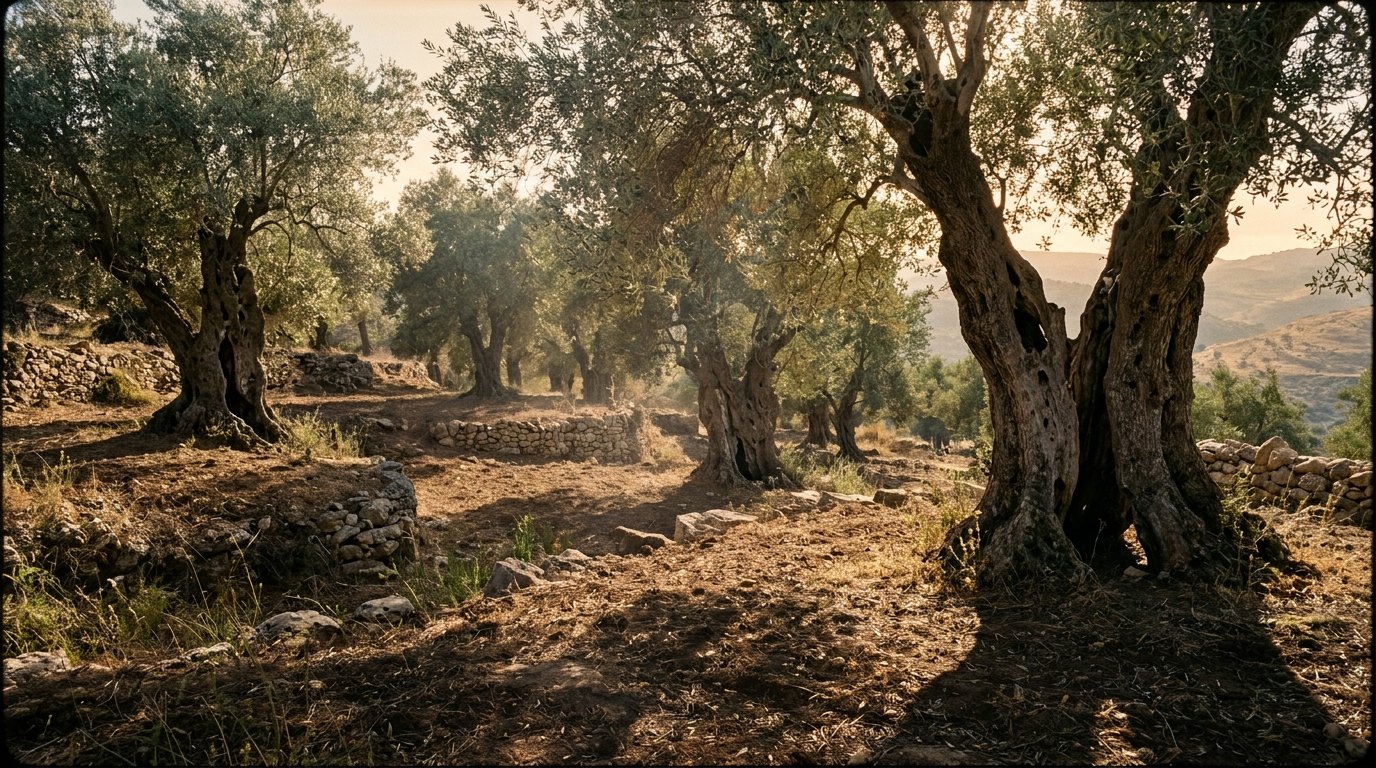
Jesus answered them, “Destroy this temple, and I will raise it again in three days.”
John 2:19 (NIV)
Jesus explicitly declares that the temple of His own physical body would be destroyed and raised within three days.
When challenged for a sign in John 2:19, Jesus pointed unhesitatingly to His own coming vindication: "Destroy this temple, and in three days I will raise it up." Christ did not stumble blindly into crucifixion; He repeatedly, precisely, and deliberately predicted His bodily death and resurrection. When the scribes and Pharisees asked for a miraculous sign, Jesus answered in Matthew 12:38-40 that no sign would be given except the sign of Jonah, openly declaring that the Son of Man would remain three days and three nights in the heart of the earth.
Following Peter's confession at Caesarea Philippi, Jesus began systematically preparing the disciples for what lay ahead. In Matthew 16:21 and Mark 8:31, He declared that He must suffer, be rejected by the elders, be killed, and be raised on the third day. He repeated this solemn warning as they journeyed through Galilee in Matthew 17:22-23 and Mark 9:31, and Luke recorded the same instruction in Luke 9:22. As the final journey toward Jerusalem drew near, Jesus disclosed even greater detail: in Matthew 20:17-19 and Mark 10:33-34, He foretold His betrayal, His delivery to Gentile hands, the scourging, the mocking, the spitting, the crucifixion, and His resurrection on the third day, echoing Luke 18:31-33 where all prophetic writings reach their climax. John 2:18-22 reveals that after He rose, the disciples remembered His temple prophecy and believed. Finally, in John 10:17-18, the Lord underscored His absolute divine sovereignty: no man took His life from Him, but He held unique authority to lay it down and authority to take it up again.
| Passage | What it says |
|---|---|
| Matthew 12:38-40 | Jesus gives the sign of the prophet Jonah, stating He will be three days in the heart of the earth. |
| Matthew 16:21 | Jesus begins to show His disciples that He must be killed and raised on the third day. |
| Matthew 17:22-23 | Jesus warns the disciples in Galilee that He will be killed and raised on the third day. |
| Matthew 20:17-19 | Jesus details His delivery to the Gentiles, scourging, crucifixion, and third-day resurrection. |
| Mark 8:31 | The Son of Man must suffer, be rejected, be killed, and after three days rise again. |
| Mark 9:31 | Jesus teaches His disciples that when He is killed, He will rise three days later. |
| Mark 10:33-34 | Jesus describes His betrayal, mockery, spitting, death, and resurrection on the third day. |
| Luke 9:22 | The Son of Man must suffer many things, be rejected, be slain, and be raised on the third day. |
| Luke 18:31-33 | All things written through the prophets will be fulfilled, ending with His rising on the third day. |
| John 2:18-22 | Jesus speaks of raising the temple of His body, which His disciples remember after He rose. |
| John 10:17-18 | Jesus states He has authority to lay His life down and authority to take it up again. |
The Empty Tomb
Four Independent Gospels Record the Abandoned Grave Clothes
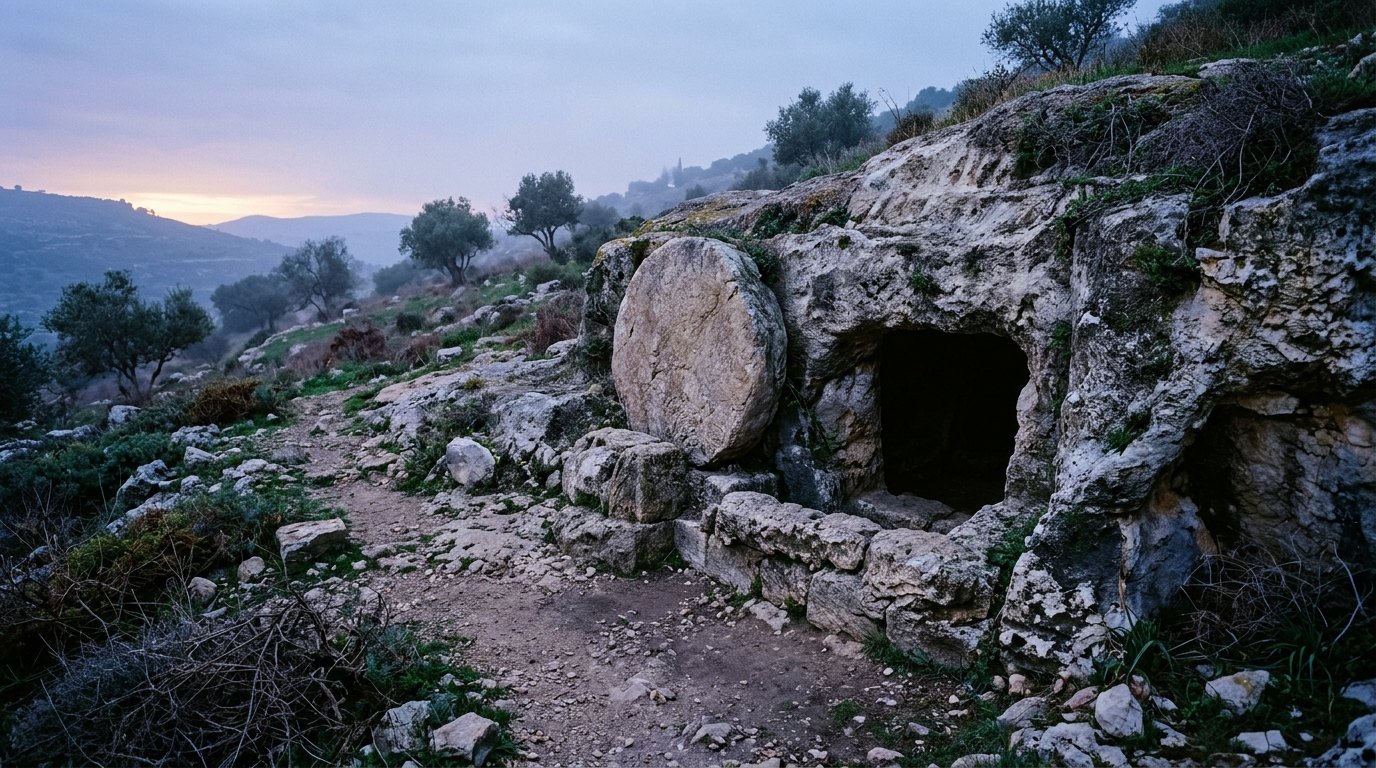
In their fright the women bowed down with their faces to the ground, but the men said to them, “Why do you look for the living among the dead? He is not here; he has risen! Remember how he told you, while he was still with you in Galilee:
Luke 24:5-6 (NIV)
The angels confront the women with the stunning historical announcement: 'Why seek the living among the dead? He is not here, but has risen.'
At dawn on the first day of the week, the women received the message that permanently altered human history in Luke 24:5-6: "Why do you seek the living among the dead? He is not here, but has risen." The historical reality of the resurrection begins with a vacant sepulcher. Following the crucifixion, Joseph of Arimathea wrapped Jesus' body and placed it inside a new rock-hewn tomb, which the chief priests secured by rolling an enormous stone against the entrance, affixing an official seal, and posting Roman soldiers to guard it (Matthew 27:59-66).
Yet early on Sunday morning, an earthquake shook the garden as an angel rolled back the massive stone, leaving the elite Roman guards paralyzed with terror before the women arrived (Matthew 28:1-8). Mark 16:1-8 emphasizes the sheer size of the stone and the women's astonishment upon finding it moved away, while an angelic herald announced that Jesus the Nazarene was risen. In John 20:1-10, Mary Magdalene ran to tell Peter and John that the body was gone; the two apostles raced to the tomb and discovered the linen burial wrappings lying flat in place, with the face cloth neatly rolled up by itself—silent, physical testimony that Christ had passed through His grave clothes rather than being stolen. The empty tomb was so indisputable that the Jewish Sanhedrin did not attempt to produce a corpse or deny the absence of the body; instead, as recorded in Matthew 28:11-15, they bribed the soldiers to spread the rumor that the disciples stole Him while the guard slept. In Luke 24:1-12, Peter peered inside, marveling at the empty cloths that confirmed the Lord was alive.
| Passage | What it says |
|---|---|
| Matthew 27:59-66 | Joseph buries Jesus in a rock tomb, which the chief priests secure with a stone seal and guard. |
| Matthew 28:1-8 | An angel rolls back the stone, the guards shake with fear, and the women learn He has risen. |
| Matthew 28:11-15 | The Jewish leadership bribes the Roman guards to fabricate a story that the disciples stole the body. |
| Mark 16:1-8 | The women find the very large stone rolled away and an angel announcing Jesus the Nazarene is risen. |
| Luke 24:1-12 | The women find the stone rolled away, receive the angelic report, and Peter sees the linen cloths alone. |
| John 20:1-10 | Mary Magdalene finds the stone removed, prompting Peter and John to run and see the folded face cloth. |
The Physical Eyewitnesses
The Risen Christ Was Seen, Touched, and Heard by Many

Look at my hands and my feet. It is I myself! Touch me and see; a ghost does not have flesh and bones, as you see I have.”
Luke 24:39 (NIV)
Jesus invites physical touch and inspection to prove He is not a disembodied spirit, but possesses flesh and bones.
Appearing to His frightened followers in a locked room, Jesus extended an unmistakable physical invitation in Luke 24:39: "See my hands and my feet, that it is I myself. Touch me, and see. For a spirit does not have flesh and bones as you see that I have." The resurrection was never a ghost story, an inner vision, or a symbolic metaphor; the risen Lord presented Himself with an authentic, immortal physical body. He met the mourning women on the road in Matthew 28:9-10, where they fell down, clasped His feet, and worshipped Him. Outside the tomb, John 20:11-18 records His tender, personal appearance to Mary Magdalene as He spoke her name.
Later that day, Jesus walked alongside Cleopas and his companion along the road to Emmaus, opening the Scriptures to them until they recognized Him in the breaking of bread (Luke 24:13-35). Appearing among the gathered disciples that evening, He dissolved their terror not only by showing His wounds, but by eating a piece of broiled fish in their presence (Luke 24:36-43; John 20:19-23). One week later, the Lord accommodated Thomas's doubts in John 20:24-29, commanding him to place his fingers into the nail prints and his hand into His pierced side, prompting Thomas's confession, "My Lord and my God!" In John 21:1-14, Jesus cooked a breakfast of fish and bread over a charcoal fire for seven weary disciples on the shore of Galilee. On a mountain in Galilee, He commissioned the Eleven with universal authority (Matthew 28:16-20). Luke records in Acts 1:1-3 that Jesus showed Himself alive by "many infallible proofs" over forty days, while Peter in Acts 10:40-41 and John in 1 John 1:1-3 anchored the gospel in tangible reality: they heard, saw, and touched the Word of life.
| Passage | What it says |
|---|---|
| Matthew 28:9-10 | Jesus meets the women on the road; they clasp His feet and worship Him. |
| Matthew 28:16-20 | Jesus meets the eleven disciples on a mountain in Galilee and commissions them with all authority. |
| Luke 24:13-35 | Jesus walks and talks with two disciples on the Emmaus road and is recognized in breaking bread. |
| Luke 24:36-43 | Jesus appears among the disciples, shows His hands and feet, and eats broiled fish before them. |
| John 20:11-18 | Jesus appears personally to Mary Magdalene in the garden outside the tomb. |
| John 20:19-23 | Jesus appears through locked doors to the disciples, showing His wounded hands and side. |
| John 20:24-29 | Thomas touches Jesus' hands and side, leading him to confess, 'My Lord and my God!' |
| John 21:1-14 | Jesus appears to seven disciples by the Sea of Tiberias, provides fish, and eats breakfast with them. |
| Acts 1:1-3 | Jesus presents Himself alive after His suffering by many infallible proofs over forty days. |
| Acts 10:40-41 | Peter testifies that chosen witnesses ate and drank with Jesus after He rose from the dead. |
| 1 John 1:1-3 | John proclaims what they heard, saw with their eyes, looked upon, and touched with their hands. |
The Earliest Creed
The Undisputed Public List of Eyewitness Encounters
For what I received I passed on to you as of first importance: that Christ died for our sins according to the Scriptures, that he was buried, that he was raised on the third day according to the Scriptures, and that he appeared to Cephas, and then to the Twelve. After that, he appeared to more than five hundred of the brothers and sisters at the same time, most of whom are still living, though some have fallen asleep. Then he appeared to James, then to all the apostles, and last of all he appeared to me also, as to one abnormally born.
1 Corinthians 15:3-8 (NIV)
Paul delivers the foundational creed received in the early church, citing surviving eyewitnesses to whom readers could personally speak.
In 1 Corinthians 15:3-8, Paul quotes an ancient creed formulated within months of the crucifixion, crystallizing the physical appearances of the risen Christ as verifiable public history. Paul begins in 1 Corinthians 15:3 by delivering what he first received: that Christ died for our sins according to the Scriptures. In 1 Corinthians 15:4, he affirms the core truth that Jesus was buried and raised bodily on the third day in fulfillment of prophetic Scripture. To substantiate this, Paul inventories the eyewitnesses. In 1 Corinthians 15:5, Christ appeared to Cephas (Peter) and then to the twelve apostles. In 1 Corinthians 15:6, Jesus appeared to more than five hundred brothers at a single time, most of whom were still living and available to be cross-examined when Paul wrote. In 1 Corinthians 15:7, Christ appeared to James, His previously skeptical earthly brother, and then to all the apostles together. Finally, 1 Corinthians 15:8 records His personal appearance to Paul himself, the former persecutor of the church. This radical transformation is detailed in Acts 9:3-6, where the risen Jesus confronts Saul outside Damascus in dazzling light. Paul recounts this physical intervention before hostile crowds in Acts 22:6-10 and testifies before royalty in Acts 26:12-18, establishing that the resurrection was not a private dream but an objective event witnessed by friend, skeptic, and enemy alike.
| Passage | What it says |
|---|---|
| 1 Corinthians 15:3 | Christ died for our sins according to the Scriptures, forming the first article of the received tradition. |
| 1 Corinthians 15:4 | Christ was buried and raised on the third day in accordance with the prophetic Scriptures. |
| 1 Corinthians 15:5 | The risen Lord appeared first to Cephas (Peter), and then to the twelve apostles. |
| 1 Corinthians 15:6 | He appeared to over five hundred brothers at once, most of whom were still alive to be questioned. |
| 1 Corinthians 15:7 | He appeared to James, His earthly brother, and then to all the apostles together. |
| 1 Corinthians 15:8 | Last of all, Christ appeared personally to Paul on the Damascus road as to one untimely born. |
| Acts 9:3-6 | The risen, exalted Jesus confronts Saul on the road to Damascus in blinding glory. |
| Acts 22:6-10 | Paul recounts his encounter with the risen Jesus outside the Damascus gate. |
| Acts 26:12-18 | Paul testifies before King Agrippa regarding his direct commissioning by the risen Jesus. |
The Center of Apostolic Preaching
The Apostles Risked Martyrdom Proclaiming the Risen Lord
God has raised this Jesus to life, and we are all witnesses of it.
Acts 2:32 (NIV)
On Pentecost, Peter declares to the very city that crucified Jesus that God has raised Him, to which they are all witnesses.
In Acts 2:32, Peter stands before the very populace that demanded Christ's crucifixion and proclaims, "This Jesus God raised up, and of that we all are witnesses." The early church did not quietly retreat; they proclaimed the resurrection in Jerusalem itself, knowing it invited imprisonment and death. In Acts 2:22-36, Peter explains that death could not hold the Messiah, citing King David’s prophecies to prove Christ’s body never saw corruption. In Acts 3:14-15, Peter boldly confronts the temple crowds, accusing them of killing the Author of life whom God raised. This fearless proclamation enraged the ruling authorities; Acts 4:1-2 notes that the Sadducees were deeply disturbed because the apostles preached in Jesus the resurrection from the dead. Yet, according to Acts 4:33, with great power the apostles continued testifying to the resurrection of the Lord Jesus, while Acts 5:29-32 records their refusal to be silenced, choosing to obey God rather than men. When the gospel moved across the Roman world, this remained the center of apostolic preaching. In Acts 13:28-37, Paul proclaims in Antioch of Pisidia that God raised Jesus, freeing Him from decay. In Acts 17:30-31, Paul declares to the philosophers on Mars Hill that God has set a day of judgment and proved it by raising Jesus. In Acts 26:22-23, Paul finishes his defense before King Agrippa by affirming that Christ was the first to rise from the dead, bringing light to Jews and Gentiles.
| Passage | What it says |
|---|---|
| Acts 2:22-36 | Peter preaches that death could not hold Jesus, citing David's psalms and claiming eyewitness certainty. |
| Acts 3:14-15 | Peter charges Jerusalem with killing the Author of life, whom God raised from the dead. |
| Acts 4:1-2 | The Sadducees are greatly disturbed because the apostles preach in Jesus the resurrection from the dead. |
| Acts 4:33 | With great power the apostles give their testimony to the resurrection of the Lord Jesus. |
| Acts 5:29-32 | The apostles tell the council they must obey God, witnessing that God exalted Jesus to His right hand. |
| Acts 13:28-37 | Paul preaches in Antioch of Pisidia that though Jesus was buried, God raised Him, never to decay. |
| Acts 17:30-31 | Paul announces to the Athenian philosophers that God proved His appointed Judge by raising Him from death. |
| Acts 26:22-23 | Paul witnesses that Christ was the first to proclaim light to both Jews and Gentiles by His resurrection. |
The Foundation of Our Salvation
Without the Resurrection Our Faith Is Entirely in Vain
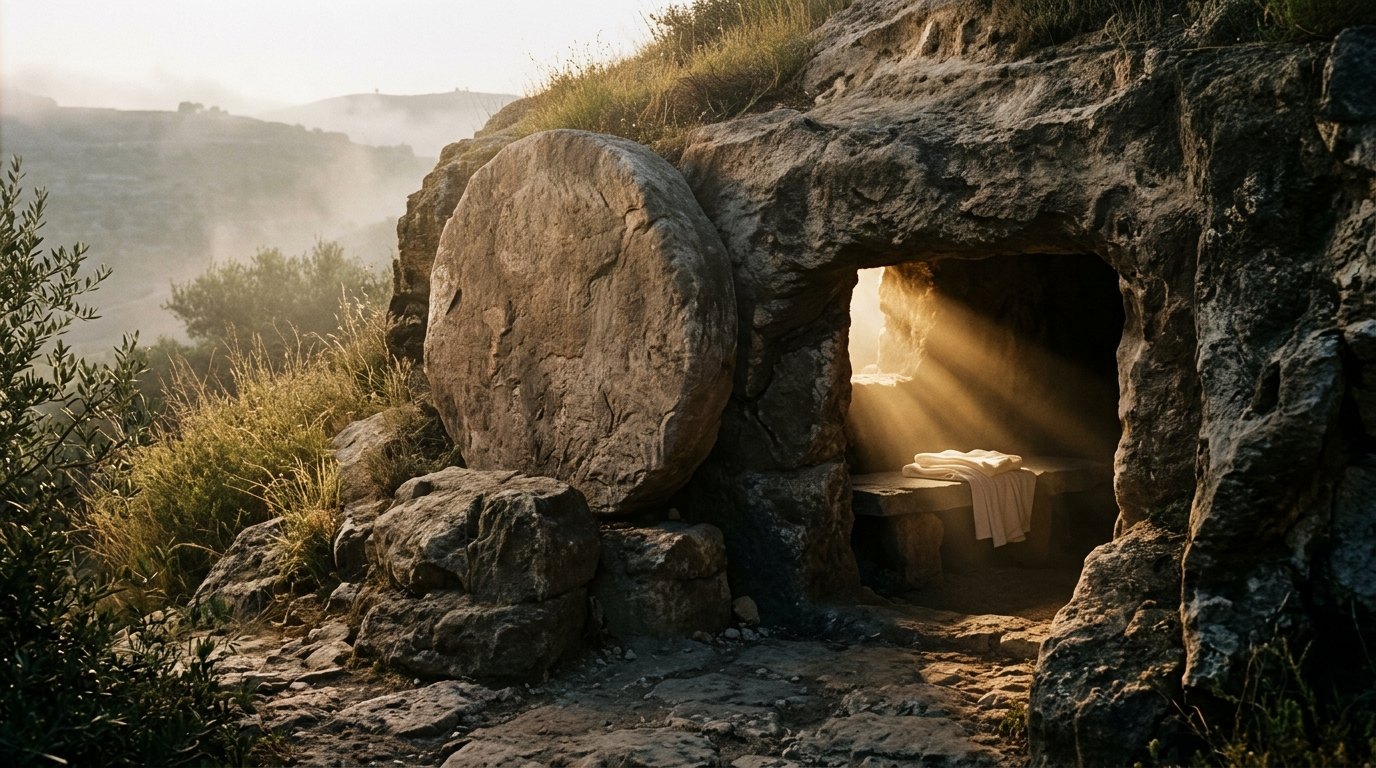
And if Christ has not been raised, your faith is futile; you are still in your sins.
1 Corinthians 15:17 (NIV)
Paul shows that if Christ is not raised, personal faith is futile and believers remain guilty under their sins.
In 1 Corinthians 15:17, Paul exposes the staggering theological stakes: "If Christ has not been raised, your faith is futile and you are still in your sins." The bodily resurrection is not a peripheral doctrine; it is the absolute foundation of redemption. In 1 Corinthians 15:12-19, Paul reasons that without it, apostolic preaching is a lie, faith is worthless, and believers are of all people most to be pitied. But in 1 Corinthians 15:20-23, he rejoices that Christ is indeed raised, the firstfruits guaranteeing the bodily resurrection of all who belong to Him. Romans 1:3-4 shows Jesus was declared Son of God in power by His resurrection, while Romans 4:24-25 reveals He was raised for our justification. In Romans 6:4-5, our union with Christ in His resurrection empowers us to walk in newness of life, and Romans 8:11 assures us that the Spirit who raised Jesus will give life to our mortal bodies. Because He lives, Romans 8:34 and 1 John 2:1-2 celebrate that Christ intercedes for us as our righteous Advocate. Romans 10:9 makes belief in His resurrection essential for salvation. Paul grounds his apostleship in this truth in Galatians 1:1-4, prays believers understand God’s resurrection power in Ephesians 1:19-20, and counts all things loss to know the power of His resurrection in Philippians 3:10-11. This guarantees our future hope in 1 Thessalonians 4:14 and gives us living hope and eternal inheritance in 1 Peter 1:3-4. By His death Christ bore our sins (1 Peter 2:24), and by His resurrection we are saved (1 Peter 3:21-22). In Revelation 1:17-18, the risen Lord declares He is alive forevermore, holding the keys of Death and Hades.
| Passage | What it says |
|---|---|
| 1 Corinthians 15:12-19 | Paul demonstrates that denying the resurrection dismantles apostolic preaching, faith, forgiveness, and hope. |
| 1 Corinthians 15:20-23 | Christ is the firstfruits of those who have fallen asleep, guaranteeing bodily resurrection to all in Him. |
| Romans 1:3-4 | Jesus was declared to be the Son of God with power through the resurrection from the dead. |
| Romans 4:24-25 | Christ was delivered over for our offenses and was raised for our justification. |
| Romans 6:4-5 | Just as Christ was raised by the glory of the Father, believers walk in newness of life. |
| Romans 8:11 | The Spirit who raised Jesus from the dead will also give life to our mortal bodies. |
| Romans 8:34 | Christ Jesus who died—more than that, who was raised—intercedes for us at the right hand of God. |
| Romans 10:9 | Confessing Jesus as Lord and believing God raised Him from the dead results in salvation. |
| Galatians 1:1-4 | Paul grounds his apostolic authority in God the Father who raised Jesus from the dead. |
| Ephesians 1:19-20 | God exercised the immeasurable greatness of His power when He raised Christ from the dead. |
| Philippians 3:10-11 | Paul longs to know Christ and the power of His resurrection, attaining to the resurrection of the dead. |
| 1 Thessalonians 4:14 | Since we believe Jesus died and rose again, God will bring with Him those who have fallen asleep. |
| 1 Peter 1:3-4 | God caused us to be born again to a living hope through the resurrection of Jesus Christ. |
| 1 Peter 2:24 | Christ bore our sins in His body on the tree so that we might live unto righteousness. |
| 1 Peter 3:21-22 | Baptism appeals to God through the resurrection of Jesus Christ, who has gone into heaven. |
| 1 John 2:1-2 | The risen Jesus Christ the righteous serves as our Advocate and the propitiation for our sins. |
| Revelation 1:17-18 | The living Christ declares He was dead, is alive forevermore, and holds the keys of Death and Hades. |
Where in the Bible
| Book | Passages |
|---|---|
| Genesis | 1 · Genesis 22:12 |
| Psalms | 3 · Psalms 16:8-11, Psalms 22:21-24, Psalms 110:1 |
| Isaiah | 1 · Isaiah 53:10-12 |
| Daniel | 1 · Daniel 9:24-26 |
| Hosea | 1 · Hosea 6:2 |
| Jonah | 1 · Jonah 1:17 |
| Matthew | 9 · Matthew 12:38-40, Matthew 16:21, Matthew 17:22-23, Matthew 20:17-19, Matthew 27:59-66, Matthew 28:1-8, Matthew 28:11-15, Matthew 28:9-10, Matthew 28:16-20 |
| Mark | 4 · Mark 8:31, Mark 9:31, Mark 10:33-34, Mark 16:1-8 |
| Luke | 5 · Luke 9:22, Luke 18:31-33, Luke 24:1-12, Luke 24:13-35, Luke 24:36-43 |
| John | 7 · John 2:18-22, John 10:17-18, John 20:1-10, John 20:11-18, John 20:19-23, John 20:24-29, John 21:1-14 |
| Acts | 13 · Acts 1:1-3, Acts 10:40-41, Acts 9:3-6, Acts 22:6-10, Acts 26:12-18, Acts 2:22-36, Acts 3:14-15, Acts 4:1-2, Acts 4:33, Acts 5:29-32, Acts 13:28-37, Acts 17:30-31, Acts 26:22-23 |
| Romans | 6 · Romans 1:3-4, Romans 4:24-25, Romans 6:4-5, Romans 8:11, Romans 8:34, Romans 10:9 |
| 1 Corinthians | 8 · 1 Corinthians 15:3, 1 Corinthians 15:4, 1 Corinthians 15:5, 1 Corinthians 15:6, 1 Corinthians 15:7, 1 Corinthians 15:8, 1 Corinthians 15:12-19, 1 Corinthians 15:20-23 |
| Galatians | 1 · Galatians 1:1-4 |
| Ephesians | 1 · Ephesians 1:19-20 |
| Philippians | 1 · Philippians 3:10-11 |
| 1 Thessalonians | 1 · 1 Thessalonians 4:14 |
| 1 Peter | 3 · 1 Peter 1:3-4, 1 Peter 2:24, 1 Peter 3:21-22 |
| 1 John | 2 · 1 John 1:1-3, 1 John 2:1-2 |
| Revelation | 1 · Revelation 1:17-18 |
The story in order
- Abraham's son returned alive (c. 2000 BC) · Genesis 22:12 · Foreshadows God giving back His Son from death.
- David's confidence in God's faithfulness (c. 1000 BC) · Psalms 16:8-11 · Anticipates the Messiah's soul not left in Sheol, His body not decaying.
- Prophecy of Messiah's death and resurrection (c. 600 BC) · Daniel 9:24-26 · Predicts Messiah's atoning death and everlasting righteousness.
- Jonah's three days in the fish (c. 780 BC) · Jonah 1:17 · Jesus uses this as a sign of His three days in the earth.
- Jesus predicts His death and resurrection (AD 30) · Matthew 16:21 · Jesus explicitly states He will be killed and raised on the third day.
- The empty tomb (AD 30) · Matthew 28:1-8 · Angel announces Jesus' resurrection; the tomb is found empty.
- Jesus appears to Mary Magdalene (AD 30) · John 20:11-18 · The first eyewitness encounter with the risen Christ.
- Jesus appears to the disciples (AD 30) · Luke 24:36-43 · Jesus shows His physical body, eating fish before them.
- The earliest creed (c. AD 55) · 1 Corinthians 15:3-8 · Summarizes the core facts of Christ's death, burial, and resurrection appearances.
- Peter preaches the resurrection (AD 30) · Acts 2:22-36 · Declares Jesus' resurrection as a historical event, fulfilling prophecy.
- Paul's Damascus road encounter (c. AD 35) · Acts 9:3-6 · Paul's personal testimony of seeing the risen Christ.
- Apostles testify to the resurrection (c. AD 30-33) · Acts 4:33 · The apostles boldly proclaimed the resurrection with great power.
- Resurrection as foundation of faith (c. AD 55) · 1 Corinthians 15:12-19 · Paul argues that without resurrection, faith, preaching, and hope are futile.
- Christ the firstfruits (c. AD 55) · 1 Corinthians 15:20-23 · Jesus' resurrection guarantees the future resurrection of believers.
Christ's Resurrection Foreshadowed in the Old Testament
| Old Testament Type | Description | New Testament Fulfillment | Passage |
|---|---|---|---|
| Abraham's son returned alive | Isaac received back from the dead (figuratively) | Jesus raised from the dead | Genesis 22:12 |
| Jonah in the fish | Three days and nights in the fish's belly | Jesus in the heart of the earth three days | |
| Psalmist's confidence | God will not leave soul in Sheol or let His Holy One see decay | Jesus raised, His body did not decay | |
| Servant sees His seed | After pouring out His soul unto death, He prolongs His days | Jesus raised to life, having atoned for sin | Isaiah 53:10-12 |
Jesus' Predictions of His Resurrection
| Prediction | Details | Reference | Passage |
|---|---|---|---|
| Sign of Jonah | Three days and three nights in the heart of the earth | Matthew 12:38-40 | Matthew 12:38-40 |
| Must be killed and raised | Killed and raised on the third day | Matthew 16:21 | Matthew 16:21 |
| Details of suffering and resurrection | Betrayal, crucifixion, and third-day resurrection | Matthew 20:17-19 | Matthew 20:17-19 |
| Son of Man's fate | Must suffer, be killed, and rise again after three days | Mark 8:31 | Mark 8:31 |
| Jesus' statement about the temple | Raise the temple of His body in three days | John 2:19-22 | John 2:19-22 |
Eyewitness Accounts of the Risen Christ
| Witness | Encounter | Reference | Passage |
|---|---|---|---|
| Women at the tomb | Learned of resurrection from an angel | Matthew 28:1-8 | Matthew 28:1-8 |
| Women on the road | Met and worshipped the risen Jesus | Matthew 28:9-10 | Matthew 28:9-10 |
| Two disciples on Emmaus road | Walked and talked with Jesus, recognized Him in breaking bread | Luke 24:13-35 | Luke 24:13-35 |
| Disciples (with Thomas absent) | Jesus appeared through locked doors, showed His wounds | John 20:19-23 | John 20:19-23 |
| Thomas | Touched Jesus' hands and side | John 20:24-29 | John 20:24-29 |
| Seven disciples by Sea of Tiberias | Jesus provided fish and ate breakfast with them | John 21:1-14 | John 21:1-14 |
| Over 500 brothers | Appeared to a large group at once | 1 Corinthians 15:6 | 1 Corinthians 15:6 |
| Paul | Confronted by the risen Jesus on Damascus road | Acts 9:3-6 | Acts 9:3-6 |
Key words
- Resurrection (anastasis (ἀνάστασις))
- The act of rising from the dead; specifically, Christ's bodily rising from the grave. · 1 Corinthians 15:4
- Third day (tritos hemeras (τρίτῳ ἡμέρᾳ))
- The specific timeframe Jesus predicted for His resurrection. · Matthew 16:21
- Eyewitnesses (martus (μάρτυς))
- Those who personally saw, heard, and touched the risen Christ. · Acts 1:8
- Firstfruits (aparchē (ἀπαρχή))
- The first part of a harvest, symbolizing the guarantee of the full harvest; Christ's resurrection guarantees ours. · 1 Corinthians 15:20
- Justification (dikaiōsis (δικαίωσις))
- Being declared righteous by God, made possible by Christ's resurrection. · Romans 4:25
- Sheol (Sheol (שְׁאוֹל))
- The Hebrew concept of the place of the dead, the grave. · Psalms 16:10
Because Jesus truly rose from the dead in history, the Christian hope is anchored to reality rather than wishful thinking. His empty tomb guarantees that God has accepted the sacrifice for our sins and that death will not have the final word over those who belong to Him. We can rest our lives and our eternity on the risen Lord Jesus Christ, knowing that as He was raised, we too will be raised with Him.
70 passages, each cited once.
Scripture cited
- 1 Peter 2:24
- Galatians 1:4
- Isaiah 53:1-12
- 1 John 2:2
- Daniel 9:24-26
- Acts 26:22-23
- Romans 4:25
- 1 Corinthians 15:12-19