Does God answer prayer with 'no'?
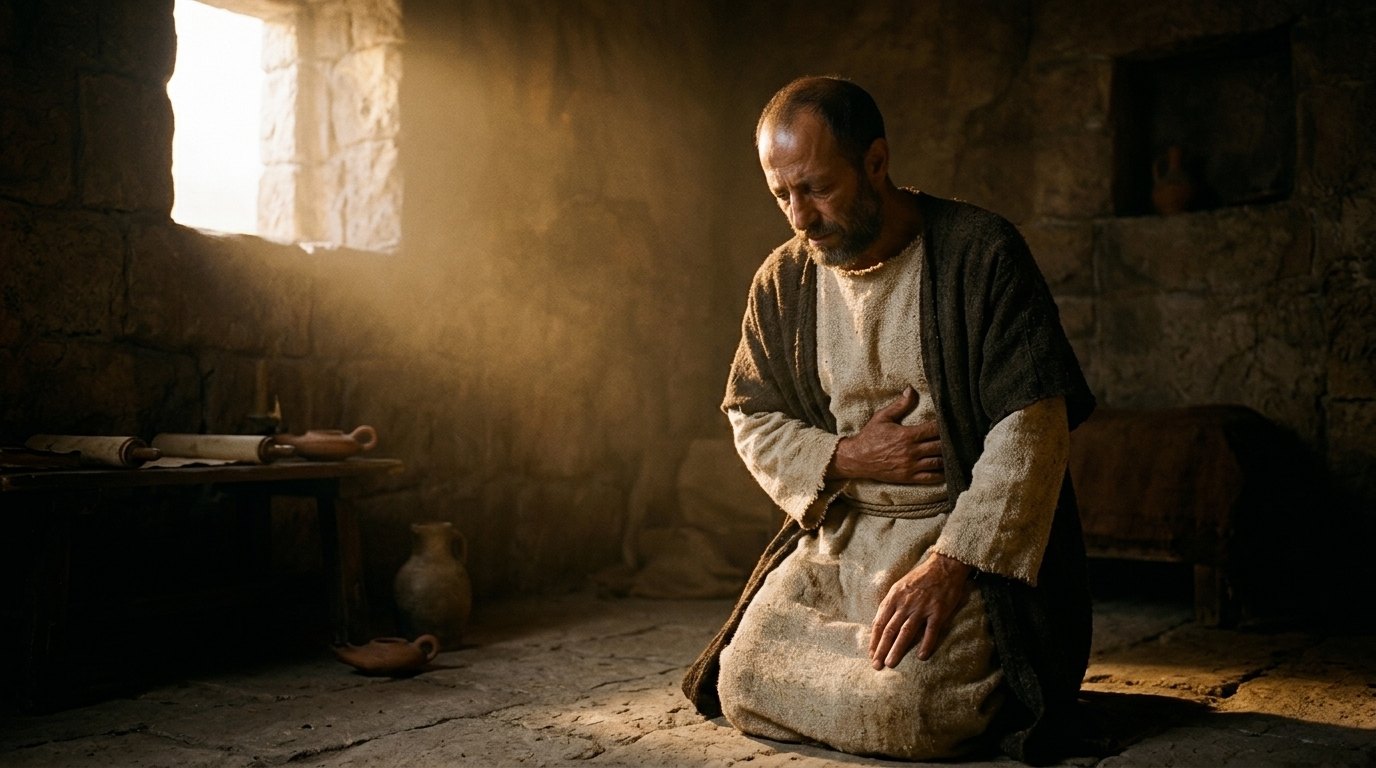
2 Corinthians 12:7-10
7 or because of these surpassingly great revelations. Therefore, in order to keep me from becoming conceited, I was given a thorn in my flesh, a messenger of Satan, to torment me.
8 Three times I pleaded with the Lord to take it away from me.
9 But he said to me, “My grace is sufficient for you, for my power is made perfect in weakness.” Therefore I will boast all the more gladly about my weaknesses, so that Christ’s power may rest on me.
10 That is why, for Christ’s sake, I delight in weaknesses, in insults, in hardships, in persecutions, in difficulties. For when I am weak, then I am strong.
New International Version (NIV)
The answer
Yes—God can answer prayer with “no,” and sometimes He does. But a “no” is not the same as being ignored. He hears His people, and He answers according to His will and what is good for them (1 John 5:14-15; Psalm 34:17-18).
Paul gives a clear example. He prayed three times for a thorn in his flesh to be removed, and the answer was that it would remain. Yet the Lord did not leave Paul without help: “My grace is sufficient for you, for my power is made perfect in weakness” (2 Corinthians 12:8-9). Paul then learned to take pleasure in weakness “for Christ’s sake,” because Christ’s power would rest on him (2 Corinthians 12:10). The prayer was answered, but not as Paul requested.
What “no” can mean
- A different answer: God may give something better than the particular thing requested.
- A different timing: The answer may come later than expected.
- A protection: God may withhold what we ask because it would harm us or draw us away from him.
- A redirection: The request may be redirected toward Christ, as in Paul’s experience (2 Corinthians 12:9-10).
James 1:2-4 gives another perspective: trials produce endurance, and endurance brings people to completeness. That does not mean every prayer should be answered immediately or in the way we want.
Prayer is still the place to bring everything
Jesus teaches us to pray, “Give us today our daily bread” (Matthew 6:11), and to ask, “Let your Kingdom come. Let your will be done on earth as in heaven” (Matthew 6:10). We are to bring our requests to God while seeking his will, not merely demanding our preferred outcome.
So a “no” does not mean, “God does not care.” It can mean, “I have heard you, but my answer is not the one you asked for.” The believer’s confidence rests in God’s character and care, even when the outcome differs from the request: “Yahweh is near to those who have a broken heart, and saves those who have a crushed spirit” (Psalm 34:18). And when believers do not know how to pray, “the Spirit himself makes intercession for us” (Romans 8:26).
Answered from Scripture · reviewed November 11, 2026
Scripture demonstrates that God frequently answers the heartfelt prayers of His people with a clear and purposeful 'no.' Rather than signaling divine indifference or silence, God's refusal to grant a specific petition is an act of sovereign wisdom and loving care, directing His servants toward His greater glory and their eternal good.
Sufficiency in Weakness
Paul's Thorn in the Flesh Remains
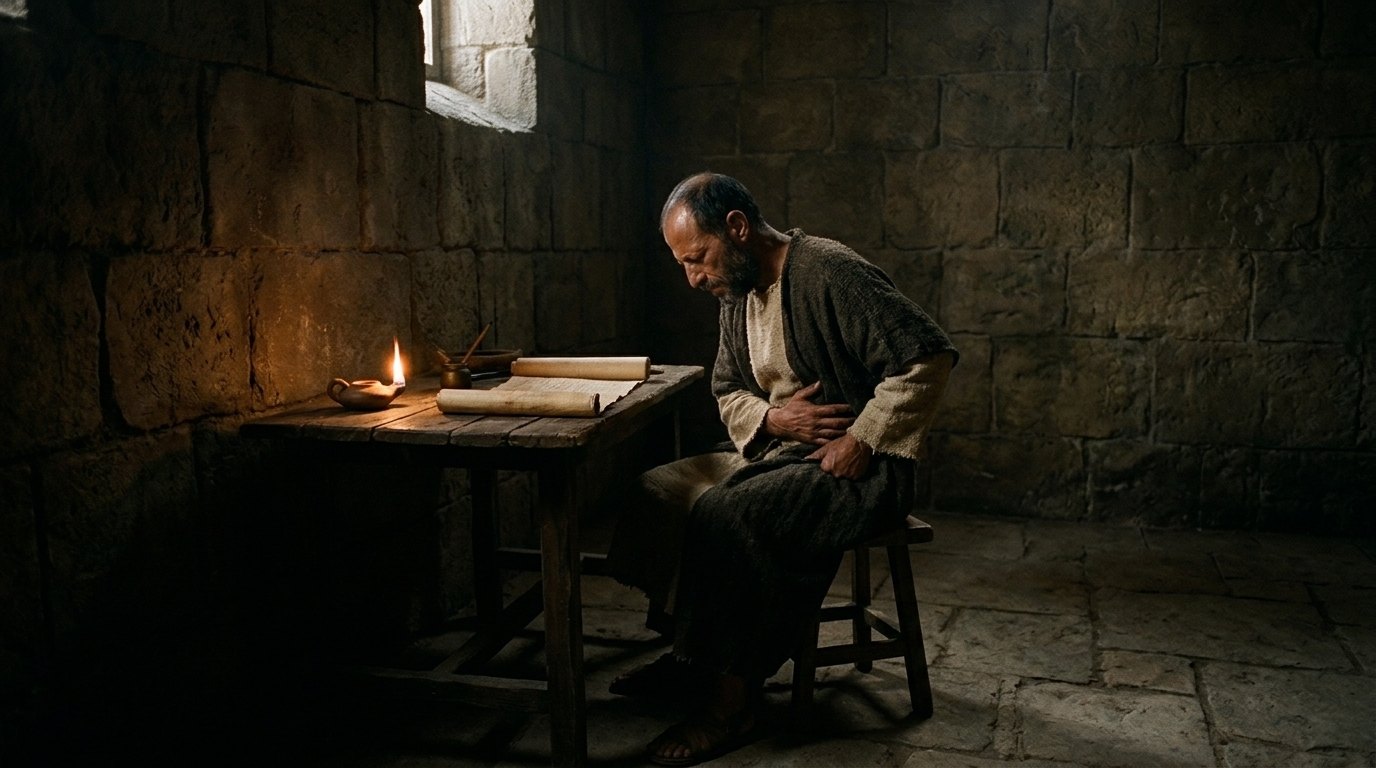
But he said to me, “My grace is sufficient for you, for my power is made perfect in weakness.” Therefore I will boast all the more gladly about my weaknesses, so that Christ’s power may rest on me.
2 Corinthians 12:9 (NIV)
The Lord directly answers Paul's repeated petition for relief with a refusal, revealing that divine grace and power are perfected in human infirmity.
In 2 Corinthians 12:9, the Lord responds to an earnest, repeated plea not with removal, but with revelation: My grace is sufficient for thee: for my strength is made perfect in weakness. The apostle Paul had received extraordinary revelations caught up into paradise, yet to preserve him from spiritual conceit, a thorn in the flesh—a messenger of Satan—was permitted to buffet him (2 Corinthians 12:7). Desiring relief from this sharp affliction, Paul petitioned the Lord three separate times for its departure (2 Corinthians 12:8). God’s response was not indifference, nor was it a delayed positive answer; it was a purposeful, divine refusal designed for Paul's spiritual preservation.
By denying the removal of the thorn, Christ gave Paul something far superior to physical ease: an abiding demonstration of sustaining omnipotence. Paul learned that human frailty is the exact theater in which divine power shines brightest. Consequently, the apostle’s posture shifted from agonizing pleading to joyful confidence. In 2 Corinthians 12:10, he declares that he takes pleasure in infirmities, reproaches, necessities, persecutions, and distresses for Christ’s sake. The denial of his petition transformed his perspective, establishing the enduring principle that when I am weak, then am I strong. God answered Paul's prayer by granting the endurance to bear the trial rather than removing the cross.
| Passage | What it says |
|---|---|
| 2 Corinthians 12:7 | Paul explains that a thorn in the flesh was given to him to prevent pride after receiving extraordinary revelations. |
| 2 Corinthians 12:8 | Paul pleads with the Lord three separate times to remove the thorn from him. |
| 2 Corinthians 12:9 | Christ answers Paul that His grace is sufficient and His power is perfected in weakness, leading Paul to boast in infirmities. |
| 2 Corinthians 12:10 | Paul resolves to take pleasure in weaknesses and hardships for Christ's sake, realizing that when he is weak, he is strong. |
Denied Petitions of Leaders
Moses and David Meet Divine Refusals

But because of you the LORD was angry with me and would not listen to me. “That is enough,” the LORD said. “Do not speak to me anymore about this matter.
Deuteronomy 3:26 (NIV)
The Lord commands Moses to speak no more about crossing the Jordan, confirming a decisive divine refusal to a faithful leader's prayer.
Even the most prominent servants of God have encountered explicit divine refusals when their petitions conflicted with holy justice and divine decree. In Deuteronomy 3:26, Moses records the Lord's absolute refusal to his heartfelt petition: Let it suffice thee; speak no more unto me of this matter. Moses had ardently begged the Lord to let him cross over the Jordan to gaze upon the goodly land and Lebanon (Deuteronomy 3:23, 25). Because of the rebellion at the waters of Meribah, God upheld His righteous judgment, commanding Moses instead to ascend the summit of Pisgah to view Canaan from afar while reiterating that he would not cross over (Deuteronomy 3:27).
Similarly, King David faced a solemn denial during the sickness of the child born of his adulterous union with Bathsheba. David fasted, wept, and lay all night upon the bare ground, pleading with God for the life of the child (2 Samuel 12:16). Though the elders of his house attempted to raise him up, David refused to eat or cease his intercession (2 Samuel 12:17). On the seventh day, the child died, confirming that the Lord had denied the king's desperate plea (2 Samuel 12:18). Rather than growing bitter, David arose from the earth, washed, and anointed himself, and changed his apparel, and came into the house of the Lord, and worshipped (2 Samuel 12:20). David acknowledged God’s sovereign right to say no, resting completely in the righteousness of the Lord's judgment.
| Passage | What it says |
|---|---|
| Deuteronomy 3:23 | Moses pleads with the Lord at that time, begging for permission to go over and see the good land. |
| Deuteronomy 3:26 | The Lord refuses Moses's request, telling him to speak no more of the matter because of His wrath regarding Meribah. |
| 2 Samuel 12:16 | David pleads with God for the life of his child, fasting and lying all night on the ground. |
| 2 Samuel 12:18 | On the seventh day the child dies, demonstrating that God did not grant David's earnest petition. |
| 2 Samuel 12:20 | David arises from the earth, washes, changes his apparel, worships the Lord, and accepts God's sovereign decision. |
| Deuteronomy 3:25 | Moses specifically pleads to cross over the Jordan to see the good land of Canaan. |
| Deuteronomy 3:27 | God commands Moses to ascend Pisgah to view the land, confirming he shall not cross. |
| 2 Samuel 12:17 | The elders attempt to raise David from his fasting and prayer, but he refuses. |
Submission in Gethsemane
Jesus Submits to the Father's Cup

Going a little farther, he fell with his face to the ground and prayed, “My Father, if it is possible, may this cup be taken from me. Yet not as I will, but as you will.”
Matthew 26:39 (NIV)
Jesus models the ultimate posture of prayer by requesting the cup pass from Him while wholly yielding His petition to the Father's sovereign will.
The deepest theological clarity regarding unanswered petitions appears in Gethsemane, where the incarnate Son of God poured out His soul before the Father. In Matthew 26:39, Jesus fell on His face and prayed, O my Father, if it be possible, let this cup pass from me: nevertheless not as I will, but as thou wilt. Christ recoiled in holy dread from the impending reality of bearing the unmitigated wrath of God against sin, yet His petition was entirely qualified by perfect submission to the Father's eternal counsel.
Retiring a second time, the Lord prayed with identical resolve, recognizing that redemption required His obedience unto death: O my Father, if this cup may not pass away from me, except I drink it, thy will be done (Matthew 26:42). A third time He uttered the same words in agonizing supplication (Matthew 26:44; Luke 22:42). The Father answered with a necessary 'no' to the removal of the cup, for had the cup passed, humanity would remain under eternal condemnation. Hebrews 5:7 records that Christ offered up prayers with strong crying and tears and was heard in that He feared; the Father did not deliver Him from dying, but sustained Him through death and raised Him in victory. In Gethsemane, the Father’s refusal to spare His Son secured eternal redemption for all who believe.
| Passage | What it says |
|---|---|
| Matthew 26:39 | Jesus falls on His face, praying that if possible the cup might pass from Him, yet submitting to the Father's will. |
| Matthew 26:42 | Jesus prays a second time, acknowledging that if the cup cannot pass away unless He drink it, God's will be done. |
| Matthew 26:44 | Jesus prays a third time, speaking the same words in complete surrender to the Father's eternal plan of redemption. |
| Hebrews 5:7 | Christ offered up prayers and supplications with loud cries and tears and was heard because of His reverent submission. |
| Luke 22:42 | Jesus petitions the Father to remove the cup while expressly yielding to the Father's will. |
Misguided and Fleshly Requests
Petitions Denied by God's Righteous Judgment

When you ask, you do not receive, because you ask with wrong motives, that you may spend what you get on your pleasures.
James 4:3 (NIV)
Scripture explicitly warns that prayers driven by selfish passions and worldly desires will be met with divine denial.
Scripture demonstrates that God frequently denies requests when they proceed from selfish ambition, carnal motives, or temporary despair. James 4:3 provides the foundational rule: Ye ask, and receive not, because ye ask amiss, that ye may consume it upon your lusts. Petitions framed to indulge worldly gratification are fundamentally opposed to God's holiness and will be turned away. When James and John approached Christ seeking the seats of highest honor on His right and left hand in His kingdom, they sought personal elevation (Mark 10:37). Jesus plainly denied their ambition, saying, Ye know not what ye ask (Mark 10:38), and explained that those positions belonged solely to those for whom the Father prepared them (Mark 10:40).
God also mercifully says no when His weary saints pray out of emotional collapse. Under the solitary broom tree, exhausted Elijah requested for himself that he might die, declaring, 'It is enough; now, O Lord, take away my life' (1 Kings 19:4). God denied that death wish, instead sending an angel with bread and water to restore him. Similarly, Jonah prayed in sinful resentment that God would take his life when Nineveh was spared, a petition the Lord flatly refused (Jonah 4:3). When the healed Gerasene demoniac begged to travel with Christ, Jesus refused his earnest plea, instructing him instead to go home and proclaim God's mercy to his kin (Luke 8:38-39). Even well-intended requests are redirected by Christ to fulfill His greater kingdom purpose.
| Passage | What it says |
|---|---|
| James 4:3 | James states that believers ask and do not receive because they ask with wrong motives to spend it on their pleasures. |
| 1 Kings 19:4 | Elijah asks God to take his life in despair, but the Lord denies his death request and instead provides rest and sustenance. |
| Jonah 4:3 | Jonah petitions the Lord to take his life in anger over Nineveh's repentance, which God refuses to do. |
| Mark 10:37 | James and John ask to sit on Jesus's right and left hand in His glory, seeking personal preeminence. |
| Mark 10:40 | Jesus denies their request, explaining that those places are reserved for those for whom it has been prepared. |
| Mark 10:38 | Jesus tells James and John they do not know what they ask regarding sitting at His sides. |
| Luke 8:37 | The Gerasenes beg Jesus to depart from their region, and He complies by leaving. |
| Luke 8:38 | The healed demoniac begs to accompany Jesus, seeking to remain in His immediate company. |
| Luke 8:39 | Jesus refuses the man's petition to accompany Him, sending him home to proclaim God's mercy. |
The Purpose of Denial
Praying According to God's Sovereign Will
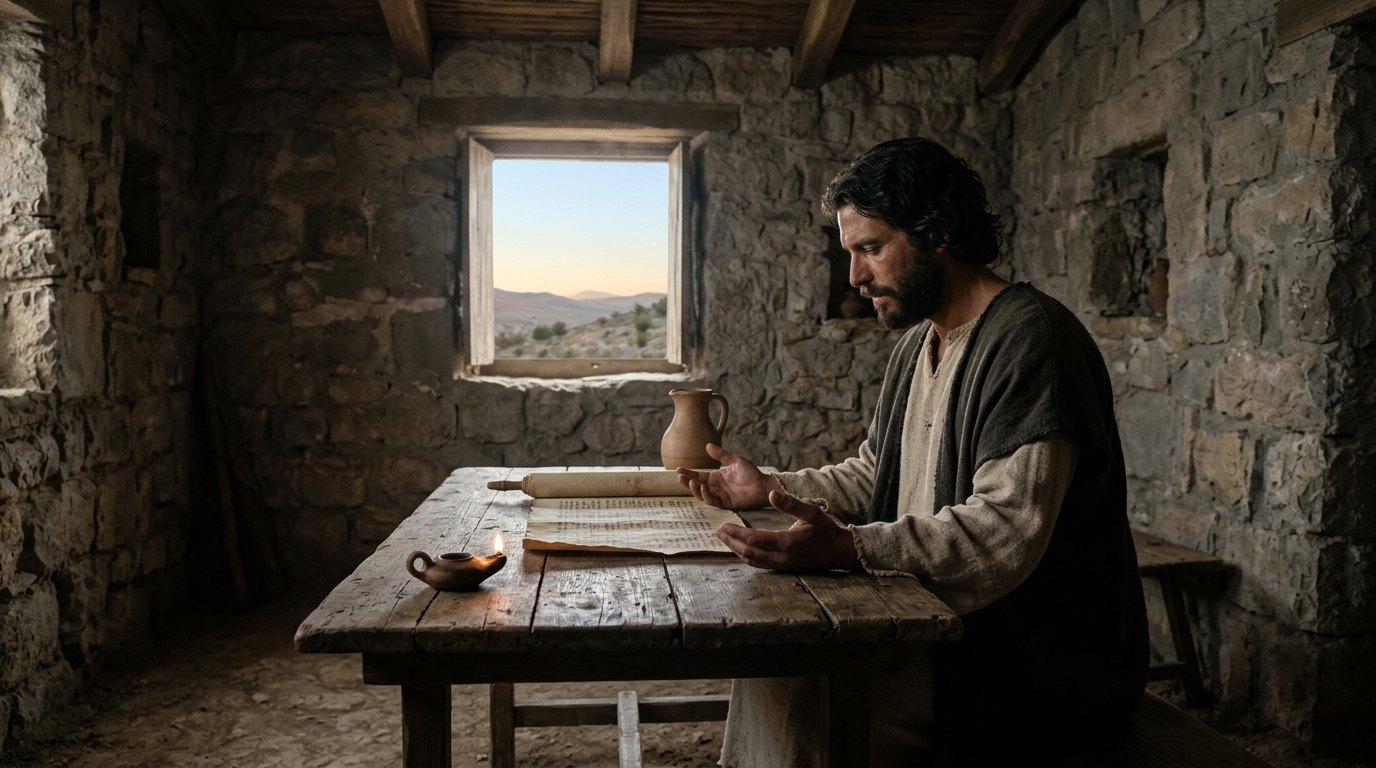
This is the confidence we have in approaching God: that if we ask anything according to his will, he hears us.
1 John 5:14 (NIV)
Believers are promised that God hears and answers petitions only when they align with His perfect, sovereign will.
Believers possess bold confidence before the throne of grace, yet that boldness rests entirely on alignment with divine sovereignty: if we ask anything according to His will, He hears us (1 John 5:14). True prayer is not an instrument to bend God’s sovereign hand toward human preference, but the means by which the believer's desires are yielded to His perfect rule. When the Lord Jesus instructed His disciples how to approach the Father, He anchored all requests in the foundational petition: 'Your kingdom come, Your will be done, on earth as it is in heaven' (Matthew 6:10). Whenever our finite requests collide with God’s holy counsel, His denial is the necessary and merciful answer that upholds His righteous purpose.
Our human frailty means we do not always know what to ask or how to evaluate our longings. Scripture acknowledges this weakness plainly: the Spirit helps us in our weakness, for we do not know what we should pray for as we ought (Romans 8:26). The Holy Spirit Himself makes intercession for the saints according to God's will, ensuring that our eternal welfare is preserved even when our specific petitions are refused. In that divine refusal, the believer finds rest in the sovereign certainty that 'God works all things together for good to those who love God, to those who are called according to His purpose' (Romans 8:28). Even when denial leaves a broken heart, God does not abandon His children in their grief; rather, 'the Lord is near to those who have a broken heart, and saves such as have a contrite spirit' (Psalm 34:18). A divine 'no' is never apathy, but the faithful guardianship of a loving Father whose wisdom surpasses our understanding.
| Passage | What it says |
|---|---|
| 1 John 5:14 | John declares our confidence before God: if we ask anything according to His will, He hears us. |
| Matthew 6:10 | Jesus instructs His disciples to pray that God's kingdom come and His will be done on earth as in heaven. |
| Romans 8:26 | The Holy Spirit helps our weakness and intercedes for the saints when we do not know what we should pray for. |
| Romans 8:28 | Paul affirms that God works all things together for good to those who love Him and are called according to His purpose. |
| Psalms 34:18 | The psalmist declares that the Lord is near to those of a broken heart and saves those with a crushed spirit. |
Prayers Hindered by Iniquity
Unrepentant Sin and Persistent Disobedience Shut Divine Hearing
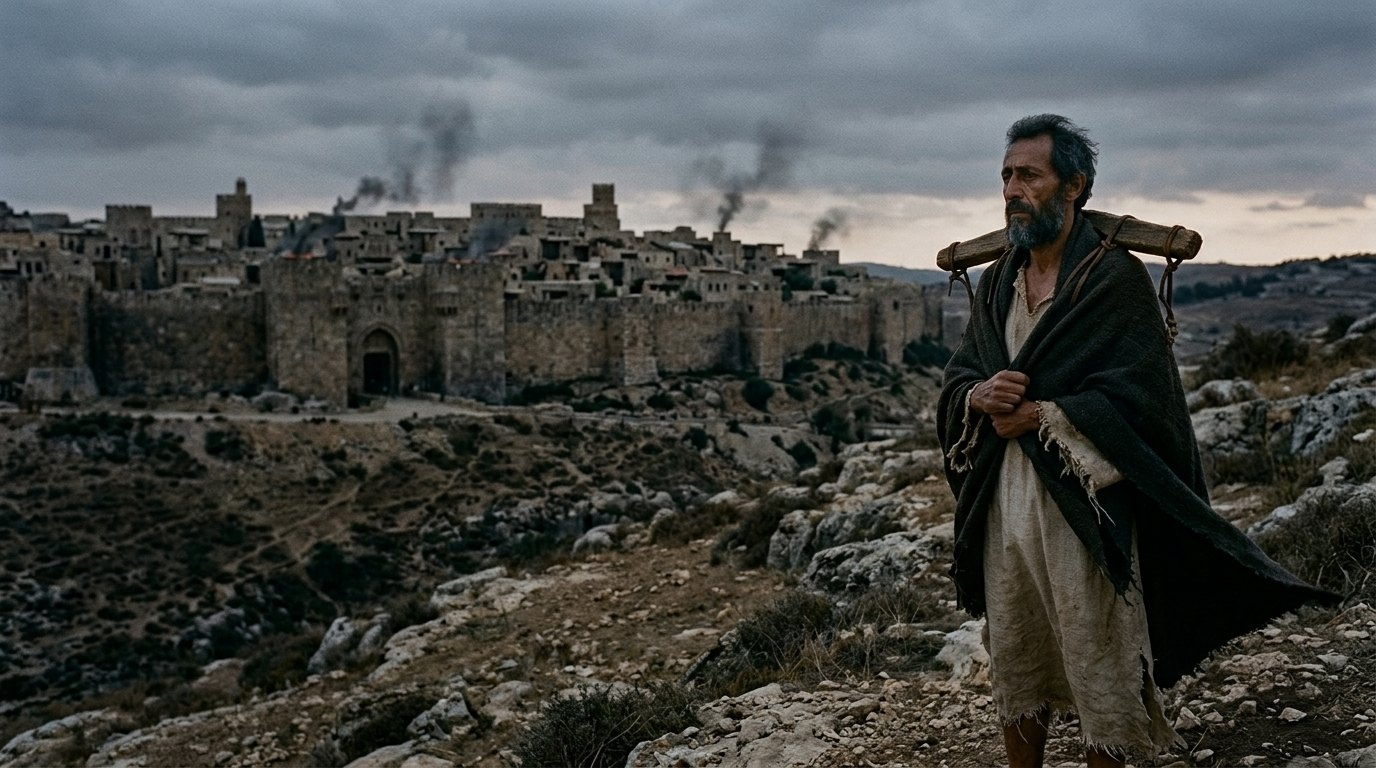
But your iniquities have separated you from your God; your sins have hidden his face from you, so that he will not hear.
Isaiah 59:2 (NIV)
This verse establishes that iniquities create a separation between God and man, causing Him to hide His face so He will not hear.
Scripture issues a sober warning that God does not merely deny petitions out of paternal wisdom; He also shuts His ears when people cling to rebellion: your iniquities have separated you from your God; and your sins have hidden His face from you, so that He will not hear (Isaiah 59:2). When people multiply religious rituals while continuing in defiance, God refuses to accept their pleas. Through Isaiah, the Lord rebuked hypocritical worship, saying, 'When you spread out your hands, I will hide My eyes from you; even though you make many prayers, I will not hear. Your hands are full of blood' (Isaiah 1:15). Prayer is not a magical formula that bypasses a demand for repentance.
When a nation or an individual persistently rejects the Lord's commands, divine patience gives way to judgment. God repeatedly ordered Jeremiah to cease his supplications: 'Do not pray for this people, nor lift up a cry or prayer for them, nor make intercession to Me; for I will not hear you' (Jeremiah 7:16; see also Jeremiah 11:14; 14:11). Even when they instituted fasts and raised desperate cries, the Lord announced He would not listen to their supplication (Jeremiah 14:12). In Ezekiel 14:14, God declared that even the presence of three great intercessors—Noah, Daniel, and Job—could not avert judgment for an apostate land; they could only deliver their own lives. If I regard iniquity in my heart, the Lord will not hear (Psalm 66:18), and whoever turns his ear away from hearing God’s law finds that even his prayer is an abomination (Proverbs 28:9). This principle extends into the home, where Peter warns husbands that mistreating a wife causes prayers to be hindered (1 Peter 3:7). God demands genuine repentance and holy obedience before He welcomes the petitioner's plea.
| Passage | What it says |
|---|---|
| Isaiah 1:15 | The Lord declares He will hide His eyes and refuse prayers because their hands are bloody. |
| Jeremiah 7:16 | God explicitly commands Jeremiah not to intercede or pray for Judah, for He will not hear. |
| Jeremiah 11:14 | Jeremiah is forbidden from lifting up a cry or prayer for the unrepentant people. |
| Jeremiah 14:11 | The Lord instructs Jeremiah not to pray for the welfare of the unfaithful nation. |
| Jeremiah 14:12 | The Lord announces that even when they fast and cry, He will not listen to their supplications. |
| Ezekiel 14:14 | God declares that even Noah, Daniel, and Job could only deliver themselves by their righteousness. |
| Psalms 66:18 | The psalmist confesses that if one cherishes iniquity in the heart, the Lord will not hear. |
| Proverbs 28:9 | One who turns away his ear from hearing the law finds even his prayer considered an abomination. |
| 1 Peter 3:7 | Husbands are commanded to live considerately with their wives so that their prayers may not be hindered. |
Where in the Bible
| Book | Passages |
|---|---|
| Deuteronomy | 4 · Deuteronomy 3:23, Deuteronomy 3:26, Deuteronomy 3:25, Deuteronomy 3:27 |
| 2 Samuel | 4 · 2 Samuel 12:16, 2 Samuel 12:18, 2 Samuel 12:20, 2 Samuel 12:17 |
| 1 Kings | 1 · 1 Kings 19:4 |
| Psalms | 2 · Psalms 34:18, Psalms 66:18 |
| Proverbs | 1 · Proverbs 28:9 |
| Isaiah | 1 · Isaiah 1:15 |
| Jeremiah | 4 · Jeremiah 7:16, Jeremiah 11:14, Jeremiah 14:11, Jeremiah 14:12 |
| Ezekiel | 1 · Ezekiel 14:14 |
| Jonah | 1 · Jonah 4:3 |
| Matthew | 4 · Matthew 26:39, Matthew 26:42, Matthew 26:44, Matthew 6:10 |
| Mark | 3 · Mark 10:37, Mark 10:40, Mark 10:38 |
| Luke | 4 · Luke 22:42, Luke 8:37, Luke 8:38, Luke 8:39 |
| Romans | 2 · Romans 8:26, Romans 8:28 |
| 2 Corinthians | 4 · 2 Corinthians 12:7, 2 Corinthians 12:8, 2 Corinthians 12:9, 2 Corinthians 12:10 |
| Hebrews | 1 · Hebrews 5:7 |
| James | 1 · James 4:3 |
| 1 Peter | 1 · 1 Peter 3:7 |
| 1 John | 1 · 1 John 5:14 |
The story in order
- Elijah despairs and asks for death (c. 870 BC) · 1 Kings 19:4 · God denies Elijah's request to die.
- Moses pleads to enter the promised land (c. 1400 BC) · Deuteronomy 3:23 · God refuses Moses's petition.
- David pleads for his sick child (c. 1000 BC) · 2 Samuel 12:16 · God does not grant David's request for the child's life.
- Jonah asks God to take his life (c. 760 BC) · Jonah 4:3 · God denies Jonah's request to die.
- Paul's thorn in the flesh (c. AD 55) · 2 Corinthians 12:7 · Paul's prayer for removal is denied.
- James and John seek high positions (c. AD 30) · Mark 10:37 · Jesus denies their request for preeminence.
- Jesus prays in Gethsemane (AD 30) · Matthew 26:39 · Jesus submits to the Father's will, not His own.
- Gerasenes beg Jesus to depart (c. AD 28) · Luke 8:37 · Jesus complies with their request to leave.
- Healed demoniac begs to stay with Jesus (c. AD 28) · Luke 8:38 · Jesus refuses the man's petition to accompany Him.
Reasons for Denied Prayer
| Reason | Biblical Principle | Example | Passage |
|---|---|---|---|
| Wrong motives | Asking to spend on pleasures | James 4:3 | James 4:3 |
| Despair/Anger | Asking for death | 1 Kings 19:4; Jonah 4:3 | |
| Seeking personal preeminence | Asking for highest positions | Mark 10:37-40 | Mark 10:37-40 |
| Unrepentant sin | Cherishing iniquity | Isaiah 1:15; Psalms 66:18 | Psalms 66:18 |
| Disobedience | Turning away from God's law | Proverbs 28:9 | Proverbs 28:9 |
Key words
- Prayer
- Communication with God, often involving requests or petitions. · 2 Corinthians 12:8
- Sufficient (hikanos, ἱκανός)
- Adequate; Christ's grace is enough, especially in weakness. · 2 Corinthians 12:9
- Will (thelema, θέλημα)
- God's sovereign plan and desire, to which believers submit. · Matthew 26:39
- Hear (akouō, ἀκούω)
- To listen to and respond to prayer, which can include denial. · 1 John 5:14
- Hindered (koluō, κωλύω)
- Obstructed or prevented from being effective. · 1 Peter 3:7
Receiving a 'no' from God is never evidence of abandonment, but an invitation to trust His deeper wisdom, sovereign purpose, and sufficient grace. When our specific petitions are denied, we rest assured that our heavenly Father hears every cry and answers in the way that ultimately conforms us to Christ and accomplishes His perfect will.
40 passages, each cited once.
Scripture cited
- 2 Corinthians 12:7-10
- Psalms 34:17-18
- Matthew 6:9-13
- James 1:2-4
- 1 John 5:14-15
- Romans 8:26-28