Does God get angry?

Psalms 7:11
11 God is a righteous judge, a God who displays his wrath every day.
New International Version (NIV)
The answer
Yes, God gets angry — and His anger is real, personal, and just, not a figure of speech. Scripture says plainly, "God is a righteous judge, yes, a God who has indignation every day" (Psalms 7:11), and again, "The LORD revengeth… the LORD is furious; the LORD will take vengeance on his adversaries, and he reserveth wrath for his enemies" (Nahum 1:2). His indignation burns like fire so that "the rocks are thrown down" before it (Nahum 1:6).
What stirs His anger
God's anger is never petty or selfish. It rises against sin, injustice, and the crushing of the weak. "I know that the LORD will maintain the cause of the afflicted, and the right of the poor" (Psalms 140:12-13). He is judge, and He will not let evil stand unaddressed (Psalms 7:8; Psalms 94:15).
The kind of anger He has
Slow, not hot-headed. The very next line in Nahum says, "The LORD is slow to anger, and great in power" (Nahum 1:3). His holiness burns every day (Psalms 7:11), and His patience gives space for repentance (Isaiah 48:9; Jonah 4:2). Anger without patience would consume the world; patience without anger would deny His holiness.
How His anger is turned away
- Through Christ: "We shall be saved from wrath through him" (Romans 5:9); He "is our peace" who has "reconciled both unto God" (Ephesians 2:14,17).
- Through faith: "Whosoever believeth in him should not perish, but have eternal life" (John 3:14-18).
- Through confession and repentance: "Return, thou backsliding Israel… and I will not cause mine anger to fall upon you" (Jeremiah 3:12-13).
So the answer has two edges: God's anger is real and will fall on those who persist in sin, and for those in Christ it has already been borne by Him. The gospel is the announcement that the righteous Judge has also become the saving refuge.
Answered from Scripture · reviewed November 8, 2026
Scripture answers without hesitation: yes, God gets angry, and His wrath is real, personal, holy, and completely just. Unlike human rage, divine anger is never petulant, capricious, or out of control, but the steady, righteous fury of a holy Judge against the evil that destroys His creation and defies His reign.
The Holy Judge
God Burns with Indignation Against Sin Every Day

God is a righteous judge, a God who displays his wrath every day.
Psalms 7:11 (NIV)
This verse establishes that God's indignation is not an occasional lapse but a daily, judicial response to persistent wickedness.
In Psalm 7:11, the psalmist declares that God is a righteous judge, and a God who feels indignation every day. Divine anger is not an erratic, sudden loss of temper, but the steady, unyielding reaction of absolute holiness against moral corruption. Because God is the true arbiter who judges people with equity (Psalm 7:8), His nature cannot coexist peacefully with evil. Psalm 50:6 proclaims that the heavens themselves declare His righteousness, for God Himself is judge, leaving no room for moral ambivalence in His universe. True justice demands that every wrong be answered, which is why Psalm 94:15 guarantees that judgment will inevitably return to righteousness.
This indignation is neither passive nor hypothetical. In Romans 1:18, Paul states plainly that the wrath of God is revealed from heaven against all ungodliness and unrighteousness of men who suppress the truth. Because the eyes of the Lord are too pure to approve evil and He cannot look upon wickedness with favour (Habakkuk 1:13), His holiness necessarily opposes it. When men presume upon His kindness and persist in hard-hearted rebellion, they do not escape His notice; rather, as Romans 2:5 warns, an unrepentant heart stores up wrath for the day when God's righteous judgment will be revealed. His holy anger is the inevitable posture of pure righteousness confronted with sin.
| Passage | What it says |
|---|---|
| Psalms 7:11 | Affirms that God is a righteous judge who feels indignation toward wickedness every single day. |
| Psalms 7:8 | Appeals to the Lord as the true judge who evaluates all people according to uprightness and equity. |
| Psalms 50:6 | Proclaims that the heavens testify to God's righteousness because He Himself sits as judge over creation. |
| Psalms 94:15 | Promises that justice will inevitably return to righteousness and all the upright will follow it. |
| Romans 1:18 | Reveals that the wrath of God is actively disclosed from heaven against all ungodliness and unrighteousness. |
| Habakkuk 1:13 | God's eyes are too pure to look on evil, establishing why His righteous nature inherently opposes wickedness. |
| Romans 2:5 | Unrepentant hearts store up wrath against themselves for the day of God's righteous judgment. |
The Nature of Wrath
Divine Fury Is Fierce, Unflinching, and Just

The LORD is a jealous and avenging God; the LORD takes vengeance and is filled with wrath. The LORD takes vengeance on his foes and vents his wrath against his enemies.
Nahum 1:2 (NIV)
Nahum pulls no punches, declaring that God reserves wrath for His enemies out of holy jealousy for His name and people.
The prophet Nahum leaves no room for ambiguity when he writes that the Lord is a jealous and avenging God; the Lord takes vengeance and is full of wrath (Nahum 1:2). Scripture never softens the terrifying intensity of divine fury. In Nahum 1:6, the prophet asks who can endure His indignation, describing His wrath as poured out like fire that shatters rocks before Him. This is not arbitrary hostility, but the intense, burning response of the Creator against those who brazenly corrupt His world and oppress His people. When Israel fashioned the golden calf at Horeb, Moses recalled that the Lord was so provoked to anger that He was ready to consume the nation entirely (Deuteronomy 9:8).
Psalm 90:11 asks who truly considers the power of God's anger, noting that His fury matches the reverence that is due to Him. It is for this reason that Hebrews 10:31 cautions that it is a fearful thing to fall into the hands of the living God. In Deuteronomy 32:22, the Lord warns of a fire kindled by His anger that burns to the lowest depths of the earth, while Jeremiah 10:10 confesses that at His wrath the earth quakes and nations cannot endure His indignation. This reality culminates in Revelation 19:15, where Christ Himself treads the winepress of the wine of the fierce fury of God the Almighty, demonstrating that ultimate judgment will thoroughly eradicate evil forever.
| Passage | What it says |
|---|---|
| Nahum 1:2 | Declares that the Lord avenges, is full of wrath, and reserves fury for His determined adversaries. |
| Nahum 1:6 | Asks who can stand before His fierce indignation as His fury is poured out like fire. |
| Deuteronomy 9:8 | Recounts how Israel provoked the Lord to wrath at Horeb so that He was ready to destroy them. |
| Psalms 90:11 | Reflects on the overwhelming power of God's anger matching the fear that is due to Him. |
| Hebrews 10:31 | Warns soberly that falling into the hands of the living God in judgment is a fearful thing. |
| Deuteronomy 32:22 | A fire is kindled by the Lord's anger that burns to the depths of the grave. |
| Jeremiah 10:10 | The Lord is the true God whose wrath causes nations to tremble and fall. |
| Revelation 19:15 | Christ treads the winepress of the fury of the wrath of God the Almighty. |
What Kindles It
His Fury Rises for the Afflicted and Against Injustice
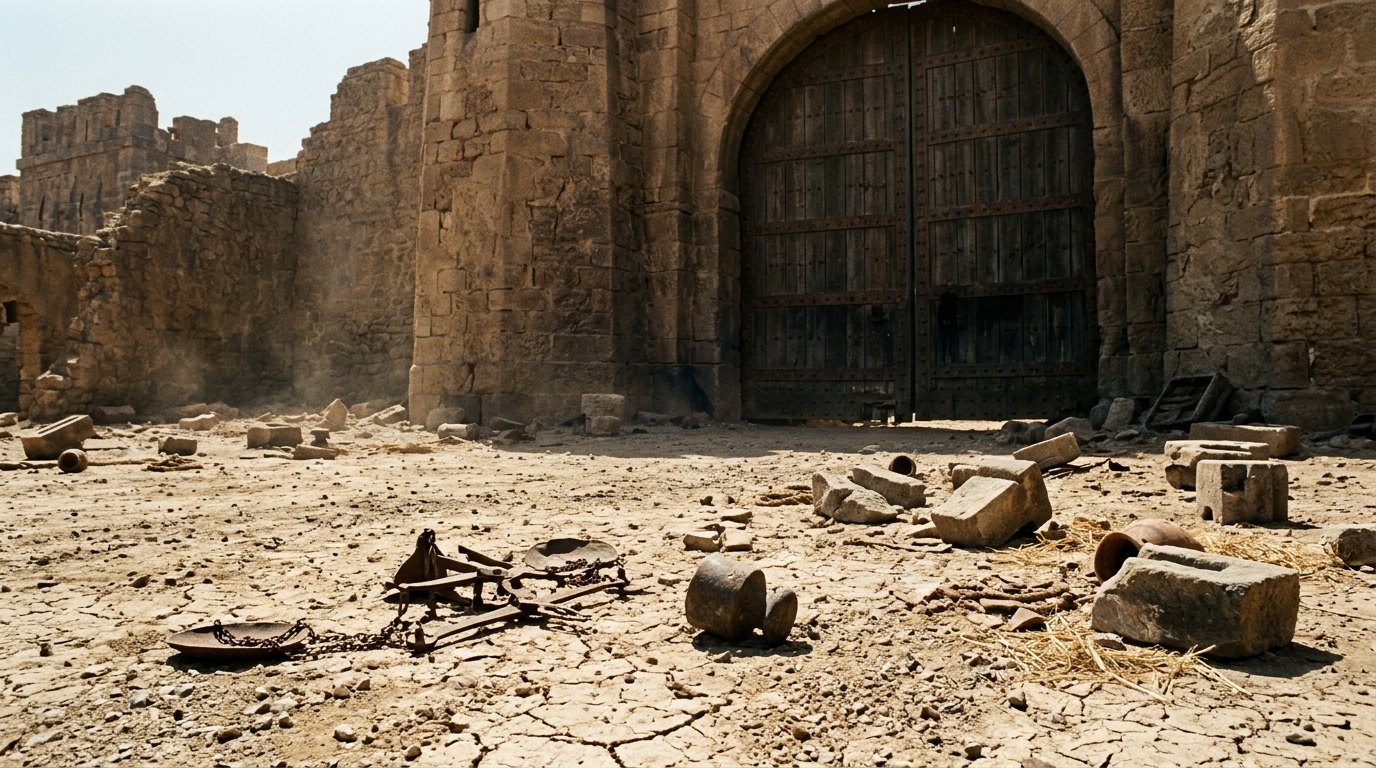
I know that the LORD secures justice for the poor and upholds the cause of the needy. Surely the righteous will praise your name, and the upright will live in your presence.
Psalms 140:12-13 (NIV)
This passage highlights that God's anger is ignited to defend the cause of the poor and afflicted from wicked oppressors.
God's anger does not ignite without cause; it burns hottest against arrogance, cruelty, and the exploitation of the vulnerable. In Psalm 140:12-13, Scripture assures us that the Lord will maintain the cause of the afflicted and execute justice for the needy. When the vulnerable suffer, God takes it personally. In Exodus 22:22-24, the Lord issues a severe decree: if anyone afflicts a widow or an orphan and they cry out to Him, His anger will burn hot and He will execute justice without hesitation. Isaiah 10:1-4 pronounces woe upon lawgivers who write unjust decrees to rob the needy of justice, and Amos 5:11-12 condemns those who trample the poor and take bribes to turn aside the destitute at the gate.
This fierce indignation against hardness of heart is visible in Jesus Christ, who is God incarnate. In Mark 3:5, Jesus looked around at the religious authorities with anger, grieved at their hardness of heart, because they cared more about technical tradition than a man's suffering hand. Later, consumed by zeal for His Father's house, Christ made a whip of cords and drove out the exploitative merchants from the temple courts (John 2:15-17). Idolatry and spiritual betrayal provoke the same fury; because the Lord is a consuming fire and a jealous God (Deuteronomy 4:24-25), Israel's persistent rejection of His covenant provoked Him to intense anger that ended in exile (2 Kings 17:16-18).
| Passage | What it says |
|---|---|
| Psalms 140:12-13 | Asserts that the Lord actively secures justice for the poor and maintains the cause of the afflicted. |
| Exodus 22:22-24 | Warns that God's wrath will burn hot and kill oppressors if any widow or fatherless child cries out to Him. |
| Isaiah 10:1-4 | Pronounces woe upon legislators who enact unjust statutes that rob the poor of their basic rights. |
| Amos 5:11-12 | Indicts the powerful for trampling the poor and pushing aside the needy in the city gates. |
| Mark 3:5 | Records Jesus looking around at the hypocritical religious leaders with grief and righteous anger at their hard hearts. |
| Deuteronomy 4:24-25 | Idolatry and unfaithfulness provoke the Lord to anger because He is a consuming fire and jealous God. |
| 2 Kings 17:16-18 | Israel's persistent idolatry and rejection of God's commands provoked His intense anger leading to exile. |
| John 2:15-17 | Jesus drives moneychangers from the temple with a whip, consumed by righteous zeal for His Father's house. |
Patience and Mercy
The Lord Is Slow to Anger and Rich in Mercy

The LORD is slow to anger but great in power; the LORD will not leave the guilty unpunished. His way is in the whirlwind and the storm, and clouds are the dust of his feet.
Nahum 1:3 (NIV)
Right beside the declaration of divine fury, Scripture shows that God's immense power is governed by His deliberate patience.
Even in the midst of fierce denunciations of judgment, Scripture balances divine wrath with divine forbearance. Nahum 1:3 declares that the Lord is slow to anger and great in power, yet will by no means clear the guilty. God does not react rashly; His immense power is joined to profound restraint. When God revealed His glory to Moses on the mountain, He proclaimed His very name: compassionate, gracious, slow to anger, and abounding in lovingkindness and truth (Exodus 34:6-7). In Isaiah 48:9, God explains that for His own name's sake He delays His anger and restrains His wrath, holding back the devastation that human sin deserves.
This longsuffering mercy led Jonah to despair over Nineveh's sparing, acknowledging that God is gracious and relents from sending calamity (Jonah 4:2). Far from being eager to condemn, the Lord is patient toward you, not wishing for any to perish but for all to come to repentance (2 Peter 3:9). Psalm 103:8-9 comforts believers with the truth that the Lord is merciful and will not hold His anger forever. As Micah 7:18 asks, who is a God like Him, who pardons iniquity and delights in steadfast love? Through the prophet Ezekiel, God makes His heart unmistakably clear: He takes no pleasure in the death of the wicked, but desires that they turn from their evil ways and live (Ezekiel 33:11).
| Passage | What it says |
|---|---|
| Nahum 1:3 | Affirms that the Lord is slow to anger and great in power, yet will by no means leave guilt unpunished. |
| Exodus 34:6-7 | Reveals the Lord's core covenant name as compassionate, gracious, slow to anger, and abounding in steadfast love. |
| Isaiah 48:9 | States that God delays His righteous wrath and restrains His fury for the honor of His own name. |
| Jonah 4:2 | Observes that God is gracious, merciful, slow to anger, abundant in lovingkindness, and relents from sending calamity. |
| 2 Peter 3:9 | Explains that God is patient toward sinners, not wishing that any should perish but that all come to repentance. |
| Psalms 103:8-9 | The Lord is merciful and gracious, slow to anger, and will not keep His anger forever. |
| Micah 7:18 | God pardons iniquity and does not stay angry forever because He delights in steadfast love. |
| Ezekiel 33:11 | God takes no pleasure in the death of the wicked but desires they turn from their way and live. |
Wrath Absorbed
Christ Bears the Fury That We Deserved

Since we have now been justified by his blood, how much more shall we be saved from God’s wrath through him!
Romans 5:9 (NIV)
This verse grounds Christian assurance in the historical fact that Jesus' blood fully spares believers from the wrath to come.
The decisive turning point in Scripture’s revelation of divine wrath is found in Romans 5:9: we have been justified by His blood, and through Him we shall be saved from the wrath of God. The wrath of God is not an abstract force that quietly dissipates over time; it is a holy, personal opposition to sin that must be justly satisfied. Before faith in Christ, every human being shares the same condition, as Ephesians 2:3-5 confesses that we were by nature children of wrath, dead in our trespasses until God intervened in mercy and made us alive together with Christ. Apart from this rescue, John 3:36 issues an uncompromising warning: whoever disobeys the Son shall not see life, but the wrath of God remains on him.
Yet God’s ancient invitation has always pointed toward redemption. Through Jeremiah 3:12-13, the Lord urged His backsliding people to acknowledge their guilt, declaring that He would not look on them in anger forever because He is merciful. The ultimate fulfillment of that mercy arrived in the suffering servant of Isaiah 53:5, who was pierced for our transgressions and crushed for our iniquities, bearing the chastisement that brought our peace. On the cross, Christ redeemed us from the curse of the law by becoming a curse for us, as Galatians 3:13 proclaims, enduring the legal penalty our rebellion demanded.
Because the Son stood in our place, believers now wait for God's Son from heaven, Jesus, who delivers us from the coming wrath according to 1 Thessalonians 1:10. This deliverance flows directly from divine love rather than cold indifference. In 1 John 4:10, John defines true love not by our devotion to God, but in that He sent His Son to be the propitiation—the wrath-bearing sacrifice—for our sins. Consequently, 1 Thessalonians 5:9 anchors our eternal hope: God has not destined us for wrath, but to obtain salvation through our Lord Jesus Christ.
| Passage | What it says |
|---|---|
| Romans 5:9 | Assures that since we are justified by Christ's blood, we will certainly be saved from God's wrath through Him. |
| John 3:36 | Contrasts the eternal life of the believer with the ongoing wrath of God abiding on those who disobey the Son. |
| Ephesians 2:3-5 | Explains that believers were once children of wrath by nature until God in His great love made us alive in Christ. |
| 1 Thessalonians 1:10 | Points to Jesus as the resurrected Son from heaven who rescues His people from the coming wrath. |
| Jeremiah 3:12-13 | Invites backsliding Israel to acknowledge their iniquity and return, promising that His anger will not fall on them. |
| Isaiah 53:5 | The Messiah was pierced for our transgressions, crushed for our iniquities, and took the chastisement that brought peace. |
| Galatians 3:13 | Christ redeemed us from the curse of the law by becoming a curse for us upon the tree. |
| 1 Thessalonians 5:9 | God has not destined believers for wrath, but to obtain salvation through the Lord Jesus Christ. |
| 1 John 4:10 | God demonstrated love by sending His Son to be the propitiation for our sins, satisfying divine wrath. |
Where in the Bible
| Book | Passages |
|---|---|
| Exodus | 2 · Exodus 22:22-24, Exodus 34:6-7 |
| Deuteronomy | 3 · Deuteronomy 9:8, Deuteronomy 32:22, Deuteronomy 4:24-25 |
| 2 Kings | 1 · 2 Kings 17:16-18 |
| Psalms | 7 · Psalms 7:11, Psalms 7:8, Psalms 50:6, Psalms 94:15, Psalms 90:11, Psalms 140:12-13, Psalms 103:8-9 |
| Isaiah | 3 · Isaiah 10:1-4, Isaiah 48:9, Isaiah 53:5 |
| Jeremiah | 2 · Jeremiah 10:10, Jeremiah 3:12-13 |
| Ezekiel | 1 · Ezekiel 33:11 |
| Amos | 1 · Amos 5:11-12 |
| Jonah | 1 · Jonah 4:2 |
| Micah | 1 · Micah 7:18 |
| Nahum | 3 · Nahum 1:2, Nahum 1:6, Nahum 1:3 |
| Habakkuk | 1 · Habakkuk 1:13 |
| Mark | 1 · Mark 3:5 |
| John | 2 · John 2:15-17, John 3:36 |
| Romans | 3 · Romans 1:18, Romans 2:5, Romans 5:9 |
| Galatians | 1 · Galatians 3:13 |
| Ephesians | 1 · Ephesians 2:3-5 |
| 1 Thessalonians | 2 · 1 Thessalonians 1:10, 1 Thessalonians 5:9 |
| Hebrews | 1 · Hebrews 10:31 |
| 2 Peter | 1 · 2 Peter 3:9 |
| 1 John | 1 · 1 John 4:10 |
| Revelation | 1 · Revelation 19:15 |
The story in order
- God's judgment declared (c. AD 55) · Romans 1:18 · God's wrath is revealed against ungodliness.
- Israel provokes God's wrath (c. 1400 BC) · Deuteronomy 9:8 · God was ready to destroy Israel at Horeb.
- God's covenant name revealed (c. 1446 BC) · Exodus 34:6-7 · Merciful, gracious, slow to anger, abounding in love.
- Prophets warn of injustice (c. 750 BC) · Amos 5:11-12 · The powerful trample the poor, provoking God.
- Jesus' righteous anger (c. AD 30) · Mark 3:5 · Jesus grieved and was angry at hard hearts.
- Jesus drives out temple traders (c. AD 30) · John 2:15-17 · Zeal for God's house consumed Jesus.
- Christ bears God's wrath (c. 700 BC) · Isaiah 53:5 · He was crushed for our iniquities.
- Salvation from wrath through Christ (c. AD 55) · Romans 5:9 · Justified by His blood, saved from wrath.
- Believers not destined for wrath (c. AD 50) · 1 Thessalonians 5:9 · Obtain salvation through Jesus Christ.
- Christ is propitiation for sin (c. AD 90) · 1 John 4:10 · Satisfied God's wrath through His Son.
God's Wrath and Mercy
| Wrath is real and just | Mercy is patient and abundant | Passage |
|---|---|---|
| God's indignation against sin every day. | God is slow to anger. | Psalms 7:11 |
| Wrath is fierce, unflinching, and just. | God abounds in steadfast love. | |
| Wrath burns against injustice and oppression. | God delights in steadfast love. | |
| Wrath is stored up for the unrepentant. | God desires repentance and life. | |
| Christ bears the wrath we deserved. | God made us alive in Christ. |
Christ's Work Absorbs Wrath
| Our State | Christ's Action | Our Result | Passage |
|---|---|---|---|
| Children of wrath by nature. | God in His great love made us alive in Christ. | Made alive with Christ. | Ephesians 2:3-5 |
| Under God's wrath. | Christ redeemed us from the curse of the law. | Redeemed from the curse. | Galatians 3:13 |
| Deserved God's wrath. | Christ was pierced for our transgressions. | Peace through His chastisement. | Isaiah 53:5 |
| Will face coming wrath. | Jesus rescues His people. | Rescued from coming wrath. | 1 Thessalonians 1:10 |
| Disobeying the Son means wrath. | Believers are justified by His blood. | Saved from God's wrath through Him. | |
| Sin required satisfaction. | Christ was the propitiation for our sins. | Divine wrath satisfied. | 1 John 4:10 |
Key words
- Wrath (orgē, ὀργή)
- God's intense displeasure and judgment against sin and unrighteousness. · Romans 1:18
- Indignation (zaumos, ζαῦμος)
- Righteous anger and displeasure directed towards wickedness. · Psalms 7:11
- Judge (krītēs, κριτής)
- One who upholds justice and equity, rendering righteous verdicts. · Psalms 7:8
- Righteousness (dikaiosynē, δικαιοσύνη)
- Conformity to God's moral character and law; justice. · Psalms 7:11
- Slow to Anger (makrothymos, μακρόθυμος)
- Patient and forbearing, not quick to unleash judgment. · Exodus 34:6
- Steadfast Love (ḥesed, חֶסֶד)
- Unfailing, loyal, covenantal love and kindness. · Exodus 34:6
- Propitiation (hilasmos, ἱλασμός)
- An atoning sacrifice that appeases wrath and turns away judgment. · 1 John 4:10
God's holy anger reveals how seriously He takes sin, righteousness, and the victims of oppression. Because Christ drank the cup of that wrath down to the dregs on our behalf, all who turn to Him find the righteous Judge to be an everlasting refuge.
40 passages, each cited once.
Scripture cited
- Psalms 7:11
- Nahum 1:2
- Nahum 1:6
- Psalms 7:8
- Psalms 94:15
- Psalms 140:12-13