What does the Bible say about waiting on God?
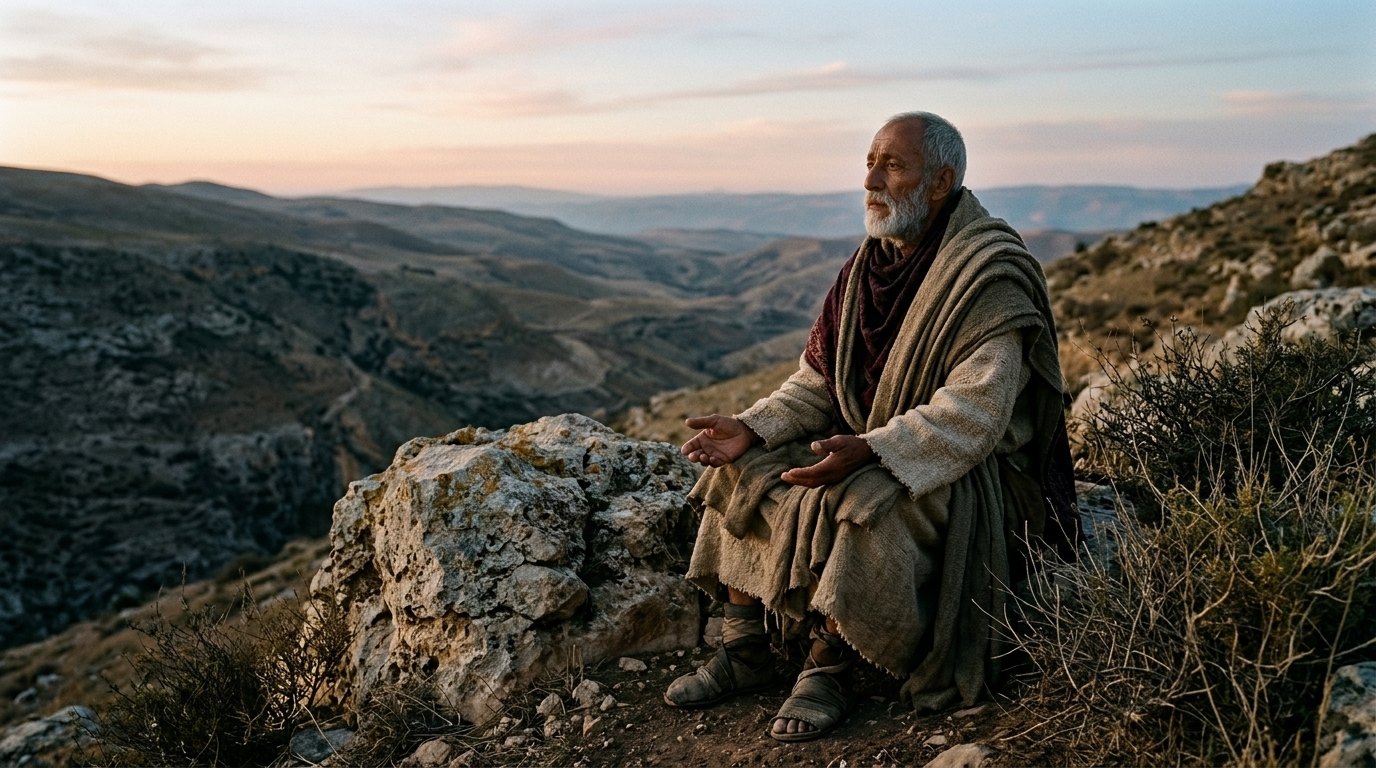
Psalms 27:13-14
13 I remain confident of this: I will see the goodness of the LORD in the land of the living.
14 Wait for the LORD; be strong and take heart and wait for the LORD.
New International Version (NIV)
The answer
Waiting on God means actively trusting His character, Word, and timing while continuing to seek and obey Him. It is neither passive resignation nor a technique for making God act on a human schedule. Psalm 27:14 joins waiting with courage: “Wait for Yahweh. Be strong, and let your heart take courage. Yes, wait for Yahweh.”
What waiting on God involves
- Hoping in God's Word: Psalm 130:5 joins waiting for Yahweh with hoping in His word. Circumstances may remain uncertain, but God's promises are dependable.
- Seeking God's guidance: In Psalm 25:4-5, waiting all day long accompanies prayer to be shown God's ways, taught His paths, and guided in His truth. Waiting seeks direction, not merely relief.
- Depending on God alone: Psalm 62:5-8 describes waiting in silence for God, expecting from Him, and pouring out the heart before Him. He is salvation, rock, fortress, and refuge.
Why waiting is possible
The ground of waiting is who God is, not how quickly circumstances improve. Psalm 27:13 expresses confidence in seeing Yahweh's goodness “in the land of the living.” Isaiah 40:28-31 grounds strength in the everlasting God, who does not faint or grow weary, gives power to the weak, and renews the strength of those who wait for Him.
Waiting can therefore be honest about weakness and distress. It does not require pretending that nothing hurts. Lamentations 3:25-26 says that Yahweh is good to those who wait for Him and that it is good to hope and quietly wait for His salvation.
What waiting looks like in practice
- Refusing fretfulness and sinful reactions: Psalm 37:7-9 connects patient waiting with resting in Yahweh, refusing to fret over the apparent success of wickedness, and turning from anger and wrath.
- Continuing patiently: James 5:7-8 uses a farmer waiting for the crop through the early and late rains as a picture of patience until the Lord's coming. Waiting includes establishing the heart rather than surrendering to panic.
- Living holy, fruitful lives: Titus 2:11-14 teaches that those looking for Christ's appearing are instructed by grace to deny ungodliness and worldly lusts, live soberly, righteously, and godly, and be zealous for good works. Waiting is not spiritual inactivity.
What Christian waiting ultimately expects
Some waiting concerns guidance, provision, suffering, or deliverance in the present. Christian hope reaches still further: Romans 8:23-25 describes believers waiting for their adoption and the redemption of their bodies, patiently hoping for what is not yet seen. The ultimate certainty is not receiving every preferred outcome quickly, but God's final salvation and the appearing of Jesus Christ.
Answered from Scripture · reviewed November 11, 2026
Scripture presents waiting on God not as passive inaction, but as an active, courageous posture of trust in His unchanging character, Word, and perfect timing. Far from sitting idly, the believer who waits is anchored in divine promises, continually seeking God's guidance while refusing fretfulness and sin. This comprehensive biblical testimony reveals that waiting is grounded in who God is and reaches its ultimate fulfilment in the redemption brought by Jesus Christ.
The Nature of Waiting
Waiting Combines Courageous Faith with Patient Trust
Wait for the LORD; be strong and take heart and wait for the LORD.
Psalms 27:14 (NIV)
David commands repeated waiting on the Lord tied directly to heart courage and steadfast spiritual strength.
The summons of Psalm 27:14 anchors the biblical understanding of patience: "Wait on the Lord: be of good courage, and he shall strengthen thine heart: wait, I say, on the Lord." Far from being a passive surrender or an aimless deferral, biblical waiting is an intentional act of courageous faith. David had just declared in Psalm 27:13 his absolute certainty that he would see the goodness of the Lord in the land of the living, even amid encirclement by enemies. Waiting does not ignore impending distress; rather, it confronts the temptation to panic by anchoring the soul in the steadfast character of God.
This deliberate, fortified posture recurs across the Psalms. In Psalm 31:19, David marvels at the great goodness God has laid up for those who fear Him and who trust in Him openly before men. Trusting God while circumstances remain unresolved requires intentional fortitude. When fear seeks to overwhelm the mind, the believer adopts the resolve of Psalm 56:3: "What time I am afraid, I will trust in thee." Even in isolation or desperation—such as David enduring the cave—the cry of Psalm 142:5 resounds that the Lord alone is a true refuge and portion.
Consequently, the corporate voice of the redeemed in Psalm 33:20 confesses, "Our soul waiteth on the Lord: he is our help and our shield." When believers wait on God, they refuse to lean upon human alliances, worldly maneuvers, or fleshly devices. They recognize that human self-sufficiency produces nothing lasting, bringing them to the quiet certainty voiced in Psalm 39:7: "And now, Lord, what wait I for? my hope is in thee." Waiting is thus the believer's active reliance on God's sovereignty, where patient expectation and fearless courage meet.
| Passage | What it says |
|---|---|
| Psalms 27:13 | David expresses unwavering confidence that he will look upon the goodness of the Lord in the land of the living. |
| Psalms 27:14 | The believer is exhorted to wait on the Lord, be strong, and let the heart take courage. |
| Psalms 31:19 | God lays up abundant goodness for those who fear Him and trust Him openly before men. |
| Psalms 56:3 | The psalmist resolves to place his trust specifically in God whenever fear arises. |
| Psalms 142:5 | In the cave, David cries out that the Lord alone is his refuge and portion. |
| Psalms 33:20 | Declares our soul waits for the Lord who is our help and shield. |
| Psalms 39:7 | Acknowledges that all genuine hope and waiting rests solely in God. |
Seeking and Depending
Waiting Looks to God's Guidance and Word
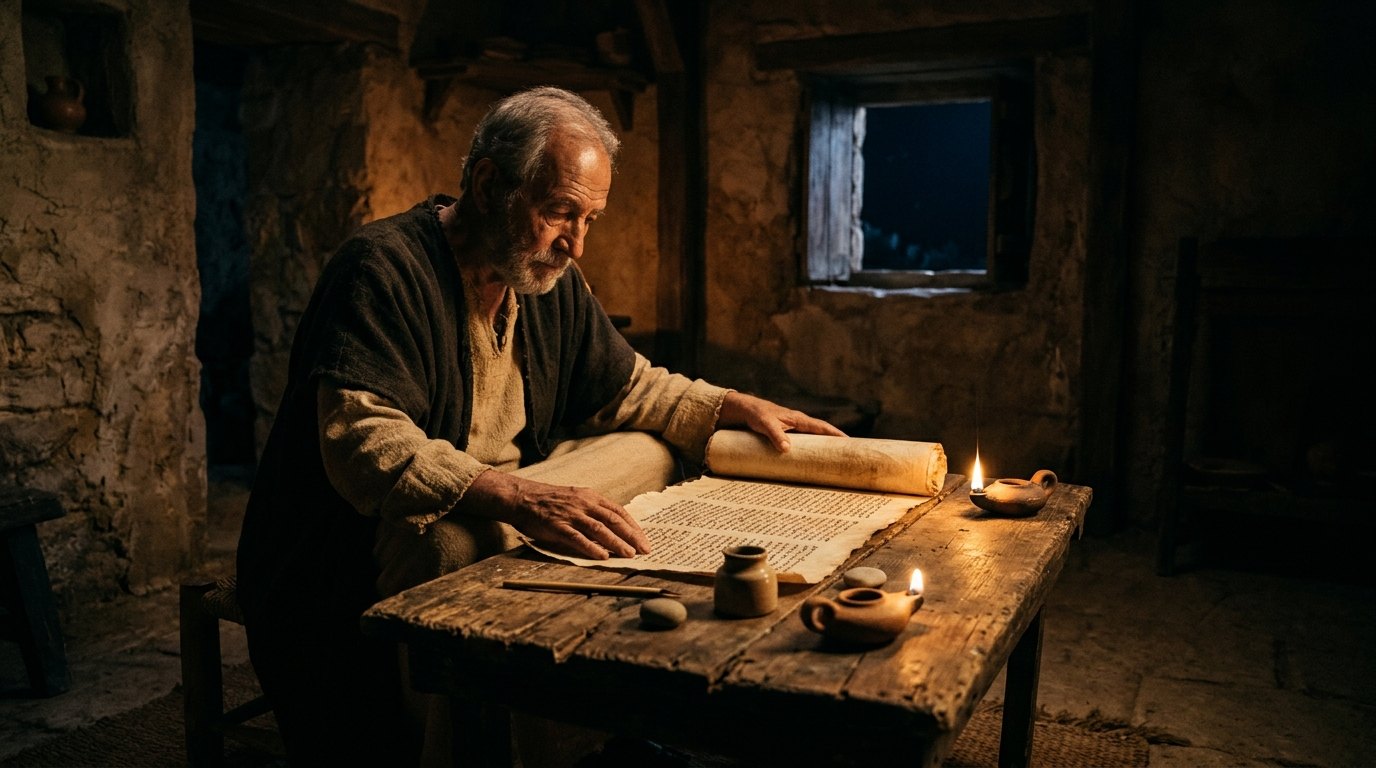
Guide me in your truth and teach me, for you are God my Savior, and my hope is in you all day long.
Psalms 25:5 (NIV)
Waiting is shown to be an all-day pursuit of divine truth and salvation rather than mere passivity.
In Psalm 25:5, waiting is presented as an ongoing school of divine instruction: "Lead me in thy truth, and teach me: for thou art the God of my salvation; on thee do I wait all the day." Waiting on God is fundamentally coupled with an earnest quest for His will and obedience to His Word. Just prior, in Psalm 25:4, the psalmist petitions, "Shew me thy ways, O Lord; teach me thy paths." Waiting is neither idle standing by nor mystical passivity; it is an all-day, disciplined turning of the mind to the truth of Scripture, submitting every decision to God's righteous standard.
This orientation of the heart requires stillness before God, tuning out the noise of self-reliance. Psalm 62:5 charges the believer's inner life: "My soul, wait thou only upon God; for my expectation is from him." That inner silence does not stifle communion; rather, Psalm 62:8 commands the people to pour out their hearts before Him, since God is their enduring refuge. The soul that waits on the Lord brings every burden to Him in fervent prayer, trusting His promises.
Because God's voice is revealed in His Word, waiting is inseparable from Scripture. In Psalm 130:5, the psalmist declares, "I wait for the Lord, my soul doth wait, and in his word do I hope." Like a city watchman looking into the night sky for the first signs of dawn, described in Psalm 130:6, the believer watches attentively for the Lord. Even when endurance is severely tested and the eyes fail for salvation, as in Psalm 119:81, hope remains anchored in God's promises. As a servant looks to the hand of his master in Psalm 123:2, our eyes look to the Lord our God until He shows mercy.
| Passage | What it says |
|---|---|
| Psalms 25:4 | The psalmist asks the Lord to show His ways and teach His paths. |
| Psalms 25:5 | David asks to be led in truth and taught, waiting on God all the day. |
| Psalms 62:5 | The soul is commanded to wait silently for God alone, from whom all expectation comes. |
| Psalms 62:8 | The people are urged to trust God at all times and pour out their hearts before Him. |
| Psalms 130:5 | The psalmist waits for the Lord, his whole soul waits, and in God's word he hopes. |
| Psalms 130:6 | The soul waits for the Lord more earnestly than watchmen wait for the morning light. |
| Psalms 119:81 | Faints for salvation while placing firm hope and waiting in God's word. |
| Psalms 123:2 | Compares waiting eyes looking to God's hand until He shows mercy. |
Divine Strength
God Renews the Strength of the Weary
but those who hope in the LORD will renew their strength. They will soar on wings like eagles; they will run and not grow weary, they will walk and not be faint.
Isaiah 40:31 (NIV)
This verse reveals the supernatural exchange of human exhaustion for divine endurance granted to those who wait.
Human endurance inevitably exhausts itself, but Isaiah 40:31 promises a supernatural exchange of strength: "But they that wait upon the Lord shall renew their strength; they shall mount up with wings as eagles; they shall run, and not be weary; and they shall walk, and not faint." This renewal is not the product of human stamina, but is grounded directly in who God is. Isaiah 40:28 reminds the weary soul that the everlasting God, the Creator of the ends of the earth, never faints or grows weary, and His understanding is unsearchable. In Isaiah 40:29, He freely gives power to the faint and increases might to those who have none.
To wait upon the Lord is to surrender human self-sufficiency and draw continually from God's inexhaustible grace. Jeremiah captures this confidence in Lamentations 3:25: "The Lord is good unto them that wait for him, to the soul that seeketh him." Even amid devastation, Lamentations 3:26 affirms that it is good to hope and quietly wait for the salvation of the Lord. Waiting silences panicked fleshly striving and yields to God's divine timetable.
This principle carries directly into the New Testament life of faith. In 2 Corinthians 4:16, the apostle Paul testifies that while the outward man decays under trial, the inward man is renewed day by day through grace. Those who wait upon the Lord do not wait in vain. As the prophet declares in Isaiah 30:18, "Blessed are all they that wait for him," because God is a God of justice. Indeed, as Isaiah 64:4 proclaims, since the beginning of the world no eye has seen a God like Him, who acts purposefully on behalf of those who wait for Him.
| Passage | What it says |
|---|---|
| Isaiah 40:28 | The everlasting God and Creator neither faints nor grows weary, possessing unsearchable understanding. |
| Isaiah 40:29 | God actively gives power to the faint and increases strength to those without might. |
| Isaiah 40:31 | Those who wait on the Lord shall renew strength, mounting with wings like eagles without fainting. |
| Lamentations 3:25 | The Lord is declared good to those who wait for Him and the soul that seeks Him. |
| Lamentations 3:26 | It is pronounced good to hope and wait quietly for the salvation of the Lord. |
| 2 Corinthians 4:16 | Though the outward man is decaying, the inward man is being renewed day by day. |
| Isaiah 30:18 | Pronounces a blessing on all who wait for the Lord of justice. |
| Isaiah 64:4 | Reveals God acts purposefully on behalf of anyone who waits for Him. |
Holy Conduct
Waiting Forbids Fretfulness and Demands Righteousness
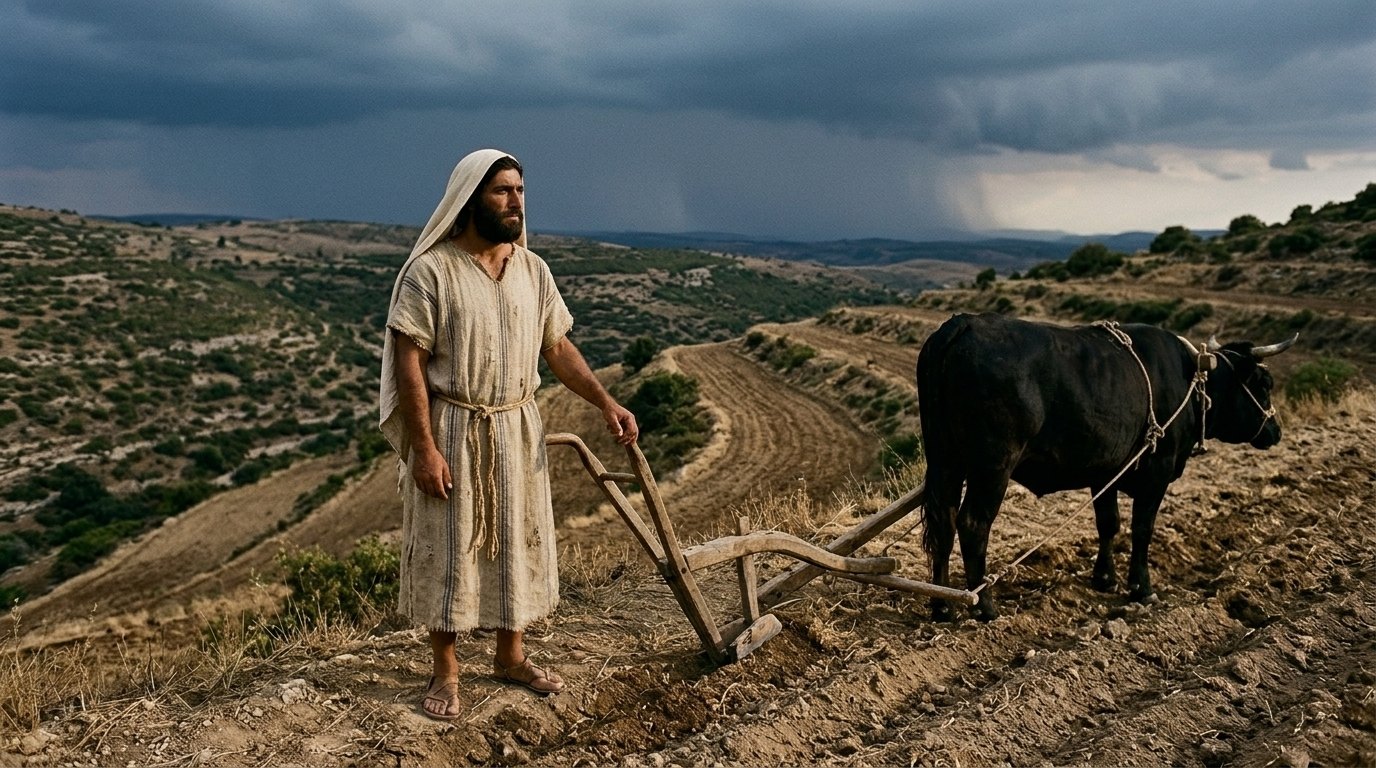
Be still before the LORD and wait patiently for him; do not fret when people succeed in their ways, when they carry out their wicked schemes.
Psalms 37:7 (NIV)
Patient waiting on God is explicitly contrasted with fretting over the transient success of evildoers.
The command in Psalm 37:7 defines the moral discipline of patience: "Rest in the Lord, and wait patiently for him: fret not thyself because of him who prospereth in his way, because of the man who bringeth wicked devices to pass." True waiting is incompatible with envy, bitterness, and hasty rebellion against God's providence. Psalm 37:8 immediately warns the believer: "Cease from anger, and forsake wrath: fret not thyself in any wise to do evil." When believers fret over the temporary success of the wicked, they fall into temptation, seeking fleshly solutions rather than abiding in righteousness. Yet Psalm 37:9 assures us that evildoers shall be cut off, while those who wait upon the Lord shall inherit the land.
This waiting demands personal holiness and self-control. Rather than taking matters into one's own hands, Proverbs 20:22 warns, "Say not thou, I will recompense evil; but wait on the Lord, and he shall save thee." The believer entrusts justice entirely to God. Even when God's purposes seem delayed, Habakkuk 2:3 instructs that the appointed vision will speak and will not lie; though it tarry, we wait for it, because it will surely come and not be late.
In the New Testament, this watchful perseverance is illustrated by the farmer in James 5:7, who waits patiently for the precious fruit of the earth until it receives the early and latter rain. James 5:8 charges believers to establish their hearts, for the coming of the Lord is near. This posture is not passive resignation; Titus 2:11–12 explains that saving grace trains us to renounce ungodliness and worldly lusts, living soberly, righteously, and godly in this present age while we wait for our blessed hope. Waiting on God thus produces steadfast obedience, persevering purity, and enduring trust in His ultimate vindication.
| Passage | What it says |
|---|---|
| Psalms 37:7 | Believers are commanded to rest in the Lord, wait patiently, and not fret over prosperous evildoers. |
| Psalms 37:8 | The righteous are commanded to cease from anger, forsake wrath, and avoid fretting which leads to evil. |
| Psalms 37:9 | Evildoers shall be cut off, but those who wait on the Lord shall inherit the land. |
| James 5:7 | Believers must be patient until the Lord's coming, just as a farmer waits for precious fruit. |
| James 5:8 | Disciples are exhorted to establish their hearts in patience because the Lord's coming draws near. |
| Titus 2:11 | God's saving grace has appeared to all people, bringing salvation and divine instruction. |
| Titus 2:12 | Grace teaches believers to renounce ungodliness and worldly passions, living self-controlled, upright lives. |
| Proverbs 20:22 | Warns against personal vengeance, commanding one to wait on the Lord to save. |
| Habakkuk 2:3 | Instructs the righteous to wait for the vision because it will surely come. |
Ultimate Expectation
The Believer's Longing Reaches Toward Eternal Redemption
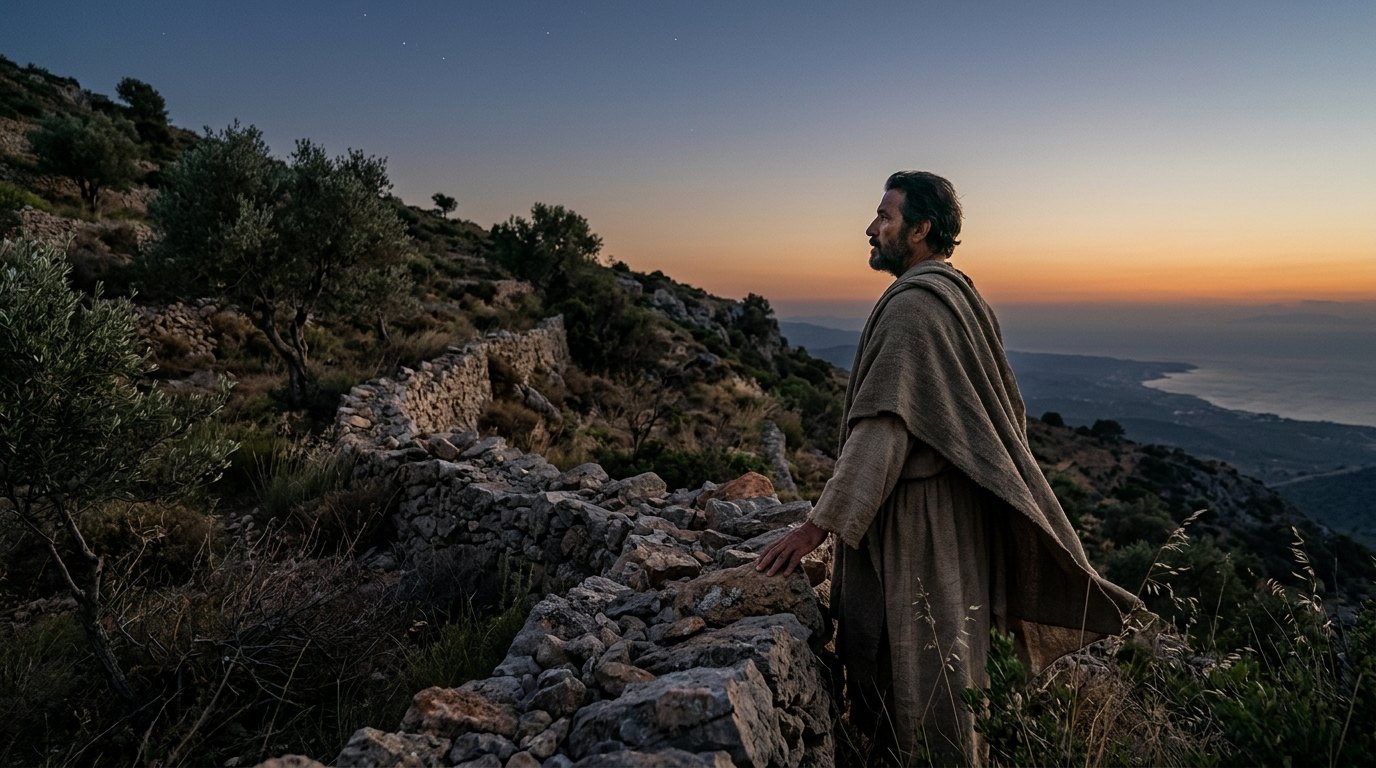
But if we hope for what we do not yet have, we wait for it patiently.
Romans 8:25 (NIV)
Christian hope is anchored in unseen heavenly realities that call for patient, persevering waiting.
In Romans 8:25, the apostle Paul declares that if we hope for what we do not see, we wait for it with patience. Christian waiting finds its highest horizon not in earthly outcomes, but in the final redemption promised through Jesus Christ. Believers already possess the firstfruits of the Spirit, yet as Romans 8:23 reminds us, we groan inwardly as we eagerly await our full adoption, the redemption of our bodies. This tension defines our earthly walk: salvation has secured us, yet as Romans 8:24 establishes, hope that is seen is no hope at all, for who hopes for what he already sees? Waiting with patience is therefore the deliberate, persevering posture of living in expectation of what God has guaranteed in His Word.
This expectant waiting directs every part of the believer's present conduct. Titus 2:13 calls this posture looking for the blessed hope and glorious appearing of our great God and Savior Jesus Christ. That future expectation is anchored directly in the cross; as Titus 2:14 states, Christ gave Himself to redeem us from all lawlessness and purify for Himself a people zealous for good works. Because this redemption is sure, waiting does not leave the church impoverished. In 1 Corinthians 1:7, believers are described as lacking no spiritual gift as they eagerly await the revelation of our Lord Jesus Christ.
Our true allegiance and final deliverance remain steadfastly heavenly. Philippians 3:20 reminds us that our citizenship is in heaven, from which we eagerly await a Savior who will transform our lowly bodies to be like His glorious body. Hebrews 9:28 reinforces this divine schedule: having been offered once to bear the sins of many, Christ will appear a second time, not to deal with sin, but to save those who are eagerly waiting for Him. While we wait, Jude 1:21 directs our daily focus: keep yourselves in the love of God, waiting for the mercy of our Lord Jesus Christ that leads to eternal life.
| Passage | What it says |
|---|---|
| Romans 8:23 | Believers groan inwardly while eagerly waiting for full adoption, namely the physical redemption of the body. |
| Romans 8:24 | Hope saved us, but hope that is seen is no longer hope, for why hope for what is seen. |
| Romans 8:25 | If we hope for what we do not see, we wait for it with patience. |
| Titus 2:13 | Christians wait for the blessed hope and glorious appearing of our great God and Savior Jesus Christ. |
| Titus 2:14 | Christ gave Himself to redeem us from all lawlessness and purify a people zealous for good deeds. |
| 1 Corinthians 1:7 | Describes believers as enriched in every gift while awaiting Christ's glorious revelation. |
| Philippians 3:20 | Points our citizenship to heaven, from which we eagerly wait for the Saviour. |
| Hebrews 9:28 | Promises Christ will appear a second time to save those eagerly waiting for Him. |
| Jude 1:21 | Exhorts believers to keep themselves in God's love while waiting for eternal life. |
Where in the Bible
| Book | Passages |
|---|---|
| Psalms | 18 · Psalms 27:13, Psalms 27:14, Psalms 31:19, Psalms 56:3, Psalms 142:5, Psalms 33:20, Psalms 39:7, Psalms 25:4, Psalms 25:5, Psalms 62:5, Psalms 62:8, Psalms 130:5, Psalms 130:6, Psalms 119:81, Psalms 123:2, Psalms 37:7, Psalms 37:8, Psalms 37:9 |
| Proverbs | 1 · Proverbs 20:22 |
| Isaiah | 5 · Isaiah 40:28, Isaiah 40:29, Isaiah 40:31, Isaiah 30:18, Isaiah 64:4 |
| Lamentations | 2 · Lamentations 3:25, Lamentations 3:26 |
| Habakkuk | 1 · Habakkuk 2:3 |
| Romans | 3 · Romans 8:23, Romans 8:24, Romans 8:25 |
| 1 Corinthians | 1 · 1 Corinthians 1:7 |
| 2 Corinthians | 1 · 2 Corinthians 4:16 |
| Philippians | 1 · Philippians 3:20 |
| Titus | 4 · Titus 2:11, Titus 2:12, Titus 2:13, Titus 2:14 |
| Hebrews | 1 · Hebrews 9:28 |
| James | 2 · James 5:7, James 5:8 |
| Jude | 1 · Jude 1:21 |
The story in order
- David's Trust in God (c. 1000 BC) · Psalms 31:19 · God's goodness is laid up for those who fear and trust Him.
- David's Refuge in God (c. 1000 BC) · Psalms 142:5 · In times of distress, God is the refuge and portion.
- Seeking God's Ways (c. 1000 BC) · Psalms 25:4 · The psalmist asks God to reveal His paths and teach him.
- Silent Waiting for God (c. 1000 BC) · Psalms 62:5 · The soul is commanded to wait silently on God alone.
- Waiting for Morning Light (c. 1000 BC) · Psalms 130:6 · The soul waits for the Lord more than watchmen for dawn.
- Hope in God's Word (c. 1000 BC) · Psalms 119:81 · Fainting for salvation while hoping in God's word.
- God Renews the Weary (c. 700 BC) · Isaiah 40:29 · God gives power to the faint and increases strength.
- Waiting Inherits the Land (c. 1000 BC) · Psalms 37:9 · Evildoers are cut off, but those who wait inherit the land.
- Patient Waiting for Harvest (c. AD 45) · James 5:7 · Be patient until the Lord's coming, like a farmer.
- Waiting for God's Salvation (c. 580 BC) · Lamentations 3:26 · It is good to hope and wait quietly for the Lord's salvation.
- Waiting for Christ's Return (c. AD 60) · Titus 2:13 · Waiting for the blessed hope and appearing of Jesus Christ.
- Waiting for Redemption (c. AD 55) · Romans 8:23 · Believers groan, waiting for the redemption of their bodies.
- Waiting for Christ's Revelation (c. AD 55) · 1 Corinthians 1:7 · Enriched while awaiting Christ's glorious revelation.
- Waiting for the Saviour (c. AD 60) · Philippians 3:20 · Our citizenship is in heaven, from which we await the Saviour.
Key words
- Wait (qavah (קָוָה))
- To remain in expectation of something; to hope or trust in. · Psalms 27:14
- Trust (batah (בָּטַח))
- Firm belief in the reliability, truth, ability, or strength of someone or something. · Psalms 56:3
- Hope (tiqvah (תִּקְוָה))
- A feeling of expectation and desire for a certain thing to happen. · Lamentations 3:26
- Patience (hypomonē (ὑπομονή))
- The capacity to accept or tolerate delay, trouble, or suffering without getting angry or upset. · James 5:7
- Strength (kōaḥ (כֹּחַ))
- The quality or state of being strong. · Isaiah 40:29
Waiting on God reshapes our present trials by anchoring our hearts to eternal certainties. As we look to His Word, He renews our strength, teaches us His paths, and guards our souls from despair. Let your heart take courage today: the God who promised is entirely faithful, and none who wait for Him will ever be put to shame.
41 passages, each cited once.
Scripture cited
- Isaiah 40:28-31
- Psalms 130:5-8
- Psalms 37:7-9
- Lamentations 3:25-26
- James 5:7-8
- Psalms 25:4-5
- Psalms 62:5-8
- Titus 2:11-14
- Romans 8:23-25