How can I pray for my city?
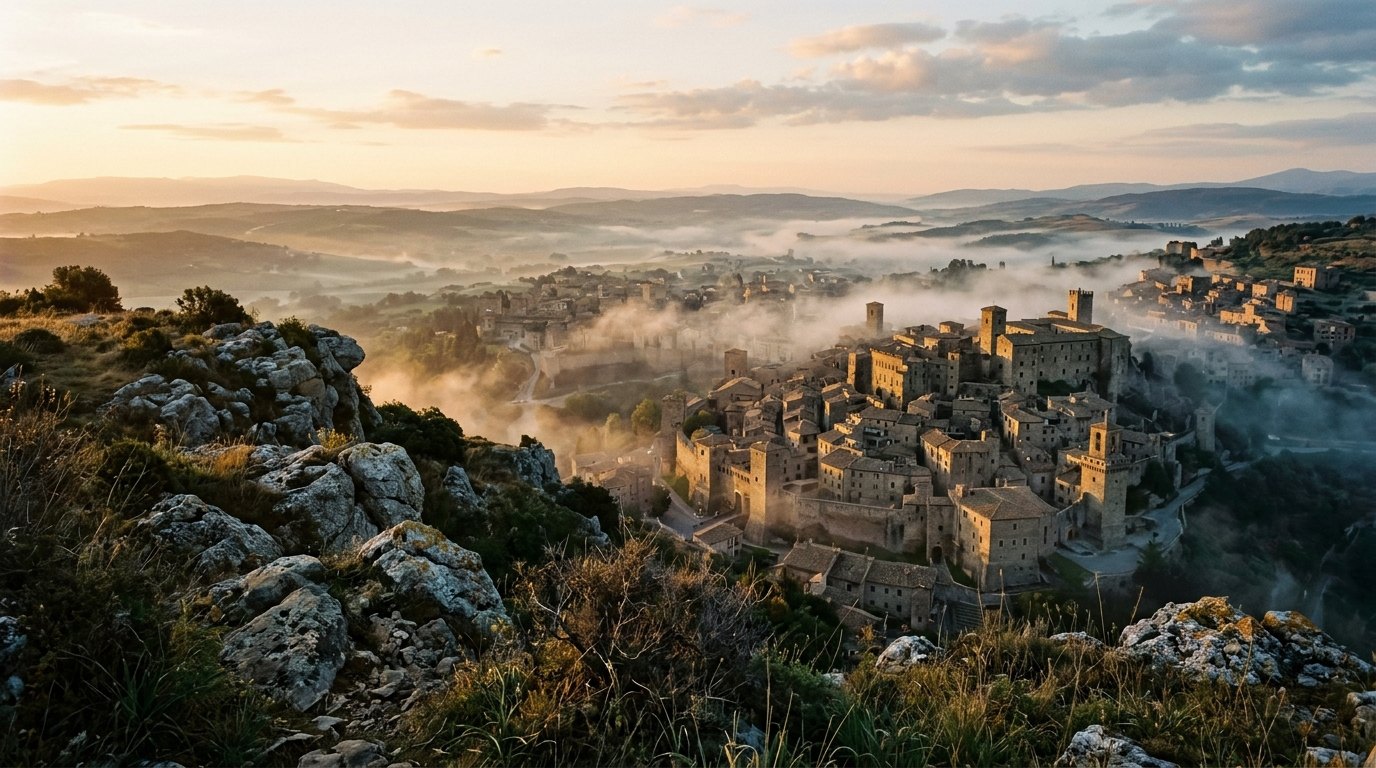
The answer
Praying for your city means seeking its shalom — its peace, righteousness and salvation — as God's people live and speak there. Scripture gives both the shape of the prayers and the posture of the people who pray them.
Step 1: Pray for the city's peace and welfare
- The command: Jeremiah 29:7 says, "Seek the peace of the city...and pray to Yahweh for it; for in its peace you will have peace." This is the baseline — pray that your city would be a place where people can live quietly and thrive.
- What to ask: safety from crime and violence, good schools, honest courts, faithful hospitals, families kept together, the poor cared for.
- The reason: Psalm 122:6-9 ties this to love for God's people and His house — when the city flourishes, gospel witness flourishes with it.
Step 2: Pray for leaders and those in authority
- The command: 1 Timothy 2:1-2 — "petitions, prayers, intercessions, and givings of thanks be made for...kings and all who are in high places, that we may lead a tranquil and quiet life in all godliness and reverence."
- Who to name: your mayor, city council, police chief, judges, school board, governor — and the officials whose decisions shape daily life.
- What to ask: wisdom, integrity, courage to restrain evil and protect the vulnerable, repentance where they reject God.
Step 3: Pray for the gospel to reach your city
- The heart of it: 1 Timothy 2:3-4 — God "desires all people to be saved and come to full knowledge of the truth." That desire extends to every household on your street.
- What to ask: open doors for the word (Colossians 4:3), bold witnesses, churches planted and strengthened, the lost awakened, false gospels exposed.
- Who to name by name: neighbors, coworkers, family members who do not yet know Christ.
Step 4: Humble yourself before God on behalf of the city
- The promise: 2 Chronicles 7:14 — "if my people who are called by my name will humble themselves, pray, seek my face, and turn from their wicked ways, then I will hear from heaven, will forgive their sin, and will heal their land."
- The posture: revival starts with God's people, not with the city. Confess your own sin first — bitterness, compromise, fear, prayerlessness.
- What to ask: for the church in your city to repent and believe afresh, for God to heal what is broken, for His presence to rest on His people there.
Step 5: Live as salt and light while you pray
- The call: Matthew 5:13-16 — "You are the salt of the earth...You are the light of the world." Prayer for the city is not a substitute for presence in the city.
- What it looks like: showing up at the school board meeting, helping a single mother, befriending the isolated elderly, telling a coworker what Christ has done.
- The aim: that people "may see your good works and glorify your Father who is in heaven" (Matthew 5:16).
A simple weekly rhythm
- Monday: pray for the city's peace and the poor.
- Tuesday: pray for leaders and judges by name.
- Wednesday: pray for churches and gospel witness in the city.
- Thursday: confess your own sin and seek God's face.
- Friday: pray for specific neighbors and coworkers by name.
- Saturday: show up, serve, let your light shine.
Verse to carry
Jeremiah 29:7 — pray for the shalom of the city where God has placed you, because your shalom is bound up with theirs.
Answered from Scripture · reviewed November 7, 2026
Scripture calls God's people to be tireless intercessors for the places they inhabit, seeking their peace, spiritual awakening, and moral healing. From exiles commanded to bless pagan Babylon to early Christians praying for Roman authorities, biblical prayer for a city combines practical concern for daily welfare with urgent pleading for eternal salvation. By learning how patriarchs, prophets, and apostles stood in the gap for their communities, believers discover both the pattern and the promise of interceding for their own hometowns.
Seeking Peace
Pray for the Peace and Flourishing of the City
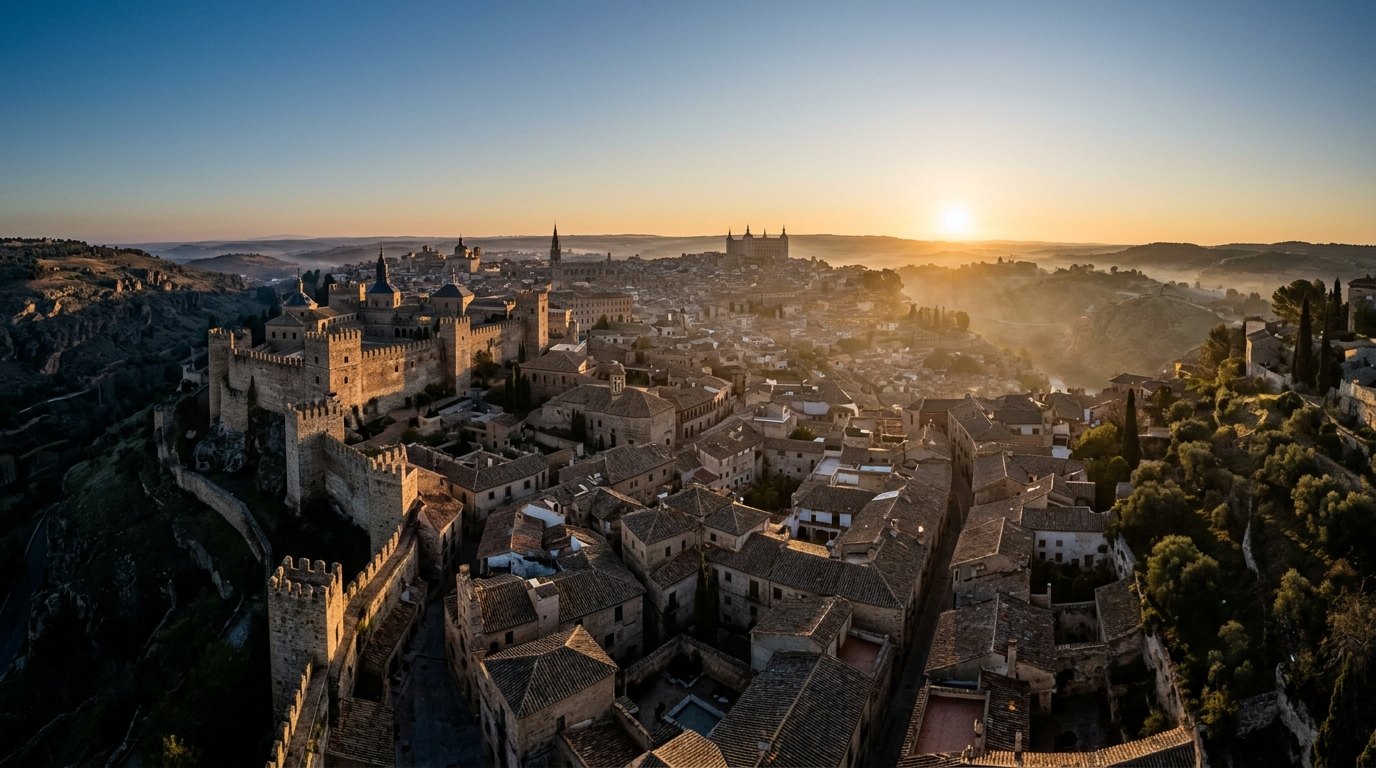
Also, seek the peace and prosperity of the city to which I have carried you into exile. Pray to the LORD for it, because if it prospers, you too will prosper.”
Jeremiah 29:7 (NIV)
This verse establishes the foundational mandate for believers to pursue and pray for the welfare and peace of the earthly cities where God places them.
When God addressed the Jewish exiles displaced to a hostile empire, He delivered a startling imperative in Jeremiah 29:7: seek the peace of the city where I have caused you to be carried away captive, and pray unto the Lord for it: for in the peace thereof shall ye have peace. Far from withdrawing into bitter seclusion, God's people were called to intercede for the flourishing, safety, and tranquil order of their surrounding community. Believers today share this exact posture toward their hometowns and metropolises. Intercession begins with asking the Lord for the tangible well-being of our neighbors, understanding that our domestic and communal tranquility is intimately bound up with the peace of the wider public sphere.
This pattern reflects the heart of the Psalms, where worshipers are commanded to pray for the peace of Jerusalem (Psalm 122:6-9), seeking its good for the sake of God's house and their brethren. When the church functions as salt and light, its moral presence actively preserves the civil community. As the writer of wisdom observes, by the blessing of the upright the city is exalted (Proverbs 11:10-11), and genuine righteousness exalteth a nation (Proverbs 14:34). When godly principles govern local commerce and neighborly relations, civic joy expands, contrasting sharply with the despair that grips communities when ungodliness prevails (Proverbs 29:2).
Furthermore, prayer for our cities reflects God's profound pity toward lost populations. When the reluctant prophet begrudged mercy to a violent pagan capital, the Lord rebuked him by unveiling divine grief over the multitude of inhabitants who knew not their right hand from their left (Jonah 4:11). Praying for a city means seeing beyond its concrete, commerce, and civic failures to the precious souls God has gathered within its borders, pleading continually for its moral preservation, domestic peace, and spiritual awakening.
| Passage | What it says |
|---|---|
| Jeremiah 29:7 | God commands the exiles to seek the peace and welfare of Babylon and pray for it, linking their prosperity to the city's peace. |
| Psalms 122:6-9 | Believers are instructed to pray for the peace and security of Jerusalem, seeking its good for the sake of God's house and people. |
| Proverbs 11:10-11 | Scripture teaches that a city rejoices and is exalted through the integrity and blessing of the upright living within its borders. |
| Jonah 4:11 | God reveals His tender compassion over the great population and innocent lives within the massive pagan city of Nineveh. |
| Proverbs 14:34 | Righteousness exalts a nation and community, while sin brings reproach upon any people. |
| Proverbs 29:2 | When the righteous increase the city rejoices, but the people groan when wicked rulers hold sway. |
Civil Authorities
Intercede for Leaders and Those in High Places
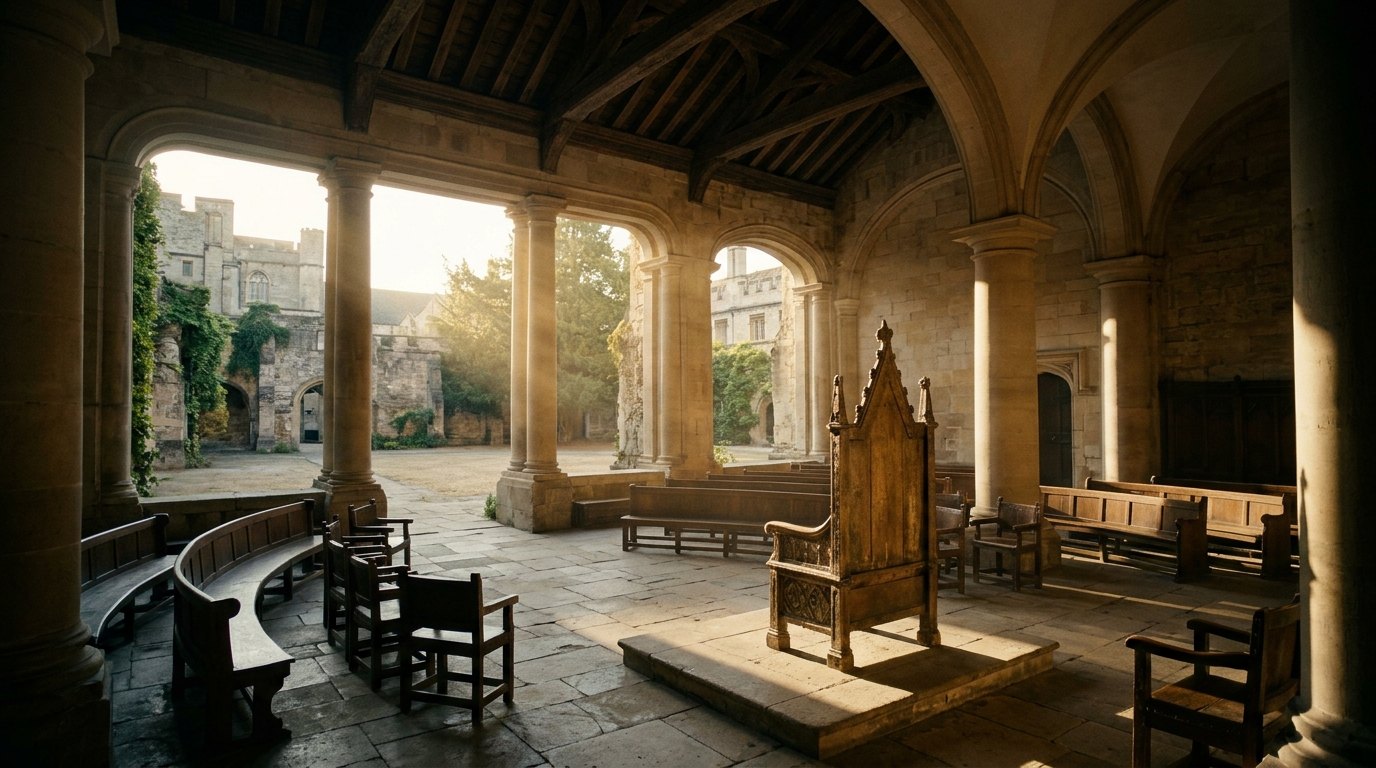
I urge, then, first of all, that petitions, prayers, intercession and thanksgiving be made for all people— for kings and all those in authority, that we may live peaceful and quiet lives in all godliness and holiness.
1 Timothy 2:1-2 (NIV)
Paul instructs the church to prioritize prayers and petitions for governing rulers so that society may experience quiet, godly, and peaceful living.
Scripture explicitly commands the church to direct its corporate petitions toward civil magistrates. In 1 Timothy 2:1-2, the apostle Paul exhorts that supplications, prayers, intercessions, and giving of thanks, be made for all men; for kings, and for all that are in authority; that we may lead a quiet and peaceable life in all godliness and honesty. The primary purpose of government is the preservation of public order and civil justice, establishing conditions where citizens can pursue productive labor and worship God without intimidation. Believers must pray faithfully for local mayors, police officers, judges, and council members, recognizing their high responsibility under God.
The New Testament views governing authorities not as arbitrary rulers, but as ministers of God to thee for good (Romans 13:1-4), ordained to execute justice, punish evil, and protect the innocent. Believers never view rulers as beyond the reach of divine intervention, knowing that the king's heart is in the hand of the Lord, as the rivers of water: he turneth it whithersoever he will (Proverbs 21:1). Even pagan rulers have been moved by God's hand to foster the welfare of His people, as when the Persian king protected returned exiles who prayed continually for his household (Ezra 6:10).
Consequently, our prayers must ask that local magistrates govern with integrity and wisdom, since the throne is established by righteousness (Proverbs 16:12-13). Believers are summoned to honor all men, love the brotherhood, fear God, honor the king (1 Peter 2:13-17), and to exhibit gentleness and subjection toward lawful authority (Titus 3:1-2). Praying for city leaders restrains tyranny, fosters public virtue, and guards the peace of every home.
| Passage | What it says |
|---|---|
| 1 Timothy 2:1-2 | Paul urges petitions and thanksgivings for kings and all in authority so believers may lead peaceful, godly lives. |
| Romans 13:1-4 | Governing rulers are designated as God's servants appointed to maintain public order, restrain wrongdoing, and promote the common good. |
| Proverbs 21:1 | The king's heart is described as a stream of water in the Lord's hand, guided wherever He sovereignly pleases. |
| Titus 3:1-2 | Christians are instructed to remain obedient to magistrates, speaking evil of no one and showing gentleness to every citizen. |
| Ezra 6:10 | The returned exiles offered sacrifices to God and prayed continually for the life and reign of the king and his sons. |
| 1 Peter 2:13-17 | Believers are instructed to honor all people, love the brotherhood, fear God, and honor governing authorities. |
| Proverbs 16:12-13 | A king's throne is established by righteousness, delighting in honest speech and upright leadership. |
Gospel Proclamation
Ask for Open Doors and Bold Witness

And pray for us, too, that God may open a door for our message, so that we may proclaim the mystery of Christ, for which I am in chains.
Colossians 4:3 (NIV)
This petition zeroes in on the vital spiritual need of every community: divine opportunity and supernatural clarity to declare the mystery of Christ.
While civil peace is precious, a city's deepest need is reconciliation with God through Jesus Christ. The apostle Paul captured the chief petition of every Christian community when he urged the church in Colossians 4:3-4: withal praying also for us, that God would open unto us a door of utterance, to speak the mystery of Christ. A city cannot flourish if it remains in spiritual darkness; intercession must specifically target the advance of the gospel, asking the Holy Spirit to remove spiritual blindness and grant unhindered opportunities to declare the word of truth.
This evangelistic plea aligns directly with the heart of God, who will have all men to be saved, and to come unto the knowledge of the truth (1 Timothy 2:3-4). When local opposition threatened the fledgling church in Jerusalem, the disciples did not pray for personal safety, but cried out for supernatural courage to proclaim Christ: grant unto thy servants, that with all boldness they may speak thy word (Acts 4:29-31). In response, the Holy Spirit shook the room and empowered them anew. Similarly, when the Lord placed Paul in corrupt Corinth, He assured him, I have much people in this city (Acts 18:9-10).
Believers must therefore beseech the Lord of the harvest to thrust forth faithful laborers into their local neighborhoods, schools, and workplaces (Matthew 9:37-38). We pray that the Word of God may have free course, and be glorified across the city (2 Thessalonians 3:1), with believers speaking boldly in the Spirit (Ephesians 6:18-20). Where Christ is preached and believed, demonic chains shatter, sickness is healed, and there was great joy in that city (Acts 8:5-8).
| Passage | What it says |
|---|---|
| 1 Timothy 2:3-4 | God desires all people to be saved and to arrive at the full knowledge of the truth through Jesus Christ. |
| Colossians 4:3-4 | Paul requests prayer that God would open a door for the word to speak the mystery of Christ clearly and boldly. |
| Acts 4:29-31 | The gathered Jerusalem church prayed for boldness to speak God's word amid local hostility, receiving immediate filling from the Holy Spirit. |
| Acts 18:9-10 | The Lord comforted Paul in Corinth with the assurance that He had many chosen people in that very city. |
| 2 Thessalonians 3:1 | The apostle asks the church to pray that the Lord's word may speed ahead and be honored throughout the surrounding region. |
| Matthew 9:37-38 | Jesus calls disciples to pray earnestly for the Lord of the harvest to send out laborers into local fields. |
| Ephesians 6:18-20 | Paul urges continual prayer in the Spirit that words may be given to declare the mystery of the gospel boldly. |
| Acts 8:5-8 | Proclaiming Christ in a city brings spiritual deliverance, healing, and overflowing corporate joy. |
Repentance and Renewal
Stand in the Gap with Confession and Humility

if my people, who are called by my name, will humble themselves and pray and seek my face and turn from their wicked ways, then I will hear from heaven, and I will forgive their sin and will heal their land.
2 Chronicles 7:14 (NIV)
God explicitly conditions corporate healing and divine mercy upon His people humbling themselves, repenting of sin, and seeking His face.
Corporate renewal in any community begins when God's people take responsibility for their spiritual condition before the Lord. In 2 Chronicles 7:14, God lays down the enduring pattern for national and communal restoration: if my people, which are called by my name, shall humble themselves, and pray, and seek my face, and turn from their wicked ways; then will I hear from heaven, and will forgive their sin, and will heal their land. Healing does not begin in city hall or corporate boardrooms; it starts on the knees of God's saints, repenting of compromise and seeking divine mercy.
Scripture models this intercession through righteous servants who identified personally with the transgressions of their cities. Nehemiah wept, fasted, and confessed the sins of his nation when Jerusalem lay in charred ruins (Nehemiah 1:4-11). Daniel poured out his soul in sackcloth and ashes, confessing corporate iniquity and pleading, O Lord, hear; O Lord, forgive; O Lord, hearken and do; defer not, for thine own sake, O my God: for thy city and thy people are called by thy name (Daniel 9:3-19). God urgently seeks individuals who will step forward into the breach: I sought for a man among them, that should make up the hedge, and stand in the gap before me for the land, that I should not destroy it (Ezekiel 22:30).
This gap-standing intercession echoes Abraham pleading for the preservation of Sodom, proving that God remembers the righteous and honors persistent, humble petition (Genesis 18:23-32). By gathering in solemn assemblies of weeping and genuine repentance (Joel 2:12-17), and by pursuing justice in the public gates (Amos 5:14-15), believers bring heaven's mercy down to transform broken, troubled cities into monuments of God's saving grace.
| Passage | What it says |
|---|---|
| 2 Chronicles 7:14 | God promises to hear, forgive sin, and heal the land when His people humble themselves, pray, and turn from wickedness. |
| Nehemiah 1:4-11 | Nehemiah wept, fasted, and confessed the sins of his nation and family while interceding for the broken city of Jerusalem. |
| Daniel 9:3-19 | Daniel identified with the corporate iniquities of his people and city, pleading for the Lord's face to shine upon His sanctuary. |
| Ezekiel 22:30 | The Lord searched for someone to build up the wall and stand in the gap on behalf of the land. |
| Genesis 18:23-32 | Abraham persistently interceded before the Lord, asking Him to spare the wicked city if even ten righteous were found there. |
| Joel 2:12-17 | A call for corporate weeping, fasting, and solemn assembly to plead for God's mercy over the people. |
| Amos 5:14-15 | Exhortation to seek good and establish justice in the public gate so God may be gracious to the remnant. |
Active Holiness
Back Up Prayer with Tangible Salt and Light

“You are the light of the world. A town built on a hill cannot be hidden. Neither do people light a lamp and put it under a bowl. Instead they put it on its stand, and it gives light to everyone in the house. In the same way, let your light shine before others, that they may see your good deeds and glorify your Father in heaven.
Matthew 5:14-16 (NIV)
Jesus portrays believers as a visible city set on a hill, whose practical good works lead watching neighbors to give glory to God.
In Matthew 5:14-16, Jesus portrays believers as a city set on a hill that cannot be hidden, commanding His followers to let their light shine before others so that observing neighbors give glory to the Father. Civic intercession can never be severed from civic righteousness; prayer finds its earthly voice and credibility through tangible deeds of mercy and integrity. Christ establishes this inseparable link by calling His disciples both the salt of the earth and the light of the world in Matthew 5:13-16, warning that savorless salt is discarded and trampled underfoot by the very communities it was meant to preserve.
The prophets relentlessly anchored genuine spirituality in practical civic renewal. In Isaiah 58:6-12, God rejects hollow ritualism, declaring that the fast He chooses involves loosening the chains of injustice, feeding the hungry, and clothing the naked, which transforms God's people into repairers of broken walls and restorers of streets with dwellings. Jeremiah echoes this civic mandate in Jeremiah 22:3, warning leaders and citizens alike to administer justice and rescue the victim of robbery from the hand of the oppressor, withholding violence from the immigrant, the fatherless, and the widow. Micah 6:8 distills this standard into one enduring requirement: to do justice, to love mercy, and to walk humbly with your God.
The apostles carried this civic engagement directly into pagan municipal life. In 1 Peter 2:12, Peter commands believers to maintain honorable conduct among the surrounding culture so that, even if accused of wrongdoing, their visible good deeds lead critics to glorify God on the day He visits. Paul reinforces this in Galatians 6:10, urging Christians to do good to all people whenever opportunity allows, prioritizing the household of faith while freely blessing the wider town. God answers prayers for our cities when His people embody the answers through active, self-giving holiness.
| Passage | What it says |
|---|---|
| Matthew 5:13-16 | Jesus calls His disciples to be salt and light so that others see their good deeds and glorify their Father. |
| Isaiah 58:6-12 | God defines true fasting as loosening chains of injustice, sharing bread with the hungry, and restoring ruins into safe streets. |
| 1 Peter 2:12 | Peter instructs believers to maintain honorable conduct among unbelievers so their good works may glorify God in the day of visitation. |
| Galatians 6:10 | Paul exhorts the church to do good to all people as opportunities arise, especially to those belonging to the household of faith. |
| Jeremiah 22:3 | Execute justice and rescue the oppressed, refraining from wrongdoing toward the resident alien, orphan, or widow. |
| Micah 6:8 | God's clear requirement for His people in any community: do justice, love mercy, and walk humbly with God. |
Spiritual Protection
Pray Against the Spiritual Strongholds Oppressing the City

For our struggle is not against flesh and blood, but against the rulers, against the authorities, against the powers of this dark world and against the spiritual forces of evil in the heavenly realms.
Ephesians 6:12 (NIV)
Intercession recognizes that behind physical civic brokenness lies real spiritual warfare requiring prayerful authority.
In Ephesians 6:12, the apostle Paul unveils the hidden realm underlying municipal brokenness, writing that our struggle is not against flesh and blood, but against rulers, authorities, and cosmic powers over this present darkness. When interceding for a city, believers do not merely contend with municipal policies, economic distress, or social strife; they engage a genuine spiritual conflict requiring sober spiritual authority. Ephesians 6:10-12 charges the church to be strong in the Lord and the power of His might, putting on the whole armor of God to stand firm against every cosmic assault targeting our neighborhoods.
Because the conflict is supernatural, earthly strategies alone cannot dismantle civic corruption or despair. Paul writes in 2 Corinthians 10:3-5 that though we walk in the flesh, our weapons of warfare possess divine power to demolish spiritual strongholds, cast down prideful arguments against the knowledge of God, and take every thought captive to obey Christ. This authority was actively displayed when Jesus sent His disciples ahead of Him into surrounding towns; in Luke 10:17-20, He confirmed His delegation of authority over the full power of the enemy, reminding them to rejoice primarily that their names are written in heaven.
The municipal fruit of such praying appears visibly in the history of the early church. In Acts 19:18-20, as the gospel penetrated the idolatrous trade and occult strongholds of Ephesus, believers openly confessed their deeds and publicly burned their occult scrolls, resulting in the word of the Lord growing powerfully and prevailing. True spiritual intercession breaks unseen oppression, unmasks systemic deceit, and clears the path for Christ's truth to triumph across the public square.
| Passage | What it says |
|---|---|
| 2 Corinthians 10:3-5 | Weapons of warfare have divine power to destroy strongholds and raise up obedience to Christ over communities. |
| Ephesians 6:10-12 | Our wrestling is not against flesh and blood but cosmic powers and spiritual wickedness over places. |
| Luke 10:17-20 | Christ delegates authority over all demonic power, celebrating names recorded in heaven while advancing the kingdom. |
| Acts 19:18-20 | Through confession and abandoning darkness, the word of the Lord expanded mightily and prevailed across the city. |
Where in the Bible
| Book | Passages |
|---|---|
| Genesis | 1 · Genesis 18:23-32 |
| 2 Chronicles | 1 · 2 Chronicles 7:14 |
| Ezra | 1 · Ezra 6:10 |
| Nehemiah | 1 · Nehemiah 1:4-11 |
| Psalms | 1 · Psalms 122:6-9 |
| Proverbs | 5 · Proverbs 11:10-11, Proverbs 14:34, Proverbs 29:2, Proverbs 21:1, Proverbs 16:12-13 |
| Isaiah | 1 · Isaiah 58:6-12 |
| Jeremiah | 2 · Jeremiah 29:7, Jeremiah 22:3 |
| Ezekiel | 1 · Ezekiel 22:30 |
| Daniel | 1 · Daniel 9:3-19 |
| Joel | 1 · Joel 2:12-17 |
| Amos | 1 · Amos 5:14-15 |
| Jonah | 1 · Jonah 4:11 |
| Micah | 1 · Micah 6:8 |
| Matthew | 2 · Matthew 9:37-38, Matthew 5:13-16 |
| Luke | 1 · Luke 10:17-20 |
| Acts | 4 · Acts 4:29-31, Acts 18:9-10, Acts 8:5-8, Acts 19:18-20 |
| Romans | 1 · Romans 13:1-4 |
| 2 Corinthians | 1 · 2 Corinthians 10:3-5 |
| Galatians | 1 · Galatians 6:10 |
| Ephesians | 2 · Ephesians 6:18-20, Ephesians 6:10-12 |
| Colossians | 1 · Colossians 4:3-4 |
| 2 Thessalonians | 1 · 2 Thessalonians 3:1 |
| 1 Timothy | 2 · 1 Timothy 2:1-2, 1 Timothy 2:3-4 |
| Titus | 1 · Titus 3:1-2 |
| 1 Peter | 2 · 1 Peter 2:13-17, 1 Peter 2:12 |
The story in order
- Abraham intercedes for Sodom (c. 2000 BC) · Genesis 18:23-32 · Shows persistent intercession for a wicked city.
- Exiles commanded to bless Babylon (c. 597 BC) · Jeremiah 29:7 · God's people to seek peace in pagan lands.
- Nehemiah intercedes for Jerusalem (c. 445 BC) · Nehemiah 1:4-11 · Confession and prayer for a broken city.
- Ezra offers sacrifices for the king (c. 518 BC) · Ezra 6:10 · Praying for rulers to ensure community peace.
- Daniel confesses national sin (c. 539 BC) · Daniel 9:3-19 · Identifying with corporate sin for mercy.
- Jonah's concern for Nineveh (c. 785 BC) · Jonah 4:11 · God's compassion for a vast pagan city.
- Jesus calls disciples to pray for workers (c. AD 30) · Matthew 9:37-38 · Urgency of prayer for gospel laborers.
- Early church prays for boldness (c. AD 30) · Acts 4:29-31 · Prayer for bold witness amid opposition.
- Paul urges prayer for civil authorities (c. AD 55) · 1 Timothy 2:1-2 · Praying for leaders to enable godly living.
- Paul requests prayer for gospel proclamation (c. AD 60) · Colossians 4:3-4 · Seeking open doors for the word.
- Peter instructs on honoring authorities (c. AD 65) · 1 Peter 2:13-17 · Submission and honor toward governing powers.
- Paul describes spiritual warfare (c. AD 60) · Ephesians 6:10-12 · Our battle is against spiritual forces.
Key words
- Peace (of the city) (shalom, שָׁלוֹם)
- Welfare, prosperity, security, and wholeness of a community. · Jeremiah 29:7
- Righteousness (tsedaqah, צְדָקָה)
- Moral and ethical rightness; conformity to God's law and character. · Proverbs 14:34
- Authority (exousia, ἐξουσία)
- Legitimate governing power, ordained by God. · Romans 13:1
- Gospel (euangelion, εὐαγγέλιον)
- The good news of salvation through Jesus Christ. · Colossians 4:3
- Stand in the gap (amad b'perets, עָמַד בְּפֶרֶץ)
- To intercede or act as a mediator, especially for protection or mercy. · Ezekiel 22:30
- Salt and Light (halas kai phos, ἅλας καὶ φῶς)
- Believers' influence in the world, preserving good and revealing truth. · Matthew 5:13-14
- Strongholds (ochyroma, ὀχύρωμα)
- Spiritual fortifications or powers that oppose God's work. · 2 Corinthians 10:4
Praying for your city anchors your heart to God's redemptive concern for your neighbors, leaders, and communities. As you plead for righteous governance, social peace, and spiritual revival, your prayers prepare the ground for genuine gospel fruit. Stand faithfully in the gap for your streets, trusting that the Lord hears every cry offered in truth.
38 passages, each cited once.
Scripture cited
- Jeremiah 29:7
- 1 Timothy 2:1-4
- Psalms 122:6-9
- 2 Chronicles 7:14
- Matthew 5:13-16