How did Christianity spread?
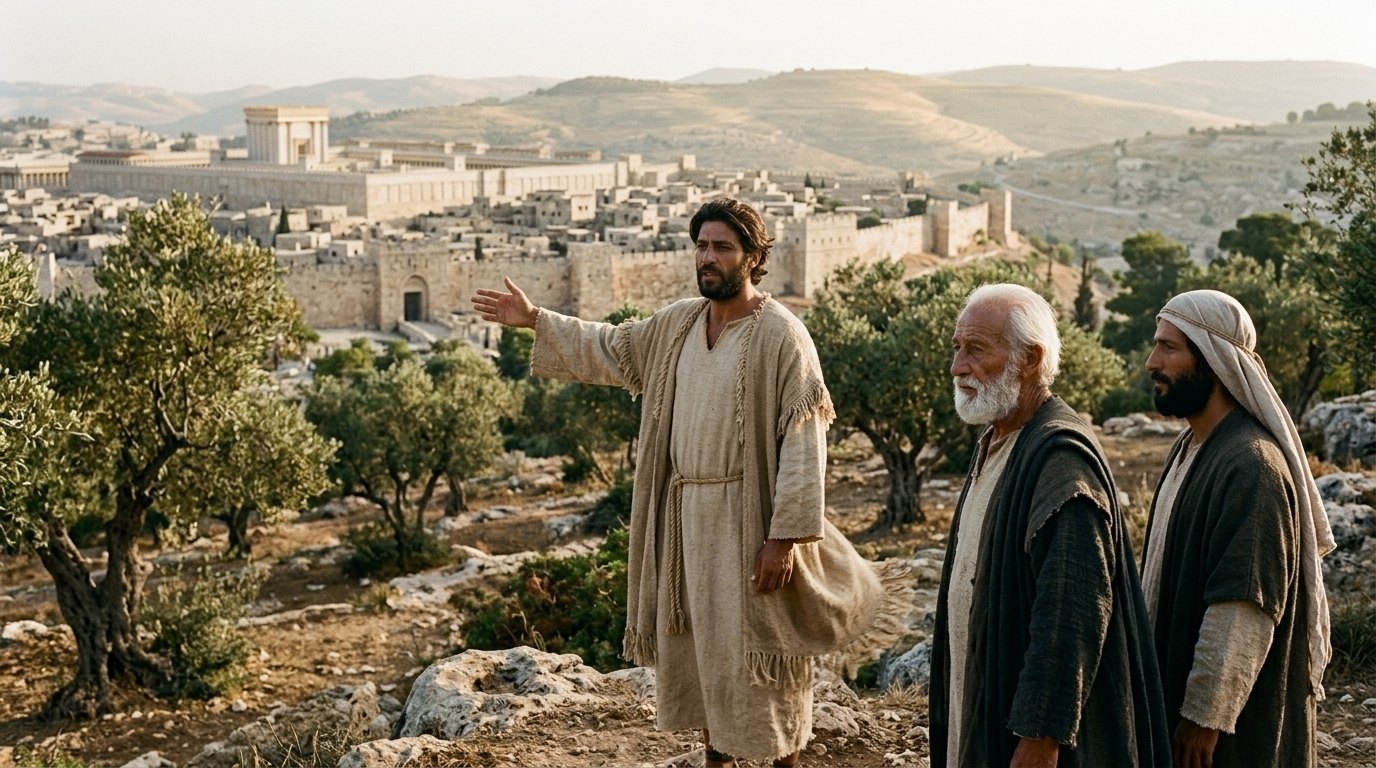
Acts 1:8
8 But you will receive power when the Holy Spirit comes on you; and you will be my witnesses in Jerusalem, and in all Judea and Samaria, and to the ends of the earth.”
New International Version (NIV)
The answer
Christianity spread by the power of the Holy Spirit, through the witness of Christ's followers, starting in Jerusalem and reaching the ends of the earth — exactly the arc Jesus Himself laid out in Acts 1:8: "You will receive power when the Holy Spirit has come upon you. You will be witnesses to me in Jerusalem, in all Judea and Samaria, and to the uttermost parts of the earth."
That verse is a blueprint, and Acts shows it being filled in stage by stage.
The pattern Acts 1:8 sets up
Jesus names four stages of expansion, and Luke narrates them in order:
- Stage — Place — Where Acts shows it
- Power comes first — Jerusalem — Pentecoston, Acts 2
- Witnesses in the city — Jerusalem — Peter and John heal and testify, Acts 3-4
- Out into the region — Judea and Samaria — Philip in a Samaritan city, Acts 8
- To the ends of the earth — Rome and beyond — Paul, Acts 9 onward; Rome, Acts 28
Notice the order: the power comes before the program. Jesus does not say "go," He says "you will receive power... and then you will be witnesses." The Spirit is the engine; the witness is the vehicle.
The immediate engine: Pentecost
Acts 2 records that the Spirit came upon the disciples, and Peter stood up and spoke, and about three thousand people were baptized that day (Acts 2:41). The pattern that follows is consistent throughout the book: the Spirit empowers, and the apostles testify with boldness. Acts 4:33 says they gave witness "with great power," and Acts 5:32 pairs their testimony with the Spirit: "We are his witnesses of these things; and so is also the Holy Ghost, whom God hath given to them that obey him." Stephen, filled with the Spirit, worked great wonders among the people (Acts 6:8) and his death became a sermon that spread the faith further still.
The method: proclamation, not coercion
The spread ran through preaching and personal witness, which is why the early church sounded nothing like a conquest. Jesus' command in Matthew 28:19 was to "teach all nations, baptizing them in the name of the Father, and of the Son, and of the Holy Ghost," and Mark 16:15 is similar: "Go ye into all the world, and preach the gospel to every creature." Paul put it as an outcome of the Spirit's work: through mighty signs and wonders "by the power of the Spirit of God," the gospel was fully preached from Jerusalem round about unto Illyricum (Romans 15:19).
So the means were:
- Preaching in the synagogues and public places — Paul in the synagogues of the Jews, then before the crowds, then before rulers (Acts 13-28)
- Households and personal faith — whole households baptized, Lydia, the jailer, the Ethiopian treasurer, Cornelius and his family
- The written word — the apostles' letters and the Gospels, scattered and read in churches (Colossians 1:23)
- Suffering that spread the message rather than stopping it — Stephen's death, Paul's imprisonment
Two things you will notice in Acts
Growth was explosive but rooted. Thousands were added in a day, and the movement spread across the Mediterranean in a single generation. But it did not grow by numbers alone — it grew by households, the durable unit of Christian life (Acts 16:31-34).
Gentiles were included deliberately. This was not simply the Christian message reaching new ethnic groups by accident; Acts 10-11 records Peter being shown specifically that God does not show partiality, and Acts 15 records the church's own decision to welcome Gentile believers without requiring them to become Jews first. The gospel spread across ethnic and cultural lines on purpose.
Why it spread, ultimately
Acts 1:8 grounds the whole thing in Christ, not in method. The power is the Spirit of God, and the message is the resurrection — as Acts 4:33 puts it, the apostles gave witness "of the resurrection of the Lord Jesus." The same truth that converts a household in Philippi is the truth preached in Jerusalem on Pentecost, and in Caesarea before a governor, and in Rome under guard.
In short: the Spirit gave the power, the apostles gave the witness, and the message carried because it was a resurrection to proclaim.
Answered from Scripture · reviewed November 11, 2026
Christianity spread across the Roman world not by political force or human conquest, but through the sovereign power of the Holy Spirit moving in ordinary believers who bore witness to the risen Christ. Following the exact geographic and spiritual blueprint Jesus gave before His ascension, the gospel journeyed from Jerusalem into Judea and Samaria, and ultimately to the farthest reaches of the known earth. Examining the biblical record reveals how divine empowerment, persistent proclamation, and steadfast endurance turned localized testimony into global redemption.
The Divine Blueprint
The Master Plan for Global Witness
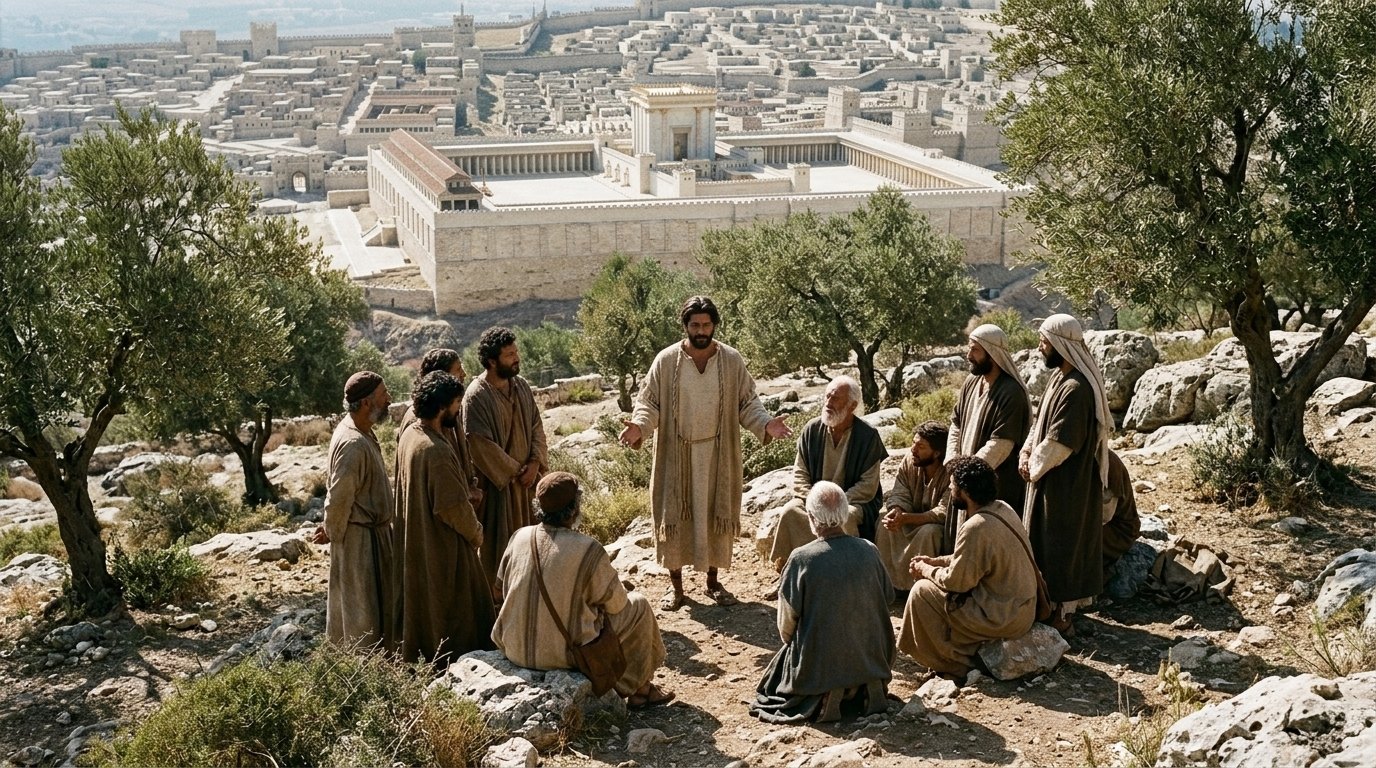
But you will receive power when the Holy Spirit comes on you; and you will be my witnesses in Jerusalem, and in all Judea and Samaria, and to the ends of the earth.”
Acts 1:8 (NIV)
Jesus lays down the precise itinerary and spiritual engine of the church's mission from Jerusalem to the ends of the earth.
The global advance of Christianity was neither an accidental development of history nor an improvised strategy born of human ingenuity; it was launched by a direct, divine mandate. In Acts 1:8, the risen Lord sets forth the exact geographic itinerary and spiritual engine of the church's mission: "You shall receive power when the Holy Spirit has come upon you; and you shall be witnesses to Me in Jerusalem, and in all Judea and Samaria, and to the end of the earth." The disciples were not to advance in their own frail resolve, but under the sovereign, supernatural authority of the Spirit.
This blueprint crowns the final commands Jesus delivered across the Gospels. In Matthew 28:18-20, Christ claims total cosmic authority in heaven and on earth, sending His disciples to make disciples of all nations, baptizing and teaching them with the unbreakable promise of His abiding presence. Mark 16:15 sounds the universal scope of the commission, charging His servants to proclaim the gospel to every creature in all the world. In Luke 24:46-49, Jesus roots this worldwide task in prophetic fulfillment, demonstrating that His death, His resurrection, and the proclamation of repentance and remission of sins to every nation were decreed in the Scriptures, starting from Jerusalem once divine power fell from on high. Finally, John 20:21 establishes the pattern and source of their commissioning: as the Father sent the Son, so the Son dispatches His messengers. The expansion was thus anchored from the beginning in sovereign authority, promised spiritual empowerment, and a global trajectory.
| Passage | What it says |
|---|---|
| Matthew 28:18-20 | Jesus issues the Great Commission, directing disciples to teach and baptize all nations with His sovereign authority. |
| Mark 16:15 | Jesus commands His followers to preach the gospel to every creature in all the world. |
| Luke 24:46-49 | Repentance and remission of sins are decreed to be preached to all nations, beginning at Jerusalem after divine empowerment. |
| Acts 1:8 | The disciples are promised the Holy Spirit's power to serve as Christ's witnesses across an expanding geographic radius. |
| John 20:21 | Jesus sends His disciples into the world just as the Father sent Him. |
Empowered at Pentecost
The Engine Ignites in Jerusalem
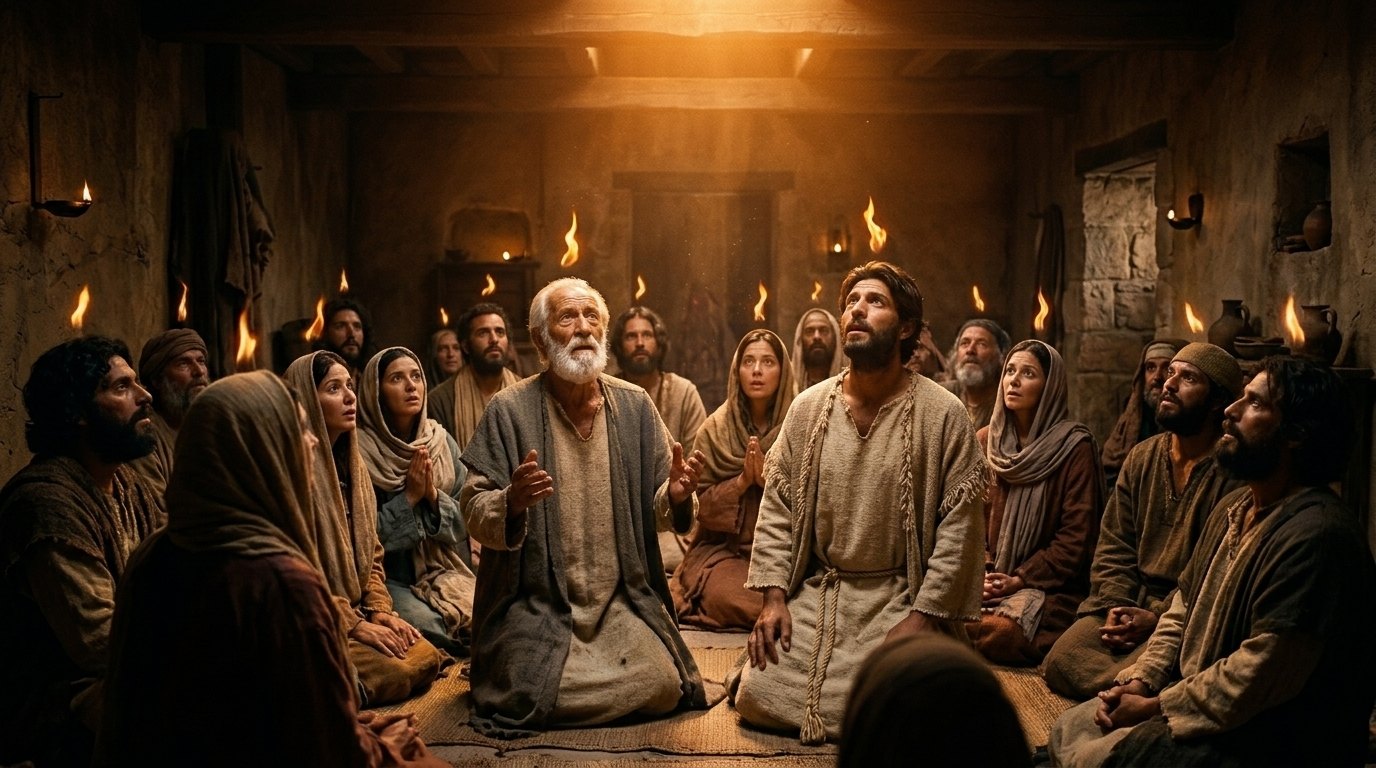
When the day of Pentecost came, they were all together in one place. Suddenly a sound like the blowing of a violent wind came from heaven and filled the whole house where they were sitting. They saw what seemed to be tongues of fire that separated and came to rest on each of them. All of them were filled with the Holy Spirit and began to speak in other tongues as the Spirit enabled them.
Acts 2:1-4 (NIV)
The Holy Spirit descends as promised, providing the supernatural gift and boldness required to preach Christ publicly.
The engine of global mission ignited precisely on the appointed feast day when God poured out His Spirit on the gathered disciples. In Acts 2:1-4, the Holy Spirit descends upon the believers in Jerusalem with a sound like a rushing violent wind and tongues as of fire, clothing the church with power and supernatural boldness to declare the majestic works of God. What had been a trembling, cloistered group of followers was transformed in an instant into an uncontainable herald of the risen Christ.
The immediate fruit of this outpouring proved stunning. Through Peter's Spirit-filled proclamation of Jesus as crucified Lord and Christ, Acts 2:41-47 records that three thousand souls repented and were baptized in a single day, immediately forming a steadfast community devoted to the apostles' doctrine, fellowship, the breaking of bread, and prayer. Hostility arose swiftly from religious rulers, yet external threats could not choke the divine momentum; in Acts 4:1-4, even after arrests, the number of believing men swelled to about five thousand. When released, the believers did not seek political protection, but prayed for supernatural boldness, and in Acts 4:31-33, the place shook, the Spirit filled them anew, and with great power the apostles gave their witness to the resurrection. Before the council in Acts 5:29-32, the apostles declared their uncompromising allegiance to obey God rather than men, affirming that the Holy Spirit is witness alongside them. Consequently, Acts 6:7-8 notes that the word of God multiplied across Jerusalem, even drawing a great company of priests into obedient faith.
| Passage | What it says |
|---|---|
| Acts 2:1-4 | The Holy Spirit falls upon the disciples at Pentecost, causing them to speak the wonders of God in various tongues. |
| Acts 2:41-47 | Three thousand souls believe and are baptized, establishing the daily fellowship, teaching, and explosive growth of the Jerusalem church. |
| Acts 4:31-33 | After praying through opposition, the believers are filled anew with the Holy Spirit and speak God's word with great power. |
| Acts 5:29-32 | The apostles testify before the council that the Holy Spirit joins them as witness to the exalted Savior. |
| Acts 6:7-8 | The word of God increases throughout Jerusalem, multiplying disciples and priests while Stephen works wonders full of faith. |
| Acts 4:1-4 | The message spreads despite opposition, growing the number of believing men to five thousand. |
Beyond the Walls
Persecution Drives the Gospel Outward
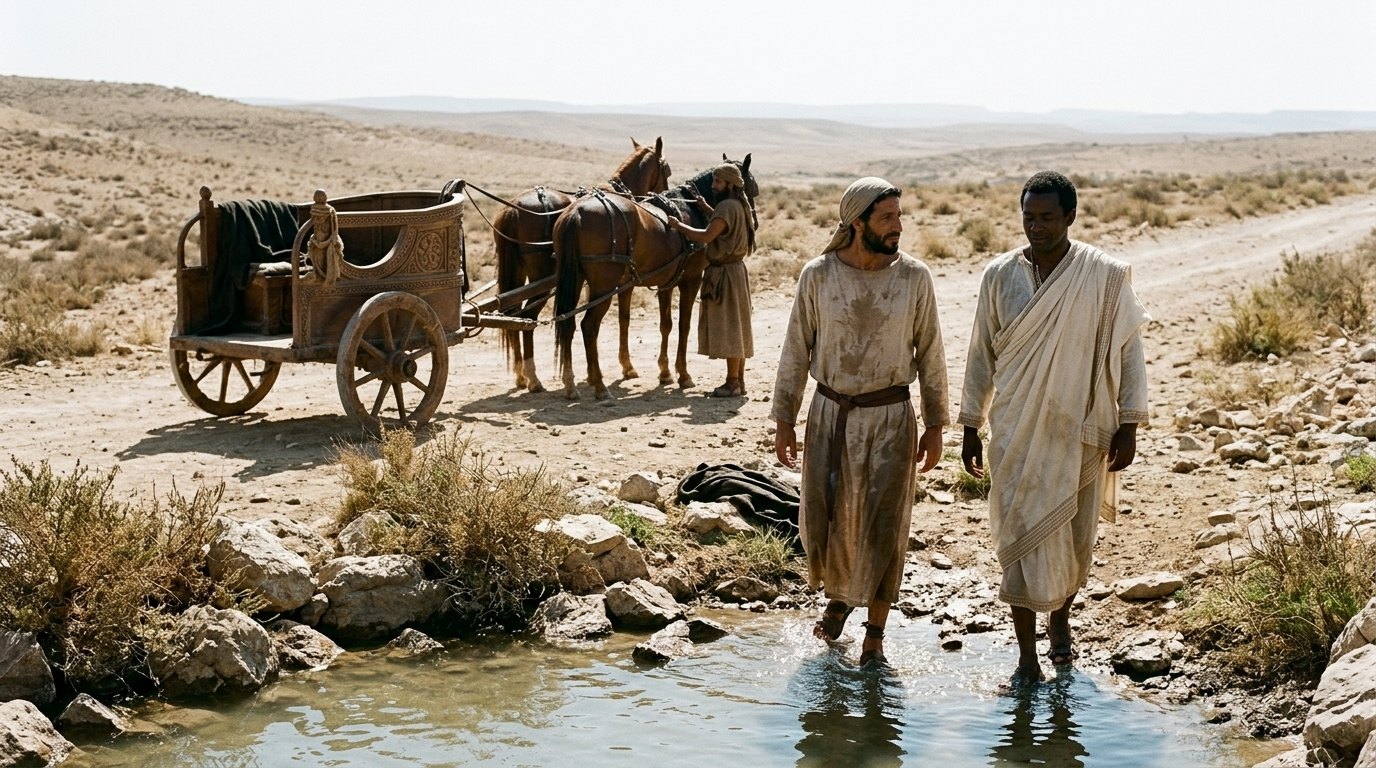
Those who had been scattered preached the word wherever they went.
Acts 8:4 (NIV)
Suffering and scattering do not silence the church; rather, everyday believers carry the message wherever they flee.
God often leverages the fierce opposition of the world to accomplish His sovereign purposes, scattering His people so that His word may take root in fresh soil. In Acts 8:4, Luke records the remarkable paradox of the early church: "Therefore those who were scattered went everywhere preaching the word." The martyrdom of Stephen and the sudden wave of violence did not crush the faith; persecution served as the wind that carried the sparks of the gospel outward into the wider world.
As Acts 8:1 records, ferocious persecution in Jerusalem forced all the believers, except the apostles, into the regions of Judea and Samaria, instantly fulfilling the second phase of Christ's commission. Philip descended to a city of Samaria, where Acts 8:4-8 describes crowds listening eagerly to Christ, demonic spirits cast out, paralytics healed, and genuine joy sweeping through a historically despised populace. Led by the Spirit into the desert, Philip met a royal dignitary in Acts 8:26-39, unpacking the suffering servant of Isaiah 53 to the Ethiopian eunuch, who believed, was baptized in roadside water, and carried the faith southward to Africa. Meanwhile, God arrested His chief persecutor: Acts 9:1-6 captures Saul of Tarsus blinded and humbled by the risen Jesus on the Damascus road, followed by the Lord's declaration in Acts 9:15-16 that Saul would bear His name before Gentiles, kings, and the children of Israel. By Acts 9:31, the young church throughout Judea, Galilee, and Samaria walked in the fear of the Lord and the comfort of the Holy Spirit, continually multiplying.
| Passage | What it says |
|---|---|
| Acts 8:1 | A great persecution against the Jerusalem church scatters believers throughout Judea and Samaria, leaving only the apostles behind. |
| Acts 8:4-8 | Philip proclaims Christ in Samaria with signs and healings, bringing great joy to the city as crowds believe. |
| Acts 8:26-39 | Philip explains Isaiah's prophecy to the Ethiopian royal treasurer, who believes, receives baptism, and carries the faith to Africa. |
| Acts 9:31 | The church throughout all Judea, Galilee, and Samaria enjoys peace, builds up in holy fear, and multiplies under the Spirit. |
| Acts 9:1-6 | Jesus confronts and converts Saul of Tarsus to become His chosen instrument to the nations. |
| Acts 9:15-16 | The Lord reveals Paul's specific mission to carry His name before Gentiles, kings, and Israel. |
The Nations Welcomed
The Threshold of the Gentiles
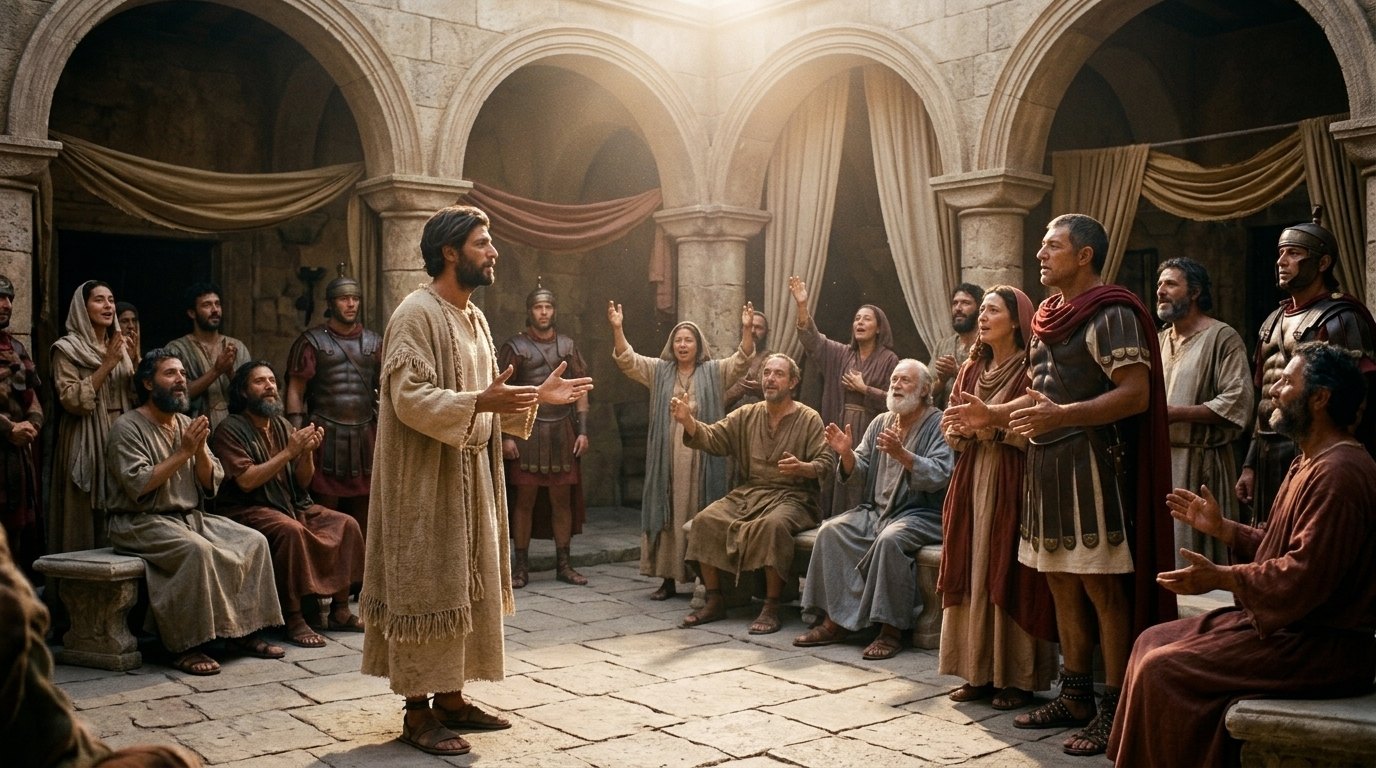
While Peter was still speaking these words, the Holy Spirit came on all who heard the message. The circumcised believers who had come with Peter were astonished that the gift of the Holy Spirit had been poured out even on Gentiles. For they heard them speaking in tongues and praising God. Then Peter said, “Surely no one can stand in the way of their being baptized with water. They have received the Holy Spirit just as we have.” So he ordered that they be baptized in the name of Jesus Christ. Then they asked Peter to stay with them for a few days.
Acts 10:44-48 (NIV)
The Holy Spirit falls directly on Gentile believers in Cornelius's house, proving that salvation in Christ is open to all peoples.
The ultimate transformation of Christianity from a localized Judean movement into a global body occurred when God opened the door of faith directly to the Gentiles. In Acts 10:44-48, while Peter is still speaking the message of the cross and resurrection, the Holy Spirit falls directly on Cornelius and his Gentile household, demonstrating unmistakably that God cleanses uncircumcised hearts by faith without distinction. Peter immediately commanded them to be baptized in the name of the Lord Jesus Christ, validating their full incorporation into the family of God.
This breakthrough had been prepared through clear revelation. In Acts 10:34-43, Peter stood in Caesarea declaring that God shows no partiality, but receives anyone from any nation who fears Him and works righteousness, pointing to Christ as appointed Judge of the living and the dead. The horizontal expansion gained rapid momentum in Acts 11:19-21, where believers scattered by Stephen's persecution traveled as far as Phoenicia, Cyprus, and Antioch, preaching directly to Hellenists; the Lord's hand was with them, and a massive number turned to faith. Barnabas then brought Saul to Antioch, where in Acts 11:22-26 the disciples were famously first called Christians as the local church grew strong. In Acts 13:46-49, Paul and Barnabas formally turned to the Gentiles in Pisidian Antioch, fulfilling Isaiah's prophecy that the Messiah would be a light to the nations. Finally, in Acts 15:7-11, the council in Jerusalem officially ratified this truth: salvation is solely by the grace of the Lord Jesus Christ, welcoming all peoples into one unified body.
| Passage | What it says |
|---|---|
| Acts 10:34-43 | Peter preaches the gospel of Christ's resurrection and forgiveness to the Roman centurion Cornelius and his gathered household. |
| Acts 10:44-48 | The Holy Spirit is poured out upon Gentiles as Peter speaks, leading to their water baptism into the body. |
| Acts 11:19-21 | Scattered believers speak the Lord Jesus to Greeks at Antioch, where the hand of the Lord turns a great number to faith. |
| Acts 15:7-11 | Peter and the Jerusalem council confirm that God purifies Gentile hearts by faith identically to Jewish believers. |
| Acts 11:22-26 | Barnabas brings Saul to Antioch where disciples are first called Christians as the church flourishes. |
| Acts 13:46-49 | Paul and Barnabas turn explicitly to the Gentiles, spreading the word throughout the entire region. |
To the Ends of the Earth
Proclamation Across the Roman World
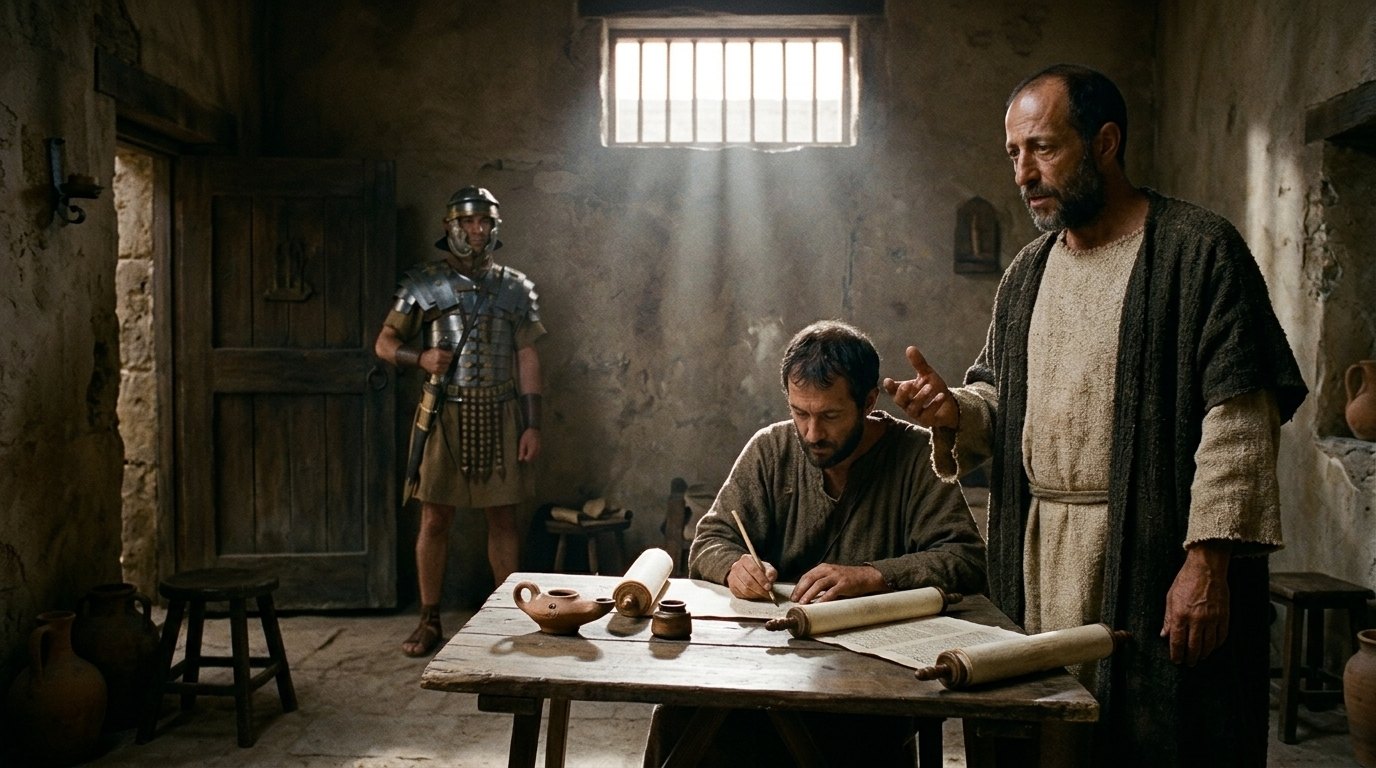
For two whole years Paul stayed there in his own rented house and welcomed all who came to see him. He proclaimed the kingdom of God and taught about the Lord Jesus Christ—with all boldness and without hindrance!
Acts 28:30-31 (NIV)
The book of Acts ends with the gospel being proclaimed unhindered in the heart of imperial Rome itself.
The apostolic record reaches its climax in Acts 28:30-31, where Paul welcomes all who come to his rented lodgings, preaching the kingdom of God and teaching concerning the Lord Jesus Christ with all boldness, entirely unhindered in the heart of imperial Rome. This triumphant note marks the culmination of an extraordinary movement unleashed by God the Holy Spirit. It began deliberately when the church at Antioch fasted and prayed, prompting the Spirit to command the sending out of Barnabas and Saul for their dedicated missionary labor (Acts 13:1-4). From that launchpad, the gospel broke into Europe: at Philippi, the Lord opened the heart of Lydia by a riverside place of prayer (Acts 16:13-15), and shortly afterward, a shaken jailer was saved and baptized alongside his entire household after crying out for deliverance (Acts 16:30-34).
The message swept through commercial, philosophical, and pagan strongholds across the empire. In Thessalonica, Paul reasoned from the Scriptures, convincing a great multitude of Greeks and prominent women (Acts 17:1-4), whose vibrant faith soon rang out like a trumpet across Macedonia, Achaia, and every place (1 Thessalonians 1:8). In Athens, standing before the philosophers of the Areopagus, Paul boldly proclaimed the resurrection of the dead, winning Dionysius, Damaris, and others (Acts 17:22-34). At Corinth, the synagogue ruler Crispus and many Corinthians believed and were baptized, sustained by eighteen months of apostolic teaching (Acts 18:8-11). In Ephesus, daily instruction in the lecture hall of Tyrannus continued for two years, ensuring that all residents of Asia heard the word (Acts 19:8-10).
Even chains could not stop this advance. As Paul observed, his confinement advanced the gospel through the entire imperial guard and emboldened others to speak without fear (Philippians 1:12-14). Writing to the believers whose faith was spoken of throughout the entire empire (Romans 1:8), Paul recounted how the Spirit carried the gospel in a vast arc from Jerusalem all the way to Illyricum (Romans 15:18-20). The good news was actively bearing fruit and multiplying in the whole world (Colossians 1:5-6, 23). To preserve and multiply this harvest across generations, Paul charged Timothy to entrust these sacred truths to faithful men who would be able to teach others also (2 Timothy 2:2).
| Passage | What it says |
|---|---|
| Acts 13:1-4 | The church at Antioch fasts and prays before the Holy Spirit commissions Barnabas and Saul for their missionary journeys. |
| Acts 16:13-15 | Lydia hears the word at Philippi, the Lord opens her heart, and her entire household is baptized into the faith. |
| Acts 16:30-34 | The Philippian jailer asks how to be saved, believes on the Lord Jesus, and is baptized with all his house. |
| Acts 17:1-4 | Paul reasons from the Scriptures in Thessalonica's synagogue, convincing a great multitude of Greeks and leading women. |
| Acts 19:8-10 | Paul teaches daily in Ephesus for two years, ensuring that all residents of Asia hear the word of the Lord. |
| Romans 15:18-20 | Paul testifies that by the Spirit's power through signs and preaching, he completed the gospel circuit from Jerusalem to Illyricum. |
| Colossians 1:23 | Paul records that the hope of the gospel was proclaimed to every creature under heaven throughout the known world. |
| Acts 28:30-31 | Paul resides two full years in Rome, preaching the kingdom of God and teaching concerning Christ without hindrance. |
| Acts 17:22-34 | Paul proclaims the resurrection at the Areopagus in Athens, leading Dionysius and others to believe. |
| Acts 18:8-11 | Crispus and many Corinthians believe and are baptized during Paul's eighteen months of teaching. |
| Romans 1:8 | Paul thanks God that the faith of the Roman church is proclaimed throughout the whole world. |
| 1 Thessalonians 1:8 | The word of the Lord sounds forth from Thessalonica across Macedonia, Achaia, and every place. |
| Philippians 1:12-14 | Paul's imprisonment advances the gospel throughout the whole imperial guard and emboldens believers. |
| Colossians 1:5-6 | The gospel bears fruit and grows in all the world since the day it was heard in truth. |
| 2 Timothy 2:2 | Paul charges Timothy to commit the apostolic doctrine to faithful men who will teach others also. |
Where in the Bible
| Book | Passages |
|---|---|
| Matthew | 1 · Matthew 28:18-20 |
| Mark | 1 · Mark 16:15 |
| Luke | 1 · Luke 24:46-49 |
| John | 1 · John 20:21 |
| Acts | 27 · Acts 1:8, Acts 2:1-4, Acts 2:41-47, Acts 4:31-33, Acts 5:29-32, Acts 6:7-8, Acts 4:1-4, Acts 8:1, Acts 8:4-8, Acts 8:26-39, Acts 9:31, Acts 9:1-6, Acts 9:15-16, Acts 10:34-43, Acts 10:44-48, Acts 11:19-21, Acts 15:7-11, Acts 11:22-26, Acts 13:46-49, Acts 13:1-4, Acts 16:13-15, Acts 16:30-34, Acts 17:1-4, Acts 19:8-10, Acts 28:30-31, Acts 17:22-34, Acts 18:8-11 |
| Romans | 2 · Romans 15:18-20, Romans 1:8 |
| Philippians | 1 · Philippians 1:12-14 |
| Colossians | 2 · Colossians 1:23, Colossians 1:5-6 |
| 1 Thessalonians | 1 · 1 Thessalonians 1:8 |
| 2 Timothy | 1 · 2 Timothy 2:2 |
The story in order
- Jesus commissions the disciples (c. AD 30) · Matthew 28:18-20 · The Great Commission to disciple all nations.
- Empowered by the Spirit at Pentecost (c. AD 30) · Acts 2:1-4 · The Holy Spirit enables witness in diverse tongues.
- Jerusalem church grows explosively (c. AD 30) · Acts 2:41-47 · Thousands believe, daily fellowship and teaching established.
- Persecution scatters believers (c. AD 33) · Acts 8:1 · Believers flee Jerusalem, spreading the gospel to Judea and Samaria.
- Philip proclaims Christ in Samaria (c. AD 33) · Acts 8:4-8 · The gospel brings joy and belief to Samaria.
- Gospel reaches the Ethiopian treasurer (c. AD 33) · Acts 8:26-39 · Philip leads an official to faith, who takes it to Africa.
- Saul of Tarsus is converted (c. AD 34) · Acts 9:1-6 · Jesus calls Saul to be His witness to the nations.
- Peter preaches to Cornelius (c. AD 36) · Acts 10:34-43 · The gospel is preached to Gentiles, confirming God's impartiality.
- Gentiles receive the Holy Spirit (c. AD 36) · Acts 10:44-48 · The Spirit falls on Gentiles, leading to baptism.
- Believers called Christians at Antioch (c. AD 40) · Acts 11:22-26 · The church flourishes, and disciples are first called Christians.
- Paul and Barnabas turn to Gentiles (c. AD 47) · Acts 13:46-49 · The gospel is explicitly proclaimed to the Gentiles.
- Paul's ministry circuit completed (c. AD 57) · Romans 15:18-20 · The gospel is preached from Jerusalem to Illyricum by the Spirit's power.
- Paul preaches in Rome (c. AD 60-62) · Acts 28:30-31 · Paul preaches the kingdom of God without hindrance.
The Gospel's Geographic Expansion
| Starting Point | Expansion | Recipient | Passage |
|---|---|---|---|
| Jerusalem | Judea and Samaria | Jews and Samaritans | Acts 1:8 |
| Jerusalem | Scattered throughout Judea and Samaria | Jews | Acts 8:1 |
| Samaria | Ethiopia | Ethiopian treasurer | Acts 8:26-39 |
| Jerusalem | Antioch | Greeks | Acts 11:19-21 |
| Antioch | Asia Minor, Greece, Rome | Gentiles | Acts 13:46-49 |
| Jerusalem to Illyricum | The known world | All nations | Romans 15:18-20 |
Divine Empowerment for Witness
| Command/Promise | Empowerment | Result | Passage |
|---|---|---|---|
| Be my witnesses | Receive the Holy Spirit | Power to witness | Acts 1:8 |
| Wait for empowerment | Filled with the Holy Spirit | Speak God's wonders | Acts 2:1-4 |
| Pray for boldness | Filled with the Holy Spirit | Speak God's word with power | Acts 4:31-33 |
| Witness to Christ | The Holy Spirit joins them | Testify before rulers | Acts 5:29-32 |
| Preach to Gentiles | Holy Spirit poured out | Gentiles believe and are baptized | Acts 10:44-48 |
Opposition and Advance
| Opposition | Response | Outcome | Passage |
|---|---|---|---|
| Persecution against the church | Believers scattered | Gospel spreads to Judea and Samaria | Acts 8:1 |
| Apostles testifying before council | Bold proclamation | Word of God increased | |
| Paul's imprisonment | Continued preaching | Gospel advances throughout the guard | Philippians 1:12-14 |
| Paul teaching without hindrance | Preaching the kingdom | Gospel spreads widely | Acts 28:30-31 |
Key words
- Nations (ethnos, ἔθνος)
- Gentiles; all peoples and ethnic groups. · Matthew 28:19
- Witness (martys, μάρτυς)
- To testify about something seen or known; a testimony. · Acts 1:8
- Holy Spirit (pneuma hagion, πνεῦμα ἅγιον)
- The third person of the Trinity, God's active presence and power. · Acts 2:1-4
- Gospel (euangelion, εὐαγγέλιον)
- The good news of salvation through Jesus Christ. · Mark 16:15
- Preach (kerysso, κηρύσσω)
- To proclaim publicly; to announce good news. · Luke 24:47
The historical expansion of the gospel demonstrates that the kingdom of God advances through divine power working through willing witnesses, even in the teeth of hostility. The same Holy Spirit who emboldened the early church dwells within believers today, sending us to declare the resurrected Christ in our own communities and across every border. Knowing how the gospel spread reassures us that no obstacle, culture, or empire can stay God's saving word from gathering His people.
38 passages, each cited once.
Scripture cited
- Acts 1:8
- Matthew 28:19
- Mark 16:15
- Romans 15:19
- Acts 4:33
- Acts 5:32
- Acts 6:8