How long should I pray, and how often?

1 Thessalonians 5:16-18
16 Rejoice always,
17 pray continually,
18 give thanks in all circumstances; for this is God’s will for you in Christ Jesus.
New International Version (NIV)
The answer
The shortest, most honest answer: without ceasing. Paul commands it in 1 Thessalonians 5:17: "Pray without ceasing." The Greek word behind "without ceasing" (ἀδιαλείπτως) means "uninterruptedly"; the adverb shapes the manner of praying, not the schedule. The Bible is not asking you to spend every waking hour on your knees. It is asking you to keep prayer running underneath everything else, like a current under a river.
Scripture shows what that looks like — set times, short prayers through the day, and longer seasons when the hour calls for it.
Step 1: Begin the day in prayer
- Lay your requests before God first. Psalm 5:3 (WEB): "Yahweh, in the morning you will hear my voice. In the morning I will lay my requests before you, and wait eagerly."
- Ask Him to meet you at the start. Psalm 143:8: "Cause me to hear your loving kindness in the morning."
- Keep it brief and honest. A few sentences in your own words, not a performance — just open the day with the One who holds it.
Step 2: Keep short prayers running through the day
- Pray in the moment. The adverb in 1 Thessalonians 5:17 (ἀδιαλείπτως) describes a continuous thread of prayer — more like breathing than a clock shift. Romans 12:12 (KJV) pairs this with the rest of Christian life: "continuing instant in prayer."
- Send one-line prayers upward at a stoplight, before a meeting, when anxiety rises. These count.
- Pray from inside your work. The early church carried prayer into the day's tasks, not apart from them. The point of "without ceasing" is the inner posture, not the surroundings.
Step 3: Close the day in prayer
- Pray at evening. Psalm 88:1 opens with the worshiper crying out to God "day and night."
- Build a morning, noon, and night rhythm if you can. Daniel 6:10: he knelt down on his knees three times a day and prayed and gave thanks before his God. Psalm 55:17 matches it: "evening and morning and at noon, I will pray and cry aloud."
- Review the day with God. Thank Him first, then bring the things you failed or worried about — leave the day in His hands before sleep.
Step 4: Steal longer seasons when life allows
- Pull a night when you face a hard decision. Luke 6:12 — before choosing the twelve, Jesus "continued all night in prayer to God."
- Pray in long stretches for people you love. 1 Thessalonians 3:10 (WEB): Paul prays "night and day praying exceedingly that we may see your face."
- Use set fasts and prayer seasons to train the habit. They build the muscle of "without ceasing" so the shorter prayers carry more weight.
A verse to carry
The whole trio hangs together in 1 Thessalonians 5:16-18 (WEB):
"Always rejoice. Pray without ceasing. In everything give thanks, for this is the will of God in Christ Jesus toward you."
Rejoicing, praying, and thanking are meant to run like a constant backdrop to every hour. The real question is not "how long should I sit down" — it is how steady the current of prayer is running underneath everything else.
Answered from Scripture · reviewed November 7, 2026
Scripture never prescribes a rigid clock for prayer, yet it calls believers to a life thoroughly permeated by communion with God. From set morning vigils to brief midday cries and all-night intercessions, God invites His people into an uninterrupted rhythm of fellowship. Understanding biblical prayer frees the soul from legalistic quotas while establishing a faithful, unceasing habit of grace.
The Heartbeat of Prayer
Pray Without Ceasing as an Unbroken Posture

pray continually,
1 Thessalonians 5:17 (NIV)
Paul defines prayer not as an occasional appointment but as a continuous spiritual reflex woven throughout everyday life.
In 1 Thessalonians 5:17, the apostle Paul gives a command that defines the Christian life: "pray without ceasing." Far from demanding an unbroken monastic chant or impossible vocal exertion, Paul frames prayer as the believer's ongoing relational breathing. It forms an inseparable trio with constant joy in 1 Thessalonians 5:16 and gratitude in 1 Thessalonians 5:18, demonstrating that communion with God is the perpetual atmosphere of faith. This is the consistent heartbeat of Scripture. In Romans 12:12, Paul urges believers to be "constant in prayer," while Ephesians 6:18 commands us to pray "at all times in the Spirit, with all prayer and supplication." Rather than reserving speech for crises or rigid hours, the believer lives in steady communication with Heaven. Colossians 4:2 repeats this charge, urging us to remain watchful with thanksgiving, and Philippians 4:6 directs us to trade anxiety for prayer in everything we meet. This New Testament posture echoes Israel's ancient wisdom, seen when David commands in 1 Chronicles 16:11 to "seek the Lord and his strength; seek his presence continually," words reiterated in Psalms 105:4. Scripture never establishes a stopwatch for prayer; it establishes a life set toward God's face.
| Passage | What it says |
|---|---|
| 1 Thessalonians 5:16 | Calls believers to constant rejoicing alongside an unceasing life of prayer. |
| 1 Thessalonians 5:17 | Commands believers to pray without ceasing in unbroken communion with the Lord. |
| 1 Thessalonians 5:18 | Commands giving thanks in all circumstances as God's will in Christ Jesus. |
| Romans 12:12 | Urges constant steadfastness and persistent devotion in daily prayer. |
| Ephesians 6:18 | Instructs believers to pray at all times in the Spirit with all prayer and supplication. |
| Colossians 4:2 | Exhorts believers to continue steadfastly in prayer, remaining watchful with thanksgiving. |
| Philippians 4:6 | Exhorts believers not to be anxious about anything, but in everything by prayer and supplication with thanksgiving to present their requests to God. |
| 1 Chronicles 16:11 | Commands believers to seek the Lord and His strength, seeking His face continually. |
| Psalms 105:4 | Urges God's people to seek the Lord and His strength, and to seek His presence continually. |
Morning Devotion
Meeting the Lord at the Threshold of Day
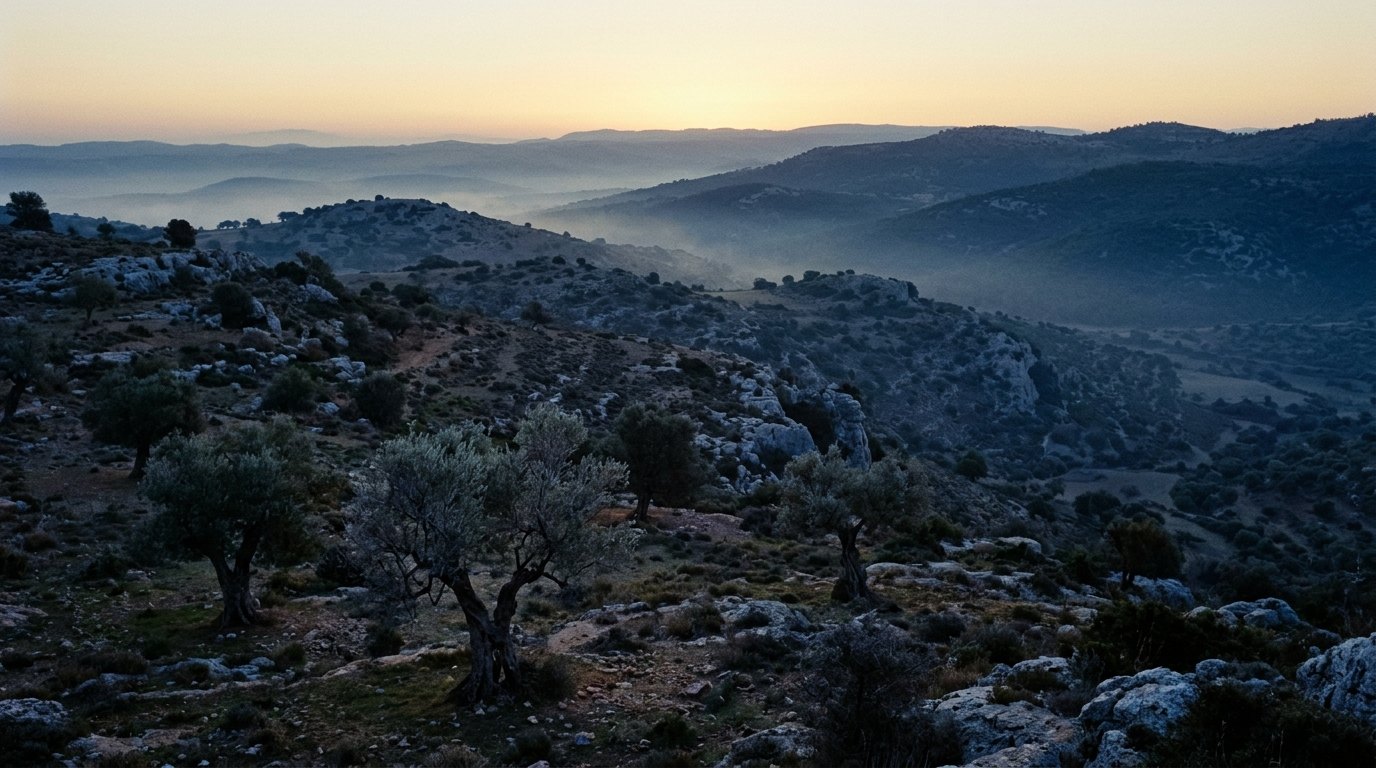
In the morning, LORD, you hear my voice; in the morning I lay my requests before you and wait expectantly.
Psalms 5:3 (NIV)
David establishes the morning as the dedicated time to direct his requests to God and watch expectantly.
David sets the pattern of early fellowship in Psalms 5:3: "O Lord, in the morning you hear my voice; in the morning I prepare a sacrifice for you and watch." The Hebrew image is that of a priest carefully arranging wood on the altar, teaching us that giving God our first thoughts establishes our hope for the day. In Psalms 143:8, the worshiper pleads to hear God's steadfast love in the morning, asking for direction before entering the noise of the world. Psalms 88:13 similarly declares that prayer greets God early, standing at the doorstep of the dawn. Our greatest example is the Lord Jesus Himself: Mark 1:35 records that rising very early, while it was still dark, He departed to a desolate place to pray. Morning prayer is not legalistic rent paid to God, but joyful refuge. In Psalms 59:16, David sings aloud of God's steadfast love in the morning because the Lord has been his stronghold in distress. Psalms 92:1-2 pairs this with declaring His faithfulness, and Isaiah 33:2 prays for the Lord to be our arm every morning. By greeting God before greeting the world, the heart anchors itself in His grace.
| Passage | What it says |
|---|---|
| Psalms 5:3 | Declares that God hears the worshiper's voice and ordered morning prayer. |
| Psalms 143:8 | Asks God to impart His steadfast love in the morning to direct the path. |
| Psalms 88:13 | Affirms that prayer greets God early in the morning before other voices intrude. |
| Mark 1:35 | Shows Jesus rising early in the morning to depart to a desolate place to pray. |
| Psalms 59:16 | Declares that the psalmist will sing aloud of God's steadfast love every morning because He has been a stronghold and refuge. |
| Psalms 92:1-2 | Celebrates giving thanks to the Lord and declaring His steadfast love in the morning and His faithfulness by night. |
| Isaiah 33:2 | Pleads for the Lord's graciousness and begs Him to be our arm every morning and salvation in trouble. |
Daily Rhythms
Setting Regular Hours for Prayer and Praise

Now when Daniel learned that the decree had been published, he went home to his upstairs room where the windows opened toward Jerusalem. Three times a day he got down on his knees and prayed, giving thanks to his God, just as he had done before.
Daniel 6:10 (NIV)
Daniel demonstrates an unwavering rhythm of kneeling three times daily in prayer and thanksgiving despite peril.
When royal decree threatened his life, Daniel 6:10 records that Daniel "got down on his knees three times a day and prayed and gave thanks before his God, as he had done previously." Daniel's discipline reveals that structured hours of prayer preserve the soul against the world's tides. This rhythm was ancient in Israel. Psalms 55:17 speaks of crying out "evening and morning and at noon," setting three daily markers of dependence. In the early church, the apostles maintained these set times. Acts 3:1 shows Peter and John going up to the temple at the ninth hour of prayer, while Acts 10:9 finds Peter praying on a housetop at the sixth hour. In Acts 10:3 and Acts 10:30, the centurion Cornelius is visited by an angel while observing his faithful prayers at the ninth hour. The psalmist even declares in Psalms 119:164, "Seven times a day I praise you for your righteous rules," demonstrating abundant frequency. In Acts 2:42, the newborn church devoted itself steadfastly to corporate prayers, mirroring the rhythm of Exodus 30:7-8, where Aaron offered morning and twilight incense continually before the Lord. Routine and passion meet together in biblical devotion.
| Passage | What it says |
|---|---|
| Daniel 6:10 | Records Daniel kneeling three times each day to pray and give thanks to God. |
| Psalms 55:17 | Promises prayer and cries to God at evening, morning, and noon. |
| Acts 3:1 | Observes Peter and John ascending to the temple at the ninth hour of prayer. |
| Acts 10:9 | Shows Peter going up on the housetop to pray at the sixth hour. |
| Psalms 119:164 | Praises God seven times a day because of His righteous rules. |
| Acts 10:3 | Records Cornelius praying to God regularly and seeing a vision around the ninth hour of the day. |
| Acts 10:30 | Cornelius recounts that he was praying in his house at the ninth hour when an angel stood before him. |
| Acts 2:42 | Records that the early believers devoted themselves continually to the apostles' teaching, fellowship, breaking of bread, and prayers. |
| Exodus 30:7-8 | Commands Aaron to burn sweet incense before the Lord continually, every morning and twilight, typifying daily morning and evening prayer. |
Evening and Night
Entrusting the Darkness to the Guardian of Israel

LORD, you are the God who saves me; day and night I cry out to you.
Psalms 88:1 (NIV)
Heman the Ezrahite demonstrates crying out to God day and night in the midst of deep affliction.
Night often brings fear and sorrow, yet Psalms 88:1 records the psalmist crying out: "O Lord, God of my salvation; I cry out day and night before you." When sleep flees, the quiet watches of the night become sanctuaries of divine fellowship. Psalms 4:8 promises that the believer can lie down and sleep in peace because the Lord alone makes us dwell in safety. In Psalms 63:6, David remembers God upon his bed and meditates on Him through the watches of the night. Psalms 134:1 blesses those servants of the Lord who stand by night in His house, and Psalms 42:8 comforts us with the promise that God commands His steadfast love by day, while at night His song remains with us. In seasons of deep anguish, Psalms 77:2 describes hands stretched out through the night without ceasing. The night is also for joyful worship: Psalms 119:62 vows to rise at midnight to give thanks, and Psalms 119:148 describes eyes staying awake to meditate on God's promises. Most memorably, Acts 16:25 shows Paul and Silas praying and singing hymns to God at midnight from their prison cell, demonstrating that darkness cannot silence communion with Christ.
| Passage | What it says |
|---|---|
| Psalms 88:1 | Presents persistent supplication before the God of salvation day and night. |
| Psalms 4:8 | Declares that trusting God brings peaceful rest and safe sleep at night. |
| Psalms 63:6 | Speaks of remembering God upon one's bed and meditating during the night watches. |
| Psalms 134:1 | Exhorts servants of Yahweh who stand by night in His house to bless Him. |
| Psalms 42:8 | Affirms that by day the Lord commands His steadfast love, and at night His song and prayer are with the psalmist. |
| Psalms 77:2 | Recounts seeking the Lord in the day of trouble with hands stretched out through the night without ceasing. |
| Psalms 119:62 | Promises to rise at midnight to give thanks to the Lord because of His righteous rules. |
| Psalms 119:148 | States the psalmist's eyes stay awake through the night watches to meditate on God's promises. |
| Acts 16:25 | Describes Paul and Silas praying and singing hymns to God at midnight while imprisoned in Philippi. |
Extended Seasons
Devoting Whole Nights and Earnest Hours

One of those days Jesus went out to a mountainside to pray, and spent the night praying to God.
Luke 6:12 (NIV)
Jesus models praying all night long before making the critical appointment of His twelve apostles.
Before choosing the twelve apostles, Jesus spent the entire night in prayer to God on a lonely mountain slope (Luke 6:12). This was not a formal ritual bounded by an hourglass, but an urgent, prolonged outpouring of communion ahead of a pivotal kingdom decision. Scripture repeatedly records these extended vigils of holy importunity. In Gethsemane, Christ asked His weary disciples whether they could not watch with Him for a single hour (Matthew 26:40), demonstrating that profound spiritual battles often demand sustained alertness.
Such continuous seeking marks the saints across both Testaments. Anna departed not from the temple, serving God with fastings and supplications night and day (Luke 2:37), a posture mirrored by the faithful widows who place their hope entirely in God (1 Timothy 5:5). The Apostle Paul similarly poured out earnest petitions night and day to see his beloved churches (1 Thessalonians 3:10; 2 Timothy 1:3). When Peter sat in chains awaiting execution, the Jerusalem church offered continuous, unceasing prayer on his behalf until an angel shook the prison doors (Acts 12:5).
Christ taught this very persistence in His parables. He commanded His people always to pray and never lose heart (Luke 18:1), promising that God will vindicate His elect who cry out to Him day and night (Luke 18:7). Like the neighbor knocking shamelessly at midnight until bread is granted (Luke 11:5–8), biblical prayer does not shy away from sustained labor.
The Old Testament saints knew this same holy tenacity. Jacob wrestled through the dark until daybreak, declaring he would not let go until he was blessed (Genesis 32:24–28). Hannah lingered long at Shiloh pouring out her soul (1 Samuel 1:12). Moses interceded prostrate for forty days and nights to turn aside wrath from Israel (Deuteronomy 9:18, 25). Nehemiah wept, mourned, and fasted for days upon learning of Jerusalem's broken walls (Nehemiah 1:4), while Daniel spent weeks in supplication and fasting before the answer was delivered (Daniel 9:3; 10:2–3). When life presses with eternal weight, holy love lingers.
| Passage | What it says |
|---|---|
| Luke 6:12 | Recounts Jesus continuing all night in prayer to God on a mountain. |
| 1 Thessalonians 3:10 | Shows Paul praying night and day exceedingly to see believers face to face. |
| Luke 2:37 | Describes Anna serving God with fastings and prayers night and day. |
| Acts 12:5 | Records the church offering earnest, continuous prayer to God for imprisoned Peter. |
| Matthew 26:40 | Records Jesus asking His disciples if they could not watch with Him one hour. |
| Luke 18:1 | Presents Jesus' parable showing disciples that they ought always to pray and not lose heart. |
| Luke 18:7 | Affirms that God will surely give justice to His elect who cry out to Him day and night. |
| Luke 11:5-8 | Illustrates persistent, shameless boldness in asking for bread at midnight until the need is granted. |
| 1 Timothy 5:5 | Describes a true widow setting her hope on God and continuing in supplications and prayers night and day. |
| 2 Timothy 1:3 | Paul records remembering Timothy constantly in his prayers night and day. |
| Genesis 32:24-28 | Relates Jacob wrestling all night in prayer until daybreak, refusing to let go until he was blessed. |
| Deuteronomy 9:18 | Moses recounts falling down before the Lord for forty days and forty nights without bread or water because of Israel's sin. |
| Deuteronomy 9:25 | Moses reiterates lying prostrate in intercession before the Lord for forty days and nights to avert judgment. |
| 1 Samuel 1:12 | Hannah continued praying for an extended time before the Lord, pouring out her soul in distress. |
| Nehemiah 1:4 | Nehemiah sat down, wept, mourned, fasted, and prayed before God for days upon hearing of Jerusalem's ruin. |
| Daniel 9:3 | Daniel devoted himself to seeking the Lord by prayer and pleas for mercy with fasting, sackcloth, and ashes. |
| Daniel 10:2-3 | Daniel spent three full weeks in mourning, fasting, and fervent prayer before receiving an angelic messenger. |
Sincerity Over Length
Rejecting Empty Words for True Faith
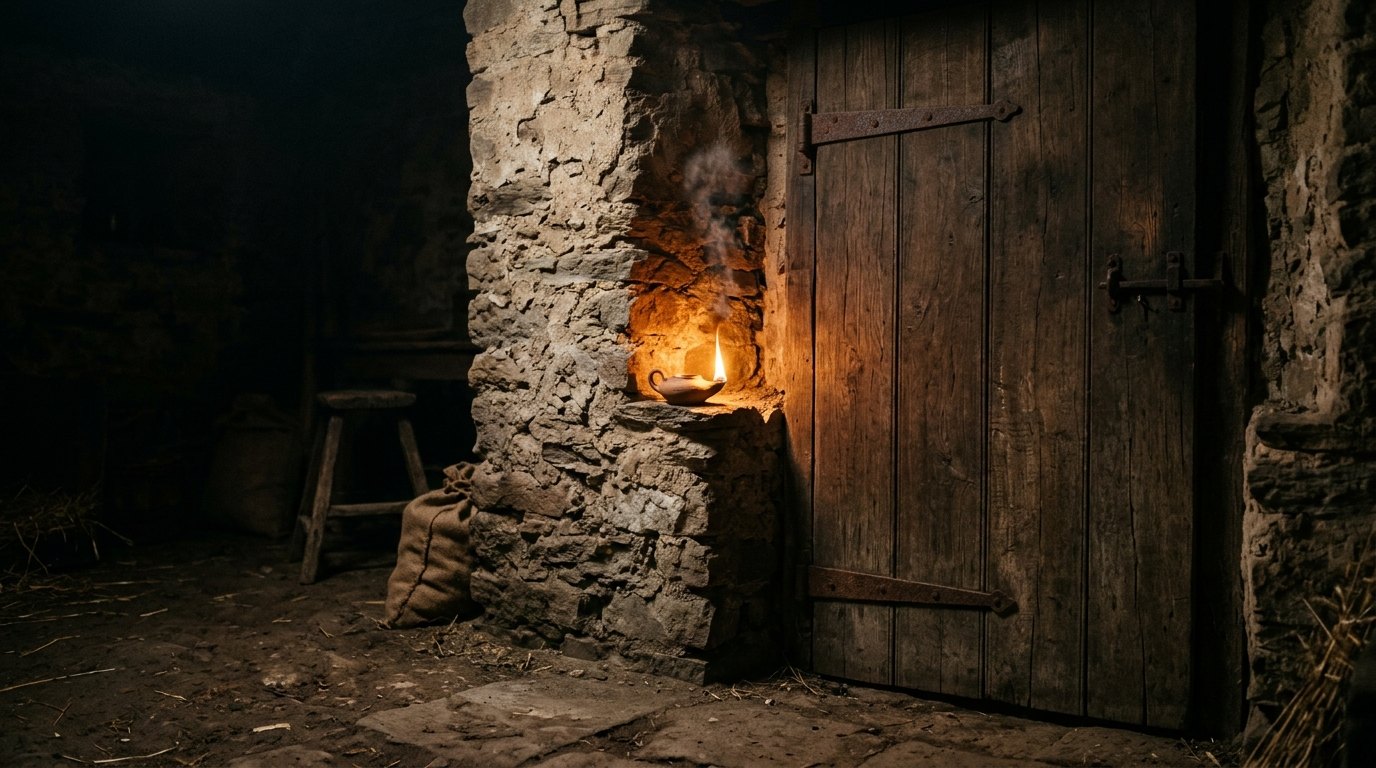
And when you pray, do not keep on babbling like pagans, for they think they will be heard because of their many words.
Matthew 6:7 (NIV)
Christ warns against the assumption that God measures prayer by its word count or duration.
While Scripture commends extended vigils when the soul requires them, it offers a severe rebuke to those who believe prayer is heard because of its length. In Matthew 6:7, Jesus explicitly warns against heaping up empty phrases, exposing the pagan fallacy that God is moved by a barrage of many words. The Father already knows every need before a single word is formed on human lips (Matthew 6:8). The Preacher gives identical counsel: God is in heaven and you are on earth, therefore let your words be few and reverent (Ecclesiastes 5:2).
Christ condemned the scribes who manufactured lengthy prayers as a pious facade while devouring widows' houses, warning that such religious theatre garners only greater condemnation (Mark 12:40; Luke 20:47). True communion requires no theatrical audience; Jesus instructs believers to withdraw into an inner room, close the door, and speak to their Father who sees in secret (Matthew 6:6). When asked how to pray, Christ offered the Lord's Prayer (Matthew 6:9–13)—a model of profound simplicity, brevity, and reverent petition that takes less than a minute to recite.
The contrast between frantic length and simple faith echoes throughout redemption history. On Mount Carmel, the prophets of Baal screamed, danced, and repeated their incantations from morning until evening to an indifferent sky (1 Kings 18:26–29). In contrast, Elijah stepped forward with a direct, sixty-word prayer at the time of the evening sacrifice, and fire immediately fell from heaven (1 Kings 18:36–37). When sinking into the Galilee waves, Peter uttered a desperate, three-word cry: 'Lord, save me!'—and Jesus stretched out His hand without delay (Matthew 14:30). Hanging beside Christ in agony, the dying thief offered a single sentence of faith and received the promise of paradise that very day (Luke 23:42–43). God measures prayer not by the clock, but by the broken, trusting heart.
| Passage | What it says |
|---|---|
| Matthew 6:7 | Warns against using vain repetitions or thinking many words ensure a hearing. |
| Matthew 6:8 | Reminds believers that the Father knows their needs before they ask Him. |
| Ecclesiastes 5:2 | Counsels that our words before God should be few and reverent. |
| Luke 18:13 | Shows the justified tax collector offering a brief, genuine plea for mercy. |
| Mark 12:40 | Condemns the scribes who devour widows' houses and for a pretense make long prayers. |
| Luke 20:47 | Warns of greater condemnation for those who make long prayers merely for an outward show. |
| Matthew 6:6 | Instructs disciples to enter their inner room, shut the door, and pray privately to their Father in secret. |
| Matthew 6:9-13 | Gives the brief, concise, and structured model of the Lord's Prayer as the pattern for daily petitions. |
| 1 Kings 18:26-29 | Depicts the prophets of Baal crying from morning until evening with repetitive shouting, answered by silence. |
| 1 Kings 18:36-37 | Elijah's brief, direct two-sentence prayer at the evening sacrifice brings down fire from heaven. |
| Matthew 14:30 | Peter cries out a three-word prayer of desperation, 'Lord, save me!', and Jesus immediately stretches out His hand. |
| Luke 23:42-43 | The penitent thief utters a simple one-sentence plea to Jesus and receives the immediate promise of paradise. |
Where in the Bible
| Book | Passages |
|---|---|
| Genesis | 1 · Genesis 32:24-28 |
| Exodus | 1 · Exodus 30:7-8 |
| Deuteronomy | 2 · Deuteronomy 9:18, Deuteronomy 9:25 |
| 1 Samuel | 1 · 1 Samuel 1:12 |
| 1 Kings | 2 · 1 Kings 18:26-29, 1 Kings 18:36-37 |
| 1 Chronicles | 1 · 1 Chronicles 16:11 |
| Nehemiah | 1 · Nehemiah 1:4 |
| Psalms | 16 · Psalms 105:4, Psalms 5:3, Psalms 143:8, Psalms 88:13, Psalms 59:16, Psalms 92:1-2, Psalms 55:17, Psalms 119:164, Psalms 88:1, Psalms 4:8, Psalms 63:6, Psalms 134:1, Psalms 42:8, Psalms 77:2, Psalms 119:62, Psalms 119:148 |
| Ecclesiastes | 1 · Ecclesiastes 5:2 |
| Isaiah | 1 · Isaiah 33:2 |
| Daniel | 3 · Daniel 6:10, Daniel 9:3, Daniel 10:2-3 |
| Matthew | 6 · Matthew 26:40, Matthew 6:7, Matthew 6:8, Matthew 6:6, Matthew 6:9-13, Matthew 14:30 |
| Mark | 2 · Mark 1:35, Mark 12:40 |
| Luke | 8 · Luke 6:12, Luke 2:37, Luke 18:1, Luke 18:7, Luke 11:5-8, Luke 18:13, Luke 20:47, Luke 23:42-43 |
| Acts | 7 · Acts 3:1, Acts 10:9, Acts 10:3, Acts 10:30, Acts 2:42, Acts 16:25, Acts 12:5 |
| Romans | 1 · Romans 12:12 |
| Ephesians | 1 · Ephesians 6:18 |
| Philippians | 1 · Philippians 4:6 |
| Colossians | 1 · Colossians 4:2 |
| 1 Thessalonians | 4 · 1 Thessalonians 5:16, 1 Thessalonians 5:17, 1 Thessalonians 5:18, 1 Thessalonians 3:10 |
| 1 Timothy | 1 · 1 Timothy 5:5 |
| 2 Timothy | 1 · 2 Timothy 1:3 |
The story in order
- Jacob wrestles with God (c. 1700 BC) · Genesis 32:24-28 · Shows extended, all-night prayer for blessing.
- Moses intercedes for Israel (c. 1400 BC) · Deuteronomy 9:18 · Demonstrates forty days and nights of prayer and fasting.
- Hannah prays for a son (c. 1100 BC) · 1 Samuel 1:12 · Illustrates persistent, soul-pouring prayer over an extended time.
- David's morning and night praise (c. 1000 BC) · Psalms 92:1-2 · Highlights giving thanks to God morning and night.
- Daniel's daily prayer habit (c. 600 BC) · Daniel 6:10 · Shows praying and giving thanks to God three times daily.
- Elijah's prayer to Baal's prophets (c. 850 BC) · 1 Kings 18:26-29 · Contrasts repetitive, unanswered prayer with true faith.
- Jesus prays all night (c. AD 30) · Luke 6:12 · Shows Jesus dedicating a whole night to prayer.
- Jesus teaches the Lord's Prayer (c. AD 30) · Matthew 6:9-13 · Provides a model for concise, structured prayer.
- Peter and John at the temple (c. AD 33) · Acts 3:1 · Notes prayer at the specific hour of the ninth hour.
- Peter and Cornelius pray (c. AD 40) · Acts 10:9 · Shows prayer at the sixth hour and the ninth hour.
- Paul and Silas in prison (c. AD 50) · Acts 16:25 · Depicts praying and singing hymns at midnight.
- Early church devoted to prayer (c. AD 33) · Acts 2:42 · Highlights the early believers' commitment to prayer.
Prayer Throughout the Day
| Time of Day | Biblical Example | Significance | Passage |
|---|---|---|---|
| Morning | Jesus rises early to pray (Mark 1:35) | Setting the tone for the day. | Mark 1:35 |
| Noon | Peter praying on the housetop (Acts 10:9) | Midday communion with God. | Acts 10:9 |
| Evening | Aaron burning incense (Exodus 30:7-8) | Concluding the day in worship. | Exodus 30:7-8 |
| Night | Paul and Silas praying at midnight (Acts 16:25) | Entrusting darkness to God. | Acts 16:25 |
Sincerity vs. Repetition in Prayer
| Approach | Biblical Example | Outcome | Passage |
|---|---|---|---|
| Repetitive, vain repetitions | Prophets of Baal crying out (1 Kings 18:26-29) | Unanswered silence. | 1 Kings 18:26-29 |
| Genuine, heartfelt plea | Penitent thief's simple request (Luke 23:42-43) | Immediate promise of paradise. | Luke 23:42-43 |
| Brief, desperate cry | Peter's 'Lord, save me!' (Matthew 14:30) | Instant rescue. | Matthew 14:30 |
| Concise model prayer | The Lord's Prayer (Matthew 6:9-13) | Guidance for daily petitions. | Matthew 6:9-13 |
Key words
- Pray without ceasing (ἀδιαλείπτως προσεύχεσθε (adialeiptōs proseuchēsthe))
- Maintain a continuous attitude of communion with God. · 1 Thessalonians 5:17
- Steadfastness (τῇ προσευχῇ προσκαρτεροῦντες (tē proseuchē proskarterountes))
- Remaining firm and persistent in prayer. · Romans 12:12
- Supplication (δεήσει (deēsei))
- A humble request or petition made to God. · Philippians 4:6
- Continually (διαπαντός (diapantos))
- Without interruption or pause. · 1 Chronicles 16:11
- Vain repetitions (βαττολογῇτε (battologēte))
- Meaningless, repetitive phrases used in prayer. · Matthew 6:7
Prayer is neither an endurance test measured by minutes nor an occasional formality reserved for crises. Scripture calls you to anchor your day in God's presence, whisper your needs through the working hours, and rest your soul in His care by night. Begin where you are, pray without ceasing, and let communion with the Father become the steady pulse of your life.
63 passages, each cited once.
Scripture cited
- 1 Thessalonians 5:16-18
- Romans 12:12
- 1 Thessalonians 5:17
- 1 Thessalonians 3:10
- Luke 6:12