Is gambling a sin?

1 Timothy 6:9-10
9 Those who want to get rich fall into temptation and a trap and into many foolish and harmful desires that plunge people into ruin and destruction.
10 For the love of money is a root of all kinds of evil. Some people, eager for money, have wandered from the faith and pierced themselves with many griefs.
New International Version (NIV)
The answer
Gambling is not explicitly named in Scripture, but it is wrong when it involves greed, staking money on chance for gain, or harming others. The Bible’s principle is that money must not control us or become an idol (Matthew 6:24).
What the text establishes
- The love of money leads people into ruin. Paul warns that those determined to be rich fall into “a temptation, a snare,” and that “the love of money is a root of all kinds of evil” (1 Timothy 6:9-10). Gambling is not inherently the same as loving money, but gambling driven by greed or the hope of getting rich quickly fits this warning.
- Wealth easily distracts us from God. Jesus says that “the cares of this age, and the deceitfulness of riches” can choke the word and make a person unfruitful (Mark 4:19). Add gambling’s obsession with the next win, loss, and payout, and the distraction becomes more serious.
- Covetousness is condemned. Paul lists “covetous” among those who will not inherit God’s kingdom, while reminding believers that those who were bound by such sins have been washed, sanctified, and justified in Christ (1 Corinthians 6:9-11). Greed is therefore not a harmless weakness; it is a serious spiritual issue.
- Our money and bodies are not ours to exploit. “Your body is a temple of the Holy Spirit,” and “you were bought with a price,” so believers should glorify God in their body and spirit (1 Corinthians 6:19-20). Wagering money needed for responsibilities, or treating gambling as a way to escape, greedily, debt, or emotional distress contradicts this.
- Gambling can also injure others. The borrower becomes dependent upon the lender (Proverbs 22:7), and those who are greedy for gain “troubleth his own house” (Proverbs 15:27). Gambling may drain a household’s time, money, and trust, including those who depend on the gambler.
What this means in practice
A Christian may honestly participate in a social, modest game with no profit-seeking, such as playing cards for a snack with friends, provided it does not involve gambling for gain, reckless risk, exploitation of others, or using it as an idol. But betting for money with the hope of profit makes gambling wrong because it treats money as the prize and usually feeds greed, craving, and foolish risk-taking.
The governing question is not merely whether a game uses chance. It is whether money, greed, and the hope of gain are governing your heart—or whether you can play in a restrained, generous, non-exploitative way. Christians should pursue honest work and faithful stewardship rather than trying to manufacture wealth through chance (1 Timothy 6:9-10).
Answered from Scripture · reviewed November 11, 2026
While Scripture does not use the modern word gambling, it leaves no ambiguity regarding the spiritual perils of greed, reckless get-rich-quick schemes, and the worship of money. God calls His people to honest labor, faithful stewardship, and deep contentment in Him, warning that the craving for sudden gain plunges souls into ruin. By examining biblical principles governing wealth, labor, and love of neighbor, the believer discovers clear guidance on gambling.
The Heart and Idolatry
The Love of Money Entangles the Soul

Those who want to get rich fall into temptation and a trap and into many foolish and harmful desires that plunge people into ruin and destruction. For the love of money is a root of all kinds of evil. Some people, eager for money, have wandered from the faith and pierced themselves with many griefs.
1 Timothy 6:9-10 (NIV)
It exposes the craving for sudden riches as a destructive snare that draws the heart away from God and pierces it with grief.
The Holy Spirit warns through the apostle Paul in 1 Timothy 6:9-10 that those who desire to be rich fall into temptation, into a snare, and into many senseless and harmful desires that plunge people into ruin and destruction. Gambling thrives on this precise desire: the impulse to bypass God's ordinary providence in pursuit of sudden, unearned wealth. Paul reveals that the root of all kinds of evils is the love of money, a craving that has led many to wander away from the faith and pierce themselves with many griefs. In stark contrast, Paul writes in 1 Timothy 6:6-8 that godliness with contentment is great gain, reminding us that we brought nothing into this world and can carry nothing out. Food and clothing are sufficient for a heart anchored in the Lord.
Our Lord Jesus Christ cuts to the core of this conflict in Matthew 6:24, declaring that no one can serve two masters, for a person will either hate the one and love the other, or be devoted to the one and despise the other; you cannot serve both God and money. Gambling places confidence in fortune, luck, or odds rather than the living God. In Mark 4:19, Jesus cautions that the deceitfulness of riches and the desires for other things enter in and choke the word, rendering a believer unfruitful. Solomon observes in Ecclesiastes 5:10 that whoever loves money will never have enough, perfectly capturing the compulsive cycle of the gambler who returns again and again to satisfy an appetite that cannot be filled.
Scripture therefore calls the believer to a higher, secure allegiance. In Hebrews 13:5, we are instructed to keep our lives free from the love of money and be content with what we have, resting in God's unfailing promise: I will never leave you nor forsake you. When the heart clings to God's presence, the seductive allure of games of chance loses its power. As the apostle John reminds us in 1 John 2:15-17, the world and its desires are passing away, but the one who does the will of God endures forever.
| Passage | What it says |
|---|---|
| Matthew 6:24 | Jesus declares that no servant can serve two masters, establishing that money and God demand opposing allegiances. |
| 1 Timothy 6:9-10 | Paul warns that pursuing wealth traps people in harmful lusts and that the love of money roots countless evils. |
| 1 Timothy 6:6-8 | Godliness with contentment is great gain, because believers brought nothing into the world and take nothing out. |
| Mark 4:19 | The deceitfulness of riches and lust for worldly things choke God's word, rendering the hearer spiritually unfruitful. |
| 1 John 2:15-17 | Loving the world's desires excludes the Father's love, since the world passes away while God's will endures. |
| Hebrews 13:5 | Believers are instructed to keep life free from the love of money, resting on God's promise never to forsake them. |
| Ecclesiastes 5:10 | He who loves money will not be satisfied with money, exposing the endless craving that drives games of chance. |
Covetousness and Sin
Coveting What Belongs to Another Is Rebellion
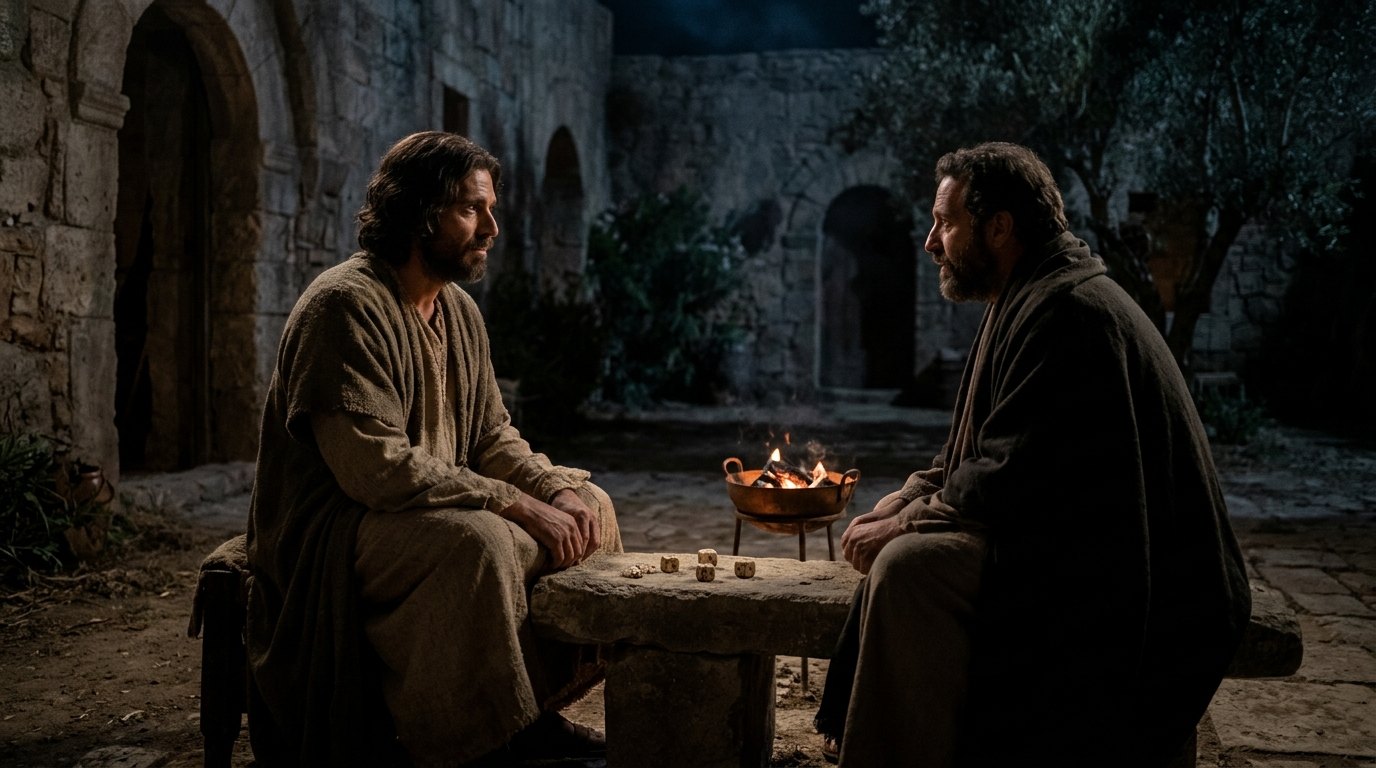
“You shall not covet your neighbor’s house. You shall not covet your neighbor’s wife, or his male or female servant, his ox or donkey, or anything that belongs to your neighbor.”
Exodus 20:17 (NIV)
The Tenth Commandment explicitly forbids setting one's desires upon the possessions, household, or property of one's neighbor.
The underlying engine of gambling is covetousness, a direct violation of God's holy law. In Exodus 20:17, the Tenth Commandment rings out with absolute clarity: You shall not covet your neighbor's house; you shall not covet your neighbor's wife, or his male servant, or his female servant, or his ox, or his donkey, or anything that is your neighbor's. Gambling is structurally designed to win what belongs to another through their loss. It does not exchange goods, services, or mutual blessing; rather, it seeks personal gain specifically at the expense of others, cultivating a desire to take the resources of one's neighbor.
Scripture does not treat covetousness as a harmless weakness, but as a severe spiritual rebellion. In Colossians 3:5, Paul instructs believers to put to death earthly desires, explicitly stating that covetousness is idolatry. When someone yearns to amass wealth through gambling, they are enshrining money and personal indulgence above God Himself. Jesus issues a grave warning in Luke 12:15, telling the crowd to take care, and be on your guard against all covetousness, for one's life does not consist in the abundance of his possessions.
This sin carries eternal weight. In 1 Corinthians 6:9-11, the inspired text warns that neither the greedy nor revilers nor swindlers will inherit the kingdom of God. Yet the gospel provides profound hope and total deliverance for those ensnared: Paul writes, And such were some of you. But you were washed, you were sanctified, you were justified in the name of the Lord Jesus Christ and by the Spirit of our God. Rather than entertaining fleshly cravings that lead to destruction, believers are commanded in Romans 13:14 to put on the Lord Jesus Christ and make no provision for the flesh to gratify its lusts.
| Passage | What it says |
|---|---|
| Exodus 20:17 | The law forbids coveting anything belonging to a neighbor, condemning the inner impulse to take another's property. |
| 1 Corinthians 6:9-11 | Paul lists the covetous among those excluded from God's kingdom, before declaring the cleansing power of Christ. |
| Colossians 3:5 | Covetousness is defined plainly as idolatry, an earthly passion that must be put to death in the believer. |
| Luke 12:15 | Jesus warns to beware of all covetousness, because one's life does not consist in the abundance of possessions. |
| Romans 13:14 | Believers are commanded to put on the Lord Jesus Christ and make no provision to gratify fleshly lusts. |
Wealth and Honest Labor
Godly Wealth Comes from Diligence, Not Chance
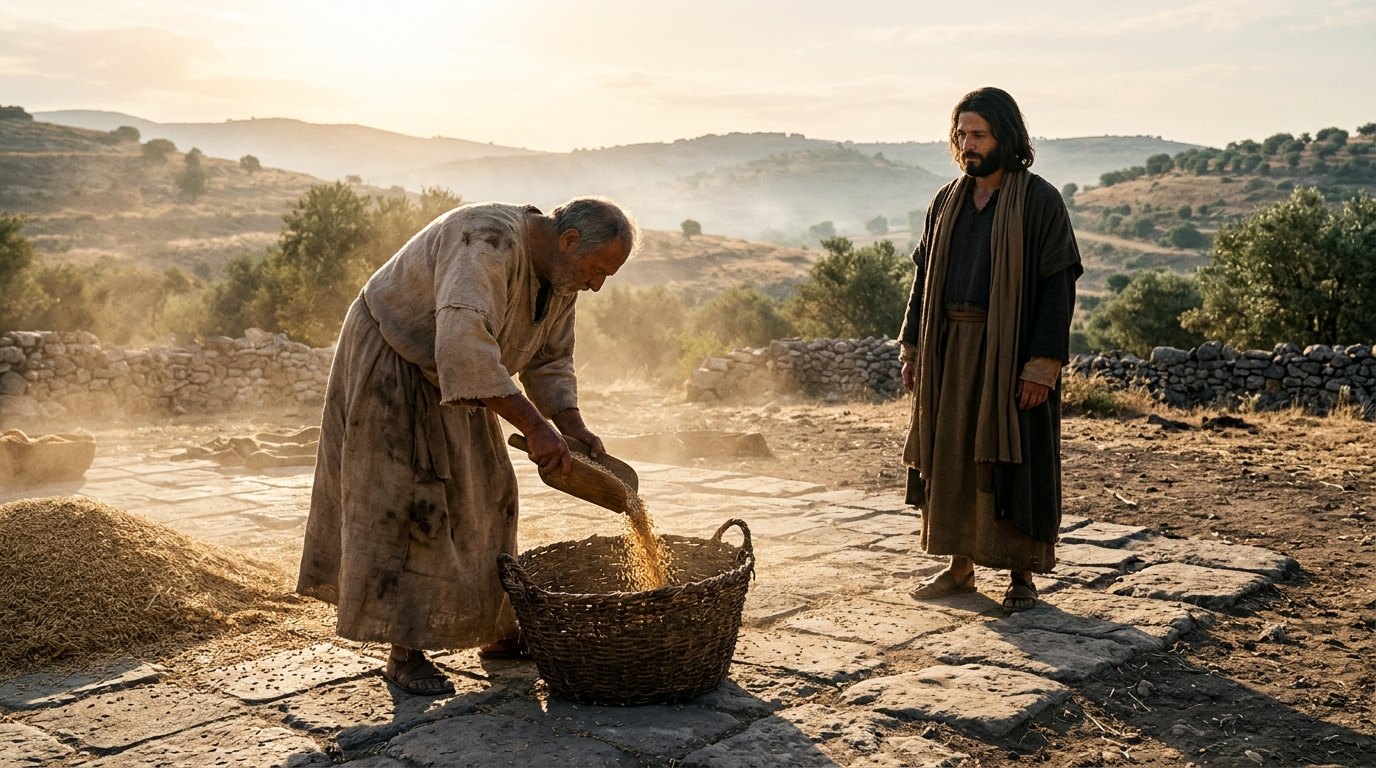
Dishonest money dwindles away, but whoever gathers money little by little makes it grow.
Proverbs 13:11 (NIV)
It contrasts wealth gained hastily through vanity, which dwindles, with the lasting increase earned through steady, patient labor.
God's design for human flourishing establishes honest, patient labor as the ordained means of obtaining wealth. In Proverbs 13:11, the inspired proverb declares that wealth gained hastily will dwindle, but whoever gathers little by little will increase it. Gambling promises the very opposite: instant enrichment without the discipline of work. The wisdom of God warns repeatedly that this pursuit is a snare. In Proverbs 28:20-22, Solomon writes that a faithful man will abound with blessings, but whoever hastens to be rich will not go unpunished, for a man with an evil eye rushes after riches, not knowing that poverty will come upon him.
The scriptures consistently condemn shortcuts to wealth. In Proverbs 20:21, we learn that an inheritance gained hurriedly at the beginning will not be blessed in the end. Likewise, Proverbs 14:23 teaches that in all toil there is profit, but mere talk leads only to poverty, while Proverbs 21:5 affirms that the plans of the diligent lead surely to abundance, but everyone who is hasty comes only to poverty. God created mankind to steward creation through productive, faithful effort, finding dignity in honest exertion rather than betting on random chance.
The New Testament reaffirms this pattern for the body of Christ. In Ephesians 4:28, Paul commands: Let the thief no longer steal, but rather let him labor, doing honest work with his own hands, so that he may have something to share with anyone in need. The purpose of earning is not reckless self-indulgence or gambling, but generous provision for others. Paul reinforces this in 2 Thessalonians 3:10-12, stating that if anyone is not willing to work, neither shall he eat, commanding believers to work quietly and eat their own bread.
| Passage | What it says |
|---|---|
| Proverbs 13:11 | Wealth gained hastily dwindles away, but the one who gathers money by steady labor increases it. |
| Proverbs 28:20-22 | A faithful person abounds in blessings, but anyone hastening to get rich will not remain innocent and courts poverty. |
| Proverbs 20:21 | An inheritance gained hurriedly at the start will not be blessed by God in the end. |
| Ephesians 4:28 | Paul instructs former thieves to labor honestly with their hands so they may have something to share with the needy. |
| 2 Thessalonians 3:10-12 | Paul commands believers to work quietly and earn their own living, stating those unwilling to work should not eat. |
| Proverbs 14:23 | In all toil there is profit, but mere talk and speculation lead only to poverty. |
| Proverbs 21:5 | The plans of the diligent lead surely to abundance, but everyone who is hasty comes only to poverty. |
Stewardship and Harm
Squandering Provision Inflicts Harm on Others
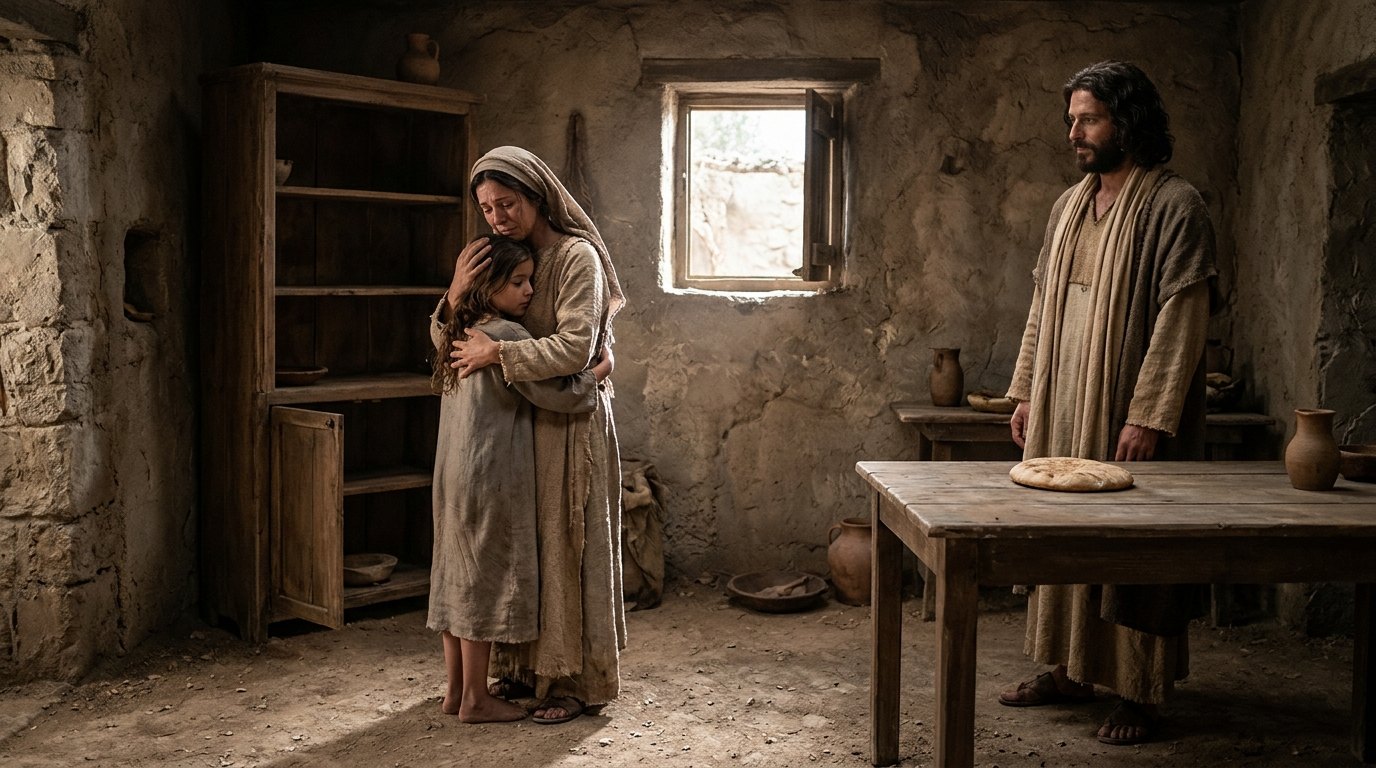
The greedy bring ruin to their households, but the one who hates bribes will live.
Proverbs 15:27 (NIV)
It shows that an appetite for dishonest gain brings trouble and destruction upon one's entire household.
God has made believers stewards of every resource entrusted to them, and squandering those gifts violates our duty of love toward family and neighbor. In Proverbs 15:27, Scripture states plainly that whoever is greedy for unjust gain troubles his own household. The devastation of gambling is rarely borne alone; it routinely drains family savings, produces deceit, and fractures marriages and homes. Paul delivers a devastating verdict in 1 Timothy 5:8 on those who neglect their obligations: If anyone does not provide for his relatives, and especially for members of his household, he has denied the faith and is worse than an unbeliever.
Furthermore, gambling frequently drives individuals into catastrophic debt, running counter to biblical wisdom. Solomon cautions in Proverbs 22:7 that the rich rules over the poor, and the borrower is the slave of the lender. Surrendering financial freedom to lenders because of speculative loss impairs a believer's ability to honor God and care for others. In 1 Corinthians 6:19-20, Paul reminds the church that you are not your own, for you were bought with a price; so glorify God in your body. Every penny we possess has been committed to our care by our Lord to be used for His honor and the furtherance of His kingdom.
Finally, love of neighbor leaves no room for exploiting or rejoicing in another person's misfortune. Paul writes in 1 Corinthians 10:24 that no one should seek his own good, but the good of his neighbor. Because gambling is an activity where one person's payout requires another person's financial ruin, it conflicts with the royal law of love. The Christian is called to protect, build up, and bless those around them, handling God's gifts with wisdom, self-control, and genuine charity.
| Passage | What it says |
|---|---|
| Proverbs 15:27 | Whoever is greedy for unjust gain brings trouble on his family, whereas he who hates bribes survives. |
| 1 Timothy 5:8 | Anyone who fails to provide for relatives and household members has denied the faith and is worse than an unbeliever. |
| 1 Corinthians 6:19-20 | Believers are bought with a price; their bodies and resources belong to God to be used for His glory. |
| Proverbs 22:7 | The borrower becomes a slave to the lender, highlighting the spiritual and personal danger of financial debt. |
| 1 Corinthians 10:24 | Scripture commands that no one should seek personal advantage alone, but rather the good and welfare of his neighbor. |
Sovereignty and the Lot
God Rules the Lot While the World Exploits Chance
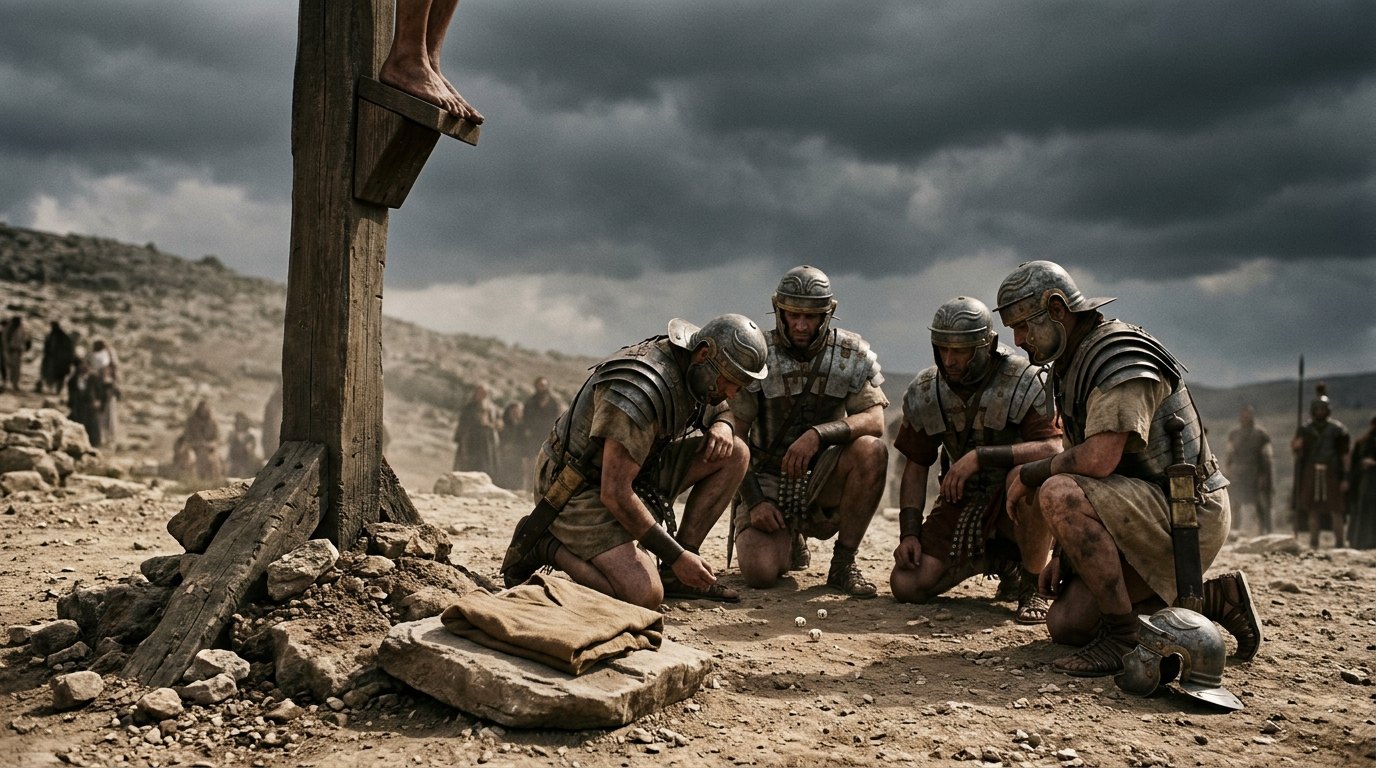
The lot is cast into the lap, but its every decision is from the LORD.
Proverbs 16:33 (NIV)
It shows that what human beings call luck or chance is entirely subject to the sovereign governance of God.
Proverbs 16:33 establishes that every outcome is governed by God's sovereign hand, declaring that while the lot is cast into the lap, its every decision belongs to the Lord. Scripture reveals that nothing in creation operates by blind chance or fickle luck. In biblical times, the lot was used reverently under divine command to seek God's direction, never to exploit chance for personal financial windfall.
Tragically, fallen humanity repeatedly degrades what God rules over into an instrument of callous greed. Centuries before the crucifixion, David prophesied in Psalm 22:18 of wicked men dividing his garments and casting lots for his clothing. This ancient foreshadowing reached its grievous fulfilment at Golgotha, recorded in Matthew 27:35 and John 19:24, where hardened Roman soldiers cast lots beneath the suffering Savior. Gambling reduces solemn reality to trivial self-gratification, capturing the world's indifference to the cross while men pursue petty, selfish gain.
Believers are summoned to rest in divine providence rather than chasing the illusions of fortune. Trusting in luck dishonors the God who sustains all things and calls His people to lean wholly on His righteous care.
| Passage | What it says | Fulfilled |
|---|---|---|
| Matthew 27:35 | Roman soldiers cast lots for Jesus' garments, demonstrating indifferent self-enrichment at the foot of the cross. | |
| Psalms 22:18 | David prophesies of wicked men dividing his garments and casting lots for his clothing. | Matthew 27:35, John 19:24 |
| Proverbs 16:33 | The lot is cast into the lap, but its every decision is from the Lord, rebuking pagan trust in blind luck. |
Stewardship and Accountability
Every Resource Entrusted Must Be Accounted to God
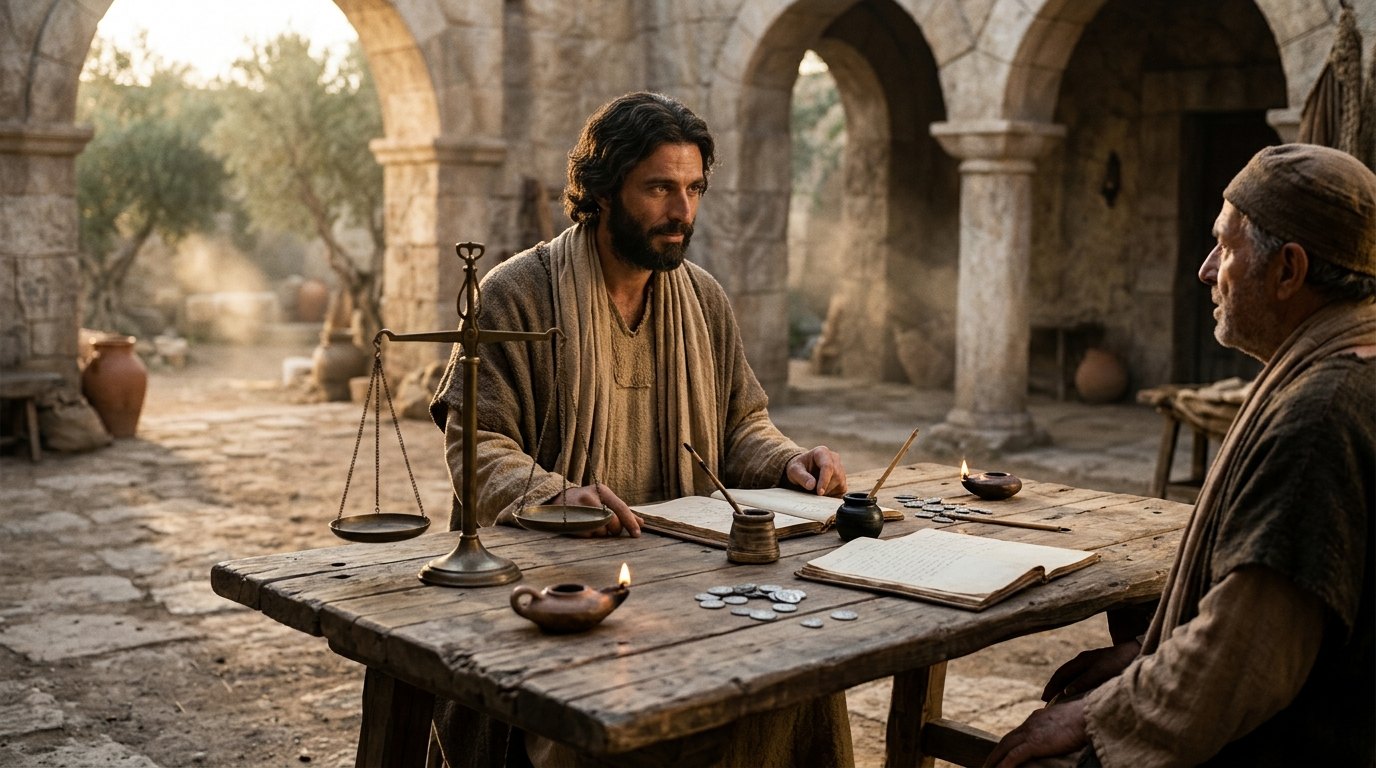
“Whoever can be trusted with very little can also be trusted with much, and whoever is dishonest with very little will also be dishonest with much. So if you have not been trustworthy in handling worldly wealth, who will trust you with true riches? And if you have not been trustworthy with someone else’s property, who will give you property of your own?
Luke 16:10-12 (NIV)
It establishes that handling worldly wealth is a direct test of spiritual trustworthiness before God.
Luke 16:10-12 demonstrates that earthly wealth serves as a vital proving ground for spiritual fidelity. Jesus warns that the person who proves dishonest or reckless in very little will also prove untrustworthy with true eternal riches. Everything the believer possesses belongs entirely to God, rendering every dollar an entrusted stewardship to be managed for His glory and the good of others, rather than surrendered to predatory games designed around loss.
In the parable of the talents recorded in Matthew 25:14-30, our Lord illustrates the profound accountability awaiting every servant. The master commends those who exercised diligent, faithful stewardship to multiply what was given, while condemning the servant who neglected and squandered what had been committed to his trust. Squandering God's assets on speculative wagering violates faithful stewardship, exchanging purposeful obedience for reckless covetousness. Furthermore, 1 Peter 4:10 calls every Christian to employ whatever gifts they have received to serve one another as faithful managers of God's multifaceted grace.
Because we must give an answer to the Master on the final day, Scripture forbids throwing away our substance on foolish wagers, commanding us to invest our resources in what endures for eternity.
| Passage | What it says |
|---|---|
| Luke 16:10-12 | One who is faithful in a very little is faithful also in much, warning against unfaithfulness with earthly wealth. |
| Matthew 25:14-30 | The parable of the talents commands fruitful, obedient stewardship of the Master's resources, condemning reckless waste. |
| 1 Peter 4:10 | Believers are called to serve one another as good stewards of God's varied grace. |
Where in the Bible
| Book | Passages |
|---|---|
| Exodus | 1 · Exodus 20:17 |
| Psalms | 1 · Psalms 22:18 |
| Proverbs | 8 · Proverbs 13:11, Proverbs 28:20-22, Proverbs 20:21, Proverbs 14:23, Proverbs 21:5, Proverbs 15:27, Proverbs 22:7, Proverbs 16:33 |
| Ecclesiastes | 1 · Ecclesiastes 5:10 |
| Matthew | 3 · Matthew 6:24, Matthew 27:35, Matthew 25:14-30 |
| Mark | 1 · Mark 4:19 |
| Luke | 2 · Luke 12:15, Luke 16:10-12 |
| Romans | 1 · Romans 13:14 |
| 1 Corinthians | 3 · 1 Corinthians 6:9-11, 1 Corinthians 6:19-20, 1 Corinthians 10:24 |
| Ephesians | 1 · Ephesians 4:28 |
| Colossians | 1 · Colossians 3:5 |
| 2 Thessalonians | 1 · 2 Thessalonians 3:10-12 |
| 1 Timothy | 3 · 1 Timothy 6:9-10, 1 Timothy 6:6-8, 1 Timothy 5:8 |
| Hebrews | 1 · Hebrews 13:5 |
| 1 Peter | 1 · 1 Peter 4:10 |
| 1 John | 1 · 1 John 2:15-17 |
The story in order
- The Law Given (c. 1446 BC) · Exodus 20:17 · Coveting what belongs to another is forbidden.
- David's Prophecy (c. 1000 BC) · Psalms 22:18 · Prophecy of garments divided and lots cast.
- Wisdom on Wealth (c. 900 BC) · Proverbs 13:11 · Wealth gained hastily dwindles; labor increases it.
- Proverbs on Greed (c. 900 BC) · Proverbs 15:27 · Greed for unjust gain brings trouble.
- Proverbs on Chance (c. 900 BC) · Proverbs 16:33 · The Lord rules the lot, not blind luck.
- Ecclesiastes on Desire (c. 940 BC) · Ecclesiastes 5:10 · Love of money is never satisfied.
- Jesus Warns of Greed (c. AD 30) · Luke 12:15 · Life is not in possessions; beware covetousness.
- Jesus on Masters (c. AD 30) · Matthew 6:24 · Cannot serve God and money.
- Jesus on Riches (c. AD 30) · Mark 4:19 · Lust for riches chokes God's word.
- Jesus' Garments (AD 30) · Matthew 27:35 · Soldiers cast lots for Jesus' garments.
- Paul's Warning (c. AD 65) · 1 Timothy 6:9-10 · Love of money roots evils and entangles souls.
- Paul on Labor (c. AD 51) · 2 Thessalonians 3:10-12 · Those unwilling to work should not eat.
- Paul on Covetousness (c. AD 62) · Colossians 3:5 · Covetousness is idolatry.
- Paul on Stewardship (c. AD 55) · 1 Corinthians 6:19-20 · Our bodies and resources belong to God.
Covetousness is Idolatry
| Covetousness is... | It must be... | Passage |
|---|---|---|
| An earthly passion | Put to death | Colossians 3:5 |
| A harmful lust | Avoided | 1 Timothy 6:9-10 |
| A danger to life | Beware of it | Luke 12:15 |
| A master to avoid | Choose God | Matthew 6:24 |
| A cause of ruin | Flee from it | 1 Timothy 6:9-10 |
Wealth Gained by Chance vs. Labor
| Source of Wealth | Outcome | Divine Approval | Passage |
|---|---|---|---|
| Gained hastily | Dwindles away | Not blessed | |
| Hastening to get rich | Does not remain innocent | Courts poverty | Proverbs 28:20-22 |
| Mere talk and speculation | Leads only to poverty | Unprofitable | Proverbs 14:23 |
| Steady labor | Increases | Blessed | Proverbs 13:11 |
| Diligent gathering | Abounds | Faithful | Proverbs 28:20 |
| Diligent plans | Leads to abundance | Profitable | Proverbs 21:5 |
God's Sovereignty Over Chance
| Event | Human Action | Divine Action | Passage |
|---|---|---|---|
| Casting lots for Jesus' garments | Indifferent self-enrichment | Fulfilling prophecy | |
| Casting the lot | Appears random | Every decision from the Lord | Proverbs 16:33 |
Key words
- Covetousness (pleonexia (Greek))
- An intense desire for what belongs to another; greed. · Colossians 3:5
- Love of Money (philar-gyria (Greek))
- A strong desire for wealth, leading to greed and entanglement. · 1 Timothy 6:10
- Idolatry (eidōlolatreia (Greek))
- Worshipping something other than God; treating created things as ultimate. · Colossians 3:5
- Stewardship (oikonomia (Greek))
- Managing God's resources (time, money, abilities) responsibly for His glory. · 1 Peter 4:10
- Contentment (autarkeia (Greek))
- Satisfaction with one's lot, resting in God's provision and presence. · 1 Timothy 6:6
Gambling inevitably trades trust in God for the seduction of quick riches, feeding covetousness at the expense of others. Scripture calls us away from the snare of greed and into the lasting joy of honest stewardship, contented simplicity, and Christ's supreme treasure. True wealth is found not at the table of chance, but at the cross of grace where our every need is fully met.
30 passages, each cited once.
How the major Christian traditions read this
All major Christian traditions agree that covetousness, greed, and failing to provide for one's family are serious sins against God's law, and that wealth must never become an idol or supplant honest labour (1 Timothy 6:9-10; Exodus 20:17; Proverbs 28:20).
Catholic
Games of chance and wagers are not in themselves contrary to justice. The Church teaches that gambling becomes morally unacceptable when it deprives someone of what is necessary to provide for their own needs and those of their dependents (1 Timothy 5:8). While passion for gambling risks becoming a grave enslavement, modest betting or recreational gaming is permissible provided there is fairness, no fraud, and no neglect of familial or social duties. The moral quality turns on moderation, justice, and the disposition of the heart rather than an absolute ban on the act itself (1 Corinthians 6:12).
Scripture: 1 Timothy 5:8, 1 Corinthians 6:12
Orthodox
Holy Tradition views games of hazard with deep caution because they easily stir up the passions of greed, avarice, and reliance on blind chance rather than God’s loving providence (Matthew 6:31-33). While occasional recreational games without substantial stakes are not necessarily mortal sins, gambling for profit inflames the soul’s desire for unearned gain and violates the call to cultivate quiet labour and contentment (1 Thessalonians 4:11-12). Canonical discipline strongly discourages betting, urging believers to guard the mind and dedicate their resources to the relief of the poor and the glory of God rather than worldly speculation.
Scripture: Matthew 6:31-33, 1 Thessalonians 4:11-12
Lutheran
Scripture does not issue an explicit legal ban against every cast of lots or wager, so we do not bind consciences where God has left adiaphora, or matters indifferent. Yet, God strictly forbids greed, idolatrous love of money, and theft (Exodus 20:15, 17). Every Christian has a calling, or vocation, to earn daily bread by faithful, honest work and to serve their neighbour in love (Ephesians 4:28). Gambling becomes sinful whenever it seeks to gain a neighbour's goods without fair exchange, feeds the fleshly desire for quick wealth, or harms one's household (Proverbs 13:11).
Scripture: Exodus 20:15, Exodus 20:17, Ephesians 4:28, Proverbs 13:11
Reformed & Presbyterian
We hold that God is sovereign over all events, even the casting of the lot (Proverbs 16:33). To employ chance flippantly for monetary gain trivializes God’s providence and violates the moral law. The Eighth Commandment requires lawful procurement of wealth through honest labour or just trade, while the Tenth forbids coveting what belongs to our neighbour (Exodus 20:15, 17). Gambling directly seeks gain at the expense and loss of another without offering any genuine service, labour, or product. Consequently, historic Reformed teaching treats gambling as a breach of faithful stewardship and a harmful feeding of worldly covetousness (1 Timothy 6:9-10).
Scripture: Proverbs 16:33, Exodus 20:15, Exodus 20:17, 1 Timothy 6:9-10
Anglican & Episcopal
In our tradition, gambling is viewed through the lens of Christian stewardship and charity. Scripture warns severely against covetousness and the desire to get rich quickly (Proverbs 28:20; 1 Timothy 6:9-10). A modest, occasional bet or social wager is not inherently evil in itself if pursued strictly as harmless recreation and without harm to one's duties. However, organized and predatory gambling systems that exploit vulnerable communities, encourage addiction, and divert resources from family and the needy are condemned as contrary to the gospel of love and responsible stewardship (Galatians 6:2).
Scripture: Proverbs 28:20, 1 Timothy 6:9-10, Galatians 6:2
Baptist
We take a firm stand against gambling in all its forms, whether state lotteries, casinos, or private wagers. Scripture clearly commands us to labour with our hands and earn an honest living, trusting God to supply our daily needs (Ephesians 4:28; Philippians 4:19). Gambling is inherently rooted in covetousness—the desire to obtain what belongs to others without rendering fair service or compensation (Exodus 20:17). It promotes greed, preys on the poor, and destroys families (Proverbs 15:27). For these reasons, Baptist confessions and churches consistently preach total abstinence from gambling as a matter of biblical holiness and Christian witness.
Scripture: Ephesians 4:28, Philippians 4:19, Exodus 20:17, Proverbs 15:27
Methodist & Wesleyan
Following our heritage of holiness and social righteousness, we completely reject gambling as an exploitation of human weakness and a violation of Christian stewardship. John Wesley urged believers to gain all they can by honest industry, save all they can, and give all they can to the glory of God. Gambling directly undermines this by seeking gain from another’s misfortune and fostering a spirit of greed (Luke 12:15). It deprives families of bread and harms society's most vulnerable members. We therefore urge complete abstinence from lotteries, betting, and games of chance for money as a faithful witness to Christ (Romans 12:2).
Scripture: Luke 12:15, Romans 12:2
Pentecostal & Charismatic
We believe the believer is the temple of the Holy Spirit, called to pursue practical holiness and full surrender to God’s will (1 Corinthians 6:19-20). Gambling is driven by the lust of the flesh, the lust of the eyes, and the pride of life (1 John 2:16). It creates demonic strongholds of addiction and bondage, leading families into spiritual and financial ruin (1 Timothy 6:9-10). Rather than seeking sudden fortune through games of chance, the Christian is called to trust the supernatural provision of God through faithful tithes, honest work, and generous giving (Malachi 3:10; 2 Corinthians 9:6-8).
Scripture: 1 Corinthians 6:19-20, 1 John 2:16, 1 Timothy 6:9-10, 2 Corinthians 9:6-8, Malachi 3:10
Non-denominational & Evangelical
While the Bible does not explicitly use the word 'gambling,' it speaks with utter clarity against greed, trusting in uncertain riches, and the drive to get rich quick (Proverbs 28:22; 1 Timothy 6:17). We teach that money is a stewardship entrusted by God, to be used for our families, the work of the gospel, and those in need (Matthew 25:14-30). While some view a minor friendly game as a matter of personal conscience, commercial gambling feeds destructive idolatry and selfish lusts that harm the soul (Hebrews 13:5). Believers are urged to flee temptation and guard their hearts from the deceitfulness of wealth.
Scripture: Proverbs 28:22, 1 Timothy 6:17, Matthew 25:14-30, Hebrews 13:5
Where they differ
The inherent morality of wagering
- Catholic
- Not inherently sinful if kept moderate and without injustice to dependents.
- Orthodox
- Strongly discouraged as hazardous to the soul, though minor recreation may be tolerated.
- Lutheran
- An indifferent matter in itself, but sinful when motivated by covetousness.
- Reformed & Presbyterian
- Inherently suspect because it abuses God's providence and bypasses honest trade.
- Anglican & Episcopal
- Not intrinsically evil in small recreation, but sinful when it becomes predatory.
- Baptist
- Inherently sinful as covetousness and a violation of biblical stewardship.
- Methodist & Wesleyan
- Intrinsically harmful and wrong, demanding complete abstinence from all believers.
- Pentecostal & Charismatic
- Inherently worldly and fleshly, opening the door to spiritual bondage.
- Non-denominational & Evangelical
- Gravely hazardous to faith, with most urging complete avoidance of betting.
Scripture: 1 Timothy 6:9-10, Proverbs 13:11, Exodus 20:17
Basis for acquiring personal wealth
- Catholic
- Legitimate through honest work, just exchange, inheritance, or fair recreational wagers.
- Orthodox
- Must come through quiet labour and divine providence, avoiding greedy speculation.
- Lutheran
- Only through faithful vocation and mutual service to our neighbour.
- Reformed & Presbyterian
- Strictly through lawful labour, gifts, or mutual commercial benefit.
- Anglican & Episcopal
- Primarily through lawful enterprise, productive labour, and generous stewardship.
- Baptist
- Exclusively through honest work, fair exchange, and reliance on God.
- Methodist & Wesleyan
- Only by honest industry that harms neither self nor neighbour.
- Pentecostal & Charismatic
- Through hard work, kingdom tithing, and God's supernatural blessing.
- Non-denominational & Evangelical
- Through diligent labour and stewardship, rejecting all get-rich-quick schemes.
Scripture: Ephesians 4:28, 2 Thessalonians 3:10, Proverbs 28:20
Your pastor can tell you where your church stands.
Scripture cited
- 1 Timothy 6:9-10
- Proverbs 15:27
- Mark 4:19
- 1 Corinthians 6:19-20
- Matthew 6:24
- 1 Corinthians 6:9-11
- Proverbs 22:7