Is 'God helps those who help themselves' in the Bible?
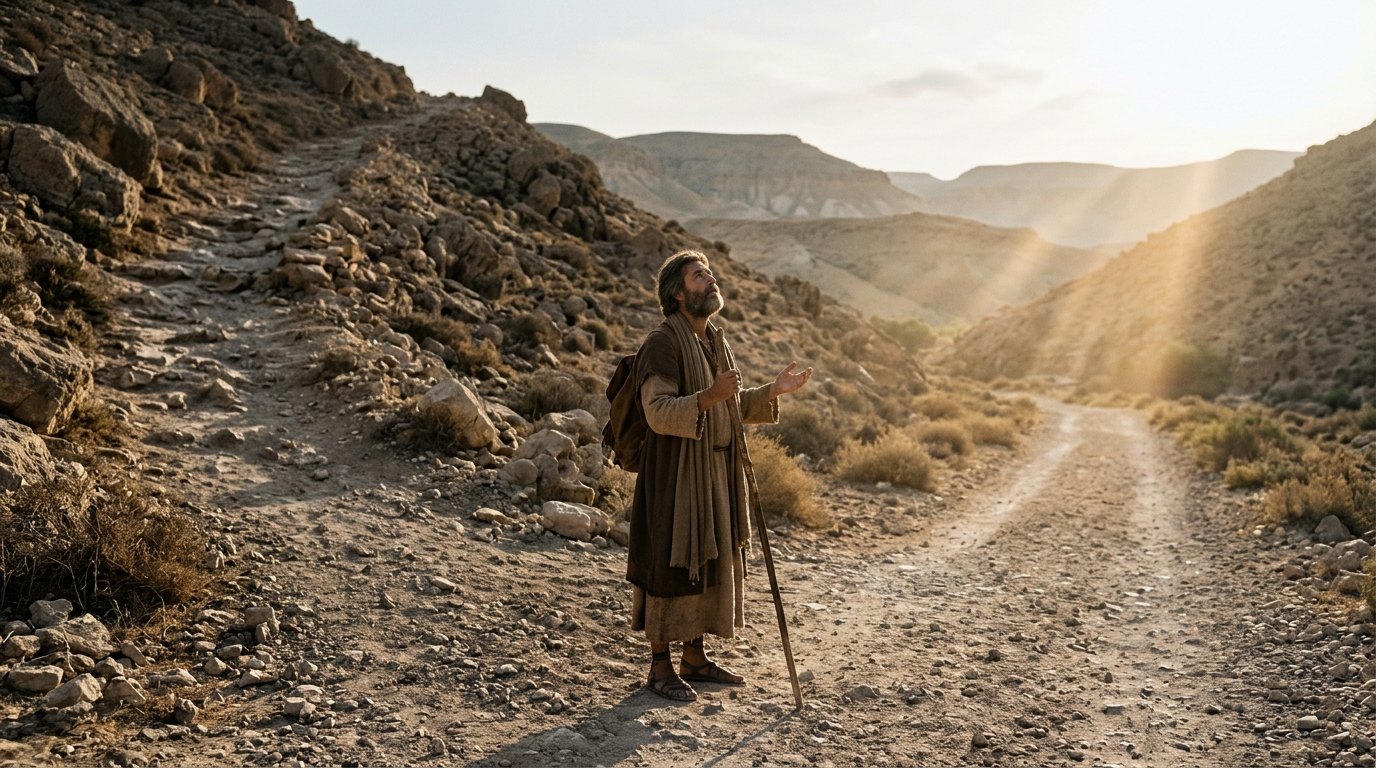
Proverbs 3:5-6
5 Trust in the LORD with all your heart and lean not on your own understanding;
6 in all your ways submit to him, and he will make your paths straight.
New International Version (NIV)
The answer
No—“God helps those who help themselves” is not in the Bible. It is a popular proverb, not a quotation from Scripture. It is especially misleading if it means that people must become strong, good, or self-sufficient before God will help them.
- God calls people to trust Him, not rely on themselves. Proverbs 3:5-6 says: “Trust in Yahweh with all your heart, and don’t lean on your own understanding. In all your ways acknowledge him, and he will make your paths straight.” Psalm 37:5 similarly calls believers to commit their way to the Lord and trust Him to act.
- Salvation is God’s gift, not a reward for self-rescue. Ephesians 2:8-9 teaches: “for by grace you have been saved through faith, and that not of yourselves; it is the gift of God, not of works, that no one would boast.” Human effort cannot earn God’s saving grace.
- Dependence on God does not excuse laziness. Philippians 2:12-13 commands believers to work out their salvation with fear and trembling, while explaining that God Himself works within them, giving both the desire and the power to obey. 2 Thessalonians 3:10-12 also condemns an unwillingness to work and commands quiet, responsible labour. Biblical diligence is therefore real, but it expresses dependence and obedience—it does not earn grace.
Answered from Scripture · reviewed November 11, 2026
The popular maxim 'God helps those who help themselves' is not in the Bible, nor does it reflect the gospel of grace. Far from making divine aid contingent on human self-sufficiency, Scripture teaches that God rescues the helpless, directs the diligent, and calls believers to trust wholly in His sovereign care.
Popular Myth
A Common Saying Absent from Scripture
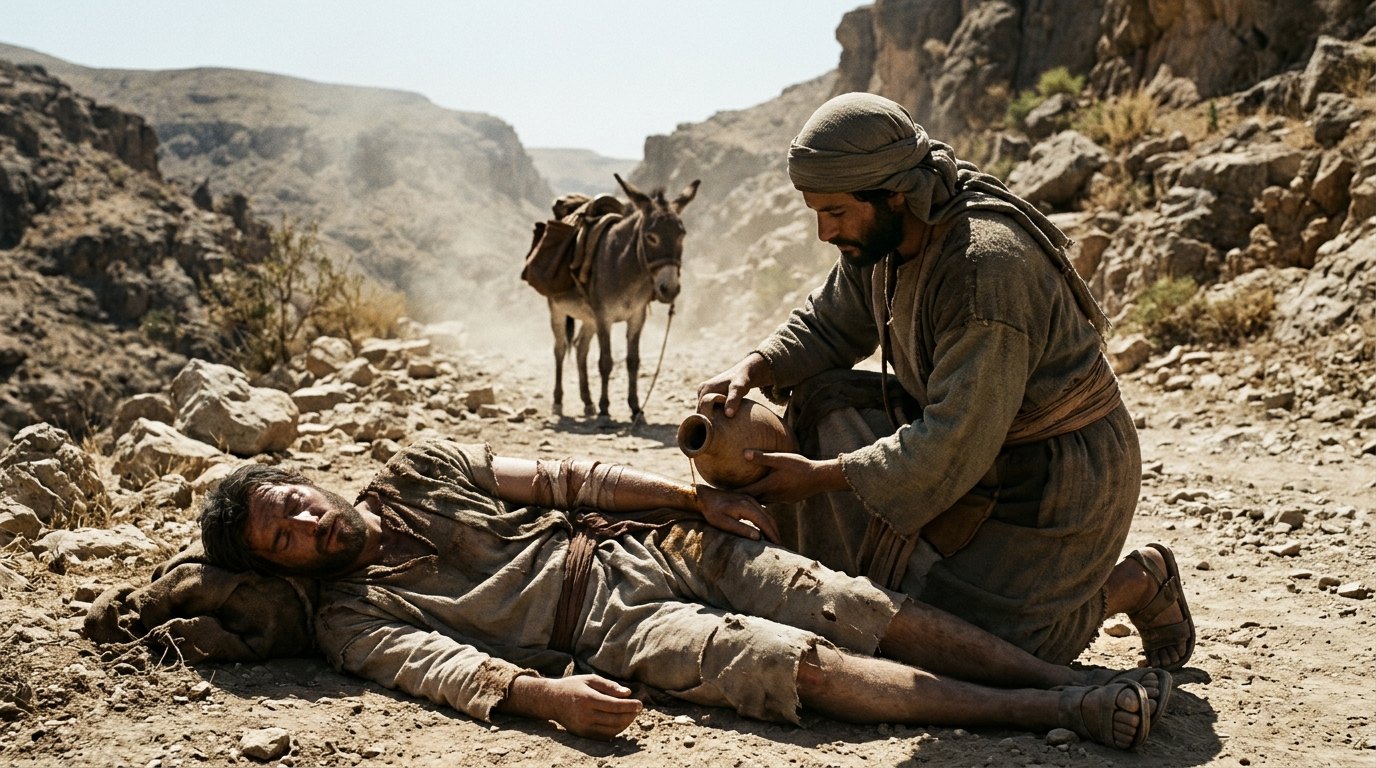
You see, at just the right time, when we were still powerless, Christ died for the ungodly.
Romans 5:6 (NIV)
Christ died specifically for the ungodly while they were entirely powerless to help themselves.
The foundational truth of the gospel directly contradicts the popular adage. In Romans 5:6, the apostle Paul states that Christ died for the ungodly while we were still helpless. The Greek word translated 'weak' or 'helpless' denotes total spiritual impotence; we had no capacity to climb up to God, make amends for our transgressions, or contribute in any way toward our redemption. God did not wait for humanity to achieve moral stability before initiating deliverance. Instead, Romans 5:8 underscores that God shows His love for us in that while we were still sinners, Christ died for us. Divine grace enters precisely where human strength is bankrupt.
This principle exposes the spiritual peril of claiming that divine favor is earned through self-sufficiency. As Paul writes in Ephesians 2:8, believers are saved by grace through faith, and this is not of your own doing; it is the gift of God. If salvation required self-help as a prerequisite for God's mercy, grace would cease to be grace. Paul drives this point home in Ephesians 2:9, declaring that salvation is not a result of works, so that no one may boast. Scripture nowhere commends spiritual self-reliance; it commands us to abandon our own merits and place every ounce of trust in the finished work of Jesus Christ.
| Passage | What it says |
|---|---|
| Romans 5:6 | Christ died for the ungodly at the proper time while humanity was completely helpless. |
| Romans 5:8 | God demonstrates His love in that Christ died for sinners while they were still in rebellion. |
| Ephesians 2:8 | Salvation comes through faith by grace alone as God's gift, not of human works. |
| Ephesians 2:9 | Salvation is not from human striving, so that no person can boast before God. |
Divine Direction
Trusting the Lord Rather Than Self-Reliance

Trust in the LORD with all your heart and lean not on your own understanding;
Proverbs 3:5 (NIV)
Believers are directly commanded to trust God entirely rather than lean upon their own understanding.
Rather than advocating confidence in our own intellect, Scripture summons believers to radical dependence upon God. Proverbs 3:5 establishes this timeless call: 'Trust in the Lord with all your heart, and do not lean on your own understanding.' Human perception is finite and inherently skewed by sin, rendering our instinctive judgments fragile guides for life. When we renounce self-trust and embrace God's sovereignty, Proverbs 3:6 guarantees that in all your ways acknowledge him, and he will make straight your paths. True guidance is found not in autonomous striving, but in daily, prayerful submission to the revealed will of God.
The wisdom literature consistently warns against the intoxicating illusion of self-competence. Proverbs 3:7 commands, 'Be not wise in your own eyes; fear the Lord, and turn away from evil.' When we fancy ourselves self-sufficient, we slide directly into spiritual ruin. This warning is repeated in Proverbs 28:26, which cautions that whoever trusts in his own mind is a fool, but he who walks in wisdom will be delivered. A person convinced of their own sufficiency is beyond instruction; indeed, Proverbs 26:12 laments, 'Do you see a man who is wise in his own eyes? There is more hope for a fool than for him.' Scripture calls us to unreserved reliance on the Lord.
| Passage | What it says |
|---|---|
| Proverbs 3:5 | Believers are commanded to trust the Lord with all their heart and avoid self-reliance. |
| Proverbs 3:6 | Acknowledging God in every way brings the promise of His directed paths. |
| Proverbs 3:7 | Wisdom demands not being wise in one's own eyes, but fearing the Lord and turning from evil. |
| Proverbs 28:26 | Relying on one's own heart is foolishness, while walking wisely brings deliverance. |
| Proverbs 26:12 | A person wise in their own eyes possesses less hope than a fool. |
Human Frailty
Warnings Against Boasting in Created Strength
This is what the LORD says: “Cursed is the one who trusts in man, who draws strength from mere flesh and whose heart turns away from the LORD.
Jeremiah 17:5 (NIV)
A curse rests upon trusting in mortal flesh rather than turning to the Lord.
Scripture issues severe warnings against placing confidence in mortal resources. Through the prophet, God declares in Jeremiah 17:5, 'Cursed is the man who trusts in man and makes flesh his strength, whose heart turns away from the Lord.' Relying upon human ingenuity, physical stamina, or worldly allies as one's ultimate security constitutes an idolatrous departure from the living God. By contrast, Jeremiah 17:7 proclaims, 'Blessed is the man who trusts in the Lord, whose trust is the Lord.' Such a person is like a tree planted beside streaming waters in Jeremiah 17:8, flourishing with green leaves and bearing fruit even during relentless drought.
The temptation to lean upon earthly shields has always ensnared God's people. In Isaiah 31:1, the prophet pronounces, 'Woe to those who go down to Egypt for help and rely on horses, who trust in chariots because they are many.' Military power and geopolitical treaties proved futile when Judah refused to seek the Holy One of Israel. King David understood this truth well, confessing in Psalms 20:7 that some trust in chariots and some in horses, but we trust in the name of the Lord our God. No military apparatus or human might can secure victory; as Psalms 33:17 affirms, the war horse is a false hope for salvation, and by its great might it cannot rescue. Strength belongs to God alone.
| Passage | What it says |
|---|---|
| Jeremiah 17:5 | The Lord pronounces a curse on the man who trusts in man and makes flesh his strength. |
| Jeremiah 17:7 | Blessed is the person who trusts in the Lord and makes Him their sole confidence. |
| Jeremiah 17:8 | The trusting believer thrives like a tree planted by water, fruitful through seasons of drought. |
| Isaiah 31:1 | Woe is declared upon those who rely on Egyptian chariots instead of seeking Israel's Holy One. |
| Psalms 20:7 | While worldly powers boast in chariots and horses, believers boast in the Lord's name. |
| Psalms 33:17 | A war horse is a false hope for victory, delivering no one by its great strength. |
Help for the Needy
God as Defender of the Poor and Broken

My help comes from the LORD, the Maker of heaven and earth.
Psalms 121:2 (NIV)
Ultimate help comes solely from the Lord, the Maker of heaven and earth.
The Bible does not reveal a God who reserves His aid for the strong; He is the champion of the helpless. In Psalms 121:2, the pilgrim looks past the heights to declare: 'My help comes from the Lord, who made heaven and earth.' The inquiry of Psalms 121:1—raising eyes to the hills—finds its answer not in the terrain or in human strength, but in the omnipotent Creator. God deliberately bends His ear to those who possess no earthly leverage. In Psalms 10:14, the psalmist rejoices that the Lord notes grief and distress, declaring that the helpless commits himself to you; you have been the helper of the fatherless.
Far from turning away from those who cannot help themselves, God makes them His special care. David models this humble petition in Psalms 40:17, praying, 'As for me, I am poor and needy, but the Lord takes thought for me. You are my help and my deliverer.' This divine heart is fulfilled perfectly in the Messiah, of whom Psalms 72:12 prophesies: 'For he delivers the needy when he calls, the poor and him who has no helper.' Rather than despising the powerless, the Lord intervenes to lift them up; as Psalms 107:41 celebrates, He raises up the needy out of affliction and makes their families like flocks. Our confidence rests in a God who rescues those who have run out of strength.
| Passage | What it says |
|---|---|
| Psalms 121:1 | The psalmist looks up to the hills seeking the true origin of help. |
| Psalms 121:2 | True help comes only from the Lord who created the heavens and the earth. |
| Psalms 10:14 | God observes distress to take it in hand; the helpless and fatherless commit themselves to Him. |
| Psalms 40:17 | David confesses he is poor and needy, yet rejoices that the Lord thinks upon him as helper. |
| Psalms 72:12 | The promised King delivers the needy when they cry and the afflicted who have no helper. |
| Psalms 107:41 | God lifts the needy out of their affliction and multiplies their families like flocks. |
Diligence and Faith
Biblical Industry Walked in Faithful Obedience
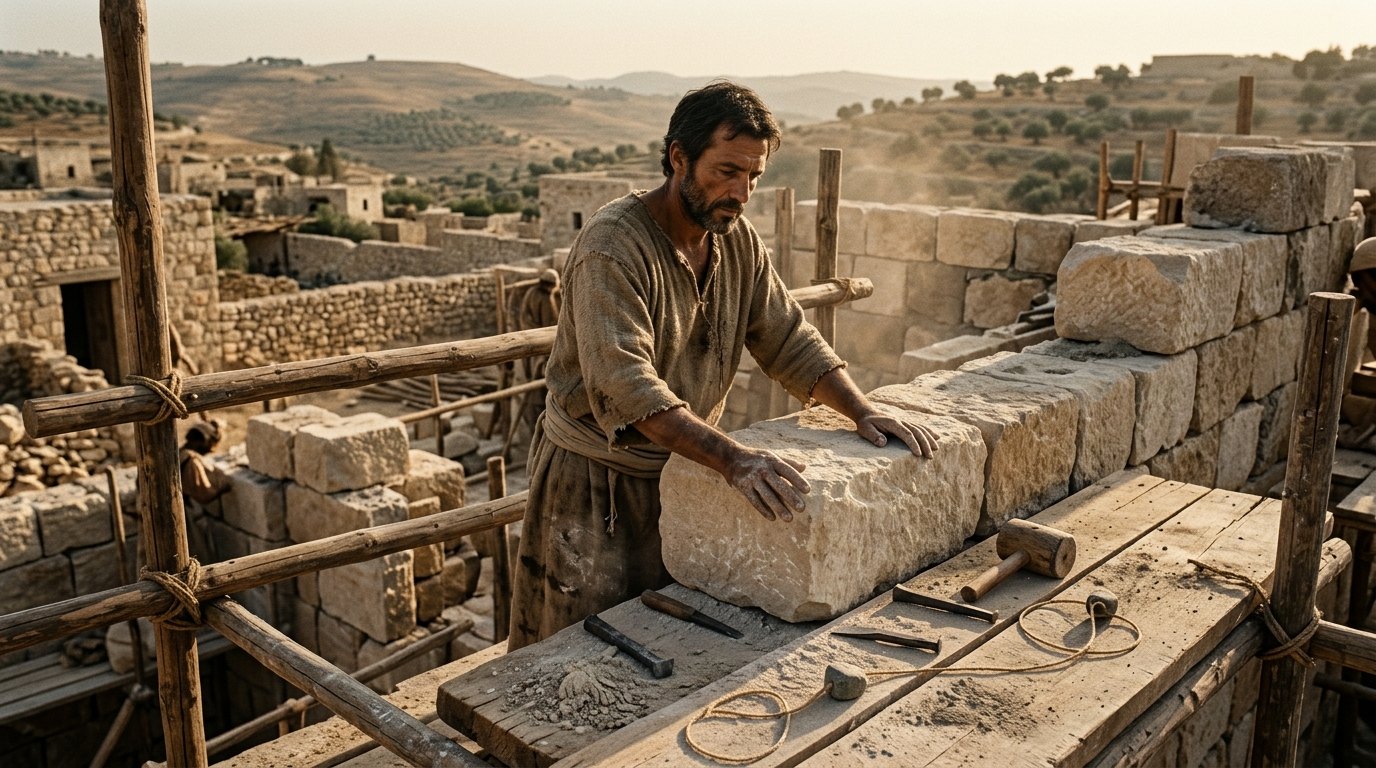
Unless the LORD builds the house, the builders labor in vain. Unless the LORD watches over the city, the guards stand watch in vain.
Psalms 127:1 (NIV)
Human labor and vigilance are entirely empty unless the Lord establishes and guards them.
The stark declaration of Psalm 127:1 dismantles any illusion that raw human effort carries its own guarantee: unless the Lord builds the house, those who build it labor in vain. Scripture never disparages industry or calls believers to passive fatalism, but it thoroughly recalibrates our understanding of human activity. True biblical responsibility operates under divine sovereignty, not as an autonomous bid to force God's hand. David commands in Psalm 37:3 to trust in the Lord and do good, tying personal faithfulness directly to trusting reliance. That active surrender is reinforced in Psalm 37:5, where committing one's pathway to Yahweh yields the promise that He will act. Industry is real, commanded, and good, but its validity springs entirely from God as the source and goal. The apostle Paul reminds servants in Colossians 3:23 to work heartily as unto the Lord rather than merely human masters, sanctifying daily toil as an offering of worship. Wisdom itself reproves passive neglect: Proverbs 6:6 sends the sluggard to the humble ant to learn the discipline of quiet, unprompted diligence. Later, addressing disorder in the church, Paul lays down a practical rule in 2 Thessalonians 3:10 that if anyone will not work, neither shall he eat. The biblical paradigm thus refuses both self-sufficient pride and lazy presumption, showing that God-honoring work is the grateful fruit of trust in the Sovereign Builder.
| Passage | What it says |
|---|---|
| Psalms 127:1 | Builders labor in vain and watchmen stay awake in vain unless the Lord builds and watches. |
| Psalms 37:3 | Believers are instructed to trust in the Lord and do good, dwelling securely in the land. |
| Psalms 37:5 | Commit your way to the Lord and trust Him, and He will bring His purposes to pass. |
| Colossians 3:23 | Every task is to be worked heartily as unto the Lord rather than for men. |
| Proverbs 6:6 | The sluggard is directed to observe the diligent ways of the ant and gain practical wisdom. |
| 2 Thessalonians 3:10 | Apostolic instruction directs that anyone unwilling to work should not eat. |
Divine Refuge
Resting Securely in God's Unfailing Strength
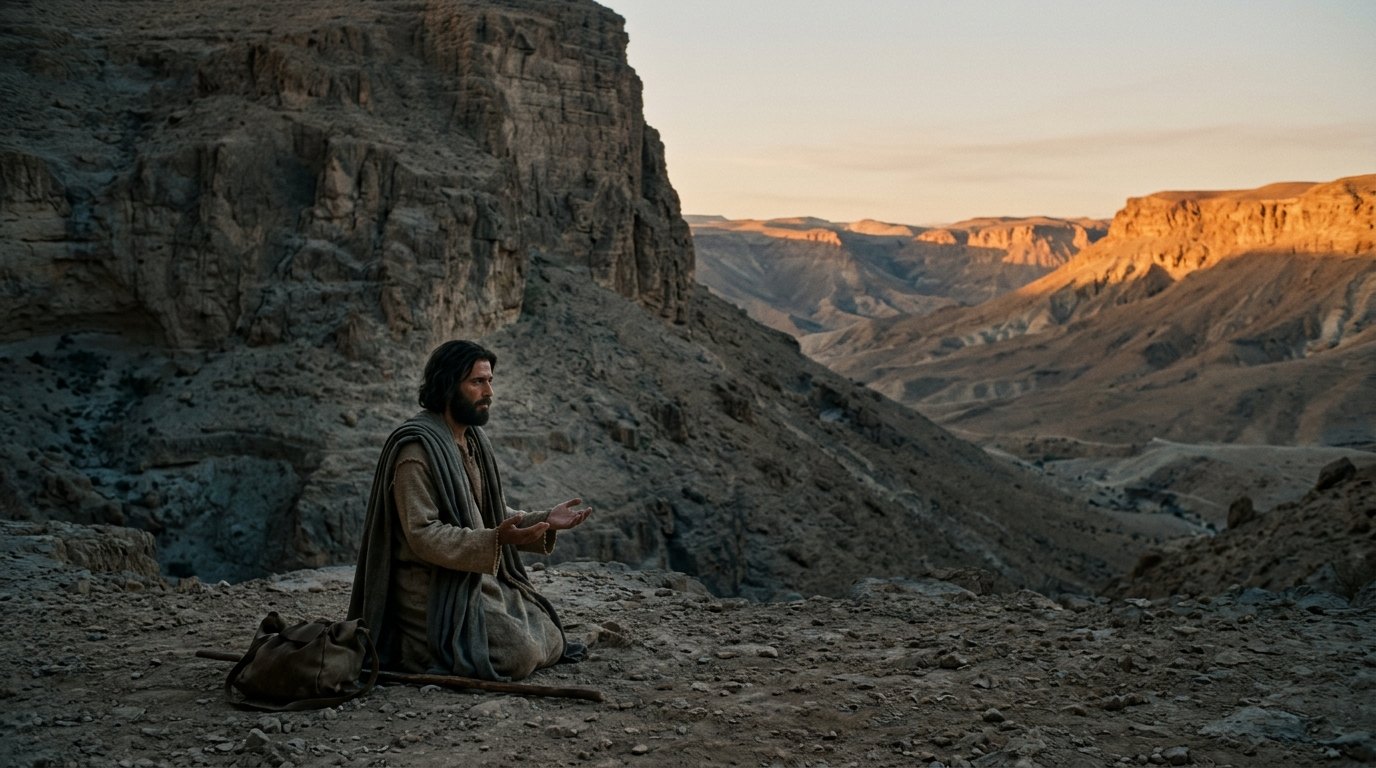
You will keep in perfect peace those whose minds are steadfast, because they trust in you.
Isaiah 26:3 (NIV)
Perfect peace is promised to those whose steadfast minds rest in the Lord.
The prophet Isaiah anchors our confidence not in inner grit, but in divine steadfastness: you keep him in perfect peace whose mind is stayed on you, because he trusts in you (Isaiah 26:3). The popular proverb suggests that divine favor is purchased by self-reliance, but the gospel offers the opposite reality—unfailing rest for those who abandon self-sufficiency. Isaiah 26:4 urges believers to trust in Yahweh forever, celebrating the Lord God as an everlasting rock who never falters under the weight of human need. Far from expecting us to conceal our distress or pull ourselves up by our own strength, Psalm 62:8 bids the gathered assembly to trust Him at all times and pour out their hearts before Him, since God alone remains their refuge. Psalm 46:1 resounds with triumphant certainty, naming God as our immediate refuge and strength, a very present help in trouble when every earthly circumstance gives way. The New Testament translates this resting faith into the rhythm of daily life: Philippians 4:6 commands believers to refuse anxious striving, bringing every petition before God with grateful prayers. The result is not self-made resolve, but the supernatural promise of Philippians 4:7, where the peace of God surpasses all human understanding and guards our hearts and minds in Christ Jesus.
| Passage | What it says |
|---|---|
| Isaiah 26:3 | God keeps in perfect peace the one whose mind is fixed on Him in trust. |
| Isaiah 26:4 | Israel is exhorted to trust the Lord forever, for Yahweh God is an everlasting rock. |
| Psalms 62:8 | The people are summoned to trust God at all times and pour out their hearts before Him. |
| Psalms 46:1 | God is declared to be our refuge and strength, a very present help in trouble. |
| Philippians 4:6 | Believers are urged to avoid anxious striving, bringing every need to God in thankful prayer. |
| Philippians 4:7 | The peace of God which surpasses understanding will guard hearts and minds in Christ Jesus. |
Where in the Bible
| Book | Passages |
|---|---|
| Psalms | 13 · Psalms 20:7, Psalms 33:17, Psalms 121:1, Psalms 121:2, Psalms 10:14, Psalms 40:17, Psalms 72:12, Psalms 107:41, Psalms 127:1, Psalms 37:3, Psalms 37:5, Psalms 62:8, Psalms 46:1 |
| Proverbs | 6 · Proverbs 3:5, Proverbs 3:6, Proverbs 3:7, Proverbs 28:26, Proverbs 26:12, Proverbs 6:6 |
| Isaiah | 3 · Isaiah 31:1, Isaiah 26:3, Isaiah 26:4 |
| Jeremiah | 3 · Jeremiah 17:5, Jeremiah 17:7, Jeremiah 17:8 |
| Romans | 2 · Romans 5:6, Romans 5:8 |
| Ephesians | 2 · Ephesians 2:8, Ephesians 2:9 |
| Philippians | 2 · Philippians 4:6, Philippians 4:7 |
| Colossians | 1 · Colossians 3:23 |
| 2 Thessalonians | 1 · 2 Thessalonians 3:10 |
The story in order
- Creation and Fall (c. 4000 BC) · Genesis 1:28 · God's command to humanity to be fruitful and multiply, reflecting dependence on Him.
- The Flood and Covenant (c. 2350 BC) · Genesis 9:13 · God's sign of covenant, demonstrating His initiative in relationship with humanity.
- Abrahamic Covenant (c. 2090 BC) · Genesis 12:1-3 · God's promise to bless Abraham and through him, all nations.
- Exodus and Law (c. 1446 BC) · Exodus 20:1-2 · God's deliverance of Israel from slavery, followed by His law.
- Conquest of Canaan (c. 1406 BC) · Joshua 1:9 · God's command to be strong and courageous, relying on His presence.
- United Monarchy (c. 1077 BC) · 1 Samuel 15:22 · Obedience is better than sacrifice; God's will over human action.
- Divided Kingdom (c. 740 BC) · Isaiah 31:1 · Woe to those who rely on human strength and alliances.
- Exile and Return (c. 600 BC) · Jeremiah 17:5 · Curse on those who trust in man; blessing on those who trust in the Lord.
- Life of Christ (c. AD 30) · Romans 5:6 · Christ died for the ungodly, while humanity was helpless.
- Apostolic Age (c. AD 60) · Ephesians 2:8-9 · Salvation is by grace through faith, not by human works.
Trusting God vs. Self-Reliance
| Trust in the Lord | Reliance on Self | Outcome | Passage |
|---|---|---|---|
| Trust the Lord with all your heart | Avoid self-reliance | He will make your paths straight | Proverbs 3:5-6 |
| Blessed is the person who trusts in the Lord | Man who trusts in man | Thrives like a tree planted by water | Jeremiah 17:7-8 |
| Boast in the Lord's name | Worldly powers boast in chariots and horses | Deliverance and security | Psalms 20:7 |
| Trust the Lord forever | Yahweh God is an everlasting rock | Perfect peace and security | Isaiah 26:3-4 |
God's Help for the Helpless
| Human State | God's Action | Result | Passage |
|---|---|---|---|
| Ungodly | Christ died for them | Reconciliation | Romans 5:6 |
| Sinners, in rebellion | Christ died for them | Demonstration of God's love | Romans 5:8 |
| Poor and needy | The Lord thinks upon them | Comfort and help | Psalms 40:17 |
| Needy, afflicted, no helper | The promised King delivers | Deliverance | Psalms 72:12 |
| Afflicted | God lifts them out of affliction | Multiplied families | Psalms 107:41 |
Work and Divine Provision
| Human Endeavor | Divine Dependence | Outcome | Passage |
|---|---|---|---|
| Builders labor | Unless the Lord builds | Labor in vain | Psalms 127:1 |
| Watchmen stay awake | Unless the Lord watches | Stay awake in vain | Psalms 127:1 |
| Do good | Trust in the Lord | Dwell securely | Psalms 37:3 |
| Commit your way | Trust Him | He will bring it to pass | Psalms 37:5 |
| Work heartily | As unto the Lord | Pleasing Him | Colossians 3:23 |
Key words
- Ungodly (asebēs, ἀσεβής)
- Lacking reverence or piety towards God; wicked. · Romans 5:6
- Helpless (astheneō, ἀσθενέω)
- Unable to defend oneself; lacking strength or power. · Romans 5:6
- Grace (charis, χάρις)
- God's unmerited favor and divine assistance. · Ephesians 2:8
- Works (ergon, ἔργον)
- Human actions or efforts, especially those intended to earn merit. · Ephesians 2:9
- Trust (batah, בָּטָח)
- Firm belief in the reliability, truth, ability, or strength of someone or something. · Proverbs 3:5
- Self-reliance (batah 'al-lev, בָּטָחַ עַל־לֵב)
- Reliance on one's own powers and resources rather than those of others. · Proverbs 28:26
- Refuge (machseh, מַחְסֶה)
- A place of safety or shelter from danger or hardship. · Psalms 46:1
Resting in God's help does not produce passive neglect, but faithful diligence rooted in holy confidence. When human strength falters, God remains an unfailing refuge to all who call upon Him in truth.
33 passages, each cited once.
Scripture cited
- Proverbs 3:5-6
- Psalms 37:5
- Ephesians 2:8-9
- Philippians 2:12-13
- 2 Thessalonians 3:10-12