Is Jesus as the son of God mentioned in the old testament?

The answer
Yes. The Old Testament does not use the personal name Jesus, which belongs to His birth in the New Testament, but it speaks of God's Son, promises a divine Son and King, and points forward to the Messiah who would come. The New Testament identifies Jesus as the fulfilment of these promises.
God's Son and the promised King
Psalm 2:7 records God's decree: “You are my son. Today I have become your father.” This Son receives the nations as His inheritance, and Psalm 2:12 calls everyone to honour Him and take refuge in Him.
God also promised David an everlasting King: “I will be his father, and he will be my son” (2 Samuel 7:14), followed by the promise that David's throne would be established forever (2 Samuel 7:16). Hebrews 1:5 quotes these words when explaining the supremacy of God's Son, showing that the promise reaches beyond David's immediate descendants to Christ.
The Son who is also God
Isaiah 9:6 says, “A son is given to us,” and names Him “Mighty God” and “Prince of Peace.” His rule over David's kingdom will have no end (Isaiah 9:7). This is therefore no ordinary son: the promised child bears divine titles and possesses an everlasting kingdom.
Isaiah 7:14 also promises that a virgin will bear a son called Immanuel. Matthew 1:22-23 applies this directly to the birth of Jesus and explains Immanuel as “God with us.” Micah 5:2 adds that the Ruler born in Bethlehem is one “whose goings out are from of old, from ancient times,” pointing to His existence long before His birth.
Proverbs 30:4 asks concerning the Creator, “What is his name, and what is his son’s name, if you know?” This mysterious reference fits the wider Old Testament witness that God has a Son, even though the full identity of that Son awaited His coming.
How the New Testament identifies Him
The angel tells Mary that her child “will be called the Son of the Most High” (Luke 1:32) and, because He is conceived by the Holy Spirit, “will be called the Son of God” (Luke 1:35). John 20:31 then states the conclusion plainly: Jesus is “the Christ, the Son of God.”
So the distinction is this: the Old Testament promises and describes the Son; the New Testament reveals His name—Jesus—and identifies Him as the promised Messiah and divine Son of God.
Answered from Scripture · reviewed November 11, 2026
Long before the Gospels were penned, the Hebrew Scriptures explicitly testified that God has an eternal Son who would reign over all creation. From the earliest promises in the Torah to the detailed visions of the Prophets, the Old Testament continuously reveals the identity, deity, suffering, and triumph of the coming Messiah. Tracing these prophecies and their New Testament fulfilments confirms that Jesus is the very Son foretold from the beginning.
The Torah's Seed
The Seed of the Woman and Abraham's Line

And I will put enmity between you and the woman, and between your offspring and hers; he will crush your head, and you will strike his heel.”
Genesis 3:15 (NIV)
This foundational promise introduces the Seed of the woman who will crush the serpent's head through His own suffering.
The earliest pages of Scripture establish that redemption would arrive through a designated descendant who would decisively conquer evil. In Genesis 3:15, God declares judgment upon the serpent, establishing perpetual enmity between its lineage and the woman's offspring: He will crush your head, and you will bruise His heel. The New Testament identifies this triumph in Jesus, born of a woman to destroy the devil's work (Galatians 4:4; Hebrews 2:14; 1 John 3:8). The patriarchal narratives progressively narrow this lineage. God promises Abraham that through his offspring all earth's families will receive blessing (Genesis 12:3; Genesis 22:18), an everlasting covenant sealed in unconditional grace (Genesis 17:7; fulfilled in Galatians 3:8, 16). On Mount Moriah, Abraham foresees that God Himself will provide the lamb for sacrifice (Genesis 22:8; John 1:29). This covenant promise is reaffirmed through Isaac (Genesis 21:12; Genesis 26:4; Romans 9:7) and then Jacob (Genesis 28:14; Luke 1:33). On his deathbed, Jacob narrows the royal line to Judah, prophesying that the royal staff will not depart until Shiloh comes, commanding the obedience of all nations (Genesis 49:10; Revelation 5:5). Early shadows reinforce this trajectory: Enoch's bodily translation beyond the reach of death anticipates the resurrection and ascension (Genesis 5:24; Hebrews 11:5), while Melchizedek, priest-king of Salem, prefigures Christ's eternal priesthood without earthly succession (Genesis 14:18; Hebrews 7:1-3).
| Passage | What it says | Fulfilled |
|---|---|---|
| Genesis 3:15 | God promises the seed of the woman will crush the head of the serpent. | Galatians 4:4, Hebrews 2:14, 1 John 3:8 |
| Genesis 12:3 | God promises that through Abraham's seed all the families of the earth will be blessed. | Galatians 3:8, Acts 3:25-26 |
| Genesis 17:7 | God establishes His everlasting covenant with Abraham and his offspring. | Galatians 3:16 |
| Genesis 22:18 | In Abraham's offspring all the nations of the earth shall be blessed. | Galatians 3:16, Luke 1:55 |
| Genesis 26:4 | The covenant promise of worldwide blessing is reaffirmed to Isaac's offspring. | Romans 9:7, Hebrews 11:18 |
| Genesis 28:14 | The promise of blessing to all families is reaffirmed specifically to Jacob's seed. | Luke 1:33, Matthew 1:2 |
| Genesis 49:10 | The scepter and ruler's staff shall not depart from Judah until Shiloh comes. | Luke 1:32-33, Hebrews 7:14, Revelation 5:5 |
| Genesis 5:24 | Enoch translated to heaven without seeing death foreshadows Christ's ascension and triumph over death. | Hebrews 11:5 |
| Genesis 14:18 | Melchizedek king of Salem brings forth bread and wine as priest of the Most High God. | Hebrews 7:1-3 |
| Genesis 21:12 | God declares that the covenant seed shall be named and traced through Isaac. | Hebrews 11:18, Romans 9:7 |
| Genesis 22:8 | Abraham prophesies that God Himself will provide the lamb for a burnt offering. | John 1:29 |
Types of Redemption
Priest, Sacrifice, and Prophet Foretold
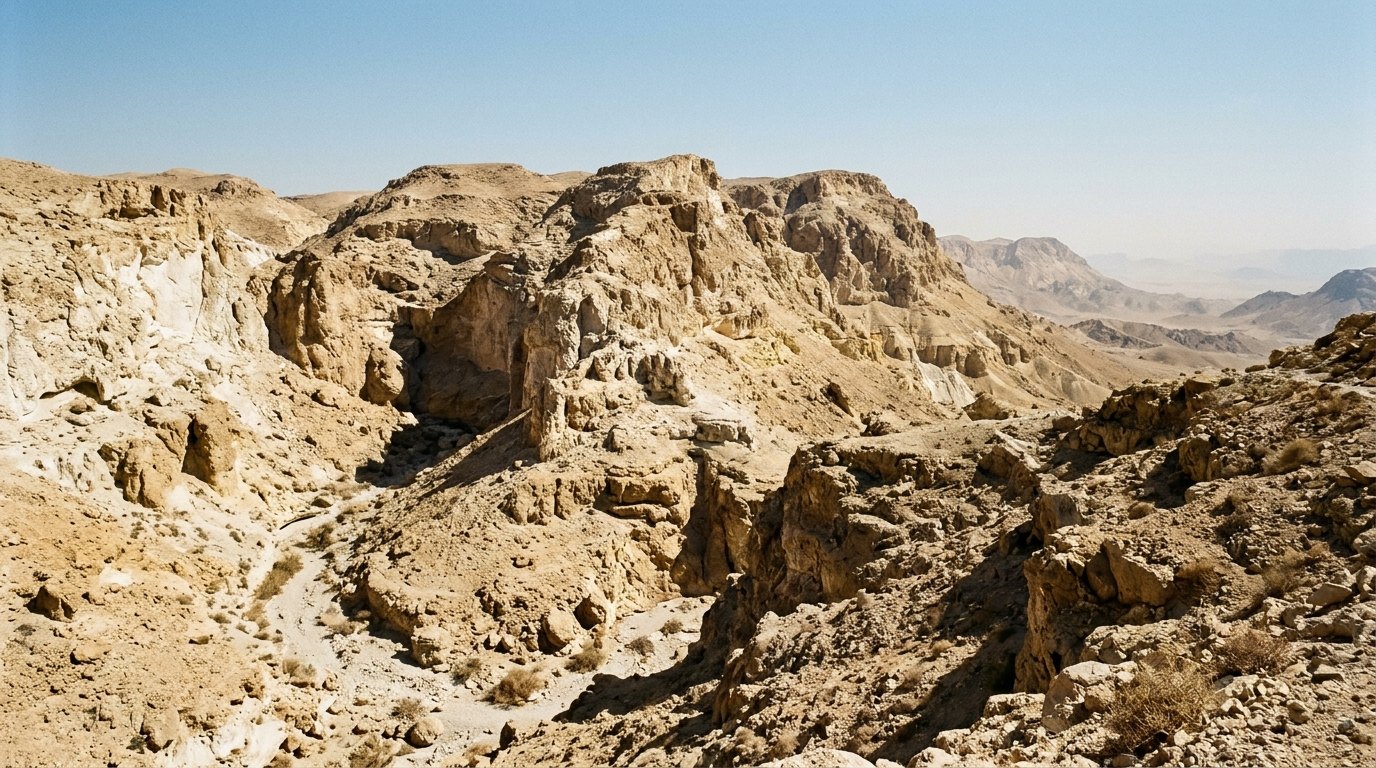
The LORD your God will raise up for you a prophet like me from among you, from your fellow Israelites. You must listen to him.
Deuteronomy 18:15 (NIV)
Moses identifies a future Prophet from within Israel whom God will raise up and whom everyone must heed.
Israel's institutions and historical trials were designed as types pointing forward to the ultimate Redeemer. In Deuteronomy 18:15, Moses promises that the LORD will raise up an authoritative Prophet like himself from among their brothers, to whom everyone must listen—a promise fulfilled in Jesus, who spoke only the Father's words (Deuteronomy 18:18; Acts 3:22-23; John 12:49). The sacrificial economy anticipated His redeeming work. The Passover required an unblemished yearling male whose blood protected Israel from judgment (Exodus 12:5; 1 Corinthians 5:7; 1 Peter 1:19), with the express requirement that not a single bone be broken (Exodus 12:46; John 19:36). In the wilderness, the rock smitten by Moses yielded life-giving streams, prefiguring the spiritual water flowing from Christ (Exodus 17:6; 1 Corinthians 10:4). When judgment struck Israel, Moses hoisted a bronze serpent on a pole, providing life to any dying sinner who looked in faith (Numbers 21:9; John 3:14-15). Balaam's oracle saw a royal star and scepter rising out of Jacob to crush Israel's adversaries (Numbers 24:17; Matthew 2:2; Revelation 22:16). The Levitical ceremonies detailed atonement through innocent blood within the veil (Leviticus 16:15; Leviticus 17:11; Hebrews 9:11-22), the waving of the firstfruits sheaf foreshadowed Christ's rising (Leviticus 23:10; 1 Corinthians 15:20), and the curse of hanging upon a tree anticipated His sin-bearing death (Deuteronomy 21:23; Galatians 3:13).
| Passage | What it says | Fulfilled |
|---|---|---|
| Exodus 12:5 | The Passover lamb must be an unblemished male, sacrificed to avert God's wrath. | 1 Corinthians 5:7, 1 Peter 1:19 |
| Exodus 12:46 | Not one bone of the Passover lamb shall be broken during the sacrifice. | John 19:36 |
| Numbers 21:9 | Moses lifts up a bronze serpent on a pole so all who look live. | John 3:14-15 |
| Numbers 24:17 | A star shall come out of Jacob and a scepter shall rise out of Israel. | Matthew 2:2, Revelation 22:16 |
| Deuteronomy 18:15 | The LORD will raise up a Prophet like Moses from their brothers. | Acts 3:22-23, John 1:45 |
| Deuteronomy 18:18 | God will put His words in the Prophet's mouth, who speaks all He commands. | John 8:28, John 12:49 |
| Deuteronomy 21:23 | Anyone hanged on a tree is cursed by God, bearing covenant guilt. | Galatians 3:13 |
| Exodus 17:6 | The smitten rock in Horeb yields living water to sustain God's people in the wilderness. | 1 Corinthians 10:4 |
| Leviticus 16:15 | The high priest slaughters the sin offering to make atonement within the veil. | Hebrews 9:11-12 |
| Leviticus 17:11 | The blood upon the altar makes atonement for the soul by virtue of the life. | Romans 5:9, Hebrews 9:22 |
| Leviticus 23:10 | The offering of the firstfruits sheaf anticipates the resurrection of Christ. | 1 Corinthians 15:20 |
The Son in Wisdom
The Ineffable Name and His Eternal Son

Who has gone up to heaven and come down? Whose hands have gathered up the wind? Who has wrapped up the waters in a cloak? Who has established all the ends of the earth? What is his name, and what is the name of his son? Surely you know!
Proverbs 30:4 (NIV)
Agur challenges mortal understanding by asking who ascended and descended, demanding to know the Creator's name and His Son's name.
The Wisdom literature of the Old Testament looks beyond mortal experience into the mystery of God's eternal relational life and divine Sonship. In Proverbs 30:4, Agur poses profound rhetorical questions about the Creator: Who has ascended into heaven and descended? Who has gathered the wind in His fists? Agur then presses the ultimate inquiry: What is His name, and what is His Son's name, if you know? The New Testament directly responds: Christ alone descended from heaven and ascended (John 3:13; Ephesians 4:9-10), bearing the Father's eternal name (Revelation 19:12-13). This divine figure appears elsewhere in Wisdom. In Proverbs 8, divine Wisdom speaks as an eternal Person possessing divine attributes: brought forth from everlasting before the foundations of the world were laid (Proverbs 8:22-23; John 1:1-2; Colossians 1:15-17), acting beside the Creator as a master craftsman, rejoicing continually in His presence (Proverbs 8:30; John 1:3; Hebrews 1:2). In the midst of severe physical torment and abandonment, Job affirms his assurance of a personal, divine vindicator: he knows that his living Redeemer lives and will stand at last upon the dust (Job 19:25; John 11:25), assuring him that in resurrected flesh he will see God Himself (Job 19:26; 1 Corinthians 15:53-54; 1 John 3:2).
| Passage | What it says | Fulfilled |
|---|---|---|
| Job 19:25 | Job confesses that his living Redeemer shall stand at last upon the earth. | John 11:25, 1 Thessalonians 4:16 |
| Job 19:26 | After his skin is destroyed, Job expects to see God in his flesh. | 1 Corinthians 15:53-54, 1 John 3:2 |
| Proverbs 8:22 | Wisdom was possessed by the LORD at the beginning before His ancient works. | John 1:1-2, Colossians 1:15-17 |
| Proverbs 8:30 | The master workman was beside Him, daily His delight and rejoicing always. | John 1:3, Hebrews 1:2 |
| Proverbs 30:4 | Agur asks who has ascended or descended, and what is His Son's name. | John 3:13, Ephesians 4:9-10, Revelation 19:12-13 |
| Proverbs 8:23 | Wisdom was set up from everlasting, from the beginning, before ever the earth was. | John 1:1-2 |
The Royal Psalms
The Begotten Son and Eternal Monarch

I will proclaim the LORD’s decree: He said to me, “You are my son; today I have become your father.
Psalms 2:7 (NIV)
God declares the decree of His Sonship, appointing His begotten King over Mount Zion.
The Psalter explicitly introduces God's anointed King as His eternal, divine Son. In Psalms 2:7, God announces the unshakeable royal decree: You are my Son; today I have begotten you. The psalm reveals the rebellious kings raging against the LORD and His Anointed (Psalms 2:2; Acts 4:26-27), concluding with the command to kiss the Son lest He become angry, declaring blessed all who take refuge in Him (Psalms 2:12; John 5:23; Philippians 2:10-11). The New Testament links this begetting directly to Christ's divine dignity and resurrection (Acts 13:33; Hebrews 1:5). David marvels that humanity and the Son of Man are crowned with glory and given dominion over all creation (Psalms 8:4-6; Hebrews 2:6-9). David further rejoices that God will not leave His Holy One in Sheol or let Him see decay (Psalms 16:10; Acts 2:27-31). The royal epithalamium addresses this King as God, possessing an eternal throne and an upright scepter (Psalms 45:6-7; Hebrews 1:8-9). David's royal heir receives worldwide homage and an everlasting name (Psalms 72:11, 17; Psalms 89:27; Psalms 132:11). In Psalms 110:1, David addresses the Messiah as his Lord, seated at God's right hand (Matthew 22:43-45), while the Father swears He is an eternal priest after Melchizedek's order (Psalms 110:4; Hebrews 7:17). The stone discarded by the builders becomes the cornerstone (Psalms 118:22; Matthew 21:42), the King of glory enters the ancient gates (Psalms 24:7), He comes with a prepared body to accomplish God's will (Psalms 40:6-8; Hebrews 10:5-9), and as eternal Creator He outlasts the rolling up of the heavens (Psalms 102:25-27; Hebrews 1:10-12).
| Passage | What it says | Fulfilled |
|---|---|---|
| Psalms 2:2 | The kings of the earth take counsel against the LORD and His Anointed. | Acts 4:26-27 |
| Psalms 2:7 | The decree declares: You are my Son; today I have begotten you. | Matthew 3:17, Acts 13:33, Hebrews 1:5 |
| Psalms 2:12 | Rulers are commanded to kiss the Son lest He be angry and they perish. | John 5:23, Philippians 2:10-11 |
| Psalms 8:4-6 | The Son of Man is crowned with glory and given dominion over all creation. | Hebrews 2:6-9, 1 Corinthians 15:27 |
| Psalms 16:10 | God will not abandon His Holy One to Sheol or let Him see corruption. | Acts 2:27-31, Acts 13:35-37 |
| Psalms 45:6 | The royal throne of God is forever, a scepter of uprightness is His rule. | Hebrews 1:8 |
| Psalms 45:7 | God has anointed Him above His companions with the oil of gladness. | Hebrews 1:9 |
| Psalms 72:11 | All kings shall fall down before Him and all nations shall serve Him. | Revelation 11:15, Revelation 15:4 |
| Psalms 72:17 | His name shall endure forever, and people shall be blessed in Him. | Ephesians 1:3, Philippians 2:9 |
| Psalms 89:27 | God will make Him His firstborn, the highest of the kings of earth. | Colossians 1:18, Revelation 1:5 |
| Psalms 110:1 | The LORD said to David's Lord, Sit at my right hand until enemies bow. | Matthew 22:43-45, Acts 2:34-35, Hebrews 1:13 |
| Psalms 110:4 | The LORD swears that He is a priest forever after Melchizedek's order. | Hebrews 5:6, Hebrews 7:17 |
| Psalms 118:22 | The stone that the builders rejected has become the chief cornerstone. | Matthew 21:42, Acts 4:11, 1 Peter 2:7 |
| Psalms 132:11 | God swore an oath to set one of David's descendants upon his throne. | Luke 1:32-33, Acts 2:30 |
| Psalms 24:7 | The ancient doors lift up their heads for the King of glory to enter in. | Ephesians 4:8-10 |
| Psalms 40:6-8 | The coming One proclaims delight to do God's will with a body prepared for Him. | Hebrews 10:5-9 |
| Psalms 102:25-27 | The foundations of the earth laid of old by the unchangeable Son who remains forever. | Hebrews 1:10-12 |
The Suffering Servant
Pierced Hands, Betrayal, and Scorn in Psalms
My God, my God, why have you forsaken me? Why are you so far from saving me, so far from my cries of anguish?
Psalms 22:1 (NIV)
David records the forsaken cry of the righteous sufferer, previewing the precise physical details of crucifixion.
When David cried out in Psalms 22:1, he spoke words that exceeded his own biographical experience, establishing the prophetic vocabulary for the crucifixion of the Son of God. Christ made this agonizing lamentation His very own upon the cross (Matthew 27:46; Mark 15:34). The psalm details the cruel theater of Golgotha: onlookers scoffing, shooting out lips, and wagging heads (Psalms 22:7; Matthew 27:39-40), sneering that the LORD should deliver the one in whom He delighted (Psalms 22:8; Matthew 27:43). Long before Roman execution was conceived, the psalmist described being encircled by evildoers who pierced His hands and feet (Psalms 22:16; John 20:25; Luke 24:39-40). The soldiers divided His garments and cast lots for His seamless tunic (Psalms 22:18; Matthew 27:35; John 19:23-24), while His strength dried like a potsherd amid intense thirst (Psalms 22:15; John 19:28).
The rest of the Psalter completes this portrait of the righteous Sufferer. In His dying breath, Jesus committed His spirit into the Father's hand (Psalms 31:5; Luke 23:46). Although subjected to violent abuse, not one of His bones was broken (Psalms 34:20; John 19:36). He was hated without a cause (Psalms 35:19; John 15:25), and betrayed by a familiar companion who shared His table (Psalms 41:9; John 13:18), whose abandoned office was later filled by another (Psalms 109:8; Acts 1:20). While consumed with holy zeal for God's house (Psalms 69:9; John 2:17; Romans 15:3), He was offered gall and sour wine for His thirst (Psalms 69:21; Matthew 27:34; John 19:28-29). Amid false accusations, He answered with intercessory prayer for His tormentors (Psalms 109:4; Luke 23:34). Yet suffering gave way to royal triumph when He ascended on high, leading captivity captive (Psalms 68:18; Ephesians 4:8-10).
| Passage | What it says | Fulfilled |
|---|---|---|
| Psalms 22:1 | The righteous sufferer cries out: My God, my God, why have you forsaken me? | Matthew 27:46, Mark 15:34 |
| Psalms 22:7 | All who see Him scoff, shoot out their lips, and shake their heads. | Matthew 27:39-40 |
| Psalms 22:8 | Onlookers mock Him to let the LORD deliver Him since He delights in Him. | Matthew 27:43 |
| Psalms 22:16 | Dogs surround Him, evil doers enclose Him, and they pierce His hands and feet. | John 20:25, Luke 24:39-40 |
| Psalms 22:18 | They divide His garments among them and cast lots for His clothing. | Matthew 27:35, John 19:23-24 |
| Psalms 31:5 | Into your hand I commit my spirit; you have redeemed me, LORD. | Luke 23:46 |
| Psalms 34:20 | The LORD keeps all His bones, and not one of them is broken. | John 19:36 |
| Psalms 35:19 | Those who hate Him without a cause shall not wink their malicious eye. | John 15:25 |
| Psalms 41:9 | A familiar friend who ate His bread has lifted his heel against Him. | John 13:18 |
| Psalms 68:18 | He ascends on high, leads host of captives, and receives gifts among men. | Ephesians 4:8-10 |
| Psalms 69:9 | Zeal for God's house consumes Him, reproaches against God fall upon Him. | John 2:17, Romans 15:3 |
| Psalms 69:21 | They gave poison for His food, and for His thirst they gave Him sour wine. | Matthew 27:34, John 19:28-29 |
| Psalms 109:4 | In return for His love they accuse Him, but He gives Himself to prayer. | Luke 23:34 |
| Psalms 22:15 | His strength dried up like a potsherd and His tongue cleaving to His jaws in thirst. | John 19:28 |
| Psalms 109:8 | The betrayer's office and bishopric prophesied to be taken by another. | Acts 1:20 |
The Evangelical Prophet
The Virgin Birth, Mighty God, and Atonement

For to us a child is born, to us a son is given, and the government will be on his shoulders. And he will be called Wonderful Counselor, Mighty God, Everlasting Father, Prince of Peace.
Isaiah 9:6 (NIV)
A human child born into the world is designated by divine titles including Mighty God and Prince of Peace.
Isaiah's prophecy delivers an astonishing disclosure: a child is born who is simultaneously the Mighty God (Isaiah 9:6; Luke 2:11; Titus 2:13). This divine Son is introduced through the promise of a virgin conceiving Immanuel, God with us (Isaiah 7:14; Matthew 1:22-23; Luke 1:31-34). His public dawn was designated for Galilee of the nations, shining light upon those dwelling in shadow (Isaiah 9:1-2; Matthew 4:13-16; John 8:12). From the severed line of Jesse, a fruitful Branch emerged (Isaiah 11:1; Romans 15:12; Acts 13:22-23), permanently anointed with the sevenfold fullness of the Spirit of the LORD (Isaiah 11:2; Matthew 3:16; John 1:32). God appointed Him as a tested cornerstone for faith, yet a stumbling stone to unbelieving houses (Isaiah 8:14; Isaiah 28:16; Romans 9:32-33; 1 Peter 2:6-8).
As the prophetic herald cleared the desert way (Isaiah 40:3; Matthew 3:1-3; Mark 1:2-3), the Messiah opened His ministry bringing good news to the poor and sight to the blind (Isaiah 35:5-6; Isaiah 61:1; Matthew 11:4-5; Luke 4:18-21). He ministered with profound tenderness, refusing to crush a bruised reed (Isaiah 42:1-3; Matthew 12:17-20), reaching beyond Israel as a light to the nations (Isaiah 49:6; Luke 2:32; Acts 13:47). Yet glory passed through vicarious agony. The Servant surrendered His back to beatings and His face to spitting (Isaiah 50:6; Matthew 26:67; Matthew 27:26), His appearance marred beyond recognition (Isaiah 52:14; Philippians 2:7-8; Mark 15:15-19). Despised and rejected as a man of sorrows (Isaiah 53:3; John 1:11; Luke 17:25), He carried our griefs and sins (Isaiah 53:4, 6; Matthew 8:17; 1 Peter 2:24-25). He was pierced for our transgressions (Isaiah 53:5; Romans 4:25), led silent like a slaughter lamb (Isaiah 53:7; Acts 8:32-35; Matthew 27:12-14), buried in a rich man's tomb (Isaiah 53:9; Matthew 27:57-60), crushed as a guilt offering, and numbered with criminals while interceding for them (Isaiah 53:10, 12; Mark 15:27-28; Luke 22:37; Romans 8:32-34), ultimately swallowing up death forever (Isaiah 25:8; 1 Corinthians 15:54).
| Passage | What it says | Fulfilled |
|---|---|---|
| Isaiah 7:14 | The virgin shall conceive and bear a son, calling His name Immanuel. | Matthew 1:22-23, Luke 1:31-34 |
| Isaiah 9:1 | Galilee of the nations by the way of the sea will see glorious light. | Matthew 4:13-16 |
| Isaiah 9:2 | The people walking in darkness have seen a great and marvelous light. | Matthew 4:16, John 8:12 |
| Isaiah 9:6 | To us a child is born, named Wonderful Counselor, Mighty God, Prince of Peace. | Luke 2:11, Titus 2:13 |
| Isaiah 9:7 | His government and peace will expand without end upon the throne of David. | Luke 1:32-33 |
| Isaiah 11:1 | A shoot shall come forth from the stump of Jesse and branch bear fruit. | Romans 15:12, Acts 13:22-23 |
| Isaiah 11:2 | The Spirit of the LORD, of wisdom and understanding, shall rest upon Him. | Matthew 3:16, John 1:32 |
| Isaiah 28:16 | The Lord GOD lays in Zion a tested cornerstone, a precious foundation. | Romans 9:33, 1 Peter 2:6 |
| Isaiah 40:3 | A voice cries: In the wilderness prepare the way of the LORD. | Matthew 3:1-3, Mark 1:2-3 |
| Isaiah 42:1 | Behold my Servant, whom I uphold; my chosen, in whom my soul delights. | Matthew 12:17-20 |
| Isaiah 49:6 | I make you as a light for the nations, my salvation to earth's ends. | Luke 2:32, Acts 13:47 |
| Isaiah 50:6 | I gave my back to those who strike, not hiding my face from spit. | Matthew 26:67, Matthew 27:26 |
| Isaiah 52:14 | His appearance was so marred, beyond human semblance, and His form disfigured. | Philippians 2:7-8, Mark 15:15-19 |
| Isaiah 53:3 | He was despised and rejected by men, a man of sorrows acquainted with grief. | John 1:11, Luke 17:25 |
| Isaiah 53:4 | Surely He has borne our griefs and carried our sorrows on Himself. | Matthew 8:17, 1 Peter 2:24 |
| Isaiah 53:5 | He was pierced for our transgressions; by His wounds we are healed. | Romans 4:25, 1 Peter 2:24 |
| Isaiah 53:7 | Oppressed and afflicted, like a lamb led to slaughter He opened not His mouth. | Acts 8:32-35, Matthew 27:12-14 |
| Isaiah 53:9 | They made His grave with the wicked and with a rich man in His death. | Matthew 27:57-60 |
| Isaiah 53:12 | He poured out His soul to death, was numbered with transgressors, and interceded. | Mark 15:27-28, Luke 22:37, Romans 8:34 |
| Isaiah 61:1 | The Spirit of the Lord GOD is upon me to preach good news to the poor. | Luke 4:18-21 |
| Isaiah 8:14 | The Lord becomes a stone of stumbling and a rock of offense to both houses of Israel. | Romans 9:32-33, 1 Peter 2:8 |
| Isaiah 25:8 | He will swallow up death in victory and wipe away tears from all faces. | 1 Corinthians 15:54 |
| Isaiah 35:5-6 | The eyes of the blind opened, deaf ears unstopped, and the lame man leaps as a hart. | Matthew 11:4-5 |
| Isaiah 42:3 | A bruised reed He shall not break and smoking flax He shall not quench. | Matthew 12:20 |
| Isaiah 53:6 | All we like sheep have gone astray and the Lord laid on Him the iniquity of us all. | 1 Peter 2:24-25 |
| Isaiah 53:10 | It pleased the Lord to bruise Him when making His soul an offering for sin. | Romans 8:32 |
The Major Prophets
Righteous Branch and Son of Man
“In my vision at night I looked, and there before me was one like a son of man, coming with the clouds of heaven. He approached the Ancient of Days and was led into his presence.
Daniel 7:13 (NIV)
Daniel sees One like a Son of Man approaching the Ancient of Days with clouds of heaven to receive an everlasting kingdom.
The Prophet Daniel beheld heaven opened, seeing One like a Son of Man approaching the Ancient of Days on the clouds of heaven (Daniel 7:13; Matthew 24:30; Revelation 1:13). To this divine-human King was granted an everlasting dominion and kingdom that can never be dismantled (Daniel 2:44; Daniel 7:14; Luke 1:33; Philippians 2:9-11). Daniel was given the exact prophetic chronology for this Messiah: seventy weeks determined to finish transgression, put an end to sins, and make reconciliation for iniquity (Daniel 9:24; Galatians 4:4; Hebrews 9:26). From the royal decree restoring Jerusalem's walls, the timeline counted down to Messiah the Prince, who would be cut off not for Himself prior to the sanctuary's destruction (Daniel 9:25-26; John 1:41; Mark 1:15; Matthew 27:35; 1 Peter 3:18).
Jeremiah and Ezekiel anchor this heavenly Figure firmly to the covenant promises made to David's royal lineage. Jeremiah foretold that the LORD would raise up a righteous Branch to execute justice and wisdom in the land (Jeremiah 23:5; Jeremiah 33:15; Luke 1:32-33). His majestic title reveals His true nature: The LORD Our Righteousness (Jeremiah 23:6; 1 Corinthians 1:30; 2 Corinthians 5:21), the Architect who institutes the new covenant of inward regeneration and total forgiveness (Jeremiah 31:31; Matthew 26:28; Hebrews 8:8-12). Through Ezekiel, God pledged to raise up one singular Shepherd—His servant David—who will feed His gathered flock and rule over them as eternal Prince (Ezekiel 34:23; Ezekiel 37:24; John 10:11-16; Hebrews 13:20). Together, the major prophets present the Messiah as the eternal Son, the royal Branch, and the sovereign Shepherd whose sacrificial death inaugurates an everlasting reign of righteousness.
| Passage | What it says | Fulfilled |
|---|---|---|
| Jeremiah 23:5 | The LORD will raise up for David a righteous Branch who will reign wisely. | Luke 1:32-33 |
| Jeremiah 23:6 | He will be called by this name: The LORD our Righteousness. | 1 Corinthians 1:30, 2 Corinthians 5:21 |
| Jeremiah 31:31 | The LORD will establish a new covenant with the house of Israel. | Matthew 26:28, Hebrews 8:8-12 |
| Ezekiel 34:23 | God will set up over them one shepherd, my servant David, to feed them. | John 10:11, Hebrews 13:20 |
| Ezekiel 37:24 | David my servant shall be king over them, and they shall have one shepherd. | John 10:16, Luke 1:32 |
| Daniel 7:13 | One like a son of man came with the clouds to the Ancient of Days. | Matthew 24:30, Matthew 26:64, Revelation 1:13 |
| Daniel 7:14 | He was given dominion, glory, and an everlasting kingdom that will not pass away. | Luke 1:33, Philippians 2:9-11 |
| Daniel 9:24 | Seventy weeks are decreed to finish transgression, put end to sin, and atone. | Galatians 4:4, Hebrews 9:26 |
| Daniel 9:25 | From the decree to restore Jerusalem until Messiah the Prince shall be specified weeks. | John 1:41, Mark 1:15 |
| Daniel 9:26 | Messiah shall be cut off, but not for Himself, before the city's sanctuary falls. | Matthew 27:35, 1 Peter 3:18 |
| Jeremiah 33:15 | The Branch of righteousness executes judgment and righteousness in the land. | Luke 1:32-33 |
| Daniel 2:44 | The God of heaven sets up a kingdom which shall never be destroyed. | Luke 1:33 |
The Minor Prophets
Bethlehem's Ruler, Pierced Shepherd, and Messenger
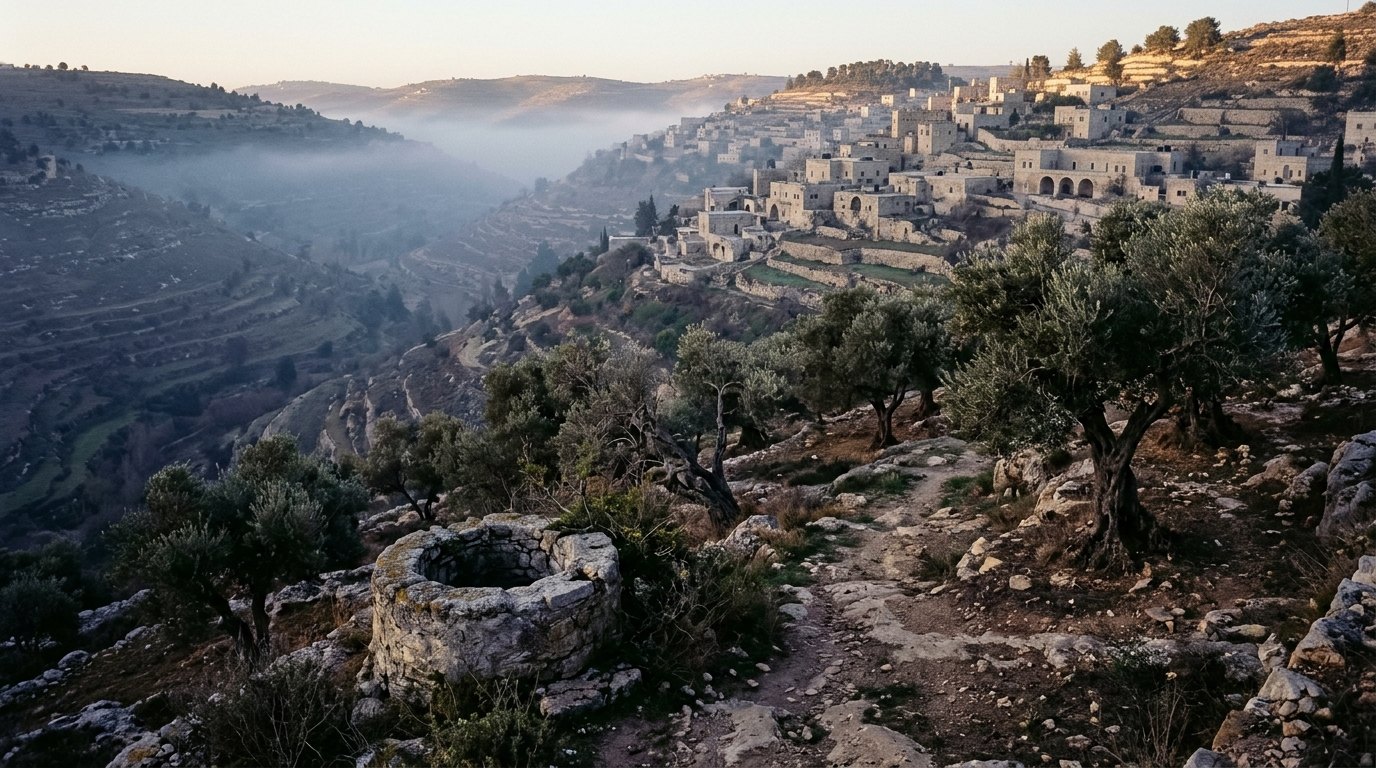
“But you, Bethlehem Ephrathah, though you are small among the clans of Judah, out of you will come for me one who will be ruler over Israel, whose origins are from of old, from ancient times.”
Micah 5:2 (NIV)
The prophet identifies tiny Bethlehem as the birthplace of the eternal ruler whose origins are from ancient days.
Micah revealed that the eternal Sovereign would emerge from humble obscurity: Bethlehem Ephrathah would yield the Ruler whose origins are from ancient days (Micah 5:2; Matthew 2:1-6; John 7:42). The Minor Prophets weave an intricate tapestry of His advent, suffering, and priesthood. Hosea typologically framed God's Son called up out of Egypt (Hosea 11:1; Matthew 2:15), while Jonah's three days and three nights in the belly of the great fish prefigured His burial and bodily resurrection (Jonah 1:17; Matthew 12:40). Haggai promised that the long-expected Desire of all nations would fill the second temple with unmatched glory (Haggai 2:7; Luke 2:27-32; Hebrews 12:26).
Zechariah provides remarkable precision concerning the King's passion and offices. The Messiah enters Jerusalem gentle and riding upon a donkey (Zechariah 9:9; Matthew 21:4-5; John 12:14-15). Yet He is valued at the tragic price of thirty pieces of silver, which was subsequently cast to the potter in the house of the LORD (Zechariah 11:12-13; Matthew 26:15; Matthew 27:7-10). God's own sword awoke against His Companion Shepherd, scattering the flock (Zechariah 13:7; Matthew 26:31; Mark 14:27), causing the inhabitants of Jerusalem to look upon the One whom they have pierced (Zechariah 12:10; John 19:34-37; Revelation 1:7). Zechariah reveals that this royal Branch unites royal rule with an eternal priesthood (Zechariah 6:12-13; Hebrews 6:20; Hebrews 8:1), and His feet will one day stand upon the Mount of Olives (Zechariah 14:4; Acts 1:11-12). Malachi closes the canon by announcing Elijah's messenger clearing the way (Malachi 3:1; Malachi 4:5; Matthew 11:10-14; Mark 1:2), as the Sun of Righteousness rises with healing in His wings (Malachi 4:2; Luke 1:78-79).
| Passage | What it says | Fulfilled |
|---|---|---|
| Hosea 11:1 | When Israel was a child I loved him, and out of Egypt I called my son. | Matthew 2:15 |
| Jonah 1:17 | Jonah was in the belly of the fish three days and three nights. | Matthew 12:40 |
| Micah 5:2 | Bethlehem Ephrathah will yield a ruler whose coming forth is from eternity. | Matthew 2:1-6, John 7:42 |
| Haggai 2:7 | I will shake all nations, and the desire of all nations shall come. | Luke 2:27-32, Hebrews 12:26 |
| Zechariah 9:9 | Your king comes to you, righteous and having salvation, humble upon a donkey. | Matthew 21:4-5, John 12:14-15 |
| Zechariah 11:12 | They weighed out as my price thirty pieces of silver. | Matthew 26:15, Matthew 27:9-10 |
| Zechariah 11:13 | The LORD said, Throw it to the potter—the magnificent price at which I was valued. | Matthew 27:7-10 |
| Zechariah 12:10 | They will look on me whom they have pierced, and mourn as for an only son. | John 19:34-37, Revelation 1:7 |
| Zechariah 13:7 | Awake, O sword, against my Shepherd, against the man who stands next to me. | Matthew 26:31, Mark 14:27 |
| Malachi 3:1 | The Lord whom you seek will suddenly come to His temple; the messenger prepares. | Matthew 11:10, Mark 1:2, John 2:13-16 |
| Malachi 4:2 | For you who fear my name, the sun of righteousness shall rise with healing. | Luke 1:78-79 |
| Malachi 4:5 | Behold, I will send you Elijah the prophet before the great day of the LORD. | Matthew 11:14, Matthew 17:11-13 |
| Zechariah 6:12-13 | The man named the Branch shall build the temple and sit as priest upon His throne. | Hebrews 6:20, Hebrews 8:1 |
| Zechariah 14:4 | His feet shall stand in that day upon the Mount of Olives before Jerusalem. | Acts 1:11-12 |
Where in the Bible
| Book | Passages |
|---|---|
| Genesis | 11 · Genesis 3:15, Genesis 12:3, Genesis 17:7, Genesis 22:18, Genesis 26:4, Genesis 28:14, Genesis 49:10, Genesis 5:24, Genesis 14:18, Genesis 21:12, Genesis 22:8 |
| Exodus | 3 · Exodus 12:5, Exodus 12:46, Exodus 17:6 |
| Leviticus | 3 · Leviticus 16:15, Leviticus 17:11, Leviticus 23:10 |
| Numbers | 2 · Numbers 21:9, Numbers 24:17 |
| Deuteronomy | 3 · Deuteronomy 18:15, Deuteronomy 18:18, Deuteronomy 21:23 |
| Job | 2 · Job 19:25, Job 19:26 |
| Psalms | 32 · Psalms 2:2, Psalms 2:7, Psalms 2:12, Psalms 8:4-6, Psalms 16:10, Psalms 45:6, Psalms 45:7, Psalms 72:11, Psalms 72:17, Psalms 89:27, Psalms 110:1, Psalms 110:4, Psalms 118:22, Psalms 132:11, Psalms 24:7, Psalms 40:6-8, Psalms 102:25-27, Psalms 22:1, Psalms 22:7, Psalms 22:8, Psalms 22:16, Psalms 22:18, Psalms 31:5, Psalms 34:20, Psalms 35:19, Psalms 41:9, Psalms 68:18, Psalms 69:9, Psalms 69:21, Psalms 109:4, Psalms 22:15, Psalms 109:8 |
| Proverbs | 4 · Proverbs 8:22, Proverbs 8:30, Proverbs 30:4, Proverbs 8:23 |
| Isaiah | 26 · Isaiah 7:14, Isaiah 9:1, Isaiah 9:2, Isaiah 9:6, Isaiah 9:7, Isaiah 11:1, Isaiah 11:2, Isaiah 28:16, Isaiah 40:3, Isaiah 42:1, Isaiah 49:6, Isaiah 50:6, Isaiah 52:14, Isaiah 53:3, Isaiah 53:4, Isaiah 53:5, Isaiah 53:7, Isaiah 53:9, Isaiah 53:12, Isaiah 61:1, Isaiah 8:14, Isaiah 25:8, Isaiah 35:5-6, Isaiah 42:3, Isaiah 53:6, Isaiah 53:10 |
| Jeremiah | 4 · Jeremiah 23:5, Jeremiah 23:6, Jeremiah 31:31, Jeremiah 33:15 |
| Ezekiel | 2 · Ezekiel 34:23, Ezekiel 37:24 |
| Daniel | 6 · Daniel 7:13, Daniel 7:14, Daniel 9:24, Daniel 9:25, Daniel 9:26, Daniel 2:44 |
| Hosea | 1 · Hosea 11:1 |
| Jonah | 1 · Jonah 1:17 |
| Micah | 1 · Micah 5:2 |
| Haggai | 1 · Haggai 2:7 |
| Zechariah | 7 · Zechariah 9:9, Zechariah 11:12, Zechariah 11:13, Zechariah 12:10, Zechariah 13:7, Zechariah 6:12-13, Zechariah 14:4 |
| Malachi | 3 · Malachi 3:1, Malachi 4:2, Malachi 4:5 |
The story in order
- The Seed of the Woman (c. 4000 BC) · Genesis 3:15 · God's first promise of a redeemer who would crush the serpent.
- Abraham's Seed of Blessing (c. 2000 BC) · Genesis 12:3 · Promise of worldwide blessing through Abraham's descendants.
- Melchizedek's Priesthood (c. 2000 BC) · Genesis 14:18 · A priest-king offers bread and wine, foreshadowing Christ's ministry.
- The Passover Lamb (c. 1445 BC) · Exodus 12:5 · Unblemished lamb sacrificed to avert God's wrath, pointing to Christ.
- The Smitten Rock (c. 1445 BC) · Exodus 17:6 · Water from the rock sustains Israel, symbolizing Christ's life-giving provision.
- The Prophet Like Moses (c. 1405 BC) · Deuteronomy 18:15 · Promise of a future prophet who will speak God's words.
- Job's Redeemer (c. 1500 BC) · Job 19:25 · Confession of a living Redeemer who will stand on earth.
- Wisdom's Eternal Existence (c. 950 BC) · Proverbs 8:23 · Wisdom, identified with God's Son, existed before creation.
- The Son Begotten (c. 1000 BC) · Psalms 2:7 · God declares His Son, the Anointed King, to be His own.
- The Suffering Servant (c. 700 BC) · Isaiah 53:5 · Prophecy of the Servant pierced for transgressions and bearing iniquity.
- Immanuel, God With Us (c. 734 BC) · Isaiah 7:14 · Prophecy of a virgin birth, with a son named Immanuel.
- The Righteous Branch (c. 600 BC) · Jeremiah 23:5 · Promise of a descendant of David who will reign righteously.
- Son of Man's Kingdom (c. 550 BC) · Daniel 7:13-14 · Vision of a Son of Man receiving everlasting dominion.
- Messiah Cut Off (c. 535 BC) · Daniel 9:26 · Prophecy of Messiah being killed but not for Himself.
Shadows and Fulfillments
| Old Testament Type | New Testament Fulfillment | Significance | Passage |
|---|---|---|---|
| Passover Lamb (Exodus 12:5) | Jesus, the Lamb of God (John 1:29) | Sacrificed to avert wrath and provide atonement. | Exodus 12:5 |
| Bronze Serpent (Numbers 21:9) | Jesus lifted up (John 3:14) | Looking to Him brings life from spiritual death. | Numbers 21:9 |
| Firstfruits Sheaf (Leviticus 23:10) | Jesus' resurrection (1 Corinthians 15:20) | Anticipates the resurrection of believers. | Leviticus 23:10 |
| Melchizedek's Priesthood (Genesis 14:18) | Jesus' eternal priesthood (Hebrews 7:11-17) | A priest-king offering bread and wine. | Genesis 14:18 |
| The Stone rejected by builders (Psalms 118:22) | Jesus, the cornerstone (Matthew 21:42) | Foundation of God's building, rejected by men. | Psalms 118:22 |
Promises of the Son
| Promise | Fulfillment | Description | Passage |
|---|---|---|---|
| Seed of the woman crushes serpent (Genesis 3:15) | Jesus crushes Satan's head (Hebrews 2:14) | The ultimate victory over evil. | Genesis 3:15 |
| Ruler from Judah's line (Genesis 49:10) | Jesus, King of Israel (Matthew 2:2) | The scepter remains until Shiloh comes. | Genesis 49:10 |
| A Prophet like Moses (Deuteronomy 18:15) | Jesus, the Prophet (Acts 3:22) | God speaks through Him. | Deuteronomy 18:15 |
| Son of Man receives dominion (Daniel 7:13-14) | Jesus' eternal kingdom (Matthew 28:18) | Everlasting rule and glory. | Daniel 7:13 |
| Messiah the Prince (Daniel 9:25) | Jesus, the Messiah (Luke 2:11) | His coming initiates the fulfillment of prophecy. | Daniel 9:25 |
| Ruler from Bethlehem (Micah 5:2) | Jesus born in Bethlehem (Matthew 2:1) | Eternal origins, earthly birth. | Micah 5:2 |
The Son's Identity and Work
| Title/Attribute | Description | Passage | Passage |
|---|---|---|---|
| God's Son | Declared to be God's Son, begotten by Him. | Psalms 2:7 | Psalms 2:7 |
| Son of Man | Receives dominion and an everlasting kingdom. | Daniel 7:13-14 | Daniel 7:13 |
| Mighty God | A child born who is called Mighty God. | Isaiah 9:6 | Isaiah 9:6 |
| Prince of Peace | His government brings everlasting peace. | Isaiah 9:6 | Isaiah 9:6 |
| Suffering Servant | Pierced for transgressions, bearing iniquity. | Isaiah 53:5 | Isaiah 53:5 |
| The LORD our Righteousness | The Branch who executes righteousness. | Jeremiah 23:6 | Jeremiah 23:6 |
Key words
- Son (ben (Hebrew))
- Refers to the unique, divine Son of God, foretold in prophecy. · Genesis 3:15
- Seed (zera (Hebrew))
- Descendants, particularly the promised line through whom blessing comes. · Genesis 3:15
- Anointed (mashiach (Hebrew))
- One set apart and empowered by God for a special task (Messiah). · Psalms 2:2
- Redeemer (go'el (Hebrew))
- One who buys back or delivers from bondage or ruin. · Job 19:25
- Branch (zemach (Hebrew))
- A shoot from a royal line, signifying a future king and ruler. · Jeremiah 23:5
- Servant (eved (Hebrew))
- God's chosen servant who suffers for the sins of His people. · Isaiah 42:1
- Messiah (Mashiach (Hebrew))
- The Anointed One, the foretold King and Savior. · Daniel 9:25
These prophetic witnesses demonstrate that Jesus did not emerge unannounced, but arrived in precise fulfilment of centuries of divine revelation. To confess Jesus as the Son of God is to stand on the unbroken testimony of the entire canon of Scripture. Resting in this truth gives the believer unwavering confidence in God's faithfulness and the eternal lordship of His Son.
112 passages, each cited once.
Scripture cited
- Psalms 2:7-12
- 2 Samuel 7:12-16
- Isaiah 9:6-7
- Hebrews 1:1-8
- Proverbs 30:4
- Micah 5:2
- Isaiah 7:14
- Matthew 1:21-23
- Luke 1:30-35
- John 20:30-31