Is religion the cause of most wars?
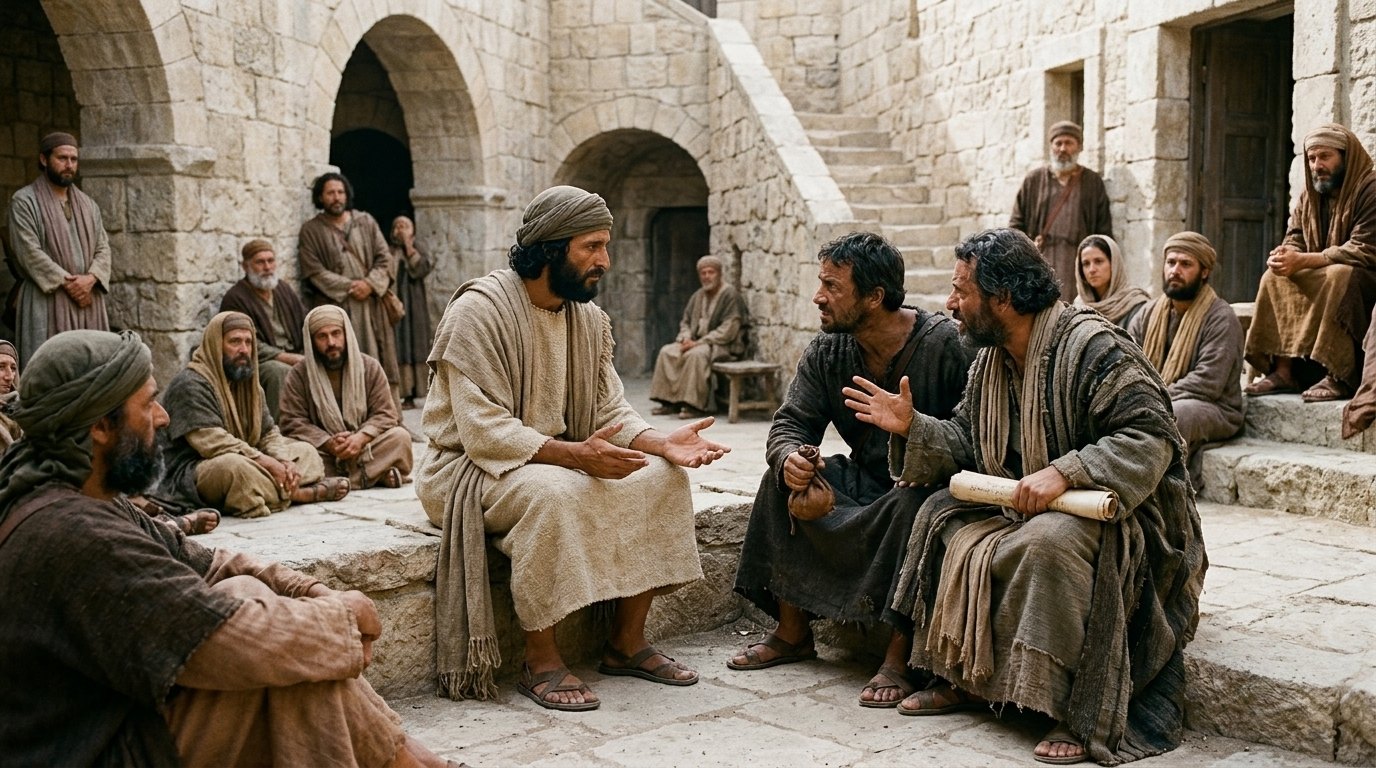
James 4:1-2
1 What causes fights and quarrels among you? Don’t they come from your desires that battle within you?
2 You desire but do not have, so you kill. You covet but you cannot get what you want, so you quarrel and fight. You do not have because you do not ask God.
New International Version (NIV)
The answer
No—religion has motivated some wars, but neither the historical record nor Scripture supports the claim that it causes most wars. History shows that wars commonly have mixed political, territorial, economic, ethnic and ideological causes. Scripture goes deeper still, tracing violence to sinful desires within the human heart.
What the historical record shows
Phillips and Axelrod’s three-volume Encyclopedia of Wars catalogues 1,763 wars. Historian Andrew Holt counted 121 entries under its “religious wars” index; because one entry covers two wars, his revised figure is 122 wars, or 6.9% of the total.
That number needs careful handling. Holt notes that the classification appears in the index rather than in a developed causal argument, and an index cannot capture every mixture of motives within a conflict. It therefore should not be treated as an exact measurement of religion’s influence. Nevertheless, it provides substantial evidence against the sweeping assertion that religion caused most wars.
Religion has sometimes been a genuine motive and sometimes a pretext for violence. People have also committed evil while invoking Christ’s name. That hypocrisy must be condemned, not defended, but it does not make Christian teaching the source of their violence.
Where Scripture locates the root
James 4:1 asks, “Where do wars and fightings among you come from? Don’t they come from your pleasures that war in your members?” James 4:2 then names lust, coveting, murder and fighting, exposing the envy and frustrated desires behind the conflict.
James is addressing quarrels among his readers, not compiling a statistical account of international warfare. Yet his diagnosis reaches the moral root that can operate in an individual, a mob or a government. First Peter 2:11 likewise warns against “fleshly lusts, which war against the soul.” Land, power, wealth, nationalism, ideology or religion may supply the immediate occasion, but sinful desire turns people toward coveting, hatred and domination.
How Christians must respond
Christians are not permitted to answer hatred with hatred. Romans 12:18 commands, “If it is possible, as much as it is up to you, be at peace with all men,” and Romans 12:21 adds, “Don’t be overcome by evil, but overcome evil with good.”
This diagnosis also removes self-righteousness. Romans 5:8 teaches that Christ died for sinners while they were still sinners. First John 3:14-15 makes love the mark of those who have passed from death to life and exposes hatred as belonging to murder. Every person therefore needs repentance, forgiveness and new life in Christ—not merely a different group to blame.
Answered from Scripture · reviewed November 12, 2026
The popular claim that religion causes most wars collapses under both historical documentation and the testimony of Scripture. Historical surveys show that purely religious conflicts account for a small fraction of human warfare, which is overwhelmingly driven by territorial, political, and material ambitions. Scripture penetrates beneath surface pretexts to reveal the true fountainhead of all human violence: the covetous passions and rebellion of the fallen human heart.
The True Root
Conflict originates in the unchecked desires of the fallen heart.
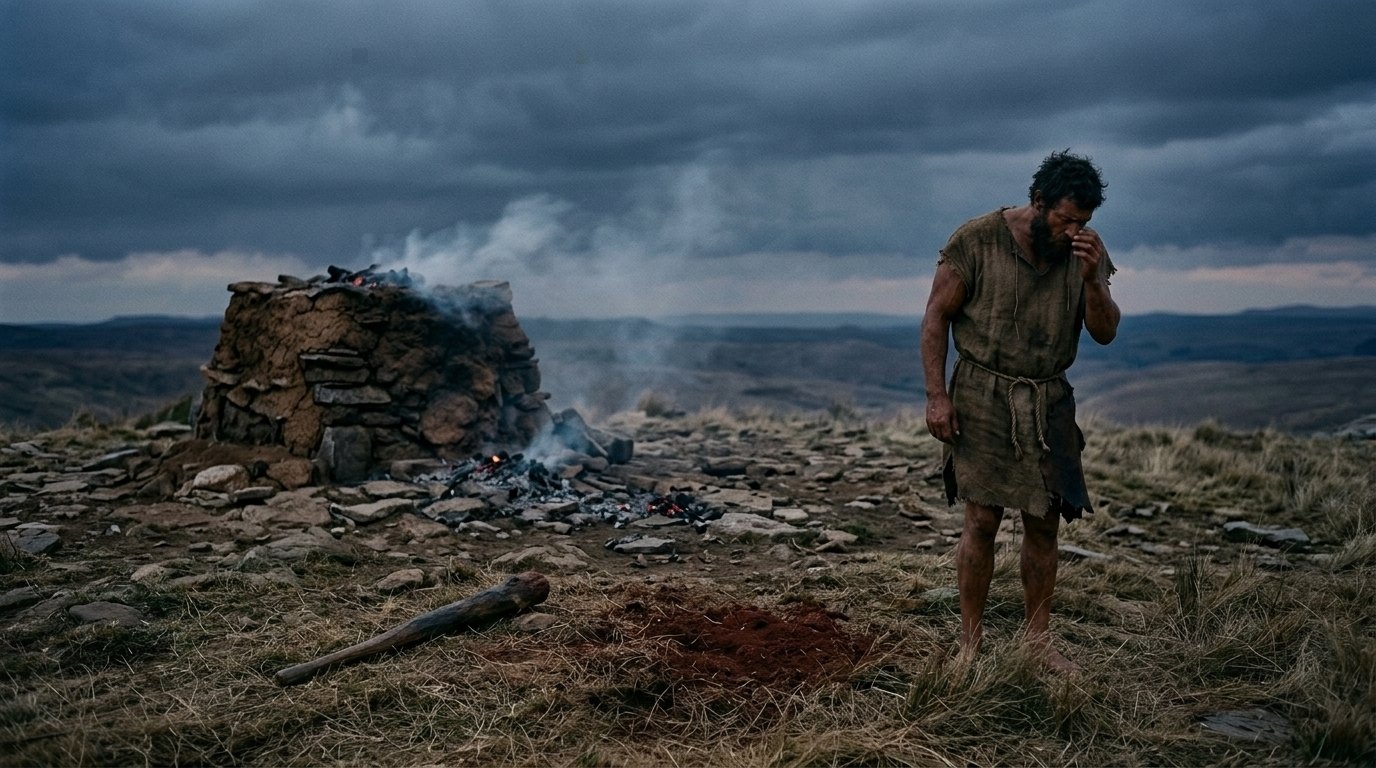
What causes fights and quarrels among you? Don’t they come from your desires that battle within you?
James 4:1 (NIV)
It directly identifies inward, warring passions rather than outward religious systems as the primary source of fighting.
In James 4:1, Scripture cuts beneath the surface explanations of history to diagnose the primal root of battle: wars and fightings arise directly from the warring passions within the fallen human heart. The apostle continues in James 4:2 to show that murder, coveting, and combat are the bitter harvest of frustrated desires, where men lust for what they cannot obtain and fight to seize it. James 1:14 reinforces this reality by explaining that temptation is never an external accident; every person is drawn away and enticed by their own selfish appetites.
Jesus Christ confirmed this diagnosis in Mark 7:21-23, declaring that out of the human heart proceed murders, wickedness, deceit, and pride. The very first recorded homicide illustrates this truth: in Genesis 4:5-8, Cain murdered his brother Abel not because of a theological dispute, but out of smoldering personal envy, wounded pride, and an unrepentant rebellion against God. The prophet Jeremiah laid bare this universal condition in Jeremiah 17:9, warning that the heart is deceitful above all things and desperately sick. This incurable corruption manifests in arrogance, as Proverbs 13:10 teaches that pride alone breeds endless strife, while Proverbs 28:25 notes that a greedy soul stirs up violent contention for personal gain. Titus 3:3 describes the natural state of fallen humanity apart from grace as being foolish, enslaved to diverse passions, and living in malice and mutual hatred. The true fountain of warfare is not religious doctrine, but the covetousness of unregenerate human hearts.
| Passage | What it says |
|---|---|
| James 4:1 | Asks where wars and fightings come from, identifying the answer as warring passions within. |
| James 4:2 | Connects lust, coveting, fighting, and murder directly to frustrated selfish desires. |
| James 1:14 | Explains that each person is tempted when drawn away and enticed by their own desires. |
| Mark 7:21-23 | States that murders, wickedness, deceit, and pride proceed out of the human heart. |
| Genesis 4:5-8 | Cain murders Abel out of envy and anger, demonstrating that violent conflict stems from inner sinful rebellion rather than religion itself. |
| Jeremiah 17:9 | The human heart is deceitful above all things and desperately sick, serving as the hidden spring of deceit and violence. |
| Proverbs 13:10 | Pride breeds quarrels and strife, revealing that arrogant self-assertion is the root cause of human conflict. |
| Proverbs 28:25 | A greedy person stirs up conflict, showing that the pursuit of material gain and dominance drives contention. |
| Titus 3:3 | Unregenerate humanity lives in malice and envy, mutually hating one another because of foolishness and enslavement to diverse passions. |
Internal Warfare
Fleshly lusts wage war within the human soul.
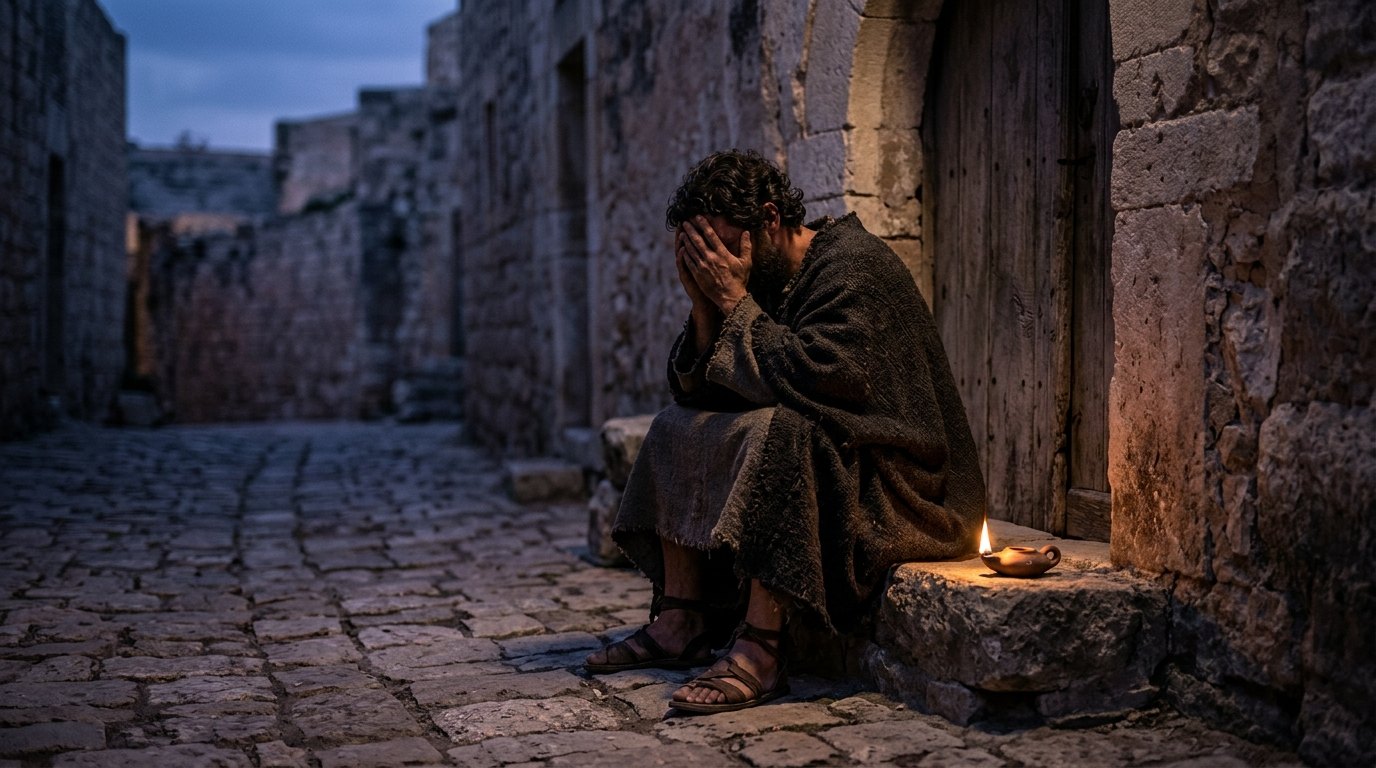
Dear friends, I urge you, as foreigners and exiles, to abstain from sinful desires, which wage war against your soul.
1 Peter 2:11 (NIV)
It reveals that the foundational battleground of violence begins as an internal war against the soul.
The outward collisions of armies and nations are merely the visible spillover of an interior civil war. In 1 Peter 2:11, the apostle charges believers as strangers and pilgrims to abstain from fleshly lusts which war against the human soul, pinpointing the primary theatre of conflict inside the unregenerate self. Before a sword is drawn or a city besieged, lusts mobilize within the appetites to rebel against God's holy design and tear down spiritual life.
The Apostle Paul charts this inward tumult with piercing accuracy. In Galatians 5:17, he exposes the ceaseless warfare between the flesh and the Holy Spirit, opposing forces whose irreconcilable friction prevents natural men from walking in righteousness. Describing the tragic bondage of the fallen nature, Romans 7:23 speaks of an unrelenting law of sin waging war against the mind, taking the individual captive to transgressions they cannot master. This inner conflict is not neutral moral weakness; Romans 8:7 declares plainly that the carnal mind is actual enmity against God, refusing submission to His divine law and incapable of doing so. Because the fallen heart exists in an active posture of rebellion against its Creator, it naturally turns its inherent hostility outward upon fellow image-bearers. Worldly conflicts are the outward manifestation of uncurbed internal lusts that have never been surrendered to the peace of Christ.
| Passage | What it says |
|---|---|
| 1 Peter 2:11 | Exhorts believers as strangers and pilgrims to abstain from fleshly lusts warring against the soul. |
| Galatians 5:17 | Describes the persistent moral conflict between the flesh and the Spirit within humanity. |
| Romans 7:23 | Identifies the principle of sin warring against the mind and holding people captive. |
| Romans 8:7 | Affirms that the fallen, carnal mind is inherently hostile and at enmity against God. |
The Way of Peace
Christians are called to renounce retaliation and overcome evil.
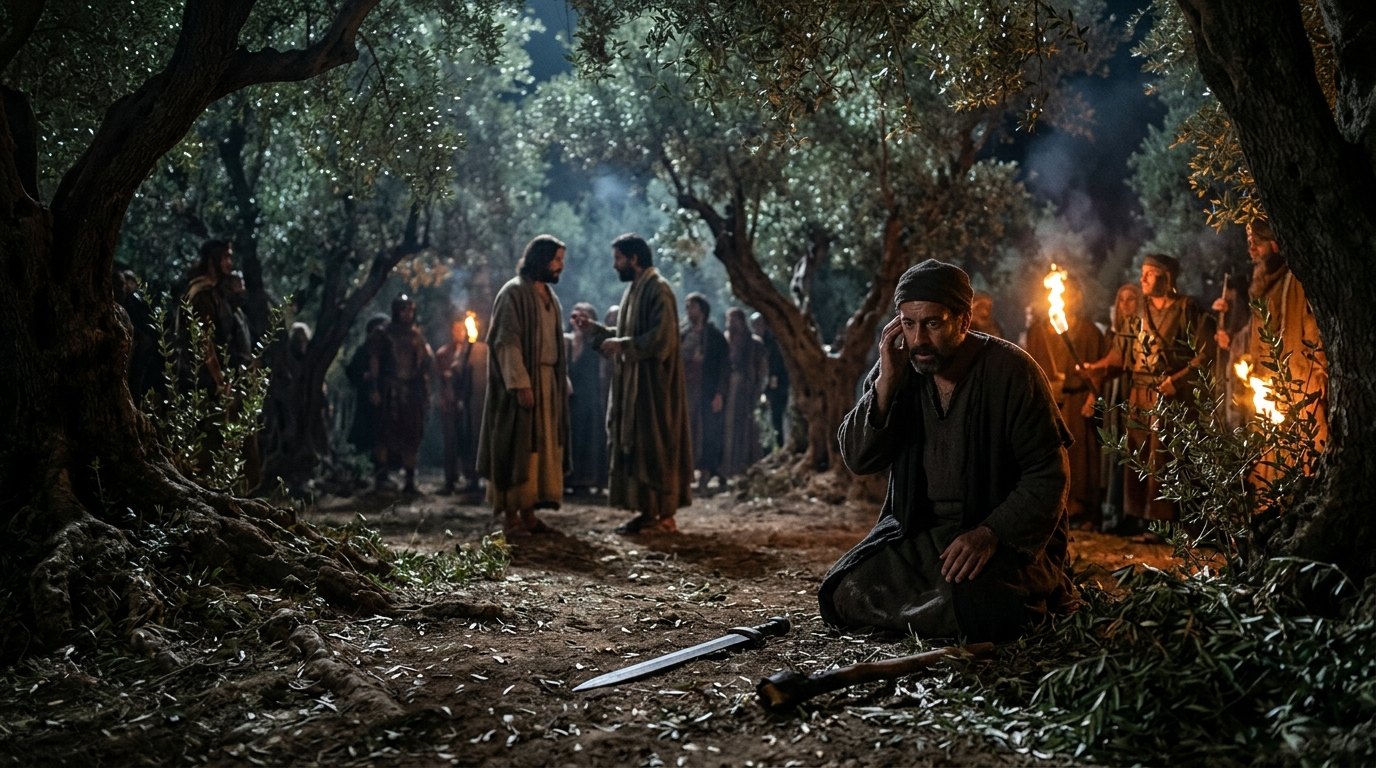
If it is possible, as far as it depends on you, live at peace with everyone.
Romans 12:18 (NIV)
It sets the standard for Christian conduct toward all humanity, demanding active pursuit of peace.
In Romans 12:18, the Apostle Paul commands believers to live peaceably with all men as much as lies within their power, repudiating the violence that defines worldly dominion. Far from inciting warfare, authentic Christian faith requires self-denial and the overcoming of malice; Romans 12:21 instructs the church not to be overcome by evil, but to conquer evil with good. John states with absolute clarity in 1 John 3:14-15 that anyone who hates a brother is spiritually dead and a murderer at heart, standing in utter opposition to eternal life.
This call to peace is anchored directly in the cross. Romans 5:8 reveals that God demonstrated His supreme love toward us in that while we were still rebellious sinners, Christ died for our redemption. In the Sermon on the Mount, Jesus pronounced in Matthew 5:9 that peacemakers shall be called the children of God, and in Matthew 5:44 He laid down the radical command to love our enemies and pray for those who persecute us. When human impulse reached for physical force, Matthew 26:52 records Christ rebuking Peter's blade, warning that those who take up the sword will perish by the sword. The weapons of the Christian struggle, as Paul writes in 2 Corinthians 10:3-4, are never carnal or violent, but spiritual and mighty through God to demolish deceit. James 3:17-18 confirms that wisdom from above is pure, peaceable, gentle, and yielding a righteous harvest sown in peace.
| Passage | What it says |
|---|---|
| Romans 12:18 | Commands believers to live peaceably with all people as far as it depends on them. |
| Romans 12:21 | Instructs Christians not to be overcome by evil, but to actively overcome evil with good. |
| 1 John 3:14-15 | Declares that whoever hates a brother is a murderer and abides in spiritual death. |
| Romans 5:8 | Demonstrates God's supreme love in sending Christ to die for sinners while still rebellious. |
| Matthew 5:9 | Jesus blesses peacemakers, declaring that they will be called children of God. |
| Matthew 5:44 | Christ commands His followers to love their enemies and pray for those who persecute them. |
| Matthew 26:52 | Jesus rebukes the sword, warning that those who draw the sword will die by the sword. |
| 2 Corinthians 10:3-4 | The Christian's warfare is not waged with carnal weapons or physical violence, but through spiritual truth. |
| James 3:17-18 | Wisdom from above is peaceable and yields a harvest of righteousness sown in peace by peacemakers. |
Religious Hypocrisy
Men disguise self-serving conquest beneath pious facades
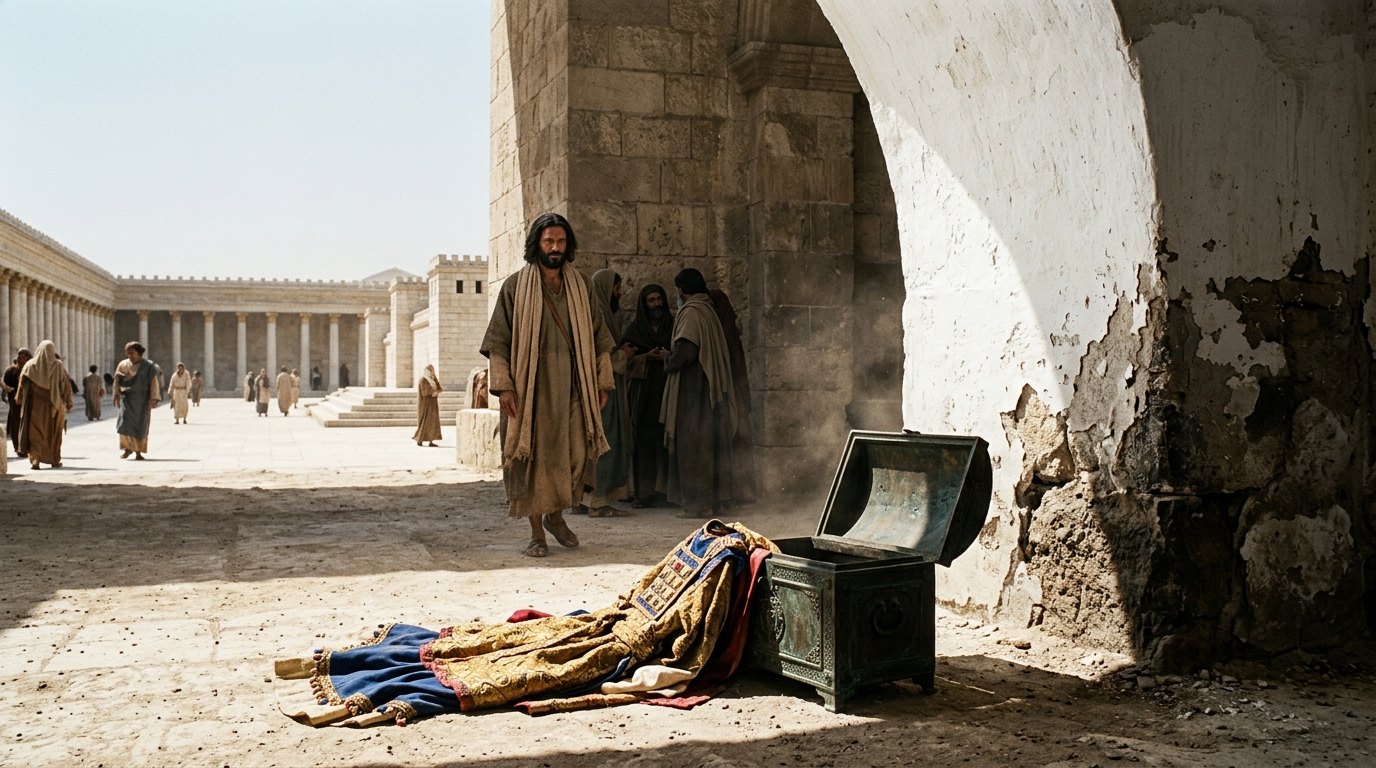
“Woe to you, teachers of the law and Pharisees, you hypocrites! You are like whitewashed tombs, which look beautiful on the outside but on the inside are full of the bones of the dead and everything unclean. In the same way, on the outside you appear to people as righteous but on the inside you are full of hypocrisy and wickedness.
Matthew 23:27-28 (NIV)
It shows that outward religious observance often masks inward lawlessness, greed, and violent intent.
Throughout human history, political conquerors and ruthless leaders have frequently seized upon pious language to sanitize their rapacious desires. In Matthew 23:27-28, the Lord Jesus exposed this deceit, warning that religious facades often mask inward lawlessness and predatory corruption, comparing religious pretenders to whitewashed tombs that appear beautiful outward but inside are filled with dead men's bones and uncleanness. Outward forms of piety have regularly served as a convenient cloak for territorial theft, political supremacy, and personal vengeance.
The Apostle Paul warned in 2 Timothy 3:5 of men having a form of godliness while denying its power, utilizing religious trappings to hide covetousness, malice, and cruelty. In John 16:2, Jesus warned His disciples that the darkest hypocrisies would emerge when violent persecutors murdered the righteous while claiming to offer sacred service to God. The world measures motives by outward rhetoric, banners, and proclamations, but God evaluates reality; 1 Samuel 16:7 reminds us that while man looks on the outward appearance, the Lord looks straight at the heart. When military despots wrap political aggression in the language of faith, Scripture does not validate their claims; it exposes their hollow pretense as lawless rebellion against God.
| Passage | What it says |
|---|---|
| Matthew 23:27-28 | Hypocrites use outward religious appearances to conceal lawlessness and corruption inside. |
| 2 Timothy 3:5 | People hold an external appearance of godliness while denying its power, masking selfish cruelty under religious pretension. |
| John 16:2 | Persecutors mistakenly believe that killing God's true servants is an act of service to God. |
| 1 Samuel 16:7 | Humans look on external displays and outward justifications, but the Lord evaluates the reality of the inner heart. |
The Prince of Peace
Christ alone establishes universal and everlasting peace
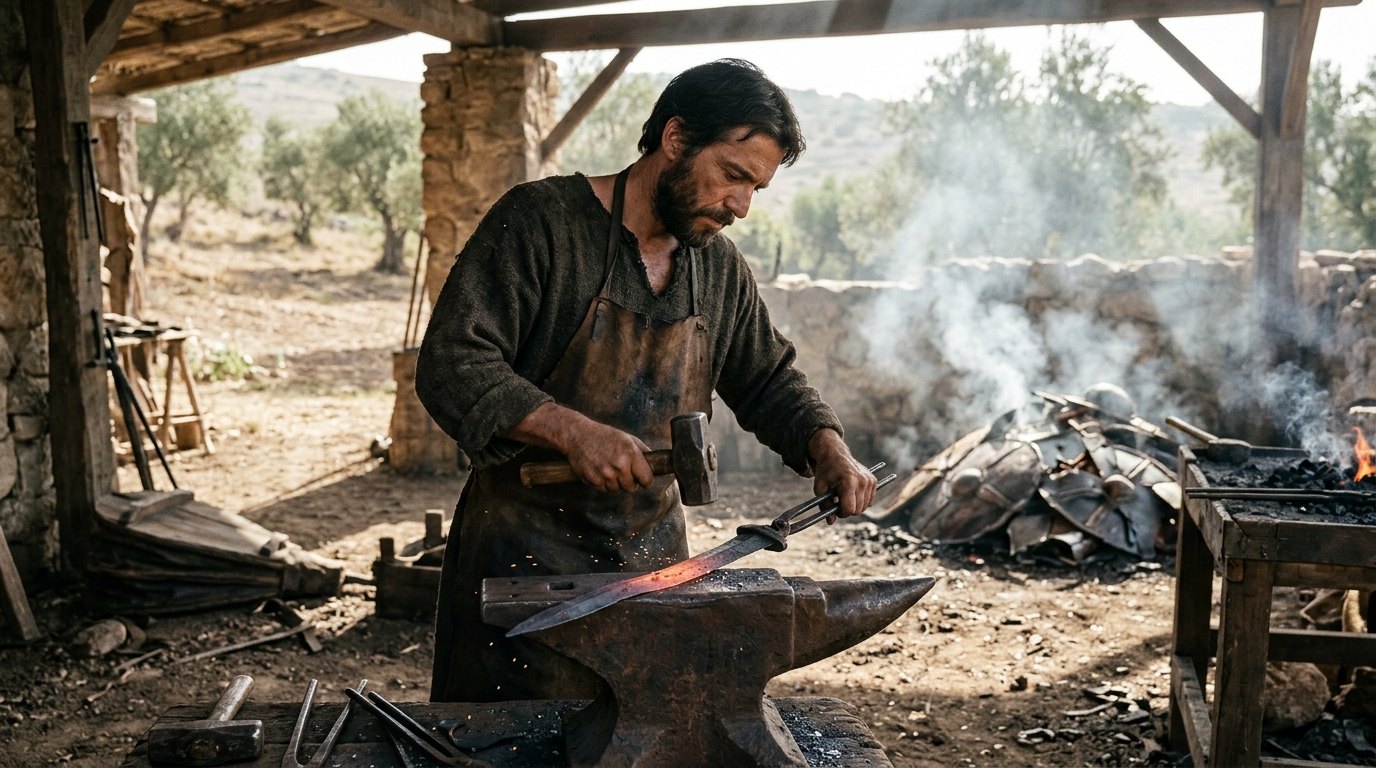
He will judge between the nations and will settle disputes for many peoples. They will beat their swords into plowshares and their spears into pruning hooks. Nation will not take up sword against nation, nor will they train for war anymore.
Isaiah 2:4 (NIV)
It reveals that genuine global peace and the cessation of all human warfare come only through the Lord's righteous rule.
In Isaiah 2:4, Scripture discloses the true and only path to ending human strife: genuine global peace arrives only through the righteous reign of Jesus Christ. Humanity repeatedly seeks diplomatic accords and political treaties to quell bloodshed, yet lasting peace remains unreachable apart from the Prince of Peace. Isaiah prophesies that under God's supreme arbitration, nations will beat their swords into plowshares and their spears into pruning hooks, neither learning war anymore. This decisive triumph over conflict rests entirely in the sovereign hand of God. In Psalm 46:9, the psalmist testifies that it is the Lord who makes wars cease to the end of the earth, breaking the bow, shattering the spear, and burning the chariots in fire. The underlying cure for war is not human political engineering but the divine transformation inaugurated by the Messiah. Isaiah 9:6-7 heralds the birth of the wonderful Counselor, mighty God, and Prince of Peace, promising that of the increase of His government and peace there will be no end. While human rulers leverage violence to serve selfish ambition, the Lord Jesus exercises perfect justice. When Christ returns, as portrayed in Revelation 19:11, He comes as the Faithful and True, judging and waging war solely in righteousness to extinguish all wickedness and rebellion forever. Finally, Revelation 21:4 pictures the culmination of His redemptive work, where God wipes away every tear, abolishing death, sorrow, pain, and the tragic violence of a fallen world for all eternity.
| Passage | What it says |
|---|---|
| Isaiah 2:4 | The Lord judges the nations and brings an end to war, beating swords into plowshares. |
| Psalms 46:9 | God makes wars to cease across the whole earth, shattering the bow and burning chariots with fire. |
| Isaiah 9:6-7 | The Messiah is named the Prince of Peace, establishing an endless kingdom of righteous justice and peace. |
| Revelation 19:11 | Christ returns as the faithful and true warrior who judges and makes war in perfect divine righteousness. |
| Revelation 21:4 | God wipes away all tears, ending death, mourning, crying, and the violence of the fallen age forever. |
Where in the Bible
| Book | Passages |
|---|---|
| Genesis | 1 · Genesis 4:5-8 |
| 1 Samuel | 1 · 1 Samuel 16:7 |
| Psalms | 1 · Psalms 46:9 |
| Proverbs | 2 · Proverbs 13:10, Proverbs 28:25 |
| Isaiah | 2 · Isaiah 2:4, Isaiah 9:6-7 |
| Jeremiah | 1 · Jeremiah 17:9 |
| Matthew | 4 · Matthew 5:9, Matthew 5:44, Matthew 26:52, Matthew 23:27-28 |
| Mark | 1 · Mark 7:21-23 |
| John | 1 · John 16:2 |
| Romans | 5 · Romans 7:23, Romans 8:7, Romans 12:18, Romans 12:21, Romans 5:8 |
| 2 Corinthians | 1 · 2 Corinthians 10:3-4 |
| Galatians | 1 · Galatians 5:17 |
| 2 Timothy | 1 · 2 Timothy 3:5 |
| Titus | 1 · Titus 3:3 |
| James | 4 · James 4:1, James 4:2, James 1:14, James 3:17-18 |
| 1 Peter | 1 · 1 Peter 2:11 |
| 1 John | 1 · 1 John 3:14-15 |
| Revelation | 2 · Revelation 19:11, Revelation 21:4 |
The story in order
- Cain murders Abel (c. 3800 BC) · Genesis 4:5-8 · Violent conflict stems from inner sinful rebellion, not religion.
- The Lord judges the nations (c. 700 BC) · Isaiah 2:4 · God will end war and establish peace.
- Messiah named Prince of Peace (c. 700 BC) · Isaiah 9:6-7 · The Messiah will establish an everlasting kingdom of peace.
- Heart is deceitful and sick (c. 600 BC) · Jeremiah 17:9 · The inner heart is the hidden spring of violence.
- Jesus blesses peacemakers (c. AD 30) · Matthew 5:9 · Peacemakers are called children of God.
- Jesus commands love for enemies (c. AD 30) · Matthew 5:44 · Followers must love enemies and pray for persecutors.
- Jesus rebukes the sword (c. AD 30) · Matthew 26:52 · Those who use violence will perish by it.
- Fleshly lusts war against the soul (c. AD 60) · 1 Peter 2:11 · Believers must abstain from desires that cause internal conflict.
- Christian warfare is spiritual (c. AD 55) · 2 Corinthians 10:3-4 · Spiritual truth, not carnal weapons, is used in Christian conflict.
- Wisdom from above is peaceable (c. AD 45) · James 3:17-18 · True wisdom yields a harvest of righteousness sown in peace.
- Christ returns to judge and make war (c. AD 95) · Revelation 19:11 · Christ fights in perfect righteousness to establish His kingdom.
- God ends all violence (c. AD 95) · Revelation 21:4 · In the new creation, death, mourning, and crying cease.
Key words
- Warring passions (epimachēs, ἐπιμαχές)
- Internal desires that cause conflict and strife. · James 4:1
- Lust (epithymia, ἐπιθυμία)
- Intense desire, often for what is forbidden or harmful. · James 1:14
- Coveting (epithymei, ἐπιθυμεῖ)
- An intense desire for what belongs to another. · James 4:2
- Pride (hubris, ὕβρις)
- Arrogant self-importance and disdain for others. · Proverbs 13:10
- Fleshly lusts (sarkikos, σαρικός)
- Desires originating from the fallen human nature. · 1 Peter 2:11
- Carnal mind (phronema sarkōs, φρόνημα σαρκός)
- The mind dominated by sinful desires and opposed to God. · Romans 8:7
- Peacemakers (eirēnopoioi, εἰρηνοποιοί)
- Those who actively promote peace and reconciliation. · Matthew 5:9
- Spiritual weapons (plōn, πλῶν)
- Non-physical means used in spiritual conflict, like truth and love. · 2 Corinthians 10:3
Blaming religion for the history of human conflict obscures our universal need for moral transformation and deliverance from sin. Peace between nations and neighbors cannot be secured merely by altering political structures or discarding belief, but only by the reconciliation Christ brings at the cross. Believers are summoned to overcome evil with good, displaying the peacemaking power of a regenerated heart.
31 passages, each cited once.
Scripture cited
- 1 Peter 2:11
- Romans 12:17-21
- 1 John 3:11-15