Is smoking marijuana a sin?
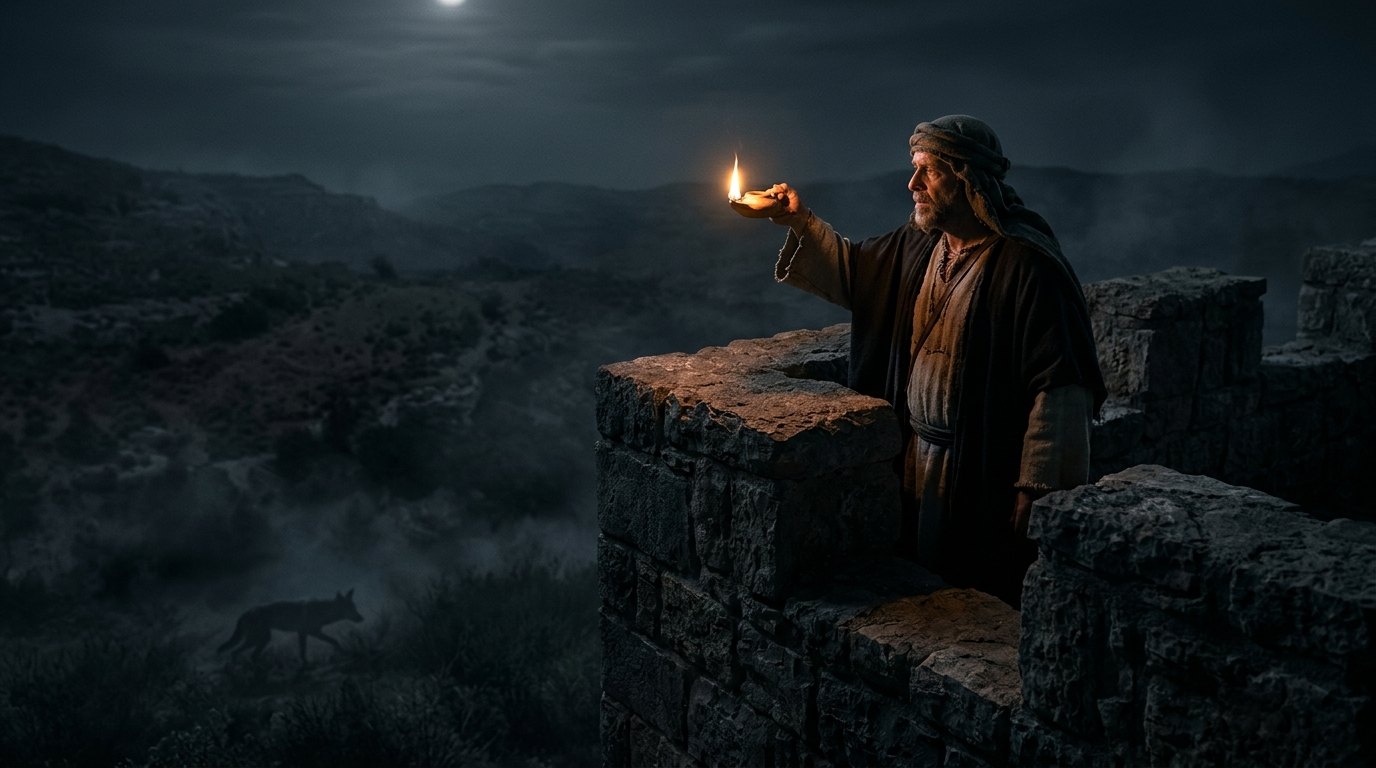
1 Peter 5:8
8 Be alert and of sober mind. Your enemy the devil prowls around like a roaring lion looking for someone to devour.
New International Version (NIV)
The answer
Yes—smoking marijuana is sin. Scripture does not name marijuana, but it commands sobriety, self-control, watchfulness, and a life ordered toward God rather than the flesh. Intoxicating the mind and choosing a substance that impairs judgment conflicts with those commands.
The governing principles
- Be sober and self-controlled. In 1 Peter 5:8, believers are told, “Be sober and self-controlled. Be watchful.” The same call appears in 1 Peter 1:13: “Gird up the loins of your mind, be sober, and hope to the end.” Intoxication is contrary to the alert, disciplined life Peter commands.
- Watch unto prayer. First Peter 4:7 says, “Be ye therefore sober, and watch unto prayer.” A mind clouded by drugs is not the sober, watchful state this calls for.
- Stand against the devil. Ephesians 6:11-12 commands putting on God’s whole armor so believers can stand against the devil’s schemes. Deliberate intoxication weakens the watchfulness and self-control needed for spiritual resistance.
- Submit to God and resist the devil. James 4:7-8 says, “Submit yourselves therefore to God. Resist the devil, and he will flee from you.” Submission to God includes refusing to let sinful impulses direct the body.
- Do not make provision for the flesh. Romans 13:13-14 tells believers not to live in drunkenness but to clothe themselves with Christ and “make no provision for the flesh.” Repeatedly planning and choosing intoxication makes provision for sinful desire.
- Honor God with the body. First Corinthians 6:19-20 teaches that the body is the temple of the Holy Spirit and should be used to glorify God. Altering one’s mind and body for intoxication does not serve that purpose.
The biblical rule is not limited to substances already named; it governs the category of deliberate intoxication and the corruption of judgment. Therefore, the right response is repentance—not shame, concealment, or pretending the question does not matter. “If we confess our sins, he is faithful and just to forgive us the sins and to cleanse us from all unrighteousness” (1 John 1:9). God also promises that he will not let believers be tempted beyond their ability to escape and will provide a way out (1 Corinthians 10:13).
A Christian seeking help should confess the habit to God, tell a mature Christian mentor or pastor, and pursue concrete support for quitting. Paul was encouraged not to continue alone after his conversion (Acts 9:27), and Galatians 5:16 says, “Walk by the Spirit, and you will not gratify the desires of the flesh.”
Answered from Scripture · reviewed November 11, 2026
Although cannabis is not named in Scripture, God's Word governs deliberate intoxication clearly through universal commands of sobriety, vigilance, and self-control. Smoking marijuana to alter the mind violates God's call to be alert against spiritual adversaries and to steward the body as a temple of the Holy Spirit. For anyone caught in this habit, Scripture offers the certainty of complete forgiveness and freedom through Christ.
Sobriety and Vigilance
Scripture commands clear-minded sobriety and constant spiritual vigilance
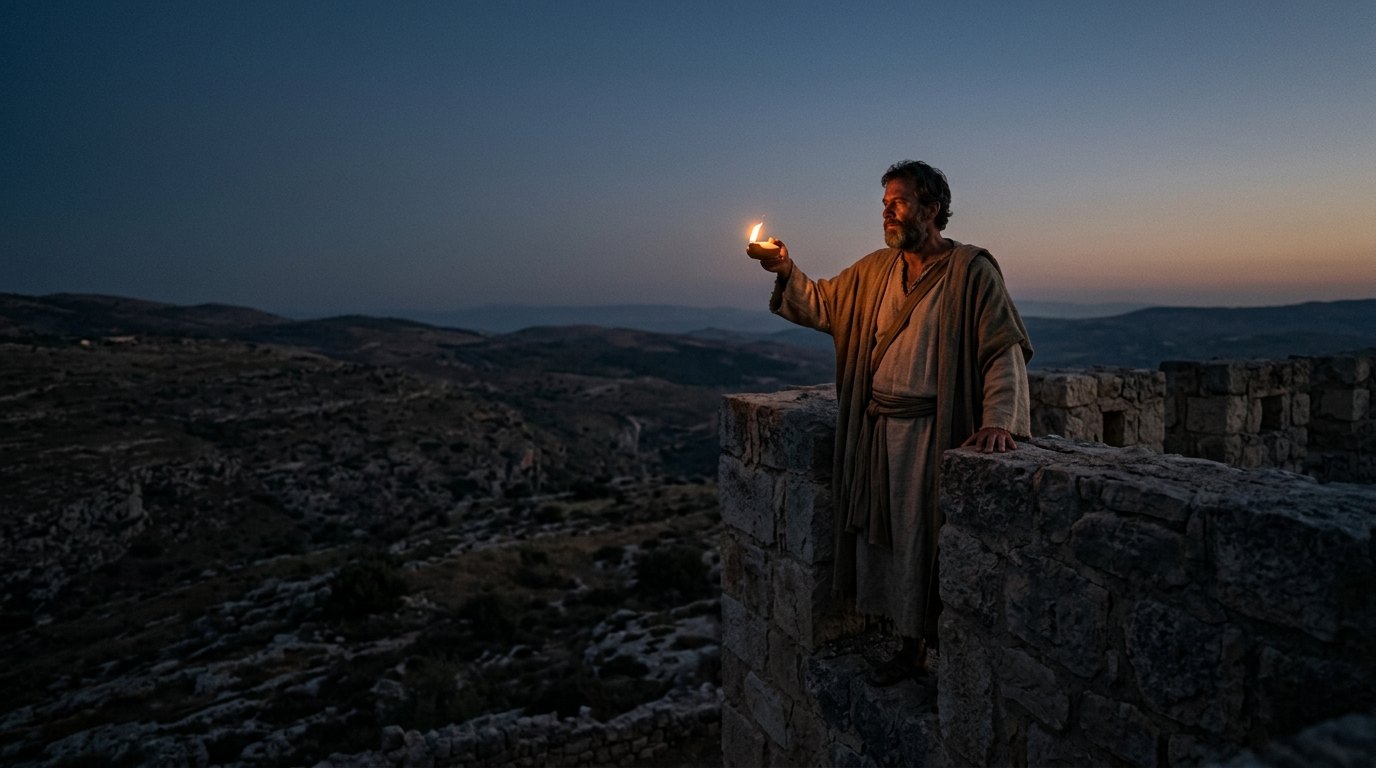
Be alert and of sober mind. Your enemy the devil prowls around like a roaring lion looking for someone to devour.
1 Peter 5:8 (NIV)
It directly links mental sobriety and vigilance to surviving the prowling attacks of the devil.
In 1 Peter 5:8, the apostle warns with fierce urgency: "Be sober-minded; be watchful. Your adversary the devil prowls around like a roaring lion, seeking someone to devour." Sobriety in Scripture is not merely avoiding alcohol; it is the vital state of unclouded alertness required to guard against spiritual ruin. Deliberately intoxicating the brain with cannabis directly disables this command, casting aside the watchfulness God requires of His people. The apostle Peter presses this duty across his entire epistle, commanding in 1 Peter 1:13 to gird up the loins of the mind, and reminding the church in 1 Peter 4:7 that the end of all things is at hand, demanding sober-mindedness and self-control for the sake of prayer. An intoxicated mind cannot offer watchful, clear-headed intercession before God.
The apostle Paul echoes this absolute call to clarity in 1 Thessalonians 5:6-8, demanding that believers stay awake and sober rather than sliding into spiritual sleep. In Titus 2:2 and Titus 2:6, pastoral instructions insist that older and younger believers alike live self-controlled, dignified, and sober lives in every circumstance. Writing his final charge to his son in the faith in 2 Timothy 4:5, Paul commands Timothy to be sober-minded in all things and endure hardship. Scripture never permits a believer to dull their faculties for recreational pleasure; the spiritual battle is relentless, and God demands our full, unclouded faculties.
| Passage | What it says |
|---|---|
| 1 Peter 5:8 | Calls believers to be sober-minded and watchful because the devil prowls like a roaring lion. |
| 1 Peter 1:13 | Commands believers to gird up the loins of their minds and remain sober in spirit. |
| 1 Peter 4:7 | Instructs the church to remain sober-minded and self-controlled for the purpose of prayer. |
| 1 Thessalonians 5:6-8 | Exhorts believers to keep awake and stay sober rather than falling asleep like the darkness. |
| Titus 2:2 | Directs believers to live sober, dignified, self-controlled, and sound lives in the faith. |
| 2 Timothy 4:5 | Paul commands Timothy to be sober-minded in all things, enduring affliction and fulfilling his ministry. |
| Titus 2:6 | Young men are urged to be sober-minded and exercise self-control in every aspect of conduct. |
Flesh Versus Spirit
Recreational intoxication surrenders self-control to the desires of the flesh
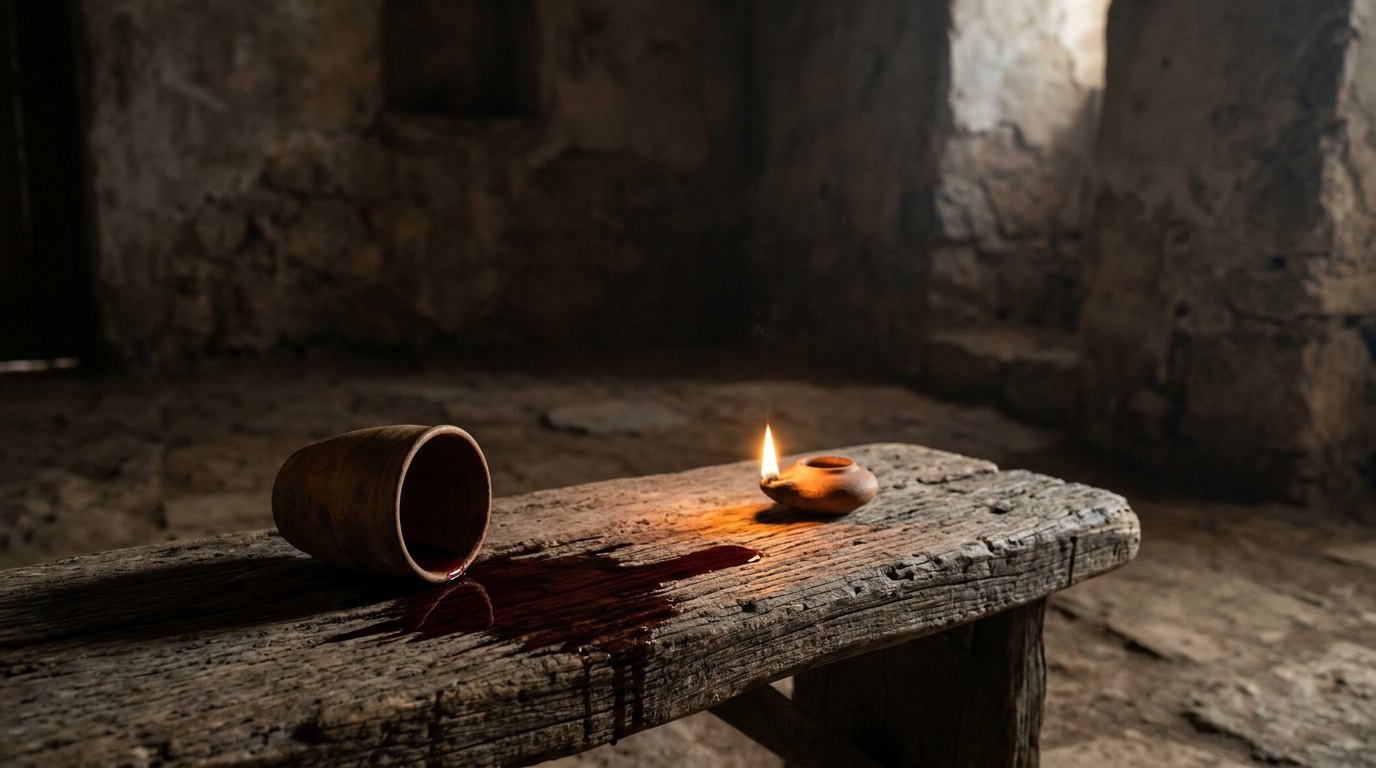
Do not get drunk on wine, which leads to debauchery. Instead, be filled with the Spirit,
Ephesians 5:18 (NIV)
It sets drunkenness and chemical intoxication in direct opposition to being filled and led by the Holy Spirit.
Paul draws a definitive line in Ephesians 5:18: "And do not get drunk with wine, for that is debauchery, but be filled with the Spirit." The sin of drunkenness is the voluntary surrender of conscious control to a chemical substance, an act Scripture explicitly condemns alongside the destructive works of the flesh. Intentionally seeking a cannabis high violates this precept by choosing artificial stupor over spiritual filling. Galatians 5:16 promises that walking by the Spirit prevents gratifying the desires of the fallen nature, while Galatians 5:19-21 catalogs drunkenness, revelry, and sorcery (pharmakeia—often connected with mind-altering potions) as practices that bar people from inheriting the kingdom of God. This stark reality is reaffirmed in 1 Corinthians 6:9-10, where drunkards are numbered among those excluded from God's eternal presence.
Romans 13:13-14 commands believers to cast off revelry and drunkenness, making no provision to gratify the flesh. In Proverbs 23:29-35, the inspired text gives an agonizing portrait of intoxication—clouded vision, incoherent speech, bruises without memory, and the enslaving compulsion to seek another high. Proverbs 20:1 bluntly warns that intoxicants mock wisdom and lead the simple astray. True spiritual life produces the fruit of self-control, as listed in Galatians 5:22-23, which is the exact opposite of chemically induced relaxation. Jesus Himself issues an urgent warning in Luke 21:34 that hearts must never be weighed down with dissipation and drunkenness lest the Day of the Lord strike suddenly like a trap.
| Passage | What it says |
|---|---|
| Ephesians 5:18 | Forbids getting drunk with wine leading to debauchery, commanding believers to be filled with the Spirit. |
| Galatians 5:16 | Promises that walking by the Spirit prevents gratifying the sinful desires of the flesh. |
| Galatians 5:19-21 | Warns that drunkenness and sorcery are works of the flesh that exclude from God's kingdom. |
| Romans 13:13-14 | Commands believers to cast off drunkenness and make no provision for the lusts of the flesh. |
| Proverbs 23:29-35 | Portrays the ruin, impaired perception, and enslaving cycle of seeking chemical highs. |
| Galatians 5:22-23 | The fruit of the Spirit explicitly includes self-control, which is surrendered in chemical intoxication. |
| 1 Corinthians 6:9-10 | Scripture explicitly warns that the drunkard will not inherit the kingdom of God. |
| Proverbs 20:1 | Intoxicating substances mock wisdom and lead the undiscerning person astray. |
| Luke 21:34 | Jesus warns believers not to weigh down their hearts with dissipation and drunkenness lest His day come unexpectedly. |
The Body as Temple
The redeemed body belongs to Christ and must honor Him
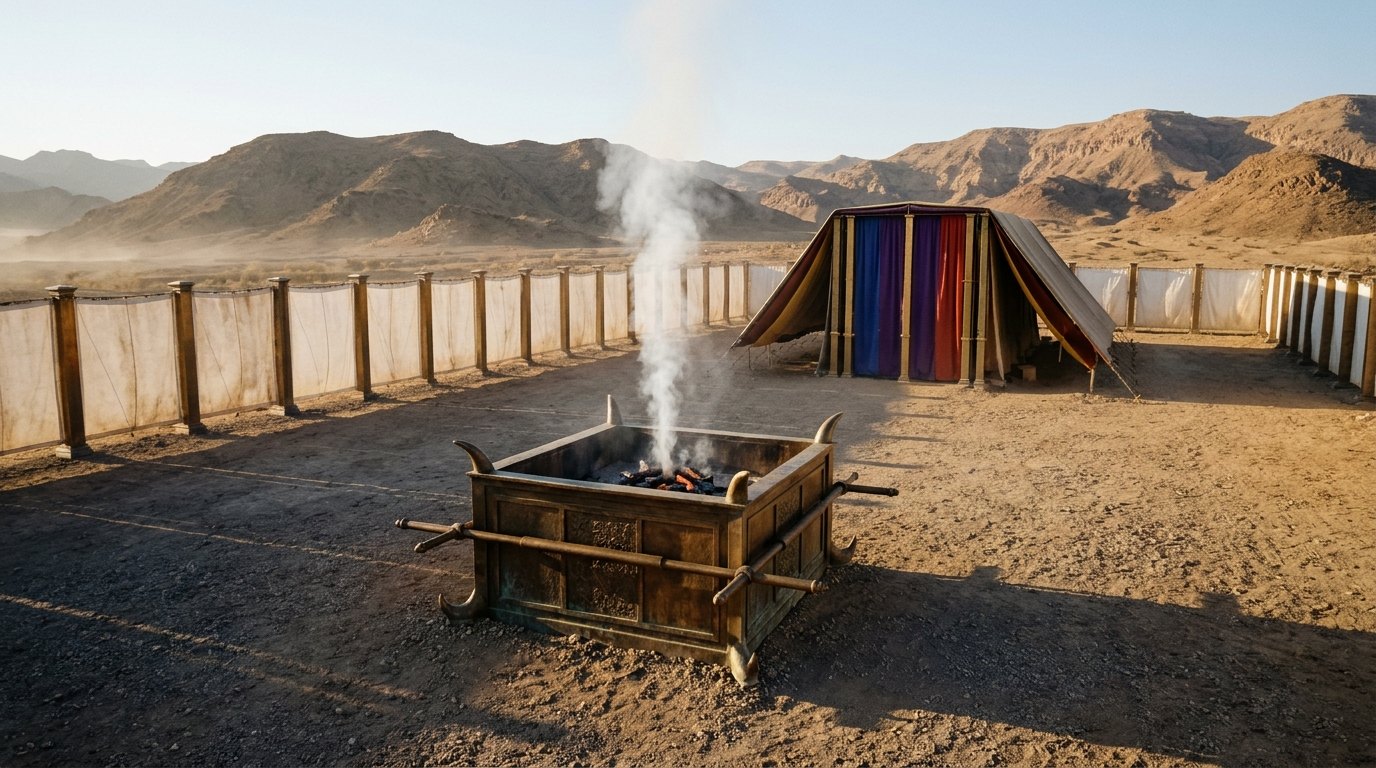
Do you not know that your bodies are temples of the Holy Spirit, who is in you, whom you have received from God? You are not your own; you were bought at a price. Therefore honor God with your bodies.
1 Corinthians 6:19-20 (NIV)
It declares that our bodies are temples of the Holy Spirit bought at the price of Christ's blood.
In 1 Corinthians 6:19-20, Paul poses a piercing question that settles how our physical bodies must be treated: "Or do you not know that your body is a temple of the Holy Spirit within you, whom you have from God? You are not your own, for you were bought with a price. So glorify God in your body." The believer's body is not private property to be chemically manipulated or subjected to smoke and toxins for a fleeting high. Christ paid for every believer in full with His own blood, claiming heart, soul, and flesh. In Romans 12:1-2, Paul appeals to us to present these very bodies as living, holy sacrifices to God, undergoing ongoing transformation by the renewing of our minds rather than conforming to the self-indulgent escapes of this present world.
Even when the culture legalizes a substance, the Christian standard remains far higher. In 1 Corinthians 6:12, Paul insists, "All things are lawful for me, but I will not be dominated by anything." Subjugating the mind to chemical dependency or psychological reliance violates Christian liberty, which frees us from sin rather than granting license to indulge it. First Corinthians 10:31 commands that whether we eat, drink, or whatever we do, all must be done for God's glory—an impossibility when inhaling an intoxicant to numb reality. First Corinthians 3:16-17 warns soberly that defiling God's temple invites His judgment, while 1 Thessalonians 4:3-5 reminds us that sanctification requires controlling our own bodies in holiness and honor.
| Passage | What it says |
|---|---|
| 1 Corinthians 6:19-20 | Teaches that the believer's body is the Holy Spirit's temple, bought with a price to glorify God. |
| Romans 12:1-2 | Appeals to Christians to present their bodies as living, holy sacrifices and renew their minds. |
| 1 Corinthians 6:12 | States that while things may be lawful, a believer must not be mastered or dominated by anything. |
| 1 Corinthians 10:31 | Establishes that whether eating, drinking, or whatever one does, all should be done to God's glory. |
| 1 Corinthians 3:16-17 | The church and believer are God's temple, and anyone who destroys or defiles it faces God's judgment. |
| 1 Thessalonians 4:3-5 | God's will is sanctification, requiring each believer to control their own body in holiness and honor. |
Spiritual Resistance
A dull mind gives ground to the enemy instead of resisting

Submit yourselves, then, to God. Resist the devil, and he will flee from you.
James 4:7 (NIV)
It shows that active submission to God is the necessary posture for resisting the devil.
James establishes the unbreakable order of spiritual warfare in James 4:7: "Submit yourselves therefore to God. Resist the devil, and he will flee from you." Resistance against the enemy requires an active, surrendered, and alert will. Intoxicating substances impair judgment and leave the soul defenseless, giving the adversary precisely the foothold he seeks. Paul specifically cautions in Ephesians 4:27 to give no opportunity to the devil, an instruction made impossible when the mind is chemically dulled and detached from spiritual vigilance.
In Ephesians 6:11-13, the apostle calls believers to put on the whole armor of God so they may stand firm against the schemes of the devil, noting that the struggle is not against flesh and blood but against wicked spiritual rulers in heavenly places. Armor cannot be worn by a slumbering soldier, nor can a mind dulled by cannabis wield the sword of the Spirit or remain watchful in prayer. To overcome worldly indulgence, 2 Timothy 2:22 directs us to flee youthful passions and pursue righteousness, faith, love, and peace along with those who call on the Lord from a pure heart. The cross of Christ provides both pardon for past compromise and supernatural power to walk in true sobriety.
| Passage | What it says |
|---|---|
| James 4:7 | Instructs believers to submit themselves to God and actively resist the devil so he will flee. |
| Ephesians 4:27 | Warns believers not to give place or opportunity to the devil. |
| Ephesians 6:11-13 | Calls the church to put on God's whole armor to withstand the schemes of the adversary. |
| 2 Timothy 2:22 | Commands fleeing youthful passions and pursuing righteousness along with those who call on the Lord. |
Forgiveness and Freedom
Christ provides complete cleansing from sin and power to overcome
If we confess our sins, he is faithful and just and will forgive us our sins and purify us from all unrighteousness.
1 John 1:9 (NIV)
It offers the absolute promise that confession meets God's faithful forgiveness and total cleansing.
The gospel does not leave a person trapped under guilt or enslaved to an intoxicant, because confession meets God's faithful forgiveness and total cleansing as promised in 1 John 1:9. When a believer acknowledges that seeking escape or euphoria through marijuana is sin, God does not turn away; He is faithful and just to cleanse us from all unrighteousness. True repentance breaks the silence of denial and brings the struggle into the healing light of Jesus Christ, who bore every transgression upon the cross. Anyone fighting chemical dependence or mental habituation can take heart that no temptation is beyond the reach of divine grace. As 1 Corinthians 10:13 declares, God is faithful and will not permit you to be tempted beyond your ability, but with the temptation will always provide the way of escape. Deliverance is not merely an inward discipline but a gift of supernatural rescue. Jesus declared in John 8:36 that if the Son makes you free, you shall be free indeed. This freedom is never license to sin, but glorious liberty from the tyranny of the flesh. Healing also flourishes within the communion of saints, where vulnerability replaces isolation. Galatians 6:1-2 instructs those who are spiritual to restore someone overtaken in a trespass with a spirit of gentleness, looking to themselves lest they also be tempted. Walking in victory means leaning on Christ, inviting trusted believers to carry the load, and stepping into the clean, sober vitality of a renewed life.
| Passage | What it says |
|---|---|
| 1 John 1:9 | Promises that confessing sin brings faithful forgiveness and cleansing from all unrighteousness. |
| 1 Corinthians 10:13 | Assures believers that God provides a way of escape in every temptation so they can endure. |
| John 8:36 | Proclaims that when the Son sets a captive free, that person is free indeed. |
| Galatians 6:1-2 | Directs spiritual brothers to restore those caught in transgression with gentleness and bear burdens. |
Civil Obedience
God requires submission to the civil authorities who outlaw illicit substances
Let everyone be subject to the governing authorities, for there is no authority except that which God has established. The authorities that exist have been established by God. Consequently, whoever rebels against the authority is rebelling against what God has instituted, and those who do so will bring judgment on themselves.
Romans 13:1-2 (NIV)
It establishes that resisting civil laws regarding illegal substances constitutes rebellion against God's appointed authority.
Beyond the direct biblical commands regarding sobriety, resisting civil laws regarding illegal substances constitutes rebellion against God's appointed order, as Paul makes plain in Romans 13:1-2. God has instituted civil governing authorities to uphold order and suppress evil; consequently, whoever resists lawful authorities resists what God has appointed. Where federal, state, or municipal statutes forbid the possession, consumption, or distribution of marijuana, breaking those laws is not a victimless act of personal preference but direct disobedience to God. The Christian has no mandate to flout civil ordinances merely for personal recreational indulgence. Peter reinforces this standard in 1 Peter 2:13-15, urging believers to submit themselves to every human authority for the Lord's sake, whether to the king as supreme or to governors sent by Him. By doing what is right, believers silence the ignorant talk of foolish men. Even where recreational cannabis use is decriminalized by civil governments, the believer's conscience is not instantly justified, because God's moral law requiring sobriety remains supreme over secular permissiveness; yet wherever the law expressly forbids it, civil obedience settles the matter immediately. Paul reiterates this duty in Titus 3:1, charging believers to be submissive to rulers and authorities, obedient, and ready for every good work. Honoring Christ means walking in straightforward integrity before magistrate and neighbor alike.
| Passage | What it says |
|---|---|
| Romans 13:1-2 | Believers are commanded to submit to governing authorities, making lawbreaking through illegal drug use sinful. |
| 1 Peter 2:13-15 | Christians submit to human ordinances for the Lord's sake to silence the ignorance of foolish people. |
| Titus 3:1 | Believers are reminded to be submissive to rulers and authorities and to be obedient. |
The Stumbling Block
Christian liberty must never cause a brother to stumble into sin
It is better not to eat meat or drink wine or to do anything else that will cause your brother or sister to fall.
Romans 14:21 (NIV)
It defines love as refusing to indulge in behaviors that tempt or harm the faith of others.
Even in areas where believers debate personal liberty or navigate changing legal landscapes, Scripture establishes that love demands refusing to indulge in behaviors that tempt or harm others, as summarized in Romans 14:21. The apostle Paul states unequivocally that it is good neither to eat meat nor drink wine nor do anything by which your brother stumbles, is offended, or is made weak. Christian love never insists upon its own desires at the expense of a neighbor's spiritual well-being. Using marijuana—especially given its cultural associations with rebellion, spiritual escapism, and lethargy—sends a damaging message to observing Christians and seekers alike. In 1 Corinthians 8:9-13, Scripture warns us to take care lest this liberty of yours somehow become a stumbling block to the weak. When our conduct encourages a struggling brother or sister to violate their conscience or relapse into substance abuse, we sin not only against them, but directly against Christ Himself. The test of our actions is not merely whether something is permissible, but whether it actively builds up the church. As Paul concludes in 1 Corinthians 10:23-24, all things are lawful, but not all things edify, and no one should seek his own good, but rather the good of his neighbor. Laying aside our personal preferences out of love for others reflects the selfless heart of Christ, who gave His very life for the redemption of His sheep.
| Passage | What it says |
|---|---|
| Romans 14:21 | It is good not to partake of anything that causes a brother to stumble or fall. |
| 1 Corinthians 8:9-13 | Liberty must not become a stumbling block to the weak, lest one sin against Christ. |
| 1 Corinthians 10:23-24 | All things may be lawful, but not all things edify or seek the good of one's neighbor. |
Where in the Bible
| Book | Passages |
|---|---|
| Proverbs | 2 · Proverbs 23:29-35, Proverbs 20:1 |
| Luke | 1 · Luke 21:34 |
| John | 1 · John 8:36 |
| Romans | 4 · Romans 13:13-14, Romans 12:1-2, Romans 13:1-2, Romans 14:21 |
| 1 Corinthians | 8 · 1 Corinthians 6:9-10, 1 Corinthians 6:19-20, 1 Corinthians 6:12, 1 Corinthians 10:31, 1 Corinthians 3:16-17, 1 Corinthians 10:13, 1 Corinthians 8:9-13, 1 Corinthians 10:23-24 |
| Galatians | 4 · Galatians 5:16, Galatians 5:19-21, Galatians 5:22-23, Galatians 6:1-2 |
| Ephesians | 3 · Ephesians 5:18, Ephesians 4:27, Ephesians 6:11-13 |
| 1 Thessalonians | 2 · 1 Thessalonians 5:6-8, 1 Thessalonians 4:3-5 |
| 2 Timothy | 2 · 2 Timothy 4:5, 2 Timothy 2:22 |
| Titus | 3 · Titus 2:2, Titus 2:6, Titus 3:1 |
| James | 1 · James 4:7 |
| 1 Peter | 4 · 1 Peter 5:8, 1 Peter 1:13, 1 Peter 4:7, 1 Peter 2:13-15 |
| 1 John | 1 · 1 John 1:9 |
The story in order
- Israel's Law given (c. 1400 BC) · Deuteronomy 22:5 · Prohibits cross-dressing, showing God's design for sex.
- Wisdom on drunkenness (c. 900 BC) · Proverbs 20:1 · Intoxication mocks wisdom and leads astray.
- Prophets warn of excess (c. 700 BC) · Isaiah 5:11 · Woe to those who drink to excess.
- Jesus warns of excess (AD 30) · Luke 21:34 · Do not let hearts be weighed down by dissipation.
- Apostles teach sobriety (c. AD 60) · 1 Peter 5:8 · Be sober and watchful; the devil prowls.
- Body is Spirit's temple (c. AD 55) · 1 Corinthians 6:19-20 · Your body is a temple of the Holy Spirit.
- Works of the flesh (c. AD 50) · Galatians 5:19-21 · Drunkenness excludes from God's kingdom.
- Resist the devil (c. AD 45) · James 4:7 · Submit to God, resist the devil.
- Be filled with Spirit (c. AD 60) · Ephesians 5:18 · Do not get drunk; be filled with the Spirit.
- Submit to authorities (c. AD 57) · Romans 13:1-2 · Submit to governing authorities; they are God's servants.
- Forgiveness for sin (c. AD 90) · 1 John 1:9 · Confess sins for forgiveness and cleansing.
- Freedom in Christ (c. AD 30) · John 8:36 · If the Son sets you free, you are free indeed.
Flesh vs. Spirit
| Works of the Flesh | Fruit of the Spirit | Passage |
|---|---|---|
| Drunkenness | Self-control | Galatians 5:19-23 |
| Gratifying sinful desires | Preventing sinful desires | Galatians 5:16-17 |
| Debauchery | Sobriety, self-control |
Body as Temple
| Believer's Body | God's Purpose | Passage |
|---|---|---|
| Temple of the Holy Spirit | Glorify God | 1 Corinthians 6:19-20 |
| Living sacrifice | Renewed mind, holy life | Romans 12:1-2 |
| Controlled in holiness | Honoring God | 1 Thessalonians 4:3-5 |
| Not mastered by anything | Edification, God's glory |
Spiritual Warfare
| Believer's Action | Enemy's Response | Passage |
|---|---|---|
| Be sober and watchful | Devil prowls | 1 Peter 5:8 |
| Gird up minds, be sober | Resist temptation | 1 Peter 1:13 |
| Put on God's armor | Withstand schemes | Ephesians 6:11-13 |
| Resist the devil | He will flee | James 4:7 |
| Do not give place | Devil is kept at bay | Ephesians 4:27 |
Key words
- Sober (nēphō (νῆφω))
- Clear-minded, self-controlled, vigilant, especially in spiritual matters. · 1 Peter 5:8
- Drunkenness (methē (μέθη))
- Intoxication by alcohol or other substances, leading to loss of control and impaired judgment. · Ephesians 5:18
- Flesh (sarx (σάρξ))
- The sinful nature and its desires, opposed to the Spirit. · Galatians 5:16
- Spirit (pneuma (πνεῦμα))
- The Holy Spirit, and the new life in Christ that is empowered by Him. · Galatians 5:16
- Temple (naos (ναός))
- The dwelling place of God; applied to the believer's body and the church. · 1 Corinthians 6:19
- Resist (anthistēmi (ἀνθίστημι))
- To stand firm against, oppose, or withstand. · James 4:7
- Forgiveness (aphesis (ἄφεσις))
- Pardon for sins, made possible through Christ's atoning sacrifice. · 1 John 1:9
God does not call believers into sobriety to withhold joy, but to preserve their minds for communion with Him and vigilance in spiritual warfare. Turning away from recreational drug use begins with honest confession and stepping into the cleansing power of Jesus Christ. Through the Holy Spirit's power and the fellowship of believers, lasting freedom and self-control are fully supplied.
36 passages, each cited once.
Scripture cited
- 1 Peter 5:8
- 1 Peter 1:13
- 1 Peter 4:7