Is the Bible inerrant?

Proverbs 30:5-6
5 “Every word of God is flawless; he is a shield to those who take refuge in him.
6 Do not add to his words, or he will rebuke you and prove you a liar.
New International Version (NIV)
The answer
Yes. The Bible is inerrant: it is completely true and without error in everything it affirms. Its teaching, historical accounts, miracles, commands and promises can all be trusted because Scripture is God’s own Word.
Why the Bible is inerrant
- It is breathed out by God. 2 Timothy 3:16 says, “Every Scripture is God-breathed.” Scripture’s authority therefore rests on God, not merely on its human writers.
- The Holy Spirit guided its writers. 2 Peter 1:21 explains, “For no prophecy ever came by the will of man, but holy men of God spoke, being moved by the Holy Spirit.” Real men wrote, but the Spirit carried their words so that they spoke God’s message.
- Jesus declared God’s word to be truth. In John 17:17, He prays, “Sanctify them in your truth. Your word is truth.” He also states in John 10:35 that “the Scripture can’t be broken.”
- Every word is flawless. Proverbs 30:5 declares, “Every word of God is flawless.” Proverbs 30:6 consequently forbids adding to God’s words, placing human correction above what He has spoken.
What inerrancy means
Inerrancy means that Scripture never deceives or errs. What it records as happening truly happened, and what it teaches is true. It does not mean every statement spoken by a person within its narratives is true: Scripture accurately records lies, sinful acts and wrong advice without endorsing them. Nor does it mean the human writers were perfect people; their writings are trustworthy because God is their ultimate author.
Difficult passages should be understood through their wording, context and the rest of Scripture, not treated as proof that God’s Word has failed. The fitting response to Scripture is faith, careful study and obedience.
Answered from Scripture · reviewed November 11, 2026
Scripture is the inerrant Word of the living God, entirely true and without fault in everything it asserts. Because God cannot lie and His character is flawless, the text He breathed out carries His absolute truthfulness from Genesis to Revelation.
The Flawless Word
God's Words Are Pure and Tested

“Every word of God is flawless; he is a shield to those who take refuge in him.
Proverbs 30:5 (NIV)
This verse plainly affirms that every single word of God is tested, pure, and completely free from defect.
In Proverbs 30:5, the sage Agur delivers an absolute foundation for our confidence: every word of God is tested and found pure, serving as an impenetrable shield to all who take refuge in Him. This is not a generalized approval of spiritual themes, but a verdict on every individual word that proceeds from God. For this reason, Proverbs 30:6 sternly warns against adding to His words, lest a man be reproved and exposed as a liar. Divine revelation arrives from heaven already refined; as Psalms 12:6 proclaims, the words of the Lord are pure words, like silver refined in an earthen furnace, purified seven times over. There is no dross, no human error, and no moral flaw within the sacred text.
David repeats this exact conviction in Psalms 18:30, declaring that God’s way is perfect and His word is thoroughly proven. When the psalmist reflects upon his own devotion in Psalms 119:140, he confesses that God's word is exceedingly pure, which is precisely why His servant loves it. The Scriptures do not merely contain truth amidst human mistakes; Psalms 119:160 asserts that the very sum and entirety of God's word is truth, enduring without expiration. This purity touches the inner life of the believer: Psalms 19:7 teaches that the law of the Lord is perfect, reviving the soul, and His testimony is completely sure, making wise the simple.
Earthly institutions crumble, but Psalms 119:89 establishes that the Lord's word is firmly settled in heaven forever. Human life passes like the grass that withers and the flower that fades, yet Isaiah 40:8 assures us that the word of our God stands forever. While the psalmist observed a boundary and limit to all earthly perfection in Psalms 119:96, he discovered that God's commandment is exceedingly broad and boundless in its integrity. Because the Lord is near, all His commandments are truth (Psalms 119:151), founded of old to endure through every generation (Psalms 119:152). God has established His testimonies in total righteousness and exceeding faithfulness (Psalms 119:138), for the word of the Lord is entirely upright, and all His work is wrought in faithfulness (Psalms 33:4).
| Passage | What it says |
|---|---|
| Proverbs 30:5 | Affirms that every word of God is flawless and that He shields all who take refuge in Him. |
| Proverbs 30:6 | Warns against adding to God's words lest one be reproved and proved a liar. |
| Psalms 12:6 | Compares the words of the LORD to silver refined seven times in an earthen furnace. |
| Psalms 18:30 | Declares God's way perfect and His word proven as a buckler to all who trust Him. |
| Psalms 119:140 | Celebrates God's word as exceedingly pure, leading His servant to love it completely. |
| Psalms 119:160 | States that the very sum of God's word is truth and every righteous ordinance endures forever. |
| Psalms 19:7 | Declares that the law of the Lord is perfect, reviving the soul, and His testimony is entirely sure. |
| Psalms 119:89 | Proclaims that the word of the Lord is settled in heaven forever. |
| Isaiah 40:8 | Affirms that grass withers and flowers fade, but the word of our God stands forever. |
| Psalms 119:96 | Observes a limit to all perfection, but finds God's commandment exceedingly broad and flawless. |
| Psalms 119:151 | States that the Lord is near and all His commandments are truth. |
| Psalms 119:152 | Affirms of old that God's testimonies are founded forever. |
| Psalms 119:138 | Affirms that God has appointed His testimonies in righteousness and exceeding faithfulness. |
| Psalms 33:4 | Declares that the word of the Lord is upright, and all His work is done in faithfulness. |
Divine Inspiration
Breathed Out by God through Men

All Scripture is God-breathed and is useful for teaching, rebuking, correcting and training in righteousness,
2 Timothy 3:16 (NIV)
It defines the origin of all Scripture as God-breathed, securing its profit and absolute authority.
The origin of the text determines its reliability, and 2 Timothy 3:16 anchors biblical inerrancy in the breath of the living God: all Scripture is God-breathed (theopneustos) and profitable for doctrine, reproof, correction, and instruction in righteousness. Because Scripture originates in the mouth of God, it carries divine perfection into every page, with the ultimate purpose that the man of God may be complete and equipped for every good work (2 Timothy 3:17). This miracle of divine production did not bypass human authors, but neither did it leave them vulnerable to human faltering. In 2 Peter 1:20, the apostle Peter explains that no prophecy of Scripture ever came from a prophet's own private interpretation or impulse. Instead, 2 Peter 1:21 explains the divine mechanics: holy men spoke from God as they were carried along (pheromenoi) by the Holy Spirit, like sailing ships driven by a steady wind.
The early believers received this authority without reservation; in 1 Thessalonians 2:13, Paul gives thanks that when the church received the apostolic preaching, they accepted it not as the word of men, but as it truly is, the very word of God. The New Testament writers recognized this same inspiration happening in real time within their own ranks. In 2 Peter 3:15-16, Peter references the wisdom given to Paul and explicitly groups Paul's epistles alongside 'the rest of the Scriptures.' In 1 Timothy 5:18, Paul quotes the Old Testament law from Deuteronomy 25:4 alongside Jesus' words recorded in Luke 10:7, placing both under the single authoritative title of Scripture (Graphe).
Paul insists in 1 Corinthians 2:13 that apostolic teaching uses words taught by the Holy Spirit, expressing spiritual truths in Spirit-given language, and in 1 Corinthians 14:37 he commands that his writings be recognized as the Lord's command. This mirrors the Old Testament prophets: David declared, 'The Spirit of the Lord spoke by me, and His word was on my tongue' (2 Samuel 23:2), while God touched Jeremiah's mouth, declaring, 'Behold, I have put My words in your mouth' (Jeremiah 1:9). The early church maintained this exact high view, testifying in Acts 1:16 that the Holy Spirit spoke beforehand through the mouth of David, and asserting in Acts 28:25 that the Holy Spirit rightly spoke through the prophet Isaiah. The author of Hebrews routinely attributes Old Testament passages directly to God, writing in Hebrews 3:7 that the Holy Spirit says Psalm 95, and noting in Hebrews 10:15 that the Holy Spirit bears witness through the new covenant text of Jeremiah.
| Passage | What it says |
|---|---|
| 2 Timothy 3:16 | Teaches that all Scripture is breathed out by God and profitable for doctrine, reproof, correction, and training. |
| 2 Timothy 3:17 | Shows the purpose of Scripture is that the man of God may be complete and equipped for every good work. |
| 2 Peter 1:20 | Explains that no prophecy of Scripture comes from the prophet's own private interpretation. |
| 2 Peter 1:21 | Declares that holy men spoke from God as they were carried along by the Holy Spirit. |
| 1 Thessalonians 2:13 | Commends the church for accepting the apostolic message not as human words, but as God's true word. |
| 2 Peter 3:15 | Points to Paul's letters written with God-given wisdom. |
| 2 Peter 3:16 | Explicitly counts Paul's epistles alongside 'the rest of the Scriptures'. |
| 1 Timothy 5:18 | Pairs Deuteronomy 25:4 and Luke 10:7 together under the single title of Scripture. |
| 1 Corinthians 2:13 | Affirms apostolic words are taught by the Holy Spirit, expressing spiritual truths in spiritual words. |
| 1 Corinthians 14:37 | States that what Paul writes is a command of the Lord. |
| 2 Samuel 23:2 | David testifies that the Spirit of the Lord spoke by him, and His word was on his tongue. |
| Jeremiah 1:9 | The Lord touches Jeremiah's mouth and says He has put His words in Jeremiah's mouth. |
| Acts 1:16 | Affirms the Holy Spirit spoke beforehand through the mouth of David concerning Judas. |
| Acts 28:25 | Paul testifies that the Holy Spirit rightly spoke through Isaiah the prophet to their fathers. |
| Hebrews 3:7 | Quotes Psalm 95 as spoken directly by the Holy Spirit. |
| Hebrews 10:15 | Witnesses that the Holy Spirit testifies through the text of Jeremiah 31. |
The Unbreakable Scripture
Christ Witnessed to the Text's Perfection

If he called them ‘gods,’ to whom the word of God came—and Scripture cannot be set aside—
John 10:35 (NIV)
Jesus explicitly asserts the ultimate authority of the Old Testament by stating Scripture cannot be broken.
The definitive judge of biblical authority for the Christian is Jesus Christ, who stated the doctrine of inerrancy in the sharpest possible terms in John 10:35: 'the Scripture cannot be broken.' When challenged by His adversaries, our Lord settled the debate by quoting a single phrase from Psalm 82 and resting His entire argument upon the unbreakable integrity of the written text. In the Sermon on the Mount, Jesus guaranteed the absolute preservation and precision of the text down to the smallest detail, promising in Matthew 5:18 that not a jot or a tittle—neither the smallest Hebrew letter nor the minute stroke of a pen—will pass from the Law until all is accomplished.
When Jesus prayed for His disciples in the Upper Room, He asked the Father to sanctify them in the truth, declaring without qualification in John 17:17, 'Your word is truth.' He reaffirmed the absolute endurance of the text in Luke 16:17, teaching that it is easier for heaven and earth to pass away than for a single stroke of the Law to fail, and in Matthew 24:35 He applied this same divine permanence to His own teaching: heaven and earth will pass away, but His words will never pass away. When confronted by Satan in the wilderness, Jesus wielded the text with absolute reliance, affirming in Matthew 4:4 that man lives by 'every word that proceeds out of the mouth of God.'
After His resurrection, Jesus gently rebuked the disciples on the Emmaus road in Luke 24:25 for being slow of heart to believe all that the prophets had spoken, showing that trust in Scripture must not be selective. He then systematically walked them through Moses and all the Prophets, interpreting in all the Scriptures the things concerning Himself (Luke 24:27), and later reaffirmed in Luke 24:44 that everything written about Him in the Law, the Prophets, and the Psalms had to be fulfilled. This absolute confidence led Him to willingly surrender to the cross; in Matthew 26:54, He accepted His arrest so that the Scriptures would be fulfilled precisely as written. Jesus routinely built monumental theological defenses on single words and grammatical tenses. In Matthew 22:31-32, He proved the reality of the bodily resurrection against the Sadducees entirely on the present tense of God’s revelation at the burning bush: 'I am the God of Abraham.' In Matthew 22:43, He proved His divine sonship by noting that David spoke in the Holy Spirit when calling Messiah Lord in Psalm 110. Jesus concluded that rejection of Scripture is spiritual blindness, warning in John 5:46-47 that those who do not believe the writings of Moses will never truly believe His words.
| Passage | What it says |
|---|---|
| John 10:35 | Jesus affirms as an absolute principle that the Scripture cannot be broken or set aside. |
| Matthew 5:18 | Jesus guarantees that not the smallest letter or stroke of a letter will pass from the Law until all is accomplished. |
| John 17:17 | Jesus prays to the Father asking Him to sanctify the disciples in truth, affirming His word is truth. |
| Luke 16:17 | Jesus teaches that it is easier for heaven and earth to pass away than for one dot of the Law to fail. |
| Matthew 24:35 | Jesus declares heaven and earth will pass away, but His words will never pass away. |
| Matthew 4:4 | Jesus responds to temptation by citing every word that proceeds from God's mouth. |
| Luke 24:25 | Jesus rebukes the disciples for being slow of heart to believe all that the prophets spoke. |
| Luke 24:27 | Beginning with Moses and all the prophets, Jesus interprets in all the Scriptures the things concerning Himself. |
| Luke 24:44 | Jesus declares that everything written about Him in the Law, Prophets, and Psalms must be fulfilled. |
| Matthew 26:54 | Jesus submits to arrest so that the Scriptures would be fulfilled precisely as written. |
| Matthew 22:31 | Jesus builds an argument for the resurrection upon God's spoken word in Exodus 3. |
| Matthew 22:32 | Jesus hinges His theological proof of the resurrection on the present tense of God being Abraham's God. |
| Matthew 22:43 | Jesus affirms David spoke in the Holy Spirit when calling Messiah Lord in Psalm 110. |
| John 5:46 | Jesus insists that if one believes Moses, one will believe Him, for Moses wrote of Him. |
| John 5:47 | Jesus links faith in His words to belief in Moses' writings. |
The Nature of God
The God Who Cannot Lie

in the hope of eternal life, which God, who does not lie, promised before the beginning of time,
Titus 1:2 (NIV)
It links the absolute reliability of divine promise directly to the impossibility of God lying.
The doctrine of inerrancy ultimately rests upon the very nature and character of Almighty God. As the apostle Paul writes in Titus 1:2, our hope of eternal life is guaranteed by God Himself, 'who cannot lie.' Because God is truth in His very essence, untruth is not merely an action He avoids; it is an ontological impossibility. If the Scriptures were to contain errors, mistakes, or false assertions, it would mean the God who breathed them out had either failed in knowledge or deceived His creatures. Scripture rejects both notions completely. In Numbers 23:19, Balaam was compelled to confess that God is not a man that He should lie, nor a son of man that He should change His mind; when He speaks, He acts, and when He promises, He fulfills.
The author of Hebrews anchors our assurance in this divine perfection, declaring in Hebrews 6:18 that by two unchangeable things in which it is impossible for God to lie, we who have fled for refuge have strong encouragement. When human unfaithfulness abounds, Paul commands in Romans 3:4, 'Let God be true, though every one were a liar.' God's character is steadfast across every age: the prophet Samuel proclaimed that 'the Glory of Israel will not lie or have regret, for He is not a man' (1 Samuel 15:29). Consequently, when God issues His covenant promises, they possess unbreakable permanence; Paul can say with absolute confidence in Romans 9:6 that it is not as though the word of God has failed.
Redemptive history serves as an unbroken witness to this divine precision. At the close of the conquest of Canaan, the sacred record notes in Joshua 21:45 that not one word of all the good promises the Lord had made to the house of Israel failed; all came to pass. On his deathbed, Joshua summoned the nation to witness this historical reality, testifying in Joshua 23:14 that in their hearts and souls they knew not one word of all the good promises the Lord their God had promised had failed. Centuries later, during the dedication of the temple, King Solomon lifted his hands and echoed this exact testimony in 1 Kings 8:56, blessing the Lord because not one word had failed of all His good promise given through Moses. As the Lord declares through the prophet in Isaiah 55:11, His word goes forth from His mouth and never returns empty; it accomplishes that which He purposes and succeeds in the thing for which He sent it.
| Passage | What it says |
|---|---|
| Titus 1:2 | Speaks of eternal life promised before ages began by God, who cannot lie. |
| Numbers 23:19 | Affirms God is not a man that He should lie, nor does He speak without fulfilling His word. |
| Hebrews 6:18 | States that by two unchangeable things, in which it is impossible for God to lie, we have strong encouragement. |
| Romans 3:4 | Declares that God must be true even if every human being were found a liar. |
| 1 Samuel 15:29 | Proclaims the Glory of Israel will not lie nor change His mind, for He is not a man. |
| Romans 9:6 | Asserts that it is not as though the word of God has failed. |
| Joshua 21:45 | Records that not one word of all the good promises the Lord made to Israel failed. |
| Joshua 23:14 | Joshua testifies before his death that not one word of God's promises had failed. |
| 1 Kings 8:56 | Solomon blesses the assembly, noting not one word failed of all God's promise through Moses. |
| Isaiah 55:11 | Declares God's word will not return empty, but will accomplish His purpose and succeed. |
Boundaries and Warnings
The Sacred Prohibition Against Altering Scripture
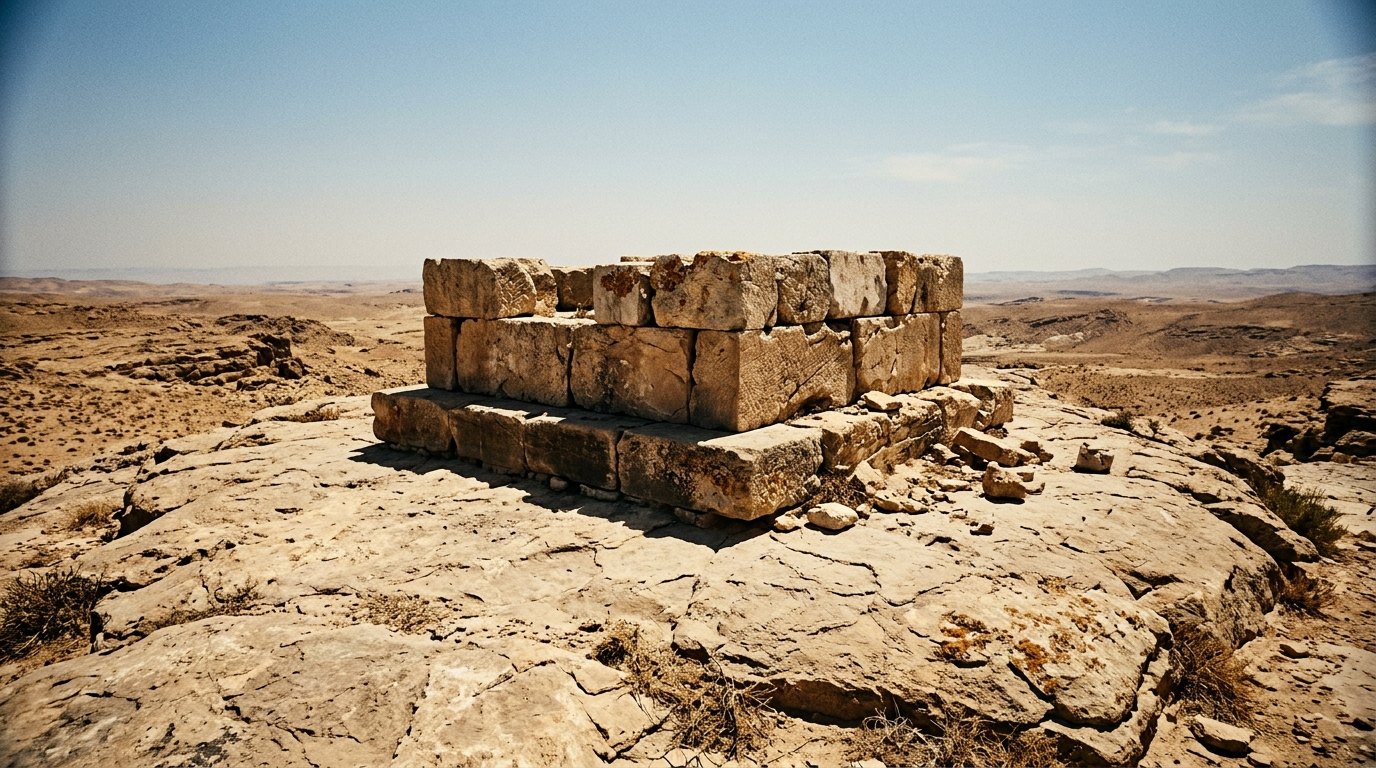
I warn everyone who hears the words of the prophecy of this scroll: If anyone adds anything to them, God will add to that person the plagues described in this scroll.
Revelation 22:18 (NIV)
This solemn closing warning pronounces divine judgment upon anyone who dares add to the words of the book.
At the very close of the biblical canon, Revelation 22:18 pronounces a severe divine sanction against anyone who dares to add to the words of the book, declaring that God will add to them the plagues described within it. The immediate counterpart in Revelation 22:19 warns with equal solemnity that if anyone subtracts from the words of this prophecy, God will take away their share in the tree of life and the holy city. These bookends do not stand alone; they mirror the foundational statutes delivered at the beginning of Israel's covenant life. In Deuteronomy 4:2, the Lord commanded His people neither to add to the word He gave them nor to diminish it, establishing that divine speech requires uncompromised preservation. Moses reaffirmed this absolute boundary in Deuteronomy 12:32, instructing that whatever God commands must be observed meticulously, without human accretion or deletion.
The same jealousy for textual and doctrinal purity governs the prophets and apostles. When sending the prophet into the temple courts, the Lord commanded in Jeremiah 26:2 that he speak every word commanded him, warning him explicitly not to diminish or omit a single word. Centuries later, the apostle Paul defended the revealed message with identical uncompromising vigor. In Galatians 1:8, he declared anathema upon anyone—even himself or an angel from heaven—who would preach a gospel contrary to the one delivered. He repeated the curse immediately in Galatians 1:9 to underscore that revelation admits no human revision or editorial drift. Because Scripture is God's own flawless testimony, any alteration represents high treason against the divine Author.
| Passage | What it says |
|---|---|
| Revelation 22:18 | Warns that God will add plagues to anyone who adds to the prophecy of the book. |
| Revelation 22:19 | Warns that God will take away one's share in the tree of life if anyone takes away words from the book. |
| Deuteronomy 4:2 | Commands Israel neither to add to nor subtract from the commandment commanded by God. |
| Deuteronomy 12:32 | Reiterates the command to carefully observe everything commanded without adding to or taking away from it. |
| Galatians 1:8 | Pronounces anathema upon anyone, even an angel, preaching a gospel contrary to what was preached. |
| Galatians 1:9 | Repeats the solemn curse on anyone preaching a gospel contrary to apostolic teaching. |
| Jeremiah 26:2 | The Lord commands Jeremiah to speak all the words commanded, not omitting a single word. |
The Living Word
God's Pure Word Endures and Sanctifies

For the word of God is alive and active. Sharper than any double-edged sword, it penetrates even to dividing soul and spirit, joints and marrow; it judges the thoughts and attitudes of the heart.
Hebrews 4:12 (NIV)
It shows that Scripture's flawless truth is dynamic and active, searching the human heart with divine authority.
Because Scripture is the pure and flawless speech of God, it does not sit as a dormant artifact; rather, Hebrews 4:12 reveals that the word of God is living and active, sharper than any two-edged sword, piercing down to the division of soul and spirit, joints and marrow, and discerning the deepest intentions of the human heart. This animated authority flows from its divine origin. In James 1:18, Scripture reveals that God brought believers forth into spiritual life through this very "word of truth," using His flawless message as the sovereign instrument of regeneration. The apostle Peter echoes this miracle in 1 Peter 1:23, affirming that believers are born again through the imperishable, living, and abiding word of God, which stands unshakeable while all earthly glory withers. Peter concludes in 1 Peter 1:25 that this enduring word of the Lord remains forever, identifying it squarely with the gospel proclaimed to the church.
This enduring, inspired text continues to shepherd God's people in every generation. Paul explains in Romans 15:4 that whatever was written in former times was inscribed for our instruction, that through the endurance and encouragement of the Scriptures we might hold fast to hope. He reinforces this purpose in 1 Corinthians 10:11, explaining that the historical accounts of Israel's journey were recorded specifically as warnings and instructions for those upon whom the end of the ages has come. Equipping the believer for daily spiritual combat, Ephesians 6:17 identifies the word of God as the sword of the Spirit, the only offensive weapon in the armor of God. The inerrant text remains perpetually dynamic, sanctifying, transforming, and sustaining everyone who rests upon its unfailing truth.
| Passage | What it says |
|---|---|
| Hebrews 4:12 | The word of God is living, active, sharper than any two-edged sword, piercing and discerning thoughts. |
| Romans 15:4 | Whatever was written in former days was written for our instruction and endurance. |
| 1 Corinthians 10:11 | These things happened to them as examples and were written down for our instruction. |
| 1 Peter 1:23 | Believers are born again through the living and abiding word of God. |
| 1 Peter 1:25 | The word of the Lord remains forever, which is the good news that was preached. |
| James 1:18 | God brought us forth by the word of truth to be a kind of firstfruits of His creatures. |
| Ephesians 6:17 | Calls the word of God the sword of the Spirit for the believer's armor. |
Where in the Bible
| Book | Passages |
|---|---|
| Numbers | 1 · Numbers 23:19 |
| Deuteronomy | 2 · Deuteronomy 4:2, Deuteronomy 12:32 |
| Joshua | 2 · Joshua 21:45, Joshua 23:14 |
| 1 Samuel | 1 · 1 Samuel 15:29 |
| 2 Samuel | 1 · 2 Samuel 23:2 |
| 1 Kings | 1 · 1 Kings 8:56 |
| Psalms | 11 · Psalms 12:6, Psalms 18:30, Psalms 119:140, Psalms 119:160, Psalms 19:7, Psalms 119:89, Psalms 119:96, Psalms 119:151, Psalms 119:152, Psalms 119:138, Psalms 33:4 |
| Proverbs | 2 · Proverbs 30:5, Proverbs 30:6 |
| Isaiah | 2 · Isaiah 40:8, Isaiah 55:11 |
| Jeremiah | 2 · Jeremiah 1:9, Jeremiah 26:2 |
| Matthew | 7 · Matthew 5:18, Matthew 24:35, Matthew 4:4, Matthew 26:54, Matthew 22:31, Matthew 22:32, Matthew 22:43 |
| Luke | 4 · Luke 16:17, Luke 24:25, Luke 24:27, Luke 24:44 |
| John | 4 · John 10:35, John 17:17, John 5:46, John 5:47 |
| Acts | 2 · Acts 1:16, Acts 28:25 |
| Romans | 3 · Romans 3:4, Romans 9:6, Romans 15:4 |
| 1 Corinthians | 3 · 1 Corinthians 2:13, 1 Corinthians 14:37, 1 Corinthians 10:11 |
| Galatians | 2 · Galatians 1:8, Galatians 1:9 |
| Ephesians | 1 · Ephesians 6:17 |
| 1 Thessalonians | 1 · 1 Thessalonians 2:13 |
| 1 Timothy | 1 · 1 Timothy 5:18 |
| 2 Timothy | 2 · 2 Timothy 3:16, 2 Timothy 3:17 |
| Titus | 1 · Titus 1:2 |
| Hebrews | 4 · Hebrews 3:7, Hebrews 10:15, Hebrews 6:18, Hebrews 4:12 |
| James | 1 · James 1:18 |
| 1 Peter | 2 · 1 Peter 1:23, 1 Peter 1:25 |
| 2 Peter | 4 · 2 Peter 1:20, 2 Peter 1:21, 2 Peter 3:15, 2 Peter 3:16 |
| Revelation | 2 · Revelation 22:18, Revelation 22:19 |
The story in order
- Creation and Fall (c. 4000 BC) · Genesis 1:1 · God's perfect creation, including His word.
- Abrahamic Covenant (c. 2000 BC) · Genesis 12:1-3 · God's promises, spoken and written, are sure.
- Exodus and Law Given (c. 1450 BC) · Exodus 20:1 · God's commandments, settled forever.
- Davidic Kingdom (c. 1000 BC) · 2 Samuel 23:2 · The Spirit spoke through David, putting His word on his tongue.
- Prophetic Ministry (c. 600 BC) · Jeremiah 1:9 · God put His words in the prophets' mouths.
- Jesus' Earthly Ministry (AD 30) · John 10:35 · Jesus affirmed Scripture cannot be broken.
- Apostolic Teaching (AD 50) · 1 Thessalonians 2:13 · Apostolic message accepted as God's true word.
- Paul's Epistles (AD 65) · 2 Peter 3:16 · Paul's letters counted alongside other Scripture.
- Revelation Given (c. AD 95) · Revelation 22:18-19 · Warning against adding to or taking from God's word.
Key words
- Flawless (תָּמִים (tamim))
- Perfect, without fault or defect. · Psalms 18:30
- Pure (בָּר (bar))
- Unmixed, refined, clean. · Psalms 119:140
- Truth (אֱמֶת (emet))
- Conformity to fact or reality; divine faithfulness. · Psalms 119:160
- Breathed out by God (θεόπνευστος (theopneustos))
- The divine origin and inspiration of Scripture. · 2 Timothy 3:16
- Carried along by the Holy Spirit (φερoμενοι (pheromenoi))
- Guided and empowered by the Spirit in writing. · 2 Peter 1:21
- Cannot be broken (λύεσθαι (lyesthai))
- Unassailable, inviolable, incapable of being annulled. · John 10:35
- Settled in heaven (נָכוֹן (nakhon))
- Established permanently and immutably in God's presence. · Psalms 119:89
- Living and active (ζῶν καὶ ἐνεργής (zōn kai energēs))
- Possessing inherent power and efficacy. · Hebrews 4:12
Rest your whole life on the total reliability of God's Word. When you open Scripture, you hear the flawless voice of your Creator, fully trustworthy in its history, doctrine, promises, and warnings.
69 passages, each cited once.
How the major Christian traditions read this
All historic Christian traditions confess that Holy Scripture is inspired by God, utterly trustworthy, and the supreme, reliable authority for faith and life (2 Timothy 3:16; John 10:35).
Catholic
We confess that the books of Scripture firmly, faithfully, and without error teach that truth which God willed to put into sacred writings for the sake of our salvation (2 Timothy 3:16-17). Because God is the author of Sacred Scripture, whatever the inspired authors assert is asserted by the Holy Spirit. This truth is read within the living tradition and authentic interpretation of the Church (2 Peter 1:20-21).
Scripture: 2 Timothy 3:16-17, 2 Peter 1:20-21
Orthodox
We revere the Holy Scriptures as fully inspired by the Holy Spirit and entirely trustworthy as the heart of Holy Tradition (2 Peter 1:21). The Scriptures are the written icon of Christ, revealing God's truth without falsehood. We approach Scripture not as an isolated legal manual dissected by scholastic precision, but as divine revelation received, guarded, and faithfully interpreted within the continuous, liturgical life of the Church (1 Timothy 3:15).
Scripture: 2 Peter 1:21, 1 Timothy 3:15
Lutheran
We confess that Holy Scripture is the infallible, inerrant Word of God, given by direct inspiration of the Holy Spirit (2 Timothy 3:16). Scripture cannot err or deceive, because God's word is pure truth (John 17:17). It serves as the sole rule and norm of all doctrine and teachers. We hold to the verbal inspiration of Scripture, trusting fully that what God has spoken in the original texts is completely without fault.
Scripture: 2 Timothy 3:16, John 17:17
Reformed & Presbyterian
We hold that Holy Scripture is the infallible, inerrant Word of God in all that it affirms (Proverbs 30:5-6; 2 Peter 1:21). Because God is Truth itself, His breathed-out word is free from all error in doctrine, history, and every matter it addresses. Scripture alone (sola Scriptura) is our supreme rule for faith and practice, authenticated by the internal testimony of the Holy Spirit (Psalm 119:160).
Scripture: Proverbs 30:5-6, 2 Peter 1:21, Psalms 119:160
Anglican & Episcopal
We maintain that Holy Scripture containeth all things necessary to salvation, so that whatsoever is not read therein is not required to be believed (2 Timothy 3:15-17). Many among us affirm strict verbal inerrancy, while others emphasize its complete infallibility in revealing God's saving truth, reading the text alongside the ancient creeds and the historic reason of the Church under the guidance of the Spirit (Psalm 19:7).
Scripture: 2 Timothy 3:15-17, Psalms 19:7
Baptist
We affirm that the Bible is God's completely inerrant and infallible Word, written by men divinely inspired by the Holy Spirit (2 Timothy 3:16; 2 Peter 1:20-21). It has God for its author, salvation for its end, and truth without any mixture of error for its matter. Every word of God proves true (Proverbs 30:5), and Scripture stands as the sole, supreme authority for every believer's faith and practice.
Scripture: 2 Timothy 3:16, 2 Peter 1:20-21, Proverbs 30:5
Methodist & Wesleyan
We confess that Holy Scripture reveals the will of God so far as is necessary for our salvation, serving as our sufficient rule for faith and practice (2 Timothy 3:15-16). While many among us embrace total biblical inerrancy, our historic emphasis is upon Scripture's absolute infallibility and sufficiency in leading souls to repentance, holiness, and eternal life through Jesus Christ (John 20:31).
Scripture: 2 Timothy 3:15-16, John 20:31
Pentecostal & Charismatic
We believe that the Bible is the inspired, infallible, and inerrant Word of God, given by the Holy Spirit through human authors (2 Peter 1:21; 2 Timothy 3:16). Scripture is fully accurate in all that it affirms and remains our ultimate authority for truth, supernatural power, and holy living. We expect the living Spirit who inspired the text to actively confirm and apply its infallible truth today (Hebrews 4:12).
Scripture: 2 Peter 1:21, 2 Timothy 3:16, Hebrews 4:12
Non-denominational & Evangelical
We believe that the Bible is verbally inspired by God and entirely inerrant in the original manuscripts (Proverbs 30:5; 2 Timothy 3:16-17). It contains no error of any kind, whether dealing with spiritual truths, history, or science. God's Word is unbreakable and completely true in everything it asserts (John 10:35; John 17:17), providing our definitive, practical authority for daily Christian life.
Scripture: Proverbs 30:5, 2 Timothy 3:16-17, John 10:35, John 17:17
Where they differ
The scope of Scripture's freedom from error
- Catholic
- Focuses on salvific truth taught without error within Sacred Tradition.
- Orthodox
- Affirms divine trustworthiness expressed within the ongoing life of Tradition.
- Lutheran
- Affirms complete verbal inerrancy across both spiritual and factual affirmations.
- Reformed & Presbyterian
- Affirms total inerrancy in all historical, doctrinal, and spiritual matters.
- Anglican & Episcopal
- Stresses sufficiency for salvation, with varying views on strict inerrancy.
- Baptist
- Confesses strict verbal inerrancy without any mixture of error whatsoever.
- Methodist & Wesleyan
- Focuses on infallibility regarding salvation, faith, and practical holiness.
- Pentecostal & Charismatic
- Affirms complete inerrancy and full accuracy in every factual statement.
- Non-denominational & Evangelical
- Maintains absolute inerrancy of original manuscripts in all factual details.
Scripture: 2 Timothy 3:16-17, Proverbs 30:5
The authority that defines Scripture's truth
- Catholic
- Interpreted authoritatively by the Church's Magisterium alongside Sacred Tradition.
- Orthodox
- Guarded and understood within the historic consensus of holy Tradition.
- Lutheran
- Scripture alone is the sole judge and norm of all doctrine.
- Reformed & Presbyterian
- Scripture alone interprets Scripture as the supreme, self-authenticating standard.
- Anglican & Episcopal
- Scripture stands supreme, guided by creeds, reason, and historic tradition.
- Baptist
- Scripture alone stands as the final, absolute authority for truth.
- Methodist & Wesleyan
- Scripture is primary, illuminated by tradition, reason, and Christian experience.
- Pentecostal & Charismatic
- Scripture alone rules, dynamically applied and illuminated by the Spirit.
- Non-denominational & Evangelical
- Scripture alone is the direct, sufficient rule for every believer.
Scripture: 1 Timothy 3:15, 2 Peter 1:20-21
Your pastor can tell you where your church stands.
Scripture cited
- 2 Timothy 3:16-17
- 2 Peter 1:20-21
- John 17:17
- John 10:34-36