What and Who is the Church and how is it supposed to be structured?

The answer
The church is the people Jesus Christ saves, gathers and rules—not a building, denomination or merely religious audience. The New Testament speaks both of the whole body of believers and of identifiable local congregations. Its basic structure is Christ as head, His word as the governing standard, qualified elders providing spiritual oversight, deacons serving practical needs, and every member actively participating in worship, discipleship, care and mission (Colossians 1:18; Philippians 1:1; Acts 2:42-47).
What and who is the church?
The Greek word ekklēsia means an assembly or congregation. Jesus calls it His own assembly and promises to build it in Matthew 16:18. Scripture describes it through several connected pictures:
- Christ’s body: Christ is head over all things for the church, which is His body (Ephesians 1:22-23). All who belong to Him are baptized by one Spirit into one body, across ethnic and social divisions (1 Corinthians 12:12-13).
- God’s saved people: At Pentecost, those who received the apostolic word repented and were baptized, and the Lord added those being saved to the assembly (Acts 2:38-41, 47). Church membership is therefore not merely attendance, ancestry or cultural affiliation.
- God’s household and temple: Believers are fellow citizens and members of God’s household, built on the foundation of the apostles and prophets, with Christ Jesus as the chief cornerstone (Ephesians 2:19-22).
- A holy priesthood: Believers are living stones and a royal priesthood, called to offer spiritual sacrifices and proclaim God’s excellence (1 Peter 2:5, 9).
The universal church is the whole body belonging to Christ. A local church is a visible gathering of His professed disciples in a particular place. Paul addresses the saints at Philippi together with their overseers and deacons in Philippians 1:1, while Hebrews 10:24-25 commands believers not to abandon assembling together. Christianity therefore involves both belonging to Christ and committed life with His gathered people.
How is a local church structured?
1. Christ rules through His word
All authority belongs to Jesus, who commands His church to make disciples, baptize them and teach them to obey everything He commanded (Matthew 28:18-20). The apostles’ teaching is foundational, and the first congregation continued steadfastly in it (Ephesians 2:20; Acts 2:42). No pastor, bishop, council or congregation takes Christ’s place as head of the church.
2. Qualified elders provide spiritual oversight
The New Testament uses elder, overseer and shepherd/pastor for the same pastoral responsibility. Paul summoned the Ephesian elders and then called them overseers charged to shepherd God’s church (Acts 20:17, 28). Titus was to appoint elders, and the qualifications immediately describe the overseer (Titus 1:5-9).
The pattern is a plurality of elders: elders were appointed in every church in Acts 14:23. Their work includes teaching sound doctrine, confronting error, shepherding believers and watching over souls (Titus 1:9; Hebrews 13:17).
Elders are qualified primarily by proven Christian character and ability to teach, not popularity, wealth or personality. The overseer must be above reproach, self-controlled, hospitable, gentle, able to manage his household and not a new convert; the qualification is explicitly expressed as being the husband of one wife (1 Timothy 3:1-7; Titus 1:6-9). Elders must serve willingly and exemplify Christ rather than domineer over the flock, because Christ is the chief Shepherd (1 Peter 5:1-4).
3. Qualified deacons serve
Philippians 1:1 names overseers and deacons alongside the saints, and 1 Timothy 3:8-13 gives qualifications for deacons: reverence, sincerity, self-control, integrity, a clear grasp of the faith and proven character.
Their precise duties are not reduced to one fixed list. Acts 6:1-6 provides the governing picture of practical service: seven spiritually qualified men were selected to address neglected widows’ needs so the apostles could remain devoted to prayer and the ministry of the word. Deacons strengthen the church’s service rather than constituting a rival headquarters to the elders.
4. Every member ministers
Church leadership is not a performance by clergy before passive spectators. Christ gives ministers to equip the saints for works of service, so that the whole body grows and builds itself up in love (Ephesians 4:11-16). God arranges the body’s differing members, each one necessary, and calls them to care for one another (1 Corinthians 12:12-27). Every believer is to use received gifts to serve others faithfully (1 Peter 4:10-11).
5. The congregation has shared responsibilities
The gathered church is responsible for:
- Worship and perseverance: continuing in apostolic teaching, fellowship, breaking bread and prayer (Acts 2:42, 46).
- Baptism and disciple-making: bringing people under Christ’s authority and teaching obedience to Him (Matthew 28:19-20).
- The Lord’s Supper: eating the bread and drinking the cup in remembrance of Christ, proclaiming His death until He comes (1 Corinthians 11:23-26).
- Mutual care and encouragement: stirring one another toward love and good works through regular assembly (Hebrews 10:24-25).
- Accountability and discipline: pursuing restoration when someone sins and, where there is stubborn unrepentance, involving the church (Matthew 18:15-17). The Corinthian congregation was required to act against open, unrepentant immorality rather than celebrate it (1 Corinthians 5:4-5, 12-13).
Where church-government arrangements differ
Scripture establishes the responsibilities above but does not supply a detailed administrative code for regional organization, buildings, service times or modern staff titles. Historic churches have organized wider oversight in three broad patterns:
- Pattern — Basic arrangement
- Episcopal — Oversight through bishops, often extending across multiple congregations
- Presbyterian — Oversight through elders and assemblies of elders at local and wider levels
- Congregational — Final local decision-making rests with the gathered congregation, often alongside elder leadership
These arrangements are genuine differences among churches. Each must be tested by whether it remains subject to Scripture, preserves Christ’s headship, appoints biblically qualified leaders and enables the congregation’s God-given responsibilities rather than replacing them.
Answered from Scripture · reviewed November 11, 2026
Scripture reveals that the church is neither a physical building nor a worldly hierarchy, but the blood-bought assembly of believers gathered across all ages and nations in Jesus Christ. Founded by the Son of God and indwelt by His Spirit, the church exists under Christ’s sole headship, ordered by qualified servant-leaders and energized by every member's gifts.
The Foundation and Promise
Christ Builds and Possesses His Blood-Bought Assembly
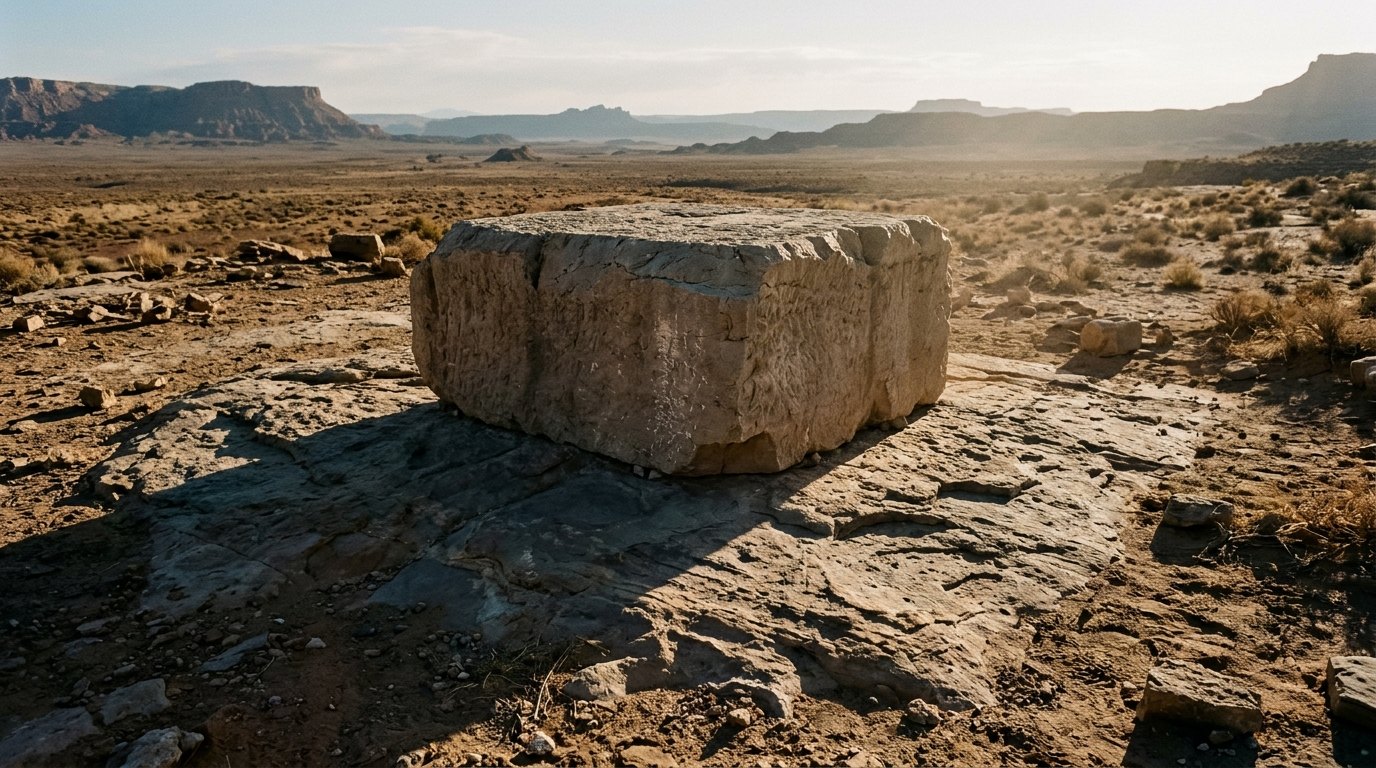
And I tell you that you are Peter, and on this rock I will build my church, and the gates of Hades will not overcome it.
Matthew 16:18 (NIV)
Jesus declares that He personally builds His assembly on the confession of His Messiahship, guaranteeing that the gates of hell will not prevail against it.
In Matthew 16:18, the Lord Jesus speaks the decisive word concerning the origin, ownership, and invincibility of His people: “I will build my church, and the gates of hell shall not prevail against it.” The church does not arise from human social impulses or cultural consensus; it is the deliberate construction of the Son of God Himself. Built upon the rock of the apostolic confession of Jesus as the Christ, this assembly belongs unconditionally to Him. The price He paid to secure it confirms its infinite worth. Paul charges the Ephesian elders in Acts 20:28 to shepherd this flock with vigilant sobriety, precisely because it is the church of God which He purchased with His own blood.
Because Christ Himself builds the church, its structural architecture is divinely determined rather than open to human revision. In Ephesians 2:20, Paul explains that God’s household is built upon the foundation of the apostles and prophets, with Christ Jesus Himself standing as the cornerstone that aligns and sustains every living stone. As the apostle warns the Corinthians, “no one can lay a foundation other than that which is laid, which is Jesus Christ” (1 Corinthians 3:11). Every valid local assembly rests entirely upon this singular gospel reality. Furthermore, this gathered body experiences the active, living presence of its Builder. Jesus assures His disciples in Matthew 18:20 that where even two or three gather in His name, He is present among them with full covenantal authority. Whenever believers assemble, they also join a reality far greater than what the eye can see: Hebrews 12:22–24 reveals that they participate in the joyful heavenly assembly, joining the church of the firstborn enrolled in heaven through Jesus, the mediator of the new covenant.
| Passage | What it says |
|---|---|
| Matthew 16:18 | Jesus promises to build His church upon the rock of Peter's confession, ensuring hell's forces cannot overcome it. |
| Acts 20:28 | Paul charges elders to shepherd the church of God, which Christ purchased with His own blood. |
| Ephesians 2:20 | The household of God is built upon the foundation of the apostles and prophets, Christ Jesus Himself being the cornerstone. |
| 1 Corinthians 3:11 | No one can lay any foundation other than the one already laid, which is Jesus Christ. |
| Matthew 18:20 | Christ promises His personal presence wherever two or three gather in His name. |
| Hebrews 12:22-24 | Describes the heavenly assembly and church of the firstborn enrolled in heaven. |
Images of Identity
Body, Bride, Household, and Royal Priesthood
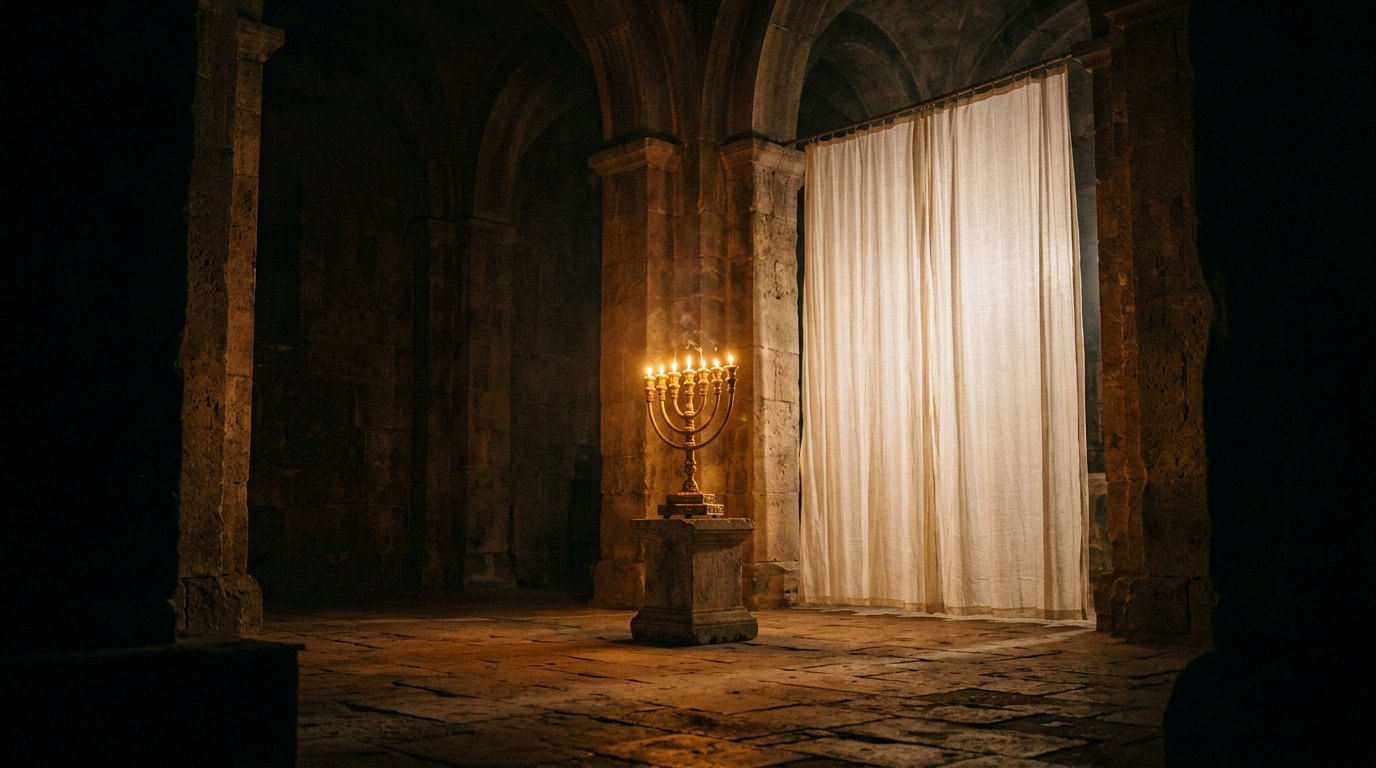
And God placed all things under his feet and appointed him to be head over everything for the church, which is his body, the fullness of him who fills everything in every way.
Ephesians 1:22-23 (NIV)
Paul defines the church directly as Christ's body, the fullness of Him who fills all in all.
In Ephesians 1:22–23, the Holy Spirit provides the most exalted definition of the assembly: God gave Christ as “head over all things to the church, which is his body, the fullness of him who fills all in all.” The church is not an abstract concept or a sterile institution, but a living, organic reality vitalized by Christ. In 1 Corinthians 12:27, Paul brings this cosmic truth into the immediate life of the congregation, declaring that believers collectively are the body of Christ and individually members of it, bound together in mutual interdependence. Romans 12:4–5 confirms this corporate design, showing that though we have different gifts, we form one unified body in Christ and belong intimately to one another.
Scripture also employs the tender imagery of marriage to unveil Christ’s sacrificial love. In Ephesians 5:25–27, Paul reveals that Christ loved the church and gave Himself up for her, cleansing her by the washing of water with the word so that He might present her to Himself in radiant splendor, without spot or wrinkle. The local congregation is therefore betrothed to Christ as a pure virgin bride, guarded against spiritual compromise (2 Corinthians 11:2). Along with these relational pictures, the New Testament identifies the gathered church as God’s true dwelling place. It is the household of faith (Galatians 6:10) and “the household of God, which is the church of the living God, a pillar and buttress of the truth” (1 Timothy 3:15). The local assembly stands as God’s holy temple indwelt by the Spirit (1 Corinthians 3:16–17), a royal priesthood called out of darkness to proclaim His glorious excellencies to the nations (1 Peter 2:9).
| Passage | What it says |
|---|---|
| Ephesians 1:22-23 | God gave Christ as head over all things to the church, which is His body and fullness. |
| 1 Corinthians 12:27 | Believers collectively are the body of Christ and individually members of it. |
| Ephesians 5:25-27 | Christ loved the church as His bride, giving Himself up for her to sanctify and present her in splendor. |
| 1 Timothy 3:15 | The household of God is the church of the living God, the pillar and buttress of the truth. |
| 1 Peter 2:9 | Believers are a chosen race, a royal priesthood, a holy nation, and God's own possession. |
| Romans 12:4-5 | Believers form one body in Christ and are individually members of one another. |
| 2 Corinthians 11:2 | The local church is betrothed to Christ as a pure virgin bride. |
| 1 Corinthians 3:16-17 | The local congregation is God's temple indwelt by the Holy Spirit. |
| Galatians 6:10 | The community of believers is identified as the household of faith. |
Membership and Gathering
Those Saved and Added to the Visible Flock
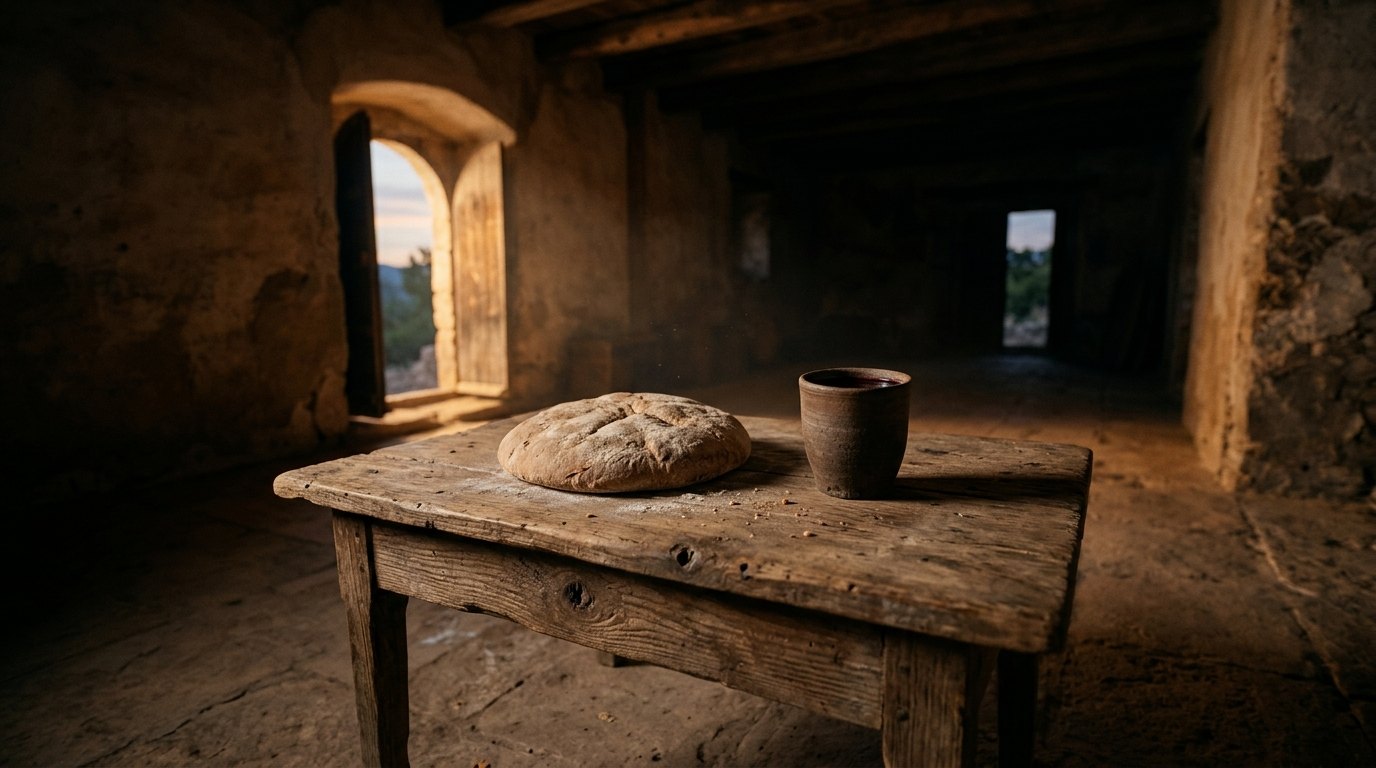
praising God and enjoying the favor of all the people. And the Lord added to their number daily those who were being saved.
Acts 2:47 (NIV)
Luke records that church membership is the sovereign work of God adding saved sinners to the gathered community.
In Acts 2:47, the narrative of the early church records the divine rhythm of true congregational growth: “the Lord added to their number day by day those who were being saved.” Church membership is neither a casual human club nor a self-selected association. It begins with the supernatural regeneration of the heart, whereby the Holy Spirit baptizes believers into one body across every racial, social, and economic divide (1 Corinthians 12:13). The reality of inward conversion immediately manifests in visible commitment. On the day of Pentecost, those who received Peter’s word were baptized and numbered among the disciples, devoting themselves steadfastly to the apostles’ teaching, fellowship, the breaking of bread, and the prayers (Acts 2:41–42).
This devotion required tangible presence in the gathered assembly. The author of Hebrews commands the flock not to neglect meeting together, as is the habit of some, but to encourage one another all the more as the Day draws near (Hebrews 10:24–25). The risen Christ anchored this regular gathering in two enduring covenant ordinances: baptism, by which new disciples are visibly marked as belonging to the Triune God (Matthew 28:19–20), and the Lord’s Supper, where the gathered assembly partakes of one loaf and cup to proclaim the Lord’s death until He comes (1 Corinthians 11:23–26). Far from being formless or undefined, the New Testament church maintained distinct, recognized boundaries. As demonstrated in the solemn judgment of Ananias and Sapphira in Acts 5:11–14, a holy fear fell upon the whole church; the community had clear lines of membership such that unbelievers dared not join them lightly, yet genuine converts were added in great numbers.
| Passage | What it says |
|---|---|
| Acts 2:41-42 | Those who received the word were baptized, numbered among the believers, and devoted to the apostles' teaching, fellowship, breaking of bread, and prayers. |
| Acts 2:47 | The Lord added to the church daily those who were being saved. |
| 1 Corinthians 12:13 | By one Spirit all believers were baptized into one body, whether Jews or Greeks, slaves or free. |
| Hebrews 10:24-25 | Believers are commanded not to neglect assembling together, but to stir up love and good works. |
| Matthew 28:19-20 | The Great Commission institutes baptism and ongoing discipleship in the gathered community. |
| 1 Corinthians 11:23-26 | The regular observance of the Lord's Supper proclaims the Lord's death until He comes. |
| Acts 5:11-14 | Definite visible boundary and fearful purity marks the membership of the Jerusalem church. |
The True Head
Christ Alone Governs and Directs His Church

And he is the head of the body, the church; he is the beginning and the firstborn from among the dead, so that in everything he might have the supremacy.
Colossians 1:18 (NIV)
Scripture establishes Christ as the sole head of the body, holding preeminence in all things.
Colossians 1:18 delivers the foundational governing principle of all biblical ecclesiology: “He is the head of the body, the church. He is the beginning, the firstborn from the dead, that in everything he might be preeminent.” Jesus Christ does not share His headship with any earthly monarch, bishop, pope, or council. The church is not an autonomous democracy that invents its own doctrine, nor an oligarchy governed by worldly wisdom; it is an absolute monarchy ruled by its risen King. As Ephesians 5:23 declares, Christ is the head of the church, His body, and is Himself its Savior. His Word alone defines its worship, regulates its ordinances, and dictates its mission.
Because Christ is the living Head, the health and maturity of every local congregation depends upon remaining in vital union with Him. In Ephesians 4:15–16, Paul explains that as believers speak the truth in love, the entire body grows up in every way into Him who is the head, Christ, from whom the whole body is joined and held together, building itself up in love as each part works properly. All true spiritual nourishment, order, and authority flow downward from the exalted Son of God. Human leaders in the local congregation do not possess ultimate or legislative authority; they function strictly as ministerial stewards under Christ’s written Word. Peter reminds local elders in 1 Peter 5:4 that they are mere under-shepherds who must give an account to the Chief Shepherd, who will appear to reward the faithful. Christ alone holds the keys of David, walks among the golden lampstands, and rules His flock with unbroken sovereignty.
| Passage | What it says |
|---|---|
| Colossians 1:18 | Christ is the head of the body, the church, the beginning and firstborn from the dead. |
| Ephesians 4:15-16 | Speaking truth in love, the whole body grows up into Him who is the head, Christ. |
| Ephesians 5:23 | Christ is the head of the church, His body, and is Himself its Savior. |
| 1 Peter 5:4 | Christ is the Chief Shepherd who will appear to reward faithful under-shepherds. |
Elders and Overseers
Under-Shepherds Called to Lead and Feed the Flock

To the elders among you, I appeal as a fellow elder and a witness of Christ’s sufferings who also will share in the glory to be revealed: Be shepherds of God’s flock that is under your care, watching over them—not because you must, but because you are willing, as God wants you to be; not pursuing dishonest gain, but eager to serve; not lording it over those entrusted to you, but being examples to the flock.
1 Peter 5:1-3 (NIV)
Peter exhorted fellow elders to shepherd God's flock eagerly, serving as examples rather than domineering rulers.
In 1 Peter 5:1-3, the apostle Peter charges the elders of the church to shepherd the flock of God willingly and eagerly, setting an example rather than lording their authority over those entrusted to their care. This calling reflects the divine architecture of local church leadership. Far from an arbitrary invention, the plurality of pastoral leadership was established from the earliest days of the church, seen when Paul and Barnabas appointed elders in every congregation with prayer and fasting (Acts 14:23). Paul later summoned the Ephesian elders to remind them that the Holy Spirit Himself had appointed them as overseers to shepherd the blood-bought church of God (Acts 20:17).
The qualifications for these under-shepherds center almost entirely on character, spiritual maturity, and the ability to teach sound doctrine. Writing to Timothy, Paul explains that an overseer must be above reproach, self-controlled, hospitable, gentle, and able to manage his own household well (1 Timothy 3:1-7). He instructs Titus similarly to ordain elders who hold firmly to the trustworthy message as taught, so they can refute opponents and exhort believers in sound doctrine (Titus 1:5-9).
Because these men labor directly for the spiritual vitality of the saints, the congregation is directed to sustain and respect them. Elders who rule well, particularly those laboring in the word and doctrine, are considered worthy of double honor (1 Timothy 5:17). Believers are called to submit to their spiritual oversight with joy, knowing that these men must give an account to the Chief Shepherd for the souls under their watch (Hebrews 13:17). Finally, their pastoral care extends intimately to personal suffering and infirmity, as the sick are urged to call for the elders of the church to pray over them and anoint them in the name of the Lord (James 5:14). Through such faithful servant-leaders, Christ's gentle care is tangibly extended.
| Passage | What it says |
|---|---|
| Acts 14:23 | Paul and Barnabas appointed elders in every church with prayer and fasting. |
| Acts 20:17 | Paul summoned the elders of the church of Ephesus to deliver his farewell charge. |
| 1 Timothy 3:1-7 | Paul outlines the blameless character and teaching ability required for an overseer. |
| Titus 1:5-9 | Titus is commanded to appoint qualified elders in every town who hold fast the trustworthy word. |
| 1 Timothy 5:17 | Elders who rule well, especially those who labor in preaching and teaching, are worthy of double honor. |
| Hebrews 13:17 | Believers are instructed to obey and submit to leaders who keep watch over their souls. |
| 1 Peter 5:1-3 | Elders are exhorted to shepherd God's flock eagerly as examples rather than domineering lords. |
| James 5:14 | Sick members are instructed to call for the elders of the church to pray over them. |
Deacons and Ministry
Servant Leaders and the Ministry of All Members
In the same way, deacons are to be worthy of respect, sincere, not indulging in much wine, and not pursuing dishonest gain. They must keep hold of the deep truths of the faith with a clear conscience. They must first be tested; and then if there is nothing against them, let them serve as deacons. In the same way, the women are to be worthy of respect, not malicious talkers but temperate and trustworthy in everything. A deacon must be faithful to his wife and must manage his children and his household well. Those who have served well gain an excellent standing and great assurance in their faith in Christ Jesus.
1 Timothy 3:8-13 (NIV)
Scripture specifies the godly moral qualifications required of deacons who serve the church's practical needs.
In 1 Timothy 3:8-13, the apostle Paul details the moral and spiritual requirements for deacons, insisting they be dignified, sincere, faithful in family life, and holding the mystery of the faith with a clear conscience. The biblical office of deacon arose directly from practical necessity in the Jerusalem congregation, where seven qualified men full of the Holy Spirit and wisdom were appointed to oversee the daily distribution of food to widows, allowing the apostles to dedicate themselves uninterruptedly to prayer and the ministry of the word (Acts 6:1-6). From the apostolic era onward, the local assembly was properly organized with both overseers and deacons serving side by side (Philippians 1:1).
This pattern demonstrates that church structure exists to foster whole-body health and practical charity. Paul commends Phoebe, a faithful servant of the church at Cenchreae who provided crucial patronage and support to the saints (Romans 16:1-2). Yet this ministry is not limited to recognized officers. Christ gifted apostles, prophets, evangelists, pastors, and teachers precisely to equip every saint for the daily work of ministry, that the body of Christ may be built up into complete maturity (Ephesians 4:11-12).
Every believer has been made a vital participant in this corporate work through the indwelling Spirit. There are diverse varieties of gifts and services, but the same Spirit distributes to each believer individually for the common good (1 Corinthians 12:4-7). Peter underscores this universal stewardship, commanding each believer to employ whatever gift they have received to serve one another as trustworthy managers of God's varied grace (1 Peter 4:10-11). When deacons lead in humble service and members labor in mutual ministry, the entire body grows in supernatural strength.
| Passage | What it says |
|---|---|
| Acts 6:1-6 | Seven men of good repute and full of the Spirit are appointed to serve tables, freeing apostles for prayer and ministry of the word. |
| Philippians 1:1 | Paul addresses all the saints in Philippi together with the overseers and deacons. |
| 1 Timothy 3:8-13 | Qualifications are prescribed for deacons and their wives, noting they gain great standing in faith. |
| Ephesians 4:11-12 | Gifts of leadership are given to equip the saints for the work of ministry and edifying Christ's body. |
| 1 Corinthians 12:4-7 | Varieties of spiritual gifts are given by the same Spirit to each member for the common good. |
| Romans 16:1-2 | Commends Phoebe, a servant of the church at Cenchreae, for her vital patron ministry. |
| 1 Peter 4:10-11 | Every believer employs their gift to serve others as stewards of God's varied grace. |
Discipline and Purity
Accountability, Holiness, and the Exercise of Church Discipline
If they still refuse to listen, tell it to the church; and if they refuse to listen even to the church, treat them as you would a pagan or a tax collector.
Matthew 18:17 (NIV)
It assigns final disciplinary authority to the assembled local congregation in matters of persistent sin.
In Matthew 18:17, the Lord Jesus places the final measure of corrective discipline into the hands of the assembled congregation, declaring that if an unrepentant believer refuses to hear the church, they must be treated as an outsider. This holy accountability is not born of vindictiveness, but of redemptive love for the sinner and protective vigilance over the purity of Christ’s bride. Christ established a clear, stepwise order: private correction first, followed by bringing one or two witnesses, and finally reporting persistent rebellion to the whole gathered church (Matthew 18:15-17).
The apostles strictly reinforced this congregational responsibility. Addressing flagrant, unrepented sin in Corinth, Paul ordered the assembly to gather in the name of the Lord Jesus and formally deliver the transgressor to Satan for the destruction of the flesh, that his spirit might ultimately be saved in the day of the Lord (1 Corinthians 5:4-5). The local church is expressly commanded to exercise moral judgment over those within its own covenant community, purifying itself of defiling leaven while leaving the judgment of the outside world entirely to God (1 Corinthians 5:12-13).
Similarly, Paul instructs that an individual who stubbornly persists in stirring up division and heresy must be warned once, warned a second time, and then rejected if he refuses correction (Titus 3:10-11). Yet the ultimate aim of church discipline remains restoration, not destruction. When an errant believer repents and grieves over sin, the church is commanded to immediately forgive, comfort, and reaffirm their sincere love toward them, lest such a person be overwhelmed by excessive sorrow and entrapped by the adversary (2 Corinthians 2:6-8).
| Passage | What it says |
|---|---|
| Matthew 18:15-17 | Christ establishes the stepwise process of church discipline culminating in assembly authority. |
| 1 Corinthians 5:4-5 | The assembled church removes unrepentant sinners to preserve holiness and pursue restoration. |
| 1 Corinthians 5:12-13 | God judges those outside while the local church exercises judgment over inside members. |
| 2 Corinthians 2:6-8 | The congregation reaffirms love and forgives the disciplined sinner upon genuine repentance. |
| Titus 3:10-11 | A person who stirs up division is warned twice and then rejected. |
Where in the Bible
| Book | Passages |
|---|---|
| Matthew | 4 · Matthew 16:18, Matthew 18:20, Matthew 28:19-20, Matthew 18:15-17 |
| Acts | 7 · Acts 20:28, Acts 2:41-42, Acts 2:47, Acts 5:11-14, Acts 14:23, Acts 20:17, Acts 6:1-6 |
| Romans | 2 · Romans 12:4-5, Romans 16:1-2 |
| 1 Corinthians | 8 · 1 Corinthians 3:11, 1 Corinthians 12:27, 1 Corinthians 3:16-17, 1 Corinthians 12:13, 1 Corinthians 11:23-26, 1 Corinthians 12:4-7, 1 Corinthians 5:4-5, 1 Corinthians 5:12-13 |
| 2 Corinthians | 2 · 2 Corinthians 11:2, 2 Corinthians 2:6-8 |
| Galatians | 1 · Galatians 6:10 |
| Ephesians | 6 · Ephesians 2:20, Ephesians 1:22-23, Ephesians 5:25-27, Ephesians 4:15-16, Ephesians 5:23, Ephesians 4:11-12 |
| Philippians | 1 · Philippians 1:1 |
| Colossians | 1 · Colossians 1:18 |
| 1 Timothy | 4 · 1 Timothy 3:15, 1 Timothy 3:1-7, 1 Timothy 5:17, 1 Timothy 3:8-13 |
| Titus | 2 · Titus 1:5-9, Titus 3:10-11 |
| Hebrews | 3 · Hebrews 12:22-24, Hebrews 10:24-25, Hebrews 13:17 |
| James | 1 · James 5:14 |
| 1 Peter | 4 · 1 Peter 2:9, 1 Peter 5:4, 1 Peter 5:1-3, 1 Peter 4:10-11 |
The story in order
- Jesus promises to build His church (c. AD 28) · Matthew 16:18 · Establishes Christ's authority and the church's security.
- The Holy Spirit indwells believers (c. AD 55) · 1 Corinthians 3:16-17 · The church is God's temple, His Spirit resides within.
- The church is Christ's body (c. AD 60-61) · Ephesians 1:22-23 · Christ is head over all things to the church.
- Christ is the head of the church (c. AD 60-61) · Colossians 1:18 · Christ is the head of the body, the church.
- Christ is the Savior and head (c. AD 60-61) · Ephesians 5:23 · Christ is the head of the church, His body.
- Apostles appointed elders (c. AD 48) · Acts 14:23 · Ordained leaders for the newly formed churches.
- Paul charges Ephesian elders (c. AD 57) · Acts 20:17 · Instruction on shepherding the flock of God.
- Qualifications for overseers (c. AD 62) · 1 Timothy 3:1-7 · Character and ability requirements for leadership.
- Qualifications for deacons (c. AD 62) · 1 Timothy 3:8-13 · Service roles and qualifications for deacons.
- Equipping saints for ministry (c. AD 60-61) · Ephesians 4:11-12 · Gifts given to equip believers for service.
- Church discipline process (c. AD 28) · Matthew 18:15-17 · Steps for addressing sin within the community.
- Removing unrepentant sinners (c. AD 55) · 1 Corinthians 5:4-5 · Assembly action for maintaining purity.
Key words
- Church
- The assembly of believers, the body of Christ, God's household. · Matthew 16:18
- Head (kephalē, κεφαλή)
- Christ is the sole authority and governing leader of the church. · Colossians 1:18
- Shepherd (poimainō, ποιμαίνω)
- Leaders who care for, guide, and feed the flock of God. · Acts 20:28
- Overseer (episkopos, ἐπίσκοπος)
- Qualified servant-leader appointed to lead and care for the church. · 1 Timothy 3:1
- Deacon (diakonos, διάκονος)
- Servant-leader appointed to specific ministries within the church. · Philippians 1:1
- Saints (hagios, ἅγιος)
- Believers set apart by God, holy and belonging to Him. · 1 Corinthians 1:2
- Body of Christ
- The church as a unified organism with Christ as its head. · Ephesians 1:22-23
- Household of God
- The church as a family, built on Christ and the apostles. · Ephesians 2:20
To belong to the church is to be united by faith to Christ and joined in covenant love to His visible, local body. As each member serves according to Scripture's pattern under godly shepherds and the Chief Shepherd Himself, the church displays the manifold wisdom and glory of God to the watching world.
46 passages, each cited once.
How the major Christian traditions read this
All Christians confess that the church is the one body of Christ, gathered by His Spirit and called to proclaim the gospel under His supreme headship (Ephesians 1:22-23; 1 Corinthians 12:12-13).
Catholic
We hold that the Church is the visible, sacramental body of Christ on earth, founded directly upon Saint Peter and the apostles (Matthew 16:18-19). Her structure is hierarchical and governed by apostolic succession, where the bishops, as successors of the apostles, exercise Christ's pastoral authority in union with the Bishop of Rome as Peter's successor. Local dioceses are entrusted to bishops assisted by priests and deacons (1 Timothy 3:1-13; Titus 1:5-9). This visible communion preserves the fullness of the means of salvation, guarding orthodox doctrine and dispensing God's grace through the seven sacraments.
Scripture: Matthew 16:18-19, 1 Timothy 3:1-13, Titus 1:5-9
Orthodox
We confess the Church as the living body of Christ and the continuous, undivided communion of faith established at Pentecost (Acts 2:42). Her structure is conciliar and episcopal, preserving unbroken apostolic succession without a single earthly head over all bishops. Each local church gathered around its bishop and celebrating the Eucharist reveals the full catholicity of the body of Christ (1 Corinthians 10:16-17; 1 Timothy 3:1-7). Decisions affecting the whole Church belong to holy synods and ecumenical councils, following the apostolic pattern where bishops govern as equals under Christ alone (Acts 15:6, 22-28).
Scripture: Acts 2:42, Acts 15:6, Acts 15:22-28, 1 Corinthians 10:16-17, 1 Timothy 3:1-7
Lutheran
We teach that the Church is properly the congregation of saints and true believers, where the gospel is purely taught and the sacraments are rightly administered (Matthew 18:20; Ephesians 4:4-6). While all Christians share in the universal priesthood of believers through baptism (1 Peter 2:9), God has instituted the public office of the ministry of Word and sacrament to preach and administer grace (Romans 10:14-17). The New Testament does not mandate a single polity; episcopacy or presbyterial oversight may serve order, provided no human structure binds consciences or obscures justification by faith alone.
Scripture: Matthew 18:20, Romans 10:14-17, Ephesians 4:4-6, 1 Peter 2:9
Reformed & Presbyterian
We distinguish between the invisible church, consisting of the whole number of the elect known to God, and the visible church of all who profess true religion with their children (Westminster Confession 25.1-2; Ephesians 1:22-23; Acts 2:39). Scripture establishes a presbyterian structure: local congregations are ruled by a plurality of ordained elders—both teaching and ruling elders—supported by deacons (1 Timothy 5:17; Titus 1:5; Philippians 1:1). Local sessions remain connected and accountable to broader courts—presbyteries and synods—reflecting the apostolic council's shared care for doctrine and discipline (Acts 15:1-6).
Scripture: Acts 2:39, Acts 15:1-6, Philippians 1:1, 1 Timothy 5:17, Titus 1:5
Anglican & Episcopal
We view the Church as the visible gathering of faithful people where the pure Word of God is preached and sacraments are duly ministered (Thirty-Nine Articles 19). We maintain the historic threefold order of ministry—bishops, priests, and deacons—which traces back to the apostolic era (1 Timothy 3:1-13; Titus 1:5-9). Bishops exercise pastoral oversight and unity across a diocese, ordaining clergy and guarding truth, yet governance operates synodically with clergy and laity deliberating together under the ultimate authority of Scripture.
Scripture: 1 Timothy 3:1-13, Titus 1:5-9
Baptist
We hold that a local church is a gathered, visible body of baptized believers united under Christ's covenant to worship, observe His ordinances, and exercise His discipline (Matthew 18:15-17; Acts 2:41-42). We practice congregational polity: each local assembly is autonomous under Christ's direct headship, self-governing and free from hierarchical or state control (Colossians 1:18). Scripture assigns leadership to two offices: qualified pastors (or elders) who shepherd through preaching and oversight, and deacons who serve practical needs (Philippians 1:1; 1 Timothy 3:1-13; 1 Peter 5:1-3).
Scripture: Matthew 18:15-17, Acts 2:41-42, Philippians 1:1, 1 Timothy 3:1-13, 1 Peter 5:1-3
Methodist & Wesleyan
We define the church as the fellowship of believers transformed by grace, organized to spread scriptural holiness across the world (Ephesians 4:11-13; 1 Peter 2:9). Our structure is connectional: local churches do not stand in isolation but are knit together in conferences under the superintendence of bishops and itinerant elders (Acts 16:4-5). This mutual accountability unites resources for worldwide mission, disciplines members toward sanctification, and empowers both clergy and lay people to exercise their spiritual gifts in small groups and public ministries.
Scripture: Acts 16:4-5, Ephesians 4:11-13, 1 Peter 2:9
Pentecostal & Charismatic
We view the church as the Spirit-baptized, missionary community empowered to manifest the kingdom of God on earth (Acts 1:8; 2:1-4). While church structures vary among us from congregational to presbyterian and episcopal forms, we believe the church's true life depends on the active leading and gifts of the Holy Spirit (1 Corinthians 12:4-11, 28). Leaders are recognized by their spiritual calling, holy character, and manifest fruit (1 Timothy 3:1-7; Ephesians 4:11-12), existing to equip every believer for supernatural witness and ministry.
Scripture: Acts 1:8, Acts 2:1-4, 1 Corinthians 12:4-11, Ephesians 4:11-12, 1 Timothy 3:1-7
Non-denominational & Evangelical
We emphasize the Church as all genuine believers in Jesus Christ across every background, expressed concretely in independent local congregations (Ephesians 2:19-22). We follow a simple New Testament model of governance: Christ alone is the head, and local leadership is entrusted to a team of elders who teach and protect the flock, assisted by deacons (Philippians 1:1; Titus 1:5; 1 Peter 5:1-4). Rejecting external denominational control, we govern our affairs locally according to the clear teaching of the Bible.
Scripture: Ephesians 2:19-22, Philippians 1:1, Titus 1:5, 1 Peter 5:1-4
Where they differ
Primary pattern of church government
- Catholic
- Hierarchical episcopacy unified under the Bishop of Rome as Peter's successor.
- Orthodox
- Conciliar episcopacy where equal bishops govern synodically under Christ.
- Lutheran
- Flexible polity serving the pure preaching of the Word and sacraments.
- Reformed & Presbyterian
- Presbyterian connectivity through sessions, presbyteries, and regional synods.
- Anglican & Episcopal
- Historic threefold episcopacy governing synodically with clergy and laity.
- Baptist
- Autonomous congregational self-governance under pastoral and diaconal leadership.
- Methodist & Wesleyan
- Connectional governance under itinerant superintendents, bishops, and conferences.
- Pentecostal & Charismatic
- Spirit-directed ministry using various polities to equip believers for mission.
- Non-denominational & Evangelical
- Independent local congregational autonomy led by a local elder board.
Scripture: Matthew 16:18-19, Acts 15:2-6, 1 Timothy 3:1-13, Titus 1:5
Nature of apostolic succession
- Catholic
- Unbroken tactile ordination of bishops in communion with the Roman pontiff.
- Orthodox
- Continuous sacramental lineage and unaltered holy tradition preserved by bishops.
- Lutheran
- Faithfulness to apostolic doctrine and the proper administration of sacraments.
- Reformed & Presbyterian
- Adherence to apostolic doctrine taught by ministers ordained by presbyteries.
- Anglican & Episcopal
- Historic episcopate passing down ministerial order and apostolic teaching.
- Baptist
- Faithfulness to the apostolic gospel found exclusively in Scripture.
- Methodist & Wesleyan
- Succession of apostolic mission, message, and spiritual life across generations.
- Pentecostal & Charismatic
- Continuation of apostolic faith and the supernatural power of Pentecost.
- Non-denominational & Evangelical
- Fidelity to the written Word of God rather than outward lineages.
Scripture: Acts 2:42, 2 Timothy 2:2, Titus 1:5-9
Your pastor can tell you where your church stands.
Scripture cited
- Acts 2:38-47
- Ephesians 1:22-23
- Ephesians 2:19-22
- Ephesians 4:11-16
- 1 Corinthians 12:12-27
- Acts 20:17-31
- 1 Timothy 3:1-13
- Titus 1:5-9
- 1 Peter 5:1-4
- Matthew 18:15-20
- Matthew 16:13-18
- Acts 14:21-23