What does it mean to be a member of the church?
The answer
To be a member of the church is to be part of Christ’s body, united to him and to other believers, worshiping God with them, and serving and encouraging them in faith and love. It is more than attending services or belonging to an organization.
You belong to Christ and his people
The church is Christ’s body, and those baptized into Christ are members of it: “For in one Spirit we were all baptized into one body” (1 Corinthians 12:13). Paul makes it explicit: “Now you are the body of Christ, and members individually” (1 Corinthians 12:27). No individual Christian is the whole church; each believer has a distinct place within the body.
Membership is also a spiritual relationship, not merely an institutional one. Through Christ, believers are “no longer strangers and foreigners” but “fellow citizens with the saints and of the household of God” (Ephesians 2:19). Christ is the foundation and chief cornerstone of this household (Ephesians 2:20).
You worship and grow with the congregation
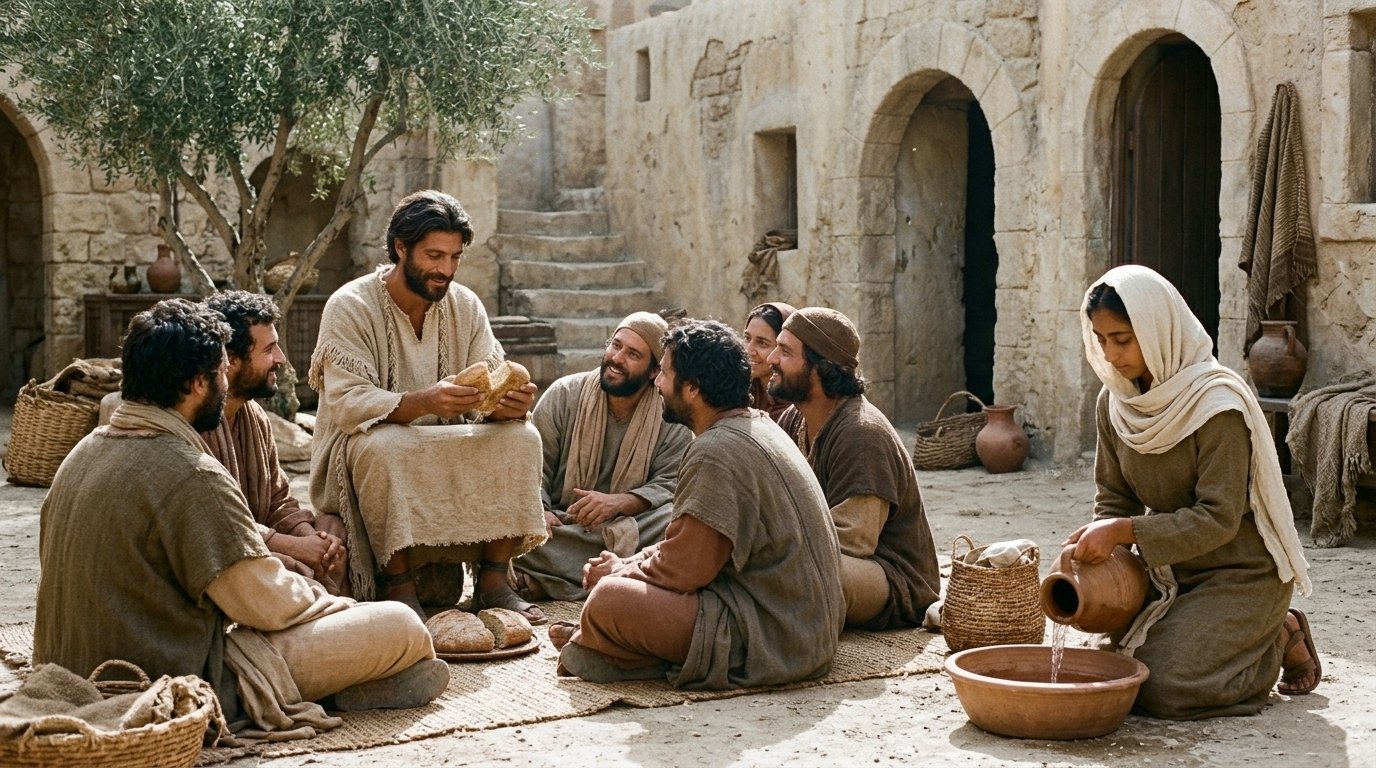
The early church’s life together included “the apostles’ teaching and fellowship, in the breaking of bread, and prayer” (Acts 2:42). Membership therefore involves receiving God’s word, participating in worship, and sharing fellowship with the congregation.
Christians are instructed not to forsake assembling together, but rather to “exhort one another” (Hebrews 10:25). Church fellowship is not optional for Christians who are able to participate.
You serve other members as they serve you
In the body, believers care for one another: “When one member suffers, all the members suffer with it. When one member is honored, all the members rejoice with it” (1 Corinthians 12:26). Each member is given a spiritual gift for the good of the whole (1 Corinthians 12:7). This means actively loving, helping, encouraging, and serving others, including people you may not naturally feel close to.
The church also has God-given leaders who shepherd the flock “not under compulsion” or for dishonest gain, but willingly and as examples to the flock (1 Peter 5:2-3). Members are to submit to such pastoral oversight (Hebrews 13:17).
You live in hope and holiness
Because the church is God’s dwelling among his people, it is described as “a holy temple in the Lord” and a habitation of God in the Spirit (Ephesians 2:21-22). Membership therefore calls for holiness, repentance, and faithfulness—not merely connection or attendance.
In short: church membership means sharing in Christ and his people—not simply showing up. Local churches may describe membership, baptism, and the Lord’s Supper differently, and your pastor can help you understand the practice of the church you attend.
Answered from Scripture · reviewed November 10, 2026
Scripture defines membership in the church not as casual attendance or belonging to a club, but as living union with Jesus Christ and real covenant commitment to His people. To be a member of the church is to be knit into Christ's body, walking in mutual care, faithful worship, shared submission, and holy purpose.
The Body of Christ
Believers Are Knit into Christ and One Another
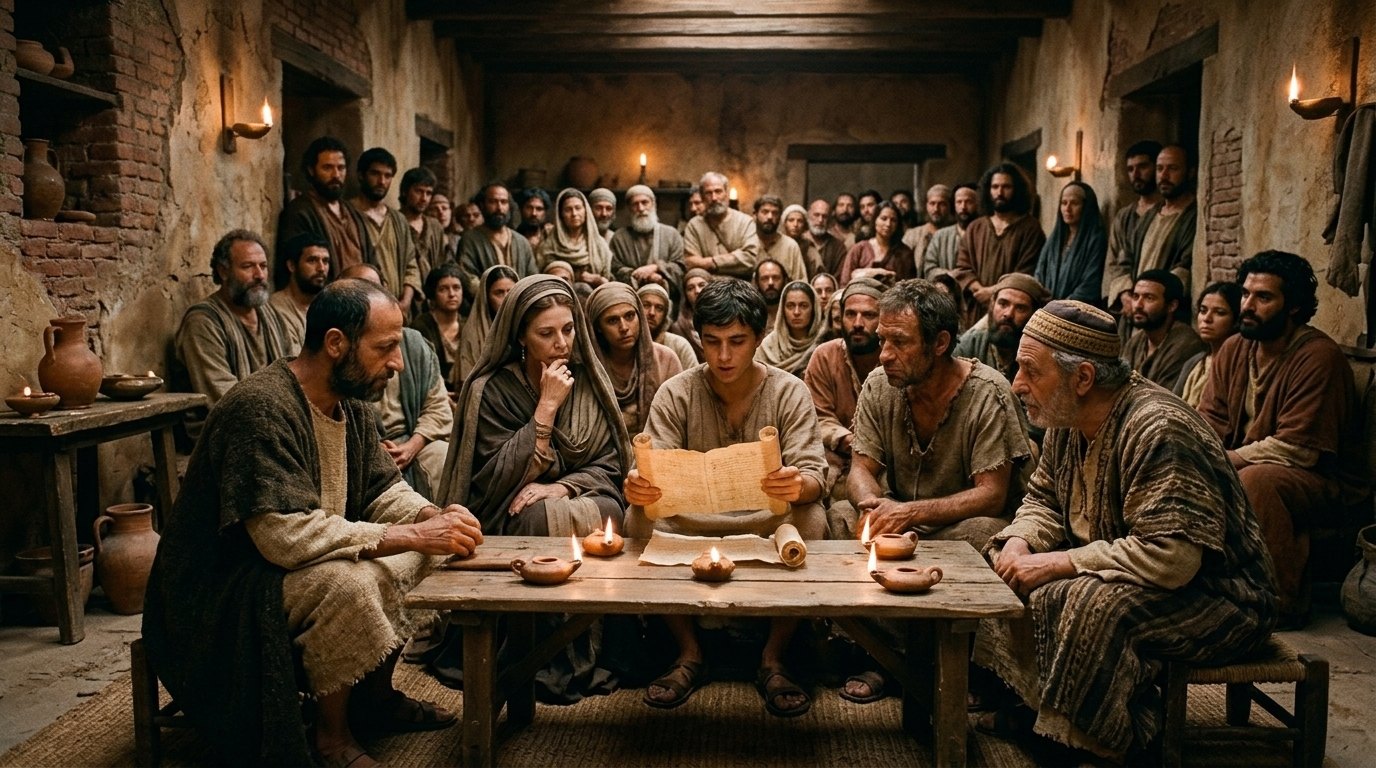
Now you are the body of Christ, and each one of you is a part of it.
1 Corinthians 12:27 (NIV)
Paul directly names each Christian an indispensable part of Christ's corporate body.
In 1 Corinthians 12:27, the apostle Paul cuts through any detached idea of church life with a single, direct declaration: "Now you are the body of Christ and individually members of it." Church membership is neither an arbitrary institutional label nor a detached consumer arrangement; it is an organic, spiritual reality. As Paul explains in 1 Corinthians 12:12-14, just as the physical human frame consists of many diverse parts functioning as a singular entity, so it is with Christ. Every true disciple has been baptized by one Spirit into one body, breaking down every former dividing wall of ancestry and status. This union creates an unavoidable, daily interdependence. According to 1 Corinthians 12:21-26, no single part can say to another, "I have no need of you"; rather, God has composed the body so that the parts deemed weaker are indispensable, meaning that when one member suffers, all suffer together, and when one member is honored, all rejoice together.
This same profound mutuality anchors Romans 12:4-5, where Paul reminds the saints in Rome that though they are many, they form one body in Christ and are "individually members one of another." A Christian cannot flourish in isolation any more than an amputated limb can survive apart from the torso. In Ephesians 4:15-16, this corporate life is shown to derive its vigor directly from Jesus: as each individual part works properly in love, the entire body grows and builds itself up. Furthermore, Ephesians 5:29-30 reveals that Christ nourishes and cherishes the church precisely because believers are members of His own body. In Colossians 1:18, Christ stands revealed as the supreme Head of the body, governing and sustaining His people so that in everything He might have absolute preeminence.
| Passage | What it says |
|---|---|
| 1 Corinthians 12:12-14 | Believers are baptized by one Spirit into one body, composed of many diverse members. |
| 1 Corinthians 12:21-26 | Every member is vital; when one suffers, all suffer, and when one is honored, all rejoice. |
| Romans 12:4-5 | Though many, believers form one body in Christ and are individually members of one another. |
| Ephesians 4:15-16 | The whole body grows and builds itself up in love as each part works properly. |
| Ephesians 5:29-30 | Christ nourishes and cherishes the church because believers are members of His body. |
| 1 Corinthians 12:27 | Paul plainly declares to the local assembly in Corinth that they are Christ's body and individually members of it. |
| Colossians 1:18 | Christ is named the head of the body, the church, holding preeminence in all things. |
Household and Temple
Citizens of God's House Built upon the Cornerstone
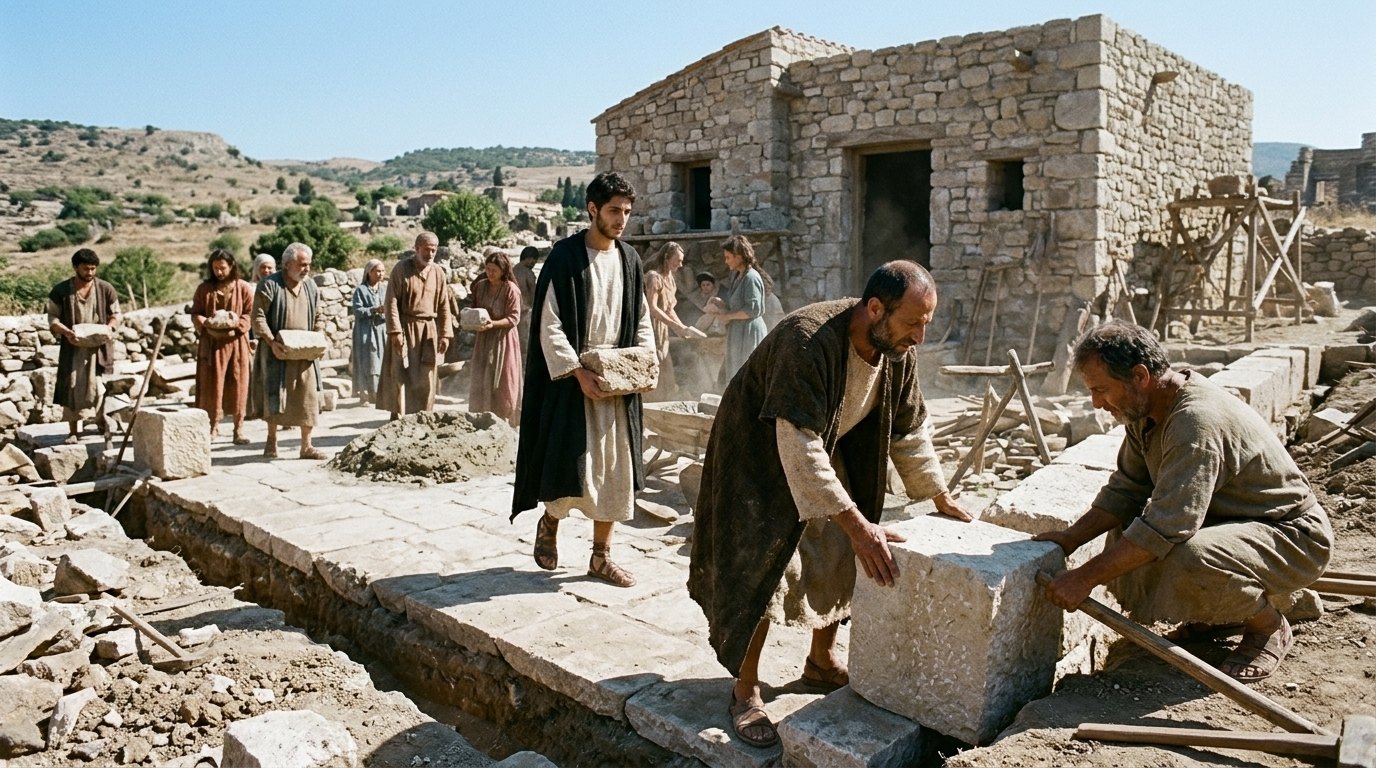
Consequently, you are no longer foreigners and strangers, but fellow citizens with God’s people and also members of his household,
Ephesians 2:19 (NIV)
This verse announces the permanent identity change from alienated strangers to fellow citizens and family of God.
In Ephesians 2:19, Scripture announces an astonishing migration of status for every believer: "So then you are no longer strangers and aliens, but you are fellow citizens with the saints and members of the household of God." Where Gentile sinners once lived shut out from the covenants of promise, sovereign grace has adopted them directly into the immediate family of the living God. This household is not built on shifting human philosophies or fleeting emotional bonds. In Ephesians 2:20-22, Paul explains that God's house is firmly established upon the authoritative foundation of the apostles and prophets, with Jesus Christ Himself serving as the immovable chief cornerstone, holding the whole superstructure together as it grows into a holy dwelling place for God by His Spirit.
Because the church is God's family, the local congregation bears a sacred public weight in the world. Writing to Timothy in 1 Timothy 3:15, Paul charges him with pastoral instruction so that saints may know how one ought to behave in the household of God, which is "the church of the living God, a pillar and buttress of the truth." The church guards, displays, and proclaims divine truth against an unbelieving culture. Peter takes up this identical architectural imagery in 1 Peter 2:4-5, calling believers "living stones" who are actively being fitted together into a spiritual house, functioning as a holy priesthood offering spiritual sacrifices acceptable to God through Jesus Christ. Belonging to this holy house carries practical obligations toward one another: as Galatians 6:10 commands, Christians must do good to all people, but especially to those who belong to the household of faith.
| Passage | What it says |
|---|---|
| Ephesians 2:20-22 | The household is built on apostles and prophets, Christ being cornerstone, growing into a holy temple. |
| 1 Timothy 3:15 | The local assembly is the household of God and the pillar and buttress of truth. |
| 1 Peter 2:4-5 | Believers as living stones are being built into a spiritual house and holy priesthood. |
| Galatians 6:10 | Christians are called to do good especially to those who belong to the household of faith. |
| Ephesians 2:19 | Gentile believers are no longer strangers but fellow citizens with the saints and members of God's household. |
Worship and Gathering
Meeting Together around Word, Table, and Prayer
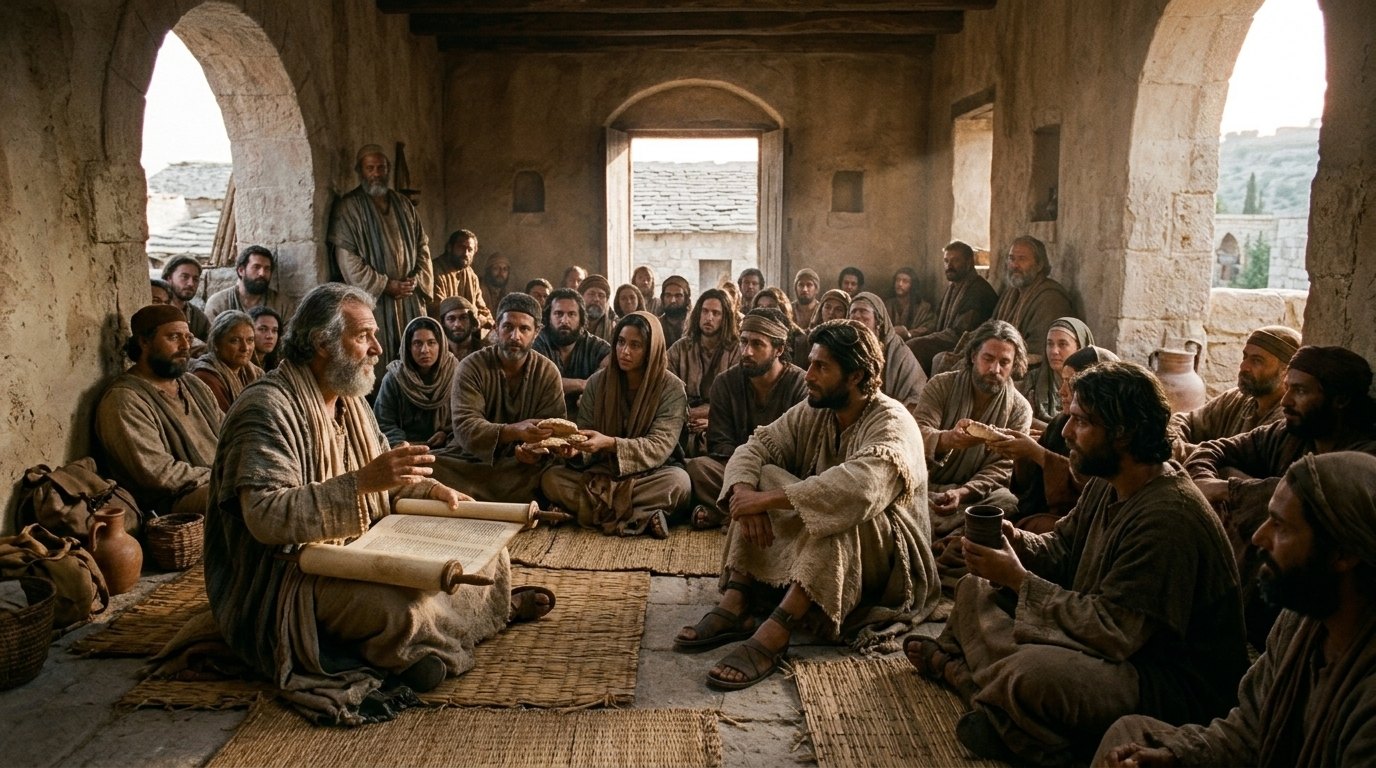
They devoted themselves to the apostles’ teaching and to fellowship, to the breaking of bread and to prayer.
Acts 2:42 (NIV)
It establishes the unchanging apostolic pattern of regular church life and communion.
In Acts 2:42, the Holy Spirit lays down the perpetual blueprint of authentic church membership: "And they devoted themselves to the apostles' teaching and the fellowship, to the breaking of bread and the prayers." From the very inception of the church at Pentecost, genuine conversion immediately expressed itself in visible, faithful corporate devotion. In Acts 2:41-42, three thousand souls were pierced by the gospel, baptized, and consciously added to the local assembly, casting off autonomous living to commit themselves to sound doctrine, tangible communion, the Lord's Table, and earnest prayer. In Acts 2:44-47, this devotion bore fruit in extraordinary generosity and daily unity as they shared their meals with glad and sincere hearts, praising God and enjoying the favor of the surrounding community.
Corporate gathering is not optional for the believer. Hebrews 10:24-25 warns the church: "Not neglecting to meet together, as is the habit of some, but encouraging one another, and all the more as you see the Day drawing near." The gathering is the ordained arena where saints provoke one another to love and good works. In Colossians 3:16, the corporate assembly is enriched when the word of Christ dwells richly among them as they sing psalms, hymns, and spiritual songs with thankfulness in their hearts to God. This weekly rhythm centered upon the Lord's Day, as demonstrated in Acts 20:7 when the disciples gathered on the first day of the week to break bread and hear the exposition of the word. In 1 Corinthians 11:17-26, Paul underscores that when the local church gathers to receive the bread and the cup, they solemnly proclaim the Lord's death until He returns.
| Passage | What it says |
|---|---|
| Acts 2:44-47 | The early believers met together continually, breaking bread, praising God, and having all things in common. |
| Hebrews 10:24-25 | Believers must not forsake meeting together, but encourage one another as the Day approaches. |
| Colossians 3:16 | The word of Christ dwells richly among believers as they sing psalms, hymns, and spiritual songs. |
| 1 Corinthians 11:17-26 | The local church comes together to proclaim the Lord's death through the Lord's Supper until He comes. |
| Acts 20:7 | The disciples gathered on the first day of the week to break bread and hear the word. |
| Acts 2:41-42 | Those who received the word were baptized, added to the church, and devoted to apostolic doctrine, fellowship, bread-breaking, and prayers. |
Mutual Care and Service
Exercising Spiritual Gifts for the Common Good
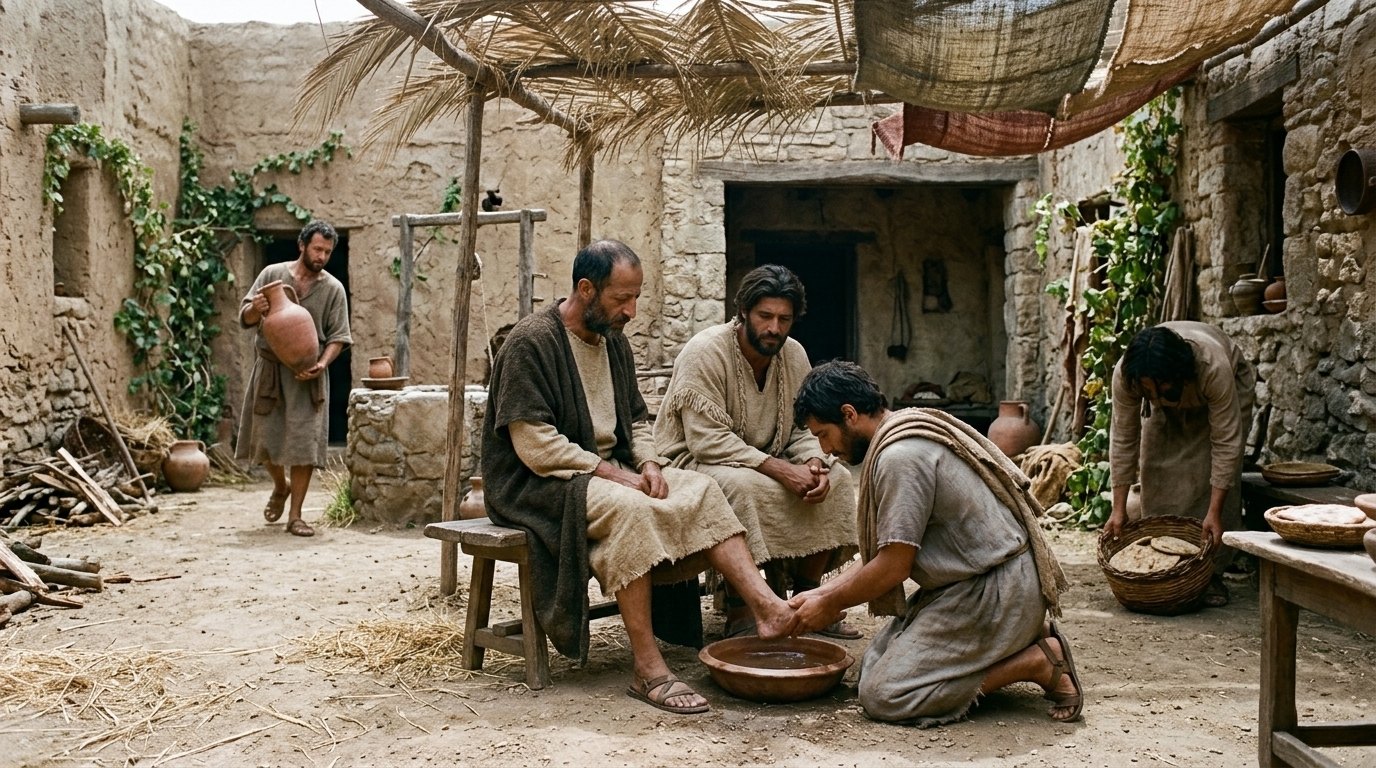
Now to each one the manifestation of the Spirit is given for the common good.
1 Corinthians 12:7 (NIV)
It shows that every believer receives a manifestation of the Spirit specifically to benefit others.
In 1 Corinthians 12:7, the apostle Paul establishes the divine purpose behind every spiritual endowment: "To each is given the manifestation of the Spirit for the common good." The Holy Spirit does not distribute spiritual capacities for private prestige, self-validation, or individualistic isolation; rather, every supernatural gift is entrusted to a believer so that the surrounding local church may be fortified. In Romans 12:6-8, Paul details how grace equips different members with varied gifts—whether prophecy, serving, teaching, exhorting, giving, leading, or showing mercy—and commands that each be exercised with sincerity, diligence, and cheerful zeal. In 1 Peter 4:10-11, the apostle Peter reinforces that whoever has received a gift must employ it as a faithful steward of God's varied grace, serving others so that in everything God may be glorified through Jesus Christ.
This stewardship of grace radically transforms daily interpersonal relationships within the church. According to Galatians 5:13, Christian freedom is never an excuse for self-gratifying license; instead, believers are called through love to serve one another as bondservants. In 1 Thessalonians 5:11, Paul directs the congregation to encourage one another and build each other up continually, just as they are already doing. This daily ministry is essential to spiritual survival: Hebrews 3:12-13 urges saints to exhort one another day by day, while it is still called "today," so that no heart becomes hardened by the deceitfulness of sin. Finally, in Galatians 6:2, the apostle sums up the sacrificial heart of true church membership by commanding believers to bear one another's heavy burdens, thereby fulfilling the law of Christ.
| Passage | What it says |
|---|---|
| Romans 12:6-8 | Grace gives differing gifts to each Christian to be used generously, diligently, and cheerfully. |
| 1 Peter 4:10-11 | Each member uses his gift to serve others as good stewards of God's varied grace. |
| Galatians 5:13 | Believers are freed from sin not for self-indulgence, but through love to serve one another. |
| 1 Thessalonians 5:11 | Church members are commanded to encourage one another and build each other up regularly. |
| Hebrews 3:12-13 | Saints exhort one another daily to prevent hardening of heart through sin's deceitfulness. |
| 1 Corinthians 12:7 | The manifestation of the Holy Spirit is given to each member for the profit and building up of all. |
| Galatians 6:2 | Believers fulfill the law of Christ by bearing one another's heavy burdens. |
Order and Pastoral Care
Submitting to Godly Shepherds and Church Oversight
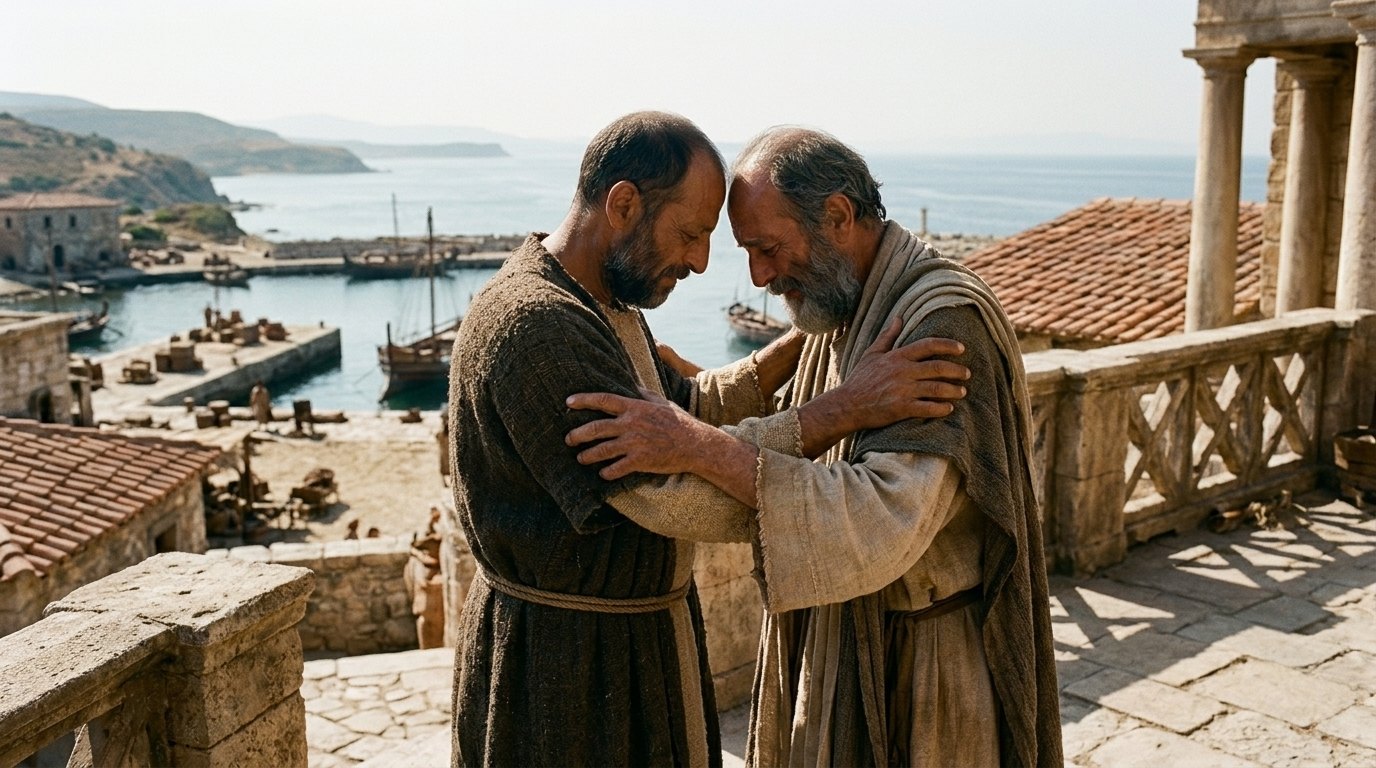
Have confidence in your leaders and submit to their authority, because they keep watch over you as those who must give an account. Do this so that their work will be a joy, not a burden, for that would be of no benefit to you.
Hebrews 13:17 (NIV)
It defines the reciprocal accountability between members and the leaders who watch over their souls.
Hebrews 13:17 sets the anchor for church order by framing leadership around eternal accountability: "Obey your leaders and submit to them, for they are keeping watch over your souls, as those who will have to give an account." Pastoral authority is neither tyranny nor decorative title; it is an agonizing, joyous stewardship over concrete souls. Peter charges elders to shepherd the flock of God willingly and eagerly, leading by personal example rather than domineering over those in their charge (1 Peter 5:1-3). Paul issues the same solemn warning to the Ephesian elders at Miletus, commanding them to pay careful attention to themselves and to all the flock, in which the Holy Spirit has made you overseers, to care for the church of God obtained with Christ's own blood (Acts 20:28). For such oversight to function, believers must know who their leaders are and place themselves deliberately under their spiritual care.
This mutual accountability creates the safety of biblical church discipline. Paul urges believers to respect those who labor among you and are over you in the Lord and admonish you, holding them in the highest esteem in love (1 Thessalonians 5:12-13). When sin threatens a brother or sister, Jesus outlines a gracious, escalating path of restoration that culminates in telling the matter to the gathered church, treating unrepentant defiance as an exit from fellowship (Matthew 18:15-17). Paul likewise affirms that the local assembly possesses God-given boundary lines: "Is it not those inside the church whom you are to judge? God judges those outside" (1 Corinthians 5:12-13). True church membership provides the visible fold wherein wandering sheep can be protected, lovingly corrected, and safely guided home.
| Passage | What it says |
|---|---|
| 1 Peter 5:1-3 | Elders are commanded to shepherd the flock willingly and eagerly, being examples rather than domineering. |
| Acts 20:28 | Pastors must pay careful attention to all the flock over which the Holy Spirit made them overseers. |
| 1 Thessalonians 5:12-13 | Members are urged to respect and esteem those who labor over them and admonish them in the Lord. |
| Matthew 18:15-17 | Christ outlines orderly church discipline and formal appeal to the assembled congregation for unrepentant sin. |
| 1 Corinthians 5:12-13 | The local church holds internal authority to judge and hold accountable those inside its fellowship. |
| Hebrews 13:17 | Members are commanded to obey and submit to leaders who keep watch over their souls as accountable stewards. |
Holiness and Witness
Living as a Consecrated People in the World
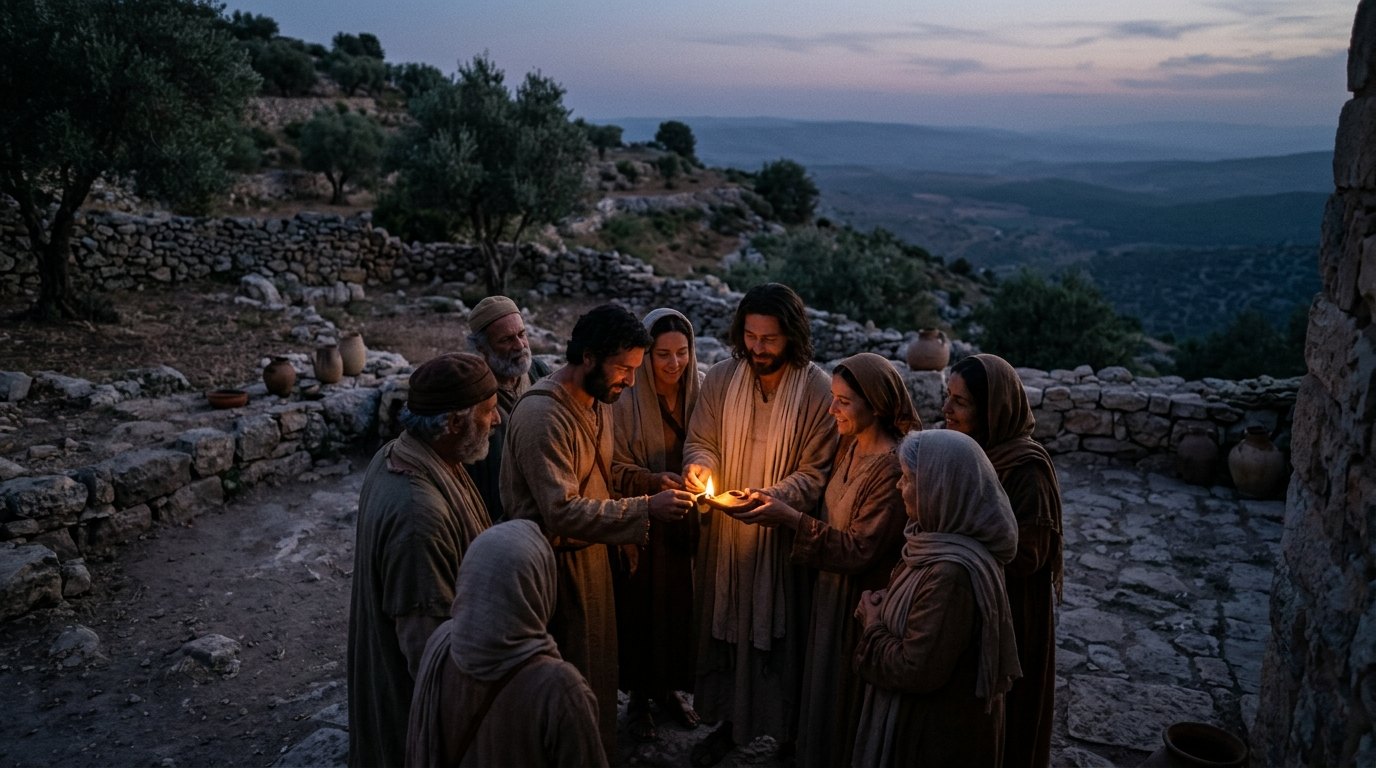
But you are a chosen people, a royal priesthood, a holy nation, God’s special possession, that you may declare the praises of him who called you out of darkness into his wonderful light. Once you were not a people, but now you are the people of God; once you had not received mercy, but now you have received mercy.
1 Peter 2:9-10 (NIV)
It declares the corporate identity and global missional purpose of God's holy people.
The definitive vocation of the corporate church is heralded in 1 Peter 2:9-10: "You are a chosen race, a royal priesthood, a holy nation, a people for his own possession, that you may proclaim the excellencies of him who called you out of darkness into his marvelous light." Church membership is fundamentally an induction into a counter-cultural community of praise. Christ loved the church and gave Himself up for her, that He might sanctify her, having cleansed her by the washing of water with the word, intending to present her to Himself in splendor without spot or wrinkle (Ephesians 5:25-27). This holiness is never solitary; it is the corporate radiance of a people living out their redemption together.
In the public square, the local assembly functions as a corporate light that cannot be hidden. Jesus calls His gathered followers a city set on a hill, whose visible good deeds compel watching outsiders to glorify the Father in heaven (Matthew 5:14-16). This witness is forged through intense, tangible fellowship, for by this all people will know that you are my disciples, if you have love for one another (John 13:34-35). As members put away grumbling and dispute, they shine as lights in the world, holding fast to the word of life in the midst of a crooked and twisted generation (Philippians 2:14-15). Because God dwells in the midst of His covenant people, the church is called to separate from every form of idolatry, walking in holy filial purity before the Lord Almighty (2 Corinthians 6:16-18).
| Passage | What it says |
|---|---|
| Ephesians 5:25-27 | Christ gave Himself up for the church to sanctify her, presenting her holy and without blemish. |
| Matthew 5:14-16 | The gathered community is a city on a hill whose good works bring glory to the Father. |
| John 13:34-35 | Mutual love among disciples is the public mark by which the world knows they belong to Christ. |
| Philippians 2:14-15 | God's children are to shine as lights in the world, blameless and innocent in a crooked generation. |
| 1 Peter 2:9-10 | Believers are a chosen race, royal priesthood, and holy nation called out of darkness to proclaim God's praises. |
| 2 Corinthians 6:16-18 | God's dwelling among his people calls the church to holiness, separation from idolatry, and purity of life. |
Where in the Bible
| Book | Passages |
|---|---|
| Matthew | 2 · Matthew 18:15-17, Matthew 5:14-16 |
| John | 1 · John 13:34-35 |
| Acts | 4 · Acts 2:44-47, Acts 20:7, Acts 2:41-42, Acts 20:28 |
| Romans | 2 · Romans 12:4-5, Romans 12:6-8 |
| 1 Corinthians | 6 · 1 Corinthians 12:12-14, 1 Corinthians 12:21-26, 1 Corinthians 12:27, 1 Corinthians 11:17-26, 1 Corinthians 12:7, 1 Corinthians 5:12-13 |
| 2 Corinthians | 1 · 2 Corinthians 6:16-18 |
| Galatians | 3 · Galatians 6:10, Galatians 5:13, Galatians 6:2 |
| Ephesians | 5 · Ephesians 4:15-16, Ephesians 5:29-30, Ephesians 2:20-22, Ephesians 2:19, Ephesians 5:25-27 |
| Philippians | 1 · Philippians 2:14-15 |
| Colossians | 2 · Colossians 1:18, Colossians 3:16 |
| 1 Thessalonians | 2 · 1 Thessalonians 5:11, 1 Thessalonians 5:12-13 |
| 1 Timothy | 1 · 1 Timothy 3:15 |
| Hebrews | 3 · Hebrews 10:24-25, Hebrews 3:12-13, Hebrews 13:17 |
| 1 Peter | 4 · 1 Peter 2:4-5, 1 Peter 4:10-11, 1 Peter 5:1-3, 1 Peter 2:9-10 |
The story in order
- The Church is Born (AD 30) · Acts 2:41-42 · The first believers were baptized, added to the church, and devoted to apostolic teaching and fellowship.
- Body of Christ Metaphor (c. AD 55) · Romans 12:4-5 · Believers are described as many members of one body in Christ, signifying unity and interdependence.
- Spiritual House Metaphor (c. AD 60) · 1 Peter 2:4-5 · Believers are living stones built into a spiritual house, a holy priesthood.
- Household of God (c. AD 65) · 1 Timothy 3:15 · The church is the household of God and the pillar and buttress of truth.
- Christ Nourishes His Body (c. AD 60) · Ephesians 5:29-30 · Christ nourishes and cherishes the church, His body, showing deep care and union.
- Mutual Encouragement (c. AD 65) · Hebrews 10:24-25 · Believers are urged to meet together and encourage one another, especially as the Day approaches.
- Serving with Gifts (c. AD 60) · 1 Peter 4:10-11 · Each member uses their God-given gifts to serve others, stewarding God's grace.
- Church Discipline (c. AD 30) · Matthew 18:15-17 · Christ outlines a process for addressing sin within the community, involving the congregation.
- Holiness and Witness (c. AD 30) · Matthew 5:14-16 · The church is called to shine as a light, with good works bringing glory to God.
- Love as a Mark (c. AD 30) · John 13:34-35 · Mutual love among believers is the distinctive sign that identifies them as Christ's disciples.
Key words
- Body of Christ (sōma Christou, σῶμα Χριστοῦ)
- Believers united in Christ, with Christ as the head, functioning interdependently. · 1 Corinthians 12:27
- Household of God (oikos Theou, οἶκος Θεοῦ)
- Believers as members of God's family, united in faith and belonging. · 1 Timothy 3:15
- Spiritual House (oikos pneumatikos, οἶκος πνευματικός)
- Believers as living stones built into a spiritual dwelling for God. · 1 Peter 2:4-5
- Fellow Citizens (sympolitai, συμπολῖται)
- Believers, including Gentiles, share equal rights and belonging within God's kingdom. · Ephesians 2:19
- Mutual Encouragement (parakaleō, παρακαλέω)
- The practice of exhorting and building up one another in faith. · Hebrews 10:24
- Spiritual Gifts (charismata, χαρίσματα)
- Abilities given by the Holy Spirit for the common good and building up of the church. · 1 Corinthians 12:7
- Serve (douleuō, δουλεύω)
- To minister to others through love, using one's gifts for their benefit. · Galatians 5:13
Belonging to a local church is not a secondary option for the Christian, but the normal and vital pattern of life in Christ. As you gather with the saints, receive the word, and use your gifts to serve, you display the wisdom, love, and holiness of God to a watching world.
37 passages, each cited once.
How the major Christian traditions read this
All Christians confess that to be a member of the church is to be joined by the Holy Spirit to the body of Christ, united to our Lord and called to live in mutual love, worship, and holiness (1 Corinthians 12:12-13; Ephesians 2:19-22).
Catholic
To be a member of the Church is to be incorporated into the visible mystical body of Christ through Baptism, sharing fully in her sacramental life, the profession of the apostolic faith, and communion under the visible governance of the Roman Pontiff and the bishops united with him (Matthew 16:18-19; 1 Corinthians 12:13). While non-Catholic Christians are linked to the body in varying degrees through valid baptism, full incorporation requires unity with Peter's successor. Membership is sustained through the sacraments, especially the Holy Eucharist, which nourishes our organic, life-giving union with Christ and his holy people on earth and in heaven.
Scripture: Matthew 16:18-19, 1 Corinthians 12:13
Orthodox
Membership in the Church means being grafted into the living, continuous, sacramental body of Christ through Holy Baptism and Chrismation, adhering faithfully to the apostolic truth preserved across the centuries (Acts 2:42; Confession of Dositheus 10, 11). We are members of the historical and visible Church through regular participation in the Holy Mysteries, primarily the Divine Liturgy, and submission to canonical episcopal oversight (1 Timothy 3:15). As sinners on pilgrimage, we abide in the blameless faith handed down through the ecumenical councils, undergoing theosis in communion with the saints.
Scripture: Acts 2:42, 1 Timothy 3:15
Lutheran
We confess that the Church is the congregation of saints in which the Gospel is purely preached and the Holy Sacraments are administered according to the Gospel (Augsburg Confession 7; Ephesians 4:4-6). One is made a member through Holy Baptism, where the Spirit works saving faith, bringing us into communion with Christ (1 Corinthians 12:13). Visible congregational life centers around the Means of Grace: hearing the Word of God, receiving pastoral absolution, and being fed at the Lord's Table (Augsburg Confession 24, 25). Membership is fundamentally sustained by God's promise and gifts rather than human structures.
Scripture: 1 Corinthians 12:13, Ephesians 4:4-6
Reformed & Presbyterian
We distinguish between the invisible Church, consisting of the whole number of the elect known only to God, and the visible Church, which consists of all those throughout the world that profess the true religion together with their children (Westminster Confession 25.1-4; Acts 2:39; 1 Corinthians 1:2). Membership in a particular church requires active covenant commitment to walk together under the preaching of the Word, the right administration of the sacraments, and biblical church discipline exercised by elders (Hebrews 13:17). Believers and their households are claimed by God's covenant promises and called to mutual accountability.
Scripture: Acts 2:39, 1 Corinthians 1:2, Hebrews 13:17
Anglican & Episcopal
To be a member of the Church is to be admitted into Christ's visible flock through Holy Baptism, pledged to renounce evil and follow Christ in the communion of the saints (1 Corinthians 12:13; Thirty-Nine Articles 19, 27). Membership is expressed through lifelong, common prayer, participating in the liturgical cycle, receiving the Holy Eucharist, and submitting to pastoral leadership within the historic episcopate (Acts 2:42; Titus 1:5). We hold to the Scriptures, the ancient creeds, and the sacraments as the binding bonds of our fellowship within the universal body of Christ.
Scripture: Acts 2:42, 1 Corinthians 12:13, Titus 1:5
Baptist
We believe church membership belongs solely to regenerate believers who have made a credible profession of faith and been baptized by immersion (Baptist Confession of 1689 26.6; Acts 2:41). Local church membership is a voluntary, explicit covenant among believers who pledge to walk together in subjection to Christ's ordinances, mutual edification, and congregational accountability (Matthew 18:15-17). The local body is autonomous and self-governing under Christ, directly exercising the keys of the kingdom to admit members, maintain purity of doctrine, and carry out church discipline.
Scripture: Matthew 18:15-17, Acts 2:41
Methodist & Wesleyan
Membership in the church is an active covenant to pursue holiness of heart and life within the communion of believers, initiated in Baptism and sustained by God's sanctifying grace (Hebrews 10:24-25). Following the heritage of class meetings, membership is defined by mutual accountability, watching over one another in love, and attending upon the means of grace: worship, searching the Scriptures, fasting, prayer, and the Lord's Supper (Acts 2:42). A member actively lives out vital piety through works of mercy and justice in the world.
Scripture: Acts 2:42, Hebrews 10:24-25
Pentecostal & Charismatic
To be a church member is to be a born-again believer, baptized into Christ's body by the Holy Spirit and actively ministering through spiritual gifts (1 Corinthians 12:7, 13). Membership means entering into a vibrant, dynamic fellowship where believers corporately expect the Spirit's manifestations, submit to pastoral leadership, and carry out the Great Commission in power (Acts 1:8). The local church is a Spirit-filled community where each member is equipped to heal, serve, intercede, and exercise spiritual gifts for the edification of all.
Scripture: Acts 1:8, 1 Corinthians 12:7, 1 Corinthians 12:13
Non-denominational & Evangelical
We emphasize that every person who trusts in Jesus Christ as personal Lord and Savior is immediately a member of the universal body of Christ (Ephesians 2:19-20; Romans 12:4-5). Local church membership is the practical outworking of this reality, wherein believers identify with a local gathering for sound Bible teaching, fellowship, service, and regular worship (Hebrews 10:24-25). We place less emphasis on institutional rosters or historic denominations, focusing instead on personal faith, discipleship, and walking in genuine community under biblical elders.
Scripture: Romans 12:4-5, Ephesians 2:19-20, Hebrews 10:24-25
Where they differ
Basis of local church membership
- Catholic
- Baptism and full communion with the Pope and episcopal hierarchy.
- Orthodox
- Sacramental initiation and communion with a canonical Orthodox bishop.
- Lutheran
- Baptism and gathering where Word is preached and sacraments administered.
- Reformed & Presbyterian
- Covenantal profession by believers together with their baptized children.
- Anglican & Episcopal
- Baptism and communion within episcopal oversight and liturgical order.
- Baptist
- Regenerate believers only, upon personal profession and believer's baptism.
- Methodist & Wesleyan
- Baptism and covenant commitment to mutual holiness and discipleship.
- Pentecostal & Charismatic
- Regenerate faith, believer's baptism, and Spirit-empowered local fellowship.
- Non-denominational & Evangelical
- Personal faith in Christ joined to voluntary local church commitment.
Scripture: Matthew 16:18-19, Acts 2:41-42, 1 Corinthians 12:13
Inclusion of believers' children
- Catholic
- Infants become true members through the sacrament of Baptism.
- Orthodox
- Infants are fully incorporated members through Baptism and Chrismation.
- Lutheran
- Baptized infants are genuine members of Christ and his church.
- Reformed & Presbyterian
- Children of believers are covenant members of the visible church.
- Anglican & Episcopal
- Infants receive baptism and enter the membership of the flock.
- Baptist
- Excluded from formal membership until personal repentance and faith.
- Methodist & Wesleyan
- Infants enter the preparatory covenant of the church through baptism.
- Pentecostal & Charismatic
- Excluded from church membership until a personal conversion is professed.
- Non-denominational & Evangelical
- Only those who have personally received Christ are considered members.
Scripture: Matthew 19:14, Acts 2:38-39, Colossians 2:11-12
Governing authority over members
- Catholic
- The Roman Pontiff and the college of bishops in communion.
- Orthodox
- The canonical local bishop and synods holding apostolic succession.
- Lutheran
- Called ministers of the Word administering the Keys through Word.
- Reformed & Presbyterian
- Local sessions of elders connected in presbyteries and synods.
- Anglican & Episcopal
- Diocesan bishops within constitutional, synodical structures.
- Baptist
- The autonomous local congregation under the authority of Christ alone.
- Methodist & Wesleyan
- Appointed pastors within an interconnected, regional episcopal conference.
- Pentecostal & Charismatic
- Local pastors and elders, often affiliated with regional fellowships.
- Non-denominational & Evangelical
- Independent local elder boards accountable directly to the congregation.
Scripture: Matthew 18:17-18, Hebrews 13:17, 1 Peter 5:1-3
Your pastor can tell you where your church stands.
Scripture cited
- 1 Corinthians 12:12-27
- Acts 2:41-47
- Ephesians 2:19-22
- 1 Peter 5:1-4
- Hebrews 10:19-25