What does John 16:33 mean?
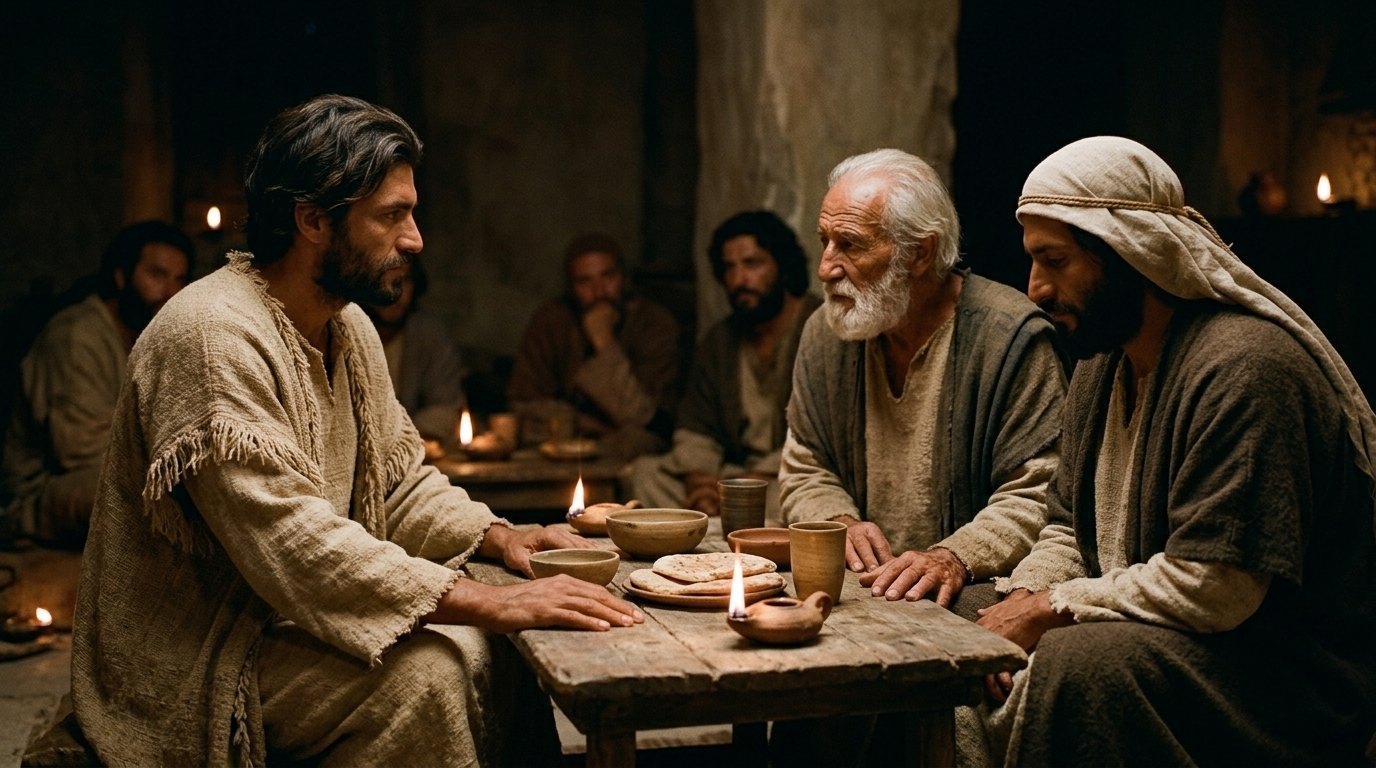
John 16:29-33
29 Then Jesus’ disciples said, “Now you are speaking clearly and without figures of speech.
30 Now we can see that you know all things and that you do not even need to have anyone ask you questions. This makes us believe that you came from God.”
31 “Do you now believe?” Jesus replied.
32 “A time is coming and in fact has come when you will be scattered, each to your own home. You will leave me all alone. Yet I am not alone, for my Father is with me.
33 “I have told you these things, so that in me you may have peace. In this world you will have trouble. But take heart! I have overcome the world.”
New International Version (NIV)
The answer
John 16:33 means that followers of Jesus can have real peace and take courage amid affliction, because Jesus has decisively overcome the world. He does not promise a trouble-free life; He promises that trouble cannot overturn His victory or destroy the peace found in Him.
“In me you may have peace”
Jesus spoke these words on the night before His crucifixion. He had warned the disciples about persecution, expulsion from the synagogues and even death (John 16:1-4). He had also promised that their sorrow would turn to joy (John 16:20-22), while plainly telling them that they would soon scatter and abandon Him (John 16:32).
His warnings were meant to preserve them, not frighten them. Their peace would rest in Him, not in comfortable circumstances, accurate predictions about the future or confidence in their own loyalty.
This peace begins with reconciliation to God: Romans 5:1 teaches that those justified by faith have peace with God through Jesus Christ. It is therefore different from the temporary relief the world offers. Jesus described it as His own peace in John 14:27.
“In the world you have trouble”
Jesus states trouble as a certainty, not a distant possibility. The Greek word translated “trouble” (thlipsis) carries the idea of pressure or affliction. In its immediate setting, this includes the hostility and persecution described in John 16:2-3.
Here, “the world” is not the physical creation itself, but the fallen human order opposed to God and His Christ. Faith in Jesus therefore does not guarantee earthly ease, popularity or freedom from suffering. Trouble is not evidence that His promise has failed; Jesus expressly said it would come.
“Cheer up! I have overcome the world”
The command translated “cheer up” (tharseite) means “take courage” or “be courageous.” It is not a command to pretend that pain is pleasant or always to feel cheerful. The disciples could genuinely grieve and still be called to courage.
The reason for that courage is entirely outside their own strength: “I have overcome the world.” The Greek verb (nenikēka) presents a completed victory with continuing results. Although Jesus spoke before the crucifixion, He treated His saving work as absolutely certain. His death would not be His defeat: John 12:31-33 connects His being lifted up in death with the judgment of this world and the casting out of its ruler. His resurrection openly confirms that victory.
Living by this promise
- Do not interpret suffering as abandonment: Jesus warned His disciples beforehand so that persecution would not cause them to stumble (John 16:1).
- Bring fear and sorrow honestly to Christ: Biblical peace does not deny pain. God’s peace guards hearts and minds through Christ Jesus (Philippians 4:7).
- Continue trusting and obeying: Those born of God overcome the world through faith, as 1 John 5:4 teaches. Their confidence is not faith in faith itself, but faith in the Christ who has already won.
Answered from Scripture · reviewed November 11, 2026
In John 16:33, Jesus delivers His final word to the disciples before Gethsemane: an honest warning of tribulation paired with the unbreakable promise of His peace and finished victory. It anchors the believer's courage not in the absence of hardship, but in the certainty that Christ has already conquered the world.
The Parting Word
Christ Prepares His Disciples for What Lies Ahead
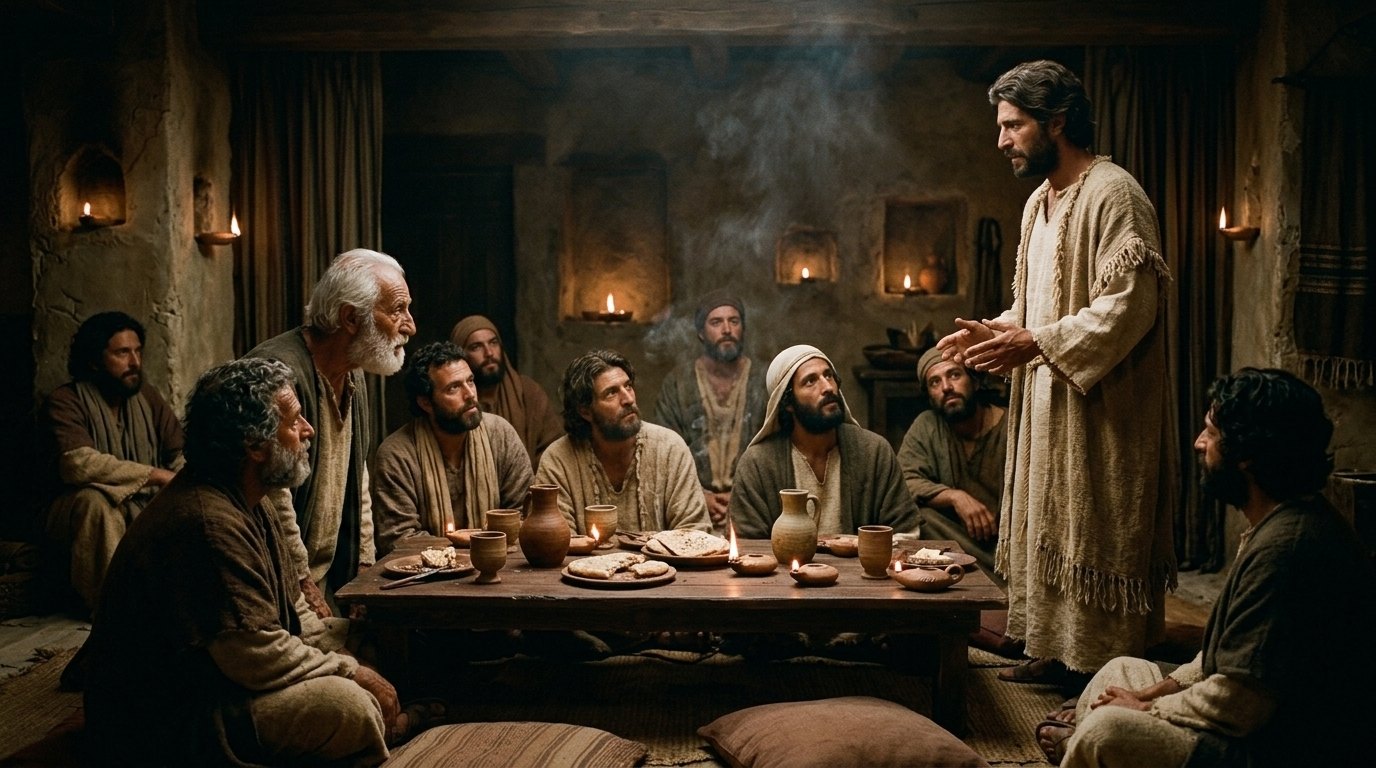
“I have told you these things, so that in me you may have peace. In this world you will have trouble. But take heart! I have overcome the world.”
John 16:33 (NIV)
It brings the entire Farewell Discourse to a climax by contrasting tribulation in the world with peace and victory in Christ.
In the Upper Room, Jesus brings His Farewell Discourse to its summit with words that steady every fearful generation: "These things I have spoken to you, that in Me you may have peace. In the world you will have tribulation; but be of good cheer, I have overcome the world" (John 16:33). Our Lord does not flatter His disciples with illusions of an easy road. Instead, He exposes the dual reality of the Christian life: unrelenting external pressure from a fallen cosmos, offset by settled inward quiet found solely in Himself. Knowing the panic that the cross would provoke, Jesus repeatedly fortified their faith beforehand. Early in the evening, He charged them, "Let not your heart be troubled; you believe in God, believe also in Me" (John 14:1). Foreknowledge was His pastoral mercy. As He stated in John 13:19 and John 14:29, He disclosed the coming betrayal and departure before they unfolded so that when the darkness fell, their faith would not shatter. He reiterated in John 16:1 that His plain warnings were intended to keep them from stumbling when hostility broke against them. He even forewarned them of their personal failure, telling them in John 16:32 that the hour was coming when they would scatter to their own homes and abandon Him; yet even then, He rested in the absolute reality that "the Father is with Me." By closing His counsel with John 16:33, Christ anchors the believer's poise not in their own staying power, but in His finished triumph.
| Passage | What it says |
|---|---|
| John 14:1 | Jesus commands His disciples not to let their hearts be troubled, pointing to faith in God and in Himself. |
| John 16:1 | Jesus explains that He speaks these truths so the disciples will not stumble when persecution begins. |
| John 16:32 | Jesus foretells that the disciples will scatter, yet affirms the Father remains with Him in that hour. |
| John 16:33 | Jesus promises peace in Himself alongside tribulation in the world, commanding good cheer because He overcame the world. |
| John 13:19 | Jesus tells them events before they occur so that when they happen, the disciples may believe. |
| John 14:29 | Jesus repeats that he has spoken before it comes to pass to anchor their faith. |
The Gift of Peace
True Peace Is Found Only in Union with Christ
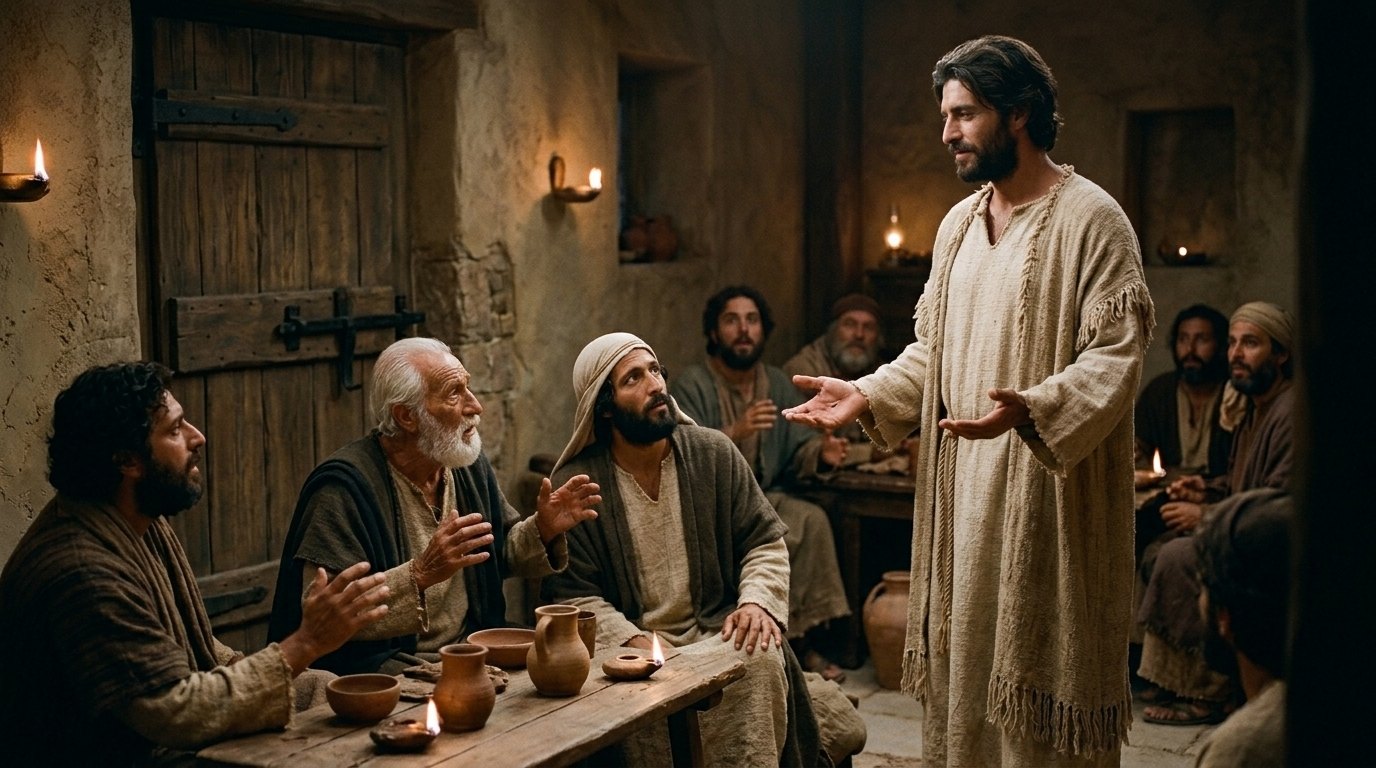
Peace I leave with you; my peace I give you. I do not give to you as the world gives. Do not let your hearts be troubled and do not be afraid.
John 14:27 (NIV)
Jesus distinguishes His enduring peace from the fragile and transactional peace offered by the world.
The peace Christ provides is not the mere absence of conflict, but a supernatural disposition given directly by the Prince of Peace: "Peace I leave with you, My peace I give to you; not as the world gives do I give to you. Let not your heart be troubled, neither let it be afraid" (John 14:27). The world negotiates peace through circumstance, treaties, or escape, all of which unravel at the first tremor of trouble. Christ's peace is rooted in reconciled fellowship with God. Centuries earlier, the prophet proclaimed, "You will keep him in perfect peace, whose mind is stayed on You, because he trusts in You" (Isaiah 26:3). This internal composure was blood-bought at Calvary, fulfilling what Paul writes: "having been justified by faith, we have peace with God through our Lord Jesus Christ" (Romans 5:1). It is this indestructible legacy that Christ demonstrated on the evening of His resurrection. In John 20:19, while the disciples hid behind locked doors out of sheer terror of the Jewish leaders, Jesus came and stood in their midst, announcing, "Peace be with you." That same tranquil authority belongs to the believer today. Paul assures us in Philippians 4:7 that the peace of God, which surpasses all human understanding, will guard our hearts and minds through Christ Jesus. Consequently, Scripture urges that "the peace of God rule in your hearts" (Colossians 3:15), resting in the prayer that "the Lord of peace Himself give you peace always in every way" (2 Thessalonians 3:16).
| Passage | What it says |
|---|---|
| John 14:27 | Jesus leaves His personal peace with the disciples, commanding them not to fear or let their hearts be troubled. |
| John 20:19 | The risen Lord enters through locked doors and proclaims peace to His frightened disciples. |
| Philippians 4:7 | Paul promises that the incomprehensible peace of God will guard believers' hearts and minds in Christ Jesus. |
| 2 Thessalonians 3:16 | The apostle petitions the Lord of peace to grant believers peace continually in every circumstance. |
| Isaiah 26:3 | The Lord keeps the steadfast mind in perfect peace because it trusts in him. |
| Romans 5:1 | Having been justified by faith, believers possess abiding peace with God through Jesus Christ. |
| Colossians 3:15 | The peace of Christ is to rule in believers' hearts as one body. |
Tribulation in the World
The Christian Life Expects Conflict with a Hostile Order
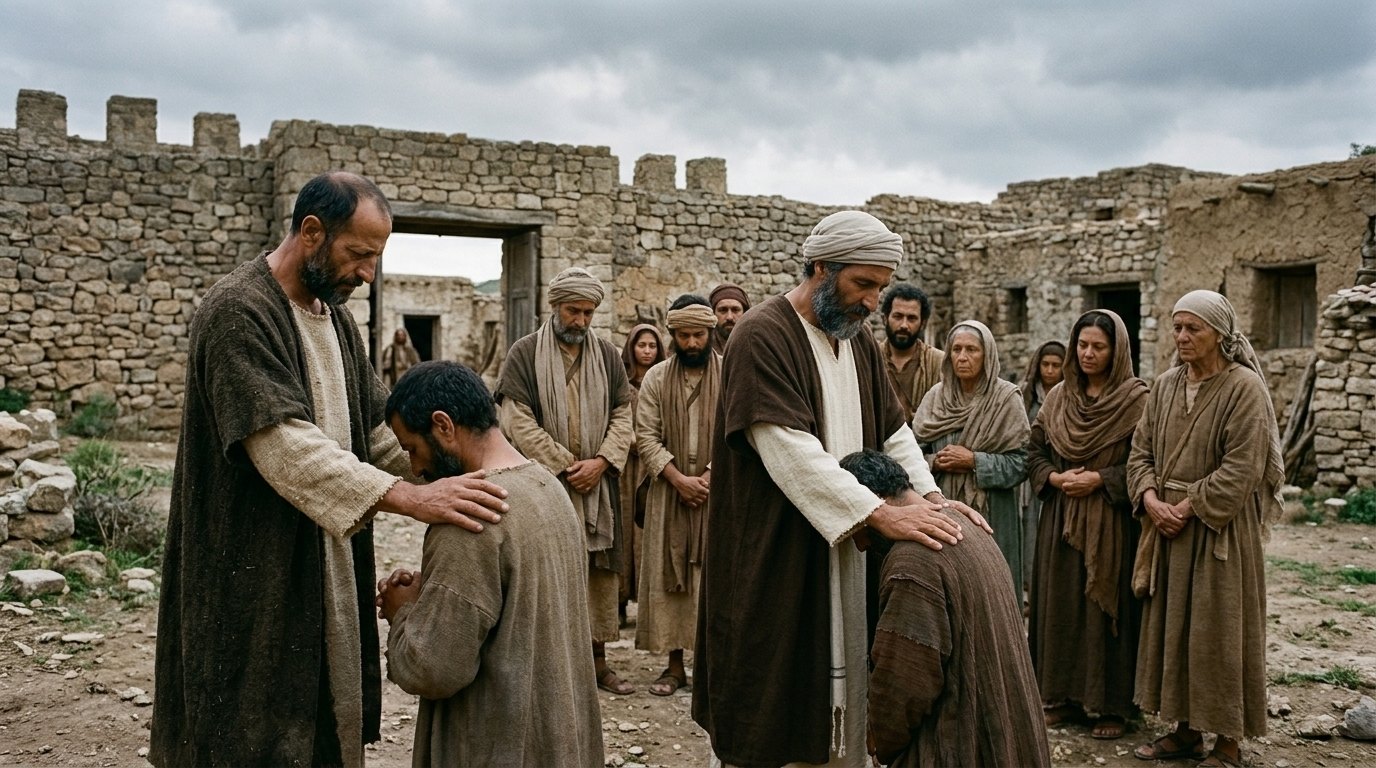
“If the world hates you, keep in mind that it hated me first.
John 15:18 (NIV)
It grounds the world's hatred of believers in its prior rejection and hatred of Christ.
When Jesus warns that in the world we will have tribulation, He sets realistic expectations for everyone who follows Him: "If the world hates you, you know that it hated Me before it hated you" (John 15:18). Suffering is neither an anomaly nor an indicator of divine displeasure; it is the natural consequence of living under the lordship of Christ within an age captive to rebellion. Jesus reiterated this truth plainly: "Remember the word that I said to you, 'A servant is not greater than his master.' If they persecuted Me, they will also persecute you" (John 15:20). The early church understood this well. Paul and Barnabas retraced their missionary steps, "strengthening the souls of the disciples, exhorting them to continue in the faith, and saying, 'We must through many tribulations enter the kingdom of God'" (Acts 14:22). Paul later gave Timothy the sobering rule of discipleship: "all who desire to live godly in Christ Jesus will suffer persecution" (2 Timothy 3:12). Peter likewise cautioned believers not to be surprised by the fiery ordeal among them as though something strange were occurring (1 Peter 4:12). Tribulation (Greek thlipsis) speaks of intense pressing and distress. Yet this outward pressure possesses no power to damage the believer's true standing, prompting Paul's defiant question: "Who shall separate us from the love of Christ? Shall tribulation, or distress, or persecution, or famine, or nakedness, or peril, or sword?" (Romans 8:35). The world may crush the outer man, but it cannot sever the bond of covenant grace.
| Passage | What it says |
|---|---|
| John 15:18 | Jesus warns the disciples that the world hated Him before it began to hate them. |
| John 15:20 | Jesus reminds His servants that as the world persecuted Him, it will inevitably persecute them also. |
| Acts 14:22 | Paul and Barnabas strengthen the churches by teaching that through much tribulation we enter God's kingdom. |
| 2 Timothy 3:12 | Paul confirms that everyone who desires to live a godly life in Christ Jesus will suffer persecution. |
| Romans 8:35 | Paul lists tribulation, distress, and persecution, asking if they can separate believers from Christ's love. |
| 1 Peter 4:12 | Believers are told not to be surprised at the fiery trial testing them as though something strange occurred. |
The Finished Overcoming
Christ's Decisive Victory Becomes the Believer's Courage

for everyone born of God overcomes the world. This is the victory that has overcome the world, even our faith.
1 John 5:4 (NIV)
John shows that every born-of-God believer shares in the world-conquering victory through faith in the Son.
Jesus concludes John 16:33 not with an exhortation to grit our teeth, but with a summons to joy based on an accomplished fact: "For whatever is born of God overcomes the world. And this is the victory that has overcome the world—our faith" (1 John 5:4). When Christ uttered "I have overcome the world," the cross was hours away, yet in His eternal purpose, the overthrow of Satan's realm was already settled. Earlier that week, He declared, "Now is the judgment of this world; now the ruler of this world will be cast out" (John 12:31), confirming in John 16:11 that the prince of darkness stands definitively judged. At Calvary, Christ stripped principalities and powers, triumphing over them in His cross (Colossians 2:15). Because the Head has won, the body shares His victory. John writes with confidence: "You are of God, little children, and have overcome them, because He who is in you is greater than he who is in the world" (1 John 4:4). Faith is the link that unites the believer to Christ's triumph: "Who is he who overcomes the world, but he who believes that Jesus is the Son of God?" (1 John 5:5). In all hardships, "we are more than conquerors through Him who loved us" (Romans 8:37). This cosmic triumph culminates in glory, where the saints "overcame him by the blood of the Lamb and by the word of their testimony" (Revelation 12:11), receiving the royal reward promised by the Son: "To him who overcomes I will grant to sit with Me on My throne, as I also overcame and sat down with My Father on His throne" (Revelation 3:21).
| Passage | What it says |
|---|---|
| John 12:31 | Jesus declares that the ruler of this world is cast out through His coming crucifixion and glorification. |
| Romans 8:37 | Paul proclaims that in all afflictions believers are more than conquerors through the One who loved them. |
| 1 John 4:4 | John encourages believers that the One residing within them is far greater than the ruler of the world. |
| 1 John 5:4 | The apostle declares that everyone born of God overcomes the world through the victory of faith. |
| Revelation 3:21 | Jesus promises that those who overcome will sit with Him on His throne, just as He overcame. |
| John 16:11 | Jesus declares that the ruler of this world stands judged. |
| Colossians 2:15 | Christ disarmed the rulers and authorities and triumphed over them through the cross. |
| 1 John 5:5 | The one who overcomes the world is the one who believes that Jesus is the Son of God. |
| Revelation 12:11 | Believers overcome the accuser by the blood of the Lamb and the word of their testimony. |
Where in the Bible
| Book | Passages |
|---|---|
| Isaiah | 1 · Isaiah 26:3 |
| John | 12 · John 14:1, John 16:1, John 16:32, John 16:33, John 13:19, John 14:29, John 14:27, John 20:19, John 15:18, John 15:20, John 12:31, John 16:11 |
| Acts | 1 · Acts 14:22 |
| Romans | 3 · Romans 5:1, Romans 8:35, Romans 8:37 |
| Philippians | 1 · Philippians 4:7 |
| Colossians | 2 · Colossians 3:15, Colossians 2:15 |
| 2 Thessalonians | 1 · 2 Thessalonians 3:16 |
| 2 Timothy | 1 · 2 Timothy 3:12 |
| 1 Peter | 1 · 1 Peter 4:12 |
| 1 John | 3 · 1 John 4:4, 1 John 5:4, 1 John 5:5 |
| Revelation | 2 · Revelation 3:21, Revelation 12:11 |
The story in order
- Jesus speaks of His coming death (c. AD 30) · John 16:32 · He foretells the disciples' scattering but affirms the Father's presence.
- Jesus promises peace in tribulation (c. AD 30) · John 16:33 · He commands good cheer, stating He has overcome the world.
- Jesus declares the world ruler judged (c. AD 30) · John 16:11 · His coming crucifixion and glorification mean judgment on Satan.
- Jesus' crucifixion and triumph (c. AD 60) · Colossians 2:15 · Christ disarmed and triumphed over hostile spiritual powers.
- Risen Christ brings peace (c. AD 30) · John 20:19 · He proclaimed peace to His frightened disciples.
- Peace of God guards hearts (c. AD 60) · Philippians 4:7 · God's peace surpasses understanding and guards minds.
- Persecution is expected (c. AD 67) · 2 Timothy 3:12 · All who live godly in Christ Jesus will suffer persecution.
- Believers overcome the world (c. AD 90) · 1 John 5:4 · Faith in Jesus, the Son of God, is the victory.
- Overcomers will reign with Christ (c. AD 95) · Revelation 3:21 · Jesus promises the throne to those who overcome.
Tribulation and Peace
| Tribulation in the World | Peace in Christ | Passage |
|---|---|---|
| The world hated Jesus and will hate believers. | Jesus warns of persecution. | John 15:18-20 |
| Believers will face much tribulation. | Through tribulation we enter God's kingdom. | Acts 14:22 |
| Believers will suffer persecution. | In all afflictions, believers are more than conquerors. | Romans 8:35-37 |
| Fiery trials are to be expected. | Christ's peace is to rule in hearts. | |
| Jesus promises tribulation. | Jesus promises His peace. | John 16:33 |
Key words
- Troubled Hearts
- Distress and anxiety caused by external circumstances or internal fears. · John 14:1
- Peace (eirēnē, εἰρήνη)
- A state of tranquility and well-being, especially in the soul, provided by Christ. · John 14:27
- Tribulation (thlipsis, θλῖψις)
- Affliction, distress, or suffering, particularly that which is endured for the sake of faith. · John 16:33
- Overcome (nikáō, νικάω)
- To conquer, to prevail over, to gain victory against. · John 16:33
- World (kosmos, κόσμος)
- The system of human society in rebellion against God, its ruler being Satan. · John 16:33
John 16:33 calls the believer to live in settled confidence amidst real adversity. When trials arise, we do not grasp for fragile optimism, but rest our souls in the triumphant Savior who has already won the field.
28 passages, each cited once.
Scripture cited
- John 16:33
- John 14:27
- 1 John 5:4
- Philippians 4:7
- John 16
- Romans 5:1-5
- John 12:31-33