Who was Billy Graham?

John 3:16
16 For God so loved the world that he gave his one and only Son, that whoever believes in him shall not perish but have eternal life.
New International Version (NIV)
The answer
Billy Graham (1918–2018) was an American Baptist evangelist whose central message was the Bible’s plain truth: God gave His only Son so that whoever believes in Him should not perish but have eternal life (John 3:16).
Born William Franklin Graham Jr. on November 7, 1918, near Charlotte, North Carolina, he made a personal commitment to Christ as a teenager. He studied at Florida Bible Institute and Wheaton College, was ordained as a Southern Baptist minister in 1939, and married Ruth Bell in 1943.
His 1949 Los Angeles Crusade brought him national attention. Over the following decades, he preached at hundreds of evangelistic events across six continents and reached further audiences through radio, television, film, books and the internet. He founded the Billy Graham Evangelistic Association, counselled numerous American presidents, advocated racial desegregation and spoke publicly during times of national crisis. He died on February 21, 2018, aged 99.
The heart of Graham’s preaching was that Jesus Christ died and rose again, and that sinners should repent and receive Him by faith. John 3:16 declares: “For God so loved the world, that he gave his only born Son, that whoever believes in him should not perish, but have eternal life.” Romans 5:8 explains the same gracious love: “while we were yet sinners, Christ died for us.”
Graham’s fame is therefore not the foundation of his message. He was a preacher who directed people to Christ; eternal life is God’s gift through His Son, received through faith, not something conferred by any evangelist.
Answered from Scripture · reviewed November 11, 2026
Billy Graham was an American evangelist who proclaimed the gospel of Jesus Christ to hundreds of millions worldwide across six decades of public ministry. His message remained anchored to the simple, unwavering truth of Scripture: that God demonstrated His supreme love by sending His Son to die for sinners, offering eternal life to all who repent and believe.
The Heart of the Gospel
God gave His Son to save a perishing world.
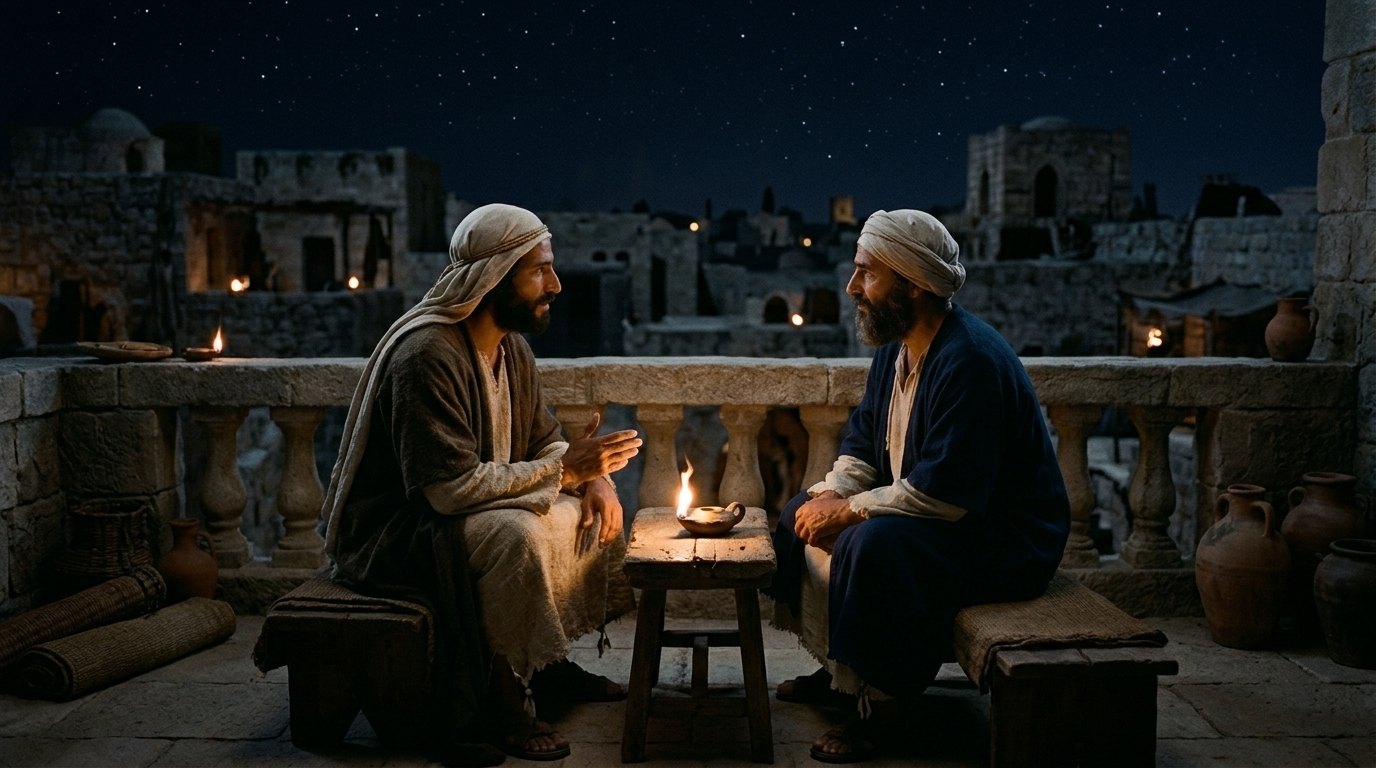
For God so loved the world that he gave his one and only Son, that whoever believes in him shall not perish but have eternal life.
John 3:16 (NIV)
This verse served as the bedrock of Graham's worldwide preaching, declaring the infinite reach of God's love and the promise of eternal life through faith.
The heartbeat of biblical evangelism begins with the matchless promise of John 3:16: God so loved the world that He gave His only begotten Son, that whoever believes in Him should not perish but have everlasting life. In this single verse, Scripture lays bare both humanity's peril and God's lavish mercy. We are by nature perishing under the righteous judgment of God, yet His love provides the one remedy that rescues the lost. Jesus had just told Nicodemus that just as Moses lifted up the serpent in the wilderness, so the Son of Man had to be lifted up on the cross (John 3:15), so that all who look to Him in faith receive eternal life.
This offer is neither vague nor uncertain. In John 6:40, the Lord makes the Father's purpose crystal clear: everyone who beholds the Son and believes in Him will have everlasting life, and Christ Himself will raise that person up at the last day. Salvation is an immediate possession and an eternal guarantee grounded in the person of Jesus Christ. Standing outside the tomb of Lazarus, our Lord spoke the definitive words of hope over human mortality: 'I am the resurrection and the life' (John 11:25). For the person who trusts Him, physical death is transformed into immediate entrance into His presence. As John 11:26 confirms, whoever lives and believes in Him shall never truly die. This absolute assurance forms the substance of every faithful gospel invitation.
| Passage | What it says |
|---|---|
| John 3:15 | Affirms that whoever believes in the Son of Man lifted up will not perish but possess eternal life. |
| John 3:16 | Proclaims that God so loved the world that He gave His only begotten Son for everyone who believes. |
| John 6:40 | Declares the Father's will that everyone who beholds the Son and believes in Him has everlasting life. |
| John 11:25 | Jesus reveals Himself as the resurrection and the life, ensuring life even after physical death. |
| John 11:26 | Guarantees that whoever lives and believes in Christ will never die eternally. |
Grace Demonstrated at the Cross
Christ died for sinners while we were still helpless.

But God demonstrates his own love for us in this: While we were still sinners, Christ died for us.
Romans 5:8 (NIV)
Paul shows that divine love is proved not by human merit, but by Christ dying for rebellious sinners.
God does not wait for fallen mankind to reform itself before extending mercy; rather, God demonstrates His own love toward us, in that while we were still sinners, Christ died for us (Romans 5:8). This is the radical nature of divine grace. Human affection typically seeks out the lovely, the noble, or the worthy, but the holy God set His saving love upon enemies, rebels, and sinners who had nothing to offer Him. Christ took our guilt, bore our penalty upon the tree, and absorbed the full wrath our rebellion deserved.
Because of the cross, the believer can rest in the absolute security of divine favor. As the apostle Paul writes in Romans 8:32, He who did not spare His own Son, but delivered Him up for us all, will freely give us all things in Him. The Father withheld nothing, offering His most precious treasure to purchase our redemption. The apostle John echoes this supreme revelation of grace: God's love was manifested toward us in sending His only begotten Son into the world so that we might live through Him (1 John 4:9). Love is not defined by our emotional devotion to God, but by the objective, historical sacrifice of Calvary: 'In this is love, not that we loved God, but that He loved us and sent His Son to be the propitiation for our sins' (1 John 4:10).
| Passage | What it says |
|---|---|
| Romans 5:8 | States that God demonstrates His love toward us in that Christ died while we were yet sinners. |
| Romans 8:32 | Argues that God spared not His own Son but delivered Him up for us all. |
| 1 John 4:9 | Explains that God's love was manifested by sending His only begotten Son that we might live through Him. |
| 1 John 4:10 | Defines love not as our love for God, but as His sending Christ to be the propitiation for our sins. |
The Exclusive Savior
Jesus Christ is the only path to the Father.
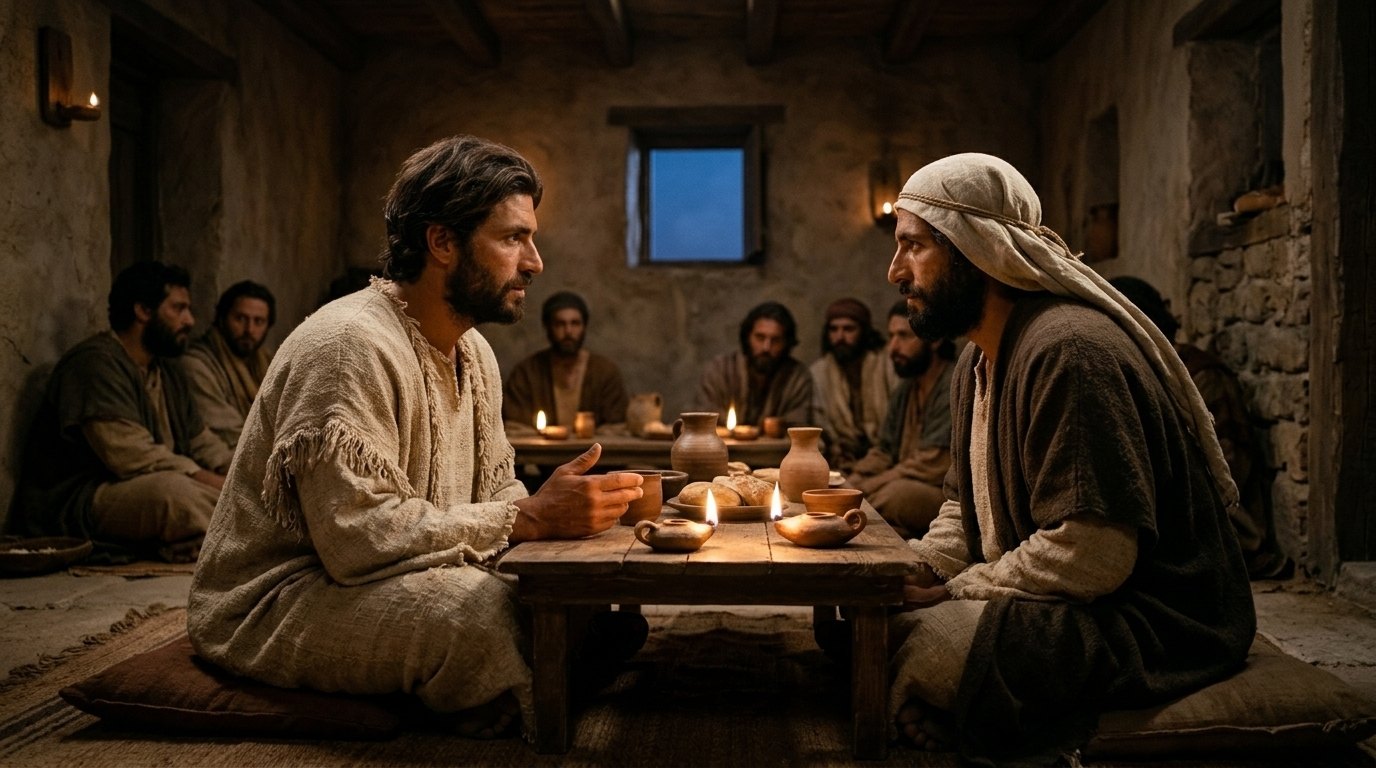
Jesus answered, “I am the way and the truth and the life. No one comes to the Father except through me.
John 14:6 (NIV)
Jesus explicitly rules out any other path to salvation, establishing Christ as the exclusive way to God.
Scripture permits no ambiguity regarding the singular identity of the Savior. Jesus proclaimed directly to His disciples: 'I am the way, the truth, and the life. No one comes to the Father except through Me' (John 14:6). Our Lord did not present Himself as one wise guide among many, nor as a mere pointer toward spiritual enlightenment. He asserted that He alone is the living bridge across the infinite chasm separating a holy God from sinful humanity. To reject Jesus Christ is to forfeit fellowship with the living God.
The early church proclaimed this uncompromising truth before hostile rulers and magistrates. When questioned by the Sanhedrin, Peter declared boldly that salvation is found in no one else, 'for there is no other name under heaven given among men by which we must be saved' (Acts 4:12). Worldly philosophies have always resisted this exclusivity, preferring broad tolerance that accommodates sin and human pride. Yet the Word of God stands firm: 1 Timothy 2:5 settles the matter forever by announcing that there is one God and one Mediator between God and men, the Man Christ Jesus. He alone possesses the credentials to reconcile heaven and earth, because He alone is both fully God and fully man, offering His sinless life as the ransom for all.
| Passage | What it says |
|---|---|
| John 14:6 | Jesus identifies Himself as the way, the truth, and the life, without whom no one reaches the Father. |
| Acts 4:12 | Affirms that salvation is found in no other name under heaven given among men. |
| 1 Timothy 2:5 | Declares there is one God and one mediator between God and men, the man Christ Jesus. |
The Charge to Preach
The evangelist is called to proclaim the Word faithfully.

Preach the word; be prepared in season and out of season; correct, rebuke and encourage—with great patience and careful instruction.
2 Timothy 4:2 (NIV)
Paul gives the solemn command to preach the Word in all seasons, which defined Graham's public vocation.
The urgent mission of the evangelist is governed by the apostolic mandate given to Timothy: 'Preach the word! Be ready in season and out of season' (2 Timothy 4:2). The herald of the gospel is not commissioned to entertain crowds, invent novel philosophies, or appease cultural sensibilities. He is summoned to proclaim the pure, unadulterated Word of God, convicting sinners, rebuking error, and exhorting believers with all patience and sound teaching. This sacred stewardship demands steadfast perseverance regardless of whether the prevailing culture welcomes or scorns the message.
In 2 Timothy 4:5, Paul charges his younger co-laborer to remain sober-minded in all circumstances, to endure hardship patiently, and to 'do the work of an evangelist', fulfilling his ministry completely. The eternal stakes of this work could not be higher. Paul lays out the divine logic of missions in Romans 10:14: how shall the lost call on the Lord whom they have not believed, how shall they believe in Him of whom they have not heard, and how shall they hear without someone preaching to them? God has ordained the proclamation of the gospel as the instrument of salvation. Therefore, as Romans 10:17 affirms, faith comes by hearing, and hearing by the Word of God.
| Passage | What it says |
|---|---|
| 2 Timothy 4:2 | Commands the minister to preach the word and be ready in season and out of season. |
| 2 Timothy 4:5 | Exhorts Timothy to remain watchful in all things, endure afflictions, and do the work of an evangelist. |
| Romans 10:14 | Asks how people shall call on Him whom they have not heard, and how they shall hear without a preacher. |
| Romans 10:17 | Concludes that faith comes by hearing, and hearing by the word of God. |
Where in the Bible
| Book | Passages |
|---|---|
| John | 6 · John 3:15, John 3:16, John 6:40, John 11:25, John 11:26, John 14:6 |
| Acts | 1 · Acts 4:12 |
| Romans | 4 · Romans 5:8, Romans 8:32, Romans 10:14, Romans 10:17 |
| 1 Timothy | 1 · 1 Timothy 2:5 |
| 2 Timothy | 2 · 2 Timothy 4:2, 2 Timothy 4:5 |
| 1 John | 2 · 1 John 4:9, 1 John 4:10 |
The story in order
- God's love demonstrated through Christ's death (AD 30) · Romans 5:8 · Christ died for sinners, showing God's love.
- Salvation through Christ alone (AD 30) · Acts 4:12 · No other name brings salvation.
- Jesus is the only mediator (AD 60) · 1 Timothy 2:5 · Christ is the one mediator between God and man.
- The call to preach the Word (AD 67) · 2 Timothy 4:2 · Preach the word, be ready always.
- Faith comes by hearing the Word (AD 55) · Romans 10:17 · Hearing the word of God brings faith.
- Eternal life through belief in Jesus (AD 30) · John 3:16 · God gave His Son for eternal life.
- Jesus is the resurrection and life (AD 30) · John 11:25 · Believers in Him will live eternally.
The Exclusivity of Christ
| Claim | Mediator | Path to Father | Passage |
|---|---|---|---|
| The Way, the Truth, and the Life | The one mediator | No one comes to the Father except through Me | John 14:6 |
| Salvation is in no other name | No other name given | None other whereby we must be saved | Acts 4:12 |
| One God | One mediator, Christ Jesus | The man Christ Jesus | 1 Timothy 2:5 |
Key words
- Gospel
- The good news of salvation through Jesus Christ. · John 3:16
- Believe
- To trust in, rely on, and have faith in Jesus Christ. · John 3:15
- Eternal Life
- Life with God, beginning now and continuing forever. · John 3:16
- Propitiation
- An atoning sacrifice that turns away wrath. · 1 John 4:10
- Mediator
- One who reconciles parties in dispute; specifically, Christ between God and man. · 1 Timothy 2:5
- Preach
- To proclaim the message of the gospel publicly. · 2 Timothy 4:2
The enduring legacy of Billy Graham points past the preacher to the Savior he proclaimed. His life demonstrates that God's Word does not return void when declared faithfully, urging every hearer today to settle the vital question of eternity by placing personal trust in the crucified and risen Christ.
16 passages, each cited once.
Scripture cited
- John 3:16
- Romans 5:8