What does 'money is the root of all evil' really say?

1 Timothy 6:6-10
6 But godliness with contentment is great gain.
7 For we brought nothing into the world, and we can take nothing out of it.
8 But if we have food and clothing, we will be content with that.
9 Those who want to get rich fall into temptation and a trap and into many foolish and harmful desires that plunge people into ruin and destruction.
10 For the love of money is a root of all kinds of evil. Some people, eager for money, have wandered from the faith and pierced themselves with many griefs.
New International Version (NIV)
The answer
1 Timothy 6:10 does not say that money itself is the root of all evil. It says, “the love of money is a root of all kinds of evil.” The difference is crucial: money is not inherently evil; the greedy, misplaced love of money is a source that can produce many evils.
Paul explains what he means in the surrounding verses:
- Those “determined to be rich” fall into temptation, harmful desires, and ruin (1 Timothy 6:9).
- Some who greedily pursue money are led away from the faith and pierced with many sorrows (1 Timothy 6:10).
- By contrast, godliness with contentment is “great gain,” and having food and clothing is enough to be content (1 Timothy 6:6-8).
The Greek word translated “money” in this verse is philarguria, more precisely “avarice” or “love of money,” not simply the possession of currency. The Greek word for “root” describes something from which harmful results can grow. Paul’s point is that greed can take root and produce many different sins and troubles: dishonesty, exploitation, cruelty, family conflict, betrayal of trust, and even abandoning the faith, as the verse states.
So the saying is better understood as:
The love of money is one of the great roots of evil—not the only source of evil, and not a command to avoid money itself.
The practical principle is contentment and faithful stewardship: earn, save, give, and manage money as God’s steward rather than allowing it to become your master. Scripture calls both greed and covetousness dangers while also promising that, when we seek God’s kingdom, our daily needs are supplied (Luke 12:31-32).
Answered from Scripture · reviewed November 10, 2026
One of the most frequently misquoted phrases in Scripture warns not against currency, but against a disordered posture of the human heart. In 1 Timothy 6:10, the apostle Paul does not condemn money as inherently evil, but identifies the love of money—avarice and greed—as a prolific root yielding all varieties of destruction and spiritual ruin. Tracing the full witness of Scripture reveals how godliness with contentment frees the believer from the deadly snare of wealth-seeking into faithful stewardship.
The Precise Text
The Affection, Not the Object, Breeds Evil

For the love of money is a root of all kinds of evil. Some people, eager for money, have wandered from the faith and pierced themselves with many griefs.
1 Timothy 6:10 (NIV)
Paul pinpoints the love of money, not money itself, as a fertile root bringing forth diverse evils and grief.
In 1 Timothy 6:10, Paul delivers a clear diagnosis of spiritual hazard: the love of money is a root of all kinds of evil. Scripture never indicts currency or inanimate metal as inherently corrupt. Rather, the apostle exposes avarice, or philargyria, a heart affection that idolizes wealth above God. Craving money acts as fertile soil from which treachery, compromised integrity, and apostasy readily spring, prompting Paul to warn that some, in their craving, have wandered away from the faith and pierced themselves through with many sorrows.
This deadly trajectory begins well before outright ruin occurs. As 1 Timothy 6:9 cautions, those who desire to be rich fall into temptation and a snare, trapped by foolish, destructive desires that ultimately drown people in destruction. The danger lies in the longing itself, which promises security while quietly displacing dependence on the Lord.
Yet Paul does not order wealthy believers to divest of every earthly possession in shame. Instead, 1 Timothy 6:17 charges those who are rich in this present age not to be haughty or fix their hope on the uncertainty of riches, but on God, who richly provides everything for our enjoyment. Rather than hoarding or venerating their assets, wealthy believers are commanded in 1 Timothy 6:18 to do good, to be rich in good works, and to be generous and ready to share. By deploying temporal resources in service to Christ and His church, they store up treasure as a good foundation for the coming age, taking hold of the life that is truly life (1 Timothy 6:19).
| Passage | What it says |
|---|---|
| 1 Timothy 6:10 | Declares that the love of money is a root of all kinds of evil, leading some to wander from the faith. |
| 1 Timothy 6:9 | Warns that those craving wealth plunge into harmful lusts that drown people in ruin and ultimate destruction. |
| 1 Timothy 6:17 | Paul instructs the rich not to be haughty or fix their hope on uncertain wealth but on God who provides all things. |
| 1 Timothy 6:18 | Wealthy believers are charged to do good, be rich in good works, and be generous and ready to share. |
| 1 Timothy 6:19 | Generous stewardship stores up a good foundation for the future, enabling believers to take hold of true life. |
True Contentment
Godliness With Contentment Is Surpassing Gain

But godliness with contentment is great gain.
1 Timothy 6:6 (NIV)
Scripture redefines true wealth by joining sincere godliness with a satisfied, contented heart.
Against the endless grasping of worldly ambition, 1 Timothy 6:6 presents a profound paradox: godliness with contentment is great gain. True spiritual wealth does not consist in accumulation, but in a soul freed from the compulsion to amass earthly security. Paul establishes this perspective on fundamental human reality in 1 Timothy 6:7, reminding believers that we brought nothing into this world, and it is certain we can carry nothing out. Naked humanity enters creation, and empty-handed every person departs. Because physical possessions are entirely temporary, 1 Timothy 6:8 urges a quiet simplicity, declaring that if we have food and clothing, with these we shall be content.
This contented mindset is neither passive resignation nor natural temperament; it is a discipline learned through spiritual maturity. Writing from prison, the apostle testifies in Philippians 4:11 that he had learned in whatever situation to be content. He understood both the reality of being brought low in want and the experience of abounding in abundance (Philippians 4:12). Whether facing hunger or plenty, Paul uncovered the mystery of unshakeable peace: I can do all things through him who strengthens me (Philippians 4:13). Contentment finds its substance not in fluctuating circumstances or full storehouses, but in the living Christ who sustains His people through every season of need.
| Passage | What it says |
|---|---|
| 1 Timothy 6:6 | States that godliness accompanied by contentment is great spiritual and eternal gain. |
| 1 Timothy 6:7 | Reminds that humanity brings nothing into the world and can carry nothing out upon death. |
| 1 Timothy 6:8 | Encourages believers to remain fully content having basic provision of food and clothing. |
| Philippians 4:11 | Paul records having learned the secret of being content regardless of physical circumstances. |
| Philippians 4:12 | Details knowing both how to be abased and how to abound through all seasons. |
| Philippians 4:13 | Affirms the ability to endure all financial states through Christ who infuses inward strength. |
Wisdom and Trust
Righteous Simplicity Exceeds Troubled Treasure
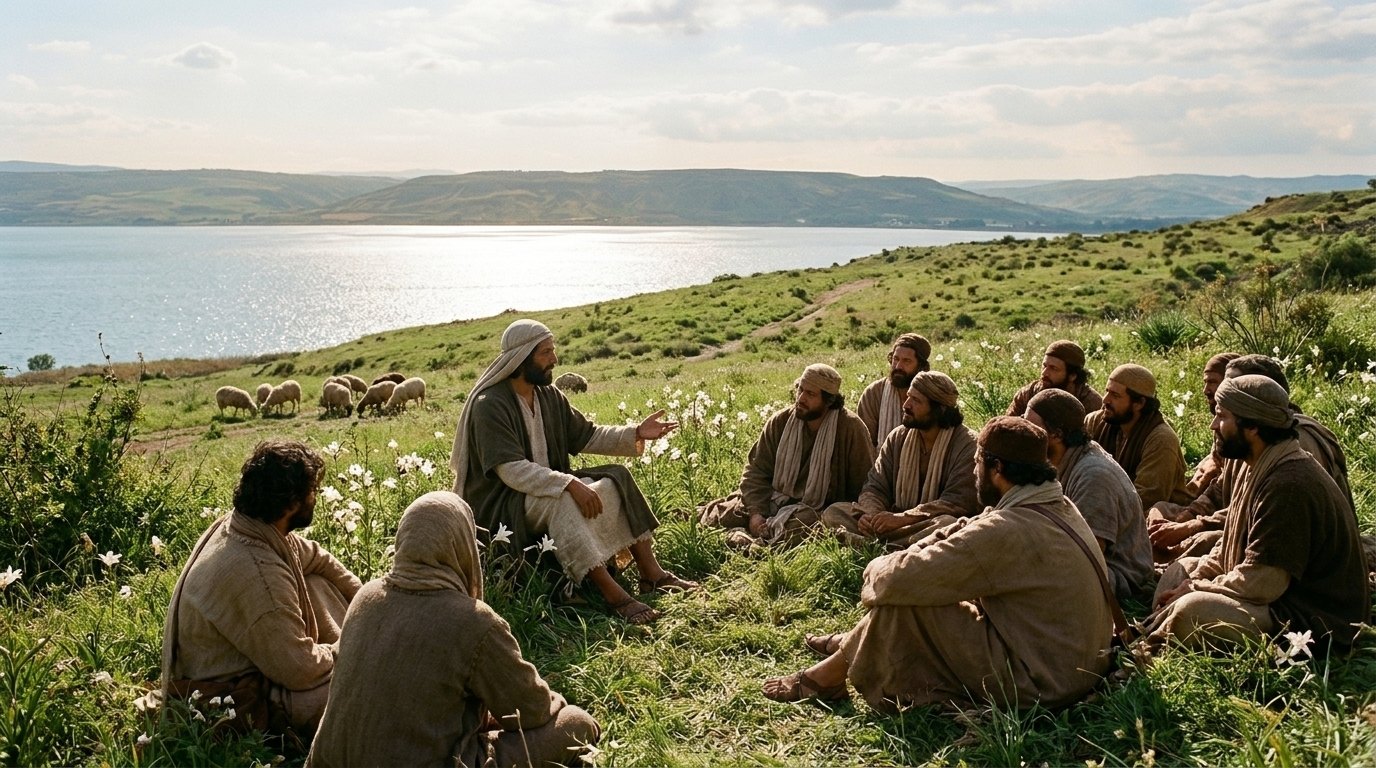
Keep your lives free from the love of money and be content with what you have, because God has said, “Never will I leave you; never will I forsake you.”
Hebrews 13:5 (NIV)
Contentment is anchored directly in God's immutable promise never to leave or forsake His people.
The call to forsake the love of money rests entirely upon the character and covenant of God. In Hebrews 13:5, believers receive an unequivocal charge: keep your life free from love of money, and be content with what you have, for He has said, 'I will never leave you nor forsake you.' Covetousness fundamentally doubts the sufficiency of God's care. When the heart rests in His unfailing presence, the frantic urge to amass wealth loses its power.
Old Testament wisdom consistently echoes this truth, measuring prosperity by spiritual peace rather than material surplus. Proverbs 15:16 declares that better is a little with the fear of the Lord than great treasure and trouble with it. The accumulation of unjust revenue corrodes the soul, whereas modest means accompanied by righteousness yield enduring rest (Proverbs 16:8). As Ecclesiastes 5:10 observes, whoever loves money will never be satisfied with money; earthly wealth multiplies desire rather than fulfilling it.
Jesus addresses this spiritual tension directly. In Luke 12:15, He commands His hearers to take care and guard against all covetousness, for one's life does not consist in the abundance of his possessions. Divided allegiance is an impossibility in the kingdom; no servant can serve two masters, for you cannot serve both God and money (Matthew 6:24). Instead of agonizing over food and clothing, Christ instructs His disciples to seek the kingdom of God, trusting their heavenly Father to supply every daily need (Luke 12:31). He tenderly reassures His followers: fear not, little flock, for it is your Father's good pleasure to give you the kingdom (Luke 12:32).
| Passage | What it says |
|---|---|
| Hebrews 13:5 | Commands living without covetousness, resting securely in God's steadfast personal presence. |
| Proverbs 15:16 | Affirms that a little with the fear of the Lord surpasses immense treasure coupled with turmoil. |
| Proverbs 16:8 | Declares that modest means with righteousness are far better than vast revenues gained unjustly. |
| Luke 12:31 | Exhorts disciples to seek God's kingdom first, trusting that earthly necessities will be provided. |
| Luke 12:32 | Comforts the flock with the Father's good pleasure to give them the eternal kingdom. |
| Ecclesiastes 5:10 | He who loves money will not be satisfied with money, nor he who loves wealth with his income. |
| Matthew 6:24 | Jesus warns that no one can serve two masters, for you cannot serve both God and money. |
| Luke 12:15 | Jesus warns to take care and be on guard against all covetousness, for one's life does not consist in possessions. |
Where in the Bible
| Book | Passages |
|---|---|
| Proverbs | 2 · Proverbs 15:16, Proverbs 16:8 |
| Ecclesiastes | 1 · Ecclesiastes 5:10 |
| Matthew | 1 · Matthew 6:24 |
| Luke | 3 · Luke 12:31, Luke 12:32, Luke 12:15 |
| Philippians | 3 · Philippians 4:11, Philippians 4:12, Philippians 4:13 |
| 1 Timothy | 8 · 1 Timothy 6:10, 1 Timothy 6:9, 1 Timothy 6:17, 1 Timothy 6:18, 1 Timothy 6:19, 1 Timothy 6:6, 1 Timothy 6:7, 1 Timothy 6:8 |
| Hebrews | 1 · Hebrews 13:5 |
The story in order
- God's provision for humanity (c. 4000 BC) · Genesis 1:28 · God blesses humanity and commands them to be fruitful and multiply.
- Wisdom in simplicity (c. 700 BC) · Proverbs 15:16 · Contentment with righteousness is better than wealth with turmoil.
- Warning against covetousness (c. AD 30) · Luke 12:15 · Jesus warns that life is not in possessions.
- Seeking God's kingdom (c. AD 30) · Luke 12:31 · Prioritize God's kingdom, trusting in His provision.
- Serving God or money (c. AD 30) · Matthew 6:24 · One cannot serve both God and money.
- Paul's learned contentment (c. AD 60) · Philippians 4:11 · Paul learned to be content in all circumstances.
- Love of money is a root (c. AD 65) · 1 Timothy 6:10 · The love of money leads to destruction.
- Instruction to the rich (c. AD 65) · 1 Timothy 6:17 · Do not trust in wealth, but in God.
- Generous stewardship (c. AD 65) · 1 Timothy 6:18 · Be rich in good works and generous.
Key words
- Love of Money (philargyria, φιλαργυρία)
- Avarice and greed, desiring wealth above God. · 1 Timothy 6:10
- Contentment (autarkeia, αὐτάρκεια)
- Satisfaction with one's lot, not driven by desire for more. · 1 Timothy 6:6
- Covetousness (pleonexia, πλεονεξία)
- Intense desire for what belongs to another; greed. · Luke 12:15
- Stewardship (oikonomia, οἰκονομία)
- Managing resources responsibly for God's purposes. · 1 Timothy 6:18-19
Money is neither righteous nor wicked in itself; it is an instrument to be managed under the sovereign lordship of Jesus Christ. When our hearts rest in the eternal promise that God will never leave nor forsake us, greed loses its power to snare our souls, and we are freed to live lives of joyful, quiet contentment.
19 passages, each cited once.
Scripture cited
- 1 Timothy 6:8
- Luke 12:31-32
- 1 Timothy 6:9
- 1 Timothy 6:6-10