What does Romans 5:8 mean?
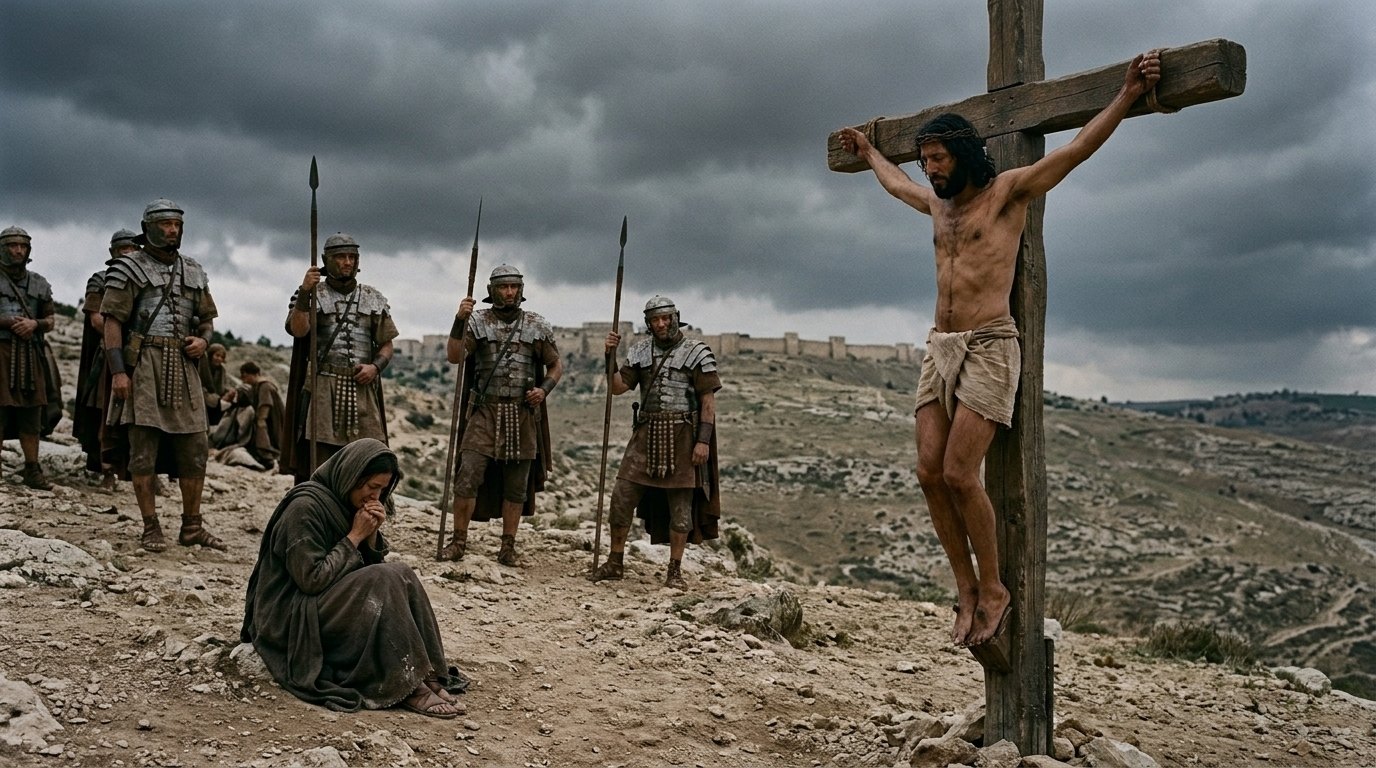
Romans 5:6-11
6 You see, at just the right time, when we were still powerless, Christ died for the ungodly.
7 Very rarely will anyone die for a righteous person, though for a good person someone might possibly dare to die.
8 But God demonstrates his own love for us in this: While we were still sinners, Christ died for us.
9 Since we have now been justified by his blood, how much more shall we be saved from God’s wrath through him!
10 For if, while we were God’s enemies, we were reconciled to him through the death of his Son, how much more, having been reconciled, shall we be saved through his life!
11 Not only is this so, but we also boast in God through our Lord Jesus Christ, through whom we have now received reconciliation.
New International Version (NIV)
The answer
Romans 5:8 means that God proves His love by Christ’s death for undeserving sinners. People do not make themselves worthy first; God acts while they are still sinful, weak, and opposed to Him.
- “God commends his own love”: “Commends” means demonstrates or proves. The cross is God’s own demonstration of love, not merely an announcement of it. John 3:16 expresses the same truth: God’s love moved Him to give His Son so that whoever believes in Him would have everlasting life.
- “While we were yet sinners”: Christ did not die for people because they had already become righteous. The surrounding verses describe them as weak, ungodly, sinners, and even God’s enemies (Romans 5:6-11). Salvation therefore begins with God’s grace, not human merit.
- “Christ died for us”: His death was for sinners and in their place. First Peter 3:18 explains that Christ suffered for sins, “the just for the unjust,” to bring people to God.
The result is stated plainly in the following verses: believers are justified by Christ’s blood, saved from God’s wrath, and reconciled to God (Romans 5:9-11). God’s love does not excuse sin; it provides the sacrifice sin requires and the reconciliation sinners cannot achieve themselves. The fitting response is faith in Christ and rejoicing in God through Him (Romans 5:11).
Answered from Scripture · reviewed November 11, 2026
Romans 5:8 establishes that God’s love is not an abstract sentiment or a reward for human virtue, but an objective verdict proven at the cross while we were still helpless rebels. Paul sets divine charity in direct contrast to human affection, showing that Christ died not for the worthy, but for the ungodly. Understanding this verse anchors our assurance entirely in God's completed act rather than our fluctuating performance.
Divine Proof
God Proved His Love by Dying for the Helpless

But God demonstrates his own love for us in this: While we were still sinners, Christ died for us.
Romans 5:8 (NIV)
It defines God's love as demonstrated action on behalf of sinners rather than a response to human merit.
In Romans 5:8, the apostle Paul unveils the astonishing nature of divine love: God demonstrates His own love toward us, in that while we were still sinners, Christ died for us. This is not love drawn out by human virtue, nor is it a sentiment born of our potential. Paul establishes the desperate plight of mankind in Romans 5:6, noting that when we were completely helpless, without strength, and morally destitute, Christ died at the precise historical hour for the ungodly. Human experience offers faint shadows of sacrifice; as Romans 5:7 observes, scarcely for a righteous person will someone die, though perhaps for a truly good benefactor someone might dare death. Yet God shatters all human categories of affection by directing His supreme sacrifice toward those who were actively offending His holiness.
This demonstration provides the immovable anchor for Christian assurance. Because we are justified through faith, Romans 5:1 declares that we have objective peace with God through our Lord Jesus Christ, putting an end to divine estrangement. Through Him, Romans 5:2 reminds us that we have obtained standing access into this grace wherein we stand firm, rejoicing in hope of the glory of God. This is no fragile, wishful thinking; rather, as Romans 5:5 affirms, our hope does not disappoint because God's love has been poured out into our hearts through the Holy Spirit who was given to us. The subjective inward witness of the Spirit continually points back to the objective outward proof on Golgotha, sealing to our hearts that God loved us at our very worst.
| Passage | What it says |
|---|---|
| Romans 5:6 | States that while humanity was utterly without strength, Christ died at the appointed time for the ungodly. |
| Romans 5:7 | Contrasts human reluctance to die even for a good person with God's vastly superior standard of love. |
| Romans 5:8 | Declares that God proves His love toward us in that Christ died for us while we were still sinners. |
| Romans 5:1 | Justification through faith brings peace with God through the Lord Jesus Christ. |
| Romans 5:2 | Christ grants believers access into grace and joy in the hope of God's glory. |
| Romans 5:5 | God pours His love into believers' hearts through the Holy Spirit given to them. |
Reconciliation and Wrath
Christ's Death Delivers His Former Enemies from Coming Wrath

For if, while we were God’s enemies, we were reconciled to him through the death of his Son, how much more, having been reconciled, shall we be saved through his life!
Romans 5:10 (NIV)
It reveals that Christ reconciled us to God when we were active enemies, guaranteeing final deliverance through His resurrection life.
The demonstration of love in Christ's death achieves an irreversible rescue, as illuminated in Romans 5:10: for if while we were enemies we were reconciled to God through the death of His Son, much more, having been reconciled, we shall be saved by His life. Paul refuses to soften our natural condition before conversion; we were not mere bystanders or wandering seekers, but active rebels hostile to God's holy rule. If God undertook the supreme cost of giving His Son to reconcile those who were His sworn enemies, our final deliverance is beyond doubt.
This truth operates on a brilliant biblical argument from the greater to the lesser. Having now been justified by Christ's blood, Romans 5:9 promises with absolute certainty that we shall be saved from the wrath of God through Him. If the blood of Jesus was sufficient to forgive defiant rebels, His resurrected, interceding life is more than sufficient to preserve His adopted children through the final judgment. Therefore, fear gives way to praise: as Romans 5:11 announces, we do not merely escape doom, but we exult and rejoice in God Himself through our Lord Jesus Christ, through whom we have now received the fullness of this reconciliation.
| Passage | What it says |
|---|---|
| Romans 5:9 | Affirms that since believers are now justified by Christ's blood, they will certainly be saved from wrath through Him. |
| Romans 5:10 | Explains that while we were enemies we were reconciled by the death of God's Son, ensuring salvation by His life. |
| Romans 5:11 | Shows that believers now rejoice in God through our Lord Jesus Christ, through whom reconciliation has been received. |
Apostolic Harmony
Scripture Confirms the Cross as the Sole Measure of Love

This is love: not that we loved God, but that he loved us and sent his Son as an atoning sacrifice for our sins.
1 John 4:10 (NIV)
It defines true love not as our devotion to God, but as His initiative in sending His Son as a propitiation.
The testimony of Romans 5:8 echoes across the entire New Testament, finding identical expression in 1 John 4:10: in this is love, not that we loved God, but that He loved us and sent His Son to be the propitiation for our sins. Propitiation means the turning away of wrath through an atoning sacrifice, demonstrating that divine love meets divine justice at the cross. John repeatedly anchors the knowledge of love in this historical act, writing in 1 John 4:9 that God manifested His love by sending His only begotten Son into the world that we might live through Him, and declaring in 1 John 3:16 that by this we know love, because Christ laid down His life for us. The famous words of John 3:16 affirm that God so loved the world in this exact manner—by giving His unique Son—while John 15:13 names the ultimate measure of devotion as laying down one's life. Similarly, 1 Peter 3:18 proclaims that Christ suffered once for sins, the just for the unjust, that He might bring us safely to God.
This singular demonstration guarantees unshakeable security for the believer. In Ephesians 2:4-5, Paul marvels that God, being rich in mercy, made us alive with Christ even when we were dead in trespasses, while Titus 3:4-5 confirms that our salvation rests entirely on His kindness and mercy, not on our righteous deeds. Paul confesses the intensely personal fruit of this truth in Galatians 2:20, living by faith in the Son of God who loved him and gave Himself for him. If God is for us, as Romans 8:31 asks, who can stand against us? He who did not spare His own Son, affirms Romans 8:32, will freely give us all things. Consequently, Romans 8:38-39 reaches the climactic conclusion of the gospel: neither death nor life, nor any creature in heaven or earth, shall be able to separate us from the love of God, which is in Christ Jesus our Lord.
| Passage | What it says |
|---|---|
| John 3:16 | Proclaims that God loved the world by giving His only begotten Son so that believers might have everlasting life. |
| John 15:13 | States that the greatest manifestation of love is laying down one's life on behalf of one's friends. |
| 1 Peter 3:18 | Declares that the righteous Christ suffered once for sins on behalf of the unrighteous to bring us to God. |
| 1 John 3:16 | Reveals that we perceive love because Christ laid down His life for us, calling us to love others similarly. |
| 1 John 4:9 | Manifests God's love through the historical sending of His only begotten Son into the world that we might live. |
| 1 John 4:10 | Specifies that love consists in God sending His Son to be the propitiation for our sins, not our love for Him. |
| Romans 8:31 | God being for believers guarantees that no adversary can ultimately prevail against them. |
| Romans 8:32 | God did not spare His own Son but freely gave Him up for us all. |
| Romans 8:38-39 | Nothing in all creation can separate believers from the love of God in Christ Jesus. |
| Galatians 2:20 | Paul lives by faith in the Son of God, who loved him and gave Himself for him. |
| Ephesians 2:4-5 | God, rich in mercy and great love, made dead sinners alive together with Christ. |
| Titus 3:4-5 | God saved us according to His mercy and loving kindness, not by our righteous deeds. |
Where in the Bible
| Book | Passages |
|---|---|
| John | 2 · John 3:16, John 15:13 |
| Romans | 12 · Romans 5:6, Romans 5:7, Romans 5:8, Romans 5:1, Romans 5:2, Romans 5:5, Romans 5:9, Romans 5:10, Romans 5:11, Romans 8:31, Romans 8:32, Romans 8:38-39 |
| Galatians | 1 · Galatians 2:20 |
| Ephesians | 1 · Ephesians 2:4-5 |
| Titus | 1 · Titus 3:4-5 |
| 1 Peter | 1 · 1 Peter 3:18 |
| 1 John | 3 · 1 John 3:16, 1 John 4:9, 1 John 4:10 |
The story in order
- God's love shown by Christ's death (c. AD 30) · Romans 5:8 · Christ died for us while we were still sinners.
- Reconciliation of enemies (c. AD 30) · Romans 5:10 · We were reconciled to God by Christ's death.
- Salvation from wrath (c. AD 30) · Romans 5:9 · Justified by His blood, we are saved from wrath.
- God's mercy saves sinners (c. AD 65) · Titus 3:4-5 · Salvation is by God's mercy, not our deeds.
- God's love in giving His Son (c. AD 30) · John 3:16 · God gave His Son for eternal life.
- Greatest love is sacrifice (c. AD 30) · John 15:13 · Laying down life for friends is the greatest love.
- Christ died for the unrighteous (c. AD 60) · 1 Peter 3:18 · Christ suffered for the unrighteous to bring us to God.
- God's love manifested by sending Son (c. AD 90) · 1 John 4:9 · God sent His Son so we might live.
- Love is God sending His Son (c. AD 90) · 1 John 4:10 · Love is God's propitiation for our sins.
- Paul lives by faith in Christ (c. AD 48) · Galatians 2:20 · Christ loved Paul and gave Himself for him.
- God makes dead sinners alive (c. AD 60) · Ephesians 2:4-5 · God made us alive with Christ by His love.
God's Love Demonstrated by Christ's Sacrifice
| God's Action | Human Condition | Result | Passage |
|---|---|---|---|
| Christ died for the ungodly | While we were still helpless | Proves God's love | |
| Christ died for sinners | While we were still sinners | God proves His love | Romans 5:8 |
| Christ died for the unrighteous | While we were unrighteous | To bring us to God | 1 Peter 3:18 |
| God gave His Son | For the world | So that we might have eternal life | John 3:16 |
| God sent His Son | Into the world | That we might live | 1 John 4:9 |
| God sent His Son | To be propitiation | Demonstrates His love | 1 John 4:10 |
| Christ died for us | While we were enemies | We are reconciled | Romans 5:10 |
| God gave His own Son | For us all | He will freely give us all things | Romans 8:32 |
Contrast Between Human and Divine Love
| Human Affection | Divine Love | Passage |
|---|---|---|
| Hardly anyone dies for a righteous person | Christ died for the ungodly | Romans 5:7 |
| May die for a good person | Christ died for us while sinners | Romans 5:7-8 |
| Love is laying down life for friends | Christ laid down His life for us |
Key words
- Love (agape, ἀγάπη)
- God's benevolent and sacrificial affection demonstrated by giving His Son. · Romans 5:8
- Ungodly (asebōn, ἀσεβῶν)
- Lacking reverence or obedience to God; wicked. · Romans 5:6
- Sinners (hamartōlōn, ἁμαρτωλῶν)
- Those who disobey or transgress God's law. · Romans 5:8
- Propitiation (hilasmos, ἱλασμός)
- An atoning sacrifice that removes God's wrath. · 1 John 4:10
- Reconciled (katallagēnai, καταλλαγῆναι)
- Restored to friendship or harmony with God. · Romans 5:10
- Justification (dikaiōthentes, δικαιωθέντες)
- Being declared righteous by God through faith in Christ. · Romans 5:9
Because God demonstrated His love while you were helpless and opposed to Him, your standing before Him does not depend on your personal strength or moral progress. The cross proves an unshakeable verdict: Christ bore your penalty so that you might possess lasting peace with God.
21 passages, each cited once.
Scripture cited
- Romans 5:8
- John 3:16
- 1 Peter 3:18
- Romans 5:6-11