What does 'spare the rod, spoil the child' mean?

Proverbs 13:24
24 Whoever spares the rod hates their children, but the one who loves their children is careful to discipline them.
New International Version (NIV)
The answer
“Spare the rod, spoil the child” means that refusing to correct a child lovingly does not protect the child; it leaves folly and sinful behaviour to grow unchecked. The familiar saying is a paraphrase, not a direct Bible quotation. Its clearest source is Proverbs 13:24: “One who spares the rod hates his son, but one who loves him is careful to discipline him.” “Spoiling” here is not mainly about giving a child too many possessions; it is failing to provide needed correction.
What the rod means
The wording is deliberately strong: withholding correction is called hatred because it abandons the child to what will harm him. Proverbs 22:15 says, “Foolishness is bound in the heart of a child; but the rod of correction shall drive it far from him.” The goal is to remove folly, not merely to make a child uncomfortable.
Proverbs 29:15 joins “the rod and reproof,” placing correction alongside spoken instruction. Proverbs 23:13-14 also speaks explicitly of striking a child with the rod, so the expression cannot be reduced to nothing more than gentle advice. At the same time, these proverbs describe measured parental correction for the child’s good, not uncontrolled violence. Proverbs 29:17 gives the intended result: a corrected son brings rest and delight.
What governs discipline
Hebrews 12:6-11 shows the purpose of fatherly discipline in God’s dealings with His children: He disciplines those He loves, for their profit, so that they may share His holiness and afterward bear “the peaceful fruit of righteousness.” Discipline is therefore corrective and formative, not an outlet for frustration.
Ephesians 6:4 holds the limit and the duty together: “You fathers, don’t provoke your children to wrath, but nurture them in the discipline and instruction of the Lord.” The saying is therefore not permission for rage, humiliation, injury, or punishment without loving instruction. It warns against both extremes: harsh correction that provokes a child, and neglectful parenting that refuses to correct at all.
Answered from Scripture · reviewed November 11, 2026
The popular saying 'spare the rod, spoil the child' draws its wisdom directly from biblical proverb: withholding loving correction inevitably damages a child's character. Scripture teaches that genuine love refuses passive neglect, using faithful discipline to steer young hearts away from folly toward life, wisdom, and eternal rest.
Love and Correction
True parental love cannot remain indifferent

Whoever spares the rod hates their children, but the one who loves their children is careful to discipline them.
Proverbs 13:24 (NIV)
This verse establishes that failing to correct a child equates to hatred, whereas true love acts diligently with discipline.
King Solomon cuts straight through modern assumptions about indulgence in Proverbs 13:24: 'Whoever spares the rod hates his son, but he who loves him is diligent to discipline him.' In biblical thought, passivity is not kindness; leaving a child to their own unchecked inclinations is a profound moral abdication that Scripture flatly equates with hatred. True love cannot look upon self-destructive behavior with detached indifference. Instead, godly affection takes up the difficult, deliberate task of training early, refusing to sacrifice a child's future character on the altar of immediate ease.
This earthly responsibility directly mirrors the tender care of God himself. As Proverbs 3:11-12 instructs, the faithful must neither despise the Lord's discipline nor grow weary of his reproof, 'for the Lord reproves him whom he loves, as a father the son in whom he delights.' The fatherly delight mentioned here is the foundational engine of correction; discipline is not retribution born of exasperated rage, but rescue born of delight. The wounds inflicted by loving reproof have a distinct moral character, as Proverbs 27:5-6 explains that 'better is open rebuke than hidden love,' and 'faithful are the wounds of a friend.' Refusing to confront wrongdoing may feel like affection in the moment, but biblical wisdom reveals it to be a counterfeit that abandons the child to ruin.
| Passage | What it says |
|---|---|
| Proverbs 13:24 | States that sparing the rod signifies hatred toward a son, while love motivates diligent, timely discipline. |
| Proverbs 3:11-12 | Admonishes against despising the Lord's chastening, for God corrects those He loves, just as a father delights in his son. |
| Proverbs 27:5-6 | Open rebuke and the faithful wounds of love prove genuine care far beyond superficial affection. |
Driving Out Folly
Correction rescues the heart from destructive foolishness
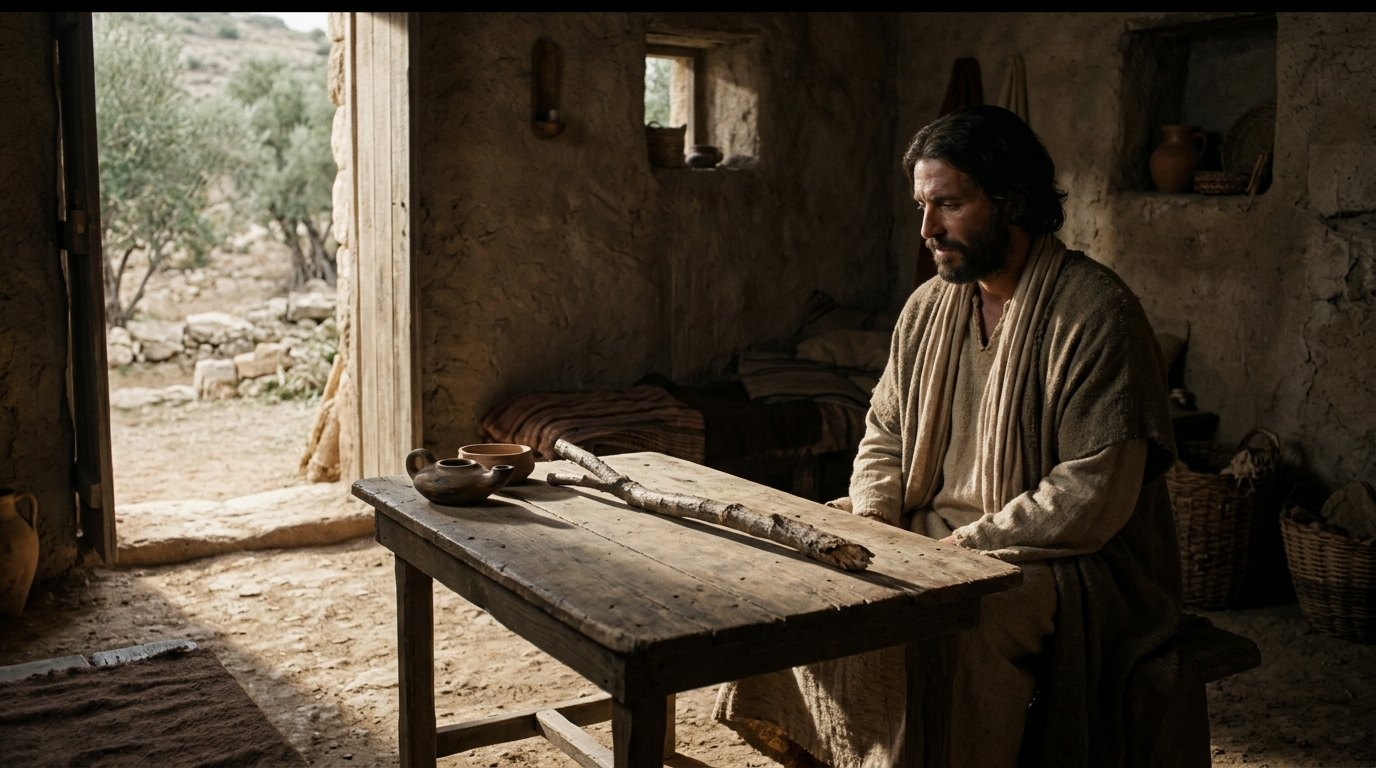
Folly is bound up in the heart of a child, but the rod of discipline will drive it far away.
Proverbs 22:15 (NIV)
It shows that folly is inherently lodged within childhood, requiring the external guidance of correction to remove it.
Proverbs 22:15 identifies the root dilemma facing every home: 'Folly is bound up in the heart of a child, but the rod of discipline drives it far from him.' Scripture does not view children as inherently moral blank slates; rather, foolishness is entwined around the human heart from the beginning. Left to itself, this inner folly matures into bitter ruin, which is why physical correction and verbal guidance act as necessary external interventions to break the power of stubborn self-will.
Parents are therefore urged to intervene while the heart remains pliable. Proverbs 19:18 commands, 'Discipline your son, for there is hope; do not set your heart on putting him to death.' Timely correction prevents irreversible catastrophe, a point reinforced by Proverbs 23:13-14: 'Do not withhold discipline from a child; if you strike him with a rod, he will not die. If you strike him with the rod, you will save his soul from Sheol.' Far from cruelty, such faithful restraint delivers the child's soul from the grave. Where gentle words go unheeded, biblical wisdom recognizes the awakening power of physical consequences, noting in Proverbs 20:30 that 'blows that wound cleanse away evil.' The rod matches the dullness of the unyielding mind, just as Proverbs 10:13 and Proverbs 26:3 remind us that a rod is prepared for the back of the senseless fool. Correction arrests folly before it destroys life.
| Passage | What it says |
|---|---|
| Proverbs 22:15 | Affirms that foolishness is bound in a child's heart, but the rod of correction drives it far away. |
| Proverbs 19:18 | Commands chastening while there is hope, warning parents not to let their souls spare for the child's crying. |
| Proverbs 23:13-14 | Instructs not to withhold correction, for physical discipline prevents premature ruin and delivers the soul from Sheol. |
| Proverbs 20:30 | Severe blows and stripes cleanse away evil and reach the innermost being. |
| Proverbs 10:13 | A rod is prepared for the back of one who lacks understanding. |
| Proverbs 26:3 | A rod corresponds directly to the back of fools to restrain foolish behavior. |
Wisdom and Rest
Faithful guidance brings wisdom and peace to the home
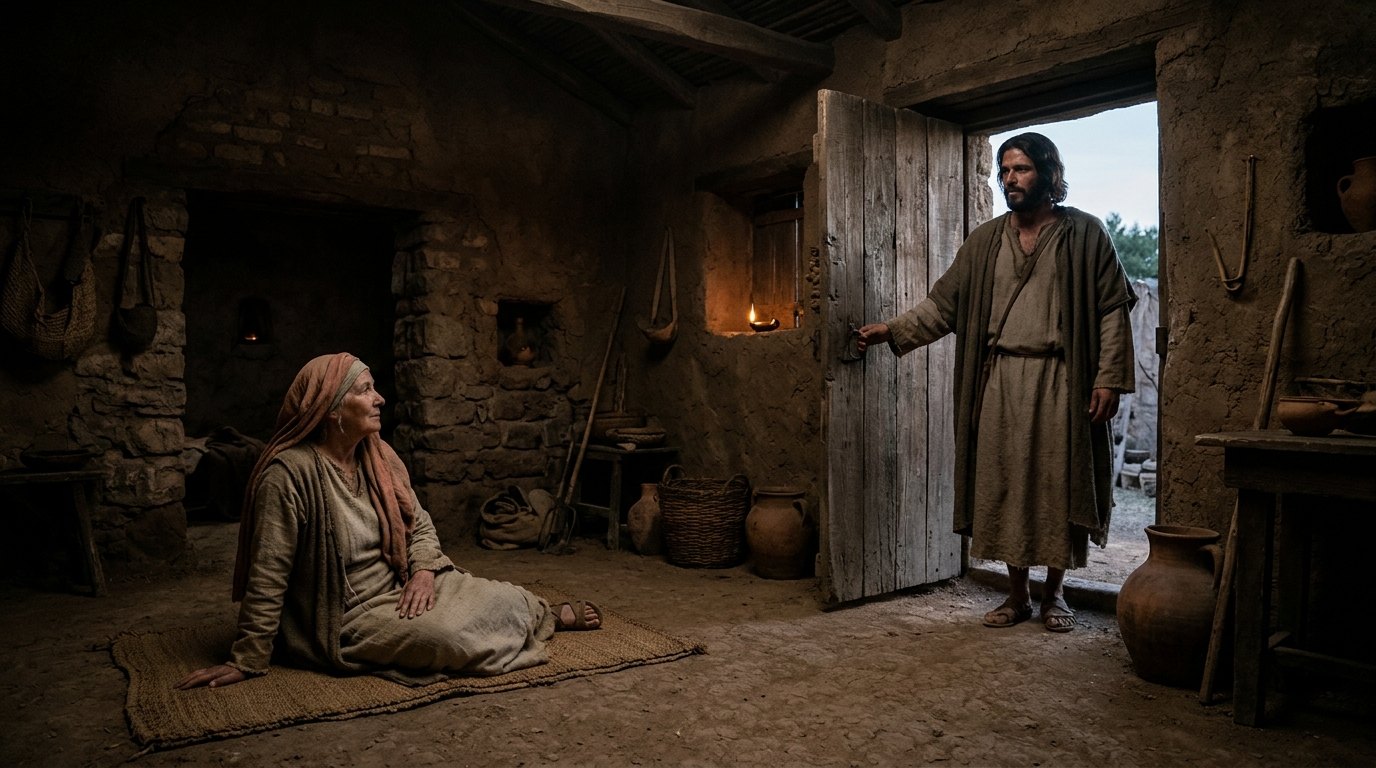
A rod and a reprimand impart wisdom, but a child left undisciplined disgraces its mother.
Proverbs 29:15 (NIV)
It contrasts the impartation of wisdom through reproof with the public shame brought by unrestrained indulgence.
The deliberate pairing of correction with instruction produces enduring peace. As Proverbs 29:15 states, 'The rod and reproof give wisdom, but a child left to himself brings shame to his mother.' The text specifies both the instrument and the reproof; physical correction without moral explanation breeds resentment, but combined with patient instruction, it yields discernment. Conversely, neglect—letting a child wander unrestrained—inevitably produces moral degradation that visits public grief upon the home.
The reward of faithful parenting is deep domestic tranquility. In Proverbs 29:17, the wise king assures, 'Discipline your son, and he will give you rest; he will give delight to your heart.' When foolishness is corrected early, parents do not face the lifelong terror of managing an untamed, destructive adult. A wise son learns to prize correction rather than fight it; Proverbs 15:5 observes that 'a fool despises his father’s instruction, but whoever heeds reproof is prudent.' Such obedience adorns the child with inward nobility, as Proverbs 1:8-9 depicts parental instruction as a graceful garland for the head and pendants for the neck. By contrast, Deuteronomy 21:18-21 illustrates the catastrophic societal end of unrestrained stubbornness, showing how hardened rebellion ultimately shatters families and endangers entire communities.
| Passage | What it says |
|---|---|
| Proverbs 29:15 | Declares that the rod and reproof impart wisdom, whereas a child left undisciplined brings shame to his mother. |
| Proverbs 29:17 | Promises that correcting a son yields rest and deep soul-delight to the parent. |
| Proverbs 15:5 | A fool despises a father's instruction, but whoever heeds correction shows good sense. |
| Proverbs 1:8-9 | Listening to parental instruction adorns a child with grace and honor. |
| Deuteronomy 21:18-21 | Uncorrected and persistent stubborn rebellion brings severe destruction upon a household and community. |
The Divine Pattern
Earthly fathers mirror God's purposeful and redemptive chastening

because the Lord disciplines the one he loves, and he chastens everyone he accepts as his son.” Endure hardship as discipline; God is treating you as his children. For what children are not disciplined by their father? If you are not disciplined—and everyone undergoes discipline—then you are not legitimate, not true sons and daughters at all.
Hebrews 12:6-8 (NIV)
The passage confirms that undergoing discipline is the definitive proof of legitimate sonship under the heavenly Father.
Scripture reveals that all legitimate earthly discipline reflects a divine reality. In Hebrews 12:6-8, the apostle exposes God's fatherly heart: 'For the Lord disciplines the one he loves, and chastises every son whom he receives.' If you are left without discipline, the text warns, 'then you are illegitimate children and not sons.' The very presence of chastening in the believer's life is divine proof of adoption. God does not allow his own children to wander into destruction, but actively prunes them for holiness.
While this process is never pleasant in the moment, Hebrews 12:11 promises that 'for the moment all discipline seems painful rather than pleasant, but later it yields the peaceful fruit of righteousness to those who have been trained by it.' This divine model sets the boundary for earthly fathers. Ephesians 6:4 and Colossians 3:21 explicitly forbid provoking children to wrath or exasperating them into discouragement. Christian discipline must never become an outlet for parental temper, but must mirror the patient 'discipline and instruction of the Lord.' As Deuteronomy 8:5 and Revelation 3:19 declare, God’s chastening is always redemptive, calling hearts to repentance. Where fathers fail to restrain their children, tragic judgment follows, as witnessed in 1 Samuel 3:13 when Eli’s household was ruined because his sons blasphemed and he did not restrain them.
| Passage | What it says |
|---|---|
| Hebrews 12:6-8 | Explains that the Lord chastens everyone He loves, and lacking discipline marks one as illegitimate rather than a true son. |
| Hebrews 12:11 | Observes that all discipline feels sorrowful initially, yet afterward yields the peaceable fruit of righteousness. |
| Ephesians 6:4 | Warns fathers not to provoke their children to wrath, but to bring them up in the discipline and admonition of the Lord. |
| Colossians 3:21 | Instructs fathers not to exasperate their children, lest their spirits be discouraged and broken. |
| Deuteronomy 8:5 | The Lord disciplines his people just as a father disciplines his son. |
| Revelation 3:19 | Christ reproves and disciplines those whom he loves, calling them to repentance. |
| 1 Samuel 3:13 | God judged Eli's house because he failed to restrain his sons when they brought curses on themselves. |
Where in the Bible
| Book | Passages |
|---|---|
| Deuteronomy | 2 · Deuteronomy 21:18-21, Deuteronomy 8:5 |
| 1 Samuel | 1 · 1 Samuel 3:13 |
| Proverbs | 13 · Proverbs 13:24, Proverbs 3:11-12, Proverbs 27:5-6, Proverbs 22:15, Proverbs 19:18, Proverbs 23:13-14, Proverbs 20:30, Proverbs 10:13, Proverbs 26:3, Proverbs 29:15, Proverbs 29:17, Proverbs 15:5, Proverbs 1:8-9 |
| Ephesians | 1 · Ephesians 6:4 |
| Colossians | 1 · Colossians 3:21 |
| Hebrews | 2 · Hebrews 12:6-8, Hebrews 12:11 |
| Revelation | 1 · Revelation 3:19 |
The story in order
- God disciplines His people (c. 1400 BC) · Deuteronomy 8:5 · Shows God's fatherly discipline mirrors earthly fathers.
- God judges Eli's failure to discipline (c. 1100 BC) · 1 Samuel 3:13 · Highlights the severe consequences of uncorrected sin.
- Wisdom in Proverbs (c. 900 BC) · Proverbs 13:24 · Establishes the core proverb about loving correction.
- Wisdom in Proverbs (c. 900 BC) · Proverbs 22:15 · Explains correction drives out foolishness.
- Wisdom in Proverbs (c. 900 BC) · Proverbs 29:15 · Links discipline to wisdom and shame.
- Wisdom in Proverbs (c. 900 BC) · Proverbs 29:17 · Shows correction brings rest and delight.
- Stubborn rebellion judged (c. 1400 BC) · Deuteronomy 21:18-21 · Illustrates the dire end of uncorrected rebellion.
- Jesus disciplines those He loves (c. AD 95) · Revelation 3:19 · Shows Christ's loving correction for repentance.
- Apostle Paul on discipline (c. AD 60) · Ephesians 6:4 · Instructs fathers in the Lord's discipline.
- Apostle Paul on discipline (c. AD 60) · Colossians 3:21 · Warns against provoking children to discouragement.
- Hebrews on God's discipline (c. AD 65) · Hebrews 12:6-8 · Explains God's discipline as proof of love.
- Hebrews on God's discipline (c. AD 65) · Hebrews 12:11 · Describes the peaceful fruit of righteousness from discipline.
Key words
- rod (Hebrew: shebet (שֵׁבֶט))
- Symbol of authority and correction, used to guide and discipline. · Proverbs 13:24
- correction (Hebrew: musar (מוּסָר))
- Instruction aimed at improving conduct and character, often involving discipline. · Proverbs 3:11
- folly (Hebrew: 'ivvelet (אִוֶּלֶת))
- Lack of good sense or judgment; foolish behavior. · Proverbs 22:15
- wisdom (Hebrew: ḥokmah (חָכְמָה))
- Skillful and right living, gained through instruction and experience. · Proverbs 29:15
- chastening (Hebrew: yasar (יָסַר))
- Discipline or punishment intended to correct or improve. · Proverbs 3:11
Biblical discipline is never a license for harshness or anger, but a shepherd's watchful care rooted in steadfast love. As we receive God's own patient chastening with humility, we learn to guide the next generation toward the peaceable fruit of righteousness.
21 passages, each cited once.
Scripture cited
- Proverbs 13:24
- Proverbs 29:17
- Proverbs 23:13-14
- Proverbs 29:15
- Proverbs 22:15
- Hebrews 12:5-11
- Ephesians 6:4