What does the Bible say about credit cards?
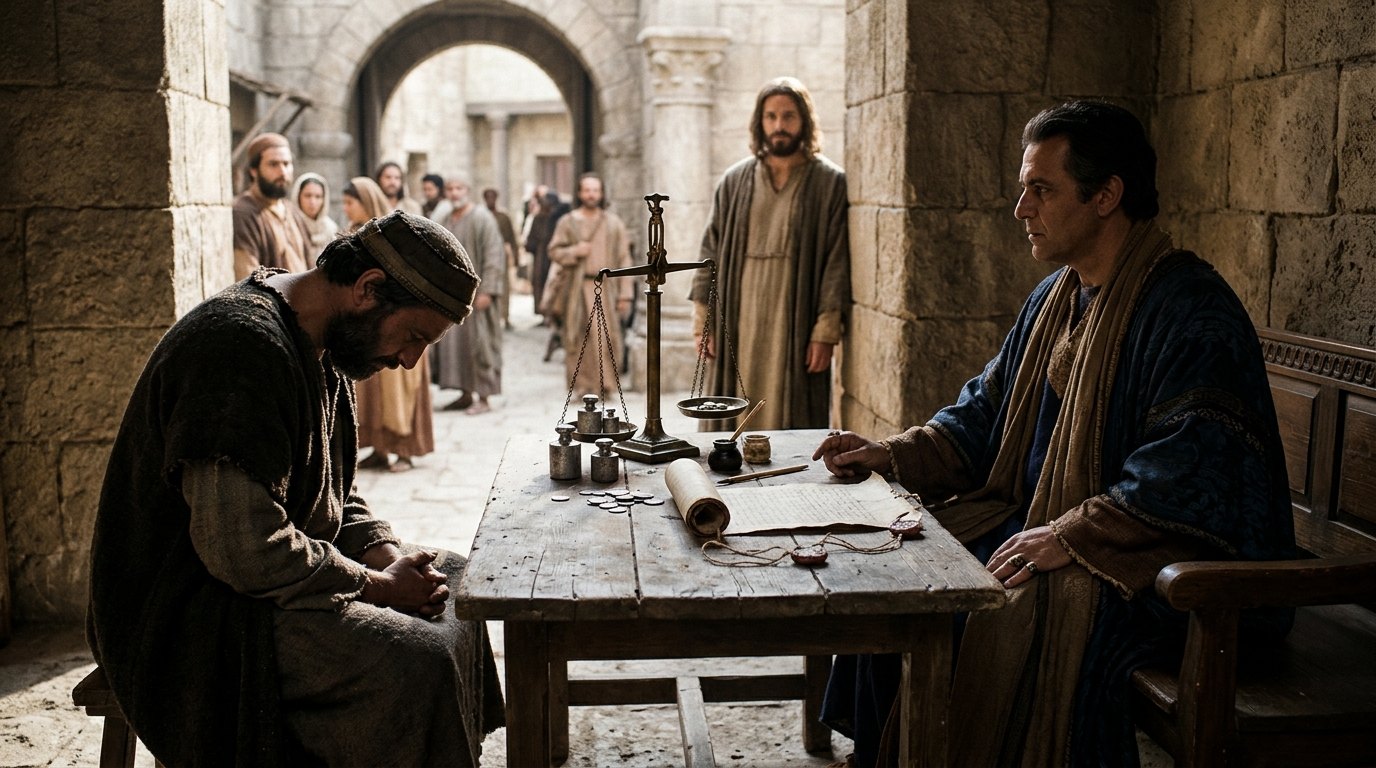
Proverbs 22:7
7 The rich rule over the poor, and the borrower is slave to the lender.
New International Version (NIV)
The answer
The Bible never mentions credit cards, so it does not condemn the card itself. A card used to spend money already available is a payment tool; a card used to borrow creates real debt, and Scripture treats debt as dangerous, binding, and sometimes sinful. Proverbs 22:7 warns, “The rich rule over the poor. The borrower is servant to the lender.”
Borrowing is not automatically sin, but it is never morally neutral. The central questions are whether the debt is wise, whether it will be repaid honestly, and what desire is driving the spending.
Biblical guardrails
- Count the cost before spending. Jesus commends the builder who first sits down to “count the cost” in Luke 14:28-30. A credit limit is not income, and future wages are not money already possessed. Buying on credit means committing resources that have not yet arrived.
- Repay what is owed. Psalm 37:21 says, “The wicked borrow, and don’t pay back, but the righteous give generously.” Deliberately borrowing without intending to repay, hiding obligations, or refusing payment is wicked. Romans 13:8 also says, “Owe no one anything, except to love one another.” Some read this as prohibiting all debt; others as requiring every obligation to be met when due. Either reading forbids careless delinquency and warns against becoming comfortable with continuing debt.
- Examine the desire behind the purchase. First Timothy 6:6-10 teaches that “godliness with contentment is great gain” and warns that the determination to become rich leads into temptation and harmful desires. A card can serve covetousness by making an unaffordable lifestyle appear attainable. Full payment does not make greedy or impulsive spending righteous.
- Do not presume upon tomorrow. James 4:13-15 warns against making confident plans without acknowledging, “If the Lord wills.” Income can disappear and expenses can change. Repayment plans should therefore be cautious rather than built on optimistic assumptions.
A wise practical verdict
Using a card for convenience, while spending within one's means and paying every obligation promptly, is not condemned by Scripture. Carrying a balance is not, by itself, proof of personal sin, but it is servitude to a lender and should not be treated as harmless or normal.
A card is being used foolishly when it funds purchases that cannot reasonably be afforded, conceals financial trouble, encourages compulsive spending, or depends on money that may never arrive. It is being used sinfully when it serves greed, deceit, or an intention not to repay. In those cases, the response is repentance, truthful acknowledgement of the debt, an end to the harmful spending, and a concrete effort to repay.
Financial hardship is not the same as dishonesty. Someone genuinely unable to pay should not pretend otherwise or borrow recklessly to hide the situation; honest communication and wise, trustworthy financial help are consistent with Scripture's demands for truthfulness and responsibility.
Answered from Scripture · reviewed November 11, 2026
While credit cards as plastic instruments did not exist in biblical antiquity, Scripture speaks extensively and authoritatively regarding debt, borrowing, lending, and the moral hazards of financial bondage. God's Word never treats personal indebtedness lightly, framing it as a loss of liberty, a peril to contentment, and an arena where justice and righteousness are urgently tested. Examining what God has spoken concerning loans, interest, and the duty to repay equips believers to navigate modern financial tools with wisdom and integrity.
The Peril of Debt
The Borrower Becomes Servant to the Lender

The rich rule over the poor, and the borrower is slave to the lender.
Proverbs 22:7 (NIV)
This proverb delivers the foundational biblical warning that borrowing places a person under the functional dominion of another.
In Proverbs 22:7, Scripture delivers an uncompromising truth: the borrower is servant to the lender. Although credit cards did not exist in antiquity, the spiritual and economic reality of debt remains identical across every era. When an individual incurs a debt, they forfeit autonomy, subordinating their labor and future earnings to the demands of a creditor. God’s Word warns that financial entanglements rapidly evolve from voluntary agreements into oppressive snares.
The wisdom literature repeatedly urges believers to treat indebtedness with utmost sobriety. Proverbs 6:1-5 instructs anyone who has put up security for a neighbor to plead desperately for release, likening deliverance to a gazelle fleeing a hunter or a bird escaping a fowler. Proverbs 17:18 and Proverbs 22:26-27 call it a lack of common sense to strike hands in pledges or guarantee obligations that can strip away the very bed from under you. Similarly, Proverbs 11:15 warns that rashly assuming obligations invites ruin, while Proverbs 27:13 notes that careless surety leaves one utterly exposed.
The real-world consequence of financial bondage is vividly portrayed throughout historical biblical narrative. In 2 Kings 4:1, a destitute widow cries out to Elisha because an exacting creditor has arrived to seize her two sons into servitude to satisfy unpaid arrears. Our Lord Jesus illustrated this sober dynamic in Matthew 18:25, describing a servant whose inability to settle his liabilities subjected him, his wife, his children, and everything he possessed to being liquidated. Debt carries inherent weight; Scripture consistently reminds us that entering into credit relationships without vigilance places our freedom, family, and peace in jeopardy.
| Passage | What it says |
|---|---|
| Proverbs 22:7 | Declares that the rich rule over the poor and the borrower becomes servant to the lender. |
| Proverbs 6:1-5 | Urges urgent escape like a gazelle from a hunter when ensnared by putting up security or pledges. |
| Proverbs 17:18 | States that a person lacking sense strikes hands in pledge and puts up security for a neighbor. |
| Proverbs 22:26-27 | Warns against being one who strikes hands in pledges or guarantees debts, lest one's bed be taken. |
| 2 Kings 4:1 | Records a widow's desperate plight when a creditor came to take her two sons as slaves for debt. |
| Matthew 18:25 | Illustrates how an unpaid debt could lead to a debtor, his family, and all possessions being sold. |
| Proverbs 11:15 | Guaranteeing a stranger's debt brings harm, while refusing rash surety guarantees peace and safety. |
| Proverbs 27:13 | Taking a garment in pledge warns of the severe vulnerability caused by reckless financial commitments. |
Integrity and Repayment
The Righteous Must Diligently Pay What Is Owed
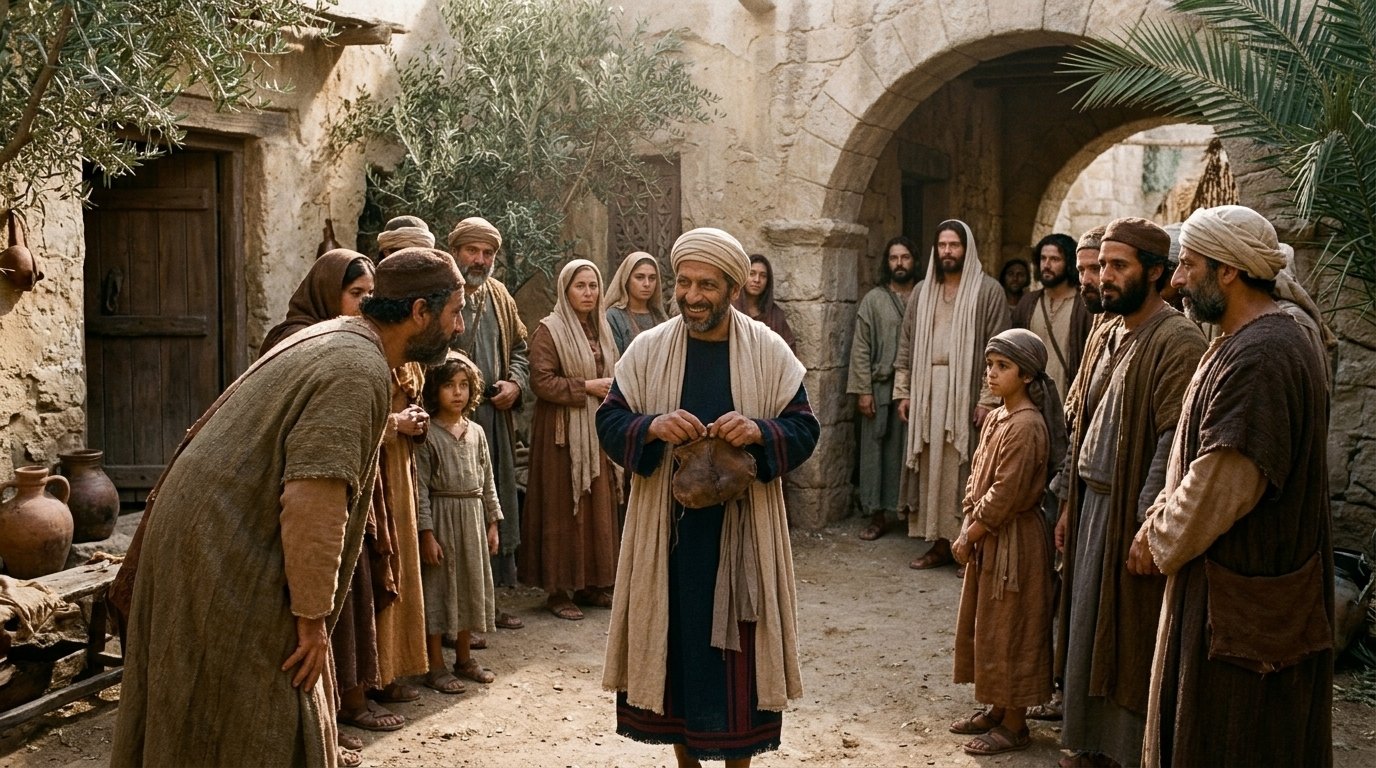
Let no debt remain outstanding, except the continuing debt to love one another, for whoever loves others has fulfilled the law.
Romans 13:8 (NIV)
The apostle commands believers to leave no debts unpaid, establishing continuous love as the only ongoing obligation.
The apostle Paul summarizes the Christian’s financial posture in Romans 13:8: owe no one anything, except to love one another. Scripture establishes that unpaid balances and broken financial promises are matters of moral integrity before God. When a modern credit card is swiped, a legally binding contract is signed; failing to settle what was borrowed violates the holy standard demanded of God’s people.
Psalm 37:21 draws a sharp moral divide: the wicked borrows and does not repay, but the righteous shows mercy and gives. Defaulting on debt, evading repayment, or accumulating charges with no deliberate plan to clear the balance aligns with ungodly practice. Ecclesiastes 5:5 cautions that it is far better not to vow than to make a solemn commitment and fail to fulfill it. Paul reinforces this ethical rigor in Romans 13:7, instructing believers to pay everyone their due, whether taxes, customs, fear, or honor.
Honoring one's debts reflects genuine spiritual transformation and covenant righteousness. In Philemon 1:18-19, Paul demonstrates total accountability by writing with his own hand that if Onesimus owed anything, Paul would repay it himself. When salvation arrived at the home of Zacchaeus in Luke 19:8, the chief tax collector immediately proved his repentance by making full restitution, giving half his goods to the poor and repaying fourfold anyone he had defrauded. For a follower of Christ, maintaining an open credit balance without faithful, disciplined repayment is not a mere financial inconvenience; it is a breach of Christian testimony.
| Passage | What it says |
|---|---|
| Romans 13:8 | Commands believers to owe no one anything except to love one another. |
| Psalms 37:21 | Contrasts the wicked who borrow and do not repay with the righteous who deal graciously and give. |
| Ecclesiastes 5:5 | Admonishes that it is better not to vow than to vow and not pay. |
| Romans 13:7 | Directs Christians to pay to everyone what is due them, whether taxes, revenue, respect, or honor. |
| Philemon 1:18-19 | Paul offers his personal pledge to repay any debt Onesimus owed, confirming personal liability for financial obligations. |
| Luke 19:8 | Zacchaeus demonstrates genuine repentance by settling all obligations and paying back fourfold anyone he defrauded. |
Lending and Exploitation
God Forbids Oppressive Interest and Predatory Gain
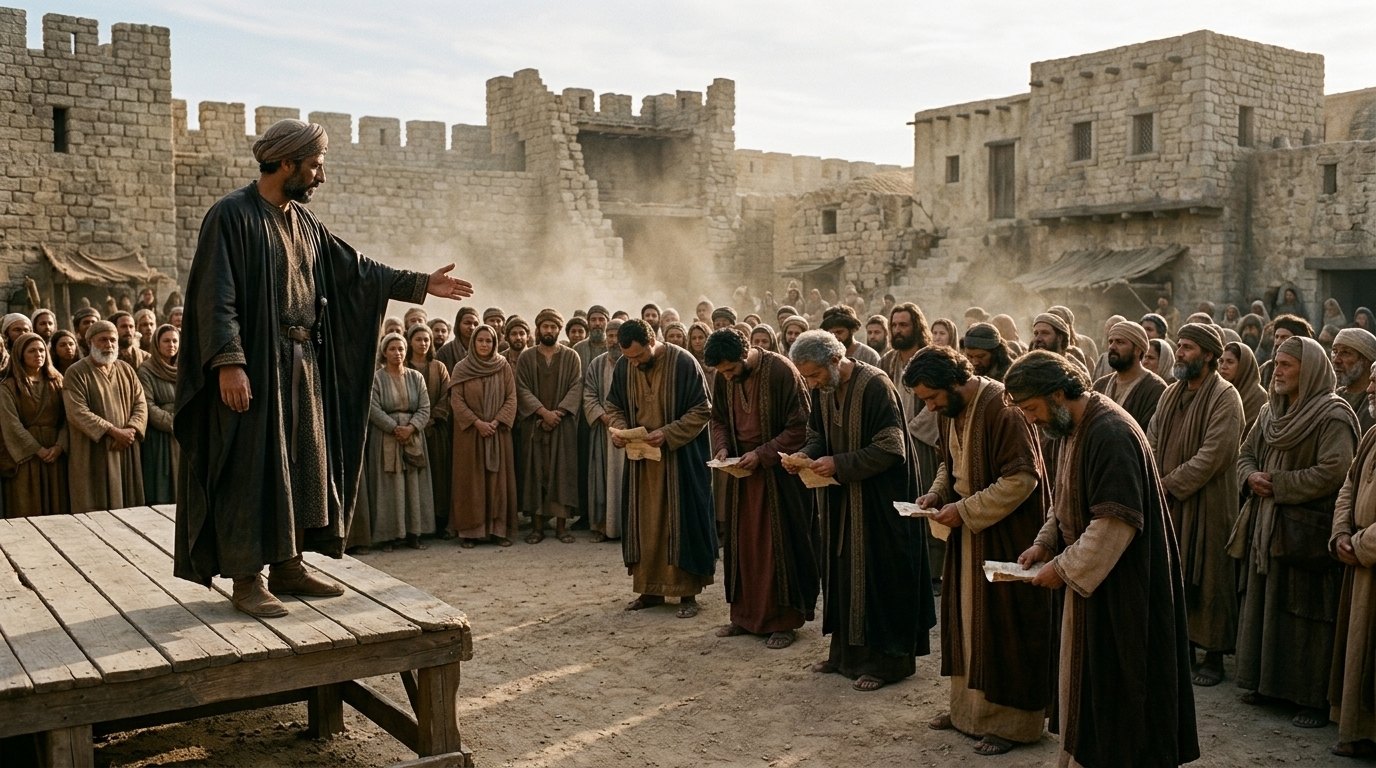
“If you lend money to one of my people among you who is needy, do not treat it like a business deal; charge no interest.
Exodus 22:25 (NIV)
This law explicitly forbids acting as a harsh creditor or charging interest to impoverished brothers in need.
In Exodus 22:25, God explicitly commanded His covenant people: if you lend money to any of My people who are poor among you, you shall not be like a moneylender to him; you shall not charge him interest. Modern revolving credit cards frequently impose compounding interest rates that easily exceed twenty or thirty percent, disproportionately trapping individuals in cycles of generational poverty. God’s Law aggressively curtailed usury and predatory lending practices, demanding that financial transactions reflect mercy rather than merciless profit.
Leviticus 25:35-37 and Deuteronomy 23:19-20 strictly forbade taking usury or accrued profit from a brother in distress, insisting that a destitute countryman must be relieved freely. The prophets forcefully reiterated this standard. Ezekiel 18:8 and Ezekiel 18:13 list lending at usury and taking accrued interest among the grievous covenant violations that provoke divine judgment. In Nehemiah 5:10-11, the godly governor sternly rebuked the Jewish aristocracy for exacting interest on loans to their brethren during a famine, compelling the immediate restoration of mortgaged vineyards, houses, and money.
God’s wisdom declares that capital gained through the exploitation of the desperate will not stand. Proverbs 22:16 and Proverbs 22:22 warn that oppressing the poor to augment riches inevitably leads to poverty, while Proverbs 14:31 explains that mocking or exploiting the needy reproaches their Creator. Proverbs 28:8 reminds us that whoever amasses wealth by interest and unjust gain merely gathers it for one who will pity the poor. Deuteronomy 15:1-2 even established a seven-year release of debts, checking human avarice and preventing perpetual subjugation.
| Passage | What it says |
|---|---|
| Exodus 22:25 | Forbids exacting interest or behaving like a creditor when lending to a poor fellow Israelite. |
| Leviticus 25:35-37 | Commands sustaining a destitute brother without taking interest or making profit from food lent to him. |
| Deuteronomy 23:19-20 | Prohibits charging interest on money, food, or anything lent to a countryman. |
| Proverbs 22:16 | Warns that oppressing the poor to increase wealth or giving to the rich leads only to poverty. |
| Proverbs 22:22 | Commands not to rob the poor because of poverty nor crush the afflicted at the gate. |
| Proverbs 14:31 | Declares that oppressing the poor insults their Maker, while showing mercy to the needy honors God. |
| Ezekiel 18:8 | Defines a righteous man as one who does not lend at interest or take any accrued profit. |
| Nehemiah 5:10-11 | Rebukes nobles for exacting interest and orders the immediate restoration of fields and exacted percentages. |
| Proverbs 28:8 | Wealth multiplied through interest and unjust gain ultimately departs to someone who will pity the poor. |
| Ezekiel 18:13 | Charging interest and taking accrued usury on loans is condemned alongside grievous covenant violations. |
| Deuteronomy 15:1-2 | The law commanded periodic remission of debts among brothers to prevent permanent impoverishment. |
Contentment and Stewardship
Guarding the Heart Against Presumption and Covetousness

But godliness with contentment is great gain. For we brought nothing into the world, and we can take nothing out of it. But if we have food and clothing, we will be content with that.
1 Timothy 6:6-8 (NIV)
Paul shows that godliness with contentment is great gain, cutting at the root of debt fueled by consumer desires.
Writing to his young pastoral associate, Paul highlights the true safeguard against financial ruin in 1 Timothy 6:6-8: godliness with contentment is great gain. The primary danger of credit cards lies in their power to decouple consumption from actual resources, enabling instant gratification fueled by covetousness. God calls His people to govern their desires through holy contentment and disciplined foresight.
Hebrews 13:5 commands that our conduct remain without covetousness, resting in the Lord's promise never to leave nor forsake us. In Luke 12:15, Jesus warned to beware of all covetousness, because a person’s life does not consist in the abundance of their possessions. Rushing to purchase luxury items through borrowed capital often reflects presumptuous living; James 4:13-15 rebukes those who boast of tomorrow’s commerce without submitting their life and means to the Lord’s sovereignty. Proverbs 21:20 observes that desirable treasure and oil reside in the home of the wise, but a foolish person devours whatever they receive.
Biblical stewardship demands careful forethought rather than impulsive borrowing. In Luke 14:28-30, our Lord teaches that anyone seeking to build a tower must first sit down and count the cost to ensure they possess the means to complete it. Paul exemplified this inner liberty in Philippians 4:11-13, testifying that through Christ he had learned the secret of being content whether abased or abounding. Prudent management also requires diligence; Proverbs 27:23-24 instructs believers to know well the condition of their flocks. While Matthew 5:42 commands generosity toward those who ask to borrow, Christians using credit instruments must exercise rigorous temperance, using money as God's stewards rather than serving consumer desires.
| Passage | What it says |
|---|---|
| 1 Timothy 6:6-8 | Teaches that godliness with contentment is great gain when satisfied with food and clothing. |
| Hebrews 13:5 | Exhorts believers to keep life free from the love of money, being content with what they have. |
| Luke 12:15 | Warns to beware of all covetousness because one's life does not consist in the abundance of possessions. |
| James 4:13-15 | Rebukes presumptuous boasting about tomorrow's trade without submitting plans to the Lord's will. |
| Proverbs 21:20 | Observes that precious treasure and oil remain in a wise man's dwelling, but a fool devours them. |
| Matthew 5:42 | Instructs disciples to give to those who ask and not turn away anyone wishing to borrow. |
| Luke 14:28-30 | Jesus commands counting the cost before building, teaching the necessity of forward planning and financial forethought. |
| Philippians 4:11-13 | Paul learned contentment in every circumstance through Christ, resisting the constant urge toward indulgence. |
| Proverbs 27:23-24 | A prudent steward carefully knows the state of flocks and herds, because earthly wealth does not endure forever. |
Where in the Bible
| Book | Passages |
|---|---|
| Exodus | 1 · Exodus 22:25 |
| Leviticus | 1 · Leviticus 25:35-37 |
| Deuteronomy | 2 · Deuteronomy 23:19-20, Deuteronomy 15:1-2 |
| 2 Kings | 1 · 2 Kings 4:1 |
| Nehemiah | 1 · Nehemiah 5:10-11 |
| Psalms | 1 · Psalms 37:21 |
| Proverbs | 12 · Proverbs 22:7, Proverbs 6:1-5, Proverbs 17:18, Proverbs 22:26-27, Proverbs 11:15, Proverbs 27:13, Proverbs 22:16, Proverbs 22:22, Proverbs 14:31, Proverbs 28:8, Proverbs 21:20, Proverbs 27:23-24 |
| Ecclesiastes | 1 · Ecclesiastes 5:5 |
| Ezekiel | 2 · Ezekiel 18:8, Ezekiel 18:13 |
| Matthew | 2 · Matthew 18:25, Matthew 5:42 |
| Luke | 3 · Luke 19:8, Luke 12:15, Luke 14:28-30 |
| Romans | 2 · Romans 13:8, Romans 13:7 |
| Philippians | 1 · Philippians 4:11-13 |
| 1 Timothy | 1 · 1 Timothy 6:6-8 |
| Philemon | 1 · Philemon 1:18-19 |
| Hebrews | 1 · Hebrews 13:5 |
| James | 1 · James 4:13-15 |
The story in order
- The Law given to Israel (c. 1450 BC) · Exodus 22:25 · Prohibits exacting interest from poor Israelites.
- Wisdom literature on debt (c. 950 BC) · Proverbs 22:7 · Borrowers become servants to lenders.
- Widow's debt crisis (c. 850 BC) · 2 Kings 4:1 · Creditors could take children for debt.
- Prophetic rebuke of usury (c. 445 BC) · Nehemiah 5:10-11 · Nobles rebuked for exacting interest.
- Jesus on counting the cost (AD 30) · Luke 14:28-30 · Emphasizes financial planning before undertaking.
- Jesus on debt and forgiveness (AD 30) · Matthew 18:25 · Unpaid debt could lead to enslavement.
- Paul on owing nothing (c. AD 57) · Romans 13:8 · Owe no one except love.
- Paul on repayment and integrity (c. AD 60) · Philemon 1:18-19 · Personal pledge to repay debts.
- Warning against love of money (c. AD 65) · 1 Timothy 6:6-8 · Contentment with food and clothing is gain.
- Exhortation to contentment (c. AD 67) · Hebrews 13:5 · Keep life free from the love of money.
Debt and Servitude
| The borrower's plight | Consequence | Passage |
|---|---|---|
| The borrower becomes servant to the lender. | Loss of liberty. | Proverbs 22:7 |
| A widow's desperate situation. | Creditor takes sons as slaves. | 2 Kings 4:1 |
| Unpaid debt leads to sale. | Debtor, family, and possessions sold. | Matthew 18:25 |
Repayment and Integrity
| Command/Example | Principle | Passage |
|---|---|---|
| Owe no one anything except to love one another. | Love fulfills all debt. | Romans 13:8 |
| The righteous deal graciously and give. | The wicked borrow and do not repay. | Psalms 37:21 |
| Pay everyone what is due. | Fulfill financial and civic obligations. | Romans 13:7 |
| Paul offers to repay Onesimus' debt. | Personal responsibility for obligations. | Philemon 1:18-19 |
| Zacchaeus repays defrauded individuals. | Repentance includes restitution. | Luke 19:8 |
Key words
- Debt
- An obligation to repay a loan or borrowed money. · Proverbs 22:7
- Servant
- One who is subject to or controlled by another. · Proverbs 22:7
- Interest
- Money paid or charged for borrowed money, typically as a percentage. · Exodus 22:25
- Usury
- The illegal or immoral practice of lending money at unreasonably high rates of interest. · Ezekiel 18:13
- Contentment
- A state of happiness and satisfaction with what one has. · 1 Timothy 6:6-8
- Stewardship
- The responsible management of resources entrusted to one's care. · Proverbs 27:23-24
Using a credit card is neither commanded nor forbidden outright in Scripture, but letting consumer debt accumulate runs contrary to the wisdom, freedom, and stewardship God requires of His people. The righteous steward borrows with utmost caution, refuses to live beyond God-given means, repays debts promptly, and orders every financial decision toward generosity and liberty in Christ.
34 passages, each cited once.
Scripture cited
- Proverbs 22:7
- Psalms 37:21
- Proverbs 22:26-27
- Romans 13:8
- Luke 14:28-30
- 1 Timothy 6:6-10
- James 4:13-15