What does the Bible say about God's timing?

Ecclesiastes 3:11
11 He has made everything beautiful in its time. He has also set eternity in the human heart; yet no one can fathom what God has done from beginning to end.
New International Version (NIV)
The answer
The Bible says that God acts in His own wise and sovereign time, and that people cannot fully understand His timing. Ecclesiastes 3:1 establishes that “there is a season, and a time for every purpose under heaven,” and Ecclesiastes 3:11 says that God “has made everything beautiful in its time.”
This does not mean that every season is equally good or that God takes no interest in our suffering. It means that His purposes and timing are not ours to calculate. The same chapter says that there is “a time to weep” and “a time to laugh” (Ecclesiastes 3:4), so the Christian’s response is not passive fatalism but faithful trust and obedient action in the present.
Why we cannot fully know God’s timing
- God’s wisdom is beyond human searching. “Can you fathom the mystery of God? Or can you probe the limits of the Almighty?” (Job 11:7).
- God’s works cannot be fully comprehended. “Man can’t find out the work that is done under the sun” (Ecclesiastes 8:17).
- God has made some things plainly knowable. His “everlasting power and divinity” are perceived through what He made (Romans 1:19-20). Limited human understanding is not the same as a God who leaves people without light.
How this calls us to respond
- Trust Him: “For you are my rock and my fortress, therefore for your name’s sake lead me and guide me” (Psalms 31:3).
- Live faithfully while waiting: Ecclesiastes 3:12-13 urges rejoicing, doing good, and enjoying the fruit of one’s labor as the gift of God.
- Hold onto what is unseen: Faith is “assurance of things hoped for, proof of things not seen” (Hebrews 11:1).
God may give us more timing than we can see. But He never asks us to manufacture certainty about the future; He asks us to trust Him, obey Him, and serve others while we wait.
Answered from Scripture · reviewed November 10, 2026
Scripture reveals that God governs all of human history and individual lives according to His sovereign, perfect schedule. Because His wisdom transcends human comprehension, believers are called not to master His hidden timetable, but to trust His faithfulness across every season.
The Appointed Seasons
God ordains every season under heaven.

He has made everything beautiful in its time. He has also set eternity in the human heart; yet no one can fathom what God has done from beginning to end.
Ecclesiastes 3:11 (NIV)
It affirms God makes all things fitting in their proper time while keeping the complete scope beyond human mastery.
Solomon observes that God has made everything beautiful in its time (Ecclesiastes 3:11), weaving human lives and history into a tapestry far grander than mortal minds can trace. From creation's opening dawn, the celestial bodies were commanded to divide daylight from darkness and govern appointed seasons, days, and years (Genesis 1:14). The psalmist echoes this cosmic order, remarking that the moon marks the seasons while the sun knows its precise setting (Psalms 104:19). God's steadfast covenant with the earth guarantees that seedtime and harvest, cold and heat, summer and winter, day and night shall not cease (Genesis 8:22). Under this providential canopy, human existence is punctuated by an established catalog of moments: a time to be born and a time to die, a time to plant and a time to pluck up, a time to break down and a time to build up (Ecclesiastes 3:1-3). Earthly life oscillates between weeping and laughing, mourning and dancing (Ecclesiastes 3:4), embracing and refraining, keeping silence and speaking, loving and maintaining peace (Ecclesiastes 3:5-8). Yet this rhythm is neither chance nor fatalism. The sovereign Ruler of history determines the exact allotted periods and boundaries of all nations (Acts 17:26). As Daniel declared in exile, God changes times and seasons, unseating kings and raising up empires according to His sovereign decree (Daniel 2:21).
| Passage | What it says |
|---|---|
| Ecclesiastes 3:1 | Affirms there is a predetermined season and appointed time for every purpose under heaven. |
| Ecclesiastes 3:4 | Identifies alternating seasons of human grief and joy ordained across earthly life. |
| Ecclesiastes 3:11 | Declares that God makes everything beautiful in its time and places eternity within human hearts. |
| Psalms 104:19 | Points out that the moon marks seasons and the sun knows its setting under God's command. |
| Acts 17:26 | Teaches that God determines the allotted times and physical boundaries for all nations. |
| Genesis 1:14 | God establishes the heavenly lights to govern the appointed signs, days, seasons, and years of earth. |
| Genesis 8:22 | God pledges that seedtime, harvest, cold, heat, summer, winter, day, and night will endure unbroken. |
| Ecclesiastes 3:2-3 | A time to be born, die, plant, pluck up, kill, heal, break down, and build up. |
| Ecclesiastes 3:5-8 | Specific appointed times for casting stones, embracing, seeking, losing, keeping, tearing, silence, speech, love, and peace. |
| Daniel 2:21 | God changes the times and the seasons, removing kings and establishing kings according to his purpose. |
The Unsearchable Mind
Human understanding cannot fathom divine counsel.
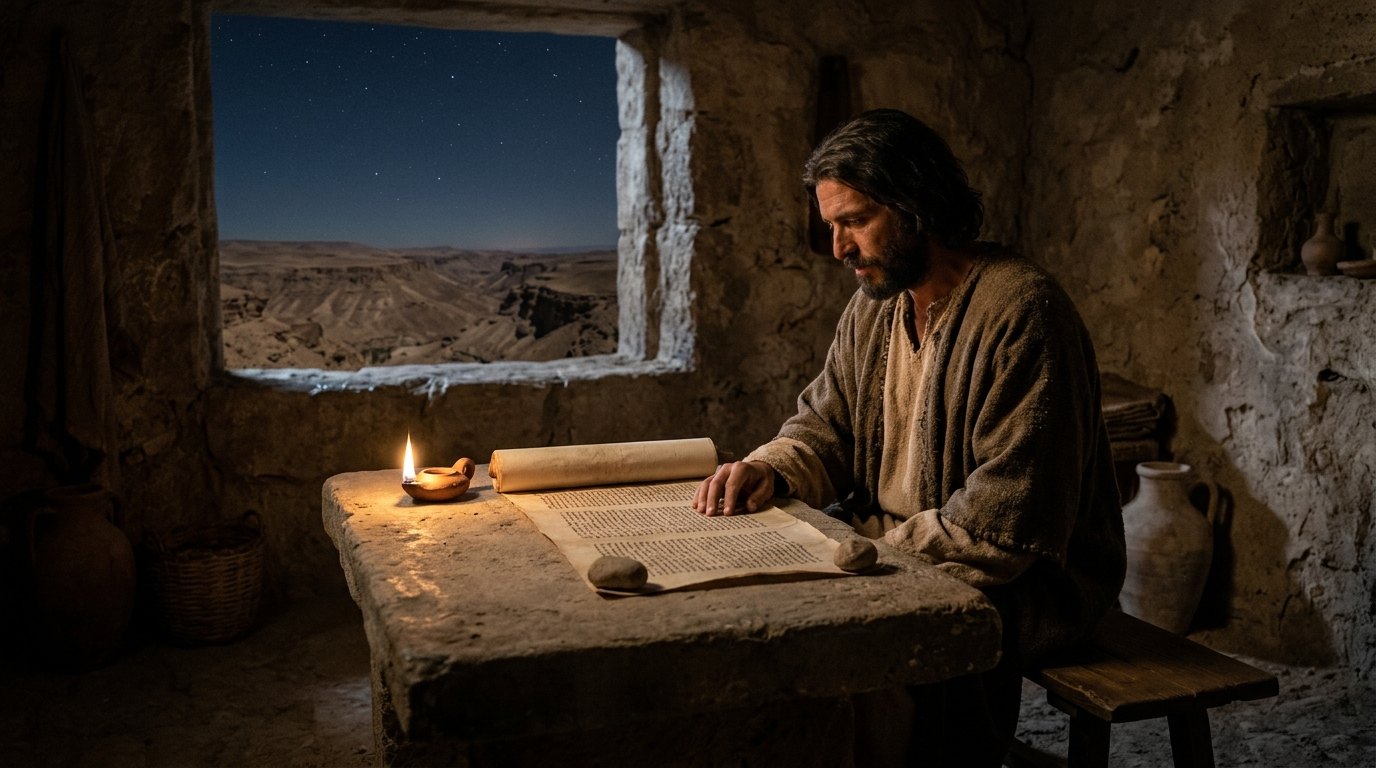
Oh, the depth of the riches of the wisdom and knowledge of God! How unsearchable his judgments, and his paths beyond tracing out!
Romans 11:33 (NIV)
It extols the infinite depth of God's wisdom whose ways and judgments remain unsearchable.
Contemplating the architecture of redemptive history, the apostle Paul breaks into reverent adoration: Oh, the depth of the riches and wisdom and knowledge of God! How unsearchable are his judgments and how inscrutable his ways! (Romans 11:33). Human understanding cannot fathom divine counsel, for though God’s eternal power and divine nature are clearly seen in the created world (Romans 1:19-20), His secret decrees belong to Him alone (Deuteronomy 29:29). When Job questioned his suffering, he was reminded that God performs great, unsearchable deeds beyond human calculation (Job 5:9), and that mortal man cannot fathom the limits of the Almighty (Job 11:7). Even after thorough investigation, the wisest king concluded that no man can fully discover the work God does under the sun (Ecclesiastes 8:17). The Lord Himself declares that just as the heavens are higher than the earth, so His thoughts and ways surpass human imagination (Isaiah 55:8-9). He alone declares the end from the beginning, accomplishing all His pleasure (Isaiah 46:9-10). While a man's heart devises his plans, the Lord directs his steps, establishing His unchanging counsel above every human ambition (Proverbs 16:9; Proverbs 19:21). Consequently, Scripture warns believers never to boast arrogantly about tomorrow (Proverbs 27:1), but to confess that life is a fleeting mist and to pray, 'If the Lord wills, we will live and do this or that' (James 4:13-15).
| Passage | What it says |
|---|---|
| Ecclesiastes 8:17 | Shows that even the wisest person cannot discover all the work God does under the sun. |
| Job 11:7 | Asks whether man can fathom the deep things of God or probe the Almighty's limits. |
| Job 5:9 | Proclaims that God performs great, unsearchable deeds and wonders without number. |
| Isaiah 55:8 | Contrasts God's higher thoughts and ways with mortal perspectives. |
| Romans 11:33 | Praises the depth of God's wisdom, knowledge, and unsearchable judgments. |
| Romans 1:19-20 | Notes that God makes His eternal power plainly known in creation, though His decrees transcend us. |
| Deuteronomy 29:29 | The secret things belong to the Lord, but the revealed things belong to his people forever. |
| Proverbs 16:9 | The heart of man plans his way, but the Lord establishes his steps. |
| Proverbs 19:21 | Many are the plans in a man's mind, but the purpose of the Lord stands. |
| Proverbs 27:1 | A warning not to boast about tomorrow, because man does not know what a day brings. |
| Isaiah 46:9-10 | God declares the end from the beginning, announcing ancient things and declaring his counsel stands. |
| Isaiah 55:9 | As the heavens are higher than the earth, so are God's ways and thoughts higher than man's. |
| James 4:13-15 | Believers must recognize life as a mist, saying, 'If the Lord wills, we will live and do this.' |
The Fulness of Time
Redemption arrives at God's precise moment.
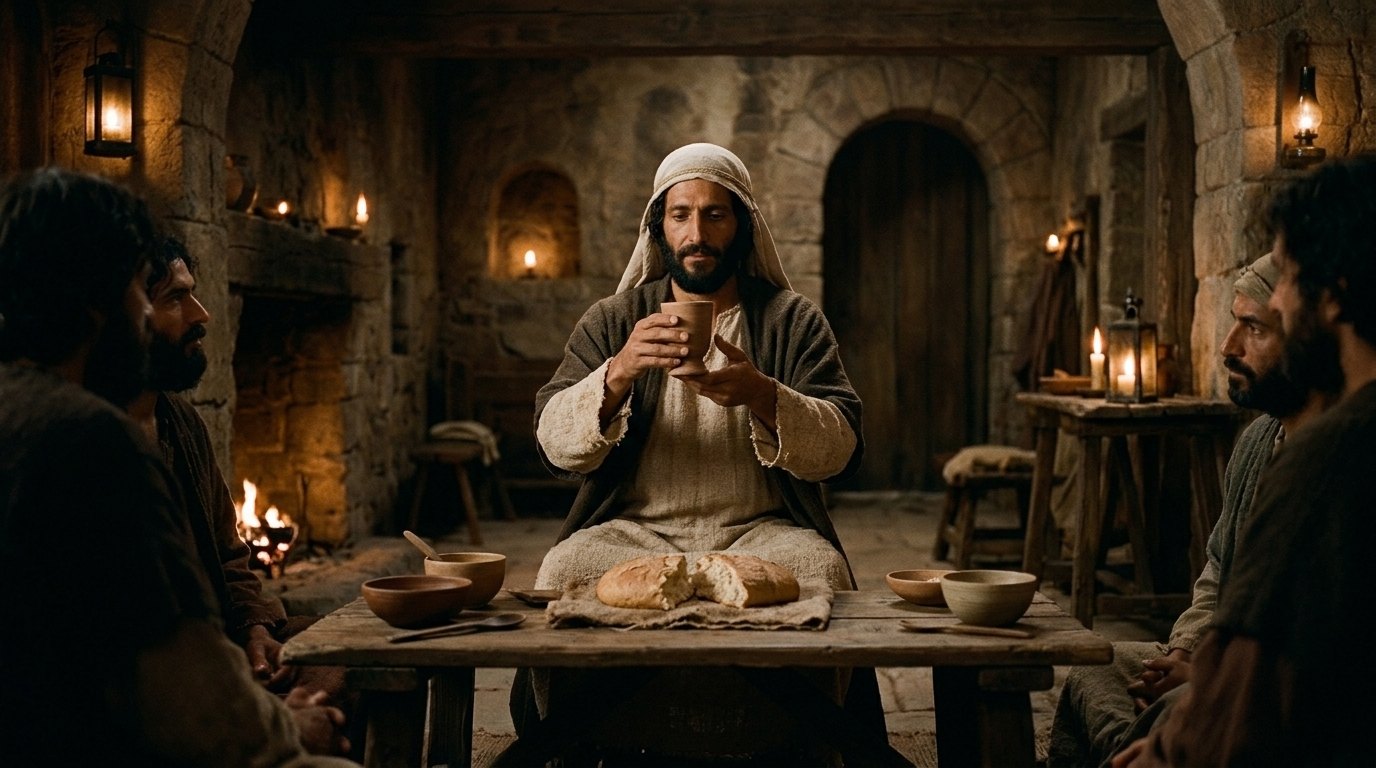
But when the set time had fully come, God sent his Son, born of a woman, born under the law,
Galatians 4:4 (NIV)
It marks the incarnation of the Son as occurring precisely when the fullness of time arrived.
Redemption does not unfold by coincidence or emergency, for when the fullness of time had come, God sent forth his Son, born of woman, born under the law (Galatians 4:4). This divine punctuality characterizes God's work across the ages. When Abraham and Sarah were past childbearing age, the Lord promised He would return at the appointed time to grant the son of promise (Genesis 18:14; Genesis 21:2). Centuries later, at the end of four hundred and thirty years to the exact day, Israel marched out of Egypt under the pillar of fire (Exodus 12:41-42). In the earthly ministry of Jesus Christ, every step adhered strictly to the Father's timetable. When His mother sought a sign at Cana, Jesus replied that His hour had not yet arrived (John 2:4). When His brothers urged Him to seek public acclaim, He warned that His time was not yet come (John 7:6), and temple authorities could not lay hands on Him because His appointed hour had not arrived (John 7:30). Yet when the week of His passion dawned, Christ declared, 'The hour has come for the Son of Man to be glorified' (John 12:23; John 17:1). At just the right moment, while sinners were helpless, Christ died for the ungodly (Romans 5:6; 1 Timothy 2:5-6). Proclaiming the fulfillment of time, Jesus announced the kingdom of God (Mark 1:15; Mark 7:37), inaugurating the eternal mystery hidden before the ages to unite all things in Himself (Ephesians 1:9-10; Titus 1:2-3; Acts 1:7).
| Passage | What it says |
|---|---|
| Galatians 4:4 | Reveals that God sent His Son when the fullness of time had fully arrived. |
| Romans 5:6 | States that while we were still helpless, Christ died for the ungodly at the right time. |
| Mark 1:15 | Records Jesus declaring that the appointed time is fulfilled and the kingdom is at hand. |
| Mark 7:37 | Records the astonishment of witnesses declaring Jesus has done all things well. |
| Acts 1:7 | Declares that times and seasons are set by the Father's own authority. |
| Genesis 18:14 | The Lord announces he will return at the appointed time next year for Sarah's child. |
| Genesis 21:2 | Sarah conceives and bears Abraham a son at the very time of which God had spoken. |
| Exodus 12:41-42 | At the end of four hundred and thirty years, to the exact day, Israel departs Egypt. |
| John 2:4 | Jesus tells his mother that his hour has not yet come. |
| John 7:6 | Jesus explains to his brothers that his time has not yet come, while their time is always. |
| John 7:30 | No one can seize Jesus because his hour has not yet come. |
| John 12:23 | Jesus announces that the hour has come for the Son of Man to be glorified. |
| John 17:1 | Jesus lifts his eyes to heaven and prays, 'Father, the hour has come; glorify your Son.' |
| Ephesians 1:9-10 | God reveals his eternal plan for the fullness of time, to unite all things in Christ. |
| 1 Timothy 2:5-6 | Christ Jesus gave himself as a ransom for all, the testimony given at the proper time. |
| Titus 1:2-3 | Eternal life promised before ages began is manifested at the proper time through God's word preached. |
Waiting in Faith
Believers are summoned to trust and endure.

But I trust in you, LORD; I say, “You are my God.” My times are in your hands; deliver me from the hands of my enemies, from those who pursue me.
Psalms 31:14-15 (NIV)
It couples personal trust in God with the confession that our times reside securely in His hand.
Surrounded by conspiracies and distress, David rooted his soul in God's protective sovereignty, declaring, 'My times are in your hand; rescue me from the hand of my enemies and from my persecutors!' (Psalms 31:14-15). The life of faith rests upon this unshakable certainty. God is our rock and fortress who leads and guides for His name’s sake (Psalms 31:3), freeing believers to receive daily food, work, and joy as divine gifts (Ecclesiastes 3:12-13). When divine action seems deferred, the prophet Habakkuk affirms that the vision awaits an appointed time; though it tarry, wait for it, because it will surely come (Habakkuk 2:3). God does not count delay as men do; with the Lord, one day is as a thousand years, and He is patient, desiring that all reach repentance (2 Peter 3:8-9). Biblical faith is thus the assurance of things hoped for and the conviction of realities yet unseen (Hebrews 11:1). Across the Psalter, believers are repeatedly commanded to wait for the Lord, be strong, and let their hearts take courage (Psalms 27:14; Psalms 37:7). Those who cry out in distress find that He inclines His ear and sets their feet upon a rock (Psalms 40:1-2), prompting the soul to watch for Him more eagerly than watchmen wait for morning light (Psalms 130:5-6). God actively waits to be gracious to those who wait for Him (Isaiah 30:18; Lamentations 3:25-26; Micah 7:7), renewing their strength so they mount up with wings like eagles (Isaiah 40:31). As farmers patiently await early and late rains, believers must persevere without growing weary, confident that at the proper time they will reap their harvest (Galatians 6:9; James 5:7-8; 1 Peter 5:6).
| Passage | What it says |
|---|---|
| Psalms 31:3 | Appeals to God as rock and fortress for guidance for His name's sake. |
| Psalms 31:15 | Confesses to the Lord that the believer's times are held securely in His hand. |
| Ecclesiastes 3:12-13 | Advises man to rejoice, do good, and enjoy food and labor as God's gift. |
| Habakkuk 2:3 | Promises that the appointed vision will not delay, even if it seems slow to arrive. |
| 2 Peter 3:8-9 | Explains that God is not slow regarding His promise, possessing an eternal view of time. |
| Hebrews 11:1 | Defines faith as the assurance of things hoped for and conviction of things not seen. |
| Psalms 27:14 | The psalmist commands his soul to wait for the Lord, be strong, and let his heart take courage. |
| Psalms 37:7 | Be still before the Lord and wait patiently for him without fretting over prosperous evildoers. |
| Psalms 40:1-2 | The psalmist waited patiently for the Lord, who inclined, heard his cry, and lifted him up. |
| Psalms 130:5-6 | The soul waits for the Lord and hopes in his word more than watchmen wait for morning. |
| Isaiah 30:18 | The Lord waits to be gracious, and blessed are all those who wait for him. |
| Isaiah 40:31 | Those who wait upon the Lord will renew their strength and mount up with wings like eagles. |
| Lamentations 3:25-26 | The Lord is good to those who wait for him, who quietly wait for the salvation of God. |
| Micah 7:7 | The prophet looks to the Lord, waits for the God of his salvation, confident God will hear. |
| Galatians 6:9 | Believers must not grow weary in well-doing, for in due season they will reap if they faint not. |
| James 5:7-8 | Believers are urged to be patient until the Lord's coming, like a farmer awaiting precious fruit. |
| 1 Peter 5:6 | Humble yourselves under God's mighty hand so that at the proper time he may exalt you. |
The Appointed Consummation
The Day and Hour Are Appointed by God
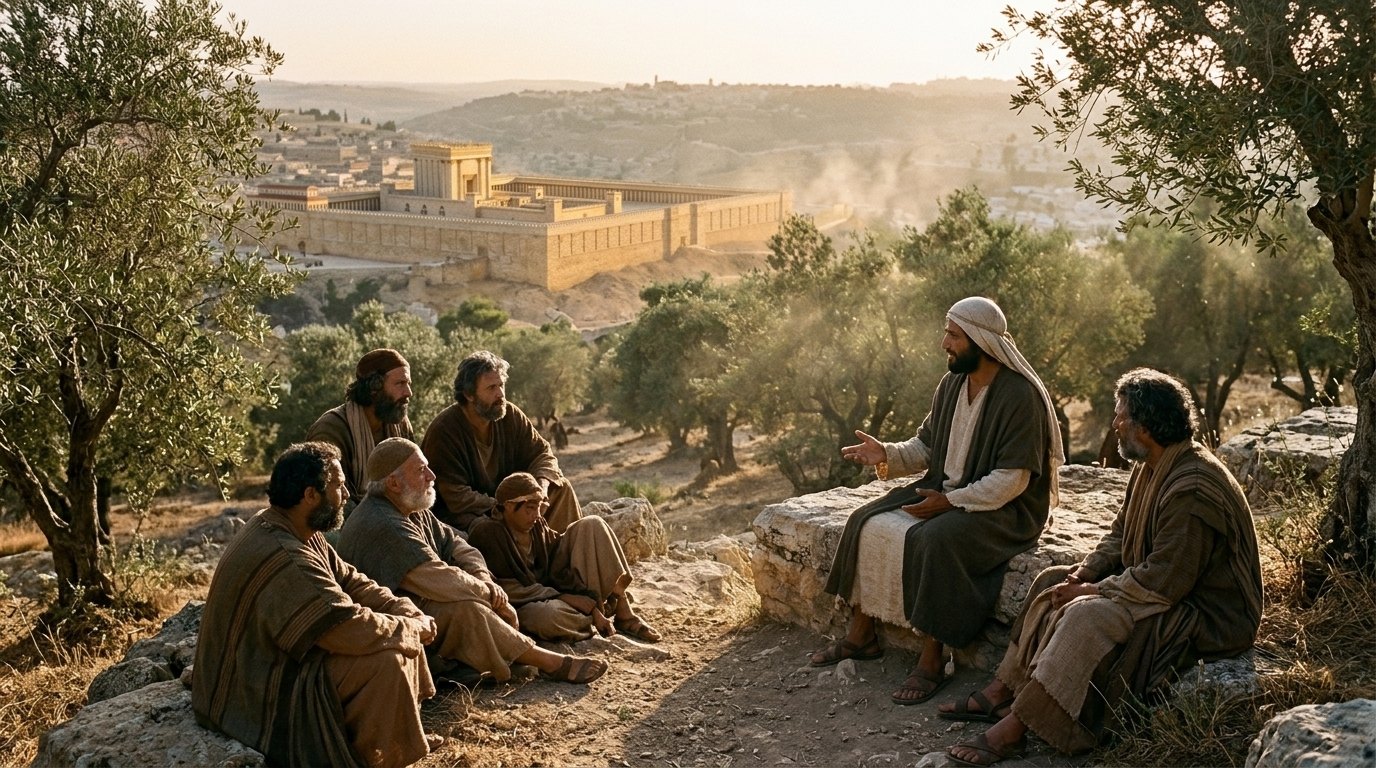
“But about that day or hour no one knows, not even the angels in heaven, nor the Son, but only the Father.
Matthew 24:36 (NIV)
Christ anchors the consummation of history exclusively in the Father's sovereign schedule, hidden from men and angels.
In Matthew 24:36, Jesus declares plainly, "Concerning that day and hour no one knows, not even the angels of heaven, nor the Son, but the Father only." History is neither an aimless drift of random tragedies nor a timeline susceptible to human control; its conclusion is firmly appointed by the sovereign decree of God alone. Every trial and every epoch of redemptive history moves inexorably toward this settled end. Even when ungodly powers arise to oppress the saints, their dominion operates under strict heavenly limits. In Daniel 7:25, a blasphemous king seeks to alter appointed times and cosmic laws, yet he is permitted reign only for a bounded, measured season. Daniel 8:19 and Daniel 11:35 reinforce that the wrath, suffering, and refining of God's people have a terminus that "still awaits the appointed time." The prophet is commanded in Daniel 12:4 to seal the book until that ultimate era arrives.
The New Testament confirms this divine restraint with absolute certainty. In Luke 21:24, Jesus explains that Jerusalem's distress endures precisely until "the times of the Gentiles are fulfilled." Paul instructs the church in 1 Thessalonians 5:1-2 that concerning the specific times and seasons, the Day of the Lord will break suddenly upon the world like a thief in the night. Evil itself operates on God's timetable: 2 Thessalonians 2:6 reveals that the man of lawlessness is restrained today only so that he might be unmasked at his designated hour. Ultimately, Paul assures us in 1 Timothy 6:14-15 that God, the blessed and only Sovereign, will bring about Christ's return at the proper time. In Revelation 1:3 and Revelation 22:10, John underscores the urgency of faithfulness because that final hour draws near. When heaven's clock strikes its goal, the mighty angel of Revelation 10:6-7 raises his hand and swears that "there will be no more delay," bringing God's redemptive mystery to total and glorious completion.
| Passage | What it says |
|---|---|
| Daniel 7:25 | The blasphemous ruler intends to alter times and law, permitted rule for an appointed prophetic period. |
| Daniel 8:19 | The angel explains what will occur at the latter end of indignation, concerning the appointed end. |
| Daniel 11:35 | Refining continues until the time of the end, which still awaits the appointed time. |
| Daniel 12:4 | Daniel is told to shut up the words and seal the book until the time of the end. |
| Matthew 24:36 | No one knows the day or hour of Christ's return except the Father only. |
| Luke 21:24 | Jerusalem will be trampled by the Gentiles until the times of the Gentiles are fulfilled. |
| 1 Thessalonians 5:1-2 | The day of the Lord comes like a thief in the night concerning times and seasons. |
| 2 Thessalonians 2:6 | The lawless one is restrained so that he may be revealed in his own appointed time. |
| 1 Timothy 6:14-15 | The appearing of Christ will be displayed at the proper time by the blessed and only Sovereign. |
| Revelation 1:3 | A blessing is pronounced on those who hear and keep the prophecy, for the time is near. |
| Revelation 10:6-7 | The angel swears that there will be no more delay when the seventh angel sounds his trumpet. |
| Revelation 22:10 | John is told not to seal the words of the prophecy because the time is near. |
Where in the Bible
| Book | Passages |
|---|---|
| Genesis | 4 · Genesis 1:14, Genesis 8:22, Genesis 18:14, Genesis 21:2 |
| Exodus | 1 · Exodus 12:41-42 |
| Deuteronomy | 1 · Deuteronomy 29:29 |
| Job | 2 · Job 11:7, Job 5:9 |
| Psalms | 7 · Psalms 104:19, Psalms 31:3, Psalms 31:15, Psalms 27:14, Psalms 37:7, Psalms 40:1-2, Psalms 130:5-6 |
| Proverbs | 3 · Proverbs 16:9, Proverbs 19:21, Proverbs 27:1 |
| Ecclesiastes | 7 · Ecclesiastes 3:1, Ecclesiastes 3:4, Ecclesiastes 3:11, Ecclesiastes 3:2-3, Ecclesiastes 3:5-8, Ecclesiastes 8:17, Ecclesiastes 3:12-13 |
| Isaiah | 5 · Isaiah 55:8, Isaiah 46:9-10, Isaiah 55:9, Isaiah 30:18, Isaiah 40:31 |
| Lamentations | 1 · Lamentations 3:25-26 |
| Daniel | 5 · Daniel 2:21, Daniel 7:25, Daniel 8:19, Daniel 11:35, Daniel 12:4 |
| Micah | 1 · Micah 7:7 |
| Habakkuk | 1 · Habakkuk 2:3 |
| Matthew | 1 · Matthew 24:36 |
| Mark | 2 · Mark 1:15, Mark 7:37 |
| Luke | 1 · Luke 21:24 |
| John | 5 · John 2:4, John 7:6, John 7:30, John 12:23, John 17:1 |
| Acts | 2 · Acts 17:26, Acts 1:7 |
| Romans | 3 · Romans 11:33, Romans 1:19-20, Romans 5:6 |
| Galatians | 2 · Galatians 4:4, Galatians 6:9 |
| Ephesians | 1 · Ephesians 1:9-10 |
| 1 Thessalonians | 1 · 1 Thessalonians 5:1-2 |
| 2 Thessalonians | 1 · 2 Thessalonians 2:6 |
| 1 Timothy | 2 · 1 Timothy 2:5-6, 1 Timothy 6:14-15 |
| Titus | 1 · Titus 1:2-3 |
| Hebrews | 1 · Hebrews 11:1 |
| James | 2 · James 4:13-15, James 5:7-8 |
| 1 Peter | 1 · 1 Peter 5:6 |
| 2 Peter | 1 · 2 Peter 3:8-9 |
| Revelation | 3 · Revelation 1:3, Revelation 10:6-7, Revelation 22:10 |
The story in order
- Creation of the heavens and earth (c. 4000 BC) · Genesis 1:14 · God establishes celestial bodies to mark seasons and time.
- The Flood ends, seasons assured (c. 2350 BC) · Genesis 8:22 · God promises the continuation of seasons and cycles.
- Israel departs Egypt on schedule (c. 1446 BC) · Exodus 12:41-42 · God's people leave Egypt precisely on time.
- Kings rise and fall by God's decree (c. 600 BC) · Daniel 2:21 · God controls the succession of rulers and eras.
- Jesus declares the time is fulfilled (AD 27) · Mark 1:15 · The Messiah announces the arrival of God's appointed time.
- Christ's atoning death at the right time (AD 30) · Romans 5:6 · Jesus died for the ungodly when the time was right.
- Jesus' hour of glorification arrives (AD 30) · John 12:23 · The Son of Man is glorified at the appointed time.
- The Father sets times and seasons (AD 30) · Acts 1:7 · God alone determines the timing of future events.
- God's plan unfolds in the fullness of time (AD 60) · Ephesians 1:9-10 · God's eternal plan is to unite all things in Christ.
- Gentile times will be fulfilled (AD 70) · Luke 21:24 · Jerusalem will be trodden down until the Gentile era ends.
- The day of the Lord comes like a thief (AD 50) · 1 Thessalonians 5:1-2 · The Lord's coming is unexpected regarding human schedules.
- The prophecy's time is near (c. AD 95) · Revelation 22:10 · The end of the prophetic timeline is imminent.
Key words
- Season (mo'ed (Hebrew))
- A divinely appointed period for specific events or purposes. · Ecclesiastes 3:1
- Time (eth (Greek))
- A specific moment or duration within God's sovereign plan. · Mark 1:15
- Fullness of Time (plērōma tou chronou (Greek))
- The precise moment God ordained for the culmination of His redemptive plan. · Galatians 4:4
- Appointed Time (kairoV (Greek))
- A specific, predetermined time set by God. · Acts 1:7
- Unsearchable (chqerētos (Greek))
- Beyond human capacity to fully comprehend or discover. · Romans 11:33
- Faith (pistis (Greek))
- Confident belief in God's promises and timing, even when unseen. · Hebrews 11:1
- Wait (qavah (Hebrew))
- To patiently trust and hope in the Lord and His appointed time. · Isaiah 40:31
Resting in God's timing frees believers from the anxious burden of trying to control what only the Almighty commands. As we wait on His promises, we are invited to walk in obedience today, assured that every purpose under heaven will culminate in His perfect glory.
68 passages, each cited once.
Scripture cited
- Ecclesiastes 3:11
- Romans 1:19-20
- Job 11:7
- Ecclesiastes 8:17
- Ecclesiastes 3:1-15
- Psalms 31:1-3
- Hebrews 11:1