What does the Bible say about leadership?
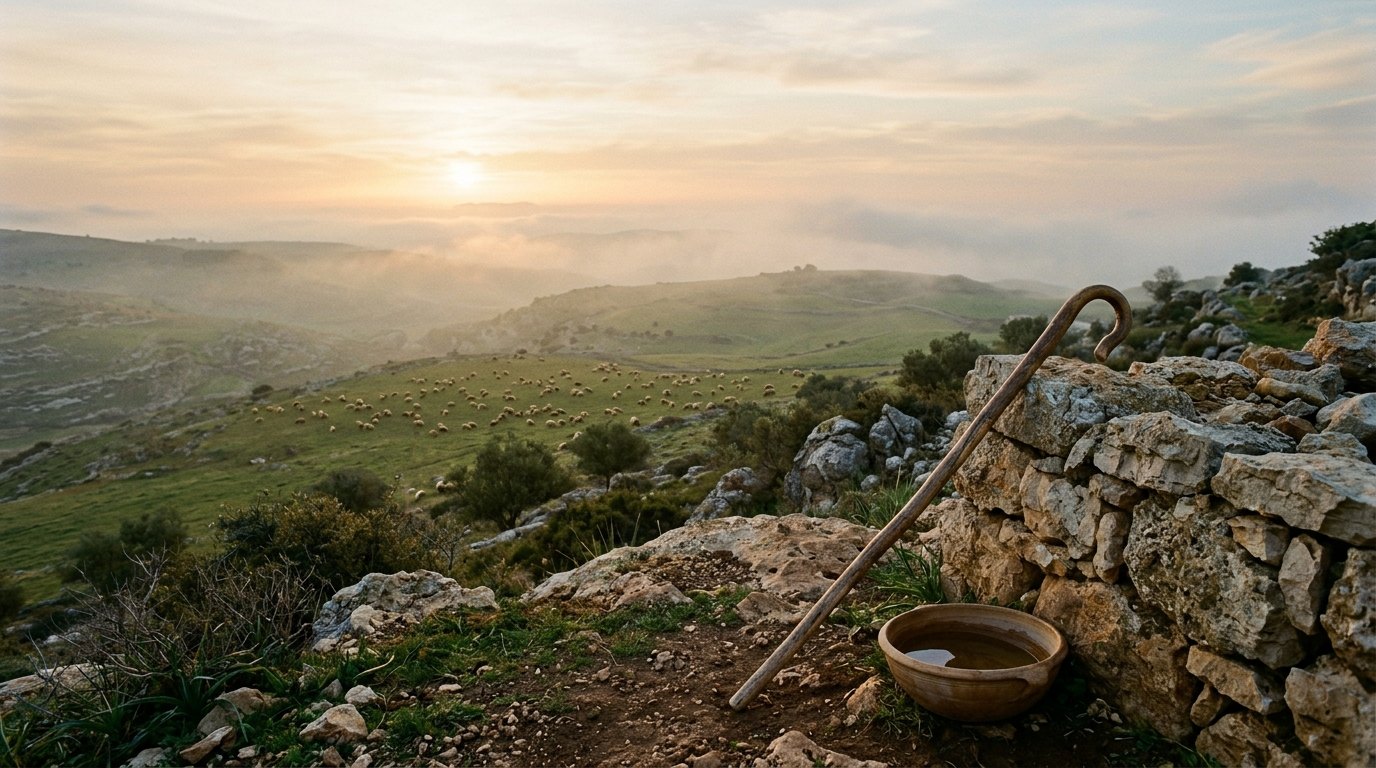
1 Timothy 3:1-7
1 Here is a trustworthy saying: Whoever aspires to be an overseer desires a noble task.
2 Now the overseer is to be above reproach, faithful to his wife, temperate, self-controlled, respectable, hospitable, able to teach,
3 not given to drunkenness, not violent but gentle, not quarrelsome, not a lover of money.
4 He must manage his own family well and see that his children obey him, and he must do so in a manner worthy of full respect.
5 (If anyone does not know how to manage his own family, how can he take care of God’s church?)
6 He must not be a recent convert, or he may become conceited and fall under the same judgment as the devil.
7 He must also have a good reputation with outsiders, so that he will not fall into disgrace and into the devil’s trap.
New International Version (NIV)
The answer
Biblical leadership is humble, accountable service under God, not status or domination. Leaders are entrusted with people’s care: they serve, teach, protect, correct and set an example, while remembering that the people belong to God. Jesus himself sets the pattern, coming “not to be served but to serve, and to give his life as a ransom for many” (Mark 10:42-45).
Jesus redefines greatness
Jesus contrasts worldly rulers, who “lord it over” others, with his own way: “whoever wants to become great among you shall be your servant” (Mark 10:42-45). Leadership therefore does not make a person more important than those being led. Its authority is used for their good, not for the leader’s exaltation.
This service is sacrificial rather than merely courteous. Jesus gives his life for others, so position, comfort and personal advancement cannot be the controlling aims of Christian leadership. Service does not mean avoiding decisions or correction; it means exercising them without pride, harshness or self-interest.
Character comes before platform
The desire to lead is not condemned outright: “someone who seeks to be an overseer desires a good work” (1 Timothy 3:1). But Scripture immediately directs attention away from the title and toward the person’s proven character.
Among the qualifications for an overseer are:
- Personal integrity: being without reproach, temperate, sensible, gentle and hospitable—not violent, quarrelsome, greedy or controlled by drink.
- Faithfulness at home: ruling the household well and exercising responsible care there.
- Spiritual maturity: not being a new convert, so that pride does not lead to a fall.
- A credible reputation: having good testimony even from those outside the church (1 Timothy 3:2-7).
- Doctrinal faithfulness: holding firmly to the faithful word, teaching sound doctrine and correcting those who contradict it. An overseer is “God’s steward,” not the owner of either the message or the people (Titus 1:7-9).
Giftedness matters, but charisma, success and public influence cannot substitute for holiness, self-control, truthfulness and humility.
Church leaders shepherd; they do not own the flock
Overseers are to watch over themselves and the whole flock, guarding against false teachers who would draw disciples away. The church is immeasurably precious to God, purchased with his own blood, so leadership involves vigilant care rather than casual management (Acts 20:28-31).
Peter gives the same pattern: shepherd willingly, not under compulsion; serve eagerly, not for dishonest gain; do not lord authority over those entrusted to you, but become examples to them. Leaders remain answerable to the “chief Shepherd” (1 Peter 5:2-4). Christ is ultimately the “Shepherd and Bishop of your souls” (1 Peter 2:25), so no human leader may claim the loyalty or authority that belongs to him.
Biblical leadership is therefore neither passivity nor domination. Shepherds must sometimes teach firmly, expose error and protect people from harm, but they do so as accountable stewards serving Christ’s flock.
Applying the pattern beyond church offices
The detailed qualifications concern elders or overseers, but Christ’s servant pattern governs every Christian’s use of responsibility—in a home, workplace, ministry or community. The searching questions become: Who benefits from this leadership? Does the leader’s private conduct support the public role? Can the leader correct others without humiliating them? Are money, recognition and control being kept in their proper place? Most fundamentally, does the leadership help people follow Christ rather than merely follow the leader?
Answered from Scripture · reviewed November 11, 2026
Scripture redefines leadership not as worldly authority or the exercise of power, but as humble, sacrificial stewardship under God. From the servant model embodied by the Lord Jesus Christ to the strict character qualifications required of overseers, biblical leadership exists solely to feed, protect, and build up a flock that belongs entirely to God. Understanding this high calling anchors believers in godly accountability, protects the church from abuse, and honors the Chief Shepherd.
The Servant Model
True Greatness Is Found in Serving Others

Not so with you. Instead, whoever wants to become great among you must be your servant, and whoever wants to be first must be slave of all. For even the Son of Man did not come to be served, but to serve, and to give his life as a ransom for many.”
Mark 10:43-45 (NIV)
Jesus explicitly overturns worldly concepts of authority by defining true greatness through lowly service and sacrificial love.
In Mark 10:43–45, Jesus overturns every human assumption about authority, declaring that whoever wishes to become great must become a servant, just as the Son of Man came not to be served but to serve and to give His life as a ransom for many. Earthly power operates by dominance and coercion, but Christ commands His disciples into radical descent. In Mark 10:42–45 and Matthew 20:25–28, our Lord contrasts worldly rulers who lord authority over their subjects with the cross-shaped posture required in His kingdom. Authority among God's people is validated not by title, status, or raw power, but by self-sacrificing devotion to the good of others.
This pattern was not mere theory; it was demonstrated in flesh and blood. At the Last Supper, when the disciples fell into shameful bickering over status, Christ rebuked them in Luke 22:24–27 by presenting Himself as the one who serves at table. He punctuated this instruction in John 13:12–17 by taking a basin and towel, washing the dust from their feet, and commanding them to wash one another's feet in kind. True authority bends downward. In Philippians 2:5–8, the apostle Paul roots all Christian leadership in this very mindset: Christ emptied Himself, taking the form of a bondservant and humbling Himself to the point of death on a cross.
Accordingly, spiritual authority operates under strict self-denial. Christ warns in Matthew 23:11–12 that whoever exalts himself will be humbled, while whoever humbles himself will be exalted. Paul mirrors this kingdom principle in Galatians 5:13, urging that Christian liberty never degenerate into selfish indulgence, but rather express itself as believers through love serve one another.
| Passage | What it says |
|---|---|
| Mark 10:42-45 | Jesus contrasts Gentile rulers who lord over others with His disciples, who must lead by becoming servants and slaves of all. |
| Matthew 20:25-28 | Christ reiterates that greatness belongs to servants, pointing to His own mission to give His life as a ransom. |
| Luke 22:24-27 | At the Last Supper, Jesus corrects the disciples' dispute over greatness by presenting Himself as the one who serves at table. |
| John 13:12-17 | Jesus washes the disciples' feet, commanding them to follow His example of humble, self-effacing service toward one another. |
| Philippians 2:5-8 | Paul exhorts believers to adopt the mindset of Christ, who emptied Himself and took the form of a servant. |
| Matthew 23:11-12 | Christ teaches that the greatest among His disciples must be a servant, promising that whoever exalts himself will be humbled. |
| Galatians 5:13 | Paul commands believers to use their freedom not for self-indulgence, but through love to serve one another. |
The Shepherd's Heart
Caring for a Flock Bought with Blood

Keep watch over yourselves and all the flock of which the Holy Spirit has made you overseers. Be shepherds of the church of God, which he bought with his own blood.
Acts 20:28 (NIV)
Paul charges the Ephesian elders to guard themselves and feed the church of God, purchased with Christ's own blood.
Addressing the Ephesian elders on the shores of Miletus, Paul delivers the solemn charge of Acts 20:28: pay careful attention to yourselves and to all the flock over which the Holy Spirit has made you overseers, to shepherd the church of God which He purchased with His own blood. The weight of biblical leadership rests on the staggering truth of ownership. The flock does not belong to the pastor, elder, or king; the church belongs entirely to God, bought at the cost of His Son's life. In 1 Peter 5:1–4, Peter charges fellow elders to shepherd God's heritage willingly and eagerly, not for shameful financial gain nor domineering over those in their charge, but serving as living examples until the Chief Shepherd appears.
This pastoral posture mirrors the character of God Himself. In John 10:11–15, Jesus reveals Himself as the Good Shepherd who willingly lays down His life for the sheep, distinguishing Himself from hired hands who flee when wolves attack. He is, as 1 Peter 2:25 affirms, the Shepherd and Overseer of our souls who seeks out the wandering and binds up the broken. Scripture reserves its fiercest denunciations for leaders who exploit this sacred trust. Through Ezekiel 34:1–10 and Jeremiah 23:1–4, the Lord thunders against corrupt shepherds who fed themselves, clothed themselves with wool, and left the sheep scattered and devoured, promising that He will rescue His flock and establish faithful undershepherds who truly care.
This shepherd heart spans redemptive history. In Numbers 27:16–17, Moses pleads that the Lord appoint a successor so the congregation would not wander like sheep without a shepherd. God answered by raising up leaders like David, whom Psalms 78:70–72 commends for shepherding Israel with integrity of heart and guiding them with skillful hands. It is this steadfast, sacrificial care that Psalms 23:1–4 celebrates, portraying the Lord as the faithful Guide who restores the soul and protects His sheep through the valley of the shadow of death.
| Passage | What it says |
|---|---|
| Acts 20:28 | Paul instructs overseers to shepherd the church of God, remembering the immense price paid for the flock. |
| 1 Peter 5:1-4 | Peter exhorts elders to shepherd God's flock willingly and eagerly, not domineering, awaiting the crown from the Chief Shepherd. |
| John 10:11-15 | Jesus defines the Good Shepherd as one who lays down His life for the sheep, unlike the self-interested hireling. |
| 1 Peter 2:25 | Believers who went astray are returned to Christ, the true Shepherd and Overseer (episkopos) of their souls. |
| Ezekiel 34:1-10 | God pronounces severe judgment on Israel's shepherds who fed themselves while abandoning, scattering, and abusing the sheep. |
| Jeremiah 23:1-4 | The Lord denounces pastors who scatter His sheep and promises faithful shepherds who will tend them without fear. |
| Psalms 23:1-4 | David describes the Lord as the ultimate Shepherd who leads, restores, guides in righteousness, and protects through dark valleys. |
| Psalms 78:70-72 | God chose David to shepherd Israel, leading them with uprightness of heart and guiding them with skillful hands. |
| Numbers 27:16-17 | Moses asks God to appoint a leader over the congregation so the Lord's people will not be like sheep without a shepherd. |
Character and Qualifications
Godly Oversight Requires Tested Blameless Character
Here is a trustworthy saying: Whoever aspires to be an overseer desires a noble task. Now the overseer is to be above reproach, faithful to his wife, temperate, self-controlled, respectable, hospitable, able to teach, not given to drunkenness, not violent but gentle, not quarrelsome, not a lover of money. He must manage his own family well and see that his children obey him, and he must do so in a manner worthy of full respect. (If anyone does not know how to manage his own family, how can he take care of God’s church?) He must not be a recent convert, or he may become conceited and fall under the same judgment as the devil. He must also have a good reputation with outsiders, so that he…
1 Timothy 3:1-7 (NIV)
Paul sets out the indispensable moral and spiritual requirements for anyone seeking the office of overseer in God's church.
In 1 Timothy 3:1–7, Scripture sets down the indispensable qualifications for the office of overseer, demonstrating that God prioritizes holy character over natural gifting, charisma, or worldly competence. An elder must be blameless, faithful in marriage, sober-minded, self-controlled, respectable, hospitable, able to teach, gentle, free from the love of money, and one who manages his own household well with dignity. Godly leadership begins in the private sphere. If a man cannot shepherd his own family with tender faithfulness, he cannot care for the household of God. Paul repeats these vital imperatives in Titus 1:5–9, requiring blameless stewards who are not arrogant, quick-tempered, or greedy, but rather lovers of good, upright, holy, disciplined, and firmly holding fast to trustworthy apostolic doctrine.
God has always demanded moral integrity in those who bear authority among His people. In Exodus 18:21, Jethro counseled Moses to appoint men who fear God, love truth, and hate dishonest gain to judge the nation. Moses reiterated this standard in Deuteronomy 1:13, charging the tribes to choose wise, discerning, and well-respected leaders. When the early church faced administrative burdens in Acts 6:3–4, the apostles directed the body to select seven men of good repute, full of the Holy Spirit and biblical wisdom, to oversee daily care so the apostles could remain devoted to prayer and the ministry of the word.
The same high moral bar governs deacons. In 1 Timothy 3:8–13, deacons must be dignified, sincere, not addicted to wine, not greedy, holding the mystery of the faith with a clear conscience, and thoroughly tested before serving. Leadership in the body of Christ leaves no room for arrogance. As 1 Peter 5:5 commands, younger believers must submit to their elders, while all believers must clothe themselves with humility toward one another, for God opposes the proud but gives grace to the humble.
| Passage | What it says |
|---|---|
| 1 Timothy 3:1-7 | Paul details qualifications for overseers, including blamelessness, marital fidelity, temperance, gentle demeanor, household management, and proven maturity. |
| Titus 1:5-9 | Paul instructs Titus to appoint elders who are blameless stewards, self-controlled, hospitable, loving what is good, and holding fast to sound doctrine. |
| 1 Timothy 3:8-13 | Paul lists the standards for deacons and their wives, demanding dignity, sincerity, tested faith, and blameless conduct. |
| Exodus 18:21 | Jethro advises Moses to select able men who fear God, love truth, and hate dishonest gain to judge the people. |
| Acts 6:3-4 | The apostles direct the congregation to choose seven men of good repute, full of the Spirit and wisdom, for ministry. |
| Deuteronomy 1:13 | Moses instructs the tribes to choose wise, discerning, and respected men to be appointed as leaders. |
| 1 Peter 5:5 | Younger believers are called to be subject to elders, and all are commanded to clothe themselves with humility. |
Stewardship and Multiplication
Entrusting the Gospel and Multiplying Leaders

And the things you have heard me say in the presence of many witnesses entrust to reliable people who will also be qualified to teach others.
2 Timothy 2:2 (NIV)
Paul outlines the generational pattern of leadership development by commanding Timothy to entrust sound teaching to faithful teachers.
Writing his final epistle from a Roman dungeon, Paul charges his disciple in 2 Timothy 2:2 with the generational task of spiritual reproduction: what you have heard from me in the presence of many witnesses entrust to faithful men, who will be able to teach others also. True biblical leadership never hoards authority or builds a personal kingdom; it trains, equips, and multiplies faithful stewards of the gospel. According to Ephesians 4:11–13, the ascended Christ gave apostles, prophets, evangelists, shepherds, and teachers not to perform all ministry themselves, but to equip the saints for the work of ministry, building up the body into mature Christlikeness.
Because leaders watch over souls as stewards of God, the calling carries a profound and sobering accountability. In James 3:1, Scripture warns that not many should become teachers, knowing that those who teach will be judged with greater strictness. The Lord Jesus Himself warned in Luke 12:48 that to whom much is given, much will be required. Pastors and elders do not hold arbitrary power; they will answer before the judgment seat of Christ for how they tended His flock. Therefore, Hebrews 13:17 commands believers to obey their leaders and submit to them, so that they may keep watch over souls with joy rather than with groaning, which would be of no advantage to the flock.
Healthy biblical leadership fosters mutual honor and glad imitation. In Hebrews 13:7, believers are told to remember their leaders who spoke God's word, to consider the outcome of their way of life, and to imitate their faith. Paul likewise instructs the church in 1 Thessalonians 5:12–13 to recognize and highly esteem in love those who labor among them and admonish them in the Lord. Elders who lead well, particularly those who labor diligently in preaching and sound teaching, are deemed by 1 Timothy 5:17–18 to be worthy of double honor, reflecting God's generous provision for those who shepherd His people with integrity.
| Passage | What it says |
|---|---|
| 2 Timothy 2:2 | Timothy is commanded to pass apostolic truth to faithful men who will be able to teach others also. |
| Ephesians 4:11-13 | Christ gave pastor-teachers and other leaders to equip the saints for ministry and build up the body of Christ. |
| Hebrews 13:7 | Believers are told to remember and imitate the faith of leaders who spoke God's word and lived faithfully. |
| Hebrews 13:17 | Church members are called to obey and submit to leaders who watch over souls as those who must give an account. |
| James 3:1 | James cautions that not many should become teachers, knowing they will be judged with greater strictness. |
| 1 Thessalonians 5:12-13 | Believers are urged to respect those who labor among them and are over them in the Lord, esteeming them highly in love. |
| 1 Timothy 5:17-18 | Elders who rule well, especially those who labor in preaching and teaching, are worthy of double honor. |
| Luke 12:48 | Jesus warns that everyone to whom much was given, of him much will be required. |
Civil and Regal Authority
God Establishes Rulers to Enforce Righteousness and Justice

When he takes the throne of his kingdom, he is to write for himself on a scroll a copy of this law, taken from that of the Levitical priests. It is to be with him, and he is to read it all the days of his life so that he may learn to revere the LORD his God and follow carefully all the words of this law and these decrees and not consider himself better than his fellow Israelites and turn from the law to the right or to the left. Then he and his descendants will reign a long time over his kingdom in Israel.
Deuteronomy 17:18-20 (NIV)
This law establishes that God's leaders are never above God's Word, requiring daily immersion in Scripture to keep them humble and obedient.
In Deuteronomy 17:18-20, God commands that when an earthly king sits upon his throne, he must write for himself a copy of the divine law and read it every day of his life. This mandate shatters the pagan ideal of autocracy: no human ruler stands above the Word of God, and authority exists to produce humble obedience rather than personal exaltation. When leaders saturate their minds in God's truth, their hearts are kept from lording it over their brothers.
This exact principle is passed to Israel's commander in Joshua 1:7-9, where victory is tied not to military stratagem or physical prowess, but to constant meditation upon the Book of the Law. Joshua is commanded to be strong and courageous precisely because faithful leadership demands unyielding alignment with God's statutes, turning aside neither to the right nor to the left.
Wisdom literature underscores that political stability is an ethical matter rather than merely a pragmatic one. Proverbs 16:12 declares that wickedness is detestable to monarchs because righteousness alone establishes a throne. When governors compromise justice, the social order fractures; thus, Proverbs 29:2 observes the natural consequence across nations: when the righteous are in authority the people rejoice, but under wicked rule the populace groans in sorrow.
The New Testament confirms that all governing power remains an delegated trust under divine sovereignty. In Romans 13:1-4, the apostle Paul instructs believers that civil magistrates are appointed by God as His servants for the common good. Entrusted with the sword to curb evil and punish wrongdoing, rulers answer directly to God for the administration of justice.
| Passage | What it says |
|---|---|
| Deuteronomy 17:18-20 | Israel's king must write a copy of God's law and read it daily to fear the Lord and avoid exalting himself over his brothers. |
| Joshua 1:7-9 | God commands Joshua to meditate on the Book of the Law day and night, being strong and courageous to obey it all. |
| Proverbs 16:12 | Doing wickedness is an abomination to kings, because a throne is established by righteousness. |
| Proverbs 29:2 | When the righteous thrive, the people rejoice, but when the wicked rule, the people groan. |
| Romans 13:1-4 | Governing authorities are instituted by God as His servants for good, bearing the sword to punish wrongdoers. |
Where in the Bible
| Book | Passages |
|---|---|
| Exodus | 1 · Exodus 18:21 |
| Numbers | 1 · Numbers 27:16-17 |
| Deuteronomy | 2 · Deuteronomy 1:13, Deuteronomy 17:18-20 |
| Joshua | 1 · Joshua 1:7-9 |
| Psalms | 2 · Psalms 23:1-4, Psalms 78:70-72 |
| Proverbs | 2 · Proverbs 16:12, Proverbs 29:2 |
| Jeremiah | 1 · Jeremiah 23:1-4 |
| Ezekiel | 1 · Ezekiel 34:1-10 |
| Matthew | 2 · Matthew 20:25-28, Matthew 23:11-12 |
| Mark | 1 · Mark 10:42-45 |
| Luke | 2 · Luke 22:24-27, Luke 12:48 |
| John | 2 · John 13:12-17, John 10:11-15 |
| Acts | 2 · Acts 20:28, Acts 6:3-4 |
| Romans | 1 · Romans 13:1-4 |
| Galatians | 1 · Galatians 5:13 |
| Ephesians | 1 · Ephesians 4:11-13 |
| Philippians | 1 · Philippians 2:5-8 |
| 1 Thessalonians | 1 · 1 Thessalonians 5:12-13 |
| 1 Timothy | 3 · 1 Timothy 3:1-7, 1 Timothy 3:8-13, 1 Timothy 5:17-18 |
| 2 Timothy | 1 · 2 Timothy 2:2 |
| Titus | 1 · Titus 1:5-9 |
| Hebrews | 2 · Hebrews 13:7, Hebrews 13:17 |
| James | 1 · James 3:1 |
| 1 Peter | 3 · 1 Peter 5:1-4, 1 Peter 2:25, 1 Peter 5:5 |
The story in order
- God chooses David to shepherd Israel (c. 1000 BC) · Psalms 78:70-72 · God selects leaders based on integrity and skill.
- Moses seeks a shepherd for Israel (c. 1400 BC) · Numbers 27:16-17 · The need for a leader to guide God's people is recognized.
- Jethro advises Moses on leadership selection (c. 1400 BC) · Exodus 18:21 · Criteria for leaders: able, God-fearing, truth-loving, honest.
- God establishes kingship with law (c. 1400 BC) · Deuteronomy 17:18-20 · Kings must obey God's law to rule justly.
- Prophets denounce corrupt shepherds (c. 590 BC) · Ezekiel 34:1-10 · God judges leaders who neglect and abuse the flock.
- Prophets promise faithful shepherds (c. 600 BC) · Jeremiah 23:1-4 · God promises to appoint leaders who care for His sheep.
- Jesus defines servant leadership (c. AD 30) · Mark 10:42-45 · True greatness is serving, not lording over others.
- Jesus washes disciples' feet (AD 30) · John 13:12-17 · Humility and service are the example for leaders.
- Paul outlines overseer qualifications (c. AD 60) · 1 Timothy 3:1-7 · Character and maturity are essential for church leaders.
- Paul instructs on appointing elders (c. AD 60) · Titus 1:5-9 · Elders must be blameless, hospitable, and sound in doctrine.
- Apostles select deacons (c. AD 30) · Acts 6:3-4 · Leaders chosen for good reputation, Spirit, and wisdom.
- Paul entrusts the gospel to Timothy (c. AD 67) · 2 Timothy 2:2 · Leaders are responsible for training future leaders.
- Peter urges submission to leaders (c. AD 60) · Hebrews 13:17 · Church members should obey and submit to their leaders.
- Paul describes Christ's servant example (c. AD 55) · Philippians 2:5-8 · Believers should have Christ's humble, self-sacrificing mindset.
Key words
- Shepherd (poimēn (ποιμήν))
- A leader who cares for, guides, and protects a group, especially God's people. · John 10:11
- Overseer (episkopos (ἐπίσκοπος))
- One who watches over, manages, or leads a group, specifically a church leader. · 1 Peter 2:25
- Steward (oikonomos (οἰκονόμος))
- One entrusted with managing or caring for something belonging to another. · 1 Timothy 3:4
- Serve (douleúō (δουλεύω))
- To perform duties or services for another; to submit to the authority of another. · Mark 10:44
- Humility (tapeinophrosynē (ταπεινοφροσύνη))
- A modest or low view of one's own importance; the opposite of pride. · 1 Peter 5:5
- Authority (exousia (ἐξουσία))
- The power or right to give orders, make decisions, and enforce obedience. · Mark 10:42
Biblical leadership ultimately draws its life from Christ, who laid down His life to redeem His people and now watches over them as the Shepherd of their souls. When leaders embrace humility, exemplary character, and sacrificial service, they reflect His grace and protect His flock. Every believer is called either to lead with this servant heart or to support, honor, and pray for those who bear this sober stewardship.
36 passages, each cited once.
How the major Christian traditions read this
All Christian traditions agree that biblical leadership is servant ministry patterned after Jesus Christ, demanding blameless moral character, humility, sound doctrine, and sacrificial care for God's flock (Mark 10:42-45; 1 Timothy 3:1-7; 1 Peter 5:1-4).
Catholic
We teach that Christ instituted a threefold hierarchical ministry of bishops, priests, and deacons, grounded in apostolic succession. The apostles were entrusted by Christ to govern, teach, and sanctify the Church, with Peter holding a unique pastoral primacy as the rock (Matthew 16:18-19; John 21:15-17). Bishops, as the direct successors of the apostles, shepherd the faithful under the authority of the Pope (Acts 20:28; Titus 1:5-9). Through the sacrament of Holy Orders, ordained leaders act in the person of Christ the Head, exercising sacramental authority not from congregational consent but from divine commission (1 Timothy 4:14; 2 Timothy 1:6).
Scripture: Matthew 16:18-19, John 21:15-17, Acts 20:28, Titus 1:5-9, 2 Timothy 1:6
Orthodox
We confess that Christ is the sole Head of the Church, which He governs through the Holy Spirit through the episcopate in unbroken apostolic succession (Acts 20:28; 1 Timothy 3:1-7). Leadership is conciliar and sacramental rather than monarchical. The bishop sits in the place of Christ as shepherd and teacher of the local eucharistic assembly, guarded in unity with his fellow bishops in synod without any single bishop possessing universal jurisdiction over the whole Church (Acts 15:6-22; 1 Peter 5:1-4). Faithful leadership preserves the apostolic deposit intact, ordering the body through prayer, canonical discipline, and the administration of the holy mysteries (Titus 1:5-9).
Scripture: Acts 15:6-22, Acts 20:28, 1 Timothy 3:1-7, Titus 1:5-9, 1 Peter 5:1-4
Lutheran
We hold that church leadership is fundamentally the pastoral Office of the Public Ministry, instituted by God to proclaim the Gospel and administer the Sacraments in accordance with Christ's institution (Matthew 28:19-20; 1 Corinthians 4:1). No one may publicly teach or preach without a regular call (Romans 10:14-15). While structures such as synods, districts, or bishops can be maintained for good order, Scripture does not mandate a specific hierarchical structure (1 Timothy 3:1-7). Pastors possess the power of the keys to forgive or retain sins by the Word, exercising spiritual oversight through preaching and care rather than worldly coercive power (John 20:21-23; 1 Peter 5:1-3).
Scripture: Matthew 28:19-20, John 20:21-23, Romans 10:14-15, 1 Corinthians 4:1, 1 Peter 5:1-3
Reformed & Presbyterian
We maintain that biblical church government is presbyterian, meaning Christ rules His Church through a plurality of elders gathered in graded courts—sessions, presbyteries, and general assemblies (Acts 14:23; Acts 15:2-6; 1 Timothy 5:17). Scripture identifies overseers and elders as the same office (Titus 1:5-7; Acts 20:17, 28). We distinguish between teaching elders (pastors) who labor in the Word and sacraments, and ruling elders who govern and exercise pastoral discipline alongside them (1 Timothy 5:17; Hebrews 13:17). Deacons care for the physical and material needs of the flock (Acts 6:1-6; 1 Timothy 3:8-13), ensuring Christ's rule through shared, accountable oversight.
Scripture: Acts 14:23, 1 Timothy 5:17, Titus 1:5-7, Hebrews 13:17, Acts 15:2-6
Anglican & Episcopal
We embrace the historic threefold order of bishops, priests, and deacons preserved in apostolic succession as a gift for the Church’s unity and pastoral care (1 Timothy 3:1-13; Titus 1:5-9). The bishop acts as chief pastor, overseer, and symbol of communion within the diocese, guarding apostolic doctrine and conferring Holy Orders (2 Timothy 1:6; 1 Peter 5:1-4). Priests share in this ministry through the cure of souls and administration of the sacraments in local parishes, while deacons model Christ’s servanthood to the needy (Acts 6:1-6). Authority is exercised conciliarly within synods where bishops, clergy, and laity deliberate together under the supreme rule of Scripture.
Scripture: Acts 6:1-6, 1 Timothy 3:1-13, 2 Timothy 1:6, Titus 1:5-9, 1 Peter 5:1-4
Baptist
We affirm the autonomy of the local church and congregational governance under the direct lordship of Christ (Matthew 18:17; Colossians 1:18). Scripture recognizes two biblical offices: pastors (also called elders or overseers interchangeably) and deacons (Acts 20:17, 28; Philippians 1:1; 1 Timothy 3:1-13; Titus 1:5-7). Pastors lead through humble preaching, spiritual oversight, and exemplary character, while deacons serve temporal needs to preserve unity (Acts 6:1-6; 1 Peter 5:1-4). Final earthly authority under Christ rests with the assembled congregation, which discerns God's will, appoints its leaders, and exercises discipline by democratic vote under the authority of Scripture (Acts 13:1-3; 1 Corinthians 5:4-5).
Scripture: Matthew 18:17, Acts 6:1-6, 1 Timothy 3:1-13, 1 Peter 5:1-4, Colossians 1:18
Methodist & Wesleyan
We understand leadership through the lens of servant ministry and connectionalism. Christ calls servant leaders to spread scriptural holiness and watch over souls in love (Matthew 20:25-28; Hebrews 13:17). Pastors and ordained elders preach the Word, administer sacraments, and supervise congregational life, often appointed within a connectional system guided by superintendents or bishops (Acts 14:23; 1 Timothy 3:1-7). All local societies are joined in mutual accountability through conferences, reflecting the conciliar wisdom of the Jerusalem council (Acts 15:1-29). Lay leaders, including local preachers and class leaders, share essentially in spiritual direction and mutual pastoral oversight.
Scripture: Matthew 20:25-28, Acts 14:23, Acts 15:1-29, 1 Timothy 3:1-7, Hebrews 13:17
Pentecostal & Charismatic
We emphasize that church leadership depends upon the dynamic empowering of the Holy Spirit through spiritual gifts (1 Corinthians 12:4-11, 28). While honoring biblical qualifications for pastors, elders, and deacons (1 Timothy 3:1-13), we believe effective ministry requires anointing and prophetic sensitivity to the Spirit's present voice (Acts 1:8; Acts 13:1-3). Christ gives the fivefold ministry—apostles, prophets, evangelists, pastors, and teachers—to equip the saints for the work of service until the body reaches full maturity (Ephesians 4:11-13). Leaders are not merely institutional managers, but Spirit-filled shepherds who minister with spiritual power, signs, and prayer for healing (1 Corinthians 2:4; James 5:14-16).
Scripture: Acts 1:8, Acts 13:1-3, 1 Corinthians 12:4-11, Ephesians 4:11-13, James 5:14-16
Non-denominational & Evangelical
We look directly to the New Testament patterns of leadership, prioritizing biblical qualifications over denominational hierarchies or clerical titles (1 Timothy 3:1-13; Titus 1:5-9). Most of our churches are self-governing, led by a team of elders or pastors alongside deacons, seeking to follow the pattern of the apostolic churches (Acts 14:23; 1 Peter 5:1-4). Leadership is defined by pastoral care, expository preaching of God’s Word, and sacrificial service rather than ecclesiastical bureaucracy (2 Timothy 4:1-2). Authority in the local church belongs to Christ through His Word, exercised humbly by qualified leaders who equip believers to minister actively within the body (Ephesians 4:11-12).
Scripture: Acts 14:23, Ephesians 4:11-12, 1 Timothy 3:1-13, 2 Timothy 4:1-2, 1 Peter 5:1-4
Where they differ
Locus of church authority
- Catholic
- Hierarchical authority in the Pope and bishops via apostolic succession.
- Orthodox
- Conciliar authority in the synod of bishops in apostolic succession.
- Lutheran
- Pastoral authority centered in the public ministry of Word and Sacrament.
- Reformed & Presbyterian
- Representative authority in graded courts of teaching and ruling elders.
- Anglican & Episcopal
- Episcopal oversight shared with clergy and laity in representative synods.
- Baptist
- Autonomous congregational governance by local church members under Christ.
- Methodist & Wesleyan
- Connectional governance shared through regional conferences and superintendents.
- Pentecostal & Charismatic
- Spirit-empowered pastoral oversight operating either congregationally or regionally.
- Non-denominational & Evangelical
- Local elder-led governance independent of any exterior human hierarchy.
Scripture: Matthew 18:17, Acts 15:2-6, 1 Timothy 5:17, 1 Peter 5:1-3
Structure of ministerial offices
- Catholic
- Sacramental three-tier order of bishops, priests, and deacons.
- Orthodox
- Sacramental three-tier order of bishops, presbyters, and deacons.
- Lutheran
- Single office of pastoral ministry with humanly ordered superintendence.
- Reformed & Presbyterian
- Twofold ordained office: teaching/ruling elders and deacons.
- Anglican & Episcopal
- Historic threefold order of bishops, priests, and deacons.
- Baptist
- Two biblical offices: pastors (elders/overseers) and deacons.
- Methodist & Wesleyan
- Ordained elders, deacons, and appointed superintendents within connectionalism.
- Pentecostal & Charismatic
- Pastoral leadership supplemented by fivefold ascension gifts.
- Non-denominational & Evangelical
- Pastors/elders and deacons according to local church constitution.
Scripture: Philippians 1:1, 1 Timothy 3:1-13, Titus 1:5-7, Ephesians 4:11
Your pastor can tell you where your church stands.
Scripture cited
- Titus 1:7
- Acts 20:28
- 1 Peter 5:2
- 1 Peter 2:25
- Mark 10:42-45
- 1 Peter 5:1-4
- Titus 1:5-9
- Acts 20:28-31