What does the Bible say about modesty and how to dress?

1 Timothy 2:9-10
9 I also want the women to dress modestly, with decency and propriety, adorning themselves, not with elaborate hairstyles or gold or pearls or expensive clothes,
10 but with good deeds, appropriate for women who profess to worship God.
New International Version (NIV)
The answer
The Bible teaches that dress should reflect modesty, decency, and faithfulness to God—not pride, sensuality, or the desire to be adorned above what is appropriate. In the passages that address women’s clothing directly, the concern is not simply what garments are worn, but the attitude behind them: whether clothing serves modest, God-glorifying lives or becomes a means of pride, vanity, luxury, or sexual temptation.
Modesty is a life of self-control, not merely covered clothing
1 Timothy 2:9 describes women who profess godliness as dressing “with modesty and propriety,” rather than with elaborate braided hair, gold, pearls, or expensive clothing. The next verse gives the positive replacement: “but with good works.” The issue is where a person’s heart is directed—toward self-display and wealth, or toward faithfulness and service (1 Timothy 2:9-10).
1 Peter 3:3-5 makes the heart explicit: the outward adorning of braiding hair, gold ornaments, and fine clothing is to give way to “the hidden person of the heart,” namely, “a gentle and quiet spirit, which is very precious in God’s sight.” The passage does not present clothing itself as the problem. It says that outward beauty must not be the principal source of a Christian woman’s identity or adornment.
Clothing must not become sexual enticement
Jesus teaches that lust begins in the heart: “everyone who gazes at a woman to lust after her has committed adultery with her already in his heart” (Matthew 5:28). Therefore, the way someone dresses matters when it deliberately displays the body to stir sexual desire. Romans 1:24-27 likewise connects sexual uncleanness with bodies being dishonored and describes same-sex sexual behavior as exchanging God’s created order for something against nature.
This does not mean that clothing must be ugly or that every outfit that happens to look attractive is sinful. The question is what the clothing is intended to do: cover and serve the person appropriately, or advertise the body for sexual gratification?
The body remains the Lord’s, not the person’s own: “your body is a temple of the Holy Spirit,” and “glorify God in your body” (1 Corinthians 6:19-20). Modesty therefore includes refusing to participate in sexual immorality. Those who do can repent, be washed and sanctified in Christ, and receive grace rather than remain in it (1 Corinthians 6:9-11).
God’s design for sex and clothing is good and purposeful
God “created man in his own image” and created humanity “male and female” (Genesis 1:27). Male and female are God’s good design, not interchangeable roles. Deuteronomy 22:5 therefore commands that a woman not wear men’s clothing and that a man not put on women’s clothing, calling such conduct an abomination to God. The underlying principle is that people should not reject or disguise the sex God gave them; Romans 1:24-27 describes people’s exchange of God’s created order as part of the descent into sexual uncleanness.
What this means in practice
- Choose clothing that is decent and orderly. 1 Timothy 2:9 requires modest, proper clothing rather than extravagant display.
- Do not let jewelry, hairstyles, or clothing become the center of your life. Peter contrasts outward adornment with the enduring beauty of a gentle and quiet spirit (1 Peter 3:3-4).
- Use wealth and appearance in ways that serve godliness and others. Paul redirects expensive adornment toward “good works” (1 Timothy 2:10). That may mean giving to people in need rather than purchasing conspicuous luxury.
- Avoid using your appearance to arouse sexual desire. Matthew 5:28 and 1 Corinthians 6:18-20 call for restraint, not the claim that the body is irrelevant.
- Wear clothing consistent with your God-given sex. Deuteronomy 22:5 is explicit on this point.
- Do not let pride or sensuality rule you. Isaiah 3:16-24 condemns the daughters of Zion’s arrogant posture and flirtatious appearance, and describes the removal of their elaborate ornaments as judgment. This passage is a warning against a spirit of haughtiness and sexual distraction, not a command that every woman must abandon tasteful clothing.
In short: tasteful clothing and adornment are not sinful in themselves, but Christians should dress so that their lives honor God: with decency, self-control, respect for God’s design, and concern for others. Clothing becomes sinful when it is used for pride, vanity, sexual enticement, or denial of the sex God gave. Christians who fail are not beyond grace; they can repent and receive cleansing in Christ (1 Corinthians 6:11).
Answered from Scripture · reviewed November 11, 2026
Scripture reveals that clothing is never merely aesthetic; from the beginning, God provided garments to cover human shame and establish righteousness. Godly dress is marked by modesty, propriety, and the beauty of holiness, refusing vanity, sexual enticement, and the erasure of God's created binary design.
The Origin of Clothing
God Clothed Man to Cover Guilt and Shame

The LORD God made garments of skin for Adam and his wife and clothed them.
Genesis 3:21 (NIV)
God Himself replaced frail, self-made fig leaf coverings with garments of animal skin, showing that atonement and adequate physical covering come from Him.
In Genesis 3:21, the Lord God made coats of skins to properly clothe Adam and his wife, establishing that adequate physical covering originates from God alone. Before sin entered the world, man and woman were naked and unashamed in perfect innocence (Genesis 2:25). The moment disobedience occurred, their eyes were opened to guilt, driving them to sew fragile fig leaves to hide their exposed state (Genesis 3:7). When God walked in the garden, Adam confessed his fear and concealment because self-fashioned garments could never remove the terror of standing exposed before holy God (Genesis 3:10). In mercy and judgment, God shed animal blood to replace their frail aprons with durable garments, providing a profound pattern of physical covering and spiritual atonement.
This principle of physical modesty directly governs sacred service throughout the law. In Exodus 20:26, the Lord strictly commanded that priests not ascend His altar by steps, lest their nakedness be exposed before Him. God further reinforced this sanctity in Exodus 28:42 by requiring linen trousers specifically to cover bare flesh from the waist down to the thighs during holy ministry. Throughout Leviticus 18:6, the Lord established severe boundaries forbidding the uncovering of nakedness, preserving purity and guarding the household against moral collapse. The shame of exposed nakedness remains an urgent warning in the New Testament; in Revelation 3:18, the risen Christ counsels believers to receive white garments of righteousness so the shame of their nakedness may not be exposed before Him.
| Passage | What it says |
|---|---|
| Genesis 2:25 | Man and woman were naked and unashamed in unfallen innocence before sin entered the world. |
| Genesis 3:7 | After sinning, human eyes opened, and Adam and Eve sewed inadequate fig leaves to cover their nakedness. |
| Genesis 3:10 | Adam confessed his fear and hiding because he recognized his exposed nakedness before holy God. |
| Genesis 3:21 | The Lord God made coats of skins to properly clothe Adam and his wife. |
| Exodus 20:26 | God commanded priests not to expose their nakedness when ministering at His altar. |
| Exodus 28:42 | Linen trousers were made for the priests specifically to cover their bare flesh from waist to thigh. |
| Leviticus 18:6 | God establishes strict boundaries prohibiting uncovering nakedness, confirming clothing serves to preserve holy modesty and protect against shame. |
| Revelation 3:18 | Jesus counsels the church to buy white garments so the shame of nakedness is not exposed. |
The Heart of Modesty
Godliness Outshines Extravagance and Vanity
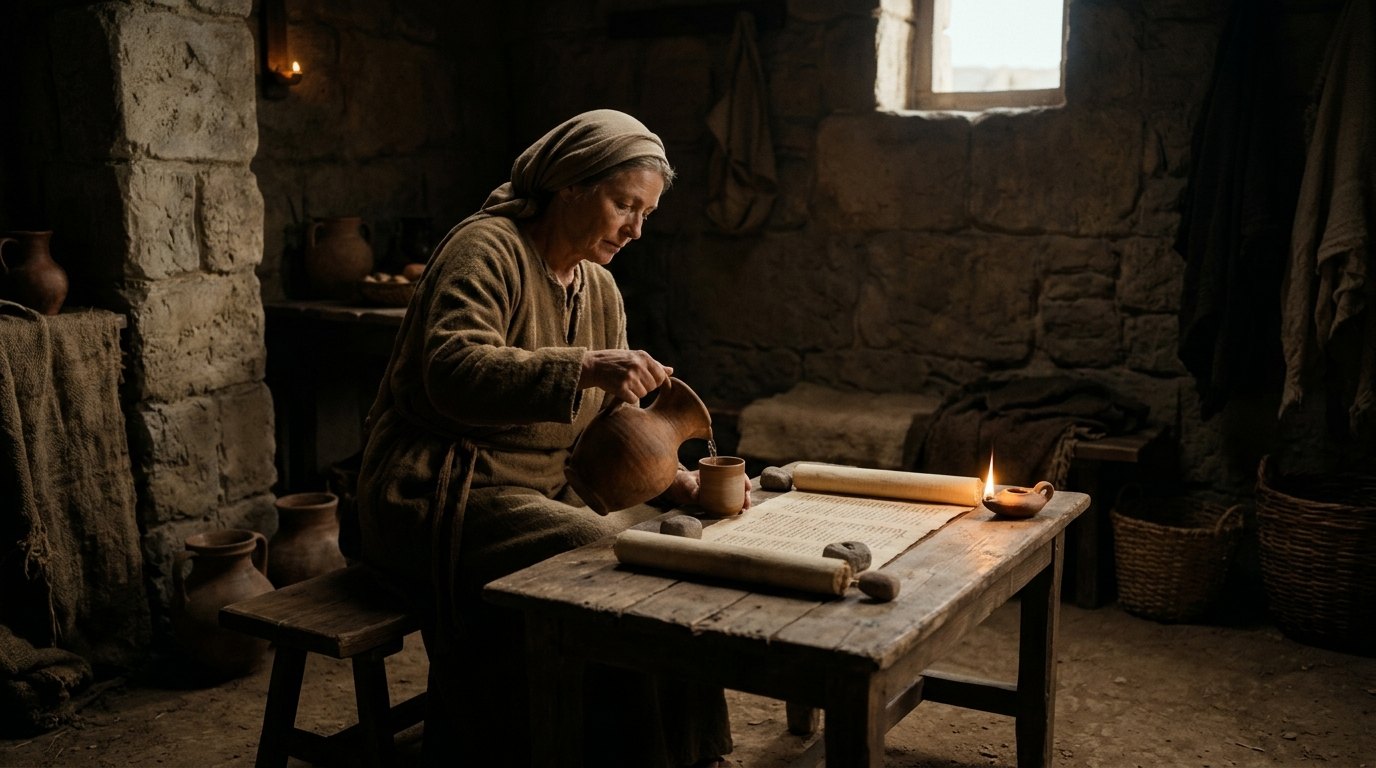
I also want the women to dress modestly, with decency and propriety, adorning themselves, not with elaborate hairstyles or gold or pearls or expensive clothes,
1 Timothy 2:9 (NIV)
Paul explicitly instructs believers to prioritize decency, sobriety, and self-restraint over flashy, expensive, or ostentatious adornment.
Paul instructs the church in 1 Timothy 2:9 that women should adorn themselves in modest apparel with propriety and moderation, refusing worldly ostentation such as braided hair, gold, pearls, or costly clothing. Scriptural adornment is defined not by competitive financial display or flashy ornamentation, but by good works that naturally accompany a sincere profession of godliness (1 Timothy 2:10). The apostle Peter reinforces this standard in 1 Peter 3:3, declaring that true beauty does not consist of outward embellishment, braided hairstyles, or putting on fine jewelry. Instead, 1 Peter 3:4 directs believers toward the unfading beauty of the hidden person of the heart—a gentle and quiet spirit, which possesses great worth in the sight of God.
This reverent simplicity follows the enduring pattern of the holy women of old who trusted in God and adorned their lives through godly, submissive conduct (1 Peter 3:5). In Titus 2:3, older women are likewise charged to model reverent deportment and holiness in their visible conduct and life. God has never valued shallow worldly glamour; Psalms 149:4 declares that the Lord beautifies the humble with His salvation. Scripture cuts through superficial vanity in Proverbs 11:22, warning that physical beauty without discretion is like a golden ring in a swine's snout. As Proverbs 31:30 summarizes, charm is deceitful and worldly beauty is fleeting, but a woman who fears the Lord receives lasting praise.
| Passage | What it says |
|---|---|
| 1 Timothy 2:9 | Women are exhorted to adorn themselves in modest apparel with propriety, not braided hair, gold, pearls, or costly array. |
| 1 Timothy 2:10 | True godliness is adorned with good works fitting for those professing reverence for the Lord. |
| 1 Peter 3:3 | Adornment must not merely consist of external display, elaborate hair, gold jewelry, or putting on fine apparel. |
| 1 Peter 3:4 | True beauty is the hidden person of the heart, a meek and quiet spirit precious to God. |
| 1 Peter 3:5 | Holy women of ancient times who trusted in God adorned themselves through submissive and godly conduct. |
| Titus 2:3 | Older women are instructed to model reverent behavior and holiness in their overall deportment. |
| Psalms 149:4 | The Lord takes pleasure in His people and beautifies the humble with His salvation. |
| Proverbs 11:22 | Physical beauty lacking discretion is compared to a golden ring in a pig's snout. |
| Proverbs 31:30 | Charm is deceitful and beauty is vain, but a woman who fears the Lord shall be praised. |
Sensuality and Temptation
The Body is a Temple, Not an Object of Lust
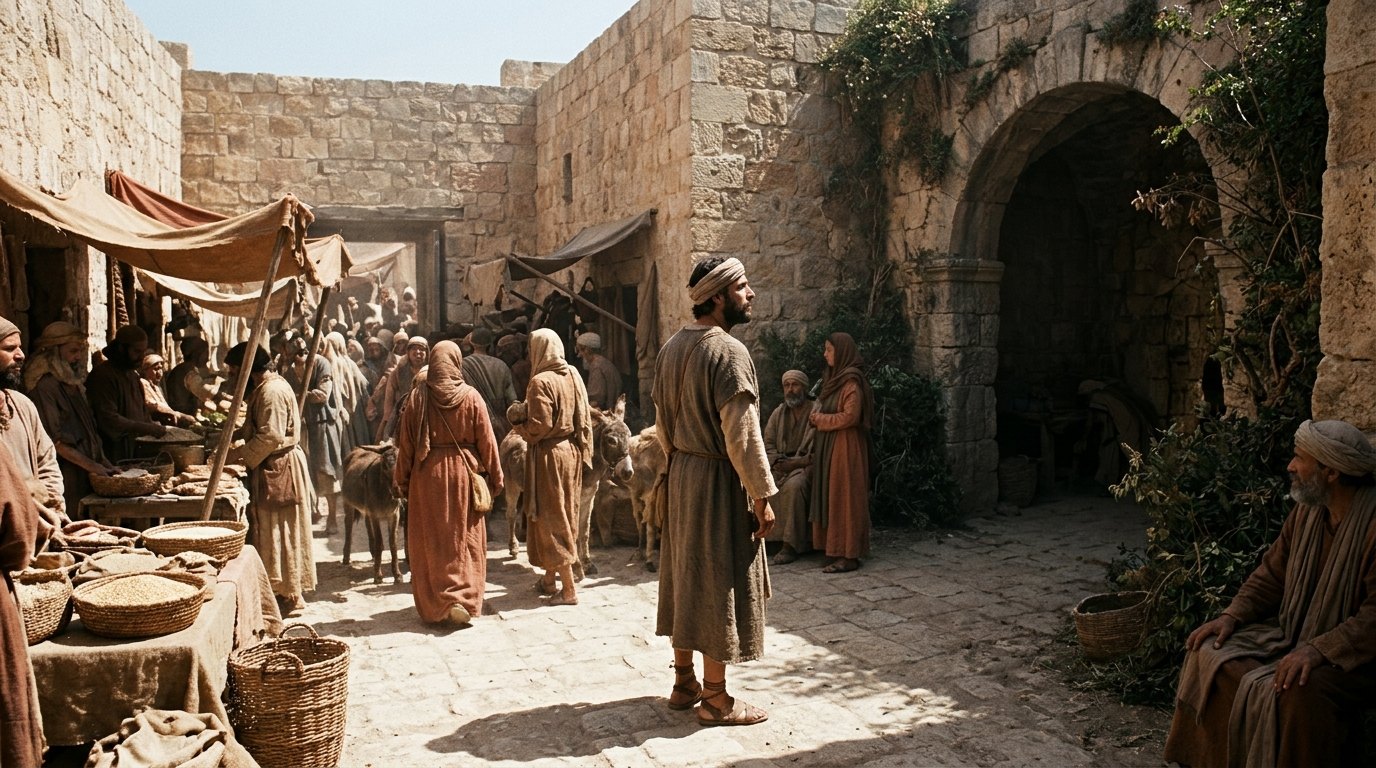
Do you not know that your bodies are temples of the Holy Spirit, who is in you, whom you have received from God? You are not your own;
1 Corinthians 6:19 (NIV)
Our bodies are temples of the Holy Spirit, demanding that every presentation of the flesh honors Christ rather than provoking sin.
In 1 Corinthians 6:19, Scripture declares that our bodies are temples of the Holy Spirit who dwells within, demanding that every outward presentation of our flesh honors the Lord rather than provoking ungodly desire. In Matthew 5:28, the Lord Jesus exposes the gravity of sexual sin, warning that whoever looks upon someone with lust has already committed adultery in their heart. Because the flesh gravitates toward sin, Romans 13:14 commands believers to put on the Lord Jesus Christ and make no provision for the lusts of the flesh. We are commanded to flee sexual immorality (1 Corinthians 6:18), remembering that we were bought with a price to glorify God in body and spirit (1 Corinthians 6:20).
Sanctification demands active self-control over how we carry ourselves. In 1 Thessalonians 4:3-4, God explicitly commands believers to abstain from sexual immorality and learn how to possess their own vessels in holiness and honor, while 2 Timothy 2:22 urges us to flee youthful lusts and pursue righteousness. Proverbs 7:10 paints a vivid warning against seductive dress, depicting the woman dressed in the attire of a harlot with a subtle, deceitful heart. A righteous believer guards both their sight and their influence; Job made a covenant with his eyes not to look lustfully upon a young woman (Job 31:1). Knowing that Jesus pronounced solemn woe upon anyone through whom stumbling blocks come (Matthew 18:7), Romans 14:13 forbids putting an obstacle or occasion to fall in a brother's path through enticing or careless dress.
| Passage | What it says |
|---|---|
| Matthew 5:28 | Jesus warns that looking upon someone to lust after them constitutes adultery in the heart. |
| Romans 13:14 | Believers must put on the Lord Jesus Christ and make no provision for the lusts of the flesh. |
| 1 Corinthians 6:18 | Scripture commands believers to flee sexual immorality, honoring the sanctity of the body. |
| 1 Corinthians 6:19 | The believer's body is the temple of the Holy Spirit who dwells within, bought with a price. |
| 1 Corinthians 6:20 | We are commanded to glorify God in our body and spirit, which both belong to Him. |
| 1 Thessalonians 4:3 | God's will for our sanctification is that we abstain from sexual immorality. |
| 1 Thessalonians 4:4 | Each person must learn how to possess their own vessel in sanctification and honor. |
| 2 Timothy 2:22 | Paul urges Timothy to flee youthful lusts and pursue righteousness, faith, love, and peace. |
| Proverbs 7:10 | Solomon describes the seductive woman dressed in the attire of a harlot with a subtle heart. |
| Job 31:1 | Job makes a covenant with his eyes not to look lustfully at a young woman. |
| Matthew 18:7 | Jesus warns that stumbling blocks must not come through a believer, pronouncing woe upon anyone who causes temptation. |
| Romans 14:13 | Paul commands believers never to put an obstacle, stumbling block, or occasion to fall in a brother's way. |
Sex Distinction in Attire
God Forbids Erasing Male and Female Distinctions

A woman must not wear men’s clothing, nor a man wear women’s clothing, for the LORD your God detests anyone who does this.
Deuteronomy 22:5 (NIV)
God explicitly calls crossing sex distinctions in dress an abomination, upholding His fixed design of male and female.
Deuteronomy 22:5 establishes an unalterable moral boundary: a woman shall not wear what pertains to a man, nor a man a woman's garment, for whoever does so is an abomination to the Lord. God's design of humanity is rooted in His original creation, where He deliberately formed mankind in His own image as distinctly male and female (Genesis 1:27; Genesis 5:2). The binary reality of human sex is not an arbitrary cultural convention or a flexible personal choice; it is God's sovereign, good, and unchangeable design. When human beings attempt to blur or erase these distinctions in appearance, dress, or conduct, they rebel against the Creator's natural order.
Romans 1:26-27 warns that when societies cast off God's truth, they exchange natural relations for that which is contrary to nature, resulting in severe moral confusion and judgment. Visible presentation must reflect the goodness of God's created order rather than human defiance. In 1 Corinthians 11:14-15, the apostle Paul appeals to the created order itself, showing that proper distinctions in hair and appearance maintain God's design between the sexes. A woman's hair is given to her as a natural covering and glory, reinforcing the visible differences God planted within human nature. Godly attire honors the sex God gave at conception, upholding clear distinctions between men and women as a public testimony of obedience to Christ.
| Passage | What it says |
|---|---|
| Genesis 1:27 | God created man in His own image, purposefully making humanity distinctly male and female. |
| Genesis 5:2 | God created them male and female, blessed them, and named them mankind. |
| Deuteronomy 22:5 | A woman shall not wear what pertains to a man, nor a man a woman's garment. |
| Romans 1:26 | Rebellion against God manifests in exchanging natural sexual relations and created roles for what is against nature. |
| Romans 1:27 | Men likewise abandoned the natural use of the woman, receiving in themselves the penalty of their error. |
| 1 Corinthians 11:14 | Nature itself teaches that proper distinctions in hair and appearance preserve God's created order between sexes. |
| 1 Corinthians 11:15 | A woman's long hair is given to her for glory and as a God-given natural covering. |
Warnings Against Worldly Pride
Prophetic Condemnation of Haughty Display

The LORD says, “The women of Zion are haughty, walking along with outstretched necks, flirting with their eyes, strutting along with swaying hips, with ornaments jingling on their ankles.
Isaiah 3:16 (NIV)
Isaiah rebukes the proud women of Zion who used ornaments, gaze, and provocative gait to draw attention to themselves.
Isaiah exposes the spiritual rot behind self-exalting fashion when he confronts the haughty daughters of Zion in Isaiah 3:16. Their enticing gait, wanton glances, and clinking anklets were not neutral style choices; they were the outward symptoms of a culture intoxicated with pride and sensual display. The prophet warns that God will not tolerate such self-worship: the Lord strips away their lavish headbands, crescents, and perfumed robes (Isaiah 3:18), replacing their vain luxury with rottenness, sackcloth, and judgment (Isaiah 3:24). Godly modesty stands in direct opposition to this predatory vanity that uses outward dress to captivate eyes and feed self-importance.
Throughout Scripture, seductive adornment is unmasked as an empty fortress against divine truth. Jeremiah exposes the futile desperation of an idolatrous nation, asking why she decks herself in scarlet, adorns herself with gold, and enlarges her eyes with paint when her false lovers utterly despise her (Jeremiah 4:30). This rebellious instinct is personified in Jezebel, who carefully painted her eyes and arranged her hair at her palace window in a final, defiant posture of worldly arrogance before divine judgment caught up with her (2 Kings 9:30). Furthermore, Zephaniah announces God’s coming wrath upon officials who willfully clothe themselves in foreign apparel (Zephaniah 1:8), mimicking pagan nations rather than bearing the holy distinctiveness God required. Jerusalem herself committed spiritual adultery by taking the glorious garments God bestowed and using them to craft idolatrous altars (Ezekiel 16:15).
In the church, ostentatious clothing creates dangerous worldly divisions. James rebukes believers who honor a man with gold rings and fine apparel while shunting aside a poorly dressed brother into the corner (James 2:2-3). Such partiality belongs to the kingdom of this world, not the kingdom of Christ. As Scripture declares, God actively opposes the proud, but gives grace to the humble (James 4:6). Believers are summoned to renounce the pride of life and the lust of the eyes (1 John 2:16), understanding that a modest heart refuses to use clothing either to seduce others or to advertise personal status.
| Passage | What it says |
|---|---|
| Isaiah 3:16 | The daughters of Zion are condemned for haughtiness, wanton eyes, and an enticing, tinkling walk. |
| Isaiah 3:18 | The Lord declares He will strip away their vain finery, anklets, fillets, and crescent ornaments. |
| Isaiah 3:24 | Instead of sweet aroma there will be rottenness, and baldness instead of well-set hair. |
| Jeremiah 4:30 | Decking oneself with crimson, gold, and eye paint cannot save a people who have forsaken God. |
| 2 Kings 9:30 | Jezebel painted her eyes and adorned her head in worldly arrogance before facing divine judgment. |
| Zephaniah 1:8 | God pronounces punishment on those who clothe themselves with foreign, pagan apparel. |
| Ezekiel 16:15 | Israel trusted in her God-given beauty and played the harlot, using fine raiment to solicit idolatrous lovers. |
| James 2:2 | James confronts showing partiality toward the rich dressed in fine clothing over the poor in shabby clothes. |
| James 2:3 | Paying special attention to someone wearing fine apparel while neglecting the poor exposes sinful partiality. |
| James 4:6 | God opposes the proud who seek worldly elevation but gives grace to the humble. |
| 1 John 2:16 | The desires of the flesh, the desires of the eyes, and pride in possessions belong to the world, not the Father. |
The Robe of Righteousness
Clothed Externally and Internally in Christ
Rather, clothe yourselves with the Lord Jesus Christ, and do not think about how to gratify the desires of the flesh.
Romans 13:14 (NIV)
The ultimate garment of every Christian is Christ Himself, walking in daylight and purity rather than darkness.
The apostolic imperative regarding every believer's daily attire reaches its supreme climax in Romans 13:14: we are commanded to put on the Lord Jesus Christ and make no provision for the flesh, to gratify its desires. Modesty in dress flows from this profound spiritual reality. When our hearts are truly occupied with exalting Christ, our garments reflect His holy character rather than serving our sinful appetites. External attire becomes the natural fruit and mirror of an inner person clothed in divine grace.
This principle of spiritual clothing spans the entire biblical narrative. Job testified to his walk with God by declaring that he put on righteousness as his garment and justice as his turban (Job 29:14). In Proverbs, the woman who fears the Lord is described as being clothed with strength and dignity, facing the future with confident joy because her confidence rests in God rather than her outward wardrobe (Proverbs 31:25). Isaiah bursts into praise over the profound truth that God Himself covers His redeemed people with garments of salvation and wraps them in a robe of perfect righteousness (Isaiah 61:10).
For the New Testament believer, union with Jesus defines how we present ourselves to the world. Having been baptized into Christ, we have clothed ourselves with Him (Galatians 3:27), which transforms our daily conduct. Paul instructs God’s holy and beloved people to actively clothe themselves with compassion, kindness, humility, meekness, and patience (Colossians 3:12), while Peter commands that we tie on the apron of humility toward one another (1 Peter 5:5). Believers are exhorted to stay spiritually alert and keep their garments intact, lest they walk exposed in shameful nakedness (Revelation 16:15). In the end, the bride of the Lamb is granted pure, radiant linen to wear, which represents the righteous deeds of God’s saints (Revelation 19:8). True modesty is the outward overflow of a life thoroughly adorned with the Lord Jesus Himself.
| Passage | What it says |
|---|---|
| Job 29:14 | Job describes putting on righteousness as a robe and justice as a diadem. |
| Proverbs 31:25 | The virtuous woman is clothed with strength and dignity, looking forward without fear. |
| Isaiah 61:10 | The prophet rejoices that God has covered him with the robe of righteousness and garments of salvation. |
| Galatians 3:27 | All who were baptized into Christ have clothed themselves with Christ. |
| Colossians 3:12 | God's chosen people are called to put on compassion, kindness, humility, meekness, and patience. |
| Revelation 19:8 | The bride of the Lamb is granted to be clothed in fine linen, bright and pure, the righteous acts of saints. |
| 1 Peter 5:5 | Peter commands all believers to clothe themselves with humility toward one another. |
| Revelation 16:15 | Blessed is the one who stays awake and keeps his garments, avoiding the exposure of shameful nakedness. |
Where in the Bible
| Book | Passages |
|---|---|
| Genesis | 6 · Genesis 2:25, Genesis 3:7, Genesis 3:10, Genesis 3:21, Genesis 1:27, Genesis 5:2 |
| Exodus | 2 · Exodus 20:26, Exodus 28:42 |
| Leviticus | 1 · Leviticus 18:6 |
| Deuteronomy | 1 · Deuteronomy 22:5 |
| 2 Kings | 1 · 2 Kings 9:30 |
| Job | 2 · Job 31:1, Job 29:14 |
| Psalms | 1 · Psalms 149:4 |
| Proverbs | 4 · Proverbs 11:22, Proverbs 31:30, Proverbs 7:10, Proverbs 31:25 |
| Isaiah | 4 · Isaiah 3:16, Isaiah 3:18, Isaiah 3:24, Isaiah 61:10 |
| Jeremiah | 1 · Jeremiah 4:30 |
| Ezekiel | 1 · Ezekiel 16:15 |
| Zephaniah | 1 · Zephaniah 1:8 |
| Matthew | 2 · Matthew 5:28, Matthew 18:7 |
| Romans | 4 · Romans 13:14, Romans 14:13, Romans 1:26, Romans 1:27 |
| 1 Corinthians | 5 · 1 Corinthians 6:18, 1 Corinthians 6:19, 1 Corinthians 6:20, 1 Corinthians 11:14, 1 Corinthians 11:15 |
| Galatians | 1 · Galatians 3:27 |
| Colossians | 1 · Colossians 3:12 |
| 1 Thessalonians | 2 · 1 Thessalonians 4:3, 1 Thessalonians 4:4 |
| 1 Timothy | 2 · 1 Timothy 2:9, 1 Timothy 2:10 |
| 2 Timothy | 1 · 2 Timothy 2:22 |
| Titus | 1 · Titus 2:3 |
| James | 3 · James 2:2, James 2:3, James 4:6 |
| 1 Peter | 4 · 1 Peter 3:3, 1 Peter 3:4, 1 Peter 3:5, 1 Peter 5:5 |
| 1 John | 1 · 1 John 2:16 |
| Revelation | 3 · Revelation 3:18, Revelation 19:8, Revelation 16:15 |
The story in order
- God clothes first humans after the fall (c. 4000 BC) · Genesis 3:21 · Clothing originates from God to cover sin and shame.
- Priestly garments prescribed for modesty (c. 1450 BC) · Exodus 28:42 · Specific clothing mandated to cover nakedness during worship.
- Law against cross-dressing (c. 1400 BC) · Deuteronomy 22:5 · God forbids blurring distinctions between male and female attire.
- David's praise for God's justice (c. 1000 BC) · Psalms 149:4 · God delights in His people, beautifying the humble.
- Proverbs on beauty and discretion (c. 950 BC) · Proverbs 11:22 · External beauty without discretion is likened to a pig's snout.
- Prophetic condemnation of Zion's daughters (c. 700 BC) · Isaiah 3:16 · Haughty display and enticing dress lead to divine judgment.
- Jezebel's defiant adornment (c. 840 BC) · 2 Kings 9:30 · Worldly pride in appearance precedes judgment.
- Israel's harlotry with fine raiment (c. 590 BC) · Ezekiel 16:15 · God's gifts used to solicit idolatrous lovers.
- Paul's instruction on modest apparel (AD 60) · 1 Timothy 2:9 · Focus on inner godliness over external adornment.
- Paul on the body as a temple (AD 55) · 1 Corinthians 6:19 · Our bodies belong to God and are temples of the Spirit.
- Peter on inner beauty (AD 60) · 1 Peter 3:4 · True beauty is the hidden person of the heart.
- Paul on clothing oneself in Christ (AD 49) · Galatians 3:27 · Baptism signifies putting on Christ.
- John on worldly desires (AD 90) · 1 John 2:16 · Pride in possessions and appearance belongs to the world.
- The bride clothed in fine linen (c. AD 95) · Revelation 19:8 · The righteous acts of saints are the bride's pure garments.
Key words
- Modesty
- Dressing with propriety, avoiding vanity and enticement. · 1 Timothy 2:9
- Propriety
- Behavior that is fitting and acceptable according to social norms or accepted standards. · 1 Timothy 2:9
- Holiness
- Separation unto God; purity and righteousness. · 1 Thessalonians 4:3
- Vanity
- Excessive pride in or admiration of one's appearance or achievements; worthlessness. · Proverbs 31:30
- Lust
- Intense desire, especially for sexual gratification. · Matthew 5:28
- Righteousness (tsedaqah, צְדָקָה)
- The quality of being morally right or justifiable; conformity to God's law. · Isaiah 61:10
- Distinction (Sex)
- God's created order of male and female. · Genesis 1:27
Our bodies belong entirely to the Lord who bought them with His precious blood. To dress with biblical modesty is to honor God's holy design, flee temptation, and let the imperishable beauty of a gentle, redeemed spirit outshine the fleeting pride of the world.
55 passages, each cited once.
Scripture cited
- 1 Timothy 2:9-10
- 1 Peter 3:3-5
- Titus 2:3-5
- Psalms 149:4
- Jeremiah 4:30
- Isaiah 3:16
- 2 Kings 9:30
- Genesis 1:27
- Deuteronomy 22:5
- Romans 1:24-27
- Isaiah 3:16-24
- 1 Corinthians 6:9-11