What does the Bible say about rest?

Hebrews 4:9-11
9 There remains, then, a Sabbath-rest for the people of God;
10 for anyone who enters God’s rest also rests from their works, just as God did from his.
11 Let us, therefore, make every effort to enter that rest, so that no one will perish by following their example of disobedience.
New International Version (NIV)
The answer
The Bible teaches that true rest is God’s gift, received through faith in Christ—not something we manufacture by relaxing, earning, or merely managing our lives. Rest has several connected meanings in Scripture: God’s rest from creation, His rest as Creator and Savior, the Sabbath’s holy rest, the inward rest Christ gives the burdened, and the final rest of God’s people with Him.
God’s rest from creation
God finished creation and rested on the seventh day. He then blessed the seventh day and made it holy because He rested in it from His work of creation (Genesis 2:1-3). The Sabbath therefore points to God as Creator and reminds His people that their lives depend on Him, not on their own ability to sustain the world.
In Hebrews, this rest is the confidence that God’s work is complete: “For he who has entered into his rest has himself also rested from his works, as God did from his” (Hebrews 4:10). The rest pictured in Genesis 2 is therefore not merely stopping work; it is trusting the finished work of the Creator.
Rest offered in Christ
Jesus invites the burdened: “Come to me, all you who labor and are heavily burdened, and I will give you rest” (Matthew 11:28). He then gives the way this rest is received: “Take my yoke upon you and learn from me, for I am gentle and humble in heart; and you will find rest for your souls” (Matthew 11:29). His invitation is not a withdrawal from responsibility. His yoke is easy, and His burden is light (Matthew 11:30).
This is rest through relationship with Christ, not escape from obedience. Jesus also promises, “Peace I leave with you. My peace I give to you; not as the world gives, I give to you. Don’t let your heart be troubled, neither let it be fearful” (John 14:27). His peace is a gift for troubled hearts, not a denial that trouble exists.
Entering rest and refusing discouragement
Hebrews 4:9 says, “There remains therefore a Sabbath rest for the people of God.” Because such rest remains, believers are commanded to “give diligence to enter into that rest” (Hebrews 4:11). This is active faith, not passivity. The Israelites illustrate the danger: “As I swore in my wrath, ‘They will not enter into my rest’” (Hebrews 3:11), and Hebrews 3:12 warns, “Beware, brothers, lest perhaps there might be in any one of you an evil heart of unbelief, in falling away from the living God.”
So Scripture calls us not to settle for discouragement, hardness, or unbelief. We are to hear God’s voice today, encourage one another, and hold our confidence in Christ firmly to the end (Hebrews 3:13-14). Rest in this passage does not mean remaining idle; it means trusting God’s finished work while continuing to live faithfully.
Rest as comfort and strength
Psalm 23 portrays God as a shepherd who gives both rest and restoration: “He makes me lie down in green pastures. He leads me beside still waters. He restores my soul” (Psalms 23:2-3). Even when his people walk through “the valley of the shadow of death,” God’s presence and his rod and staff bring comfort (Psalms 23:4). Rest in God therefore includes confidence, care, and courage, not merely escape from pressure.
The final rest
The ultimate Sabbath rest awaits God’s people. Isaiah prophesies that “his resting place will be glorious” (Isaiah 11:10). Revelation describes what that rest brings: “God shall wipe away all tears from their eyes; and there shall be no more death, neither sorrow, nor crying, neither shall there be any more pain: for the former things are passed away” (Revelation 21:4). This future rest is complete because the people of God come out of tribulation and have been cleansed by the Lamb (Revelation 7:14-17).
In short: God rests as Creator, Christ gives rest to the burdened, the Sabbath teaches His people to trust Him, and His people will one day rest with Him forever. Even now, hard labor and sorrow are not the final word: Christ calls the weary to himself, gives peace to the troubled, and keeps his people in hope of the rest to come.
Answered from Scripture · reviewed November 11, 2026
Scripture reveals that true rest is neither mere physical inactivity nor an escape from duty, but a divine gift rooted in God's finished work. From the original Sabbath of creation to the soul-rest secured by Christ on the cross, biblical rest calls weary sinners to cease striving and abide in His grace. Tracing this theme across Scripture unveils how God anchors our present peace and our eternal hope in Himself.
Creation Rest
God Completed His Work and Blessed the Seventh Day
By the seventh day God had finished the work he had been doing; so on the seventh day he rested from all his work.
Genesis 2:2 (NIV)
God's cessation from creative labor establishes that His creation was utterly complete and fundamentally good.
Genesis 2:2 reveals that God ceased from all His work, not out of exhaustion, but because creation was complete and good. By ending His creative acts on the seventh day, God established an enduring pattern for humanity. Genesis 2:1 affirms that the heavens, the earth, and their entire host were fully finished, pointing ahead to the finished work of redemption where believers cease from their own labours through faith (Hebrews 4:3, 10). God then blessed and sanctified this day (Genesis 2:3), setting it apart as a holy rhythm that foreshadowed the true spiritual rest granted to the people of God (Hebrews 4:9) and fulfilled in the substance of Christ (Colossians 2:16-17).
When the moral law was given at Sinai, Israel was commanded to remember the Sabbath day and keep it holy (Exodus 20:8). Exodus 20:11 expressly roots this weekly observance in the primordial pattern of creation: six days the Lord made heaven and earth, and rested the seventh, a shadow that ultimately directs believers to enter God's sovereign rest (Hebrews 4:4, 10). The weekly Sabbath stood as a perpetual covenant sign between the Lord and Israel throughout their generations (Exodus 31:17), certifying that the Lord sanctifies His people until the substance of Christ arrived to fulfill every shadow (Colossians 2:16-17).
God also wove merciful refreshment into the fabric of everyday life under the law. Exodus 23:12 commands that after six days of toil, beasts of burden, domestic servants, and the resident alien were to rest and be refreshed, testifying that God cares for the physical well-being of all His creatures. This principle reached beyond days to the land itself: Leviticus 25:4 instituted a solemn Sabbath of rest for the soil every seventh year, reminding Israel that the earth belongs entirely to the Lord and depends solely upon His providential grace.
| Passage | What it says | Fulfilled |
|---|---|---|
| Genesis 2:1 | The heavens and the earth, and all their host, were fully finished by God. | Hebrews 4:3, Hebrews 4:10 |
| Genesis 2:2 | God ended His work on the seventh day and rested from all His labors. | Hebrews 4:4, Hebrews 4:10 |
| Genesis 2:3 | God blessed the seventh day and sanctified it because He rested from creation. | Hebrews 4:9, Colossians 2:16-17 |
| Exodus 20:8 | Israel is commanded to remember the Sabbath day to keep it holy. | Mark 2:27-28, Colossians 2:16-17 |
| Exodus 20:11 | The six-day creation and the Lord's rest on the seventh ground the weekly Sabbath. | Hebrews 4:4, Hebrews 4:10 |
| Exodus 31:17 | The Sabbath stands as a perpetual covenant sign between the Lord and Israel. | Colossians 2:16-17 |
| Exodus 23:12 | Six days of work followed by rest so that beasts, servants, and strangers may be refreshed. | |
| Leviticus 25:4 | The seventh year is designated a solemn Sabbath of rest for the land unto the Lord. |
Promised Rest
Canaan Foreshadowed the True Spiritual Haven
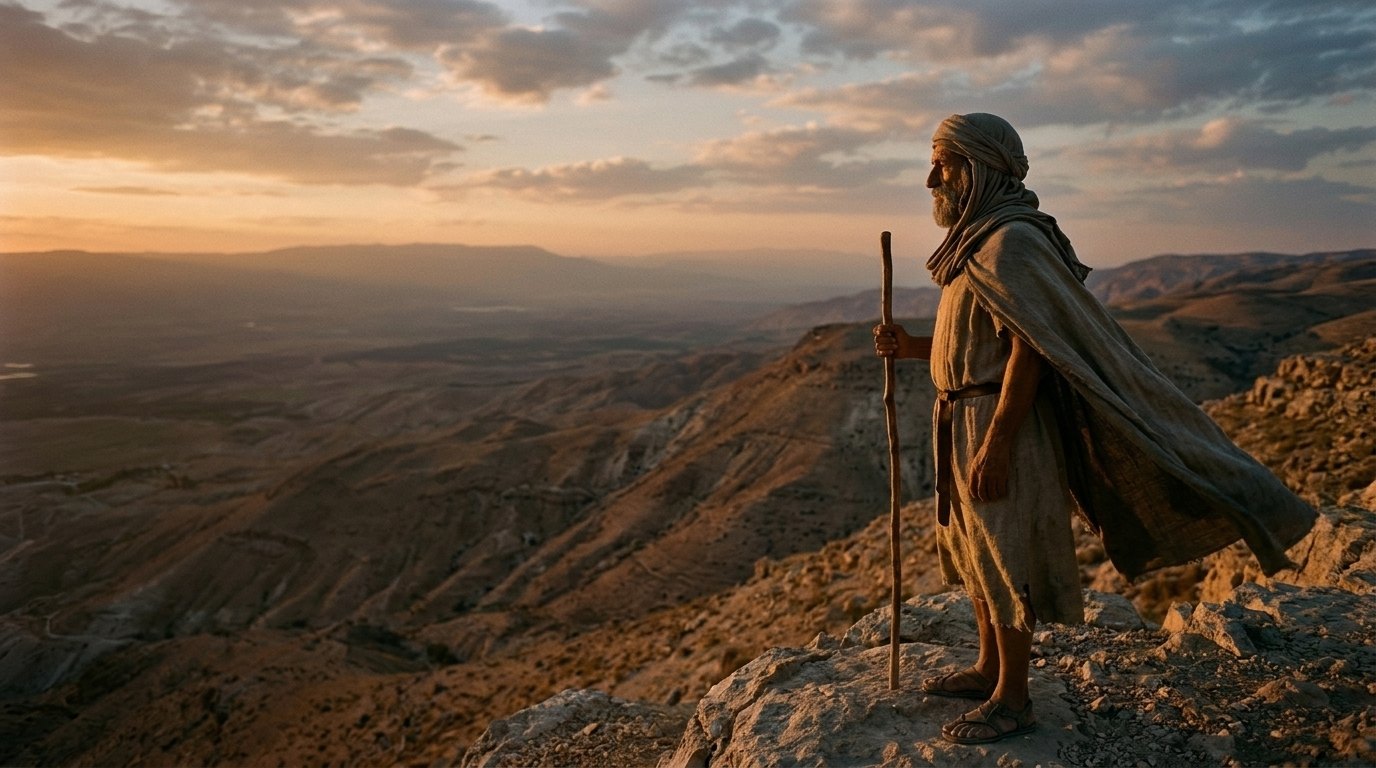
So I declared on oath in my anger, ‘They shall never enter my rest.’ ”
Hebrews 3:11 (NIV)
Unbelief barred a wilderness generation from the promised land, warning future generations against hardening their hearts.
Hebrews 3:11 solemnly recalls how unbelief provoked God's wrath, barring a rebellious wilderness generation from entering the promised land. That historic failure stands as an enduring warning across redemptive history, proving that mere proximity to divine miracles cannot save apart from steadfast trust. Centuries earlier, God had assured Moses that His personal presence would accompany the pilgrim flock and give them rest (Exodus 33:14), a divine fellowship fulfilled in the soul-rest Christ offers to those who come to Him (Matthew 11:28). Israel was told that upon crossing the Jordan, the Lord would grant them rest from all surrounding enemies (Deuteronomy 12:10; Deuteronomy 25:19), a physical foretaste of the spiritual haven secured by our great High Priest (Hebrews 4:8-9).
Under Joshua's leadership, the Lord fulfilled His covenant promises by giving the tribes rest on every border according to His oath (Joshua 21:44). Yet this earthly respite was incomplete, as Hebrews 4:8 demonstrates that Joshua did not grant the ultimate rest God intended. Even after Solomon blessed the Lord for the peace granted during his reign (1 Kings 8:56), fulfilling the promise of a son of rest given to David (1 Chronicles 22:9), the psalmist issued a pressing warning. Psalm 95:11 recalled God's oath against those who hardened their hearts, which the Holy Spirit directly applies to the church in Hebrews 3:11 and Hebrews 4:3.
Scripture explicitly warns believers against harboring an evil, unbelieving heart that departs from the living God (Hebrews 3:12). The tragic reality remains that Israel could not enter the land because of sheer unbelief (Hebrews 3:19). Looking beyond earthly borders, the prophet Isaiah foresaw a far greater Deliverer: the root of Jesse who stands as an ensign to the nations, whose resting place is glorious (Isaiah 11:10), fulfilled when Gentiles find eternal hope and rest in the crucified and risen Christ (Romans 15:12; Matthew 11:28).
| Passage | What it says | Fulfilled |
|---|---|---|
| Exodus 33:14 | The Lord promises Moses that His presence will go with him and provide rest. | Matthew 11:28 |
| Deuteronomy 12:10 | God promises Israel rest from all surrounding enemies once they inhabit the land. | Hebrews 4:8-9 |
| Joshua 21:44 | The Lord gave Israel rest on every side according to all He swore to their fathers. | Hebrews 4:8 |
| Psalms 95:11 | God sware in His wrath that the rebellious generation would not enter His rest. | Hebrews 3:11, Hebrews 4:3 |
| Isaiah 11:10 | The root of Jesse shall stand as a banner for the peoples, and His rest will be glorious. | Romans 15:12, Matthew 11:28 |
| Hebrews 3:11 | The Holy Spirit repeats the solemn oath that unbelievers cannot enter God's rest. | |
| Hebrews 3:12 | Believers are warned against an evil, unbelieving heart that departs from God. | |
| Hebrews 3:19 | Scripture explicitly records that Israel could not enter the land because of unbelief. | |
| Deuteronomy 25:19 | The Lord promises rest from all surrounding enemies when Israel possesses the inheritance. | |
| 1 Kings 8:56 | Solomon blesses the Lord who has given rest to His people Israel according to all His promises. | |
| 1 Chronicles 22:9 | God promises David a son who will be a man of rest, giving peace and quietness to Israel. |
Rest in Christ
Jesus Gives Enduring Rest to Weary Souls
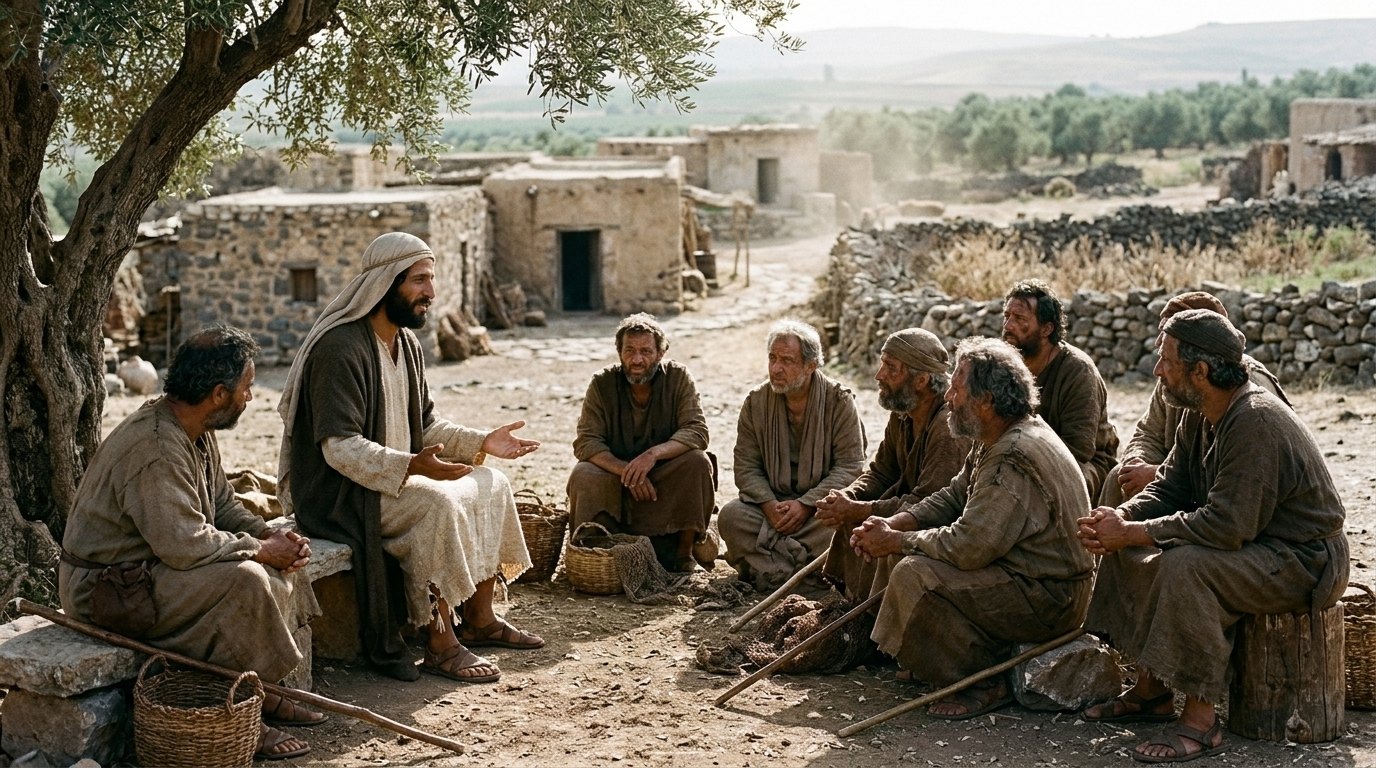
“Come to me, all you who are weary and burdened, and I will give you rest.
Matthew 11:28 (NIV)
Christ issues an unconditional invitation to burdened sinners, offering His own rest through faith.
Matthew 11:28 delivers the gospel's sweetest invitation as Christ calls the weary to Himself, promising divine rest to all who are exhausted by religious strivings and life's burdens. In Matthew 11:29, Jesus instructs disciples to take His yoke and learn from Him, for He is meek and lowly in heart, promising that those who submit to His gentle lordship will find rest for their souls. Unlike the crushing traditions of human religion, Matthew 11:30 assures that Christ's yoke is easy and His burden is light, freeing believers from attempting to justify themselves by their own deeds.
Jesus asserted His supreme authority over the religious ordinances of the Old Covenant. In Mark 2:27, He corrected legalistic misconceptions by teaching that the Sabbath was instituted for the blessing and refreshment of humanity, not humanity for the ritual observance of the day. He immediately followed this by proclaiming that the Son of Man is Lord even of the Sabbath (Mark 2:28), demonstrating that the ultimate purpose of the day points to His own sovereign person and redemptive work. Christ also recognized our human limits: in Mark 6:31, He instructed His weary disciples to come apart into a desolate place to rest for a while, sanctioning necessary physical retreat amidst demanding service.
Before going to the cross, Jesus bestowed a gift the world can neither duplicate nor destroy. In John 14:27, He promised His disciples a divine peace that banishes fear and troubled hearts. In John 16:33, He reaffirmed that while believers experience tribulation in this fallen world, they possess unshakeable peace in Him because He has overcome the world. All the festivals and new moons of the ceremonial law were mere shadows (Colossians 2:16), whereas the true substance belongs entirely to Jesus Christ (Colossians 2:17).
| Passage | What it says |
|---|---|
| Matthew 11:28 | Jesus calls all who labor and are heavy laden to come to Him for rest. |
| Matthew 11:29 | Christ directs disciples to take His yoke and find rest for their souls in His gentleness. |
| Matthew 11:30 | The yoke of Christ is declared easy and His burden light. |
| Mark 2:27 | Jesus declares that the Sabbath was made for man, not man for the Sabbath. |
| Mark 2:28 | The Son of Man is revealed as the sovereign Lord even of the Sabbath. |
| John 14:27 | Jesus leaves His supernatural peace with His disciples to banish heart trouble and fear. |
| John 16:33 | Christ promises peace in Himself despite the tribulations of the world He overcame. |
| Mark 6:31 | Jesus commands His disciples to come apart into a desolate place and rest a while. |
| Colossians 2:16 | Sabbaths and festivals are shadows, but the substance belongs to Jesus Christ. |
| Colossians 2:17 | The ceremonial ordinances foreshadowed the true, abiding reality found in the person of Christ. |
Soul Restoration
God Shelters and Sustains the Weary Believer
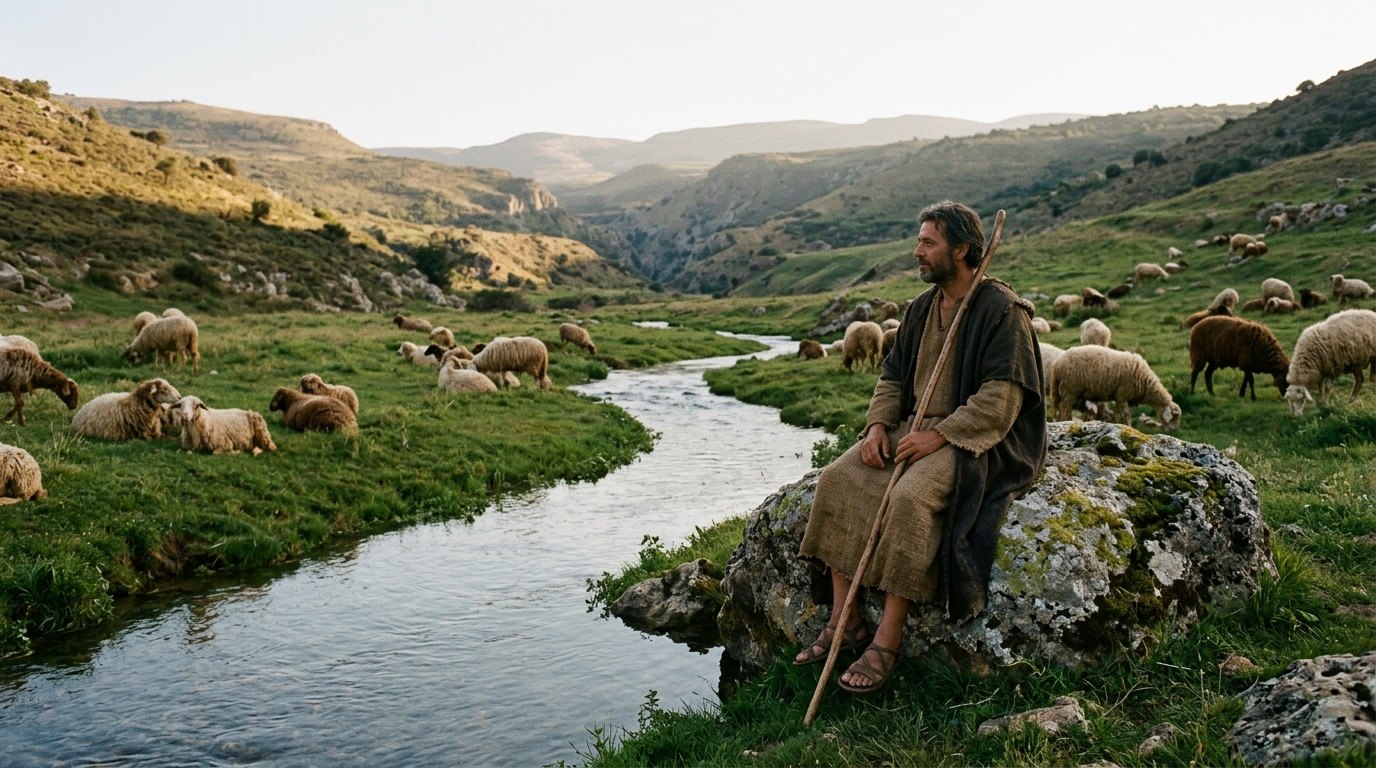
He makes me lie down in green pastures, he leads me beside quiet waters,
Psalms 23:2 (NIV)
The Good Shepherd actively leads His sheep to quiet resting places and restores their depleted inner life.
Psalm 23:2 paints the enduring portrait of the Shepherd leading to still waters, demonstrating how God ministers peace to the hearts of His people. David opens this song by declaring that the Lord is his shepherd, ensuring he lacks nothing that pertains to life and godliness (Psalm 23:1). In Psalm 23:3, the Good Shepherd restores the soul and guides the believer along righteous paths for His name's sake. In seasons of severe trial, David resolves to wait in silent rest for God alone, who is his rock and salvation (Psalm 62:1), commanding his heart to renew this quiet expectation in God (Psalm 62:5).
When delivered from affliction, the psalmist addresses his inner life directly, commanding his soul to return to its rest because the Lord has dealt bountifully with him (Psalm 116:7). The prophet Jeremiah pointed back to God's ancient commandments, declaring that those who walk in the good old paths will find genuine rest for their souls (Jeremiah 6:16). Furthermore, the Lord guarantees that He will satisfy the weary and replenish every sorrowful heart that turns to Him in faith (Jeremiah 31:25).
This inward assurance transforms everyday life, delivering the believer from sleepless anxiety. In Psalm 4:8, David confesses that he can lie down and sleep in peace because the Lord alone sustains him in safety. Psalm 127:2 exposes the vanity of anxious, relentless striving, reminding us that God supplies sleep and quiet provision to His beloved. Proverbs 3:24 affirms that when heavenly wisdom guards the heart, sleep is sweet and free from terror. Although rebellious men refuse the refreshing rest God offers (Isaiah 28:12), Isaiah 30:15 declares the unchanging path to spiritual strength: returning, resting, quietness, and wholehearted confidence in the Holy One of Israel.
| Passage | What it says |
|---|---|
| Psalms 23:1 | The psalmist confesses the Lord as his shepherd who leaves him lacking nothing. |
| Psalms 23:2 | The Shepherd leads His sheep into green pastures and beside still waters. |
| Psalms 23:3 | The Lord restores the soul and guides in paths of righteousness for His name's sake. |
| Psalms 62:1 | David declares that his soul waits in silent rest for God alone. |
| Psalms 62:5 | The soul is exhorted to wait silently for God, who is its only expectation. |
| Psalms 116:7 | The psalmist commands his soul to return to its rest because the Lord dealt bountifully. |
| Jeremiah 6:16 | Walking in the good old paths of the Lord yields rest for one's soul. |
| Jeremiah 31:25 | The Lord promises to satiate the weary soul and replenish every sorrowful heart. |
| Psalms 4:8 | The psalmist lies down and sleeps in peace, for the Lord alone makes him dwell in safety. |
| Psalms 127:2 | Vain is anxious toiling, for God gives sleep and peaceful provision to His beloved. |
| Proverbs 3:24 | When wisdom is kept, sleep is sweet and free from the torment of fear. |
| Isaiah 28:12 | God declares the true rest and refreshing for the weary, though rebellious people refused to hear. |
| Isaiah 30:15 | Salvation and strength are found in returning, resting, quietness, and trusting in the Holy One. |
Diligence in Faith
Entering the Sabbath Rest by Believing God
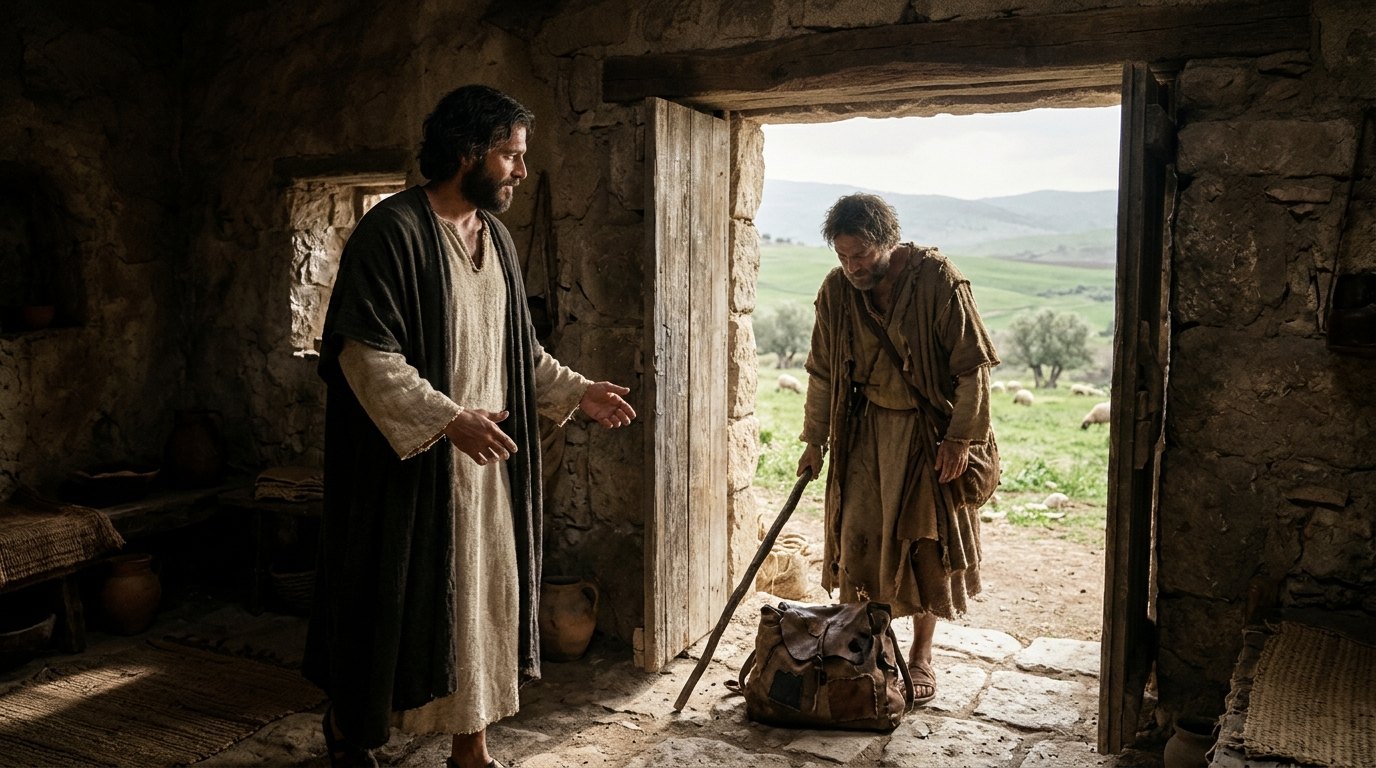
There remains, then, a Sabbath-rest for the people of God;
Hebrews 4:9 (NIV)
Scripture explicitly confirms that a permanent Sabbath-keeping remains open for the people of God.
The author of Hebrews points to the ultimate reality foreshadowed by Israel's pilgrimage: there remains a Sabbath rest for the people of God (Hebrews 4:9). This rest is far more than a physical pause; it is the soul's arrival in the completed favor of God. Because that promise stands secure, the community of faith must remain vigilant, taking heed lest any fail to attain it (Hebrews 4:1). Hearing the good news is not enough; the wilderness generation heard the promise but perished because the word heard was not united with faith in those who listened (Hebrews 4:2).
True entry into God's presence is unlocked only through belief: we who have believed enter that rest (Hebrews 4:3). This divine resting place is not a modern afterthought; its blueprint was established when God rested from His works at the foundation of the world. While Joshua successfully brought the tribes across the Jordan into Canaan, he could not confer final, spiritual rest, which is why God later designated "Today" through David as another opportunity to hear His voice (Hebrews 4:8).
To enter this sanctuary of grace means laying down all self-reliance. Whoever has entered God's rest has also rested from his works as God did from His (Hebrews 4:10). The believer ceases from the exhausting labor of self-justification, resting entirely in Christ's finished atonement. Therefore, the church is called to holy diligence: to strive earnestly by faith to enter that rest, guarding every thought so that no one falls away by copying the historic pattern of unbelief and disobedience (Hebrews 4:11).
| Passage | What it says |
|---|---|
| Hebrews 4:1 | Believers are warned to fear lest anyone seem to come short of God's promise of rest. |
| Hebrews 4:2 | The gospel message profited not those who heard it without uniting it to faith. |
| Hebrews 4:3 | Those who have believed enter into that rest which was prepared from creation. |
| Hebrews 4:8 | If Joshua had given final rest, Scripture would not speak of another day. |
| Hebrews 4:9 | There remains a Sabbath rest for the covenant people of God. |
| Hebrews 4:10 | The one entering God's rest ceases from his own works as God did from His. |
| Hebrews 4:11 | Believers are commanded to be diligent to enter that rest, avoiding the pattern of disobedience. |
Eternal Sabbath
The Saints' Unbroken Rest in the Consummation
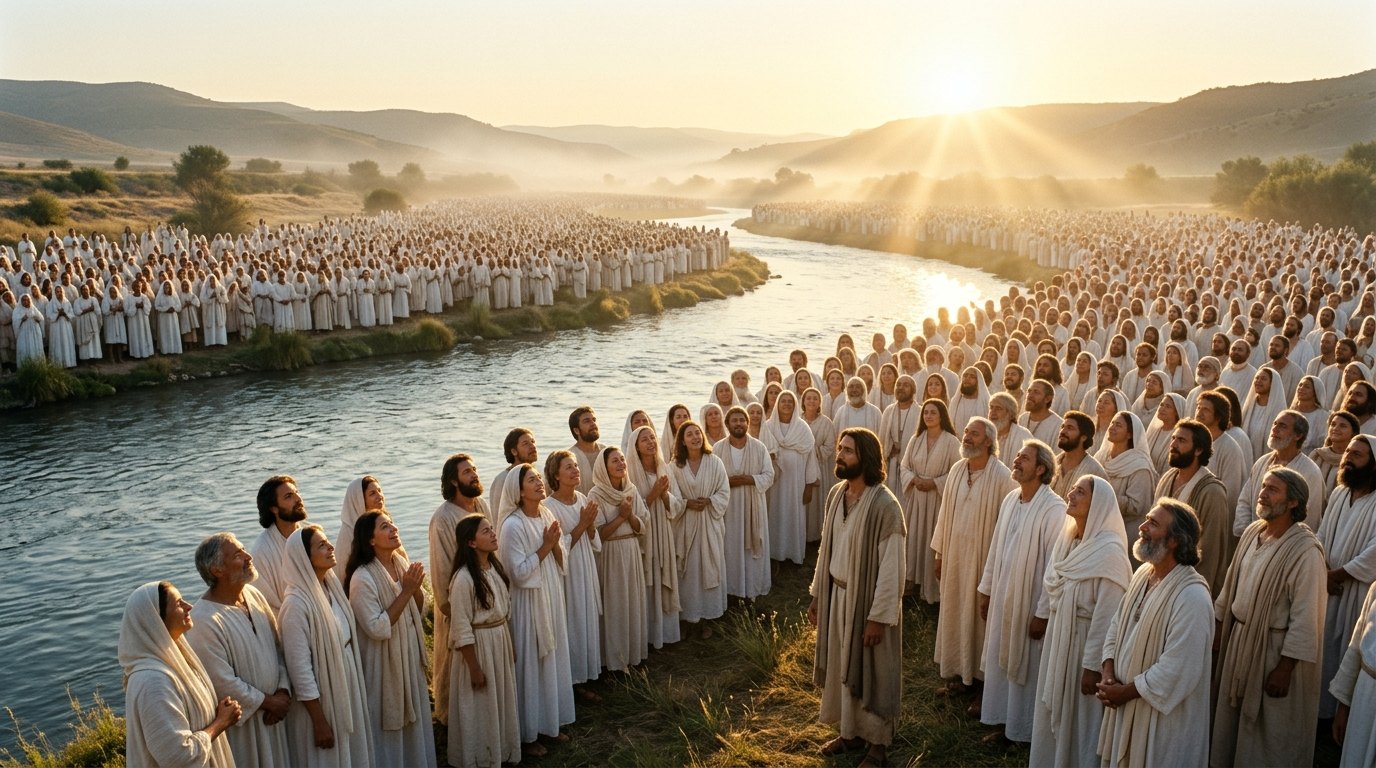
Then I heard a voice from heaven say, “Write this: Blessed are the dead who die in the Lord from now on.” “Yes,” says the Spirit, “they will rest from their labor, for their deeds will follow them.”
Revelation 14:13 (NIV)
The Spirit pronounces blessed all who die in the Lord, declaring they rest from all earthly toils.
The final book of Scripture pulls back the veil on the eternal destiny of the redeemed, recording a voice from heaven: blessed are the dead who die in the Lord, that they may rest from their labors (Revelation 14:13). This blessedness belongs to an immense throng standing before the throne, believers who have come out of great tribulation and have washed their robes white in the blood of the Lamb (Revelation 7:14). Their earthly conflict is over, and their works follow them as evidence of the grace that sustained them.
In this consummation, all earthly deprivation is permanently abolished. They shall hunger no more, neither thirst anymore; the sun shall not strike them, nor any scorching heat (Revelation 7:16). The resurrected Lord Himself shepherds them, guiding them beside living fountains of waters while God tenderly wipes away every tear from their eyes (Revelation 7:17).
This unbroken Sabbath reaches its apex in the New Jerusalem, where God dwells directly with His people. He will wipe away every tear from their eyes, and death shall be no more, neither shall there be mourning, nor crying, nor pain anymore (Revelation 21:4). The former world of groanings and decay has completely vanished. There the curse of Genesis is entirely undone: no longer will there be anything accursed, but the throne of God and of the Lamb will be in it, and His servants will worship Him (Revelation 22:3). In that eternal city, holy service and perfect rest merge into everlasting joy.
| Passage | What it says |
|---|---|
| Revelation 7:14 | The redeemed have washed their robes and made them white in the blood of the Lamb. |
| Revelation 7:16 | The glorified multitude shall hunger no more, neither thirst, nor suffer scorching heat. |
| Revelation 7:17 | The Lamb leads them to living fountains of waters and God wipes away every tear. |
| Revelation 14:13 | The dead in the Lord are blessed to rest from their labors while their works follow them. |
| Revelation 21:4 | God wipes away all tears, removing death, sorrow, crying, and pain forever. |
| Revelation 22:3 | There shall be no more curse in the city of God, where His servants serve Him. |
Where in the Bible
| Book | Passages |
|---|---|
| Genesis | 3 · Genesis 2:1, Genesis 2:2, Genesis 2:3 |
| Exodus | 5 · Exodus 20:8, Exodus 20:11, Exodus 31:17, Exodus 23:12, Exodus 33:14 |
| Leviticus | 1 · Leviticus 25:4 |
| Deuteronomy | 2 · Deuteronomy 12:10, Deuteronomy 25:19 |
| Joshua | 1 · Joshua 21:44 |
| 1 Kings | 1 · 1 Kings 8:56 |
| 1 Chronicles | 1 · 1 Chronicles 22:9 |
| Psalms | 9 · Psalms 95:11, Psalms 23:1, Psalms 23:2, Psalms 23:3, Psalms 62:1, Psalms 62:5, Psalms 116:7, Psalms 4:8, Psalms 127:2 |
| Proverbs | 1 · Proverbs 3:24 |
| Isaiah | 3 · Isaiah 11:10, Isaiah 28:12, Isaiah 30:15 |
| Jeremiah | 2 · Jeremiah 6:16, Jeremiah 31:25 |
| Matthew | 3 · Matthew 11:28, Matthew 11:29, Matthew 11:30 |
| Mark | 3 · Mark 2:27, Mark 2:28, Mark 6:31 |
| John | 2 · John 14:27, John 16:33 |
| Colossians | 2 · Colossians 2:16, Colossians 2:17 |
| Hebrews | 10 · Hebrews 3:11, Hebrews 3:12, Hebrews 3:19, Hebrews 4:1, Hebrews 4:2, Hebrews 4:3, Hebrews 4:8, Hebrews 4:9, Hebrews 4:10, Hebrews 4:11 |
| Revelation | 6 · Revelation 7:14, Revelation 7:16, Revelation 7:17, Revelation 14:13, Revelation 21:4, Revelation 22:3 |
The story in order
- Creation completed and God rested (c. 4000 BC) · Genesis 2:2 · God's completed work and rest establish the pattern for the Sabbath.
- Sabbath commanded for Israel (c. 1446 BC) · Exodus 20:8 · Israel is commanded to remember and keep the Sabbath day holy.
- Land of rest promised (c. 1406 BC) · Deuteronomy 12:10 · God promises Israel rest from enemies upon entering the promised land.
- Israel enters promised rest (c. 1400 BC) · Joshua 21:44 · The Lord gave Israel rest from enemies as He promised.
- Rebellion prevents entry to rest (c. 1000 BC) · Psalms 95:11 · God swore that the rebellious generation would not enter His rest.
- Solomon blesses God for rest (c. 966 BC) · 1 Kings 8:56 · God has given Israel rest according to His promises.
- Rest for the land (c. 1445 BC) · Leviticus 25:4 · The seventh year is a solemn Sabbath of rest for the land.
- Jesus calls to Himself for rest (c. AD 30) · Matthew 11:28 · Jesus invites all laboring and heavy-laden to find rest in Him.
- Jesus gives His peace (c. AD 30) · John 14:27 · Jesus leaves His supernatural peace to banish heart trouble.
- Sabbath shadows fulfilled in Christ (c. AD 60) · Colossians 2:17 · The true, abiding reality of Sabbath rest is found in Christ.
- Believers enter God's rest (c. AD 65) · Hebrews 4:3 · Those who believe enter the rest prepared from creation.
- Sabbath rest remains (c. AD 65) · Hebrews 4:9 · A Sabbath rest remains for the people of God.
- Rest from labors for the dead in Christ (c. AD 95) · Revelation 14:13 · The dead in the Lord are blessed to rest from their labors.
- Eternal rest and no more tears (c. AD 95) · Revelation 21:4 · God will wipe away tears, and there will be no more death or pain.
Key words
- Rest (shabat, שָׁבַת)
- Cessation from labor; a state of peace, security, and divine presence. · Genesis 2:2
- Sabbath (shabbath, שַׁבָּת)
- The seventh day, set apart by God for rest and worship. · Exodus 20:8
- Rest (promised) (nuach, נוּחַ)
- A secure dwelling place, freedom from enemies, and God's presence. · Exodus 33:14
- Rest (soul) (shav, שׁוּב)
- Spiritual refreshment, peace, and restoration found in God. · Jeremiah 6:16
- Rest (Christ's) (anapausis, ἀνάπαυσις)
- Relief from spiritual burden and labor through Christ's gentle yoke. · Matthew 11:28
- Peace (shalom, שָׁלוֹם)
- Supernatural peace from Christ that overcomes trouble and fear. · John 14:27
- Sabbath rest (eternal) (sabbatismos, σαββατισμός)
- The ultimate, unbroken rest for believers in God's presence. · Hebrews 4:9
Rest is not a luxury to be earned after exhausting our own strength, but the very posture of faith in the finished work of Christ. As we cease from self-reliance and yield our burdens to the Savior, we taste today the profound peace that will culminate in the eternal Sabbath of the new creation.
55 passages, each cited once.
How the major Christian traditions read this
All Christian traditions confess that true rest originates in God’s completed work of creation and redemption, finding its soul-level fulfillment in Jesus Christ and its eternal consummation in the age to come (Matthew 11:28-30; Hebrews 4:9-10).
Catholic
We teach that the Sabbath finds its ultimate fulfillment in the Lord’s Day, Sunday, which celebrates Christ’s resurrection and the new creation. Resting from servile work is essential to worship God, participate in the Eucharistic sacrifice, and cultivate family and spiritual life (Exodus 20:8-10). Sunday rest is an active sanctification of time, freeing believers from earthly labor so they may care for the poor and refresh their souls in communion with God. Rest also points toward eternal beatitude, the unending rest of the saints in the vision of God (Hebrews 4:9-11).
Scripture: Exodus 20:8-10, Matthew 11:28-30, Hebrews 4:9-11
Orthodox
In the Orthodox tradition, rest is deeply tied to the mystery of Holy Saturday, when Christ rested in the tomb after completing His saving work, trampling down death. The literal seventh-day Sabbath honors creation, while the eighth day—Sunday—inaugurates the eternal day of resurrection (Genesis 2:2-3). Spiritual rest comes through hesychia, inner stillness and prayer that quiets the passions so the soul may commune with God. Physical cessation from work on liturgical feast days serves this contemplation, anticipating the final rest of the soul in God’s heavenly kingdom (Hebrews 4:9-10).
Scripture: Genesis 2:2-3, Matthew 11:28-29, Hebrews 4:9-10
Lutheran
We confess that the Old Testament ceremonial Sabbath laws are fulfilled in Christ and are not binding on Christian consciences as outward regulations (Colossians 2:16-17). Rather, the true Sabbath rest is spiritual: finding peace from our own works by trusting solely in Christ’s righteousness (Matthew 11:28). Setting aside Sunday is an orderly, practical rhythm for the church to gather, hear God’s Word preached, and receive the sacraments. We keep the Third Commandment holy not by superstitious cessation from labor, but by holding God’s Word sacred and gladly hearing and learning it.
Scripture: Colossians 2:16-17, Matthew 11:28-30, Hebrews 4:10, Matthew 11:28
Reformed & Presbyterian
We hold that the moral requirement of the Fourth Commandment remains perpetual: one whole day in seven is set apart by God for holy resting (Exodus 20:8-11). Since Christ’s resurrection, this has shifted to the first day of the week, the Christian Sabbath or Lord’s Day. Believers are called to observe a holy rest all the day from their own worldly employments and recreations, devoting the time to public and private worship and works of necessity and mercy (Isaiah 58:13-14). This weekly Sabbath uniquely pictures and nurtures the eternal rest that remains for God's people (Hebrews 4:9-11).
Scripture: Exodus 20:8-11, Isaiah 58:13-14, Hebrews 4:9-11
Anglican & Episcopal
We hold that God established a pattern of labor and rest in creation, sanctified in the moral law of the Decalogue (Exodus 20:8-11). The Lord’s Day is observed each Sunday to remember Christ’s resurrection, gather for Common Prayer, and rest from secular employment. Yet we avoid rigid legalism, understanding that Jesus declared the Sabbath was made for man, not man for the Sabbath (Mark 2:27). Rest is both a bodily gift to prevent burnout and an inward spiritual rest found through repentance, faith, and communion with Christ (Matthew 11:28-30).
Scripture: Exodus 20:8-11, Mark 2:27, Matthew 11:28-30
Baptist
Historic Baptists hold that Sunday is the Lord’s Day, a weekly commemoration of Christ’s resurrection to be spent in worship, spiritual exercises, and rest from ordinary work (Acts 20:7). While some hold to a strict Christian Sabbath view, many understand the Old Testament Sabbath regulations as fulfilled in the finished work of Christ (Hebrews 4:3-10). True rest is therefore primarily spiritual: coming to Jesus to be freed from the burden of self-justification (Matthew 11:28-30). Believers freely set aside regular time to cease work, worship with the local church, and reflect upon eternal life.
Scripture: Acts 20:7, Matthew 11:28-30, Hebrews 4:3-10
Methodist & Wesleyan
We view rest as God’s gracious provision for bodily renewal and spiritual devotion. In the Wesleyan tradition, observing the Lord's Day through rest from unnecessary labor and faithful attendance at the means of grace is a vital discipline of holy living (Exodus 20:8-10). Yet rest is never idle withdrawal; it is balanced by works of mercy and active love toward the needy, just as Christ healed on the Sabbath (Luke 13:10-16). Inwardly, rest is the perfect peace and assurance granted by the Holy Spirit when we are entirely surrendered to God's love (Matthew 11:28-30).
Scripture: Exodus 20:8-10, Luke 13:10-16, Matthew 11:28-30
Pentecostal & Charismatic
We understand rest as both physical renewal and supernatural empowerment. Through the Holy Spirit, believers experience deep rest of soul, an oasis of divine peace amidst spiritual warfare and earthly pressure (John 14:27). The Sabbath principle reminds us that our strength comes not from striving in the flesh, but by the Spirit (Zechariah 4:6). Observing the Lord's Day in vibrant worship and physical relaxation honors God's created rhythm. Above all, entering God's rest means stepping in faith into the completed victory of the cross and the ongoing power of the Spirit (Hebrews 4:1-3).
Scripture: Zechariah 4:6, John 14:27, Hebrews 4:1-3
Non-denominational & Evangelical
We focus on the reality that Jesus is the fulfillment of the Sabbath law (Matthew 11:28; Colossians 2:16-17). Rather than being bound by legalistic rules about specific days or prohibitions, believers rest by trusting in Christ’s finished work for their salvation, ceasing from religious striving (Hebrews 4:10). At the same time, we recognize God's wisdom in creating human beings with a need for regular physical rest, healthy margins, and weekly corporate worship. Setting aside a day to recharge and refocus on God is a wise, life-giving discipline rather than a binding legal commandment.
Scripture: Matthew 11:28, Colossians 2:16-17, Hebrews 4:10
Where they differ
The binding nature of Sabbath rest
- Catholic
- Fulfilled in the Sunday obligation to attend Mass and cease servile work.
- Orthodox
- Kept liturgically on Sunday while honoring Saturday as the creation Sabbath.
- Lutheran
- Old Testament law fulfilled in Christ; external rest serves church order.
- Reformed & Presbyterian
- A perpetual moral command requiring an entire day of holy rest.
- Anglican & Episcopal
- A moral principle observed on Sunday without rigid, legalistic prohibitions.
- Baptist
- Observed as the Lord's Day, ranging from sabbatarian rest to voluntary practice.
- Methodist & Wesleyan
- A holy rhythm of worship and bodily rest balanced with active mercy.
- Pentecostal & Charismatic
- A life-giving principle of renewal rather than a legalistic constraint.
- Non-denominational & Evangelical
- Fulfilled completely in Christ; setting aside a day is wise, not binding.
Scripture: Exodus 20:8-11, Colossians 2:16-17, Hebrews 4:9-10
The primary character of Christian rest
- Catholic
- Sacramental sanctification of time through Mass and cessation of servile labor.
- Orthodox
- Hesychastic stillness, liturgical celebration of the resurrection, and deliverance from passions.
- Lutheran
- Quiet faith resting from work-righteousness through hearing and trusting God's Word.
- Reformed & Presbyterian
- Consecrated Sabbath-keeping from worldly recreations to pursue worship and mercy.
- Anglican & Episcopal
- Bodily renewal and common liturgical prayer in the peace of Christ.
- Baptist
- Spiritual freedom in Christ accompanied by corporate worship and physical rest.
- Methodist & Wesleyan
- Holiness of heart and life, resting from self-reliance to serve others.
- Pentecostal & Charismatic
- Supernatural peace and physical recharging through the indwelling Holy Spirit.
- Non-denominational & Evangelical
- Ceasing from striving, resting in Christ's grace, and practicing healthy boundaries.
Scripture: Matthew 11:28-30, Isaiah 58:13-14, Hebrews 4:1-3
Your pastor can tell you where your church stands.
Scripture cited
- Hebrews 4:9-11
- Revelation 21:4
- Revelation 7:14-17
- Isaiah 11:10
- Hebrews 3:11
- Matthew 11:28-30
- Genesis 2:1-3
- Psalms 23
- Hebrews 3:7-19
- John 14:27