What does the Bible say about saving and investing?
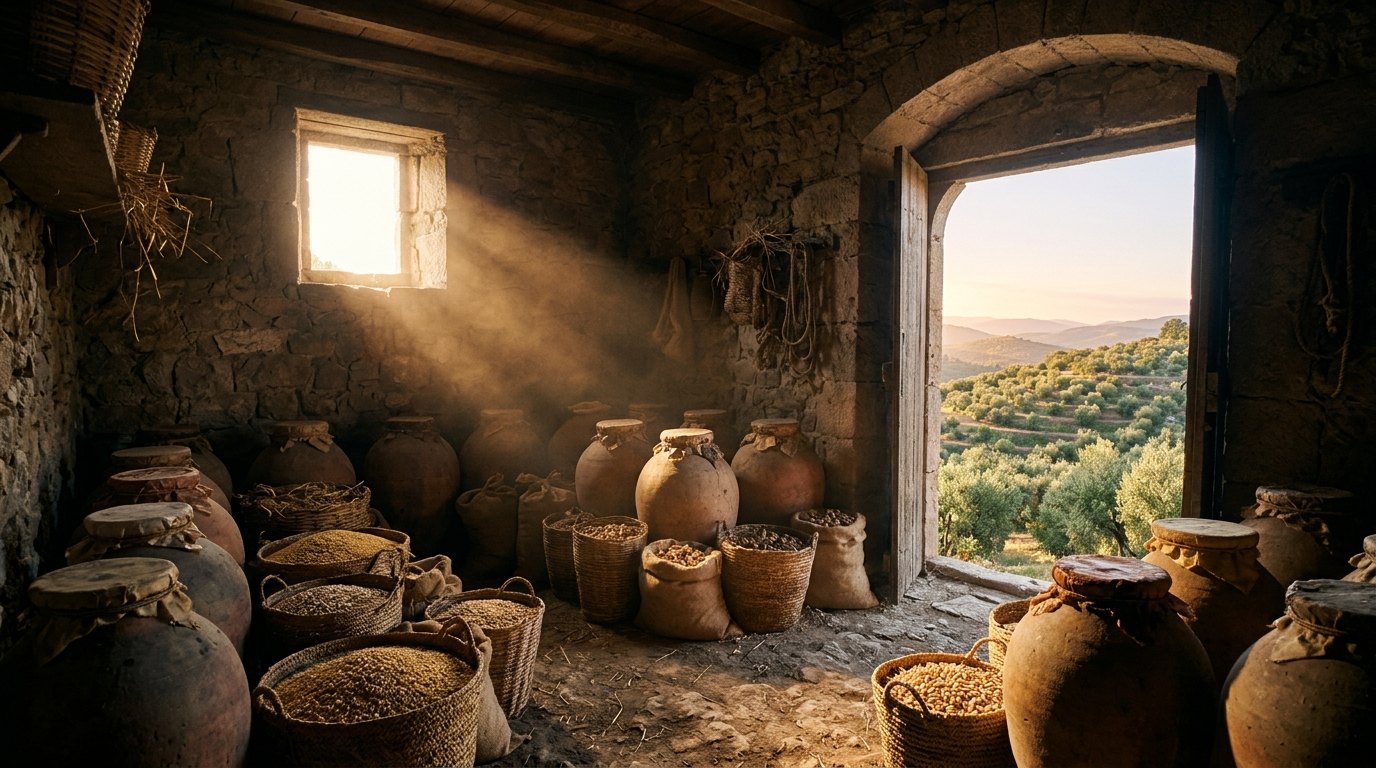
Proverbs 21:20
20 The wise store up choice food and olive oil, but fools gulp theirs down.
New International Version (NIV)
The answer
The Bible commends prudent saving and honest, patient investing as stewardship, while condemning waste, dishonest gain, covetousness, and trust in riches. Saving is not necessarily greed, and investing is not necessarily unbelief. Scripture examines how money is gained, why it is stored, and whether its owner remains content, generous, and dependent on God.
Saving is wisdom, not unbelief
Proverbs 21:20 says, "There is precious treasure and oil in the dwelling of the wise, but a foolish man swallows it up." The wise person retains useful resources; the fool consumes them. Proverbs 6:6-8 reinforces the lesson through the ant, which gathers food during the harvest. Jesus also treats counting the cost before beginning a building project as ordinary prudence in Luke 14:28-30.
Setting aside resources for future needs and family responsibilities can therefore be faithful planning. Indeed, 1 Timothy 5:8 makes provision for one's household a serious duty. None of these passages specifies a particular savings balance or suggests that savings can guarantee safety.
Investing must be honest and realistic
Jesus' parable in Matthew 25:14-30 is primarily about faithfully serving him with what he entrusts, not about selecting modern financial products. Nevertheless, its financial picture matters: the servants who put the money to work and gained more are commended, while the servant who buried his talent is rebuked. In Matthew 25:27, the master says the money could at least have been placed with bankers and returned with interest. Earning a return is not itself sinful.
Two further principles govern the practice:
- Gain must be honest and diligent. Proverbs 13:11 says, "Wealth gained dishonestly dwindles away, but he who gathers by hand makes it grow." This condemns dishonest shortcuts and favors steady accumulation, without promising that every honest venture will succeed.
- Risk requires humility. Ecclesiastes 11:2 says, "Give a portion to seven, yes, even to eight; for you don’t know what evil will be on the earth." Ecclesiastes 11:6 likewise urges continued sowing because no one knows which effort will prosper. This supports spreading exposure to uncertainty and continuing diligent work rather than imagining that any strategy eliminates risk. Scripture supplies no approved list of investments and no guaranteed rate of return.
Accumulation becomes folly when God is left out
Luke 12:15-21 describes a rich man whose expanding barns filled his thoughts while he ignored God and his own mortality. Jesus concludes in Luke 12:21, "So is he who lays up treasure for himself, and is not rich toward God." The folly exposed is covetous self-sufficiency, not the mere existence of stored grain.
First Timothy 6:6-10 joins contentment with a solemn warning: the determination to become rich leads into temptation and a snare, and "the love of money is a root of all kinds of evil." Money itself is not called evil; the disordered love of it is. Accordingly, 1 Timothy 6:17-19 tells wealthy believers not to place their hope in uncertain riches but in God, and Matthew 6:19-21 directs disciples toward heavenly treasure because treasure reveals and holds the heart.
Wealth is also for enjoyment and generosity
Saving need not become miserliness. Ecclesiastes 5:19 calls both material provision and the ability to rejoice in one's portion gifts from God. First Timothy 6:17-19 says that God richly provides things to enjoy, then immediately commands good works, readiness to distribute, and willingness to share. Giving is to be deliberate and cheerful rather than grudging or forced, as 2 Corinthians 9:7 teaches. A savings or investment practice that makes room neither for generosity nor for joyful gratitude has departed from biblical stewardship, however impressive its financial results may be.
Answered from Scripture · reviewed November 11, 2026
Scripture consistently commends wise foresight, disciplined saving, and faithful stewardship of resources while firmly warning against greed, hoarding, and trusting in earthly riches. God calls His people to view every material asset as a trust from His hand, to be gathered diligently, preserved prudently, and deployed faithfully for His glory.
DILIGENT SAVING
Prudent Gathering Is a Mark of Wisdom
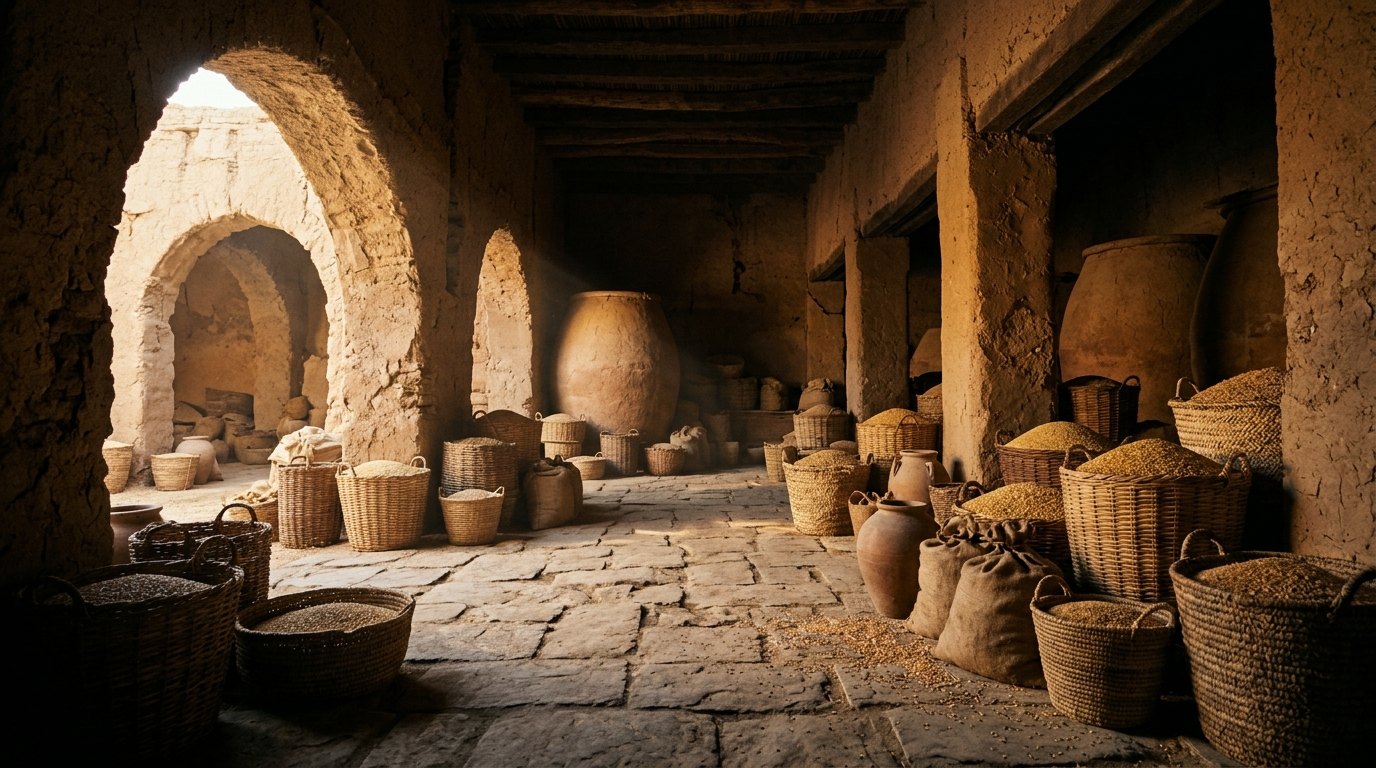
The wise store up choice food and olive oil, but fools gulp theirs down.
Proverbs 21:20 (NIV)
It contrasts the wise man who stores up oil and precious treasure with the foolish man who consumes everything he gets.
In Proverbs 21:20, Solomon draws a clean line between wisdom and folly: precious treasure and oil remain in the house of the wise, but a foolish man swallows it up. Wisdom does not consume every resource the moment it arrives; it retains and preserves. Scripture repeatedly upholds this quiet habit of setting aside provisions in times of abundance to sustain life through future lean seasons. In Proverbs 6:6-8, the reader is sent to observe the tiny ant, which has no ruler or overseer, yet prepares her food in summer and gathers her provision in harvest. Proverbs 30:24-25 numbers the ants among the earth’s exceedingly wise creatures for precisely this instinct. Foresight is not lack of faith; it is godly order reflecting the Creator's design.
Building reserves is consistently portrayed as an act of patient character. Proverbs 13:11 observes that wealth gained hastily dwindles away, but the one who gathers little by little steadily increases it. A righteous life extends this care beyond the immediate moment; Proverbs 13:22 notes that a good man leaves an inheritance to his children's children, establishing stability across generations. Proverbs 15:6 affirms that great treasure abides in the home of the righteous, while Proverbs 27:23-27 urges believers to know well the condition of their flocks, since earthly wealth does not endure forever without attentive maintenance.
This principle operated on a national scale in the life of Joseph. In Genesis 41:34-36 and Genesis 41:47-49, Joseph commanded Pharaoh to collect and store one-fifth of the harvest during Egypt’s seven years of plenty, storing vast mounds of grain so that whole nations survived catastrophic famine. Such stewardship brings peace rather than distress. Psalms 112:1-3 promises that wealth and riches reside in the home of the one who fears the Lord, while Proverbs 10:4-5 reminds us that he who gathers in summer is a prudent son. Writing to Timothy, Paul underscores this fundamental responsibility in 1 Timothy 5:8, declaring plainly that anyone who fails to provide for his own household has denied the faith and is worse than an unbeliever.
| Passage | What it says |
|---|---|
| Proverbs 21:20 | Precious treasure and oil remain in the house of the wise, whereas a foolish person immediately swallows and consumes them. |
| Proverbs 6:6-8 | The ant demonstrates godly prudence by gathering her provisions in the summer and storing food in the harvest without a master. |
| Proverbs 30:24-25 | Ants are numbered among the earth's exceedingly wise creatures because they prepare and store their food in season. |
| Proverbs 13:11 | Wealth gained quickly dwindles away, but the one who gathers little by little through steady diligence steadily increases it. |
| Proverbs 13:22 | A good person leaves an inheritance for children's children, whereas the wealth of the sinner is stored up for the righteous. |
| Proverbs 15:6 | Great treasure is found in the house of the righteous, but the earnings of the wicked bring trouble. |
| Proverbs 27:23-27 | Knowing the state of one's flocks and herds ensures enduring provision, because earthly riches do not last forever without care. |
| Genesis 41:34-36 | Joseph instructs Pharaoh to store a fifth of Egypt's harvest during abundance to sustain the land through coming famine. |
| Psalms 112:1-3 | Wealth and riches remain in the house of the one who fears the Lord and delights greatly in His commandments. |
| Proverbs 10:4-5 | Gathering crops in summer is the mark of a prudent son, whereas slack hands bring poverty. |
| 1 Timothy 5:8 | Providing for one's own household and relatives is a basic requirement of the faith. |
| Genesis 41:47-49 | Joseph stored up grain in immense quantities during the years of plenty to prepare for hardship. |
STEWARDSHIP AND PLANNING
Forethought and Faithful Budgeting Honor God
“Suppose one of you wants to build a tower. Won’t you first sit down and estimate the cost to see if you have enough money to complete it? For if you lay the foundation and are not able to finish it, everyone who sees it will ridicule you, saying, ‘This person began to build and wasn’t able to finish.’
Luke 14:28-30 (NIV)
Jesus points to the common-sense necessity of sitting down first to count the cost before undertaking a construction project.
Before any resource can be effectively saved or multiplied, it must be governed by deliberate order. In Luke 14:28-30, the Lord Jesus appeals to a self-evident truth of daily life: which of you, desiring to build a tower, does not first sit down and count the cost, whether he has enough to complete it? Unexamined enthusiasm without careful budgeting leads to public disgrace and unfinished work. Godly stewardship demands practical forethought before undertaking financial responsibilities. Proverbs 21:5 reinforces this wisdom, stating that the plans of the diligent lead surely to abundance, but everyone who is hasty comes only to poverty.
Scripture insists that productive foundations must precede domestic expansion. Proverbs 24:27 advises preparing outdoor work and making fields ready before building one's house, ensuring a dependable source of income is established first. Part of wise budgeting is rigorous debt avoidance. Proverbs 6:1-5 and Proverbs 22:26-27 warn against cosigning or putting up pledges for another's debts, urging immediate action to escape such financial traps before losing one's own bed. In Proverbs 22:7, Solomon warns that the borrower is the slave of the lender, while Romans 13:8 commands believers to owe no one anything except the ongoing debt of love.
Faithfulness in the smallest ledger entries tests spiritual maturity. In Luke 16:10-12, Jesus makes clear that whoever is faithful in a very little is faithful also in much, and that handling worldly wealth uprightly is the proving ground for being entrusted with true spiritual riches. Orderly discipline extends to regular giving as well; 1 Corinthians 16:2 instructs believers to set aside a portion of income systematically on the first day of the week in proportion to how they prosper. Such planning flourishes through humble community. Proverbs 15:22 reminds us that plans fail without counsel, but with many advisers they succeed, and Proverbs 16:3 directs our hearts to the true foundation: commit your work to the Lord, and your plans will be established.
| Passage | What it says |
|---|---|
| Luke 14:28-30 | A sensible builder sits down first and counts the cost to ensure sufficient funds exist to complete the tower. |
| Proverbs 21:5 | The plans of the diligent lead surely to abundance and advantage, while everyone who is hasty comes only to poverty. |
| Proverbs 24:27 | One ought to prepare outdoor work and make fields ready before building and establishing a household. |
| Proverbs 6:1-5 | Striking hands in pledge or guaranteeing a neighbor's debt traps the unwary; one should act urgently to deliver oneself. |
| Proverbs 22:26-27 | A warning against putting up security for debts when one lacks the means to pay, risking one's very bed. |
| Luke 16:10-12 | Faithfulness in handling worldly wealth serves as a prerequisite for being entrusted with true spiritual riches. |
| 1 Corinthians 16:2 | Believers are instructed to set aside a portion of their income systematically on the first day of the week. |
| Proverbs 15:22 | Plans fail without counsel, but with many advisers financial and practical plans succeed. |
| Proverbs 16:3 | Committing one's work and plans to the Lord ensures they will be established. |
| Proverbs 22:7 | Borrowing places the debtor in subjection to the lender, urging careful financial restraint. |
| Romans 13:8 | Believers are instructed to leave no debt outstanding except the continuing debt to love. |
FAITHFUL INVESTING
Multiplying What Is Entrusted Pleases the Master

“Again, it will be like a man going on a journey, who called his servants and entrusted his wealth to them. To one he gave five bags of gold, to another two bags, and to another one bag, each according to his ability. Then he went on his journey. The man who had received five bags of gold went at once and put his money to work and gained five bags more. So also, the one with two bags of gold gained two more. But the man who had received one bag went off, dug a hole in the ground and hid his master’s money. “After a long time the master of those servants returned and settled accounts with them. The man who had received five bags of gold brought the other five. ‘Master,’ he said, ‘you…
Matthew 25:14-23 (NIV)
The master praises and rewards the servants who traded actively and doubled the talents entrusted to their care.
Scripture nowhere praises the fearful burial of resources. In Matthew 25:14-23, Jesus tells the parable of the talents, in which the master commends the diligent servants who immediately traded and doubled what was entrusted to them, calling them good and faithful. The servant who merely preserved his coin out of paralyzing fear was sharply condemned as wicked and slothful (Matthew 25:24-30). In the parallel account of Luke 19:11-26, the master similarly commends the servant whose mina produced tenfold return, rebuking the man who wrapped his trust in a handkerchief instead of putting it to work where it could at least earn interest. Biblical stewardship involves productive risk and diligent deployment of assets for the Master’s benefit.
Wise investing also requires sensible diversification. In Ecclesiastes 11:1-2, Solomon counsels, cast your bread upon the waters, for you will find it after many days; give a portion to seven, or even to eight, for you know not what disaster may happen on earth. Because the future remains hidden in God's sovereign hand, placing all assets into a single venture invites ruin. Ecclesiastes 11:6 reinforces this posture of steady industry: sow seed in the morning and do not hold back your hand at evening, for you do not know which will prosper. The wisdom of an inheritance combined with productive skill serves as a protective shelter (Ecclesiastes 7:11-12).
The noble wife in Proverbs 31:16 exemplifies this entrepreneurial diligence: she considers a field and purchases it out of her savings, planting a productive vineyard with the fruit of her hands. Proverbs 31:18 adds that she perceives her merchandise is profitable, keeping her lamp burning steadily. True multiplication requires meaningful input and practical tools; Proverbs 14:4 observes that where there are no oxen the manger is clean, but abundant crops come through the strength of the ox. Productive labor on real assets yields enduring substance, whereas chasing empty, speculative get-rich-quick schemes leads directly to poverty (Proverbs 28:19).
| Passage | What it says |
|---|---|
| Matthew 25:14-30 | Faithful stewards put their master's talents to work to generate a return, while the slothful servant hides his talent. |
| Luke 19:11-26 | The noble master rewards servants who actively traded with minas and rebukes the servant who produced no interest. |
| Ecclesiastes 11:1-2 | Casting bread upon the waters and dividing portions into seven or eight diversifies against unforeseen earthly disasters. |
| Ecclesiastes 11:6 | Sowing seed morning and evening acknowledges that one does not know which venture will prosper or succeed. |
| Proverbs 31:16 | The virtuous woman evaluates a field and purchases it, planting a productive vineyard with the fruit of her hands. |
| Ecclesiastes 7:11-12 | Wisdom accompanied by an inheritance provides valuable defense and preserves the life of its possessor. |
| Proverbs 31:18 | The capable woman perceives that her merchandise is profitable and works diligently into the night. |
| Proverbs 14:4 | Where there are no oxen the manger is empty, but abundant crops come through an ox's strength. |
| Proverbs 28:19 | Working one's land yields abundant food, while pursuing worthless pursuits leads directly to poverty. |
THE HEART'S ANCHOR
Trust Belongs to the Provider, Never to Riches

Then he said to them, “Watch out! Be on your guard against all kinds of greed; life does not consist in an abundance of possessions.” And he told them this parable: “The ground of a certain rich man yielded an abundant harvest. He thought to himself, ‘What shall I do? I have no place to store my crops.’ “Then he said, ‘This is what I’ll do. I will tear down my barns and build bigger ones, and there I will store my surplus grain. And I’ll say to myself, “You have plenty of grain laid up for many years. Take life easy; eat, drink and be merry.” ’ “But God said to him, ‘You fool! This very night your life will be demanded from you. Then who will get what you have prepared for yourself?’ “This…
Luke 12:15-21 (NIV)
The parable of the rich fool exposes the folly of hoarding wealth for oneself while remaining bankrupt toward God.
While saving and investing are commended as marks of prudence, Scripture strictly forbids resting one’s ultimate security in material wealth. In Luke 12:15-21, Jesus warns against all covetousness through the parable of the rich fool, whose land produced so abundantly that he tore down his barns to build bigger ones, declaring to his soul to eat, drink, and be merry. God said to him, fool! This night your soul is required of you, and the things you have prepared, whose will they be? He stored up treasure for himself but was not rich toward God. Jesus drives this home in Matthew 6:19-21, commanding disciples not to lay up treasures on earth where moth and rust destroy and thieves break in, but to lay up lasting treasure in heaven, for where your treasure is, there your heart will be also.
A divided loyalty destroys the soul; as Matthew 6:24 declares, no one can serve both God and money. Paul warns in 1 Timothy 6:6-10 that godliness with contentment is great gain, whereas the craving to be rich plunges people into ruin and pierces them through with many pangs. To those who possess earthly wealth, 1 Timothy 6:17-19 commands humility: they must not set their hope on the uncertainty of riches, but on God, being generous and ready to share so that they take hold of life that is truly life. Proverbs 11:28 warns that whoever trusts in his riches will fall, and Proverbs 23:4-5 reminds us not to wear ourselves out to get rich, for wealth suddenly sprouts wings and flies away like an eagle.
True wealth comes exclusively from God's favor without the sorrow of sinful ambition (Proverbs 10:22). The lover of money never finds satisfaction in abundance (Ecclesiastes 5:10-15); the ability to enjoy one's work is a gracious gift from God (Ecclesiastes 5:19). Therefore, Hebrews 13:5 urges us to keep our lives free from the love of money, resting on God's unbroken promise never to leave or forsake us. Disciples walk without anxious striving, knowing that when we seek first the kingdom of God and His righteousness, our Heavenly Father provides every earthly necessity (Matthew 6:31-33). All business plans must be held with open hands under God's providence (James 4:13-15). We honor the Lord by giving Him the firstfruits of all our increase (Proverbs 3:9-10), sowing generously and reaping bountifully (2 Corinthians 9:6-8), and carrying purses that will not grow old by investing in eternal, heavenly treasure (Luke 12:33-34).
| Passage | What it says |
|---|---|
| Luke 12:15-21 | A man who hoards crops in bigger barns to live selfishly dies suddenly, proving foolish and destitute toward God. |
| Matthew 6:19-21 | Treasures stored on earth are vulnerable to moth, rust, and thieves; disciples must lay up enduring treasure in heaven. |
| Matthew 6:24 | No person can serve two masters simultaneously; one cannot serve both God and money. |
| 1 Timothy 6:6-10 | Godliness with contentment is great gain, whereas the craving for riches plunges souls into ruin and many sorrows. |
| 1 Timothy 6:17-19 | The wealthy must not place hope in uncertain riches, but do good, share generously, and grasp real life. |
| Proverbs 11:28 | Whoever trusts in earthly riches will fall, but the righteous flourish like a green, flourishing leaf. |
| Proverbs 23:4-5 | Do not wear yourself out to acquire wealth, for riches suddenly sprout wings and fly away like eagles. |
| Proverbs 10:22 | The blessing of the Lord brings true wealth, and He adds no painful sorrow with it. |
| Ecclesiastes 5:10-15 | He who loves money is never satisfied with income, and naked as man comes from the womb, so he departs. |
| Ecclesiastes 5:19 | The capacity to accept one's lot, rejoice in labor, and enjoy wealth is a gracious gift from God. |
| Hebrews 13:5 | Keep your life free from the love of money and remain content, since God has promised never to forsake you. |
| Matthew 6:31-33 | Seeking God's kingdom and righteousness first guarantees that earthly necessities will be provided. |
| James 4:13-15 | Business ventures and travel must be planned with humility, acknowledging everything depends on God's will. |
| Proverbs 3:9-10 | Honoring God with the firstfruits of all produce brings overflowing barns and vats. |
| 2 Corinthians 9:6-8 | Sowing generously leads to reaping generously, as God provides abundantly for every good deed. |
| Luke 12:33-34 | Providing purses that will not wear out guards the heart by anchoring treasure in heaven. |
Where in the Bible
| Book | Passages |
|---|---|
| Genesis | 2 · Genesis 41:34-36, Genesis 41:47-49 |
| Psalms | 1 · Psalms 112:1-3 |
| Proverbs | 23 · Proverbs 21:20, Proverbs 6:6-8, Proverbs 30:24-25, Proverbs 13:11, Proverbs 13:22, Proverbs 15:6, Proverbs 27:23-27, Proverbs 10:4-5, Proverbs 21:5, Proverbs 24:27, Proverbs 6:1-5, Proverbs 22:26-27, Proverbs 15:22, Proverbs 16:3, Proverbs 22:7, Proverbs 31:16, Proverbs 31:18, Proverbs 14:4, Proverbs 28:19, Proverbs 11:28, Proverbs 23:4-5, Proverbs 10:22, Proverbs 3:9-10 |
| Ecclesiastes | 5 · Ecclesiastes 11:1-2, Ecclesiastes 11:6, Ecclesiastes 7:11-12, Ecclesiastes 5:10-15, Ecclesiastes 5:19 |
| Matthew | 4 · Matthew 25:14-30, Matthew 6:19-21, Matthew 6:24, Matthew 6:31-33 |
| Luke | 5 · Luke 14:28-30, Luke 16:10-12, Luke 19:11-26, Luke 12:15-21, Luke 12:33-34 |
| Romans | 1 · Romans 13:8 |
| 1 Corinthians | 1 · 1 Corinthians 16:2 |
| 2 Corinthians | 1 · 2 Corinthians 9:6-8 |
| 1 Timothy | 3 · 1 Timothy 5:8, 1 Timothy 6:6-10, 1 Timothy 6:17-19 |
| Hebrews | 1 · Hebrews 13:5 |
| James | 1 · James 4:13-15 |
The story in order
- Joseph plans for famine (c. 1870 BC) · Genesis 41:34-36 · Wise foresight and diligent saving during abundance.
- Ants gather food (c. 950 BC) · Proverbs 6:6-8 · Prudent gathering and storing by wise creatures.
- Wisdom in preparing for building (c. 950 BC) · Proverbs 24:27 · Planning and preparation before establishing a household.
- Jesus teaches on treasure in heaven (c. AD 30) · Matthew 6:19-21 · Prioritizing eternal riches over earthly possessions.
- Parable of the talents (c. AD 30) · Matthew 25:14-30 · Faithful investing and multiplying entrusted resources.
- Parable of the minas (c. AD 30) · Luke 19:11-26 · Rewarding those who faithfully invest and increase.
- Building a tower (c. AD 30) · Luke 14:28-30 · Counting the cost and planning before undertaking a project.
- Paul instructs on systematic giving (c. AD 55) · 1 Corinthians 16:2 · Setting aside resources regularly for God's work.
- Warning against love of money (c. AD 60) · 1 Timothy 6:10 · The craving for riches leads to ruin.
- Faithful handling of wealth (c. AD 30) · Luke 16:10-12 · Worldly faithfulness is a test for spiritual riches.
Key words
- wise (ḥāḵām, חָכָם)
- Having or showing experience, knowledge, and good judgment. · Proverbs 21:20
- prudence (tûšiyyâ, תּוּשִׁיָּה)
- Acting with or showing care and thought for the future. · Proverbs 30:24-25
- diligence (ḥāḵam, חָכָם)
- Careful and persistent work or effort. · Proverbs 13:11
- stewardship (oikonomos, οἰκονόμος)
- The responsible overseeing and management of something entrusted to one's care. · Luke 16:10-12
- investing (karpós, καρπός)
- Putting money or resources into something with the expectation of profit or benefit. · Matthew 25:14-30
- riches (ʿōšer, עֹשֶׁר)
- Abundance of money or possessions. · Proverbs 11:28
- contentment (autárkeia, αὐτάρκεια)
- A state of peaceful satisfaction. · 1 Timothy 6:6-10
Biblical financial wisdom calls us to gather patiently, count the cost thoughtfully, and multiply resources faithfully, all while holding everything with open hands. True security never rests in the size of a storehouse, but in the living God who richly provides all things for our good and His glory.
48 passages, each cited once.
Scripture cited
- Proverbs 21:20
- Ecclesiastes 5:19
- Proverbs 6:6-11
- Proverbs 13:11
- Ecclesiastes 11:1-6
- Matthew 25:14-30
- Luke 12:13-21
- Luke 14:28-30
- 2 Corinthians 9:6-8
- 1 Timothy 6:6-10
- 1 Timothy 6:17-19
- 1 Timothy 5:8