What does the Bible say about sleep?
Psalms 127:2
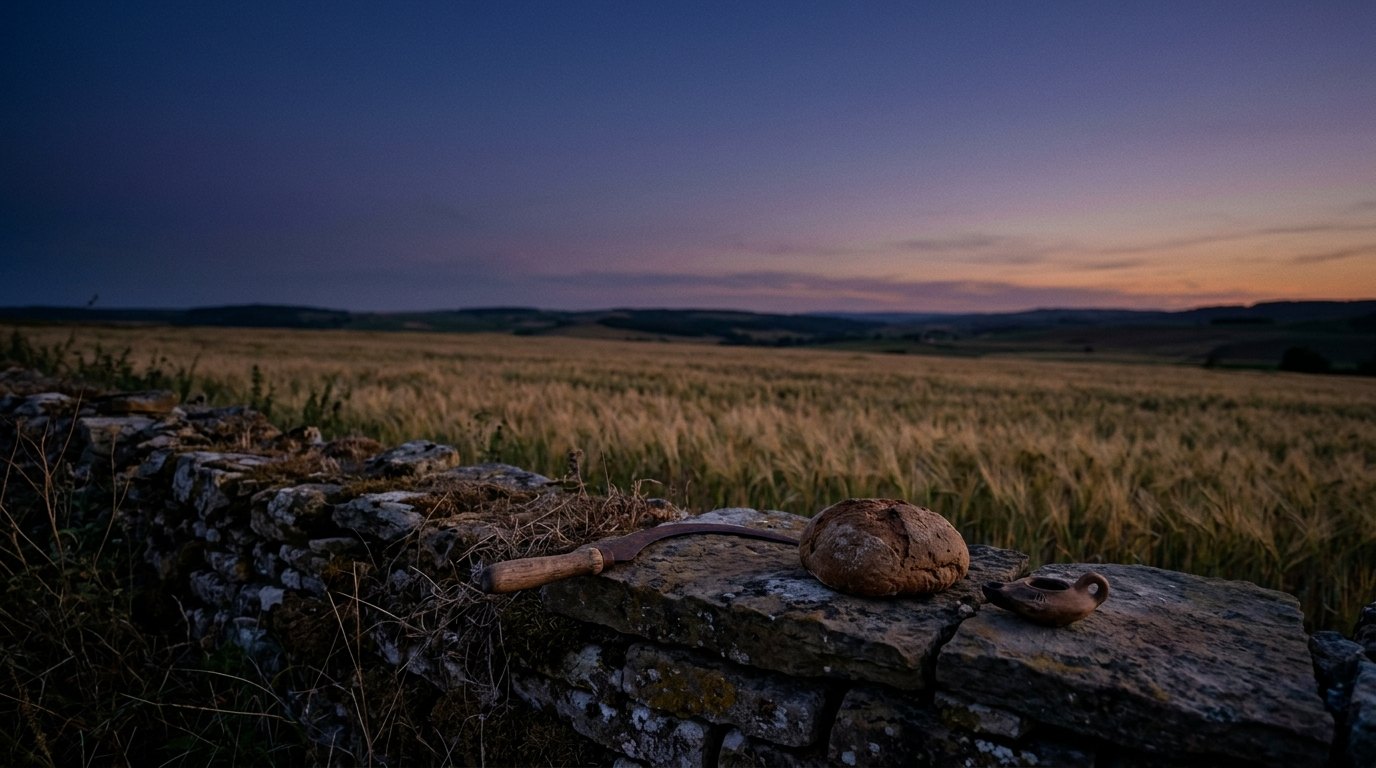
2 In vain you rise early and stay up late, toiling for food to eat— for he grants sleep to those he loves.
New International Version (NIV)
The answer
The Bible treats sleep as a gift from God to those He loves. The opening line of Psalms 127:2 says it plainly: "It is vain for you to rise up early, to stay up late, eating the bread of toil, for he gives sleep to his loved ones." Toil-driven anxiety does not actually give rest — only God's hand gives that.
Sleep as God's gift
- Rest comes from the Lord, not from effort. Psalms 127:2 shows that hammering away at work without God's blessing leaves a person anxious and weary; the sleep He gives belongs to those He loves.
- Peaceful sleep is a mark of His protection. David prays in Psalms 4:8, "I will both lay me down in peace, and sleep: for thou, LORD, only makest me dwell in safety."
- He sustains you through the night. Psalms 3:5: "I laid me down and slept; I awaked; for the LORD sustained me."
- Refreshment after sorrow. After the bleak word of the Lord, Jeremiah records in Jeremiah 31:26: "my sleep was sweet unto me."
Sleep and the human condition
- The laborer's sleep is sweet. Ecclesiastes 5:12 contrasts the worker — content whether he eats little or much — with the wealthy, "the abundance of the rich will not suffer him to sleep." Stuff multiplies worry; honest work paired with contentment lets a person rest.
- Security breeds rest. Job's friend speaks of a righteous man: Job 11:18: "thou shalt dig about thee, and thou shalt take thy rest in safety."
- Too much sleep is sloth. Proverbs 6:9-10 rebukes the sluggard: "How long wilt thou sleep, O sluggard?" Sleep here is no blessing but a moral failure.
Sleep in the life of Jesus
- He really slept — He was truly human. The gospels record Jesus sleeping in the storm-tossed boat (Matthew 8:24; Mark 4:38; Luke 8:23), the kind of tired trust only a real body can show.
Sleep as a picture of death and resurrection
- Scripture uses sleep as a gentle image for death, because the body rests awaiting awaking. Job 14:12, Matthew 9:24, Mark 5:39 and Luke 8:52 all use the word this way — Jesus says the dead girl "is not dead, but sleepeth." Sleep, in this sense, points forward to resurrection morning, not to extinction.
One verse to carry
Rest tonight on Psalms 127:2 — you do not earn your sleep by frantic effort; the Lord gives it to the ones He loves.
Answered from Scripture · reviewed November 7, 2026
Scripture honors sleep as God's kind provision for fragile creatures, a nightly reminder that the world rests in His hands rather than our own frantic toil. From quiet trust in the midst of danger to sober warnings against sloth, God's Word charts the boundaries between holy rest, anxious sleeplessness, and spiritual wakefulness. Across both Testaments, sleep ultimately serves as a comforting shadow of the believer's final rest in Christ and the promise of resurrection morning.
A Gracious Gift
God Gives Sweet Sleep to Those He Loves
In vain you rise early and stay up late, toiling for food to eat— for he grants sleep to those he loves.
Psalms 127:2 (NIV)
It contrasts the vanity of anxious, self-reliant toil with the effortless gift of sleep God grants His beloved.
In Psalm 127:2, God exposes the folly of self-reliant exertion: "It is in vain that you rise up early and go late to rest, eating the bread of anxious toil; for he gives to his beloved sleep." Sleep is not merely a biological necessity; it is a divine mercy and an act of faith. When we lie down, we confess our limits and acknowledge that the universe does not depend upon our sleepless vigilance.
David learned this quiet dependence under the most severe pressures. Fleeing from his son Absalom, he could still write in Psalm 3:5, "I lay down and slept; I woke again, for the Lord sustained me." Because the sovereign Lord keeps watch, David declared again in Psalm 4:8 that he would lie down and sleep in peace, knowing God alone caused him to dwell in safety. Wisdom confirms this covenantal peace: Proverbs 3:24 promises that when a believer walks in sound wisdom and discretion, "you will lie down, and your sleep will be sweet." Jeremiah tasted this renewal in Jeremiah 31:26 when he awoke from a prophetic revelation of Israel's redemption and found his sleep exceedingly sweet.
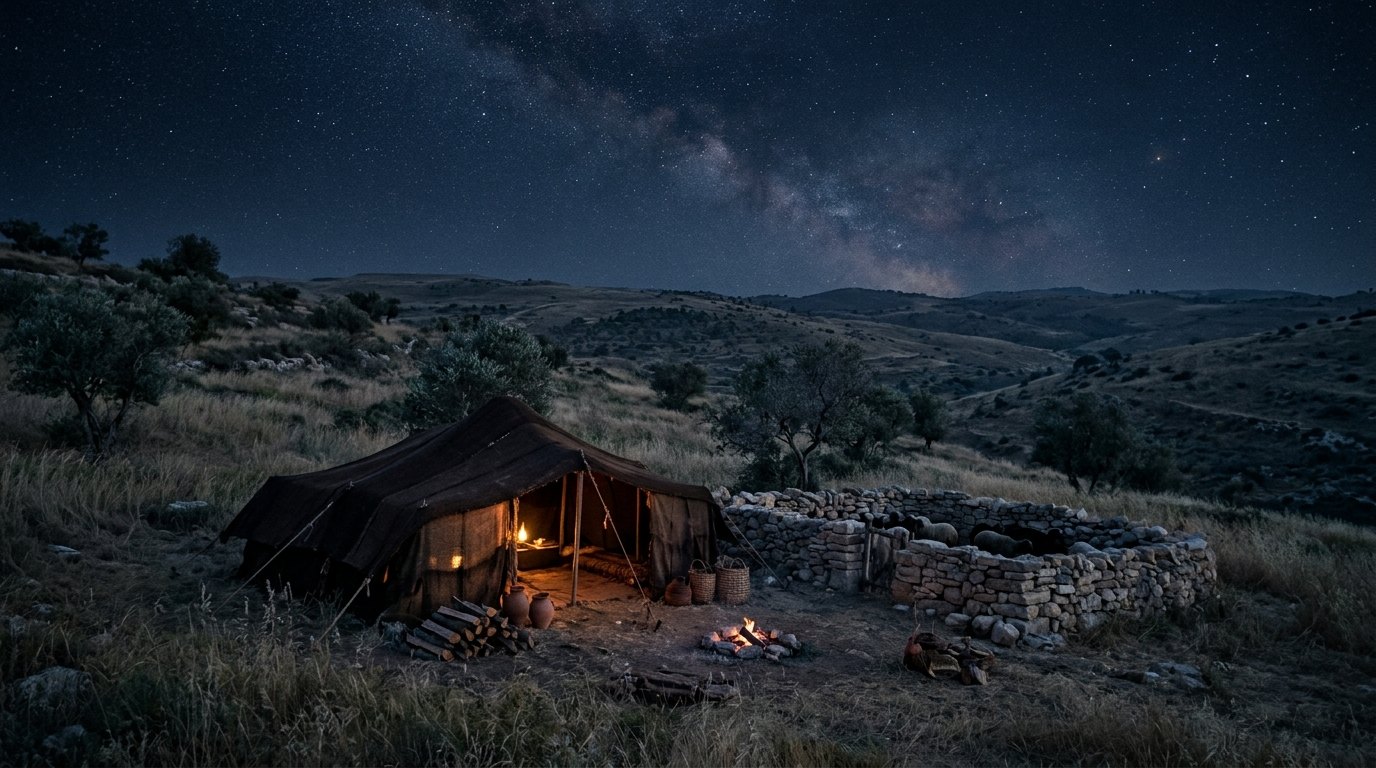
Scripture extends this gift even across harsh landscapes. In Job 11:18-19, Zophar observes that security yields undisturbed rest with none to make one afraid. God anchored this in His law, promising in Leviticus 26:6 to give peace in the land so that His people might lie down without terror. Looking to the covenant of grace, Ezekiel 34:25 envisions a shepherd-king under whose care God's flock dwells securely in the wilderness and sleeps safely even in the woods.
| Passage | What it says |
|---|---|
| Psalms 127:2 | Declares it vain to rise early and stay up late eating the bread of anxious toil, for God gives sleep to His beloved. |
| Psalms 3:5 | David testifies that he lay down and slept and awoke again because the Lord sustained him. |
| Psalms 4:8 | Affirms that one can lie down and sleep in peace because the Lord alone makes him dwell in safety. |
| Proverbs 3:24 | Promises that when wisdom and discretion are kept, you will lie down without fear and your sleep will be sweet. |
| Jeremiah 31:26 | The prophet awakes from a vision of Israel's divine restoration and finds that his sleep was sweet. |
| Job 11:18-19 | Describes the secure rest and undisturbed sleep granted when a person's life is anchored in God. |
| Leviticus 26:6 | God promises peace in the land so his obedient people may lie down without anyone making them afraid. |
| Ezekiel 34:25 | The Lord covenants peace for his flock so they may dwell securely in the wilderness and sleep safely in the woods. |
Contentment and Toil
Anxiety and Riches Rob the Night

The sleep of a laborer is sweet, whether they eat little or much, but as for the rich, their abundance permits them no sleep.
Ecclesiastes 5:12 (NIV)
It shows that honest, humble labor produces peaceful rest while greed and wealth breed sleepless anxiety.
The Preacher captures a universal human reality in Ecclesiastes 5:12, noting that "sweet is the sleep of a laborer, whether he eats little or much, but the full stomach of the rich will not let him sleep." Physical exertion coupled with simple contentment permits restful slumber, whereas wealth often multiplies anxiety, obsession, and restlessness. Ecclesiastes 2:22-23 mourns the tragic outcome of unbridled earthly toil, showing that even during the stillness of the night, an unquiet heart driven by worldly ambition cannot find rest.
Sleeplessness also serves the sovereign purposes of God. In Psalm 77:4, Asaph cries out in agony, "You hold my eyelids open; I am so troubled that I cannot speak." God at times withholds sleep to press the soul into desperate prayer, holy contemplation, and deeper surrender.
Furthermore, God directs historical redemptive events through sleepless rulers. In Esther 6:1, "on that night could not the king sleep," prompting Ahasuerus to call for the royal chronicles, which set into motion the deliverance of the Jewish people from destruction. Conversely, in Daniel 6:18, King Darius spent the night fasting and sleepless with genuine grief and anxiety after being trapped into casting Daniel into the den of lions. The night reveals where the human heart places its trust.
| Passage | What it says |
|---|---|
| Ecclesiastes 5:12 | Observes that the laborer's sleep is sweet, while the abundance of the rich will not allow him to sleep. |
| Ecclesiastes 2:22-23 | Laments that human striving under the sun brings sorrow and grief, so that even at night the heart finds no rest. |
| Psalms 77:4 | Asaph cries out that God holds his eyelids open, leaving him so troubled that he cannot speak. |
| Esther 6:1 | Providence keeps the king awake at night, leading him to read the chronicles that spare God's people. |
| Daniel 6:18 | Darius spends the night fasting and sleepless with grief after casting Daniel into the lions' den. |
Diligence and Warning
Sloth Turns Good Rest into Ruin
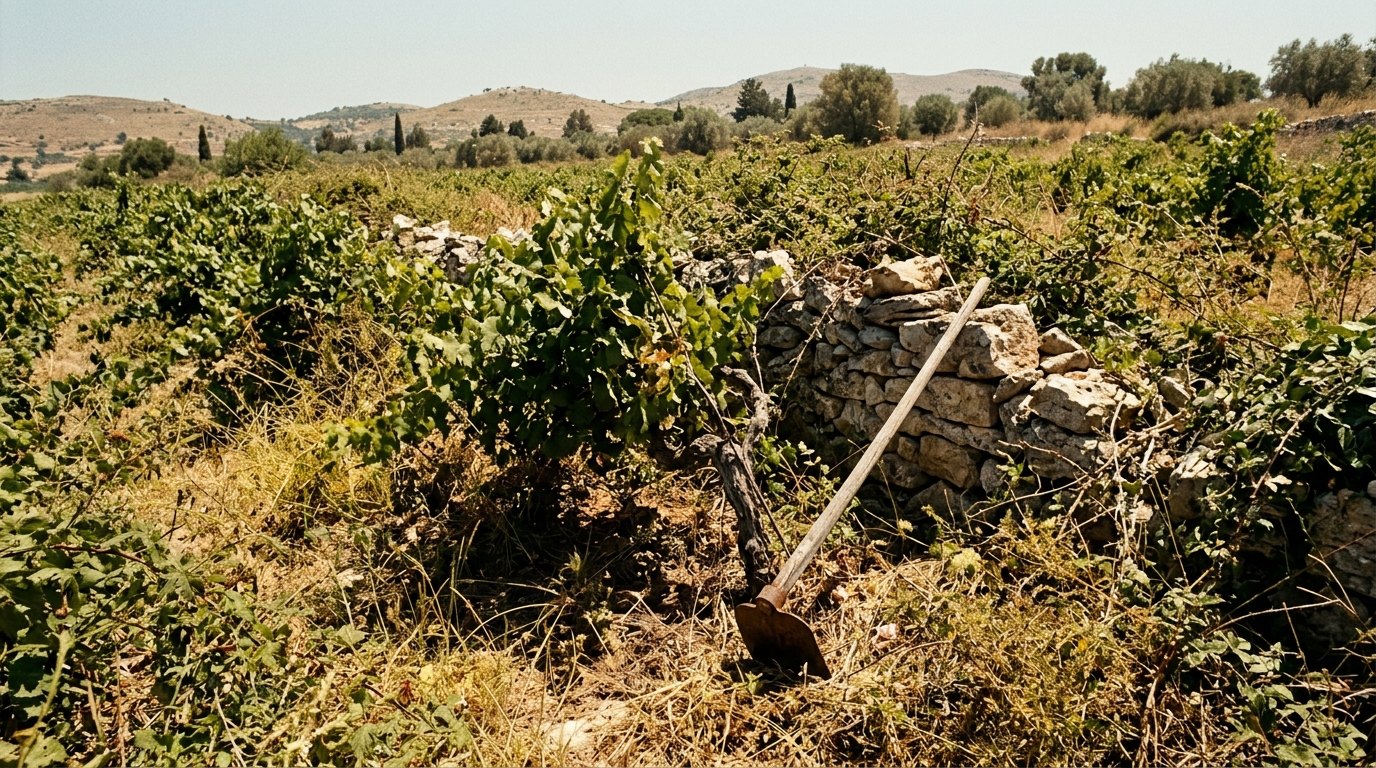
How long will you lie there, you sluggard? When will you get up from your sleep? A little sleep, a little slumber, a little folding of the hands to rest— and poverty will come on you like a thief and scarcity like an armed man.
Proverbs 6:9-11 (NIV)
It uses the imagery of craving a little more sleep to warn of how quickly poverty overtakes the sluggard.
While sleep is a gracious provision, Scripture warns sharply against indulgence. Proverbs 6:9-11 delivers a stinging rebuke: "How long will you lie there, O sluggard? When will you arise from your sleep? A little sleep, a little slumber, a little folding of the hands to rest, and poverty will come upon you like a robber." The problem is not physical rest, but the love of ease that refuses God's call to fruitful labor. Laziness distorts a good gift into spiritual and material devastation.
Proverbs returns relentlessly to this warning. Proverbs 19:15 declares that "slothfulness casts into a deep sleep, and an idle person will suffer hunger." In Proverbs 20:13, wisdom admonishes, "Love not sleep, lest you come to poverty; open your eyes, and you will have plenty of bread." Neglect produces rapid ruin; Proverbs 24:33-34 repeats word for word the solemn warning that a little sleep and folding of hands allows poverty to strike like an armed bandit against the overgrown field and broken stone wall.
The imagery becomes vivid in Proverbs 26:14: "As a door turns on its hinges, so does a sluggard on his bed," expending motion without any progress. To squander opportunity is disgraceful; Proverbs 10:5 contrasts the wise son who gathers in summer with the son who sleeps during harvest and causes shame. This tragic stupor appears historically in Jonah 1:5-6, where the fleeing prophet lay fast asleep in the inner hold of a ship while God's tempest raged against his rebellion, requiring a pagan captain to shake him awake.
| Passage | What it says |
|---|---|
| Proverbs 6:9-11 | Challenging the sluggard, warning that loving sleep and folding the hands brings poverty like an armed bandit. |
| Proverbs 19:15 | Warns that laziness casts a person into a deep sleep, and an idle soul will suffer hunger. |
| Proverbs 20:13 | Advises not to love sleep lest poverty follow, urging openness of eyes to be satisfied with bread. |
| Proverbs 24:33-34 | Repeats that a little sleep and slumber bring swift destitution upon the neglected field and household. |
| Proverbs 26:14 | Compares the sluggard turning upon his bed to a door turning on its hinges without going anywhere. |
| Proverbs 10:5 | He who gathers crops in summer is prudent, but he who sleeps during harvest brings shame. |
| Jonah 1:5-6 | Jonah falls fast asleep in the hold of the ship while a divine tempest rages against his disobedience. |
The Sleeping Savior
True Humanity and Perfect Trust at Sea

Jesus was in the stern, sleeping on a cushion. The disciples woke him and said to him, “Teacher, don’t you care if we drown?”
Mark 4:38 (NIV)
It portrays Jesus asleep on a cushion during a raging squall, demonstrating genuine human weariness and undisturbed peace in His Father.
In Mark 4:38, the disciples faced a lethal tempest on the Sea of Galilee while "he was in the stern, asleep on the cushion." Here the mystery of the incarnation shines with stunning clarity. The Lord of glory had taken on true human flesh, experiencing genuine bodily fatigue that invited sleep. At the same time, this rest reflected supreme filial confidence. While the seasoned fishermen were terrified, Jesus slept in the utter calm of perfect trust in His heavenly Father.
Both Matthew 8:24 and Luke 8:23 underscore this dramatic scene. As the squall descended and waves filled the vessel, Christ remained completely asleep until the panicked disciples awoke Him with their cry of perishability. When Jesus arose, He rebuked the wind and silenced the surging waters with a word, revealing that He who slept in weakness was Himself the Creator who commands the elements.
This tranquil sleep on the sea mirrors the eternal watchfulness of the Godhead. Psalm 121:3-4 comforts the believer by declaring, "He will not let your foot be moved; he who keeps you will not slumber. Behold, he who keeps Israel will neither slumber nor sleep." Because the Almighty God never tires, closes His eyes, or abandons His watch, His people may lie down in peace amidst any storm.
| Passage | What it says |
|---|---|
| Mark 4:38 | Records Jesus asleep in the stern on a cushion while the waves swamp the fishing vessel. |
| Matthew 8:24 | Notes that when a fierce storm struck the Sea of Galilee, Jesus was sleeping. |
| Luke 8:23 | States that as they sailed across the lake Jesus fell asleep before the windstorm descended. |
| Psalms 121:3-4 | Contrasts human frailty with the Guardian of Israel, who neither slumbers nor sleeps. |
Physical and Spiritual Vigilance
Wakefulness When Temptation and Judgment Loom
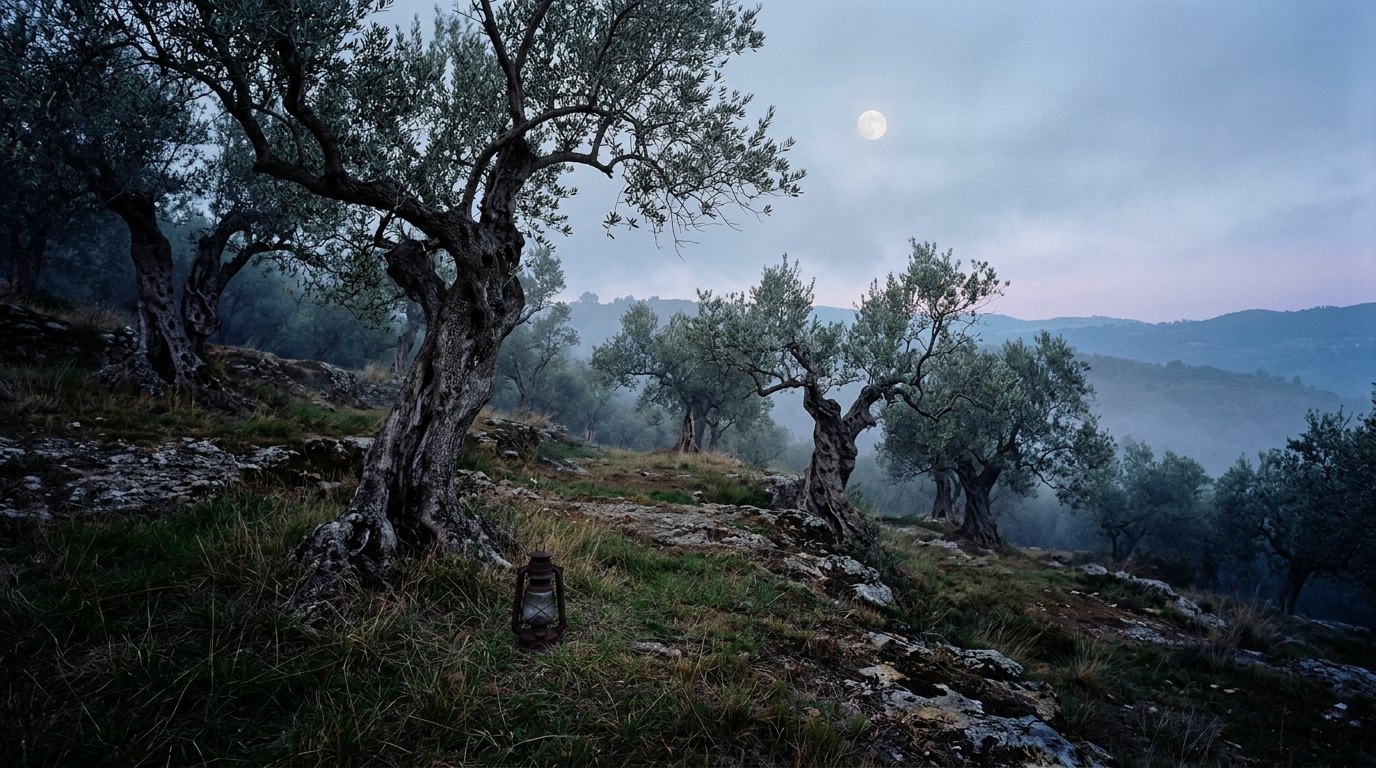
Then he returned to his disciples and found them sleeping. “Couldn’t you men keep watch with me for one hour?” he asked Peter. “Watch and pray so that you will not fall into temptation. The spirit is willing, but the flesh is weak.”
Matthew 26:40-41 (NIV)
It captures Christ's agonizing call in Gethsemane for disciples to watch and pray rather than yield to sleep.
In Gethsemane, physical drowsiness collides with cosmic warfare as our Lord issues His urgent warning: "Watch and pray that you may not enter into temptation. The spirit indeed is willing, but the flesh is weak" (Matthew 26:40-41). Jesus returned from wrestling in prayer only to find His closest companions overcome by slumber at the decisive hour of history. Mark sharpens this tragedy by recording Christ's tender yet piercing interrogation of Simon Peter, inquiring whether he could not maintain watch for a single hour (Mark 14:37-38). Luke observes that the disciples were "sleeping for sorrow," paralyzed by grief and the heavy atmosphere of impending catastrophe (Luke 22:45-46). Their physical lapse exposed the inherent frailty of human resolve apart from desperate prayer.
From this olive grove, the New Testament elevates wakefulness into an indispensable posture for every believer facing the dark night of this present evil age. Paul commands the church in Rome to recognize the hour, declaring that "it is high time to awake out of sleep; for now our salvation is nearer than when we first believed" (Romans 13:11-12). Spiritual drowsiness dulls the senses to creeping sin and dulls vigilance toward the imminent return of the Lord. The apostle reiterates this sobriety to the Thessalonian believers, insisting that children of the day must not sleep as do others, but put on the breastplate of faith and love (1 Thessalonians 5:6-8). Believers are summoned to hear the prophetic trumpet that cries out: "Awake, you who sleep, arise from the dead, and Christ will give you light" (Ephesians 5:14). Our Lord Himself warned in the Olivet Discourse that the master arrives without prior schedule—at evening, midnight, rooster-crowing, or morning—leaving no margin for spiritual lethargy (Mark 13:35-37).
| Passage | What it says |
|---|---|
| Matthew 26:40-41 | Jesus finds the disciples asleep in Gethsemane and urges them to watch and pray against temptation. |
| Mark 14:37-38 | Singles out Peter, asking if he could not watch one hour, noting the spirit is willing but the flesh is weak. |
| Luke 22:45-46 | Records that Jesus found the disciples sleeping for sorrow and commanded them to rise and pray. |
| Romans 13:11-12 | Exhorts believers to wake from spiritual slumber because salvation is nearer now than when they first believed. |
| 1 Thessalonians 5:6-8 | Commands the church not to sleep like the rest of the world, but to keep sober and alert. |
| Ephesians 5:14 | Scripture exhorts the spiritual sleeper to awake from the dead so that Christ will shine upon them. |
| Mark 13:35-37 | Jesus warns his disciples to stay awake lest the master of the house return suddenly and find them sleeping. |
Hope in Death
Death as Sleep Awaiting the Resurrection Morning
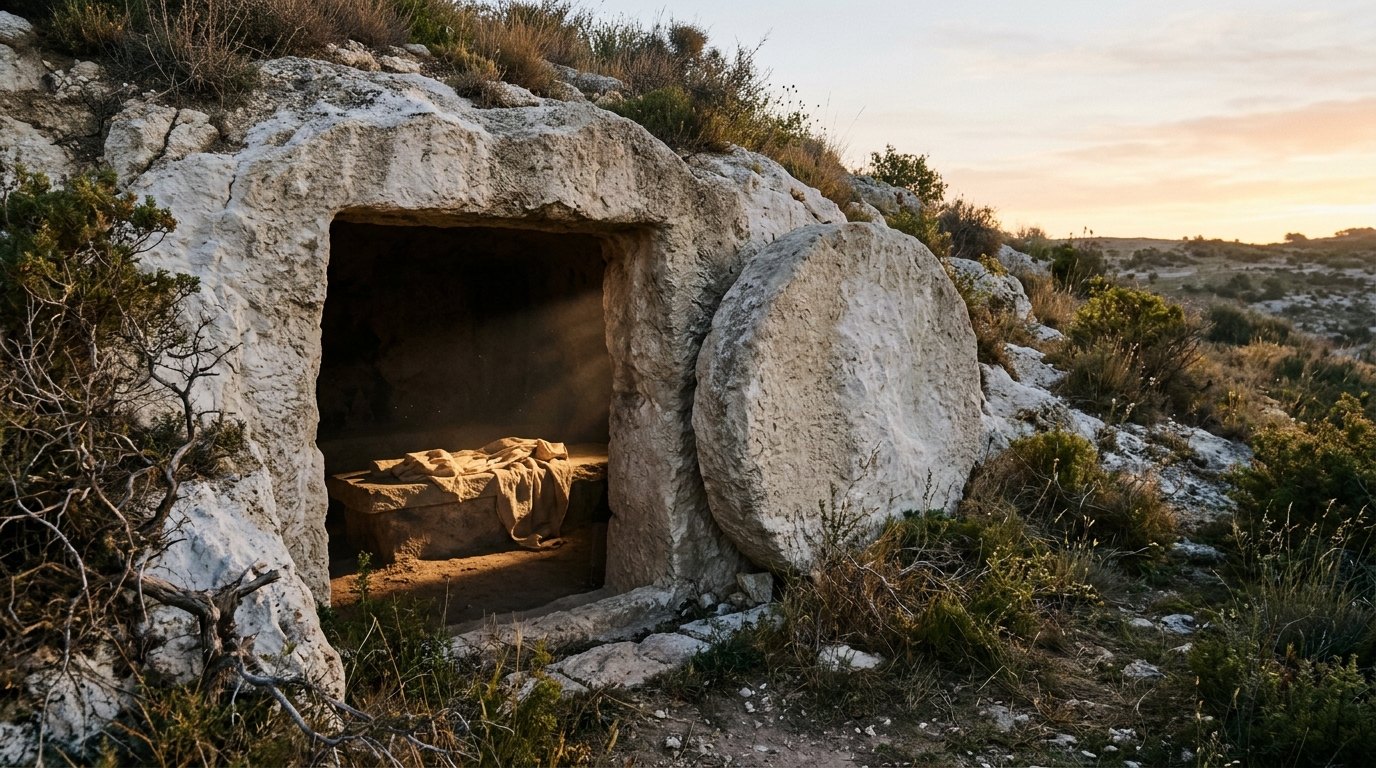
Brothers and sisters, we do not want you to be uninformed about those who sleep in death, so that you do not grieve like the rest of mankind, who have no hope. For we believe that Jesus died and rose again, and so we believe that God will bring with Jesus those who have fallen asleep in him.
1 Thessalonians 4:13-14 (NIV)
It comforts grieving believers by calling deceased Christians those who have fallen asleep in Jesus, destined to rise with Him.
Believers do not face the grave with inconsolable despair, for the Word of God tenderly renames physical death as sleep: "We do not want you to be uninformed, brethren, concerning those who have fallen asleep, lest you grieve as others who have no hope" (1 Thessalonians 4:13-14). Because Jesus died and rose again, the grave is transformed from an eternal abyss into a temporary bedchamber where the bodies of the redeemed await their waking. The Old Testament patriarchs anticipated this rest; David "slept with his fathers" and was buried in his city (1 Kings 2:10). While Job once lamented that a man lies down and rises not until the heavens crumble (Job 14:12), the New Testament reveals that this waking occurs when the voice of Christ summons all from their tombs (John 5:28-29; 1 Corinthians 15:52).
Daniel saw this consummation in prophecy, foretelling that "many of those who sleep in the dust of the earth shall awake" to everlasting life (Daniel 12:2; Matthew 25:46). Jesus consistently demonstrated His absolute sovereignty over this slumber throughout His earthly ministry. Entering the house of the synagogue ruler, He silenced the wailing crowd by announcing that the deceased girl was only sleeping, before taking her by the hand to restore her life (Matthew 9:24; Mark 5:39-42; Luke 8:52-55). When He spoke of Lazarus sleeping in the tomb, He traveled to Bethany and commanded the sleeper to walk forth in resurrection power (John 11:11-14, 43-44). Stephen breathed his dying prayer for his executioners and simply "fell asleep" in the peace of his Savior (Acts 7:60). Because Christ is risen as the triumphant firstfruits (1 Corinthians 15:20), we hold the joyous assurance that not all shall sleep, but all shall be changed in a moment at the last trumpet (1 Corinthians 15:51).
| Passage | What it says | Fulfilled |
|---|---|---|
| Job 14:12 | Observes that a man lies down in death and rises not until the heavens are no more. | John 5:28-29, 1 Corinthians 15:52 |
| Daniel 12:2 | Prophesies that many who sleep in the dust of the earth shall awake, some to everlasting life and some to shame. | John 5:28-29, Matthew 25:46 |
| Matthew 9:24 | Jesus tells the mourners the ruler's girl is not dead but sleeping, and raises her. | Mark 5:39-42, Luke 8:52-55 |
| John 11:11-14 | Jesus tells His disciples that Lazarus has fallen asleep and that He goes to awake him out of sleep. | John 11:43-44 |
| Acts 7:60 | Records that when Stephen was being stoned, he prayed for his persecutors and fell asleep. | 1 Thessalonians 4:14 |
| 1 Corinthians 15:20 | Proclaims Christ risen from the dead as the firstfruits of those who have fallen asleep. | 1 Corinthians 15:51-54 |
| 1 Thessalonians 4:13-14 | Instructs not to grieve like those without hope for believers who sleep in Jesus, whom God will bring with Him. | 1 Thessalonians 4:15-18 |
| 1 Kings 2:10 | David slept with his fathers and was buried in the city of David, exemplifying the Old Testament idiom for death. | |
| 1 Corinthians 15:51 | Paul reveals the mystery that believers will not all sleep in death, but all will be changed at the last trumpet. |
Divine Encounters in Rest
God Speaks and Works While Humanity Slumbers
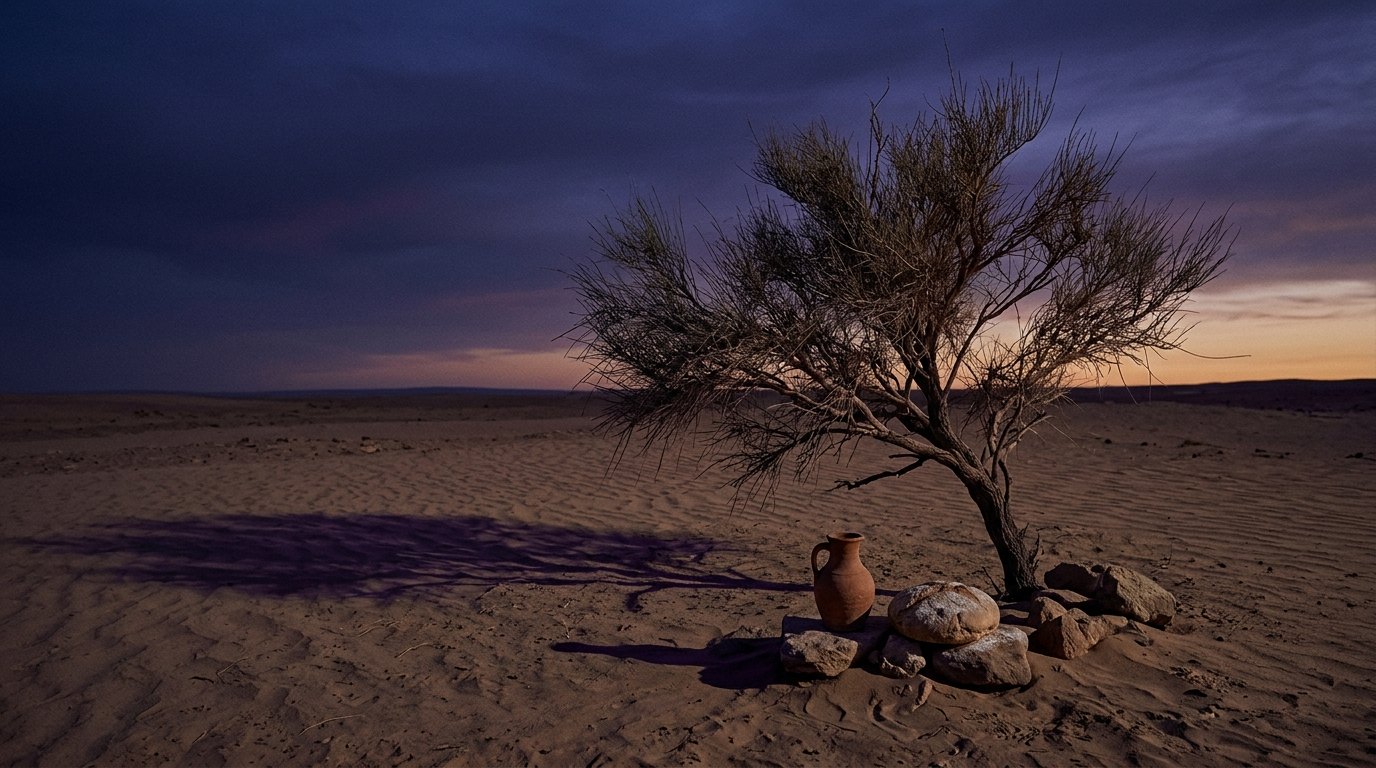
As the sun was setting, Abram fell into a deep sleep, and a thick and dreadful darkness came over him.
Genesis 15:12 (NIV)
God casts Abram into deep sleep to show that the covenant rests wholly upon divine grace and sovereign faithfulness.
When Abram surrendered his consciousness beneath the twilight sky, God unveiled His sovereign purpose: "Now when the sun was going down, a deep sleep fell upon Abram; and behold, horror and great darkness fell upon him" (Genesis 15:12). In that profound slumber, God walked alone through the severed sacrifices as a smoking firepot and flaming torch, swearing an unconditional covenant that depended entirely on divine faithfulness rather than mortal effort (Genesis 15:12-17). Sleep is the ultimate confession of human helplessness, making it the perfect canvas for God to accomplish His most wondrous works without our assistance or interference.
This pattern began at the dawn of creation, when the Lord God caused a deep sleep to fall on Adam before fashioning woman from his side to complete the holy design of marriage (Genesis 2:21-22). Centuries later, Jacob fled his brother's wrath and fell asleep with an unhewn stone for his pillow; in that defenseless state, God granted him a vision of a ladder reaching to heaven, proving that the Almighty watches over wanderers who do not know how near He is (Genesis 28:10-16). When the prophet Elijah collapsed under a solitary broom tree in the wilderness, exhausted and wishing for death, the Lord provided restorative sleep followed twice by angelic touch, warm bread, and cool water to sustain him for forty days (1 Kings 19:5-8). In the fullness of time, God spoke to righteous Joseph as he slumbered in deep moral distress, sending an angel to announce that Mary's child was conceived by the Holy Spirit (Matthew 1:20-24). In every case, while man sleeps, God works.
| Passage | What it says |
|---|---|
| Genesis 2:21-22 | The Lord God causes a deep sleep to fall upon Adam before fashioning Eve from his side. |
| Genesis 15:12-17 | A deep sleep and dread darkness fall upon Abram as God initiates and confirms his unilateral covenant. |
| Genesis 28:10-16 | Jacob sleeps with a stone for a pillow and receives a dream of angels ascending and descending before waking. |
| 1 Kings 19:5-8 | An exhausted Elijah sleeps under a broom tree and is twice awakened by an angel to eat and drink. |
| Matthew 1:20-24 | An angel of the Lord appears to Joseph in sleep to reveal the virgin conception of Jesus Christ. |
Where in the Bible
| Book | Passages |
|---|---|
| Genesis | 3 · Genesis 2:21-22, Genesis 15:12-17, Genesis 28:10-16 |
| Leviticus | 1 · Leviticus 26:6 |
| 1 Kings | 2 · 1 Kings 2:10, 1 Kings 19:5-8 |
| Esther | 1 · Esther 6:1 |
| Job | 2 · Job 11:18-19, Job 14:12 |
| Psalms | 5 · Psalms 127:2, Psalms 3:5, Psalms 4:8, Psalms 77:4, Psalms 121:3-4 |
| Proverbs | 7 · Proverbs 3:24, Proverbs 6:9-11, Proverbs 19:15, Proverbs 20:13, Proverbs 24:33-34, Proverbs 26:14, Proverbs 10:5 |
| Ecclesiastes | 2 · Ecclesiastes 5:12, Ecclesiastes 2:22-23 |
| Jeremiah | 1 · Jeremiah 31:26 |
| Ezekiel | 1 · Ezekiel 34:25 |
| Daniel | 2 · Daniel 6:18, Daniel 12:2 |
| Jonah | 1 · Jonah 1:5-6 |
| Matthew | 4 · Matthew 8:24, Matthew 26:40-41, Matthew 9:24, Matthew 1:20-24 |
| Mark | 3 · Mark 4:38, Mark 14:37-38, Mark 13:35-37 |
| Luke | 2 · Luke 8:23, Luke 22:45-46 |
| John | 1 · John 11:11-14 |
| Acts | 1 · Acts 7:60 |
| Romans | 1 · Romans 13:11-12 |
| 1 Corinthians | 2 · 1 Corinthians 15:20, 1 Corinthians 15:51 |
| Ephesians | 1 · Ephesians 5:14 |
| 1 Thessalonians | 2 · 1 Thessalonians 5:6-8, 1 Thessalonians 4:13-14 |
The story in order
- God creates Eve during Adam's deep sleep (c. 4000 BC) · Genesis 2:21-22 · God's creative work can happen during human rest.
- God makes a covenant with Abram in a deep sleep (c. 2000 BC) · Genesis 15:12-17 · Divine encounters and covenant confirmation occur during sleep.
- Jacob's dream of angels while sleeping (c. 1900 BC) · Genesis 28:10-16 · God reveals Himself and His promises in dreams during sleep.
- Elijah refreshed by an angel during sleep (c. 870 BC) · 1 Kings 19:5-8 · God provides sustenance and strength even to the weary through sleep.
- David dies and sleeps with his fathers (c. 970 BC) · 1 Kings 2:10 · Death is described as sleeping with ancestors.
- Asaph's sleeplessness due to trouble (c. 950 BC) · Psalms 77:4 · Trouble and anxiety can rob one of sleep.
- God gives sleep to His beloved (c. 950 BC) · Psalms 127:2 · Sleep is a gift from God, not earned by anxious toil.
- Wisdom brings peaceful sleep (c. 900 BC) · Proverbs 3:24 · Living wisely leads to fear-free and sweet sleep.
- Warning against loving sleep (c. 900 BC) · Proverbs 6:9-11 · Slothful love of sleep leads to poverty.
- Jesus sleeps during a storm (AD 28) · Mark 4:38 · Jesus' humanity is shown in His ability to sleep even in danger.
- Jesus urges disciples to watch and pray (AD 30) · Matthew 26:40-41 · Spiritual vigilance is needed against temptation, even when weary.
- Stephen falls asleep in death (c. AD 35) · Acts 7:60 · Death is described as sleep, awaiting resurrection.
- Christ is the firstfruits of those who sleep (c. AD 55) · 1 Corinthians 15:20 · Christ's resurrection is the guarantee of future resurrection for believers.
- Believers will be changed, not all sleep in death (c. AD 55) · 1 Corinthians 15:51 · A future transformation awaits believers at Christ's return.
The Consequences of Sleep
| Diligence and Wakefulness | Sloth and Sleeplessness | Passage |
|---|---|---|
| God gives sleep to His beloved. | Vain to rise early, eating bread of anxious toil. | Psalms 127:2 |
| Laborer's sleep is sweet. | Rich man's abundance does not let him sleep. | Ecclesiastes 5:12 |
| Diligence brings satisfaction. | Laziness casts into deep sleep, leading to hunger. | |
| Prudent gathering in summer. | Sleeping during harvest brings shame. | Proverbs 10:5 |
| Awake and pray against temptation. | Disciples sleeping for sorrow. | |
| Keep sober and alert. | Do not sleep like the rest of the world. | 1 Thessalonians 5:6-8 |
Sleep and Divine Action
| Human Sleep | Divine Action | Passage |
|---|---|---|
| Deep sleep falls on Adam. | Eve is fashioned. | Genesis 2:21-22 |
| Deep sleep and dread darkness on Abram. | God confirms His covenant. | Genesis 15:12-17 |
| Jacob sleeps with stone for pillow. | Jacob dreams of angels and God's promise. | Genesis 28:10-16 |
| Elijah sleeps under broom tree. | Angel awakens him to eat and drink. | 1 Kings 19:5-8 |
| Joseph sleeps. | Angel appears in a dream revealing Jesus' conception. | Matthew 1:20-24 |
| Jesus sleeps in the boat. | He calms the storm. | Mark 4:38 |
Key words
- Sleep (Hebrew: shanah (שָׁנָה), Greek: hypnos (ὕπνος))
- A natural state of rest for the body and mind, often used metaphorically for death or spiritual unawareness.
- Sweet sleep (Hebrew: tslav (צְלָו))
- Rest that is peaceful, refreshing, and undisturbed, a blessing from God. · Proverbs 3:24
- Deep sleep (Hebrew: tardemah (תַּרְדֵּמָה))
- A profound slumber, often induced by God for His purposes. · Genesis 2:21
- Sluggard (Hebrew: atsel (עָצֵל))
- A lazy or idle person who neglects their responsibilities. · Proverbs 6:9
- Watch (Greek: grēgoreō (γρηγορέω))
- To be alert, vigilant, and awake, especially in a spiritual sense. · Matthew 26:41
- Fallen asleep (Greek: koimaō (κοιμάω))
- A euphemism for death, particularly for believers. · 1 Corinthians 15:20
Sleep is neither an inconvenient weakness to conquer nor an escape to indulge, but an act of worshipful surrender to the One who never slumbers. When you lie down tonight, let go of the day's anxieties and rest in the finished care of your Creator, confident that He preserves both body and soul until the final day breaks.
45 passages, each cited once.
Scripture cited
- Psalms 127:2
- Ecclesiastes 5:12
- Psalms 4:8
- Job 11:18
- Psalms 3:5
- Jeremiah 31:26
- Ecclesiastes 2:20-23