What does the Bible say about the silence of God?
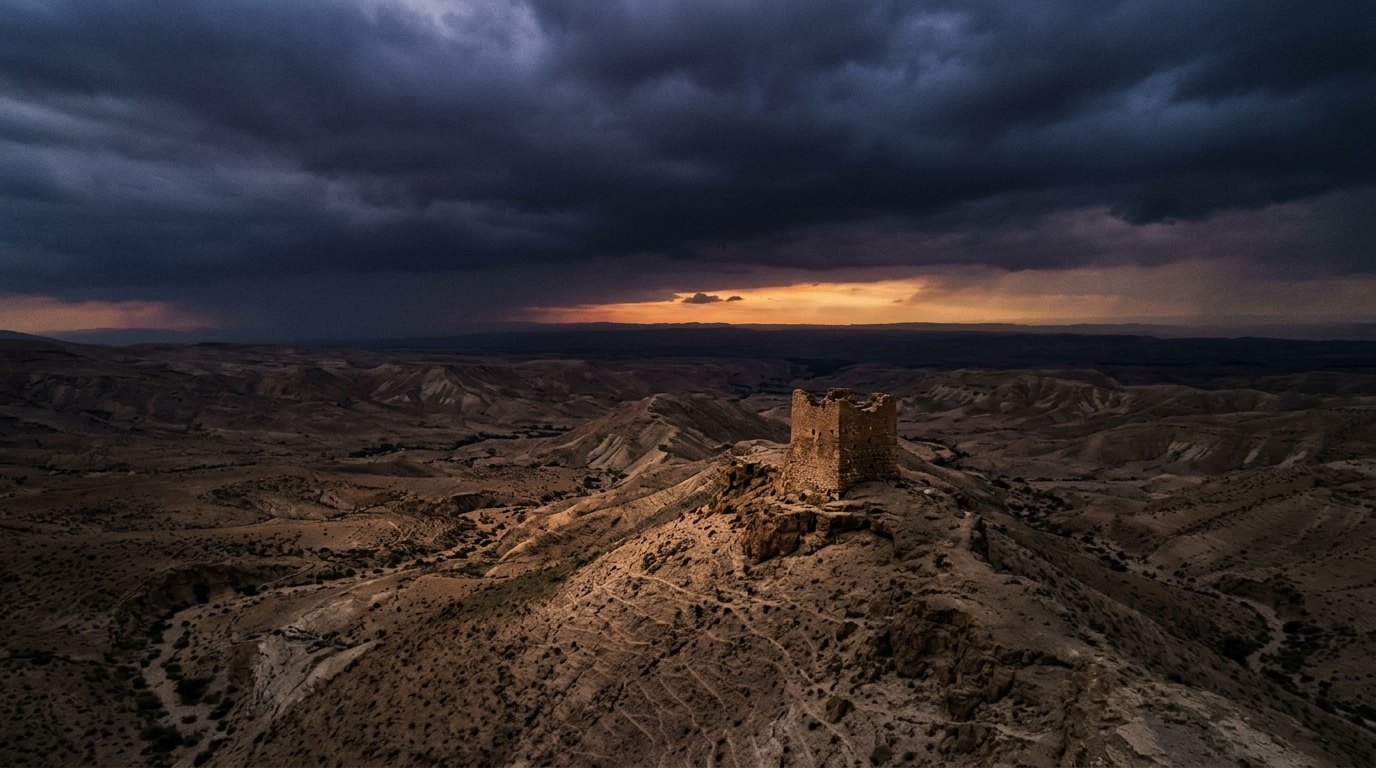
Habakkuk 1:1-4
1 The prophecy that Habakkuk the prophet received.
2 How long, LORD, must I call for help, but you do not listen? Or cry out to you, “Violence!” but you do not save?
3 Why do you make me look at injustice? Why do you tolerate wrongdoing? Destruction and violence are before me; there is strife, and conflict abounds.
4 Therefore the law is paralyzed, and justice never prevails. The wicked hem in the righteous, so that justice is perverted.
New International Version (NIV)
The answer
Scripture does not deny God's silence — it gives it a voice. The same Bible that records the cry, "Yahweh, how long will I cry, and you will not hear?" (Habakkuk 1:2), answers it: "For the vision is yet for the appointed time...though it takes time, wait for it, because it will surely come. It won't delay" (Habakkuk 2:3). The way through the silence is honest lament, patient waiting, and a faith that lives on the word rather than the feeling.
The honest cry
The faithful in Scripture do not hide their pain at God's quiet.
- Habakkuk opens with the searing question, "Yahweh, how long will I cry, and you will not hear? I cry out to you 'Violence!' and will you not save?" (Habakkuk 1:2). The prophet takes the pain to God and will not let go.
- David asks the same question four times in a row, "How long, Yahweh? Will you forget me forever? How long will you hide your face from me?" (Psalm 13:1-2), and finishes the psalm with, "I trust in your loving kindness. My heart rejoices in your salvation. I will sing to Yahweh, because he has been good to me" (Psalm 13:5-6).
- The Psalms carry this cry through the whole canon. "My God, my God, why have you forsaken me?...My God, I cry in the daytime, but you don't answer; in the night season, and am not silent" (Psalm 22:1-2). "Yahweh, why do you reject my soul? Why do you hide your face from me?" (Psalm 88:14). Even the martyrs under the altar echo it: "How long, O Lord, holy and true, dost thou not judge and avenge our blood?" (Revelation 6:10).
Scripture does not forbid the question. It puts the question in the mouths of the faithful.
Reasons the silence is real
The Bible gives reasons for God seeming to withhold His voice, and every one of them has an answer.
- Sin has hidden His face. Isaiah 64:7 — "You have hidden your face from us, and have consumed us by means of our iniquities." Hiddenness can be the moral consequence of unjudged sin.
- The time has not yet come. Habakkuk 2:3 — "For the vision is yet for the appointed time, and it hurries toward the end, and won't prove false. Though it takes time, wait for it, because it will surely come." God's "silence" can be the timing of a God whose purposes ripen on His schedule, not ours.
- The watching itself is the test. Habakkuk 2:1 — "I will stand at my watch, and set myself on the ramparts, and will look out to see what he will say to me." The instruction is not stop waiting, but keep watching — the time of silence becomes a time of formation.
What Scripture answers back
The same passages that name the silence answer it.
- God is not absent; He is at work. Psalm 22:3 — "But you are holy, you who inhabit the praises of Israel." The silence of the heavens is not the emptiness of the throne.
- Faith, not feelings, is the life of the man in the wait. Habakkuk 2:4 — "The righteous will live by his faith." The way through the quiet is to trust His word over the impression of the moment.
- Joy is a choice the silence cannot veto. Even when the fig tree does not flourish, the fields yield no food, the flocks are cut off from the fold, "yet I will rejoice in Yahweh. I will be joyful in the God of my salvation. Yahweh, the Lord, is my strength" (Habakkuk 3:17-19).
- Pray without ceasing. Even the darkest psalm in the Psalter — Psalm 88, the only one that never turns to praise — still cries, "But to you, Yahweh, I have cried. In the morning, my prayer comes before you" (Psalm 88:13). Talking to God about His silence is not a step away from faith; it is the substance of it.
The Son has already entered the silence
This is the deepest thing Scripture says. Jesus Christ on the cross prayed the very words of the sufferer in Psalm 22:1: "My God, my God, why have you forsaken me?" (Mark 15:34). The One who had always heard His Father answered the silence from inside it. He does not promise we will never feel forsaken; He promises He has already borne it for us, and that the Father who seemed absent is at work saving (Psalm 22:3-5: "Our fathers trusted in you. They trusted, and you delivered them").
How to carry it
- Speak the complaint openly to God the way the psalms do, instead of swallowing it or apologizing for it.
- Wait for the appointed time the way Habakkuk does, without inventing a deadline of your own.
- Trust His word over your feelings the way Habakkuk does — "the righteous will live by his faith" (Habakkuk 2:4).
- Remember the One on the cross knows exactly what the silence feels like, and He has been raised from the dead on the other side of it (Mark 16:6).
The path the heart travels in Psalm 13 is the path the Bible lays out: from "How long?" to "I trust in your loving kindness...I will sing to Yahweh." The silence ends in song — but the silence is real on the way.
Answered from Scripture · reviewed November 7, 2026
Scripture never ignores the ache of God's silence; instead, it puts words to the silence and models how the faithful endure it. Across laments, historical trials, and prophetic waiting, the Bible reveals that divine quietness is neither divine absence nor divine indifference. By following the biblical witness from bewildered cries to steadfast trust, believers learn that God often accomplishes His deepest work when heaven seems quietest.
The Honest Cry
Scripture gives voice to bewildered faith in the silence

How long, LORD, must I call for help, but you do not listen? Or cry out to you, “Violence!” but you do not save?
Habakkuk 1:2 (NIV)
Habakkuk demonstrates that bringing raw grief over divine quietness directly to God is an act of authentic faith.
In Habakkuk 1:2, the prophet lays bare the raw ache of unanswered petition: bringing grief over divine silence directly to God is an act of authentic faith. Habakkuk begins not with aloof theological theory, but with a crushing burden in Habakkuk 1:1, witnessing violent oppression that seems entirely unchecked. He looks upon systemic destruction in Habakkuk 1:3 and laments that the law is paralyzed while wicked men swallow the righteous in Habakkuk 1:4. Instead of abandoning God, the prophet directs his bewilderment straight toward heaven.
Scripture repeatedly validates this honest anguish across the canon. David gives voice to deep desolation in Psalm 13:1-2, asking four times how long the Lord will hide His face and leave him wrestling with sorrow. In Psalm 22:1-2, the sufferer cries by day and by night without receiving an immediate reply, a cry echoed from the cross. Heman the Ezrahite pours out dark bewilderment in Psalm 88:13-14, pleading at dawn to know why God casts his soul away. Job experiences this acute desolation in Job 30:20-21, standing before God only to be met with relentless hardness. Even in heaven, the souls of martyrs in Revelation 6:10 cry out, wondering how long holy justice must wait.
Pleading for God to end His quietness is the common reflex of biblical saints. David begs in Psalm 28:1 not to receive divine silence, knowing that without God's word he sinks into the pit. He reiterates this plea in Psalm 35:22 and Psalm 109:1-2, imploring the God of his praise to speak while deceitful mouths slander him. Asaph similarly appeals in Psalm 83:1, urging the Lord not to remain still while enemies conspire against His covenant people. God welcomes these petitions because transparent lament is not unbelief, but faith refusing to let go.
| Passage | What it says |
|---|---|
| Habakkuk 1:1 | Habakkuk receives an oracle concerning the distressing injustice and destruction that seem to go unchecked. |
| Habakkuk 1:2 | The prophet cries out asking how long he must call for rescue before the Lord intervenes. |
| Habakkuk 1:3 | Habakkuk laments being forced to look upon strife and wrongdoing while heaven permits violence to continue. |
| Habakkuk 1:4 | Justice is perverted and the law is paralyzed while the wicked hem in the righteous without immediate restraint. |
| Psalms 13:1-2 | David repeatedly inquires how long the Lord will seem to forget him and hide His face. |
| Psalms 22:1-2 | The psalmist laments crying day and night without receiving a perceivable divine answer. |
| Psalms 88:13-14 | The sufferer cries out in the morning, asking why God casts off his soul and hides His presence. |
| Job 30:20-21 | Job stands before God seeking help, yet feels ignored and met with relentless hardship. |
| Revelation 6:10 | Martyred souls beneath the altar ask how long the Sovereign Lord will refrain from judging their blood. |
| Psalms 28:1 | David begs God not to be silent toward him, lest he become like those who go down to the pit. |
| Psalms 35:22 | The psalmist urges the Lord who has seen his oppression not to keep silence or stay far away. |
| Psalms 83:1 | Asaph cries out entreating God not to hold His peace, be still, or remain silent against His foes. |
| Psalms 109:1-2 | David prays to the God of his praise not to be silent while deceitful mouths open against him. |
Reasons for Silence
God withholds His voice according to purpose, not neglect
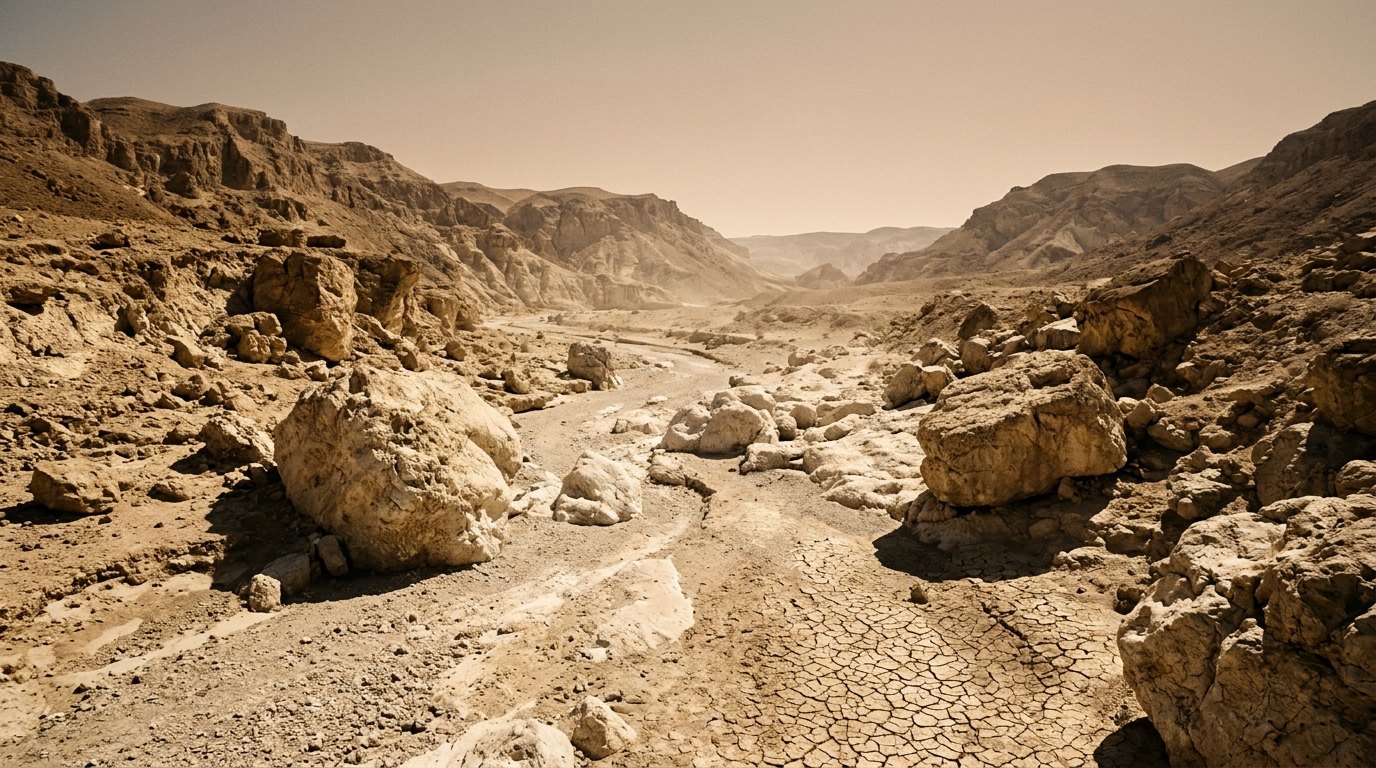
No one calls on your name or strives to lay hold of you; for you have hidden your face from us and have given us over to our sins.
Isaiah 64:7 (NIV)
Unchecked rebellion creates a moral barrier that causes the Lord to veil His face from unrepentant hearts.
In Isaiah 64:7, the prophet confesses a sober reality: unchecked rebellion creates a barrier that causes the Lord to veil His face from unrepentant hearts. Isaiah 59:1-2 makes clear that the Lord's hand is never shortened to save, nor His ear dull to hear; rather, cherished iniquities carve a chasm between the people and their Maker. When human hearts persistently spurn divine wisdom, Proverbs 1:28 warns that they will eventually call out in distress, but God will refuse to answer. God's silence functions here not as arbitrary neglect, but as righteous judicial discipline upon willful autonomy.
Scripture documents this divine withholding across Israel's history. When King Saul sought divine guidance in 1 Samuel 28:6 after a lifetime of stubborn defiance, the Lord answered him not by dreams, Urim, or prophets. Micah 3:4 records that corrupt leaders who tore the flesh of the vulnerable would find heaven utterly mute in their day of calamity. Amos 8:11-12 reveals that divine silence can culminate in a spiritual famine, where people stagger across the earth seeking the word of the Lord and cannot find it. Ezekiel experienced this disciplinary quiet in Ezekiel 3:26, when God rendered him mute to signal that Israel was beyond verbal correction.
Yet divine silence can also flow from profound love rather than wrath. In 1 Samuel 3:1, the word of the Lord was rare during Eli's priesthood before God raised up Samuel to inaugurate a season of renewal. Most strikingly, John 11:5-6 records that because Jesus loved Martha, Mary, and Lazarus, He deliberately remained two more days where He was rather than rushing to heal. That painful quiet was designed to unveil a far greater resurrection glory.
| Passage | What it says |
|---|---|
| Isaiah 59:1-2 | Iniquities separate the people from God, hiding His face so that He will not hear. |
| Isaiah 64:7 | No one calls on the Lord's name because He has hidden His face due to their transgressions. |
| Micah 3:4 | Evil rulers cry to Yahweh, but He will not answer them because of their wickedness. |
| 1 Samuel 28:6 | Saul inquires of the Lord, yet receives no answer by dreams, Urim, or prophets. |
| John 11:5-6 | Jesus loves Lazarus and his sisters, yet intentionally remains two more days before departing. |
| 1 Samuel 3:1 | The word of the Lord was rare and visions infrequent during Eli's priesthood before Samuel's call. |
| Proverbs 1:28 | Wisdom warns that those who despised instruction will call out, but God will not answer them. |
| Amos 8:11-12 | God promises a famine not of bread or water, but of hearing the words of the Lord. |
| Ezekiel 3:26 | God makes Ezekiel mute so he cannot rebuke a rebellious house until God opens his mouth. |
The Appointed Wait
Divine timing ripens while the righteous stand watch

For the revelation awaits an appointed time; it speaks of the end and will not prove false. Though it linger, wait for it; it will certainly come and will not delay.
Habakkuk 2:3 (NIV)
The prophet learns that divine revelation has an ordained time and will not arrive a moment late.
In Habakkuk 2:3, the Lord answers the prophet's vigil with an enduring principle: the revelation awaits an appointed horizon, and though it lingers, it will not arrive a moment late. After pouring out his complaint, Habakkuk took his post in Habakkuk 2:1, stationing himself upon the watchtower to see what God would say. The Lord instructed him in Habakkuk 2:2 to inscribe the vision plainly on clay tablets, so that anyone reading it could run with confidence. God's silence is not inactivity; it is the holy incubation of His sovereign decree, ripening until the exact hour ordained for its arrival.
Waiting upon God is therefore an active spiritual discipline throughout the Psalms and the Prophets. David commands his own heart in Psalm 27:14 to wait courageously for the Lord, finding strength in quiet expectation rather than hasty panic. In Psalm 130:5-6, the penitent soul waits for the Lord and His word with more eagerness than weary watchmen scanning the horizon for morning. Jeremiah records in Lamentations 3:25-26 that the Lord is good to those who seek Him and wait quietly for His salvation, adding in Lamentations 3:28 that it is profitable to sit alone in silence under God's hand.
David repeats this quiet surrender in Psalm 62:1 and Psalm 62:5, commanding his soul to wait in silence for God alone because his salvation and hope spring from Him. James 5:7-8 brings this posture into the New Testament church, comparing the believer's wait to a farmer who watches patiently through early and late rains for the precious harvest. The silence of God trains human hearts to abandon self-reliance and anchor their confidence wholly upon His unfailing timing.
| Passage | What it says |
|---|---|
| Habakkuk 2:1 | The prophet stations himself upon the ramparts to watch attentively for God's response to his complaint. |
| Habakkuk 2:2 | The Lord commands the vision to be inscribed plainly on tablets so the reader may run. |
| Habakkuk 2:3 | The revelation awaits an appointed horizon; though it lingers, it will surely arrive without delay. |
| Psalms 27:14 | The believer is exhorted to wait courageously for the Lord with an emboldened heart. |
| Psalms 130:5-6 | The soul waits on the Lord and His word more expectantly than watchmen look for morning. |
| Lamentations 3:25-26 | The Lord is declared good to the soul seeking Him and waiting quietly for His salvation. |
| Psalms 62:1 | David declares his soul waits in silence for God alone, from whom comes his salvation. |
| Psalms 62:5 | The psalmist commands his soul to wait in silence for God alone, the source of his hope. |
| Lamentations 3:28 | Jeremiah notes it is good for a person to sit alone in silence when God has laid it upon him. |
| James 5:7-8 | Believers are urged to be patient like a farmer waiting for the precious fruit of the earth. |
The Trial of Faith
Living by steadfast trust beyond feelings and sight

“See, the enemy is puffed up; his desires are not upright— but the righteous person will live by his faithfulness—
Habakkuk 2:4 (NIV)
The core biblical response to silent seasons is genuine reliance upon God's enduring faithfulness.
In Habakkuk 2:4, God draws a timeless dividing line: the proud soul is puffed up and crooked, but the righteous person shall live by his steadfast faith. When heaven seems silent and circumstances suggest that evil has triumphed, true faith does not look to immediate visible tokens. It rests upon the immutable character of God. The prophet models this triumph in Habakkuk 3:17-19, confessing that even if the fig tree does not blossom, the vines yield no fruit, and the sheep are cut off from the fold, he will nonetheless exult in the Lord and rejoice in the God of his salvation.
This resolute trust emerges repeatedly when saints journey through dark valleys. In Psalm 13:5-6, David transitions from questioning God's absence to singing of His lovingkindness, deliberately recalling how bountifully the Lord dealt with him in the past. The sufferer in Psalm 22:3-5 anchors his soul in God's eternal holiness, remembering that generations of ancestors trusted in the Lord and were never put to shame. Isaiah 50:10 summons anyone walking in utter darkness without a ray of light to rely upon the name of the Lord and lean wholly upon his God.
New Testament writers take up this exact posture as the definition of Christian discipleship. Hebrews 11:1-2 defines faith as the assurance of things hoped for, the conviction of realities not seen by human eyes. Paul reminds the church in 2 Corinthians 5:7 that believers walk by faith and not by sight during their earthly pilgrimage. As 1 Peter 1:6-7 explains, the silence and trials that test our faith refine it like pure gold, preparing believers for praise and honor when Christ is revealed.
| Passage | What it says |
|---|---|
| Habakkuk 2:4 | While the proud soul is unrighteous, the justified individual endures by steadfast faithfulness. |
| Psalms 13:5-6 | David resolves to trust God's covenant mercy and sing of His past bountiful dealings. |
| Psalms 22:3-5 | The suffering psalmist remembers God's holiness and His historical deliverance of ancestral fathers who trusted Him. |
| Habakkuk 3:17-19 | Though agricultural resources completely fail, the prophet chooses to rejoice in the God of his salvation. |
| Hebrews 11:1-2 | Faith is described as the assurance of things hoped for and the evidence of unseen realities. |
| Isaiah 50:10 | The servant walking in darkness with no light is called to trust in the name of the Lord. |
| 2 Corinthians 5:7 | Paul reminds believers that they walk by faith and not by sight in this present earthly life. |
| 1 Peter 1:6-7 | Grievous trials refine faith like gold so that it results in praise and glory at Christ's revelation. |
The Silent Lamb
Christ endures silence to become God's definitive word

In the past God spoke to our ancestors through the prophets at many times and in various ways, but in these last days he has spoken to us by his Son, whom he appointed heir of all things, and through whom also he made the universe.
Hebrews 1:1-2 (NIV)
It shows that God's ultimate answer to all historical silence and longing is the incarnation of His Son.
The deepest answer to divine silence is found in the person of Jesus Christ, who entered into human suffering and quietness to become God's definitive communication. As Hebrews 1:1-2 declares, although God spoke long ago in many portions and ways through the prophets, He has in these last days spoken to us by His Son. Christ is the eternal Word made flesh, breaking centuries of waiting not merely with spoken commands, but through His incarnate presence and redemption.
Yet this supreme Word accomplished salvation through an astonishing, voluntary silence. Foretold centuries earlier, Isaiah 53:7 announced that the Servant would be afflicted yet refuse to open His mouth, led like a sheep before its shearers. This prophecy met exact historical fulfillment during Christ's passion. When dragged before false witnesses, Jesus remained silent before Caiaphas (Matthew 26:62-63), declining to vindicate Himself before an unjust tribunal. Standing soon after before the Roman power in Matthew 27:12-14, He gave no answer to Pilate, causing the governor to marvel at His quiet majesty. Christ's stillness was not helplessness; it was active, obedient submission to the Father's saving purpose.
On the cross, Christ bore the terrible weight of divine judgment against sin and tasted the horror of God's silence on our behalf. Crying out in Matthew 27:46, He gave voice to the anguish of the forsaken. Because the Son endured the crushing darkness and silence of divine judgment, believers are promised that God will never truly leave them or forsake them.
| Passage | What it says |
|---|---|
| Matthew 26:62-63 | Jesus keeps silent before Caiaphas and the council, refusing to answer their false accusations. |
| Matthew 27:12-14 | Jesus gives no answer to Pilate or the chief priests, causing the governor to marvel greatly. |
| Isaiah 53:7 | The Suffering Servant is oppressed and afflicted yet opens not his mouth, like a lamb led to slaughter. |
| Matthew 27:46 | On the cross Jesus cries aloud asking why God has forsaken Him in bearing the sins of the world. |
| Hebrews 1:1-2 | After speaking long ago through prophets, God broke all final silence by speaking to us through His Son. |
Awe Before Him
Creation falls silent before the majesty of God

The LORD is in his holy temple; let all the earth be silent before him.
Habakkuk 2:20 (NIV)
It contrasts the vain chatter of earthly idols with the reverent silence demanded by the living Lord.
While humanity often frets over divine quietness, Scripture presents another dimension of silence: the hushed reverence of creation in the presence of its Maker. Habakkuk 2:20 anchors this awe, declaring that the Lord is in His holy temple, and commanding all the earth to keep silence before Him. Unlike lifeless, manufactured idols that can never speak or save, the living God commands the absolute, breathless attention of the universe He governs.
This reverent stillness is a recognition of God's sovereign holiness and imminent judgment. In Zechariah 2:13, all flesh is summoned to be silent before the Lord because He has roused Himself from His holy dwelling to act on behalf of righteousness. Earthly boasting and anxious striving cease when the King steps forth. Similarly, the unfolding of God's final purposes prompts awe across the cosmos. When the Lamb breaks the seventh seal in Revelation 8:1, an extraordinary silence falls across the courts of heaven for about half an hour, holding the angelic hosts in breathtaking anticipation of the prayers of the saints and the consummation of divine justice.
Yet this majestic hush is not only terrible; it is also profoundly tender. In Zephaniah 3:17, the prophet promises that the Lord will quiet His people with His love, resting over them in protective, tranquil affection. Creation falls silent before His sovereign power, but God's redeemed people find in that very silence an enduring refuge of peace.
| Passage | What it says |
|---|---|
| Zephaniah 3:17 | The Lord rejoices over His people with gladness and quiets them in His steadfast love. |
| Zechariah 2:13 | All flesh is commanded to be silent before the Lord because He has roused Himself from His holy dwelling. |
| Habakkuk 2:20 | The Lord is in His holy temple, and all the earth is summoned to keep silence before Him. |
| Revelation 8:1 | When the Lamb opens the seventh seal, there is solemn silence in heaven for about half an hour. |
Where in the Bible
| Book | Passages |
|---|---|
| 1 Samuel | 2 · 1 Samuel 28:6, 1 Samuel 3:1 |
| Job | 1 · Job 30:20-21 |
| Psalms | 13 · Psalms 13:1-2, Psalms 22:1-2, Psalms 88:13-14, Psalms 28:1, Psalms 35:22, Psalms 83:1, Psalms 109:1-2, Psalms 27:14, Psalms 130:5-6, Psalms 62:1, Psalms 62:5, Psalms 13:5-6, Psalms 22:3-5 |
| Proverbs | 1 · Proverbs 1:28 |
| Isaiah | 4 · Isaiah 59:1-2, Isaiah 64:7, Isaiah 50:10, Isaiah 53:7 |
| Lamentations | 2 · Lamentations 3:25-26, Lamentations 3:28 |
| Ezekiel | 1 · Ezekiel 3:26 |
| Amos | 1 · Amos 8:11-12 |
| Micah | 1 · Micah 3:4 |
| Habakkuk | 10 · Habakkuk 1:1, Habakkuk 1:2, Habakkuk 1:3, Habakkuk 1:4, Habakkuk 2:1, Habakkuk 2:2, Habakkuk 2:3, Habakkuk 2:4, Habakkuk 3:17-19, Habakkuk 2:20 |
| Zephaniah | 1 · Zephaniah 3:17 |
| Zechariah | 1 · Zechariah 2:13 |
| Matthew | 3 · Matthew 26:62-63, Matthew 27:12-14, Matthew 27:46 |
| John | 1 · John 11:5-6 |
| 2 Corinthians | 1 · 2 Corinthians 5:7 |
| Hebrews | 2 · Hebrews 11:1-2, Hebrews 1:1-2 |
| James | 1 · James 5:7-8 |
| 1 Peter | 1 · 1 Peter 1:6-7 |
| Revelation | 2 · Revelation 6:10, Revelation 8:1 |
The story in order
- Job laments God's silence (c. 1000 BC) · Job 30:20-21 · The patriarch feels ignored and relentlessly afflicted despite seeking help.
- David cries out in distress (c. 1000 BC) · Psalms 13:1-2 · The psalmist questions how long God will seem to forget him.
- Saul receives no divine answer (c. 1050 BC) · 1 Samuel 28:6 · The king seeks the Lord but gets no response.
- Prophet questions injustice (c. 610 BC) · Habakkuk 1:1-4 · Habakkuk laments unchecked injustice and perverted law.
- Isaiah speaks of separation (c. 700 BC) · Isaiah 59:1-2 · Iniquities hide God's face, preventing Him from hearing.
- Prophet waits for God's word (c. 610 BC) · Habakkuk 2:1 · Habakkuk stations himself to watch for God's response.
- Soul waits in silence (c. 1000 BC) · Psalms 62:1 · The soul finds salvation and hope in waiting silently for God.
- Faith endures by faithfulness (c. 610 BC) · Habakkuk 2:4 · The righteous live by steadfast faithfulness, not pride.
- Jesus is silent before accusers (AD 30) · Matthew 26:62-63 · Jesus refuses to answer false accusations before the council.
- Jesus is silent before Pilate (AD 30) · Matthew 27:12-14 · Jesus gives no answer to Pilate, causing him to marvel.
- Suffering Servant is silent (c. 700 BC) · Isaiah 53:7 · The Servant is oppressed but opens not his mouth.
- God speaks through His Son (c. AD 60) · Hebrews 1:1-2 · God's final word to humanity comes through Jesus.
- Heaven is silent (c. AD 95) · Revelation 8:1 · Solemn silence in heaven as the seventh seal is opened.
Key words
- Silence
- The absence of divine communication or perceived presence. · Psalms 13:1
- Lament (Hebrew: shachach (שַׁחַח))
- An expression of grief, pain, or bewilderment toward God. · Psalms 22:1
- Wait (Hebrew: qavah (קָוָה))
- To remain in expectation and hope for God's intervention or word. · Psalms 130:5
- Faithfulness (Hebrew: 'emunah (אֱמוּנָה))
- Steadfast trust and loyalty to God, especially in difficult times. · Habakkuk 2:4
- Silence (Christ)
- Jesus' refusal to answer accusations, demonstrating trust in the Father's plan. · Matthew 27:14
- Word of God (Greek: logos (λόγος))
- God's definitive communication, culminating in His Son, Jesus Christ. · Hebrews 1:1-2
God's silence is an invitation to anchor our souls in His unfailing character rather than in fleeting impressions. Even when heaven offers no immediate reply, His ancient promises remain sure and His presence endures with His people. We wait not in despair, but in confident hope, knowing that the God who appears silent today will ultimately make every promise plain.
49 passages, each cited once.
Scripture cited
- Habakkuk 1:1-4
- Psalms 22:1-2
- Psalms 13:1-2
- Revelation 6:10
- Habakkuk 2:1-5
- Habakkuk 3:17-19
- Psalms 13
- Psalms 22:1-11
- Psalms 88
- Isaiah 64:1-9