What does the Bible say about women?

Proverbs 31:25-30
25 She is clothed with strength and dignity; she can laugh at the days to come.
26 She speaks with wisdom, and faithful instruction is on her tongue.
27 She watches over the affairs of her household and does not eat the bread of idleness.
28 Her children arise and call her blessed; her husband also, and he praises her:
29 “Many women do noble things, but you surpass them all.”
30 Charm is deceptive, and beauty is fleeting; but a woman who fears the LORD is to be praised.
New International Version (NIV)
The answer
The Bible teaches that women are created in God’s image, possess genuine dignity and worth, and are called to know, fear, and obey Him. Womanhood is God’s good design, and a woman’s worth is not measured by physical beauty, marital status, motherhood, or achievement (Genesis 1:27; Proverbs 31:30).
Created by God
God made humanity male and female in His image. He also made the woman from Adam, establishing both her shared humanity with man and the real distinction between male and female (Genesis 1:27; Genesis 2:21-23). Women are therefore neither lesser humans nor objects for men’s use. Their bodies, sex, and womanhood belong to God’s created purpose rather than to human invention.
Sin and the promise of redemption
Scripture is truthful about women’s sin as well as their dignity. Eve’s disobedience belongs to the real history of the fall, and God’s curse brought pain and disorder into human life (Genesis 3:1-16). Yet God gave hope alongside judgment: Genesis 3:15 promises a victorious offspring, a promise fulfilled in Jesus Christ.
Christ died for sinners, and women and men alike are called to repent and trust Him. God forgives and cleanses those who confess their sins (Romans 5:8; 1 John 1:9). A woman’s standing before God therefore rests on His grace, not on her appearance, family circumstances, or performance.
The character God commends
Proverbs 31:25-30 describes godly womanhood through character rather than glamour:
- Strength and dignity: She can face the future without being consumed by fear (Proverbs 31:25).
- Wisdom and kindness: Her speech instructs others without harshness (Proverbs 31:26).
- Diligent care: She attends responsibly to her household and rejects idleness (Proverbs 31:27).
- The fear of the Lord: Charm can mislead and beauty cannot provide lasting worth, but the woman who fears the Lord is truly praiseworthy (Proverbs 31:30).
Her family’s praise in Proverbs 31:28-29 honors this faithfulness; it does not make marriage or motherhood the measure of every woman’s value. Likewise, good works are the fitting adornment of women who profess godliness (1 Timothy 2:10). Such works do not earn salvation—they express a life reverently devoted to God.
The calling placed before women is therefore not to build an identity on cultural expectations or outward appearance, but to trust Christ, fear the Lord, and practice wisdom, kindness, diligence, and holiness. Everyone who belongs to Christ is called to put on the new life created in righteousness and true holiness (Ephesians 4:24).
Answered from Scripture · reviewed November 11, 2026
Scripture establishes the profound dignity, spiritual equality, and essential calling of women from the opening pages of Genesis to the closing chapters of the New Testament. Created directly in God's image, woman is revealed not as an afterthought, but as an indispensable partner in creation, redemption, and the life of the covenant community.
Creation and dignity
Woman is created in the image of God

So God created mankind in his own image, in the image of God he created them; male and female he created them.
Genesis 1:27 (NIV)
It affirms that woman bears the divine image equally with man from the very beginning.
Genesis 1:27 anchors the foundational truth of human identity: God created man in His own image, in the image of God He created him; male and female He created them. Woman is never an afterthought in creation, nor a lesser reflection of the Creator, but stands alongside man as a full bearer of the divine likeness from the opening act of history. In Genesis 1:26, the Triune God deliberately resolves to fashion humanity as male and female to rule over the earth together. Far from diminishing her standing, Genesis 2:18 reveals that it was not good for man to dwell alone, calling for an ezer kenegdo—a helper corresponding to him, carrying a word Scripture elsewhere uses to describe God Himself as Israel's rescue.
When the Lord God forms the woman from the side of the sleeping man in Genesis 2:21-22, He builds her with deliberate care and personally presents her to Adam. The man's spontaneous burst of poetry in Genesis 2:23 celebrates her as bone of my bones and flesh of my flesh, recognizing mutual essence, shared nature, and equal spiritual dignity. God seals this sacred partnership in Genesis 2:24, declaring that a man leaves father and mother to hold fast to his wife, becoming one flesh. From Eden itself, Scripture portrays woman as noble, essential, and indispensable to God's cosmic purpose.
| Passage | What it says |
|---|---|
| Genesis 1:26 | God plans the creation of mankind, both male and female, in His own image and likeness. |
| Genesis 1:27 | God creates humanity in His image, distinctly creating them male and female. |
| Genesis 2:18 | God declares it not good for man to be alone and designs a comparable helper. |
| Genesis 2:21-22 | God fashions the woman from Adam's rib and personally brings her to him. |
| Genesis 2:23 | Adam rejoices over woman as bone of his bones and flesh of his flesh. |
| Genesis 2:24 | God establishes the sacred one-flesh union between husband and wife. |
Fall and redemption
The seed of the woman will crush evil

And I will put enmity between you and the woman, and between your offspring and hers; he will crush your head, and you will strike his heel.”
Genesis 3:15 (NIV)
It is the protoevangelium, the first promise of the Gospel through the offspring of the woman.
Genesis 3:15 stands as the protoevangelium, the very first preaching of the Gospel: the seed of the woman will bruise the head of the serpent. Amid the catastrophic darkness of human rebellion, God directs His earliest promise of salvation directly through the lineage of the woman, ordaining that through her offspring the ancient dragon will be crushed. This divine declaration finds its decisive fulfilment when God sends forth His Son, born of woman, born under the law (Galatians 4:4), securing eternal redemption for a fallen world and guaranteeing that the God of peace will soon crush Satan under His people's feet (Romans 16:20).
Although the entrance of sin introduced profound grief into childbearing and conflict into the marital relationship according to Genesis 3:16, God's redeeming mercy shines brightly over the woman's calling. In Genesis 3:20, Adam responds to the promise of the coming Seed by naming his wife Eve, meaning mother of all living, confessing faith in God's covenant pledge that life would triumph over death through her descendants. The woman therefore stands at the very heart of the unfolding redemptive drama, bearing the covenant line that culminates in the birth of the Messiah.
| Passage | What it says | Fulfilled |
|---|---|---|
| Genesis 3:15 | God promises that the offspring of the woman will bruise the head of the serpent. | Galatians 4:4, Romans 16:20 |
| Genesis 3:16 | God describes the consequences of sin in childbearing and marital tension. | |
| Genesis 3:20 | Adam names his wife Eve because she would be the mother of all living. |
Wisdom and strength
A woman who fears the Lord receives praise

Charm is deceptive, and beauty is fleeting; but a woman who fears the LORD is to be praised.
Proverbs 31:30 (NIV)
It defines true lasting worth in the fear of the Lord rather than fleeting physical charm.
Proverbs 31:30 overturns the shallow standards of the world with a timeless verdict: charm is deceitful, and beauty is vain, but a woman who fears the Lord is to be praised. Rather than measuring feminine excellence by fleeting physical appearance, God's wisdom anchors lasting nobility in a reverent, humble submission to the Lord. This heart of devotion produces the heroic competence unveiled in Proverbs 31:10, where the woman of valor (eshet chayil) is cherished as possessing a worth far beyond rubies, governing her household with wisdom, resourcefulness, and spiritual authority.
Her internal fortitude is matched by practical industry. In Proverbs 31:25, strength and dignity are her clothing, enabling her to look toward the future without anxiety. When she speaks, Proverbs 31:26 notes that wisdom guides her mouth and faithful kindness governs her speech. She oversees her household with relentless diligence (Proverbs 31:27), yielding a rich harvest of familial devotion as her children rise up and call her blessed and her husband sings her praise (Proverbs 31:28-29). Scripture concludes her portrait in Proverbs 31:31 by demanding that her tangible works be honoured publicly in the city gates, holding her up as an enduring beacon of godliness.
| Passage | What it says |
|---|---|
| Proverbs 31:10 | A woman of noble character is valued far beyond the price of precious jewels. |
| Proverbs 31:25 | Strength and dignity clothe her, and she looks to the future with joy. |
| Proverbs 31:26 | She speaks with wisdom and the teaching of kindness is on her tongue. |
| Proverbs 31:27 | She diligently watches over the affairs of her home without idleness. |
| Proverbs 31:28 | Her children and husband rise to honour and bless her for her dedication. |
| Proverbs 31:29 | Her husband praises her as surpassing all others in noble character. |
| Proverbs 31:30 | Physical charm fades, but a woman who fears the Lord is truly praised. |
| Proverbs 31:31 | She receives the reward of her hands and public honour for her works. |
Equality in salvation
Believers are united as one in Christ

There is neither Jew nor Gentile, neither slave nor free, nor is there male and female, for you are all one in Christ Jesus.
Galatians 3:28 (NIV)
It proclaims that men and women share an equal status, value, and inheritance in Christ.
Galatians 3:28 proclaims the radical unity and spiritual equality established by the New Covenant: there is neither Jew nor Greek, there is neither slave nor free, there is no male and female, for you are all one in Christ Jesus. By faith, women are constituted full heirs of the Abrahamic promise, standing in the same justified righteousness, receiving the same indwelling Spirit, and possessing the same eternal inheritance as men. Christ obliterates the ancient world's condescension toward women, welcoming them into full fellowship as daughters of God.
This mutual honour is reinforced in 1 Corinthians 11:11-12, where the Apostle Paul insists that woman is not independent of man, nor is man independent of woman, reminding believers that just as the first woman came from man, so every man is born of woman, and all things originate from God. Peter drives this truth into the home in 1 Peter 3:7, commanding husbands to treat their wives with understanding and chivalrous honour as fellow heirs of the grace of life, warning that failure to honor womanhood will hinder their own prayers. The apostolic witness leaves no room for arrogance: in Christ, woman is cherished, valued, and glorified as an eternal partner in the kingdom of God.
| Passage | What it says |
|---|---|
| Galatians 3:28 | All distinctives are unified in Christ, leaving neither male nor female as unequal. |
| 1 Corinthians 11:11-12 | Woman is not independent of man nor man of woman; all come from God. |
| 1 Peter 3:7 | Husbands must honour their wives as joint heirs of the grace of life. |
Godliness and ministry
Faithful service and holy conduct glorify God

Your beauty should not come from outward adornment, such as elaborate hairstyles and the wearing of gold jewelry or fine clothes. Rather, it should be that of your inner self, the unfading beauty of a gentle and quiet spirit, which is of great worth in God’s sight.
1 Peter 3:3-4 (NIV)
It reveals that genuine beauty resides in the imperishable adornment of a gentle, quiet spirit.
In 1 Peter 3:3-4, Peter directs Christian women toward an adornment that outlasts every passing earthly fashion: the imperishable beauty of a gentle and quiet spirit, which in God's sight is very precious. Rather than finding worth in elaborate outward display, the apostolic text anchors female dignity in the hidden character of the heart shaped by holy trust in God.
This call to an inward, Christ-centered beauty echoes across the pastoral letters. In 1 Timothy 2:9-10, Paul urges women to present themselves with modesty, self-control, and the proper adornment of good works suitable for those who profess godliness. Titus 2:3-5 builds upon this foundation by establishing a vital intergenerational ministry within the local assembly, where mature women mentor younger believers in love, purity, kindness, and devotion to their families.
Far from confining women to passivity, Scripture showcases their vigorous partnership in ministry. In Romans 16:1-2, Paul explicitly commends Phoebe, a deaconess and patroness of the church at Cenchreae who provided crucial assistance to the apostle and many others. During the earthly ministry of Jesus, Luke 8:1-3 records that women such as Mary Magdalene, Joanna, and Susanna followed the Lord and sustained His mission out of their private resources. Finally, in Matthew 28:8-10, God bestows upon faithful women the extraordinary honor of being the very first heralds commissioned by the risen Christ to announce His victory over death to the apostles.
| Passage | What it says |
|---|---|
| 1 Peter 3:3-4 | True beauty is the incorruptible character of the hidden person of the heart. |
| 1 Timothy 2:9-10 | Women professing godliness are to adorn themselves with modesty and good deeds. |
| Titus 2:3-5 | Older women are instructed to mentor younger women in love, purity, and home life. |
| Romans 16:1-2 | Paul commends Phoebe, a faithful servant of the church who assisted many believers. |
| Luke 8:1-3 | Women accompany Jesus during His public ministry and support Him from their resources. |
| Matthew 28:8-10 | Devout women are entrusted with the first news of Christ's resurrection to the disciples. |
Faithful Leaders and Deliverers
God accomplishes deliverance through faithful women
For if you remain silent at this time, relief and deliverance for the Jews will arise from another place, but you and your father’s family will perish. And who knows but that you have come to your royal position for such a time as this?”
Esther 4:14 (NIV)
Esther is raised up for such a time as this to preserve God's covenant people from destruction.
The book of Esther captures the sovereign orchestration of God in raising up a vulnerable exile to preserve His covenant nation: "And who knows whether you have not come to the kingdom for such a time as this?" (Esther 4:14). When destruction threatened the seed of Abraham, Esther willingly risked her life under royal law, demonstrating resolute faith and strategic bravery that turned imminent slaughter into decisive deliverance for God's people (Esther 4:14-16).
Throughout the Old Testament, the Lord repeatedly entrusted the preservation and leadership of Israel to courageous women. In Exodus 1:15-21, the Hebrew midwives Shiphrah and Puah feared God above the murderous edicts of Pharaoh, defying royal authority to preserve the infant boys alive. Following the sea deliverance, Miriam the prophetess took up a tambourine to lead the women of Israel in triumphant praise of Yahweh's majesty (Exodus 15:20-21). In the turbulent era of the judges, Deborah arose as a mother in Israel, judging the nation with wisdom and leading Barak into victorious battle against Sisera (Judges 4:4-9), while Jael decisively brought down the enemy commander (Judges 5:24-27).
Scripture likewise highlights individual women whose spiritual clarity preserved the covenant line. Ruth 1:16-17 records Ruth's unwavering covenant loyalty to Naomi and to Yahweh, bringing her into the genealogy of the Messiah. Hannah's persistent, tearful prayer in 1 Samuel 1:10-15 resulted in the birth of the prophet Samuel, whom she dedicated fully to God. Abigail acted with discernment and swift counsel to restrain David from the sin of bloodguilt (1 Samuel 25:32-33). Decades later, when the Book of the Law was rediscovered in the temple, King Josiah sent his highest officials to Huldah the prophetess to hear the authentic word of God's judgment and grace (2 Kings 22:14-20).
| Passage | What it says |
|---|---|
| Exodus 1:15-21 | Shiphrah and Puah fear God and defy Pharaoh's decree to preserve Israelite infants alive. |
| Exodus 15:20-21 | Miriam the prophetess leads the women of Israel in praise after the Red Sea deliverance. |
| Judges 4:4-9 | Deborah judges Israel and leads Barak to victory over Sisera's army. |
| Judges 5:24-27 | Jael is proclaimed most blessed among women for striking down Sisera. |
| Ruth 1:16-17 | Ruth pledges steadfast covenant loyalty to Naomi and the God of Israel. |
| 1 Samuel 1:10-15 | Hannah pours out her soul in prayer to God, promising Samuel to His service. |
| 1 Samuel 25:32-33 | Abigail acts with wisdom and prevents David from shedding innocent blood. |
| 2 Kings 22:14-20 | Huldah the prophetess delivers God's judgment and mercy to King Josiah. |
| Esther 4:14-16 | Esther risks her life to intercede before the king for the rescue of her people. |
Encounters with Jesus
Christ honors and entrusts women with His message
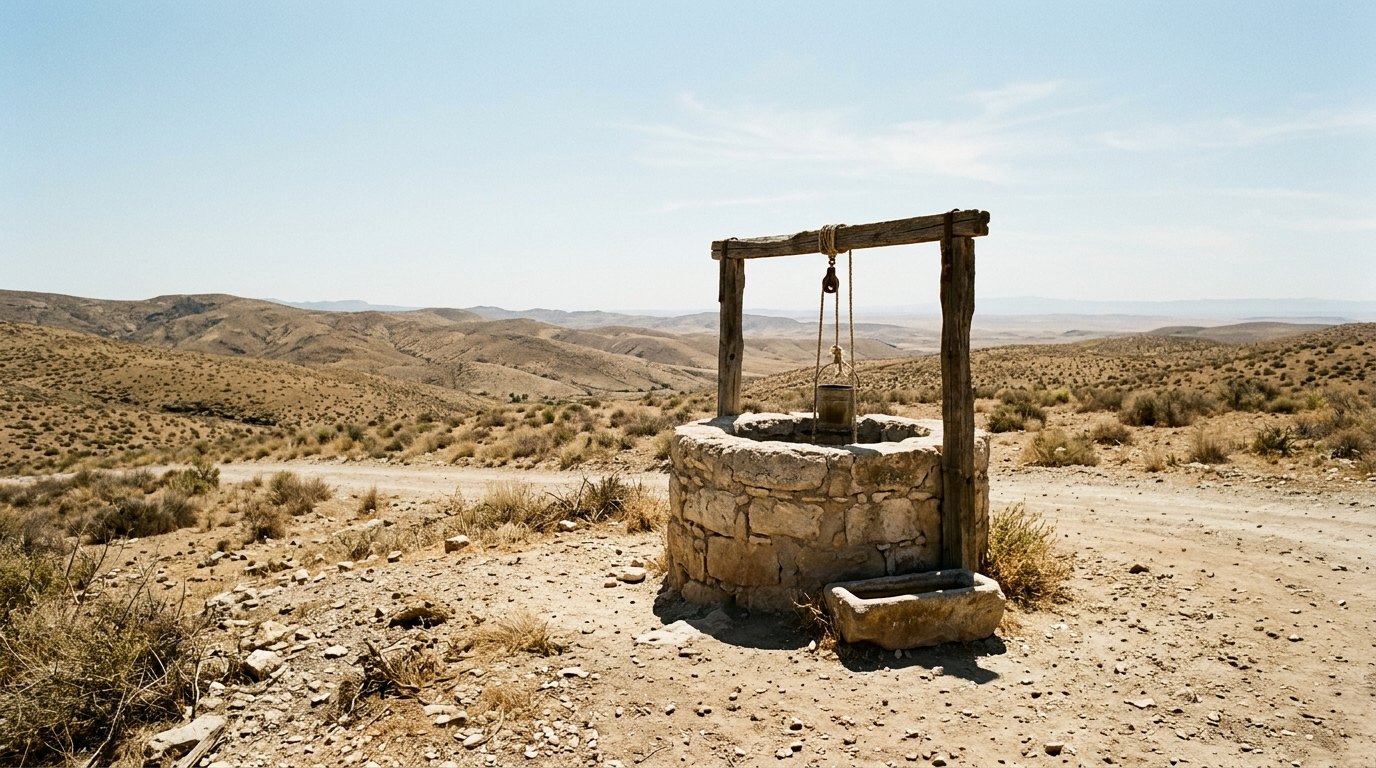
“I am the Lord’s servant,” Mary answered. “May your word to me be fulfilled.” Then the angel left her.
Luke 1:38 (NIV)
Mary's humble submission to God's word demonstrates the posture of true faith in receiving Christ.
When Gabriel delivered the stunning announcement of the incarnation, Mary responded with utter surrender to the divine will: "Behold, I am the servant of the Lord; let it be to me according to your word" (Luke 1:38). Her humble submission models the very essence of saving faith, and her subsequent song of praise in Luke 1:46-55 exalts the sovereign holiness and covenant faithfulness of God who lifts up the humble and scatters the proud.
From the dawn of the New Testament, women occupied a central place in the revelation of the Messiah. In Luke 2:36-38, the elderly prophetess Anna departed not from the temple, blessing God and speaking of Jesus to all who looked for the redemption of Jerusalem. In Luke 7:36-50, a broken and repentant woman washed the feet of Christ with her tears and anointed them with oil, receiving the Savior's full pardon and commendation for her deep faith in contrast to Simon the Pharisee. In Bethany, Luke 10:38-42 shows Mary sitting directly at the Master's feet as a devoted disciple, choosing the one thing necessary that could never be taken from her.
The Gospels record how Jesus systematically broke through cultural stigmas to reveal His identity to women. At Jacob's well, Christ revealed to the Samaritan woman that He is the long-awaited Messiah, leading her to spark an awakening throughout her city (John 4:7-29). Facing the reality of death at the tomb of Lazarus, Martha confessed with clarity that Jesus is the Christ, the Son of God (John 11:25-27). After His resurrection, Jesus appeared first to Mary Magdalene, charging her to proclaim His ascension and victory to the disciples (John 20:14-18).
| Passage | What it says |
|---|---|
| Luke 1:38 | Mary submits in faith to the angel's word to bear the Son of God. |
| Luke 1:46-55 | Mary magnifies the Lord for His mercy and the exaltation of the humble. |
| Luke 2:36-38 | Anna the prophetess gives thanks and speaks of the Redeemer to all awaiting Jerusalem's redemption. |
| Luke 7:36-50 | A repentant woman anoints Jesus' feet and receives full forgiveness through her great love and faith. |
| Luke 10:38-42 | Mary sits at the Lord's feet hearing His word, choosing the one thing necessary. |
| John 4:7-29 | Jesus reveals His Messiahship to the Samaritan woman, who then witnesses to her entire town. |
| John 11:25-27 | Martha confesses Jesus as the Christ and the Son of God who comes into the world. |
| John 20:14-18 | The risen Christ appears first to Mary Magdalene and sends her to testify to the disciples. |
The Apostolic Church
Women labor vigorously in the apostolic church

He began to speak boldly in the synagogue. When Priscilla and Aquila heard him, they invited him to their home and explained to him the way of God more adequately.
Acts 18:26 (NIV)
Priscilla joins her husband in carefully instructing Apollos in the fullness of Christian truth.
In the early church, women participated vigorously in the instruction and growth of the saints, exemplified when Priscilla and her husband "took him and explained to him the way of God more accurately" (Acts 18:26). Their joint ministry to the eloquent Apollos illustrates the deep theological maturity and instructional competence with which Christian women served the body of Christ.
This vibrant engagement fulfilled Joel's prophecy cited by Peter at Pentecost: the Holy Spirit was poured out upon sons and daughters alike to prophesy in the dawn of the new covenant age (Acts 2:17-18). In Joppa, Tabitha was beloved by the community for her continuous good works and acts of charity toward widows (Acts 9:36). In Philippi, the Lord opened the heart of Lydia to receive the gospel, turning her home into the initial meeting place and operational base of the fledgling church (Acts 16:14-15). In Caesarea, Philip's four unmarried daughters actively prophesied under the inspiration of the Spirit (Acts 21:8-9).
Paul's epistles reveal an expansive network of female co-laborers whose devotion sustained the apostolic mission. In Romans 16:3-5, Paul greets Prisca and Aquila as fellow workers who literally risked their necks for his life. In the same chapter, he specifically commends Mary, who labored hard for the Roman believers (Romans 16:6), as well as Tryphaena, Tryphosa, and Persis, who worked tirelessly in the Lord (Romans 16:12). Writing to the Philippians, Paul pleads for Euodia and Syntyche to agree in the Lord, explicitly noting that they had struggled side by side with him in the gospel (Philippians 4:2-3). In 2 Timothy 1:5, the apostle honors Timothy's grandmother Lois and mother Eunice for passing down a sincere and unfeigned faith that equipped the young pastor for leadership.
| Passage | What it says |
|---|---|
| Acts 2:17-18 | The Holy Spirit is poured out on daughters and handmaidens to prophesy in the last days. |
| Acts 9:36 | Tabitha is full of good works and acts of charity toward widows. |
| Acts 16:14-15 | Lydia's heart is opened by the Lord to believe the gospel and host the apostles. |
| Acts 18:24-26 | Priscilla alongside Aquila explains the way of God more accurately to Apollos. |
| Acts 21:8-9 | Philip's four unmarried daughters prophesy in the early church. |
| Romans 16:3-5 | Prisca and Aquila are commended as fellow workers who risked their lives for Paul. |
| Romans 16:6 | Mary is greeted for laboring hard for the believers in Rome. |
| Romans 16:12 | Tryphaena, Tryphosa, and Persis are commended for their diligent labor in the Lord. |
| Philippians 4:2-3 | Euodia and Syntyche labored alongside Paul in the cause of the gospel. |
| 2 Timothy 1:5 | Lois and Eunice instill a genuine faith in Timothy from his youth. |
Marriage and Church Order
Order and mutual devotion reflect the covenant of Christ

Wives, submit yourselves to your own husbands as you do to the Lord. For the husband is the head of the wife as Christ is the head of the church, his body, of which he is the Savior. Now as the church submits to Christ, so also wives should submit to their husbands in everything.
Ephesians 5:22-24 (NIV)
Wifely submission reflects the church's joyful response to Christ's sacrificial headship.
In Ephesians 5:22–24, the Apostle Paul presents marriage not as an arbitrary social arrangement, but as a living canvas that reflects the gospel itself, calling wives to submit to their husbands as the church yields gladly to Christ. Far from diminishing a woman's value, the New Testament grounds both marriage and congregational order in deep mutual honor, distinct callings, and divine pattern. Paul affirms extraordinary reciprocity in 1 Corinthians 7:2–5, establishing that husband and wife hold shared, mutual authority over one another's bodies—a radical standard of equality in ancient marital ethics.
Yet within this absolute equality of essence, God weaves an enduring pattern of headship and service. In 1 Corinthians 11:3–10, Paul traces headship back to the creation order and the gaze of the angels, teaching that spiritual distinctions honor God's design when the church gathers. This harmony governs public worship, where 1 Corinthians 14:33–35 calls for reverent restraint and peace rather than confusion, ensuring the assembly reflects the God of order. When Paul expands on marital love in Ephesians 5:25–33, he lays upon husbands the crushing responsibility of Christlike, self-emptying sacrifice, while Colossians 3:18–19 reiterates that wifely honor is met by husbands who love without bitterness or harshness.
This same principle of ordered godliness shapes pastoral care in 1 Timothy 2:11–14, where instruction concerning teaching authority rests on the history of Eden. Within the local church, women serve with recognized gravity: 1 Timothy 3:11 outlines qualifications of dignity, sobriety, and faithfulness, while 1 Timothy 5:9–10 honors older widows whose lives are distinguished by hospitality, humility, and every good work. Finally, Peter speaks to women facing spiritual opposition in 1 Peter 3:1–2, showing that chaste, reverent conduct possesses a quiet, evangelistic power to win unbelieving husbands. Looking back to Sarah in 1 Peter 3:5–6, Peter reminds Christian women that true beauty rests in a fearless, unfading trust in the living God.
| Passage | What it says |
|---|---|
| 1 Corinthians 7:2-5 | Husband and wife hold mutual authority and duty over one another's bodies. |
| 1 Corinthians 11:3-10 | Creation order and headship frame worship and orderly conduct before the angels. |
| 1 Corinthians 14:33-35 | Order and restraint are commanded in the public assembly of the churches. |
| Ephesians 5:22-24 | Wives are called to submit to their husbands as to the Lord. |
| Ephesians 5:25-33 | Husbands are commanded to love their wives self-sacrificially as Christ loved the church. |
| Colossians 3:18-19 | Wives submit to husbands as fitting in the Lord, while husbands love them without harshness. |
| 1 Timothy 2:11-14 | Instruction regarding learning quietly and church authority rooted in the order of creation. |
| 1 Timothy 3:11 | Qualifications of dignity, temperance, and faithfulness for women serving the church. |
| 1 Timothy 5:9-10 | Criteria of godliness and faithful good deeds for the enrollment of widows. |
| 1 Peter 3:1-2 | Wives may win unbelieving husbands without a word through their chaste and respectful conduct. |
| 1 Peter 3:5-6 | Holy women of old like Sarah adorned themselves with inner submission without yielding to fear. |
Where in the Bible
| Book | Passages |
|---|---|
| Genesis | 9 · Genesis 1:26, Genesis 1:27, Genesis 2:18, Genesis 2:21-22, Genesis 2:23, Genesis 2:24, Genesis 3:15, Genesis 3:16, Genesis 3:20 |
| Exodus | 2 · Exodus 1:15-21, Exodus 15:20-21 |
| Judges | 2 · Judges 4:4-9, Judges 5:24-27 |
| Ruth | 1 · Ruth 1:16-17 |
| 1 Samuel | 2 · 1 Samuel 1:10-15, 1 Samuel 25:32-33 |
| 2 Kings | 1 · 2 Kings 22:14-20 |
| Esther | 1 · Esther 4:14-16 |
| Proverbs | 8 · Proverbs 31:10, Proverbs 31:25, Proverbs 31:26, Proverbs 31:27, Proverbs 31:28, Proverbs 31:29, Proverbs 31:30, Proverbs 31:31 |
| Matthew | 1 · Matthew 28:8-10 |
| Luke | 6 · Luke 8:1-3, Luke 1:38, Luke 1:46-55, Luke 2:36-38, Luke 7:36-50, Luke 10:38-42 |
| John | 3 · John 4:7-29, John 11:25-27, John 20:14-18 |
| Acts | 5 · Acts 2:17-18, Acts 9:36, Acts 16:14-15, Acts 18:24-26, Acts 21:8-9 |
| Romans | 4 · Romans 16:1-2, Romans 16:3-5, Romans 16:6, Romans 16:12 |
| 1 Corinthians | 4 · 1 Corinthians 11:11-12, 1 Corinthians 7:2-5, 1 Corinthians 11:3-10, 1 Corinthians 14:33-35 |
| Galatians | 1 · Galatians 3:28 |
| Ephesians | 2 · Ephesians 5:22-24, Ephesians 5:25-33 |
| Philippians | 1 · Philippians 4:2-3 |
| Colossians | 1 · Colossians 3:18-19 |
| 1 Timothy | 4 · 1 Timothy 2:9-10, 1 Timothy 2:11-14, 1 Timothy 3:11, 1 Timothy 5:9-10 |
| 2 Timothy | 1 · 2 Timothy 1:5 |
| Titus | 1 · Titus 2:3-5 |
| 1 Peter | 4 · 1 Peter 3:7, 1 Peter 3:3-4, 1 Peter 3:1-2, 1 Peter 3:5-6 |
The story in order
- Creation of Woman in God's Image (c. 4000 BC) · Genesis 1:27 · Woman is created directly in God's image, equal to man.
- The Fall and the Woman's Seed (c. 4000 BC) · Genesis 3:15 · A promise of redemption through the woman's offspring.
- Israel's Deliverance and Miriam's Praise (c. 1440 BC) · Exodus 15:20-21 · Miriam leads women in prophetic praise after the Red Sea.
- Deborah Judges Israel (c. 1150 BC) · Judges 4:4-9 · Deborah serves as a prophetess and judge, leading Israel to victory.
- Hannah's Prayer for a Son (c. 1050 BC) · 1 Samuel 1:10-15 · Hannah's earnest prayer leads to the birth of Samuel.
- Huldah Delivers God's Message (c. 622 BC) · 2 Kings 22:14-20 · The prophetess Huldah interprets God's word to King Josiah.
- Esther's Courageous Intercession (c. 470 BC) · Esther 4:14-16 · Esther risks her life to save her people from destruction.
- Mary Hears Jesus' Word (c. AD 30) · Luke 10:38-42 · Mary chooses to listen to Jesus, valuing His teaching.
- Jesus Appears to Mary Magdalene (AD 30) · John 20:14-18 · The risen Christ commissions Mary Magdalene as the first witness.
- Pentecost and the Spirit's Pouring Out (AD 30) · Acts 2:17-18 · The Spirit empowers women to prophesy and serve.
- Priscilla Teaches Apollos (c. AD 55) · Acts 18:24-26 · Priscilla, with Aquila, instructs Apollos in the faith.
- Paul Commends Phoebe (c. AD 57) · Romans 16:1-2 · Phoebe is recognized as a deaconess and benefactor of the church.
- Unity in Christ (c. AD 57) · Galatians 3:28 · In Christ, distinctions of male and female do not create inequality.
Key words
- Image of God (demuth, דְּמוּת; tselem, צֶלֶם)
- Humanity created with God's likeness and character, reflecting His nature. · Genesis 1:26
- Helper (ezer, עֵזֶר)
- A suitable partner, one who complements and assists. · Genesis 2:18
- Noble Character (chayil, חַיִל)
- Virtuous, strong, and capable, possessing inner worth and integrity. · Proverbs 31:10
- Fear of the Lord (yir'ah, יִרְאָה)
- Reverence, awe, and obedience toward God. · Proverbs 31:30
- One Flesh (basar echad, בָּשָׂר אֶחָד)
- The profound union of husband and wife in marriage, becoming a single entity. · Genesis 2:24
- Joint Heirs (synklēronomos, συγκληρονόμος)
- Sharing equally in the inheritance of God's grace and future promises. · 1 Peter 3:7
- Godliness (theosebeia, θεοσέβεια)
- Devotion to God, characterized by holy conduct and reverence. · 1 Timothy 2:9
- Servant (diakonos, διάκονος)
- One who ministers to others, often in a position of service within the church. · Romans 16:1
From creation in Eden to the dawn of the resurrection, God crowns woman with honour, purpose, and eternal inheritance. A woman's true glory lies not in fleeting outward adornment, but in the enduring beauty of a heart that reveres the Lord and walks in His truth.
64 passages, each cited once.
How the major Christian traditions read this
All major Christian traditions confess that women and men are created equal in dignity and worth as image-bearers of God (Genesis 1:27), and share equally in redemption, adoption, and eternal inheritance through Jesus Christ (Galatians 3:28).
Catholic
We uphold the sublime dignity of women as created in God's image (Genesis 1:27) and elevated in the mystery of the Incarnation through the Blessed Virgin Mary, the Mother of God (Luke 1:38). Scripture reveals the profound vocation of womanhood in marriage, consecrated virginity, and spiritual motherhood. Following Christ’s choice of the twelve apostles, holy orders are reserved to men alone as sacramental icons of Christ the Bridegroom, while women lead essential apostolates, contemplative orders, and ministries of teaching and charity throughout the Church.
Scripture: Genesis 1:27, Luke 1:38
Orthodox
We revere the high calling of women, looking especially to the Theotokos, who gave her flesh to God and stands as the greatest of all saints (Luke 1:48). Women serve as deaconesses in our ancient history, as myrrh-bearers who first announced the Resurrection (Mark 16:6-7), and as equal heirs of the kingdom of heaven (Galatians 3:28). In keeping with the apostolic tradition and the witness of Scripture, the sacramental priesthood represents Christ the Bridegroom and remains reserved to men.
Scripture: Luke 1:48, Mark 16:6-7, Galatians 3:28
Lutheran
We teach that women and men share fully in the royal priesthood of all believers through baptism (1 Peter 2:9; Galatians 3:28). God created marriage and family as holy estates of service and sanctification. While confessional Lutherans understand passages like 1 Timothy 2:12 and 1 Corinthians 14:34 to restrict the pastoral office of preaching and administering sacraments to men according to God's created order, other Lutheran bodies ordain women, seeing their public ministry as an expression of spiritual equality in Christ.
Scripture: 1 Peter 2:9, Galatians 3:28, 1 Timothy 2:12, 1 Corinthians 14:34
Reformed & Presbyterian
We confess that men and women share full covenantal dignity as God’s image-bearers (Genesis 1:26-27; Proverbs 31:30). Scripture assigns distinct, complementary callings in marriage and the church. Husbands are called to sacrificial headship as Christ is head of the church, and wives to voluntary submission (Ephesians 5:22-25). Following the apostolic pattern in 1 Timothy 2:11-14 and 1 Timothy 3:1-7, the offices of elder and pastor are reserved to qualified men, while women exercise vital gifts in diaconal care, evangelism, and discipling.
Scripture: Genesis 1:26-27, Proverbs 31:30, Ephesians 5:22-25, 1 Timothy 2:11-14, 1 Timothy 3:1-7
Anglican & Episcopal
We acknowledge the equal dignity and shared spiritual gifts of women and men in Christ (Galatians 3:28). Across our communion, traditions vary: many provinces ordain women as deacons, priests, and bishops, drawing on the leadership of women such as Deborah, Phoebe, and Junia (Romans 16:1-7). Other traditional Anglo-Catholics and evangelicals adhere to male headship in marriage (Ephesians 5:22-24) and an all-male episcopate and priesthood, pointing to the apostolic pattern and pastoral epistles (1 Timothy 2:12).
Scripture: Galatians 3:28, Romans 16:1-7, Ephesians 5:22-24, 1 Timothy 2:12
Baptist
We affirm the equal standing of women before God as fellow image-bearers and joint heirs of grace (Genesis 1:27; 1 Peter 3:7). We honour the godliness, faith, and hard work celebrated in Proverbs 31:10-31. Most Baptists hold to complementarian order in the home and local assembly: a husband is to lead sacrificially as Christ loved the church (Ephesians 5:23), and pastoral oversight is entrusted to qualified men (1 Timothy 2:12; 1 Timothy 3:2). Other Baptist bodies affirm women as senior pastors based on the priesthood of all believers.
Scripture: Genesis 1:27, 1 Peter 3:7, Proverbs 31:10-31, Ephesians 5:23, 1 Timothy 2:12
Methodist & Wesleyan
We affirm that God pours out His Holy Spirit upon both sons and daughters to prophesy and proclaim the gospel (Joel 2:28-29; Acts 2:17-18). From the early days of Methodism, women have laboured publicly as class leaders, evangelists, and preachers. Because in Christ there is no male and female (Galatians 3:28), we recognize that God calls and equips women for full ordained ministry as pastors, elders, and bishops, leading alongside men in the work of holiness and mission.
Scripture: Joel 2:28-29, Acts 2:17-18, Galatians 3:28
Pentecostal & Charismatic
We believe that the promise of the Holy Spirit at Pentecost explicitly includes women speaking God's word with power (Acts 2:17-18). The Scriptures celebrate women as prophetesses, leaders, and co-labourers, such as Deborah (Judges 4:4), Philip's prophesying daughters (Acts 21:9), and Priscilla (Acts 18:26). We therefore welcome women into active ministry, church leadership, and pastoral ordination, relying on the sovereign distribution of spiritual gifts by the Holy Spirit (1 Corinthians 12:11).
Scripture: Acts 2:17-18, Judges 4:4, Acts 21:9, Acts 18:26, 1 Corinthians 12:11
Non-denominational & Evangelical
We look directly to the Word of God for our understanding of womanhood. Scripture teaches that women possess full worth and dignity as daughters of the King (Proverbs 31:30; Galatians 3:28). While non-denominational churches vary between egalitarian and complementarian convictions, many teach male servant-leadership in the home and church offices based on 1 Timothy 2:12 and Ephesians 5:22-25, while encouraging women to serve dynamically in teaching, worship, missions, and community discipleship.
Scripture: Proverbs 31:30, Galatians 3:28, 1 Timothy 2:12, Ephesians 5:22-25
Where they differ
Ordination to pastoral or sacramental leadership
- Catholic
- Reserved solely to men as an apostolic sacramental icon of Christ.
- Orthodox
- Reserved to men in the apostolic succession of the priesthood.
- Lutheran
- Divided; confessional bodies restrict to men, while others ordain women.
- Reformed & Presbyterian
- Reserved to qualified men according to the apostolic creation order.
- Anglican & Episcopal
- Divided; many provinces ordain women, while traditionalists retain male-only orders.
- Baptist
- Predominantly reserved to men as elders/pastors; some ordain women.
- Methodist & Wesleyan
- Open equally to women in all ordained and episcopal offices.
- Pentecostal & Charismatic
- Open to women based on the distribution of Pentecostal gifts.
- Non-denominational & Evangelical
- Varies by local assembly; most hold pastoral leadership is male.
Scripture: 1 Timothy 2:12, 1 Timothy 3:1-7, Acts 2:17-18
Authority and headship in Christian marriage
- Catholic
- Calls for mutual self-giving love with recognized paternal spiritual headship.
- Orthodox
- Affirms husband's sacrificial headship modelled on Christ's love for the Church.
- Lutheran
- Affirms the husband's sacrificial headship and mutual marital fidelity.
- Reformed & Presbyterian
- Affirms complementarian headship of the husband and submission of the wife.
- Anglican & Episcopal
- Interpreted either as sacrificial male headship or as mutual submission.
- Baptist
- Affirms the husband's servant-headship and the wife's voluntary submission.
- Methodist & Wesleyan
- Emphasizes mutual submission and shared partnership of husband and wife.
- Pentecostal & Charismatic
- Generally emphasizes mutual submission in the Spirit, alongside sacrificial headship.
- Non-denominational & Evangelical
- Most affirm complementarian servant-headship; others affirm mutual submission.
Scripture: Ephesians 5:21-25, Colossians 3:18-19, 1 Peter 3:1-7
Your pastor can tell you where your church stands.
Scripture cited
- Proverbs 31:25-30
- 1 Timothy 2:10
- Ephesians 4:24
- Genesis 1:26-28
- Genesis 2:18-25
- Genesis 3:14-19
- 1 Timothy 2:8-15
- Romans 5:12-14
- Genesis 3:1-7