What does Zephaniah 3:17 mean?
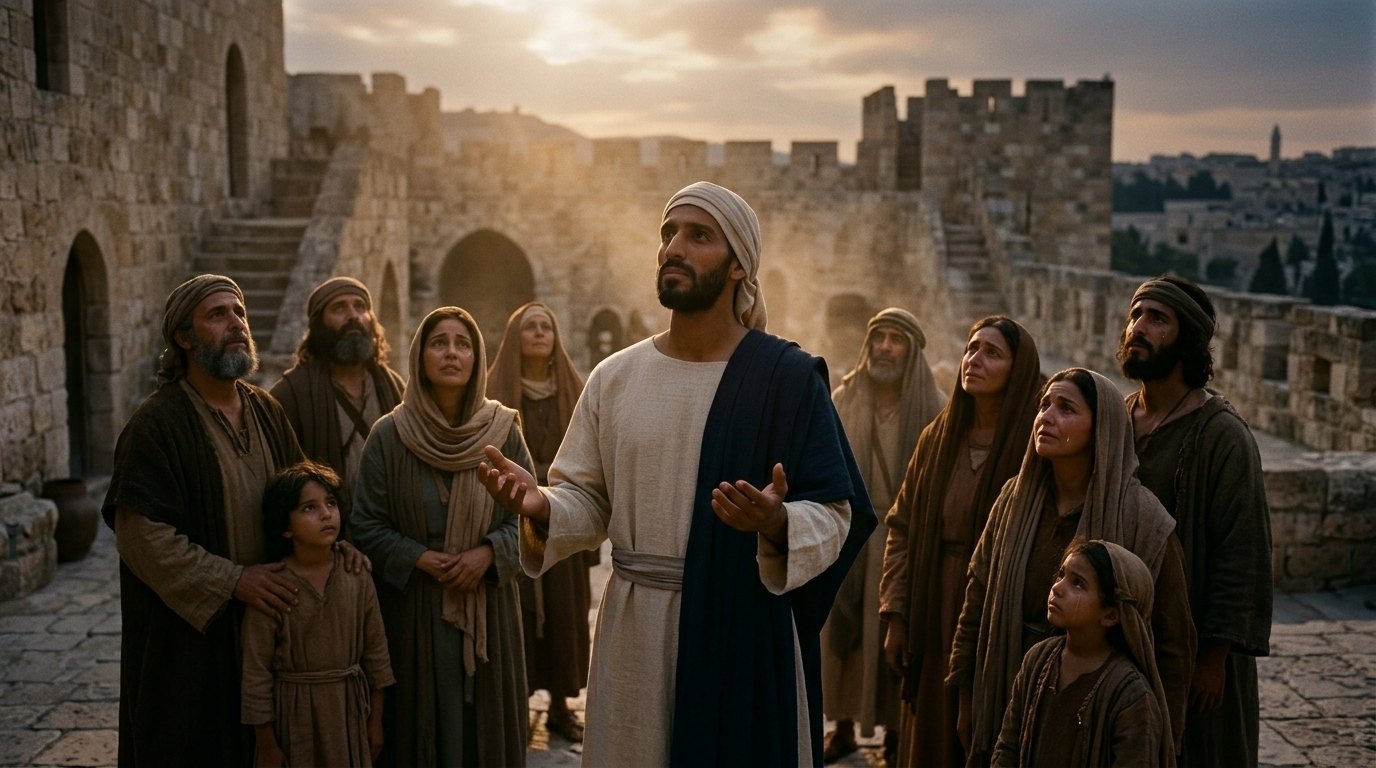
Zephaniah 3:14-17
14 Sing, Daughter Zion; shout aloud, Israel! Be glad and rejoice with all your heart, Daughter Jerusalem!
15 The LORD has taken away your punishment, he has turned back your enemy. The LORD, the King of Israel, is with you; never again will you fear any harm.
16 On that day they will say to Jerusalem, “Do not fear, Zion; do not let your hands hang limp.
17 The LORD your God is with you, the Mighty Warrior who saves. He will take great delight in you; in his love he will no longer rebuke you, but will rejoice over you with singing.”
New International Version (NIV)
The answer
Zephaniah 3:17 promises that God will be present with His restored people, save them by His power, quiet their fears with His love, and delight in them so deeply that He rejoices over them with singing. It is not a promise that God overlooks sin: this joy comes after judgment and purification, and belongs to the humbled remnant who take refuge in Him (Zephaniah 3:8-13).
The setting: joy after judgment
Jerusalem had been rebellious, corrupt and unwilling to receive correction, so Zephaniah first announced God's judgment (Zephaniah 3:1-7). But judgment is not God's last word. He promises to purify the peoples, remove the proud and preserve an afflicted and poor people who trust in His name (Zephaniah 3:9-13). Zephaniah 3:17 therefore expands the announcement of Zephaniah 3:15: God has removed His people's judgments, defeated their enemy and come among them as King.
What each line means
- “Yahweh, your God, is among you” — God is not watching from a distance. The covenant God is personally present with His people, and His presence is the reason they need no longer live in fear.
- “A mighty one who will save” — The Hebrew word gibbor describes a mighty or powerful one. God's nearness is not passive: He has both the purpose and the power to deliver His people.
- “He will calm you in his love” — The Hebrew verb can mean to be quiet, silent or at rest. The assurance is that God's love brings quiet after the turmoil of judgment. His restored people are secure in His favour rather than exposed to His wrath.
- “He will rejoice over you with joy … with singing” — The repeated language emphasizes the depth of God's delight. He does not merely tolerate His redeemed people; He celebrates their salvation. Jeremiah 32:41 similarly says that God rejoices over His people to do them good with His whole heart and soul.
This delight is not admiration of human goodness. Psalms 147:11 says that the Lord takes pleasure in those who fear Him and hope in His mercy, while Psalms 149:4 joins His pleasure in His people with His gift of salvation. His joy rests on His gracious work, not on their loveliness.
For Christians, this comfort is received through Christ. Hebrews 7:25 says that He saves completely those who come to God through Him and continually intercedes for them. The right response is therefore humble faith rather than presumption: take refuge in God, hope in His mercy and join the praise commanded in Zephaniah 3:14. As Isaiah 12:2 says, the God who saves also becomes His people's song.
Answered from Scripture · reviewed November 11, 2026
Zephaniah 3:17 stands as one of the most astonishing revelations of divine affection in all of Scripture, picturing the Almighty not as a distant magistrate, but as an exultant Savior dwelling among His redeemed people. In a single breath, the prophet reveals God as a triumphant warrior, a resting lover, and a singing sovereign who celebrates over His own with joyful shouts. Understanding this verse anchors our assurance, showing that God's posture toward His children in Christ is not reluctant tolerance, but ferocious protection and passionate delight.
Context and Presence
The Warrior King Dwells in the Midst
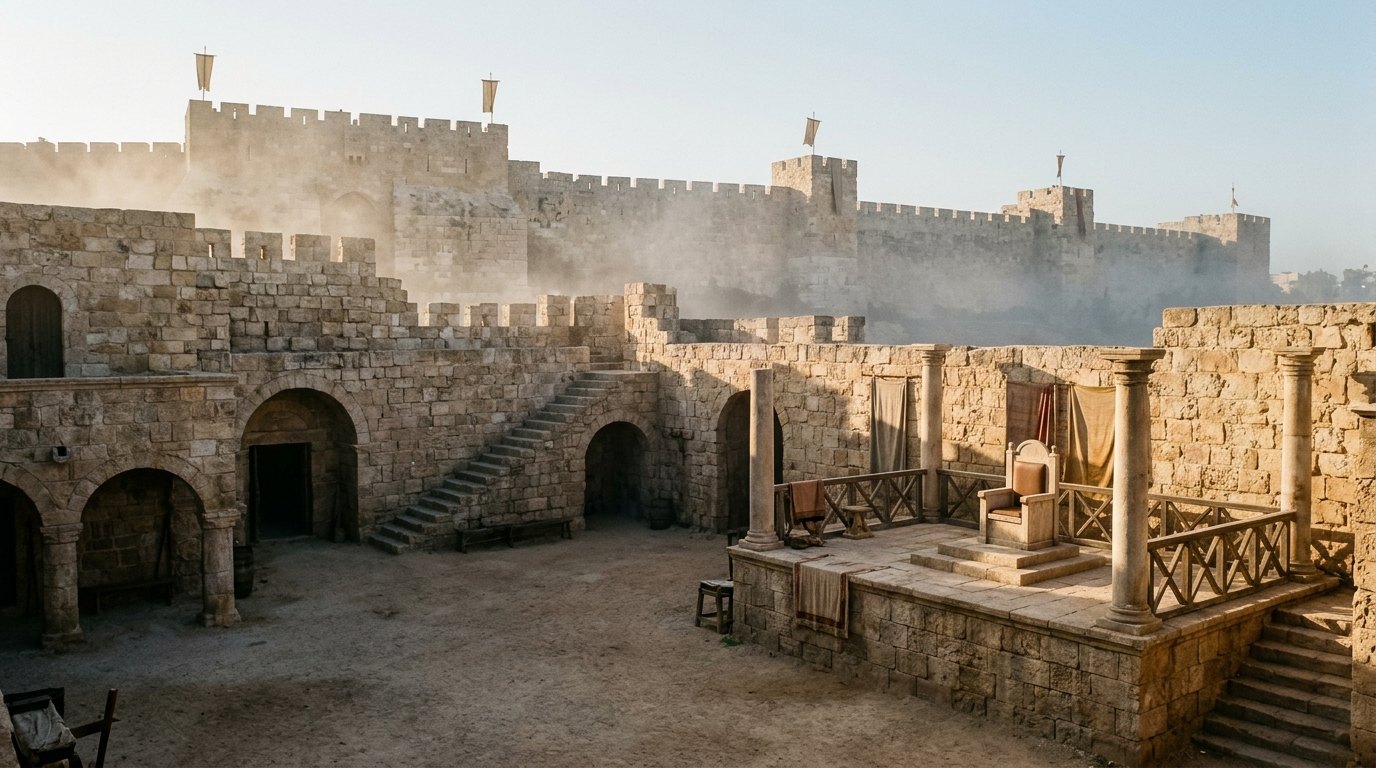
The LORD has taken away your punishment, he has turned back your enemy. The LORD, the King of Israel, is with you; never again will you fear any harm.
Zephaniah 3:15 (NIV)
Zephaniah identifies the King of Israel as dwelling directly among His people once all legal judgment and hostile adversaries are fully removed.
The heartbeat of Zephaniah’s prophecy turns decisively in Zephaniah 3:15, where the prophet announces that the Lord has taken away the judgments against you and expelled every hostile adversary. In that sweeping pardon, the holy King of Israel is no longer seen at a threatening distance, but as dwelling directly in the midst of His people, expelling the dread of impending calamity. This immediate, personal presence frames the sudden shift to exuberant worship in Zephaniah 3:14, where the daughter of Zion is commanded to sing aloud, shout, and rejoice with all her heart. Deliverance is not merely an abstract change in judicial standing; it is the arrival of the Living God in communion with His flock. Therefore, Zephaniah 3:16 reassures Jerusalem that her hands need not hang limp in paralyzing dread on that day. The climax arrives in Zephaniah 3:17, which reveals that the Lord Himself stands among them as their present champion, a God who saves, calms them in His love, and exults over them with loud singing.
This theme of divine proximity runs unbroken throughout the biblical narrative. Moses had already reminded Israel in Deuteronomy 7:21 that the Lord was in their midst as an awesome and mighty God, shattering every pagan terror. The prophet Isaiah caught this identical reality in Isaiah 12:2, proclaiming God as his salvation, strength, and song, which dispelled all trembling fear. Centuries later, Zechariah 2:10 renewed this exact summons, calling Zion to sing because the Lord was coming to make His dwelling among her. The mystery reaches its historical apex when the Word became flesh and tabernacled among us in John 1:14, revealing God’s glory full of grace and truth. Finally, Revelation 21:3 brings this promise to eternal fruition, declaring that the tabernacle of God is forever with redeemed humanity.
| Passage | What it says |
|---|---|
| Zephaniah 3:14 | Zion is commanded to sing and shout with all her heart because the Lord has turned away her dreadful judgments. |
| Zephaniah 3:15 | The Lord takes away Israel's punishment, expels their enemy, and dwells in their midst as King so they fear disaster no more. |
| Zephaniah 3:16 | Jerusalem is told not to fear and not to let hands hang limp in the day of the Lord's arrival. |
| Zephaniah 3:17 | The Lord your God is in your midst, a mighty warrior who saves, delights, calms, and rejoices over you. |
| Isaiah 12:2 | The prophet declares God as his salvation, strength, and song, providing trust without fear. |
| Deuteronomy 7:21 | Moses declares that the Lord God is in the midst of Israel as an awesome and mighty God. |
| Zechariah 2:10 | Zion is summoned to sing and rejoice because the Lord comes to dwell in her midst. |
| John 1:14 | The Word became flesh and dwelt among us, manifesting the presence of God with His people. |
| Revelation 21:3 | The dwelling place of God is declared to be with man forever in the consummation. |
Mighty to Save
The Victorious Champion Who Rescues
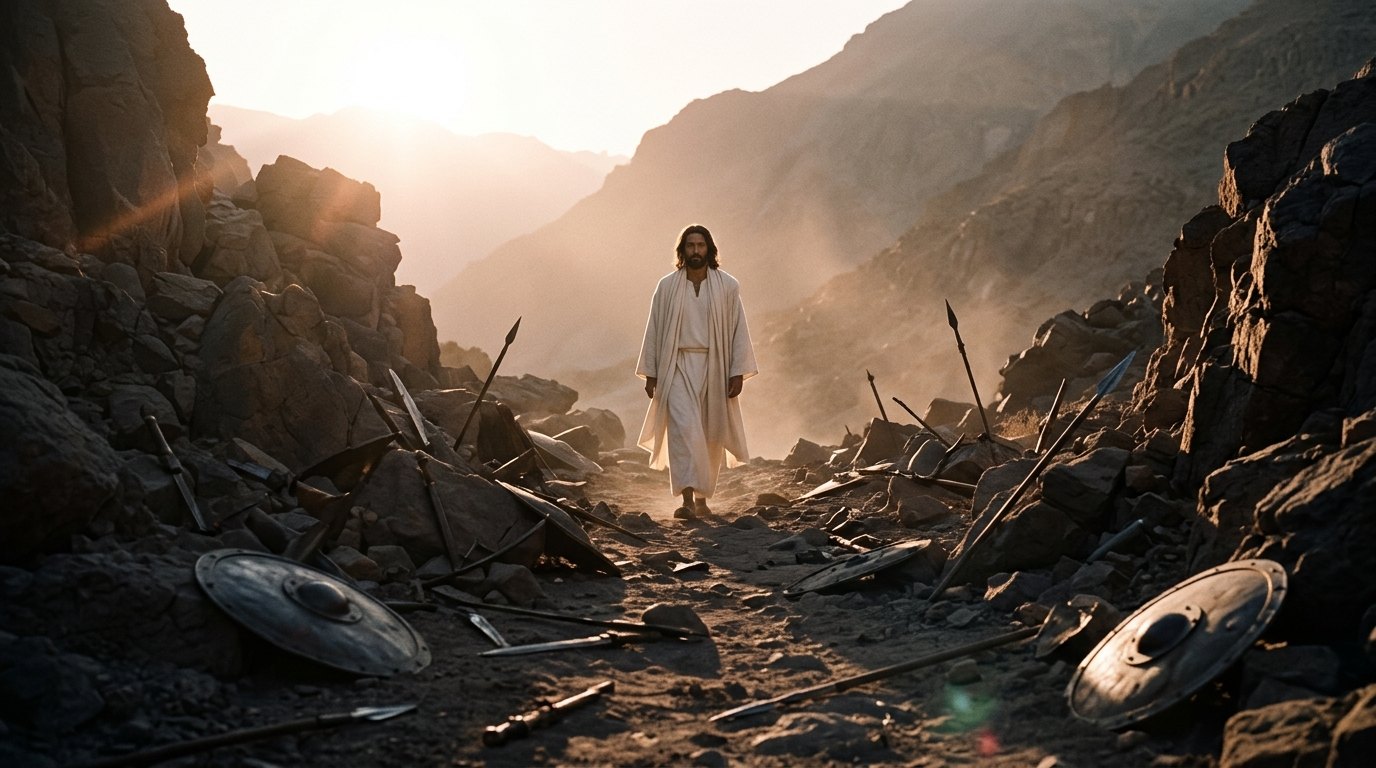
For to us a child is born, to us a son is given, and the government will be on his shoulders. And he will be called Wonderful Counselor, Mighty God, Everlasting Father, Prince of Peace.
Isaiah 9:6 (NIV)
The Promised Child is explicitly given the royal title 'Mighty God' (*El Gibbor*), matching the saving warrior of Zephaniah's prophecy.
In Isaiah 9:6, Scripture assigns the decisive royal title to the coming Messiah: He shall be called Mighty God, an exact echo of the victorious champion (El Gibbor) described in Zephaniah’s prophecy, wonderfully fulfilled when the angel announced to Mary that the Lord God would give Him the eternal throne of David in Luke 1:32-33. Before this saving warrior was revealed in grace, the opening of Zephaniah’s prophecy sounded an alarm of unsparing judgment. In Zephaniah 1:14, the great day of the Lord was depicted as so terrifying that even the valiant warrior would cry out bitterly under divine wrath, while Zephaniah 2:5 warned of the desolation destined to strip hostile strongholds down to barrenness. Human strength proved utterly bankrupt to avert this righteous wrath, demanding a Redeemer possessing divine majesty.
God had long revealed Himself as the unmatched warrior of His covenant people. In the ancient song of the sea, Exodus 15:3 celebrated that the Lord is a man of war who overthrew Pharaoh’s pride. Centuries later, Isaiah 42:13 pictured the Lord going forth like a champion, stirring up His zeal and prevailing mightily against His adversaries. In Isaiah 63:1, the Savior strides forward in the greatness of His strength, declaring Himself righteous and mighty to save. This Old Testament portrait of the victorious champion finds its supreme fulfillment in Jesus Christ. As Hebrews 7:25 confirms, because He lives forever, our Champion is able to save to the uttermost all who draw near to God through Him.
| Passage | What it says | Fulfilled |
|---|---|---|
| Zephaniah 1:14 | The great day of the Lord is near, where even the mighty warrior cries out bitterly under God's wrath. | |
| Zephaniah 2:5 | The word of the Lord comes against the nations to destroy hostile strongholds and leave no inhabitants. | |
| Isaiah 9:6 | Unto us a Child is born, whose name is called Wonderful Counselor, Mighty God, Everlasting Father, Prince of Peace. | Luke 1:32-33 |
| Hebrews 7:25 | Jesus is able to save to the uttermost those who draw near to God through Him, interceding forever. | |
| Exodus 15:3 | The song of Moses names the Lord as a warrior who overthrows the enemy to deliver His people. | |
| Isaiah 42:13 | The Lord goes forth like a mighty man and warrior, prevailing against His adversaries. | |
| Isaiah 63:1 | The Lord speaks in righteousness, declaring Himself mighty to save His afflicted people. |
Divine Affection
The Quiet Rest of Unchanging Love

By the seventh day God had finished the work he had been doing; so on the seventh day he rested from all his work.
Genesis 2:2 (NIV)
God's Sabbath rest models the quiet satisfaction and completion that He enjoys over His covenant people.
To grasp what it means that God will quiet us by His love, we look first to Genesis 2:2, where God rested on the seventh day from all His work, modeling a divine rest born not of weariness, but of sovereign completion and absolute satisfaction. When Zephaniah 3:17 declares that God will be silent or quiet in His love, it evokes this very posture of profound Sabbath delight. Having subdued every foe and justified His chosen people, the Lord gazes upon the work of His redemption with unshakeable contentment. The accusations of the adversary are silenced forever; divine justice is entirely satisfied, leaving the believer enveloped in the quiet assurance of covenant peace.
This divine delight is not a reluctant tolerance, but an active, affectionate pleasure. Psalm 147:11 reminds us that the Lord takes direct pleasure in those who fear Him and hope in His steadfast mercy, while Psalm 149:4 celebrates that He adorns the humble with salvation because He genuinely delights in them. Such divine favor is never earned by human merit, as Deuteronomy 7:7-8 makes plain: the Lord set His heart on His people solely out of His unmerited, faithful covenant love. Faith trusts this sovereign goodness, for as Hebrews 11:5-6 testifies, without faith it is impossible to please Him who bountifully rewards those who seek Him. Anchored in this unchangeable affection, the believer rests in the eternal certainty of Romans 8:38-39, persuaded that nothing in all creation can ever separate us from the quiet, victorious love of God in Christ Jesus.
| Passage | What it says |
|---|---|
| Genesis 2:2 | God finished His creative work and rested on the seventh day from all that He had made. |
| Psalms 147:11 | The Lord takes pleasure in those who fear Him and who hope in His steadfast mercy. |
| Psalms 149:4 | The Lord takes delight in His people and adorns the humble with His salvation. |
| Hebrews 11:5-6 | Faith pleases God, who rewards those who diligently seek Him. |
| Deuteronomy 7:7-8 | God set His affection on Israel and redeemed them purely out of His sovereign covenant love. |
| Romans 8:38-39 | Nothing can separate the believer from the love of God in Christ Jesus our Lord. |
Heavenly Celebration
Rejoicing Over the Redeemed With Singing
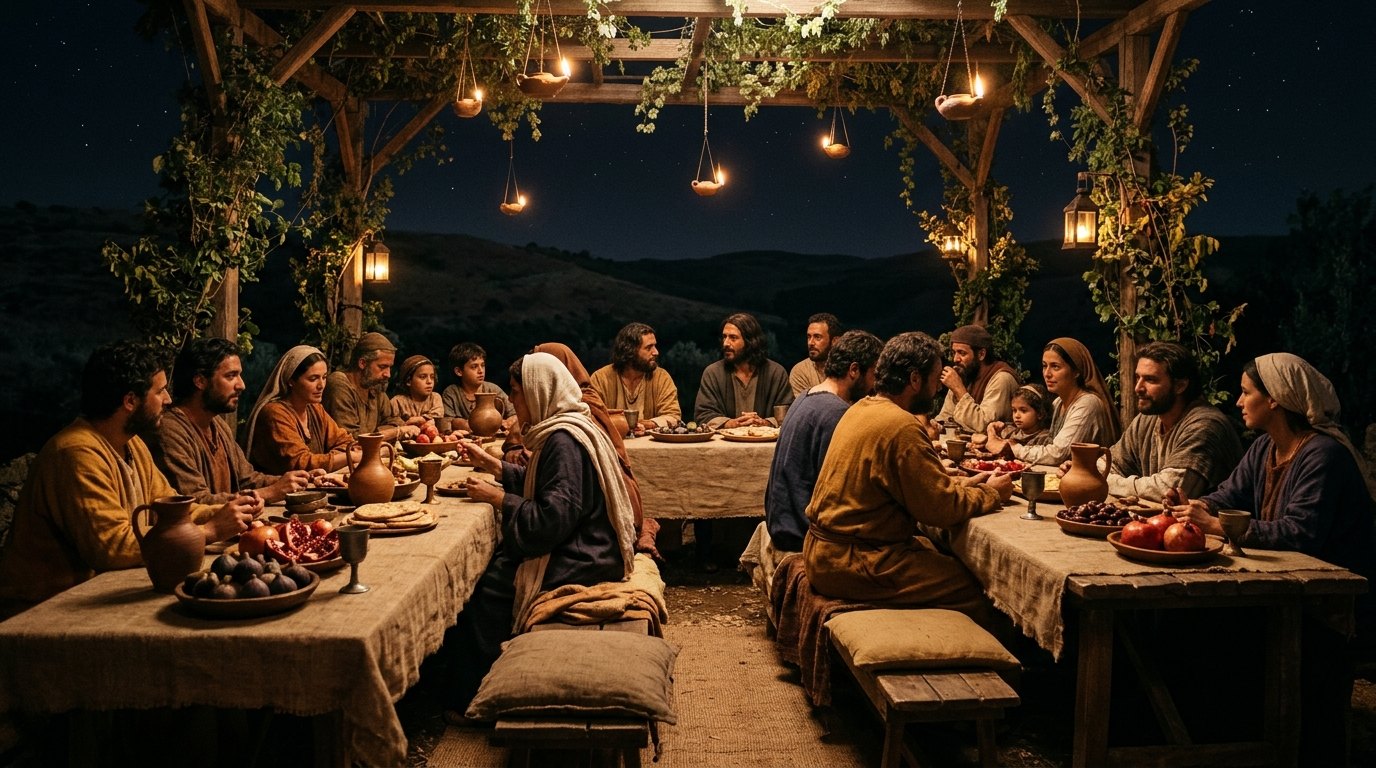
No longer will they call you Deserted, or name your land Desolate. But you will be called Hephzibah, and your land Beulah; for the LORD will take delight in you, and your land will be married. As a young man marries a young woman, so will your Builder marry you; as a bridegroom rejoices over his bride, so will your God rejoice over you.
Isaiah 62:4-5 (NIV)
The Lord compares His rejoicing over His restored people to a bridegroom's exultant joy over his bride.
The language of divine rejoicing reaches its most startling expression in Isaiah 62:4-5, where the prophet proclaims that as the bridegroom rejoices over the bride, so shall your God rejoice over you, an intimate prophetic vision brought to ultimate fulfillment in Revelation 19:7-8 at the marriage supper of the Lamb. Far from an impassive spectator, God describes His affection for His people in the vibrant terms of wedding day jubilation. Zephaniah 3:17 takes this reality to its highest peak, picturing the Almighty singing over His beloved with exuberant, joyful shouts. The Lord is not merely content to save; He exults in His redeemed family with overflowing vocal gladness.
This relentless divine joy reverberates throughout the entire canon of Scripture. In Deuteronomy 30:9, God promised that in the days of restoration He would once again rejoice over His people for good, just as He rejoiced over their forefathers. Jeremiah 32:41 records God’s magnificent pledge that He will plant them in the land and rejoice over them with His whole heart and soul. In Isaiah 65:19, the Lord reaffirms that He Himself will rejoice in Jerusalem and take boundless gladness in His people. The Lord Jesus brought this divine heart to earth in Luke 15:7 and Luke 15:10, unveiling that there is explosive joy in heaven and before the angels over even one repentant sinner. Finally, Hebrews 2:12 reveals Christ Himself leading this heavenly song, declaring the Father’s name and singing praise in the midst of the gathered congregation.
| Passage | What it says | Fulfilled |
|---|---|---|
| Isaiah 62:4-5 | The land is named Hephzibah and Beulah because the Lord delights in His people as a bridegroom over his bride. | Revelation 19:7-8 |
| Jeremiah 32:41 | The Lord promises to rejoice over His covenant people to do them good with His whole heart and soul. | |
| Luke 15:7 | Jesus reveals there is more joy in heaven over one sinner who repents than over ninety-nine righteous people. | |
| Luke 15:10 | The angels of God rejoice before Him over a single sinner who turns back in repentance. | |
| Deuteronomy 30:9 | The Lord promises to again rejoice over His people for good as He rejoiced over their fathers. | |
| Isaiah 65:19 | The Lord promises to rejoice in Jerusalem and be glad in His redeemed people. | |
| Hebrews 2:12 | Christ declares God's name to His brothers and sings praise in the midst of the congregation. |
Restoration of the Remnant
The Immediate Outcome of the Lord's Joyful Salvation
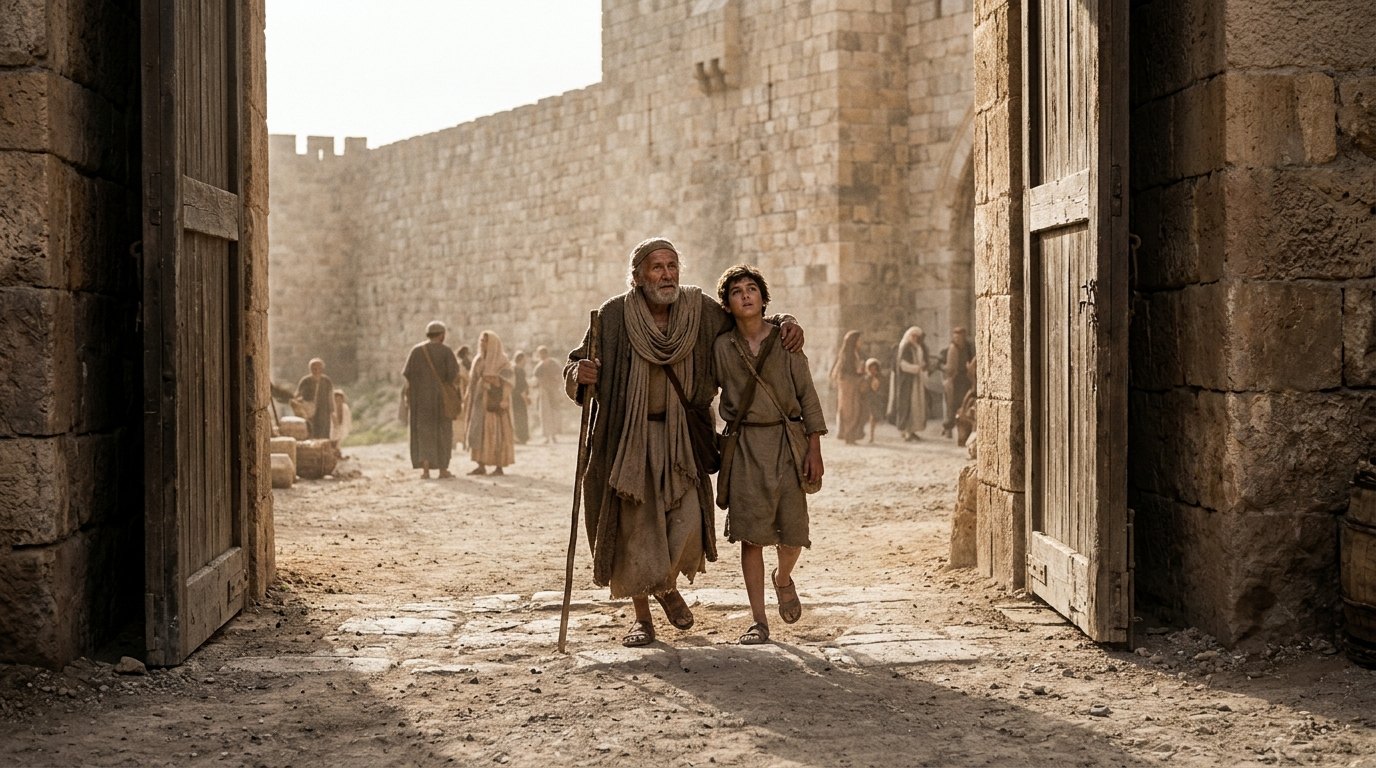
At that time I will deal with all who oppressed you. I will rescue the lame; I will gather the exiles. I will give them praise and honor in every land where they have suffered shame.
Zephaniah 3:19 (NIV)
It shows the practical result of verse 17: God personally rescuing the lame, gathering the outcasts, and changing their shame to praise.
The exuberant divine joy celebrated in Zephaniah 3:17 immediately spills over into tangible, compassionate action in Zephaniah 3:19, where the Lord pledges: "Behold, at that time I will deal with all your oppressors. And I will save the lame and gather the outcast, and I will change their shame into praise and renown in all the earth." God's singing is not a detached, ethereal hymn; it is the joyful prelude to the decisive rescue and total restoration of His suffering remnant. The very love that rests over Zion moves His arm to dismantle every force of oppression and elevate the crushed.
This promised restoration attends tenderly to grief and alienation. In Zephaniah 3:18, the Lord promises to gather those who mourn over their separation from the sacred assemblies, lifting the heavy reproach that weighed down their hearts during exile and distress. Where their inability to celebrate the appointed feasts was once an emblem of defeat, God personally intervenes to gather them home. He targets the most vulnerable—the lame and the outcast—refusing to leave behind those broken by affliction.
Finally, the prophecy reaches its grand consummation in Zephaniah 3:20, as the Lord declares, "At that time I will bring you in, at the time when I gather you together; for I will make you renowned and praised among all the peoples of the earth, when I restore your fortunes before your eyes." God does not merely grant His people an unseen deliverance; He vindicates them visibly and definitively, turning global contempt into everlasting honor. The warrior who rejoiced over His people in quiet love and ringing song brings His redeemed flock into the fullness of His rest.
| Passage | What it says |
|---|---|
| Zephaniah 3:18 | The Lord gathers those who sorrow over the appointed feasts and removes their reproach. |
| Zephaniah 3:19 | The Lord deals with oppressors, saves the lame, and gathers the outcast into praise and renown. |
| Zephaniah 3:20 | The Lord restores the fortunes of His people before their eyes, making them a praise among the nations. |
Where in the Bible
| Book | Passages |
|---|---|
| Genesis | 1 · Genesis 2:2 |
| Exodus | 1 · Exodus 15:3 |
| Deuteronomy | 3 · Deuteronomy 7:21, Deuteronomy 7:7-8, Deuteronomy 30:9 |
| Psalms | 2 · Psalms 147:11, Psalms 149:4 |
| Isaiah | 6 · Isaiah 12:2, Isaiah 9:6, Isaiah 42:13, Isaiah 63:1, Isaiah 62:4-5, Isaiah 65:19 |
| Jeremiah | 1 · Jeremiah 32:41 |
| Zephaniah | 9 · Zephaniah 3:14, Zephaniah 3:15, Zephaniah 3:16, Zephaniah 3:17, Zephaniah 1:14, Zephaniah 2:5, Zephaniah 3:18, Zephaniah 3:19, Zephaniah 3:20 |
| Zechariah | 1 · Zechariah 2:10 |
| Luke | 2 · Luke 15:7, Luke 15:10 |
| John | 1 · John 1:14 |
| Romans | 1 · Romans 8:38-39 |
| Hebrews | 3 · Hebrews 7:25, Hebrews 11:5-6, Hebrews 2:12 |
| Revelation | 1 · Revelation 21:3 |
The story in order
- God rests from creation (c. 4000 BC) · Genesis 2:2 · Shows God's delight in His finished work.
- God dwells in Israel's midst (c. 1400 BC) · Deuteronomy 7:21 · God is present as an awesome, mighty God.
- Lord is a warrior who saves (c. 1400 BC) · Exodus 15:3 · God overthrows enemies to deliver His people.
- Lord's day of wrath (c. 630 BC) · Zephaniah 1:14 · A day of judgment where even warriors cry out.
- Lord comes to dwell in Zion (c. 500 BC) · Zechariah 2:10 · Zion is summoned to rejoice as the Lord dwells there.
- Prophet declares God as salvation (c. 700 BC) · Isaiah 12:2 · God is salvation, strength, and song, enabling trust.
- Mighty God, Prince of Peace (c. 700 BC) · Isaiah 9:6 · Prophecy of Christ as mighty to save.
- Lord rejoices over His people (c. 590 BC) · Jeremiah 32:41 · God promises to rejoice with His whole heart.
- Lord turns away judgment (c. 630 BC) · Zephaniah 3:14 · Zion commanded to sing as judgment is removed.
- Lord dwells as King (c. 630 BC) · Zephaniah 3:15 · God removes punishment and dwells, removing fear.
- Lord is in your midst (c. 630 BC) · Zephaniah 3:17 · God saves, delights, calms, and rejoices over His people.
- The Word dwelt among us (AD 30) · John 1:14 · God's presence manifested in Jesus Christ.
- Jesus saves to the uttermost (AD 60) · Hebrews 7:25 · Jesus is able to save and intercedes for us.
- God's dwelling place is with man (AD 95) · Revelation 21:3 · The consummation: God dwelling with His redeemed people.
God's Presence with His People
| Old Testament Manifestation | New Testament Fulfilment | Passage |
|---|---|---|
| God dwells in Israel's midst as King | Deuteronomy 7:21 | Deuteronomy 7:21 |
| The Lord comes to dwell in Zion | Zechariah 2:10 | Zechariah 2:10 |
| The Word became flesh and dwelt among us | John 1:14 | John 1:14 |
| God's dwelling place is with man forever | Revelation 21:3 | Revelation 21:3 |
God's Delight in His People
| God's Pleasure | His People | Result | Passage |
|---|---|---|---|
| Takes pleasure in those who fear Him | Those who hope in His steadfast mercy | He adorns them with salvation | Psalms 147:11 |
| Delights in His people | The humble | Adorns them with salvation | Psalms 149:4 |
| Delights in His people | Israel | Land named Hephzibah | Isaiah 62:4-5 |
| Rejoices over His covenant people | To do them good | With His whole heart and soul | Jeremiah 32:41 |
| Rejoices over His people | For good | As He rejoiced over their fathers | Deuteronomy 30:9 |
| Rejoices in Jerusalem | His redeemed people | Gladness | Isaiah 65:19 |
| Delights, calms, rejoices over you | You (redeemed people) | Joyful shouts | Zephaniah 3:17 |
God as Mighty Warrior and Savior
| Description | Action | Outcome | Passage |
|---|---|---|---|
| Lord is a warrior who overthrows the enemy | Delivers His people | Song of Moses | Exodus 15:3 |
| Lord goes forth like a mighty warrior | Prevails against adversaries | Victory | Isaiah 42:13 |
| Lord is mighty to save | His afflicted people | Deliverance | Isaiah 63:1 |
| Lord your God is in your midst | Mighty warrior who saves | Deliverance and rejoicing | Zephaniah 3:17 |
| Jesus is able to save to the uttermost | Intercedes for those who draw near | Eternal salvation | Hebrews 7:25 |
Key words
- Lord (YHWH, יהוה)
- The covenant name of God, YHWH. · Zephaniah 3:17
- Mighty warrior (gibbor, גִּבּוֹר)
- A powerful combatant, strong and victorious in battle. · Zephaniah 3:17
- Saves (yasha, יָשַׁע)
- Delivers from danger or distress; rescues. · Zephaniah 3:17
- Delights (ḥāp̄aṣ, חָפֵץ)
- Takes great pleasure in; finds joy in. · Zephaniah 3:17
- Calms (ḥāraš, חָרַשׁ)
- Becomes quiet; ceases His anger; brings peace. · Zephaniah 3:17
- Rejoices (gîl, גִּיל)
- Expresses great joy or delight; celebrates. · Zephaniah 3:17
When guilt or fear whispers that God merely tolerates you from afar, Zephaniah 3:17 answers with the breathtaking reality of His active, singing delight. The Almighty Warrior who broke the power of sin and death dwells in your midst, resting completely in His covenant love and rejoicing over you with loud celebration. Lift your hands and banish your dread, for the King of heaven has made you His song.
32 passages, each cited once.
Scripture cited
- Zephaniah 3:17
- Psalms 149:4
- Psalms 147:11
- Hebrews 7:25
- Jeremiah 32:41
- Isaiah 12:2
- Zephaniah 3