What is Bethlehem's place in the Bible?
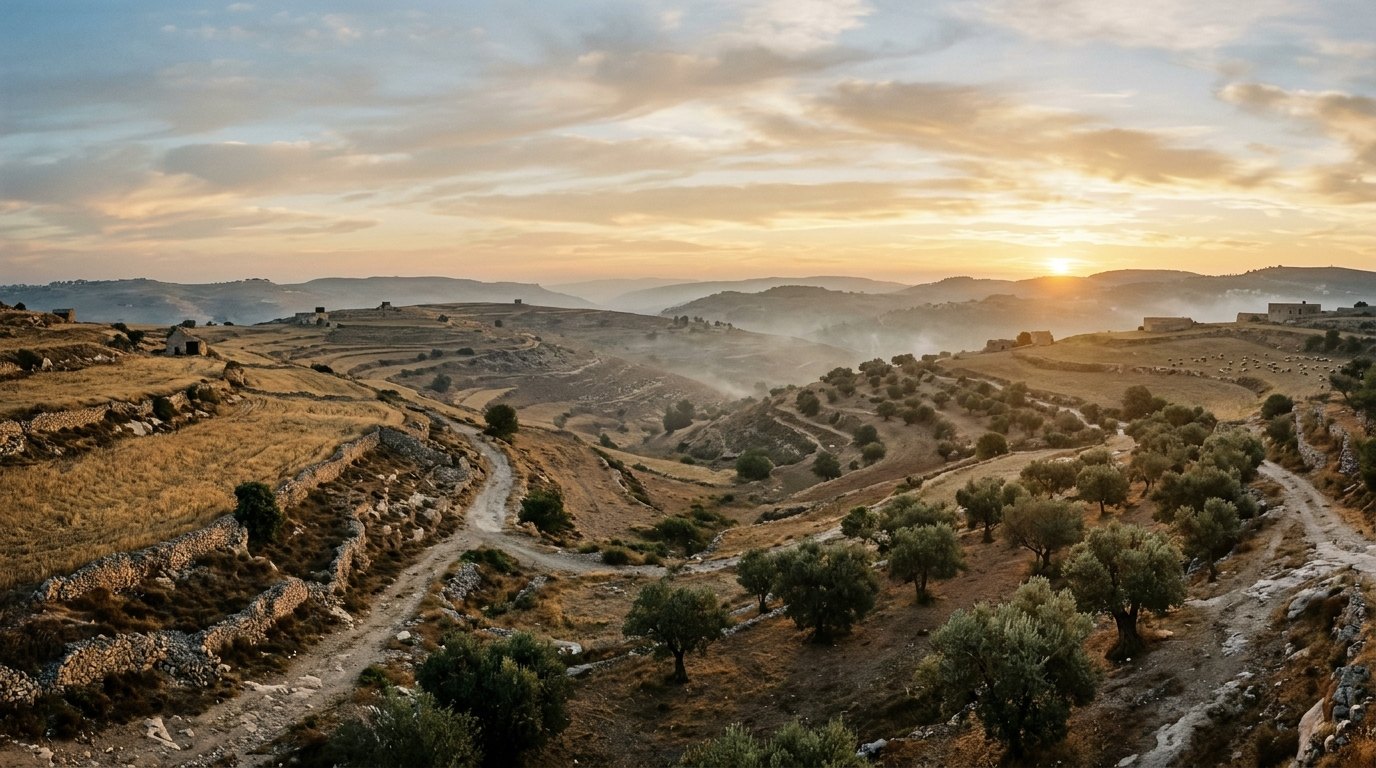
Micah 5:2
2 “But you, Bethlehem Ephrathah, though you are small among the clans of Judah, out of you will come for me one who will be ruler over Israel, whose origins are from of old, from ancient times.”
New International Version (NIV)
The answer
Bethlehem is the small town in Judah where David grew up and where Jesus Christ, the promised Messiah, was born. Its biblical importance reaches from Rachel and Ruth to David’s anointing and, above all, to the birth of the Savior (1 Samuel 16:1-13; Luke 2:4-11).
A town in Judah
The name Bethlehem means house of bread. The town stood about five miles south of Jerusalem and was also called Ephrath, Bethlehem Ephrathah, Bethlehem of Judah, and the city of David. It enters the biblical story when Rachel died while giving birth to Benjamin and was buried on the way to Ephrath, also called Bethlehem (Genesis 35:16-20).
The setting of Ruth’s and David’s stories
- Ruth and Naomi: Elimelech and Naomi were from Bethlehem, and Naomi later returned there with Ruth. Through Ruth’s marriage to Boaz, their son Obed became the father of Jesse and grandfather of David. Bethlehem therefore stands within the family line leading to David—and ultimately to Jesus (Ruth 1:1-2; Ruth 4:13-22).
- David: God sent Samuel to Jesse the Bethlehemite to anoint one of his sons as king. After seven older brothers had passed before Samuel, David was brought in from keeping the sheep. Samuel anointed him, and God’s Spirit came mightily upon him (1 Samuel 16:1-13).
The Messiah’s prophesied birthplace
Centuries before Jesus’ birth, Micah 5:2 declared: “But you, Bethlehem Ephrathah, being small among the clans of Judah, out of you one will come out to me who is to be ruler in Israel; whose goings out are from of old, from ancient times.”
The prophecy joins Bethlehem’s smallness with the ruler’s greatness. The town had little worldly importance, yet God chose it as the origin of His promised ruler, whose origins reach far beyond an ordinary earthly birth.
Fulfilled in Jesus’ birth
Joseph travelled to David’s city, which is called Bethlehem, because he belonged to David’s house and family. There Mary gave birth to Jesus and laid Him in a feeding trough. The angel announced to the shepherds, “For there is born to you today, in David’s city, a Savior, who is Christ the Lord” (Luke 2:4-11).
Matthew records that the chief priests and scribes identified Bethlehem from Micah’s prophecy when Herod asked where the Christ would be born. The wise men then went there, found the child with Mary, worshiped Him, and offered their gifts (Matthew 2:1-11). The child born in that small town is therefore both the heir of David’s city and the Savior and ruler Micah foretold.
Answered from Scripture · reviewed November 11, 2026
Bethlehem is the modest Judean town chosen by God across a millennium of redemptive history to serve as the birthplace of Israel's royal line and the cradle of the incarnate Messiah. Though small among the clans of Judah, its fields witnessed the patriarchal sorrows of Rachel, the faithful redemption of Ruth, the anointing of King David, and the arrival of David's eternal Son. Scripture marks Bethlehem not for worldly renown, but as the enduring theater of God's sovereign humility and fulfilled prophecy.
Patriarchal Roots
The Ancient Road of Ephrath
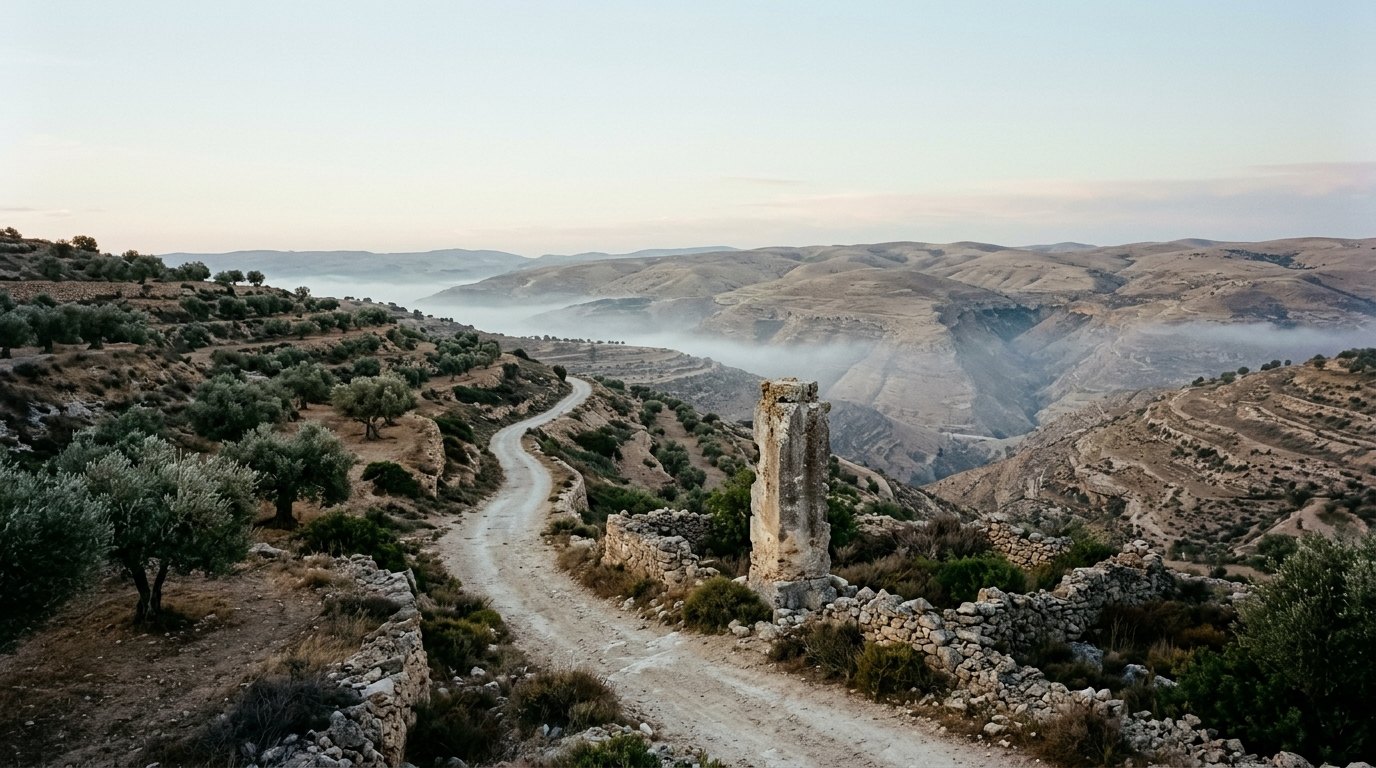
As I was returning from Paddan, to my sorrow Rachel died in the land of Canaan while we were still on the way, a little distance from Ephrath. So I buried her there beside the road to Ephrath” (that is, Bethlehem).
Genesis 48:7 (NIV)
Jacob recalls burying beloved Rachel on the road to Ephrath, permanently tying Bethlehem to Israel's earliest tribal memories.
Jacob’s deathbed remembrance in Genesis 48:7 anchors Bethlehem to the tenderest sorrow of Israel’s foundational patriarch: she died to my sorrow in the land of Canaan on the way, when there was yet some distance to go to Ephrath. Long before it became a royal seat, Bethlehem entered Holy Scripture framed by grief and birth. In Genesis 35:19, Rachel dies delivering Benjamin and is buried beside the dusty path to Ephrath, which the text explicitly glosses as Bethlehem. Her pillar of mourning marked the highway for generations, embedding the small hilltop town within the communal memory of Jacob's descendants.
During the dark centuries recorded in the Book of Judges, Bethlehem recurs as a backdrop to domestic movement and moral decay. Judges 12:8-10 notes Judge Ibzan of Bethlehem, who led Israel for seven years and marshaled extensive family alliances across his borders. Later narratives highlight the town’s geographical and tribal significance amidst Israel's spiritual decline. In Judges 17:7-9, an opportunistic young Levite from Bethlehem in Judah wanders north to establish an illicit household shrine in Micah’s compound in Ephraim. Similarly, Judges 19:1-2 and Judges 19:18 recount the tragic journey of a Levite retrieving his concubine from her father's house in Bethlehem-judah, a sequence of events that precipitated national catastrophe. Even in these sober accounts, the inspired historian repeatedly distinguishes Bethlehem of Judah from the northern town of the same name in Zebulun, quietly preserving the territory where God's sovereign covenant would ultimately bring forth life from death.
| Passage | What it says |
|---|---|
| Genesis 35:19 | Rachel dies giving birth to Benjamin and is buried along the way to Ephrath, which is Bethlehem. |
| Genesis 48:7 | Jacob on his deathbed recalls Rachel's burial beside the road to Ephrath in the land of Canaan. |
| Judges 17:7-9 | A young Levite departs from Bethlehem in Judah to seek a place to reside, coming to Micah's house. |
| Judges 19:1-2 | A Levite traveling from Ephraim takes a concubine from Bethlehem in Judah during the era of the judges. |
| Judges 19:18 | The Levite identifies his journey from Bethlehem-judah toward the remote parts of the hill country of Ephraim. |
| Judges 12:8-10 | Records the burial and family of Judge Ibzan, who was from Bethlehem and judged Israel for seven years. |
The Kinsman-Redeemer
Harvest Fields of Royal Lineage
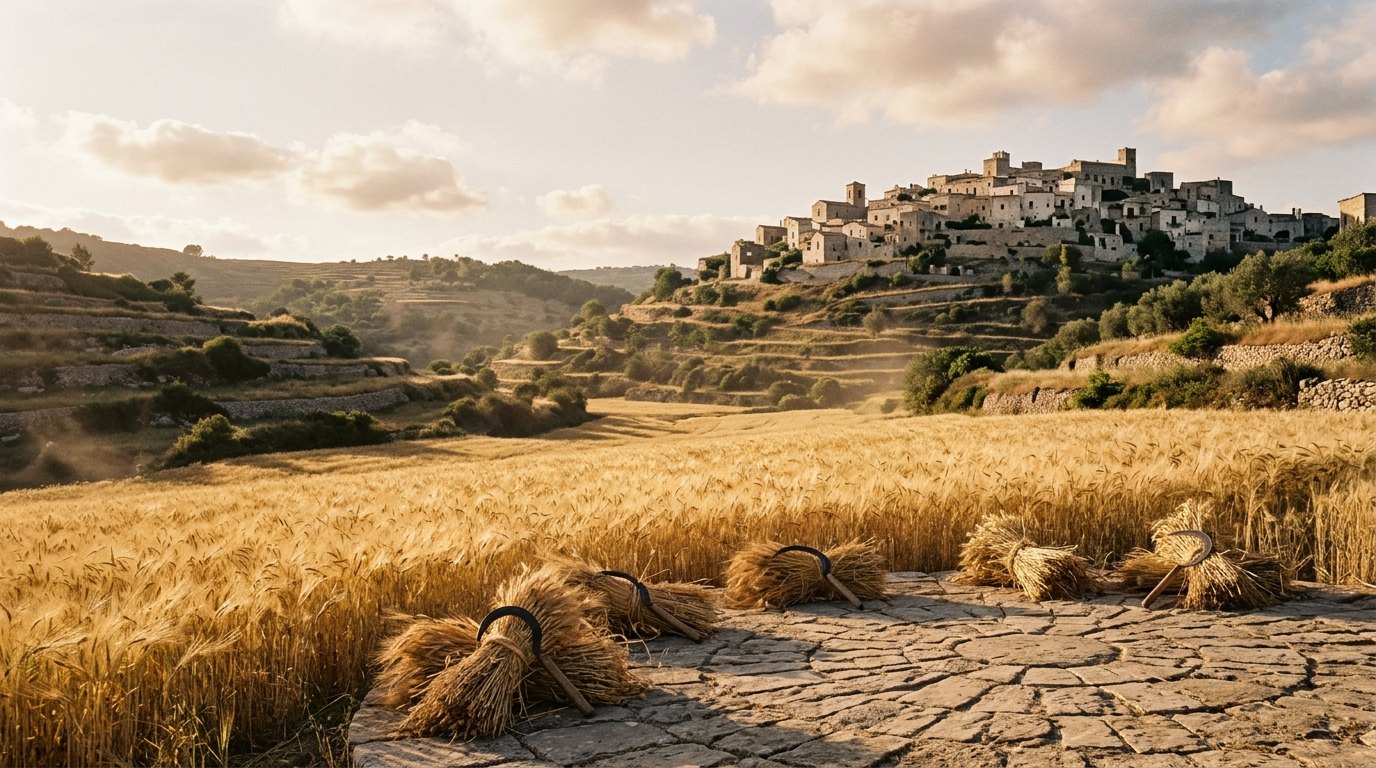
This, then, is the family line of Perez: Perez was the father of Hezron, Hezron the father of Ram, Ram the father of Amminadab, Amminadab the father of Nahshon, Nahshon the father of Salmon, Salmon the father of Boaz, Boaz the father of Obed, Obed the father of Jesse, and Jesse the father of David.
Ruth 4:18-22 (NIV)
The book concludes by tracing the Bethlehem harvest union of Boaz and Ruth straight to King David.
The inspired genealogy of Ruth 4:18-22 crowns the entire narrative by demonstrating that Boaz fathered Obed, Obed fathered Jesse, and Jesse fathered David. Through this providential lineage, God took a destitute Moabite widow and grafted her into the royal ancestry that ultimately led to Jesus Christ (Matthew 1:5-6; Luke 3:31-32). What began in tragedy and displacement became the bedrock of Israel’s monarchy, situated directly upon the fertile slopes of Bethlehem.
The drama opens in Ruth 1:1-2, when Elimelech flees famine in Bethlehem-judah to dwell in pagan Moab. Yet when bread returns to the town whose very name means house of bread, Naomi and Ruth return empty-handed, prompting the women of the city to stir with astonishment in Ruth 1:19. In Ruth 2:4, Boaz arrives from the town gate to bless his reapers in the name of Yahweh, modeling the righteousness that marked Bethlehem’s finest heritage. When he redeems Ruth at the city gate, the witnessing elders offer a prophetic blessing in Ruth 4:11: they plead that his household might become renowned in Ephrathah and famous in Bethlehem. This blessing bore eternal fruit, as documented in Matthew 1:5-6, weaving Bethlehem’s humble fields into the perpetual tapestry of messianic redemption.
| Passage | What it says | Fulfilled |
|---|---|---|
| Ruth 1:1-2 | Elimelech and his family depart Bethlehem-judah because of famine to dwell in the country of Moab. | |
| Ruth 1:19 | Naomi and Ruth return from Moab, causing the entire town of Bethlehem to be stirred at their arrival. | |
| Ruth 2:4 | Boaz comes from Bethlehem to greet his reapers in the field in the name of the Lord. | |
| Ruth 4:11 | The elders bless Boaz, praying his house be renowned in Ephrathah and famous in Bethlehem. | Matthew 1:5-6 |
| Ruth 4:18-22 | The genealogy of Perez demonstrates how Boaz fathered Obed, who fathered Jesse, who fathered David. | Matthew 1:5-6, Luke 3:31-32 |
The City of David
The Shepherd Anointed for the Throne
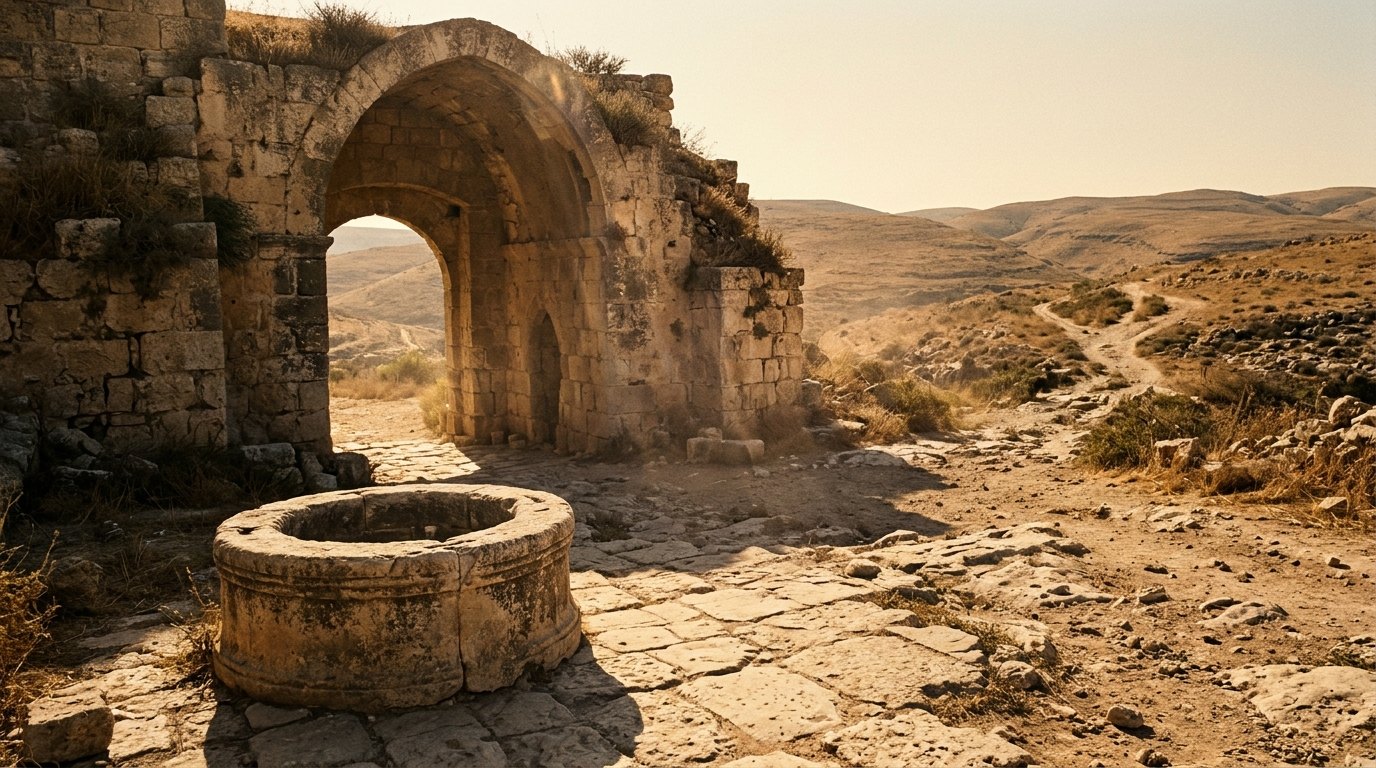
The LORD said to Samuel, “How long will you mourn for Saul, since I have rejected him as king over Israel? Fill your horn with oil and be on your way; I am sending you to Jesse of Bethlehem. I have chosen one of his sons to be king.”
1 Samuel 16:1 (NIV)
God sends Samuel specifically to Bethlehem to find and anoint Israel's true king among the sons of Jesse.
When God rejected Saul, He turned His gaze to Judah’s hill country, commanding the prophet in 1 Samuel 16:1: fill your horn with oil, and go; I will send you to Jesse the Bethlehemite, for I have provided for myself a king among his sons. Samuel obeys, arriving in fear and trembling before the local elders in 1 Samuel 16:4-5, where he sanctifies Jesse’s household. There, David is introduced in 1 Samuel 17:12 as the son of an Ephrathite of Bethlehem-judah. Even after joining Saul’s court, David continually returns to graze his father’s flock among Bethlehem’s crags (1 Samuel 17:15) and regularly journeys back for sacred family feasts (1 Samuel 20:6).
Bethlehem’s tribal lineage is preserved across the historical records. First Chronicles 2:51, 1 Chronicles 2:54, and 1 Chronicles 4:4 trace its lineage through Salma and Hur, sons of Caleb, demonstrating how the town was established within Judah's tribal allotment. The town also raised valiant warriors: 2 Samuel 2:32 notes the family tomb where Asahel was laid to rest, and 2 Samuel 23:24 lists Elhanan son of Dodo of Bethlehem among the Thirty. During the Philistine oppression, David cries out for a draught from his hometown well, prompting three warriors to break through enemy lines to draw water from the gate of Bethlehem (2 Samuel 23:14-17; 1 Chronicles 11:16-19). Remembering God's covenant with David, Psalm 132:6 recalls hearing of the ark in Ephrathah, while 2 Chronicles 11:5-6 records that King Rehoboam fortified Bethlehem as a royal stronghold.
| Passage | What it says |
|---|---|
| 1 Samuel 16:1 | The Lord directs Samuel to fill his horn with oil and go to Jesse the Bethlehemite to anoint a king. |
| 1 Samuel 16:4-5 | Samuel arrives at Bethlehem, trembling elders meet him, and he sanctifies Jesse and his sons for the sacrifice. |
| 1 Samuel 17:12 | David is introduced as the son of an Ephrathite of Bethlehem-judah named Jesse, who had eight sons. |
| 1 Samuel 17:15 | David frequently returns from Saul's service to feed his father's sheep in Bethlehem. |
| 1 Samuel 20:6 | Jonathan explains David's absence to Saul by citing a yearly family sacrifice in Bethlehem. |
| 2 Samuel 23:14-17 | David longs for water from the well of Bethlehem, which his three mighty men break through Philistine lines to draw. |
| 1 Chronicles 11:16-19 | The parallel chronicle of David's mighty men retrieving water from the gate of Bethlehem through the Philistine garrison. |
| Psalms 132:6 | The psalmist recalls hearing of the ark of the covenant at Ephrathah and finding it in the fields of Jaar. |
| 2 Samuel 2:32 | Asahel is buried in the tomb of his father, which was situated in Bethlehem. |
| 2 Samuel 23:24 | Names Elhanan son of Dodo of Bethlehem among David's elite Thirty mighty men. |
| 1 Chronicles 2:51 | Identifies Salma, son of Caleb, as the founding father of Bethlehem. |
| 1 Chronicles 2:54 | Genealogy recording the sons of Salma: Bethlehem and the Netophathites. |
| 1 Chronicles 4:4 | Lists Hur, the firstborn of Ephrathah, as the father of Bethlehem. |
| 2 Chronicles 11:5-6 | Rehoboam strengthens the defense of Judah by fortifying Bethlehem among other cities. |
Prophetic Promise
The Eternal Ruler from Humble Ephrathah
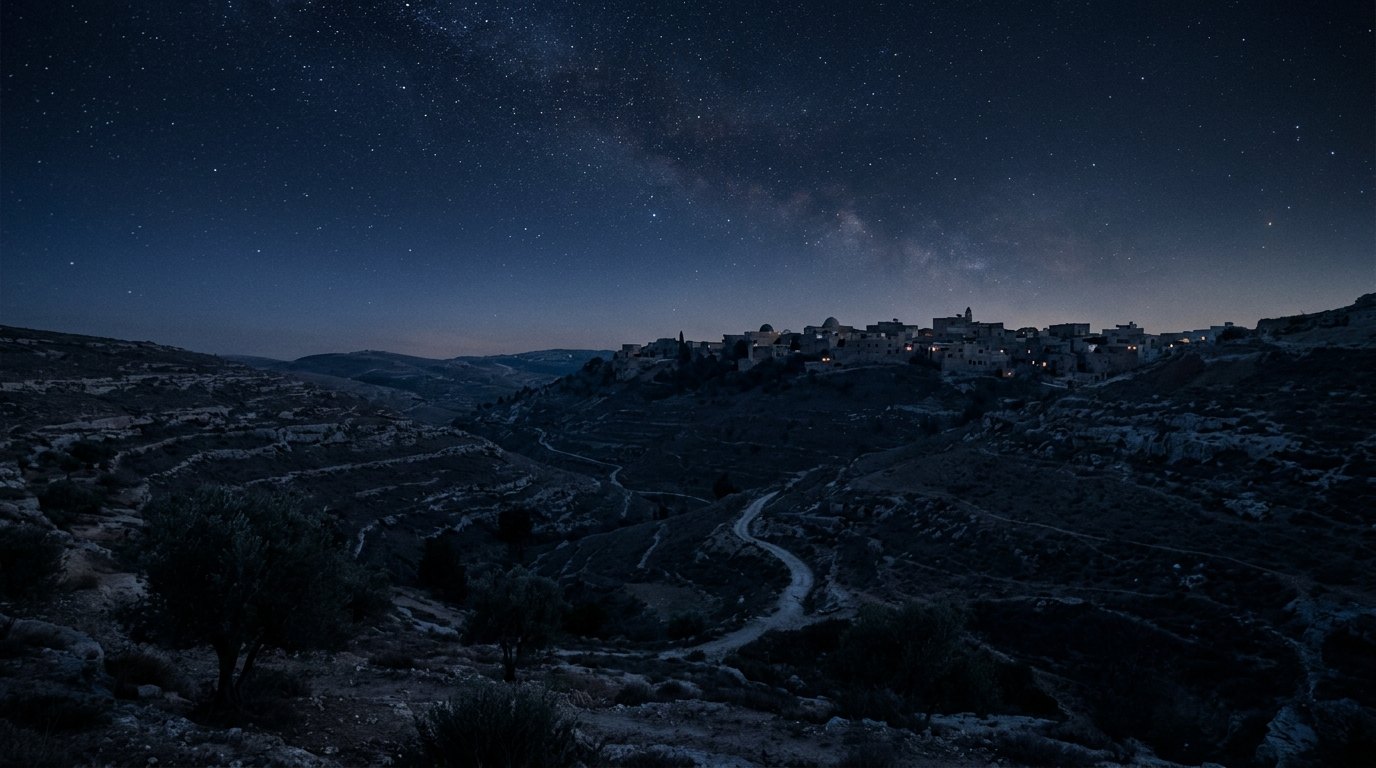
“But you, Bethlehem Ephrathah, though you are small among the clans of Judah, out of you will come for me one who will be ruler over Israel, whose origins are from of old, from ancient times.”
Micah 5:2 (NIV)
Micah explicitly identifies little Bethlehem Ephrathah as the precise birthplace of an eternal ruler in Israel.
Micah 5:2 pierces centuries of royal failure with one of the most precise messianic promises in Holy Scripture: but you, O Bethlehem Ephrathah, who are too little to be among the clans of Judah, from you shall come forth for me one who is to be ruler in Israel, whose coming forth is from of old, from ancient days. This prophecy, explicitly confirmed in Matthew 2:5-6 and John 7:42, guaranteed that the eternal King would not originate in the palaces of Jerusalem, but from the unassuming shepherd village of David.
This promised arrival was the culmination of ancient covenant threads. In Genesis 49:10, dying Jacob had foretold that the scepter would never depart from Judah until Shiloh came, commanding the obedience of all nations, a promise fulfilled when the angel declared Christ’s eternal throne to Mary (Luke 1:32-33). Psalm 90:2 celebrates the divine nature that exists from everlasting to everlasting, mirroring the eternal antiquity of the Bethlehem-born ruler whose incarnation is affirmed in John 1:1-2. Isaiah 9:6-7 likewise promised a miraculous child upon David's throne titled Mighty God and Prince of Peace (Luke 1:31-33). Micah brings these majestic, eternal realities down to earth, locating the dawn of the everlasting kingdom in little Bethlehem Ephrathah, proving God's delight in overturning worldly power through humble beginnings.
| Passage | What it says | Fulfilled |
|---|---|---|
| Genesis 49:10 | Jacob prophesies that the scepter will remain with Judah until Shiloh comes, commanding the obedience of peoples. | Luke 1:32-33 |
| Psalms 90:2 | The Lord's divine nature is declared to be from everlasting to everlasting, matching the eternal origin in Micah's prophecy. | John 1:1-2 |
| Isaiah 9:6-7 | A child is promised upon David's throne named Mighty God and Prince of Peace, establishing an endless kingdom. | Luke 1:31-33 |
| Micah 5:2 | Bethlehem Ephrathah, though small among Judah's clans, is appointed to bring forth Israel's eternal ruler. | Matthew 2:5-6, John 7:42 |
Messianic Fulfilment
The Birth of Christ in David's Town
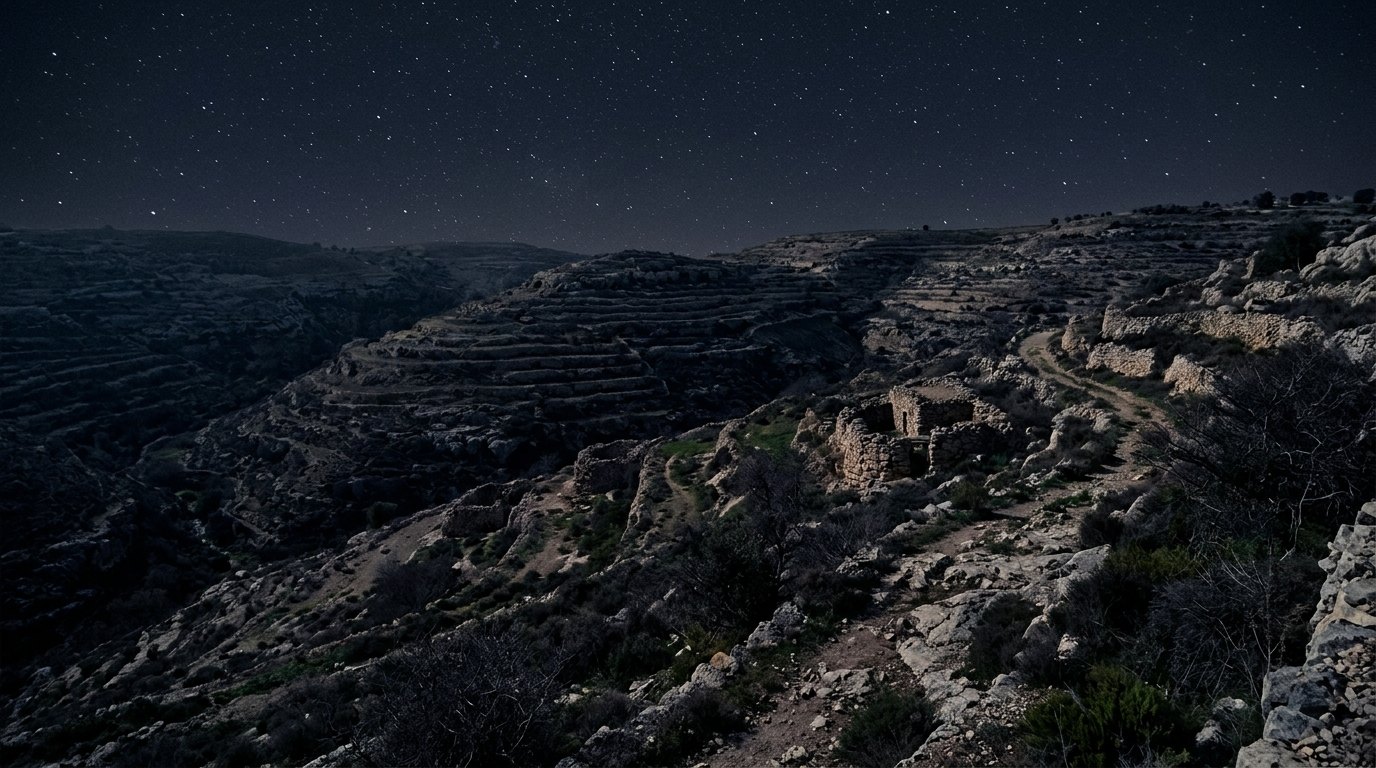
“ ‘But you, Bethlehem, in the land of Judah, are by no means least among the rulers of Judah; for out of you will come a ruler who will shepherd my people Israel.’”
Matthew 2:6 (NIV)
Chief priests and scribes cite Micah's prophecy before Herod, demonstrating universal Jewish conviction about Bethlehem's destiny.
When King Herod assembled the chief priests and scribes in Jerusalem, they answered without hesitation that the Messiah was to be born in Bethlehem of Judea, citing Micah's ancient oracle (Matthew 2:6). This unified theological testimony confirmed that Israel's long-expected Shepherd would rise out of David's humble ancestral village. Gabriel had already laid the foundation of this fulfillment by announcing to Mary that her Son would inherit the everlasting throne of His father David (Luke 1:31-33). In the fullness of time, divine providence mobilized an imperial census to bring Joseph and Mary from Nazareth to Judea, because Joseph belonged to David's royal lineage (Luke 2:4-7). There, in an ordinary shelter, the incarnate Son was born, and the heavens burst into praise before night-watch shepherds, proclaiming the arrival of a Savior, Christ the Lord, in the city of David (Luke 2:10-11). Obeying the heavenly directive, the shepherds hurried straight into Bethlehem to witness the wonder God had revealed (Luke 2:15). Following Jesus' nativity in Bethlehem (Matthew 2:1), Herod inquired of the scholars (Matthew 2:5-6) and dispatched the Eastern Magi directly toward Bethlehem to locate the newborn King (Matthew 2:8). Bethlehem subsequently bore the agonizing weight of Herod's fury when he slaughtered every male infant aged two and under throughout the village and its surrounding territories (Matthew 2:16). Decades later, during Jesus' public ministry in Jerusalem, the town remained the undeniable standard of messianic expectation as disputing crowds insisted that Scripture explicitly required the Messiah to come from David's seed and out of David's hometown of Bethlehem (John 7:42).
| Passage | What it says |
|---|---|
| Luke 1:31-33 | The angel Gabriel announces to Mary that her Son will receive the throne of His father David forever. |
| Luke 2:4-7 | Joseph and Mary journey to Bethlehem because he is of David's house, and Mary gives birth to Jesus there. |
| Luke 2:10-11 | The angel announces to shepherds that a Savior, Christ the Lord, is born this day in the city of David. |
| Luke 2:15 | The shepherds resolve to go straight to Bethlehem to see the thing that has happened which the Lord revealed. |
| Matthew 2:1 | Jesus is born in Bethlehem of Judea in the days of Herod the king when wise men arrive from the east. |
| Matthew 2:5-6 | The scribes declare the Messiah must be born in Bethlehem of Judea, quoting the prophet Micah. |
| Matthew 2:8 | Herod sends the Magi specifically to Bethlehem to search diligently for the young child. |
| Matthew 2:16 | Herod slays all the male children two years old and under in Bethlehem and its surrounding vicinity. |
| John 7:42 | The crowd debates Jesus' identity by affirming Scripture says Christ comes from David's seed and from Bethlehem. |
Exile and Return
Remnant and Return around David's Town
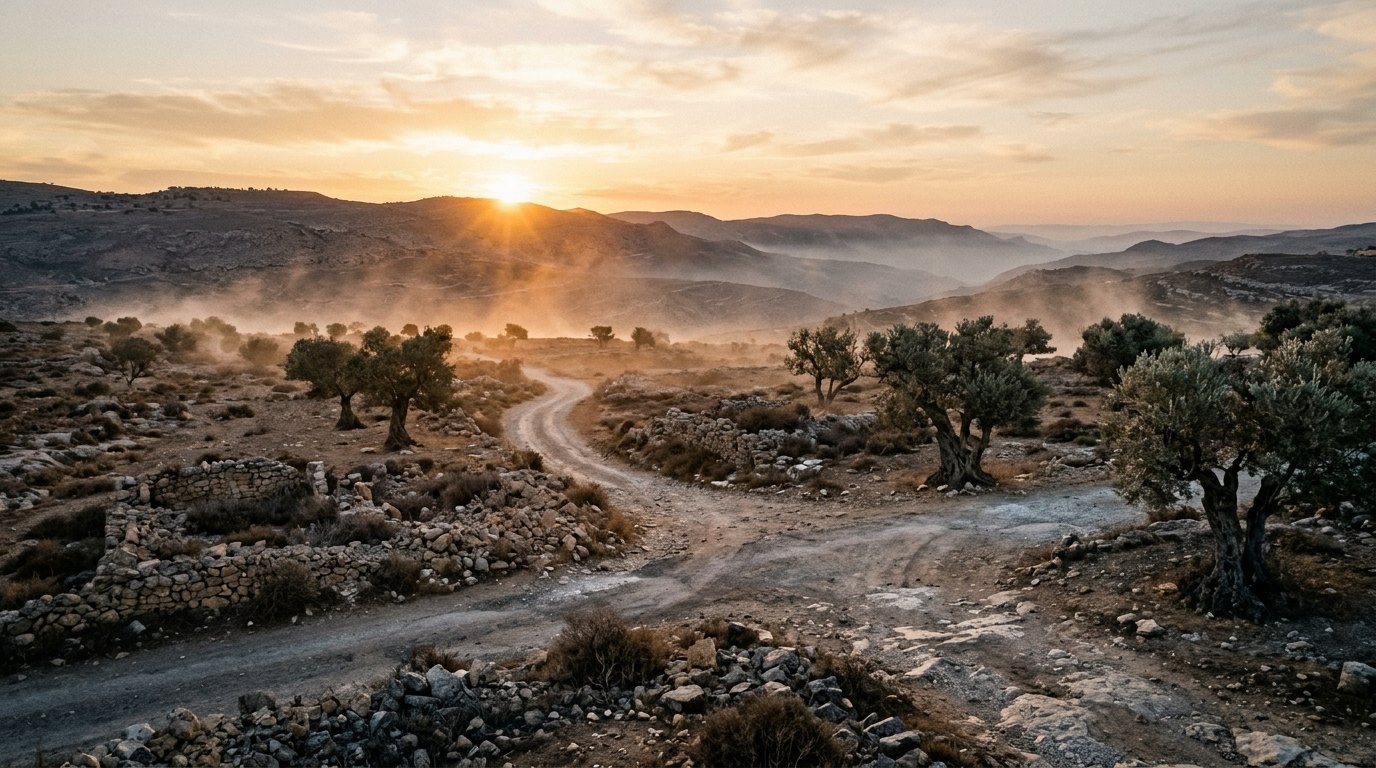
And they went on, stopping at Geruth Kimham near Bethlehem on their way to Egypt
Jeremiah 41:17 (NIV)
Shows Bethlehem as the staging ground where the remnant hesitated before departing Judah after Jerusalem's fall.
Following the devastation of Jerusalem and the tragic assassination of the Babylonian governor Gedaliah, Bethlehem served as the mournful crossroads for the terrified survivors of Judah (Jeremiah 41:17). Johanan and the commanders gathered the shaken remnant and halted at Geruth Chimham—a historic lodging place near Bethlehem likely associated with David's ancient gratitude to Barzillai's family—as they hesitated before fleeing to Egypt against Jeremiah's warnings. Even in the nation's darkest collapse, Bethlehem stood as the threshold between exile and the ancestral soil. Yet God's covenant with David ensured that the little town would not remain a desolate memory. Centuries later, when the Persian decree permitted the exiles to rebuild their ruined land, Bethlehem resurfaced in the sacred genealogies of restoration. The register of the initial return under Zerubbabel records precisely one hundred twenty-three men of Bethlehem journeying back to reclaim their ancestral heritage (Ezra 2:21). A generation later, Nehemiah preserved a related administrative census recording one hundred eighty-eight men returning to Bethlehem and its neighboring village of Netophah (Nehemiah 7:26). These faithful returnees re-established family roots, tilled the old fields, and maintained the Davidic homeplace, quietly preserving the small town for its glorious, predestined role in the birth of the Messiah.
| Passage | What it says |
|---|---|
| Jeremiah 41:17 | Johanan and the remnant stay at Geruth Chimham near Bethlehem while fleeing toward Egypt. |
| Ezra 2:21 | Records one hundred twenty-three men of Bethlehem returning from the Babylonian exile. |
| Nehemiah 7:26 | Registers one hundred eighty-eight men of Bethlehem and Netophah returning from captivity. |
Where in the Bible
| Book | Passages |
|---|---|
| Genesis | 3 · Genesis 35:19, Genesis 48:7, Genesis 49:10 |
| Judges | 4 · Judges 17:7-9, Judges 19:1-2, Judges 19:18, Judges 12:8-10 |
| Ruth | 5 · Ruth 1:1-2, Ruth 1:19, Ruth 2:4, Ruth 4:11, Ruth 4:18-22 |
| 1 Samuel | 5 · 1 Samuel 16:1, 1 Samuel 16:4-5, 1 Samuel 17:12, 1 Samuel 17:15, 1 Samuel 20:6 |
| 2 Samuel | 3 · 2 Samuel 23:14-17, 2 Samuel 2:32, 2 Samuel 23:24 |
| 1 Chronicles | 4 · 1 Chronicles 11:16-19, 1 Chronicles 2:51, 1 Chronicles 2:54, 1 Chronicles 4:4 |
| 2 Chronicles | 1 · 2 Chronicles 11:5-6 |
| Ezra | 1 · Ezra 2:21 |
| Nehemiah | 1 · Nehemiah 7:26 |
| Psalms | 2 · Psalms 132:6, Psalms 90:2 |
| Isaiah | 1 · Isaiah 9:6-7 |
| Jeremiah | 1 · Jeremiah 41:17 |
| Micah | 1 · Micah 5:2 |
| Matthew | 4 · Matthew 2:1, Matthew 2:5-6, Matthew 2:8, Matthew 2:16 |
| Luke | 4 · Luke 1:31-33, Luke 2:4-7, Luke 2:10-11, Luke 2:15 |
| John | 1 · John 7:42 |
The story in order
- Rachel buried near Ephrath (c. 1800 BC) · Genesis 35:19 · Establishes Bethlehem's ancient connection to a matriarch.
- Levite departs Bethlehem (c. 1100 BC) · Judges 17:7-9 · Shows Bethlehem as a place of origin in the tribal era.
- Judge Ibzan from Bethlehem (c. 1100 BC) · Judges 12:8-10 · Highlights Bethlehem's contribution to Israel's leadership.
- Elimelech leaves Bethlehem (c. 1100 BC) · Ruth 1:1-2 · Depicts famine driving people from Bethlehem.
- Naomi and Ruth return to Bethlehem (c. 1100 BC) · Ruth 1:19 · Marks a significant return and community stir.
- Boaz blessed in Bethlehem (c. 1100 BC) · Ruth 4:11 · Connects Bethlehem to lineage and blessing.
- David anointed king in Bethlehem (c. 1000 BC) · 1 Samuel 16:1 · Foretells Bethlehem as the birthplace of royalty.
- David's mighty men seek Bethlehem water (c. 1000 BC) · 2 Samuel 23:14-17 · Shows Bethlehem's importance to David's heart.
- Rehoboam fortifies Bethlehem (c. 930 BC) · 2 Chronicles 11:5-6 · Indicates strategic importance in the divided kingdom.
- Prophecy of Messiah from Bethlehem (c. 700 BC) · Micah 5:2 · Foretells the eternal ruler's origin from Bethlehem.
- Returnees from exile include Bethlehem (c. 538 BC) · Ezra 2:21 · Shows continuity of the town after exile.
- Jesus born in Bethlehem (c. 4 BC) · Luke 2:4-7 · Fulfills prophecy as the Messiah's birthplace.
- Herod slays Bethlehem's children (c. 4 BC) · Matthew 2:16 · Highlights the threat to the newborn King.
Key words
- Ephrathah (Ephrathah (Hebrew))
- An ancient name for Bethlehem, signifying fruitfulness. · Genesis 35:19
- Bethlehem-judah (Bethlehem-judah (Hebrew))
- Bethlehem located in the territory of the tribe of Judah. · Judges 17:7
- Scepter (shebet (Hebrew))
- Symbol of royal authority and kingly rule. · Genesis 49:10
- Shiloh (Shiloh (Hebrew))
- The one to whom it belongs; the Messiah. · Genesis 49:10
- Messiah (Mashiach (Hebrew))
- Anointed one; the promised King and Savior. · Isaiah 9:6
Bethlehem proves that God fulfills His eternal promises through the humble and overlooked places of the earth. From its quiet hills came both David the shepherd-king and Jesus Christ, the everlasting Savior who rules His people in peace. For the believer, Bethlehem stands as an unshakeable monument to God's providence, showing that no detail of His word ever fails.
41 passages, each cited once.
Scripture cited
- Micah 5:2
- Genesis 35:16-20
- Ruth 1:1-2
- Ruth 4:13-22
- 1 Samuel 16:1-13
- Luke 2:1-20
- Matthew 2:1-12