What is pre-, mid- and post-tribulation?
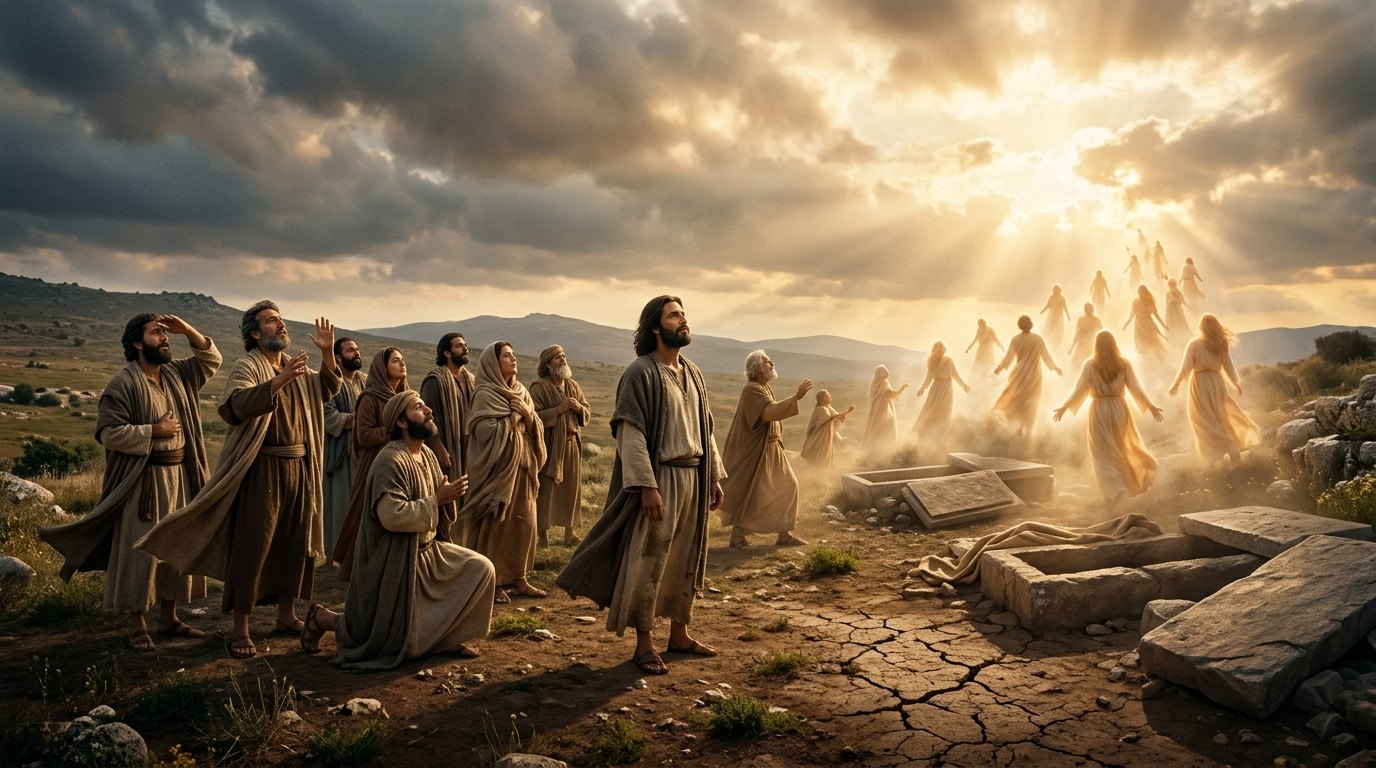
1 Thessalonians 4:13-18
13 Brothers and sisters, we do not want you to be uninformed about those who sleep in death, so that you do not grieve like the rest of mankind, who have no hope.
14 For we believe that Jesus died and rose again, and so we believe that God will bring with Jesus those who have fallen asleep in him.
15 According to the Lord’s word, we tell you that we who are still alive, who are left until the coming of the Lord, will certainly not precede those who have fallen asleep.
16 For the Lord himself will come down from heaven, with a loud command, with the voice of the archangel and with the trumpet call of God, and the dead in Christ will rise first.
17 After that, we who are still alive and are left will be caught up together with them in the clouds to meet the Lord in the air. And so we will be with the Lord forever.
18 Therefore encourage one another with these words.
New International Version (NIV)
The answer
Pre-tribulation, mid-tribulation and post-tribulation are three views of when the church is caught up to meet Christ: before, halfway through, or after the final end-time tribulation. The event being timed—often called the rapture—is described in 1 Thessalonians 4:16-17: the Lord descends, the dead in Christ rise, and living believers are “caught up together with them” to meet Him.
In this discussion, tribulation means more than the ordinary hardship Christians experience. Jesus says, “In the world you have trouble” (John 16:33), but Matthew 24:21-22 describes a future period of unparalleled suffering. The three views concern the church’s relationship to that specific period:
- View — When are believers caught up? — How the sequence is understood
- Pre-tribulation — Before the tribulation begins — Christ catches up the church before this period; His coming for the church and His later return in glory are understood as distinct stages. Revelation 3:10, especially the promise to “keep you from the hour of testing,” is an important text for this view.
- Mid-tribulation — At the tribulation’s midpoint — The church experiences the first part but is caught up before the final, most severe part. This view commonly connects the timing with Daniel 9:27, where sacrifice and offering cease “in the middle of the week.”
- Post-tribulation — After the tribulation, at Christ’s return — The church passes through the tribulation and is gathered when Christ comes in glory. This view commonly understands the gathering in Matthew 24:29-31 and the catching up in 1 Thessalonians 4:16-17 as the same event.
Where the “middle” comes from
Daniel 9:27 describes a covenant lasting one “week,” with sacrifice stopping in its middle. Many interpreters understand that week as seven years, making its midpoint approximately three and a half years. The pre-, mid- and post-tribulation positions then differ over how that framework fits with Christ’s teaching and Paul’s description of the resurrection and gathering of believers.
A central textual question is how Matthew 24:29-31 relates to 1 Thessalonians 4:16-17. Jesus places the darkening of the heavens, His coming and the angels’ gathering of His chosen ones “immediately after the suffering of those days.” Post-tribulation reads that as a direct sequence; pre- and mid-tribulation generally distinguish that gathering from an earlier catching up of the church.
What is not in dispute among these views
Each affirms the certainties stated in 1 Thessalonians 4:14-17: Jesus died and rose again, the dead in Christ will rise, living believers will be caught up, and all will be with the Lord forever. These labels concern prophetic timing, not different ways of salvation.
They also should not be confused with premillennialism and postmillennialism, which concern Christ’s relationship to the thousand years described in Revelation 20:1-6 rather than the rapture’s relationship to the tribulation.
Paul’s stated purpose for explaining Christ’s coming is encouragement, not speculation: “Therefore comfort one another with these words” (1 Thessalonians 4:18).
Answered from Scripture · reviewed November 12, 2026
Pre-tribulation, mid-tribulation, and post-tribulation are three distinct understandings of when believers are caught up to meet Jesus Christ relative to the final, unprecedented period of global distress. Each position examines the same biblical promises—the resurrection of the dead, the gathering of the saints, and the return of the King—while weighing how prophetic timelines in Daniel, the Gospels, the Epistles, and Revelation align.
The Blessed Hope
The Gathering of the Saints in the Air
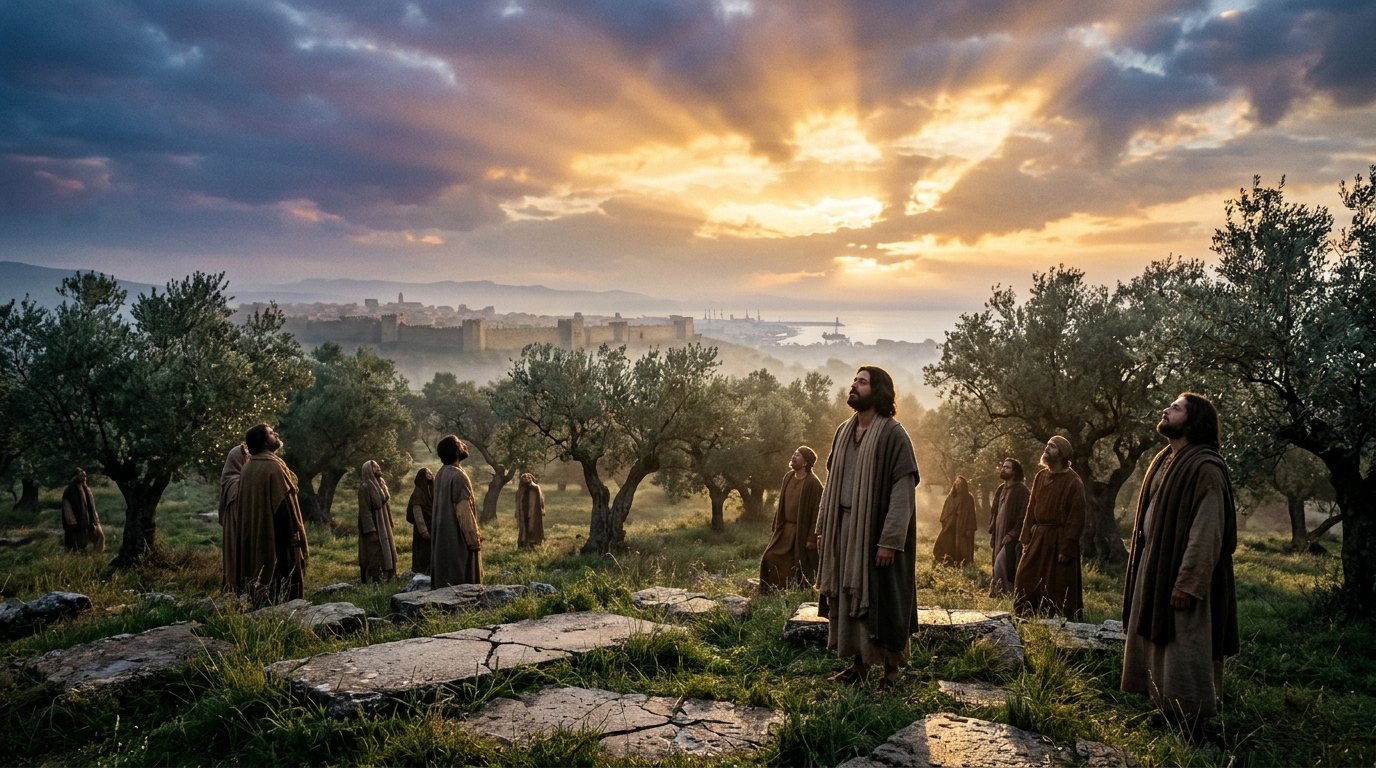
For the Lord himself will come down from heaven, with a loud command, with the voice of the archangel and with the trumpet call of God, and the dead in Christ will rise first. After that, we who are still alive and are left will be caught up together with them in the clouds to meet the Lord in the air. And so we will be with the Lord forever.
1 Thessalonians 4:16-17 (NIV)
This text provides the foundational New Testament description of the Lord's descent and believers being caught up to meet Him.
The blessed promise of the gathering of believers pivots upon 1 Thessalonians 4:16-17, where the Apostle Paul declares that the Lord Himself will descend from heaven with a shout, with the voice of an archangel, and with the trumpet call of God. At this climactic summons, the dead in Christ rise first, and those who remain alive are caught up together with them in the clouds to meet the Lord in the air. Paul frames this truth in 1 Thessalonians 4:13-15 to console believers grieving departed brethren, ensuring that those asleep will not miss this triumphant reunion. In 1 Thessalonians 4:18, this reality serves as an enduring source of encouragement for the church.
This miraculous departure involves a total, instantaneous bodily transformation. In 1 Corinthians 15:51-53, Paul reveals a mystery: while not all will taste physical death, every believer will be radically changed in the twinkling of an eye at the sound of the final trumpet. This sudden glorification fulfills the promise of Jesus in John 14:2-3, where He assures His disciples that He has gone ahead to prepare a dwelling place in the Father's house and will come again to receive them to Himself. When this mortal flesh clothes itself in immortality, as 1 Corinthians 15:54-57 explains, death itself is swallowed up in permanent victory through Christ. Believers are called in Philippians 3:20-21 to anchor their citizenship in heaven, eagerly anticipating the Savior who will refashion their lowly bodies into the likeness of His glorious body.
| Passage | What it says |
|---|---|
| 1 Thessalonians 4:13-15 | Paul reassures the church concerning deceased believers, declaring they will not miss the coming of the Lord. |
| 1 Thessalonians 4:16-17 | The Lord descends with a shout, the dead in Christ rise first, and the living are caught up together with them. |
| 1 Thessalonians 4:18 | Believers are instructed to actively comfort one another with the certainty of Christ's return and the resurrection. |
| 1 Corinthians 15:51-53 | Paul reveals the mystery that not all will sleep, but all believers will be transformed in a moment at the trumpet. |
| John 14:2-3 | Jesus promises His disciples that He goes to prepare a place and will return to receive them to Himself. |
| 1 Corinthians 15:54-57 | Death is swallowed up in victory through Christ when the mortal puts on immortality at the resurrection change. |
| Philippians 3:20-21 | Believers eagerly await the Savior from heaven who will transform lowly mortal bodies to conform to His glorious body. |
The Time of Trouble
The Prophetic Framework of Unparalleled Distress
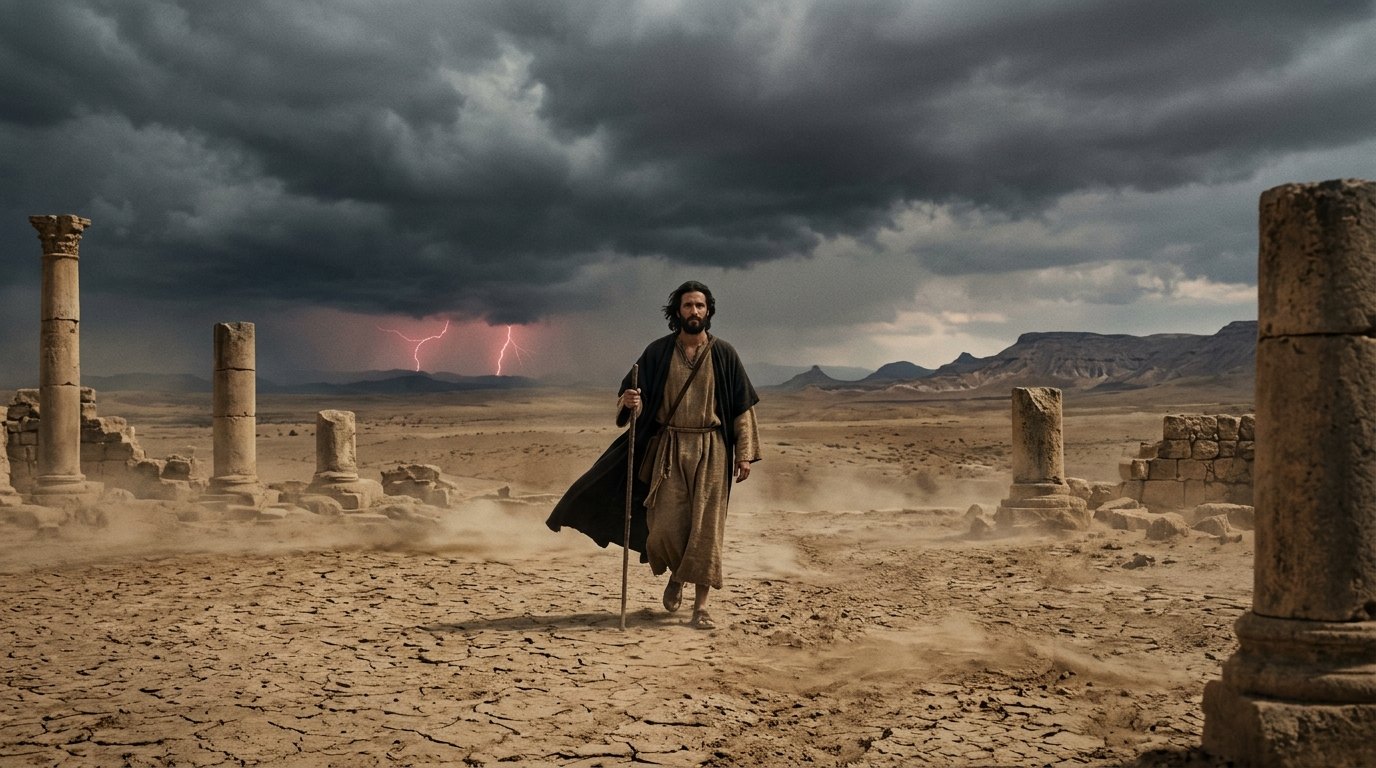
For then there will be great distress, unequaled from the beginning of the world until now—and never to be equaled again. “If those days had not been cut short, no one would survive, but for the sake of the elect those days will be shortened.
Matthew 24:21-22 (NIV)
Jesus defines this coming tribulation as uniquely severe, surpassing every prior catastrophe in human history.
Scripture repeatedly warns of an unprecedented epoch of worldwide calamity, defined decisively in Matthew 24:21-22, where Jesus announces that there will be great tribulation such as has never occurred since the beginning of creation, nor ever will again. Were those days not sovereignly shortened for the elect's sake, no human flesh would survive. This climactic period aligns with the prophetic outline given in Daniel 9:27, which marks a final seven-year period—Daniel's seventieth week—inaugurated by a treaty that is violently breached at the midpoint when temple sacrifices are halted.
The Old Testament prophets repeatedly looked toward this terrifying season with awe. In Daniel 12:1-2, the prophet describes an unparalleled time of distress for his people, out of which everyone whose name is written in the book will be delivered, accompanied by the awakening of those sleeping in the dust. Jeremiah 30:7 cries out concerning this very ordeal, identifying it as the day of Jacob's trouble, a distress without equal from which God ultimately promises deliverance. Zephaniah 1:14-15 similarly depicts the imminent day of the Lord as a day of wrath, anguish, ruin, and deep gloom. As the seals open in Revelation 6:16-17, even earthly kings and rulers cower, acknowledging that the catastrophic day of the Lamb's wrath has arrived. Yet even in the shadow of this universal crucible, Revelation 3:10 sets forth the divine promise to guard the faithful from the hour of trial coming upon the whole earth.
| Passage | What it says |
|---|---|
| Daniel 9:27 | A final prophetic covenant is established for one seven-year week, broken midway by the cessation of sacrifices. |
| Daniel 12:1-2 | Daniel foretells a time of unprecedented distress, the deliverance of God's written people, and the resurrection. |
| Jeremiah 30:7 | Jeremiah laments the day of Jacob's trouble, a time of singular sorrow from which Israel will ultimately be saved. |
| Matthew 24:21-22 | Christ describes a great tribulation unequaled from the world's beginning, shortened for the sake of the elect. |
| Revelation 3:10 | The faithful church is promised preservation from the coming hour of trial meant to test the whole earth. |
| Zephaniah 1:14-15 | The great day of the Lord approaches quickly as a day of wrath, distress, trouble, and ruin. |
| Revelation 6:16-17 | The kings and inhabitants of the earth confess that the great day of the Lamb's wrath has come. |
Before the Wrath
The Pre-Tribulation Gathering Before Judgment

For God did not appoint us to suffer wrath but to receive salvation through our Lord Jesus Christ.
1 Thessalonians 5:9 (NIV)
Paul explicitly contrasts the sudden destruction falling upon the world with the believer's exemption from God's wrath.
The pre-tribulation view rests firmly on the distinction between divine judgment and the church's destiny, anchored in 1 Thessalonians 5:9-10, where Paul assures believers that God has not appointed them to wrath, but to obtain full salvation through Jesus Christ. In this perspective, the tribulation represents the poured-out wrath of the Lamb, from which the redeemed body of Christ is deliberately spared. Paul opens his letter with this same theme in 1 Thessalonians 1:10, describing the faithful as those who wait expectantly for God's Son from heaven, who delivers them from the coming indignation.
Throughout the New Testament, believers are commanded to maintain vigilant expectation rather than brace for apocalyptic wrath. In Luke 21:36, Jesus urges His followers to watch and pray always that they may have the strength to escape all these impending horrors and stand before the Son of Man. This expectation is framed in Titus 2:13 not as dread of an antichrist, but as the blessed hope and glorious appearing of our great God and Savior. When John is summoned upward in Revelation 4:1 by a voice like a trumpet, pre-tribulation interpreters see an evocative foreshadowing of the church's removal before earthly judgments unfold. This aligns with Romans 5:9, which roots our rescue from wrath in the completed atonement of the blood of Christ, and 2 Peter 2:9, which affirms that the Lord knows how to rescue the godly from trials while reserving the unrighteous for punishment.
| Passage | What it says |
|---|---|
| 1 Thessalonians 1:10 | Believers wait for Jesus from heaven, who delivers His people from the impending wrath of God. |
| 1 Thessalonians 5:9-10 | God has not appointed believers to wrath, but to obtain salvation through the Lord Jesus Christ. |
| Luke 21:36 | Jesus commands believers to watch and pray always to be counted worthy to escape all coming things. |
| Titus 2:13 | The church looks forward with expectation to the blessed hope and glorious appearing of Jesus Christ. |
| Revelation 4:1 | John hears a voice like a trumpet summoning him upward before the heavenly vision of judgment unfolds. |
| Romans 5:9 | Having been justified by Christ's blood, believers are assured of being saved from God's coming wrath through Him. |
| 2 Peter 2:9 | The Lord knows how to rescue the godly from trial while keeping the unrighteous under punishment for judgment. |
The Midpoint Shift
The Mid-Tribulation Departure at the Midpoint
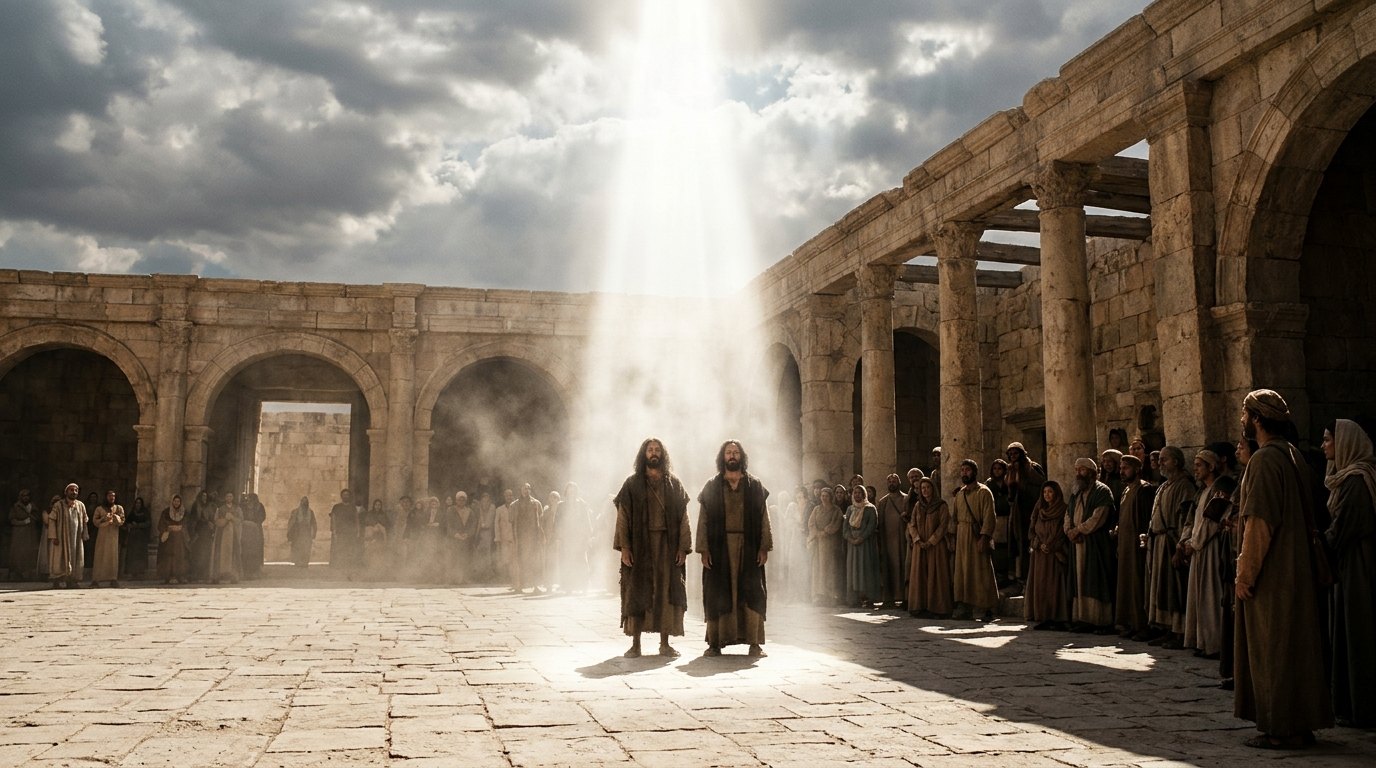
Then they heard a loud voice from heaven saying to them, “Come up here.” And they went up to heaven in a cloud, while their enemies looked on.
Revelation 11:12 (NIV)
The dramatic ascension of the witnesses midway through the apocalyptic narrative is seen as echoing the rapture.
The mid-tribulation understanding holds that the church is caught up midway through the final seven-year week, finding dramatic expression in Revelation 11:12, where God's two witnesses hear a loud voice from heaven commanding them to come up, ascending into the cloud before their enemies. Mid-tribulationists see this midpoint ascension as concurrent with the sound of the seventh trumpet in Revelation 11:15, which proclaims that the kingdoms of this world have become the kingdoms of our Lord and His Christ. On this view, the church endures the sorrows of the first three and a half years but is spared the severe bowls of divine wrath that follow.
This midpoint pivot point features prominently in the timelines of Daniel. In Daniel 7:25 and Daniel 12:7, the holy people face intense persecution for a span described as a time, times, and half a time—forty-two months, or three and a half years—until the oppressor's dominion is broken. Daniel 9:26-27 similarly emphasizes the middle of the prophetic week, where covenant promises are broken and desolation begins. In Revelation 12:6, this exact duration reappears as the woman flees into the wilderness for protection for one thousand two hundred sixty days. Simultaneously, Revelation 13:5 notes that the beast is granted global authority to blaspheme and wage war precisely for forty-two months. These recurring prophetic milestones lead mid-tribulation interpreters to identify the midpoint as the critical hour of divine intervention and rescue.
| Passage | What it says |
|---|---|
| Daniel 7:25 | The saints are handed over to the oppressive horn for a time, times, and half a time. |
| Daniel 12:7 | A heavenly oath confirms the shattering of power spans three and a half prophetic times. |
| Revelation 11:11-12 | God breathes life into His two slain witnesses, calling them up to heaven in a cloud. |
| Revelation 11:15 | The seventh trumpet sounds, proclaiming that worldly kingdoms now belong to Christ forever. |
| Revelation 12:6 | The woman flees into the wilderness where she is nourished for one thousand two hundred sixty days. |
| Daniel 9:26 | Messiah is cut off and a coming prince's troops destroy the city and sanctuary before desolate end times. |
| Revelation 13:5 | The beast is granted authority to exercise dominion and speak blasphemies for forty-two months. |
After the Distress
The Post-Tribulation Return in Triumphant Glory
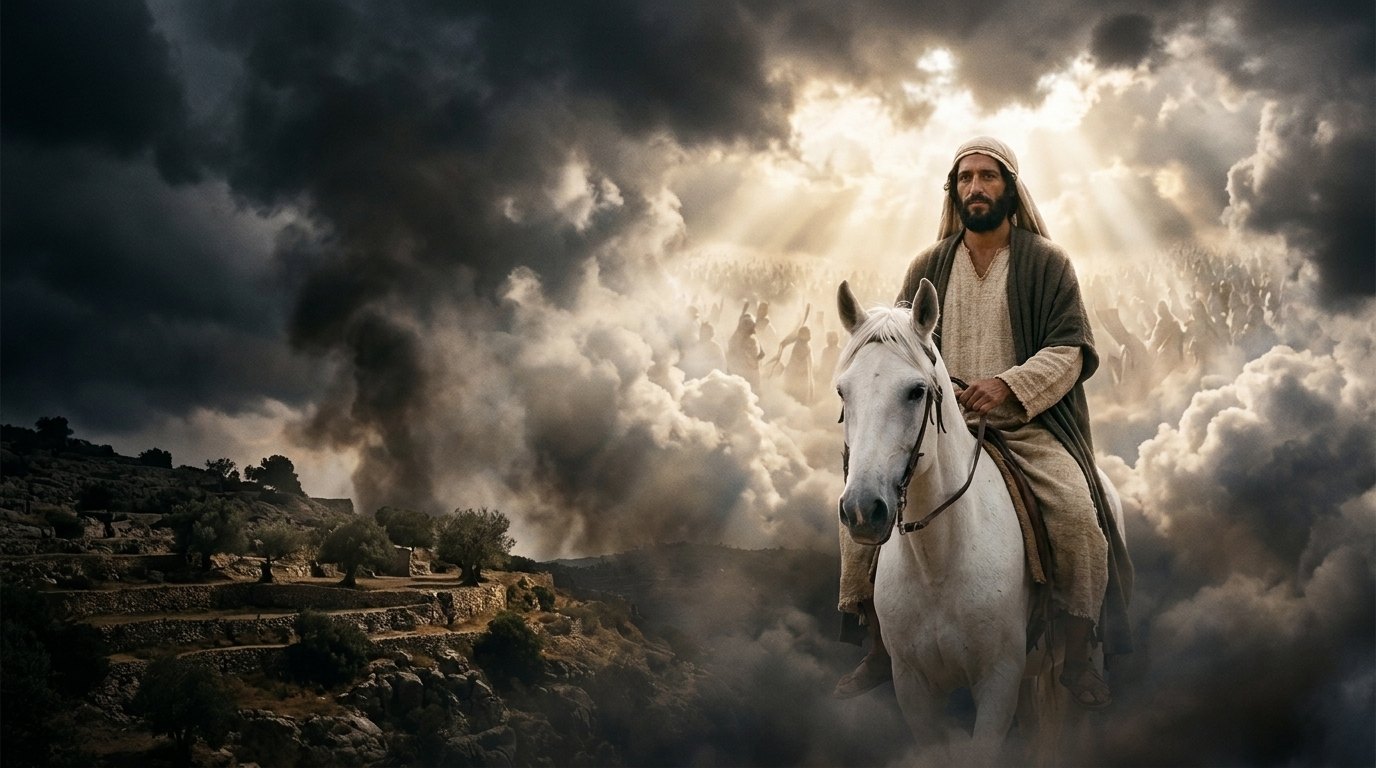
“Immediately after the distress of those days “ ‘the sun will be darkened, and the moon will not give its light; the stars will fall from the sky, and the heavenly bodies will be shaken.’ “Then will appear the sign of the Son of Man in heaven. And then all the peoples of the earth will mourn when they see the Son of Man coming on the clouds of heaven, with power and great glory. And he will send his angels with a loud trumpet call, and they will gather his elect from the four winds, from one end of the heavens to the other.
Matthew 24:29-31 (NIV)
Christ explicitly places His visible appearing and the gathering of the elect immediately after the tribulation of those days.
In Matthew 24:29-31, the Lord Jesus sets the timing of His glorious appearing in unmistakable terms: immediately after the tribulation of those days, the elect are gathered from the four winds. The sun is darkened, the powers of heaven are shaken, and the Son of Man arrives on the clouds of heaven with power and great glory. Post-tribulational readers anchor their understanding directly in this sequence, seeing Christ’s return as a single, climactic event occurring after the world passes through its ultimate distress.
This pattern of patient endurance followed by public vindication appears throughout the New Testament. Paul reinforces this chronology in 2 Thessalonians 2:1-3, comforting believers concerning our gathering together to Christ by declaring that the day of the Lord will not come until the apostasy occurs and the man of lawlessness is revealed. Believers are not promised exemption from suffering, but victory through it, as Jesus reminds His disciples in John 16:33 that in this world they will have tribulation, yet can take heart because He has overcome the world.
When Christ descends, the event is neither secret nor silent. Revelation 1:7 proclaims that every eye will see Him, even those who pierced Him, as all the tribes of the earth mourn. Zechariah 14:3-5 portrays the Lord stepping onto the Mount of Olives to fight for His people, accompanied by all the holy ones. In 2 Thessalonians 1:6-10, Paul affirms that relief for afflicted saints arrives on the exact day Christ is revealed from heaven in blazing fire with His mighty angels, dealing retribution to those who reject God while being glorified in His holy people.
Finally, John witnesses the triumphant climax in Revelation 19:11-14, where heaven opens and the Faithful and True Warrior rides forth on a white horse, accompanied by the armies of heaven clad in pure linen. Immediately following this conquest, Revelation 20:4-6 identifies those who resisted the beast and refused his mark, declaring that they come to life and reign with Christ in the first resurrection. For post-tribulational believers, the church endures the trial of the end with steadfast faith, looking forward to the triumphant moment when the trumpet sounds and the King gathers His saints in broad daylight.
| Passage | What it says |
|---|---|
| Matthew 24:29-31 | Immediately after tribulation, the celestial bodies darken, the Son of Man appears, and angels gather His elect. |
| 2 Thessalonians 2:1-3 | Paul clarifies that Christ's coming and our gathering cannot happen until the rebellion and lawless man appear. |
| Revelation 19:11-14 | Heaven opens as the Faithful and True Warrior rides forth followed by the armies of heaven. |
| Revelation 20:4-6 | Martyred saints who refused the beast live and reign with Christ during the first resurrection. |
| John 16:33 | Jesus warns that believers will face tribulation in this world, yet encourages them by His victory. |
| Zechariah 14:3-5 | The Lord goes out to fight against nations and stands on the Mount of Olives with all His holy ones. |
| 2 Thessalonians 1:6-10 | Jesus is revealed from heaven in flaming fire, bringing rest to afflicted believers and vengeance on His enemies. |
| Revelation 1:7 | Jesus comes with the clouds and every eye will see Him, even those who pierced Him, mourning on earth. |
Where in the Bible
| Book | Passages |
|---|---|
| Jeremiah | 1 · Jeremiah 30:7 |
| Daniel | 5 · Daniel 9:27, Daniel 12:1-2, Daniel 7:25, Daniel 12:7, Daniel 9:26 |
| Zephaniah | 1 · Zephaniah 1:14-15 |
| Zechariah | 1 · Zechariah 14:3-5 |
| Matthew | 2 · Matthew 24:21-22, Matthew 24:29-31 |
| Luke | 1 · Luke 21:36 |
| John | 2 · John 14:2-3, John 16:33 |
| Romans | 1 · Romans 5:9 |
| 1 Corinthians | 2 · 1 Corinthians 15:51-53, 1 Corinthians 15:54-57 |
| Philippians | 1 · Philippians 3:20-21 |
| 1 Thessalonians | 5 · 1 Thessalonians 4:13-15, 1 Thessalonians 4:16-17, 1 Thessalonians 4:18, 1 Thessalonians 1:10, 1 Thessalonians 5:9-10 |
| 2 Thessalonians | 2 · 2 Thessalonians 2:1-3, 2 Thessalonians 1:6-10 |
| Titus | 1 · Titus 2:13 |
| 2 Peter | 1 · 2 Peter 2:9 |
| Revelation | 10 · Revelation 3:10, Revelation 6:16-17, Revelation 4:1, Revelation 11:11-12, Revelation 11:15, Revelation 12:6, Revelation 13:5, Revelation 19:11-14, Revelation 20:4-6, Revelation 1:7 |
The story in order
- Abraham called (c. 2000 BC) · Genesis 12:1-3 · God's promises to Israel and the nations begin.
- Exodus from Egypt (c. 1446 BC) · Exodus 12:1-14 · God's people delivered from bondage.
- Jeremiah's prophecy (c. 600 BC) · Jeremiah 30:7 · The day of Jacob's trouble is foretold.
- Daniel's covenant prophecy (c. 539 BC) · Daniel 9:27 · A seven-year covenant and its midpoint break.
- Jesus' Olivet Discourse (AD 30) · Matthew 24:21-22 · Christ describes unparalleled tribulation.
- The Ascension (AD 30) · Acts 1:9 · Jesus returns to heaven to prepare a place.
- The Rapture (c. AD 50) · 1 Thessalonians 4:16-17 · Saints gathered to meet the Lord.
- The Great Tribulation (c. AD 50-70) · Matthew 24:21 · A period of intense global distress.
- The Lord's return (c. AD 50-70) · Matthew 24:29-31 · Christ gathers His elect after tribulation.
- The Revelation of Christ (c. AD 50-52) · 2 Thessalonians 1:7-10 · Jesus returns in flaming fire to judge.
- The Millennium (Future) · Revelation 20:4-6 · Saints reign with Christ.
Key words
- Tribulation (thlipsis (θλῖψις))
- A period of intense global distress and divine judgment. · Matthew 24:21
- Wrath (orge (ὀργή))
- God's righteous anger and judgment against sin. · 1 Thessalonians 1:10
- Gathering (episynagoge (ἐπισυναγωγὴ))
- The act of believers being caught up to meet Christ. · 2 Thessalonians 2:1
- Blessed Hope (elpis (ἐλπίς))
- The confident expectation of Christ's glorious appearing. · Titus 2:13
- Resurrection (anastasis (ἀνάστασις))
- The raising of the dead to life. · 1 Corinthians 15:52
While believers examine the prophetic scriptures with care, all three views unite upon the foundational hope of the gospel: Christ died, rose again, and will physically return to gather His people forever. Our calling in every season remains unchanged—to watch, pursue holy living, comfort one another, and stand unwavering in the grace of God.
36 passages, each cited once.
How the major Christian traditions read this
All Christians affirm that the Lord Jesus Christ will visibly return in bodily glory to judge the living and the dead, gather His people, and establish the new creation (1 Thessalonians 4:16-17; Matthew 24:30-31).
Catholic
The Catholic Church rejects schemes that separate the gathering of the faithful from the one, final coming of Christ in glory. Scripture describes a final trial for the Church before the end, in which she must follow her Lord in His passion and resurrection (Matthew 24:21-22). We do not expect a secret rapture that spares believers from suffering before history concludes. Instead, when the trumpet sounds, Christ descends, the dead are raised, and the living are caught up to welcome the Lord as He arrives for the general judgment and the consummation of all things (1 Thessalonians 4:16-17).
Scripture: Matthew 24:21-22, 1 Thessalonians 4:16-17
Orthodox
In the Orthodox Church, we maintain the historic apostolic faith without adopting modern millenarian or multi-stage rapture theories. Holy Scripture presents the second coming of Christ as a single, public, and glorious event (Acts 1:11). The Church expects persecution and tribulation throughout this age until the end, through which the faithful are sustained by grace (John 16:33). When Christ returns on the last day, the dead will rise and the living will be caught up together with them to enter the eternal Kingdom (1 Thessalonians 4:16-17; 2 Peter 3:10). We confess one return and one general resurrection.
Scripture: Acts 1:11, John 16:33, 1 Thessalonians 4:16-17, 2 Peter 3:10
Lutheran
Confessional Lutheran teaching rejects any division of Christ's return into multiple stages, holding firmly to an amillennial understanding of Scripture. We teach that Christ will appear visibly once on the Last Day to raise all the dead, judge the world, and deliver His saints (Matthew 25:31-32). Believers are called to bear the cross and endure suffering in this world, trusting God's preservation through all tribulation (Acts 14:22). The meeting with Christ described in 1 Thessalonians 4:16-17 occurs at the final resurrection, not as an escape from earthly distress prior to His public return.
Scripture: Matthew 25:31-32, Acts 14:22, 1 Thessalonians 4:16-17
Reformed & Presbyterian
Reformed theology reads 1 Thessalonians 4:16-17 as the grand, visible consummation of history, not an event separated by years from the final judgment. Christ's kingdom is presently advancing through the gospel, though the church must endure trial and persecution until the end (Matthew 24:29-31; 2 Thessalonians 1:6-10). When the archangel calls and the trumpet sounds, the dead are raised incorruptible and living believers are gathered together to meet the Lord in the air, escorting the King as He comes to execute judgment and renew the earth (1 Corinthians 15:51-53). We see no biblical warrant for a secret pre-tribulation removal.
Scripture: 1 Thessalonians 4:16-17, Matthew 24:29-31, 2 Thessalonians 1:6-10, 1 Corinthians 15:51-53
Anglican & Episcopal
Historic Anglican liturgy and teaching expect one return of Christ to judge both the quick and the dead. While views on end-time details vary among individuals, our classical tradition understands 1 Thessalonians 4:16-17 within the unified hope of the resurrection and final judgment on the Last Day. Scripture teaches that the church shares in the sufferings of Christ and endures tribulation in this present age (John 16:33; Romans 8:17). The gathering in the clouds is not an early escape hatch, but the glorious reception of the returning King at the end of the age (Matthew 24:29-31).
Scripture: 1 Thessalonians 4:16-17, John 16:33, Romans 8:17, Matthew 24:29-31
Baptist
Many Baptists, particularly within dispensational premillennialism, hold to a pre-tribulation rapture, teaching that Christ will remove His church before the seven-year tribulation begins (1 Thessalonians 4:16-17; Revelation 3:10). In this view, believers are spared the outpouring of divine wrath (1 Thessalonians 5:9), while God turns His attention to Israel and the nations. Other Baptists hold to historic premillennialism or post-tribulationism, reading Matthew 24:29-31 as evidence that the church endures the final trial and is caught up at Christ’s glorious descent to establish His millennial reign on earth.
Scripture: 1 Thessalonians 4:16-17, Revelation 3:10, 1 Thessalonians 5:9, Matthew 24:29-31
Methodist & Wesleyan
Methodist and Wesleyan teaching focuses on holy living, readiness, and active service in anticipation of the Lord's return. The Wesleyan heritage historically affirms one final, bodily advent of Jesus Christ to judge the earth and inaugurate the new heavens and earth (Titus 2:13). While some members adopt pre-tribulation perspectives, our confessions and hymns emphasize that believers persevere through testing by grace (James 1:12). The catching away in 1 Thessalonians 4:16-17 is celebrated as the joyous reunion of all believers at the general resurrection when Christ concludes this present age.
Scripture: Titus 2:13, James 1:12, 1 Thessalonians 4:16-17
Pentecostal & Charismatic
In Pentecostal and Charismatic churches, the pre-tribulation rapture is widely cherished as the imminent, blessed hope of the believer (Titus 2:13). We look for Jesus to descend in the clouds at any moment to catch away His Bride before the terrifying wrath of the Great Tribulation is poured out (1 Thessalonians 4:16-17; Revelation 3:10). Scripture assures us that God has not appointed us unto wrath, but to obtain salvation (1 Thessalonians 5:9). This imminent expectation motivates passionate evangelism, holiness, and the urgent exercise of the Holy Spirit's power to harvest souls before the door closes.
Scripture: Titus 2:13, 1 Thessalonians 4:16-17, Revelation 3:10, 1 Thessalonians 5:9
Non-denominational & Evangelical
Non-denominational and evangelical congregations embrace varied positions on the timing of the rapture. Many teach a pre-tribulation catching away, emphasizing that the church is promised deliverance from the hour of testing coming on the earth (Revelation 3:10; 1 Thessalonians 4:16-17). Others argue for mid-tribulation or pre-wrath timings, distinguishing human persecution from God's wrath. Still others hold a post-tribulation view, pointing to Matthew 24:29-31 to show that the elect are gathered immediately after the tribulation. All agree on the core command: watch, be ready, and look forward to the Lord's coming (Matthew 24:42).
Scripture: Revelation 3:10, 1 Thessalonians 4:16-17, Matthew 24:29-31, Matthew 24:42
Where they differ
Timing of the rapture
- Catholic
- Occurs at the one public return of Christ on the Last Day.
- Orthodox
- Occurs at the final visible second coming and general resurrection.
- Lutheran
- Occurs simultaneously with the final resurrection at the single return of Christ.
- Reformed & Presbyterian
- Occurs when Christ openly returns at the end of the age.
- Anglican & Episcopal
- Occurs at Christ's final advent to judge the living and dead.
- Baptist
- Commonly placed before the tribulation, though some hold post-tribulation views.
- Methodist & Wesleyan
- Historically understood as occurring at the final, visible return of Christ.
- Pentecostal & Charismatic
- Imminently expected prior to the start of the seven-year tribulation.
- Non-denominational & Evangelical
- Vigorously debated among pre-tribulation, mid-tribulation, pre-wrath, and post-tribulation positions.
Scripture: 1 Thessalonians 4:16-17, Matthew 24:29-31, Revelation 3:10
Church's presence in the final tribulation
- Catholic
- The Church must pass through a final trial before Christ returns.
- Orthodox
- The faithful endure all historical trials and final persecution until the end.
- Lutheran
- Believers remain on earth through suffering until Christ raises them.
- Reformed & Presbyterian
- The church endures present and final tribulations under God's preserving grace.
- Anglican & Episcopal
- The church walks through trials on earth until the Last Day.
- Baptist
- Widely taught that the church is removed before wrath strikes.
- Methodist & Wesleyan
- Christians expect to endure trials and tribulation until Christ's kingdom comes.
- Pentecostal & Charismatic
- The church is caught up to heaven and spared the tribulation.
- Non-denominational & Evangelical
- Views range from complete exemption to endurance through the tribulation period.
Scripture: Matthew 24:21-22, 1 Thessalonians 5:9, Revelation 7:14
Your pastor can tell you where your church stands.
Scripture cited
- Matthew 24:29-31
- Revelation 20:1-6
- Daniel 9:27
- Revelation 3:10
- Matthew 24:21-22
- John 16:33