What is the book of Daniel about?
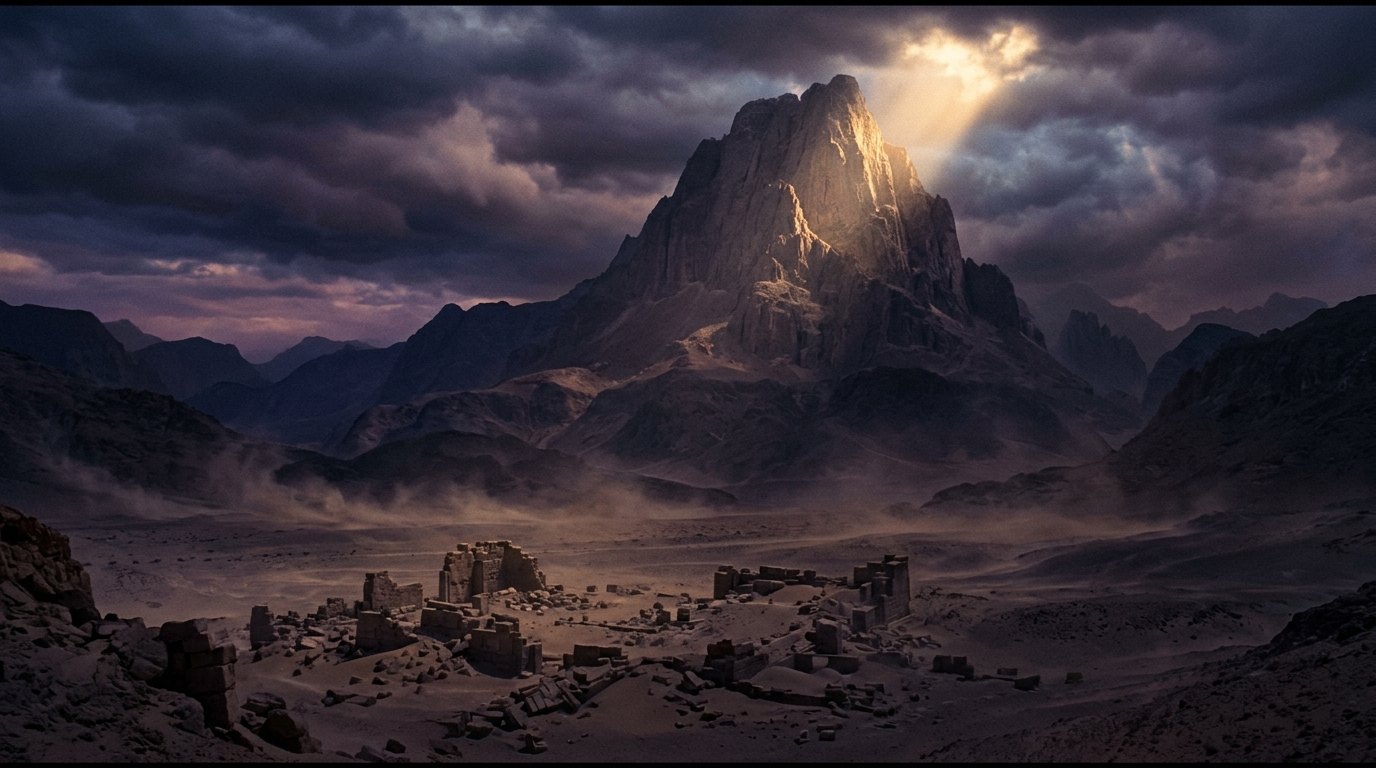
Daniel 2:44
44 “In the time of those kings, the God of heaven will set up a kingdom that will never be destroyed, nor will it be left to another people. It will crush all those kingdoms and bring them to an end, but it will itself endure forever.
New International Version (NIV)
The answer
The book of Daniel is about God's sovereign rule over every earthly kingdom and his people's call to remain faithful while living under powers that do not honour him. Chapters 1–6 recount Daniel's life as a Jewish exile in foreign royal courts; chapters 7–12 record visions of conflict, persecution, divine judgment and God's final victory. Its central promise is Daniel 2:44:
“In the days of those kings the God of heaven will set up a kingdom which will never be destroyed, nor will its sovereignty be left to another people; but it will break in pieces and consume all these kingdoms, and it will stand forever.”
Faithfulness in exile: Daniel 1–6
- God rules even through Jerusalem's defeat. Nebuchadnezzar besieges Jerusalem, but Daniel 1:1-2 says that the Lord gave Jehoiakim into his hand. Babylon's victory is not outside God's government.
- Faithfulness means obedience without withdrawal. Daniel and his companions serve in Babylon's court, yet Daniel resolves not to defile himself with the king's food and wine (Daniel 1:8). God gives them wisdom and usefulness without requiring compromise.
- God delivers those who refuse idolatry. Shadrach, Meshach and Abednego refuse to worship Nebuchadnezzar's image, even while acknowledging that God might not rescue them from the furnace (Daniel 3:16-18). Daniel later continues praying openly despite a royal prohibition and is delivered from the lions (Daniel 6:10-23).
- Proud rulers remain accountable to God. Nebuchadnezzar is humbled until he acknowledges that Heaven rules (Daniel 4:28-37). Belshazzar, who refuses that lesson and desecrates the temple vessels, is weighed, found wanting and judged that very night (Daniel 5:22-30).
God's final victory: Daniel 7–12
- Human empires are temporary; God's kingdom is everlasting. Daniel sees four terrifying beasts, followed by the judgment of the Ancient of Days. Dominion is then given to “one like a son of man,” whose kingdom will never be destroyed (Daniel 7:9-14). God's saints also receive and possess the kingdom (Daniel 7:18,27).
- Persecution has appointed limits. The visions foresee warfare, deception, desecration of the sanctuary and suffering among God's people, but the oppressor is ultimately broken and the faithful are refined (Daniel 8:23-25; Daniel 11:31-35).
- God answers confession with the promise of redemption. Daniel confesses his people's sin and appeals to God's mercy rather than their righteousness (Daniel 9:4-19). The prophecy of the seventy weeks then promises reconciliation for iniquity and everlasting righteousness, while also speaking of the Anointed One being cut off (Daniel 9:24-26).
- The end includes resurrection and judgment. Those sleeping in the dust awake, “some to everlasting life, and some to shame and everlasting contempt,” while the wise shine like the brightness of the heavens (Daniel 12:2-3).
Daniel is therefore much more than a collection of courageous stories or a timetable for speculation. Its kingdom hope reaches its fulfilment in Jesus Christ, to whom all authority in heaven and on earth has been given (Matthew 28:18). Its practical call is steadfast allegiance: refuse idolatry, persevere in prayer, confess sin honestly, serve faithfully in the world and await the resurrection with hope.
Answered from Scripture · reviewed November 11, 2026
The book of Daniel is the account of the sovereign God ruling over the rise and fall of human empires while preserving His covenant people in exile. Written from the courts of Babylon and Persia, it shows that all earthly dominion is fleeting and that the God of heaven will establish an everlasting kingdom through His Messiah. Understanding Daniel equips the believer to stand faithful under pressure, knowing history moves toward Christ's ultimate victory.
Sovereignty in Exile
God Rules Over the Nations and Sustains His Faithful Remnant
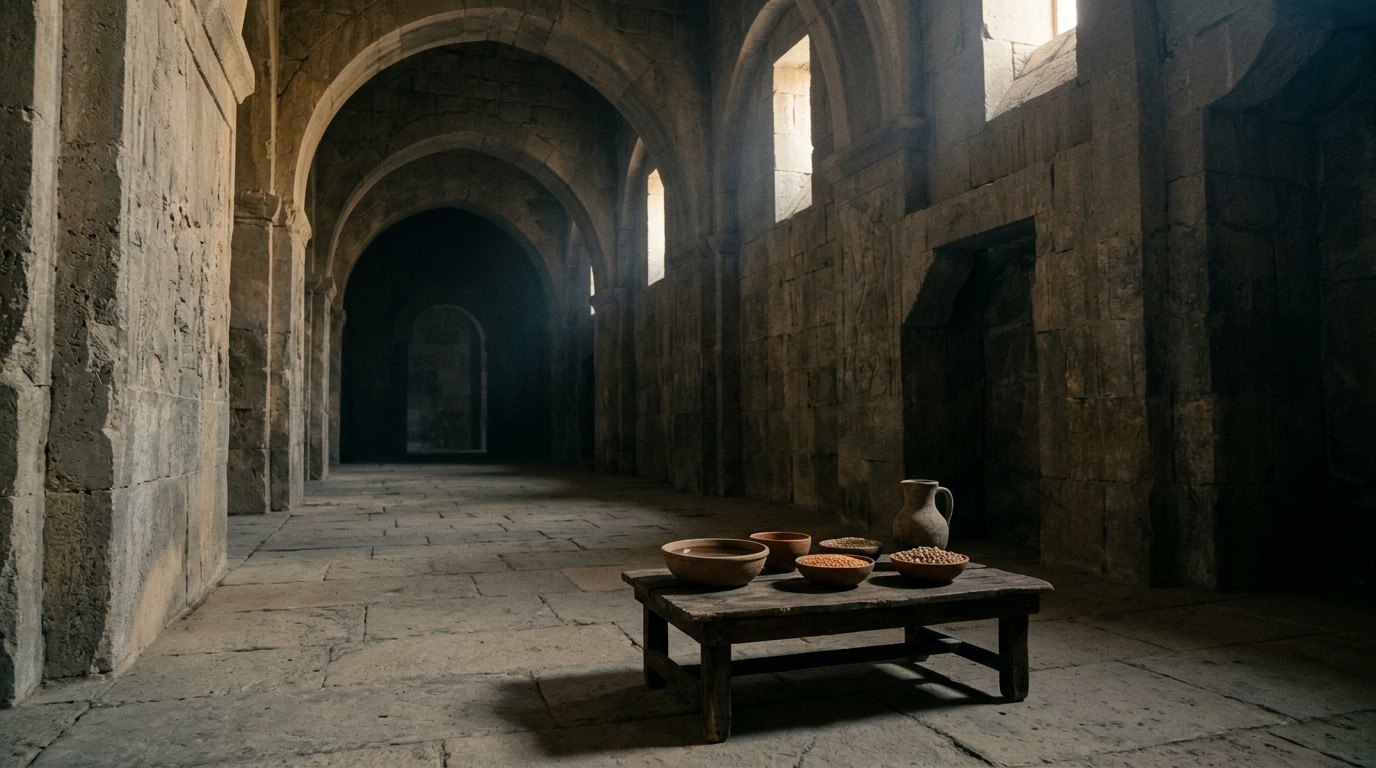
And the Lord delivered Jehoiakim king of Judah into his hand, along with some of the articles from the temple of God. These he carried off to the temple of his god in Babylonia and put in the treasure house of his god.
Daniel 1:2 (NIV)
It declares right at the opening that Nebuchadnezzar's capture of Jerusalem was by the sovereign hand of the Lord Himself.
The opening chapter anchors the entire book in the quiet certainty of divine providence. In Daniel 1:2, Scripture records that the Lord gave Jehoiakim king of Judah into Nebuchadnezzar's hand, demonstrating from the outset that Babylon's triumph was not an accident of history nor a defeat of Israel's God, but His own righteous decree. Nebuchadnezzar ordered Ashpenaz to select royal Judean youths—unblemished, gifted, and sharp—to undergo three years of imperial re-education and receive pagan names, attempting to erase their covenant identity in Daniel 1:3-7. Yet Daniel resolved in his heart not to defile himself with the royal food and wine, seeking permission to eat only vegetables and drink water; in response, God granted the four youths favor, robust health, and supernatural learning throughout their training in Daniel 1:8-17. When the king personally examined them at the conclusion of their schooling in Daniel 1:18-21, he found them ten times superior to all the magicians and enchanters in his realm. God preserved Daniel to outlast the empire that took him captive, continuing his witness into the first year of King Cyrus.
| Passage | What it says |
|---|---|
| Daniel 1:1-2 | The Lord delivers Jehoiakim and the sacred vessels of the temple into Nebuchadnezzar's hand. |
| Daniel 1:8-17 | Daniel and his companions resolve not to defile themselves, and God grants them favor, health, and wisdom. |
| Daniel 1:18-21 | The king finds the faithful youths ten times better than all magicians, and Daniel serves through the fall of Babylon. |
| Daniel 1:3-7 | Ashpenaz takes Daniel and his companions to be trained and renamed in the Babylonian court. |
The Shattered Colossus
Earthly Monarchies Will Fall Before God's Unshakable Kingdom
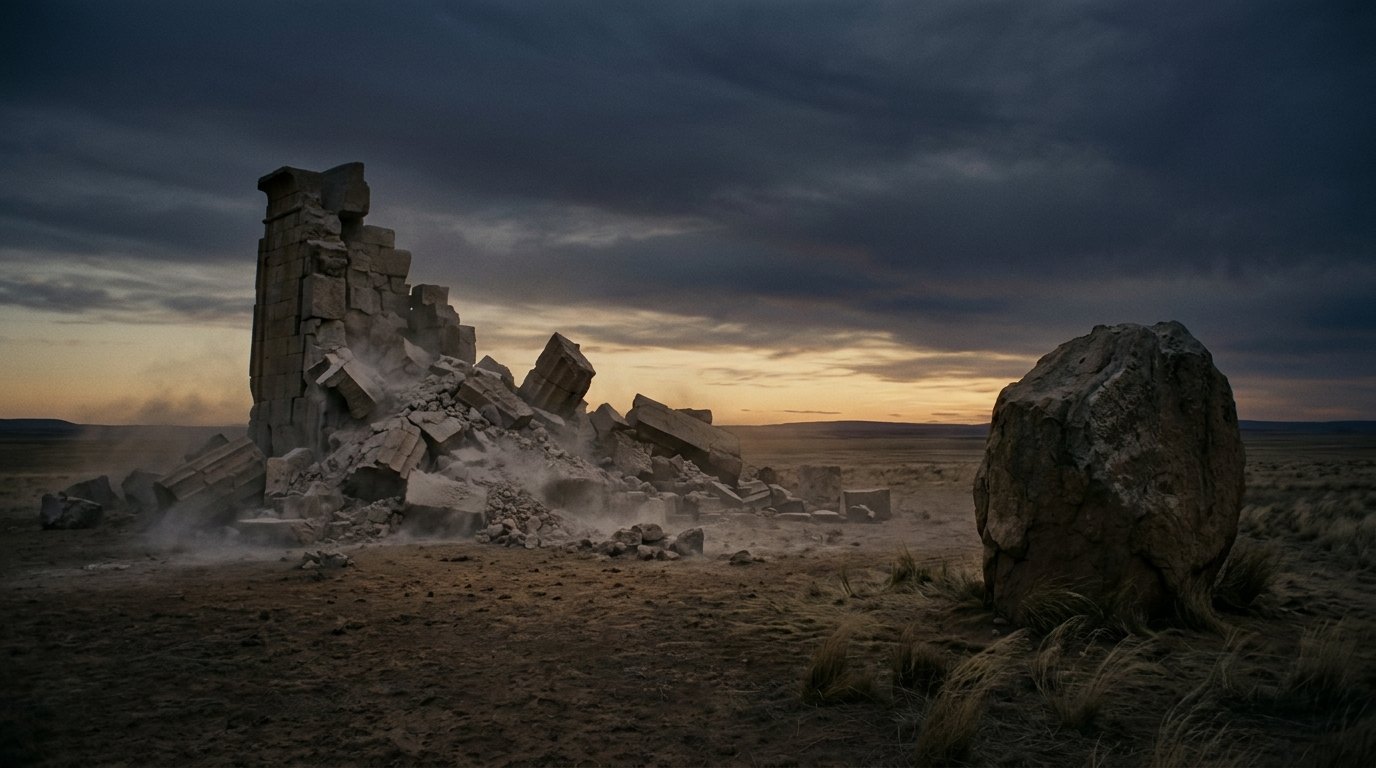
“In the time of those kings, the God of heaven will set up a kingdom that will never be destroyed, nor will it be left to another people. It will crush all those kingdoms and bring them to an end, but it will itself endure forever.
Daniel 2:44 (NIV)
It prophesies that the God of heaven will establish an indestructible, eternal kingdom that consumes all worldly empires.
The dream of the colossal statue reveals that human history unfolds under God's predetermined plan. In Daniel 2:44, the prophet announces that the God of heaven will set up a kingdom that shall never be destroyed, a divine rule that will break in pieces every earthly regime and stand forever. When a troubled Nebuchadnezzar demanded his magicians recount and interpret his forgotten dream on pain of death, Daniel sought mercies from heaven, and God revealed the secret in a night vision, prompting Daniel 2:1-19 and Daniel 2:20-23 to praise the Lord who changes times and seasons and removes kings. Before the monarch in Daniel 2:24-30, Daniel proclaimed that earthly sages are powerless, but there is a God in heaven who unveils future things. The statue in Daniel 2:31-35 stood with a head of gold, chest of silver, thighs of bronze, and legs of iron mixed with clay, representing four successive empires in Daniel 2:36-43—Babylon, Medo-Persia, Greece, and Rome. A stone cut without human hands struck the feet, grinding the statue to chaff, pointing typologically to Jesus Christ, the cornerstone who crushes all opposition as spoken in Luke 20:17-18. Daniel 2:44-45 promises this stone will grow into a mountain filling the whole earth, fulfilled when the kingdoms of this world become the kingdom of Christ in Revelation 11:15. Overwhelmed by the revelation, Nebuchadnezzar fell prostrate in Daniel 2:46-49, confessing Daniel's God as Lord of kings.
| Passage | What it says | Fulfilled |
|---|---|---|
| Daniel 2:20-23 | Daniel praises God who removes kings and establishes kings, revealing deep and hidden mysteries. | |
| Daniel 2:31-35 | Nebuchadnezzar sees a magnificent statue crushed by a supernatural stone cut without hands, which fills the whole earth. | Luke 20:17-18 |
| Daniel 2:44-45 | The stone represents an everlasting kingdom established by the God of heaven, crushing all earthly regimes forever. | Revelation 11:15 |
| Daniel 2:46-49 | Nebuchadnezzar confesses that Daniel's God is the God of gods and Lord of kings. | |
| Daniel 2:1-19 | Nebuchadnezzar demands his dream and its interpretation; God reveals the mystery to Daniel in a night vision. | |
| Daniel 2:24-30 | Daniel tells the king that no wise man can reveal the secret, but there is a God in heaven. | |
| Daniel 2:36-43 | Daniel details the four successive earthly empires represented by the gold, silver, bronze, and iron. |
Faith Under Fire
God Rescues His Witnesses from Imperial Wrath
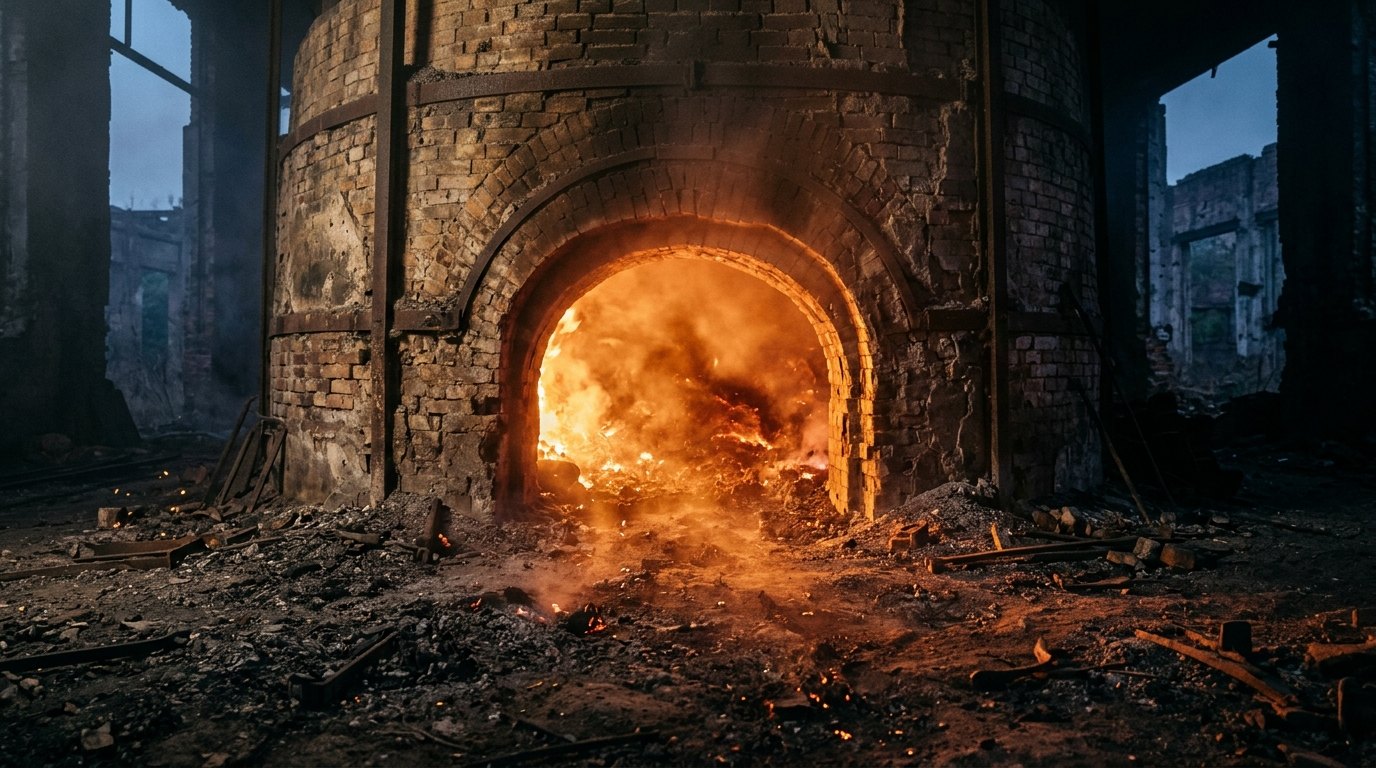
If we are thrown into the blazing furnace, the God we serve is able to deliver us from it, and he will deliver us from Your Majesty’s hand. But even if he does not, we want you to know, Your Majesty, that we will not serve your gods or worship the image of gold you have set up.”
Daniel 3:17-18 (NIV)
The three youths confess God's power to deliver while remaining resolutely obedient even if He does not.
Imperial arrogance repeatedly attempts to compel the worship due to God alone. When Nebuchadnezzar erected an immense golden image ninety feet high on the plain of Dura and commanded all officials to prostrate themselves before it on pain of death in Daniel 3:1-11, Daniel's three companions chose absolute fidelity over self-preservation. Accused by jealous Chaldeans in Daniel 3:12-18, Shadrach, Meshach, and Abednego stood firm before the furious monarch, declaring in Daniel 3:17-18 that our God whom we serve is able to deliver us, but if not, we will not serve your gods. Enraged, the king ordered the furnace heated seven times hotter, binding the men and casting them into flames so intense they killed the soldiers who threw them in, as recounted in Daniel 3:19-25. Yet within the furnace, the astonished emperor beheld four men walking unbound and unharmed, the fourth resembling a son of the gods. Calling them out in Daniel 3:26-30, Nebuchadnezzar discovered not a hair was singed and no smell of fire lingered upon their cloaks. The pagan ruler was compelled to bless the Most High God, decreeing death for any who blasphemed the Lord who alone rescues those who trust Him.
| Passage | What it says |
|---|---|
| Daniel 3:12-18 | Shadrach, Meshach, and Abednego refuse to worship the golden image despite the threat of the fiery furnace. |
| Daniel 3:19-25 | Cast bound into the blazing fire, the three walk unhurt accompanied by a fourth like a son of the gods. |
| Daniel 3:26-30 | The pagan king blesses the God of the Hebrew youths who yields His servants unharmed and decrees His protection. |
| Daniel 3:1-11 | Nebuchadnezzar sets up a golden image in Dura and commands all peoples to bow down and worship. |
Humbling the Proud
The Most High Rules the Kingdom of Men
At the end of that time, I, Nebuchadnezzar, raised my eyes toward heaven, and my sanity was restored. Then I praised the Most High; I honored and glorified him who lives forever. His dominion is an eternal dominion; his kingdom endures from generation to generation. All the peoples of the earth are regarded as nothing. He does as he pleases with the powers of heaven and the peoples of the earth. No one can hold back his hand or say to him: “What have you done?”
Daniel 4:34-35 (NIV)
Nebuchadnezzar praises the Most High whose dominion is eternal and whose sovereign will no creature can stay.
No earthly monarch can defy the King of heaven with impunity. Nebuchadnezzar testified in Daniel 4:1-18 of his vision of a towering cosmic tree providing shelter to all creatures, suddenly felled by a holy watcher and banded with iron and bronze. Daniel interpreted the vision with sorrow in Daniel 4:19-27, warning that the tree represented the king himself, urging him to break off his sins by practicing righteousness. Twelve months later, walking upon the roof of his palace and boasting of the great Babylon built by his power, the decree fell, and Nebuchadnezzar was driven into the fields to eat grass like oxen until seven periods passed over him, as detailed in Daniel 4:28-33. When his reason returned in Daniel 4:34-37, the humbled monarch declared in Daniel 4:34-35 that He does according to His will among the host of heaven and none can stay His hand. A generation later, his successor Belshazzar threw a blasphemous feast in Daniel 5:1-16, drinking wine from the golden vessels plundered from Jerusalem's temple while praising idols, until human fingers appeared writing upon the plaster wall. Daniel rebuked the unrepentant king in Daniel 5:17-28, translating the divine indictment of weight and judgment; in Daniel 5:30-31, Belshazzar was slain that very night, and Babylon fell to the Medes.
| Passage | What it says |
|---|---|
| Daniel 4:19-27 | Daniel interprets the vision of the great tree chopped down, urging the king to repent through righteousness. |
| Daniel 4:28-33 | Boasting in his majesty, Nebuchadnezzar is driven from men to eat grass like oxen until he recognizes God's rule. |
| Daniel 4:34-37 | The restored emperor praises the King of heaven, acknowledging that those who walk in pride He can abase. |
| Daniel 5:17-28 | Daniel deciphers the writing on the wall, rebuking Belshazzar's pride and sacrilege before announcing Babylon's downfall. |
| Daniel 5:30-31 | That very night Belshazzar is slain, and Darius the Mede takes the kingdom. |
| Daniel 4:1-18 | Nebuchadnezzar proclaims to all nations his dream of a great chopped tree bound with iron and bronze. |
| Daniel 5:1-16 | Belshazzar profanes the temple vessels at a drunken feast until fingers of a human hand write upon the plaster. |
The Lions' Den
Uncompromising Prayer and God's Deliverance in Persia
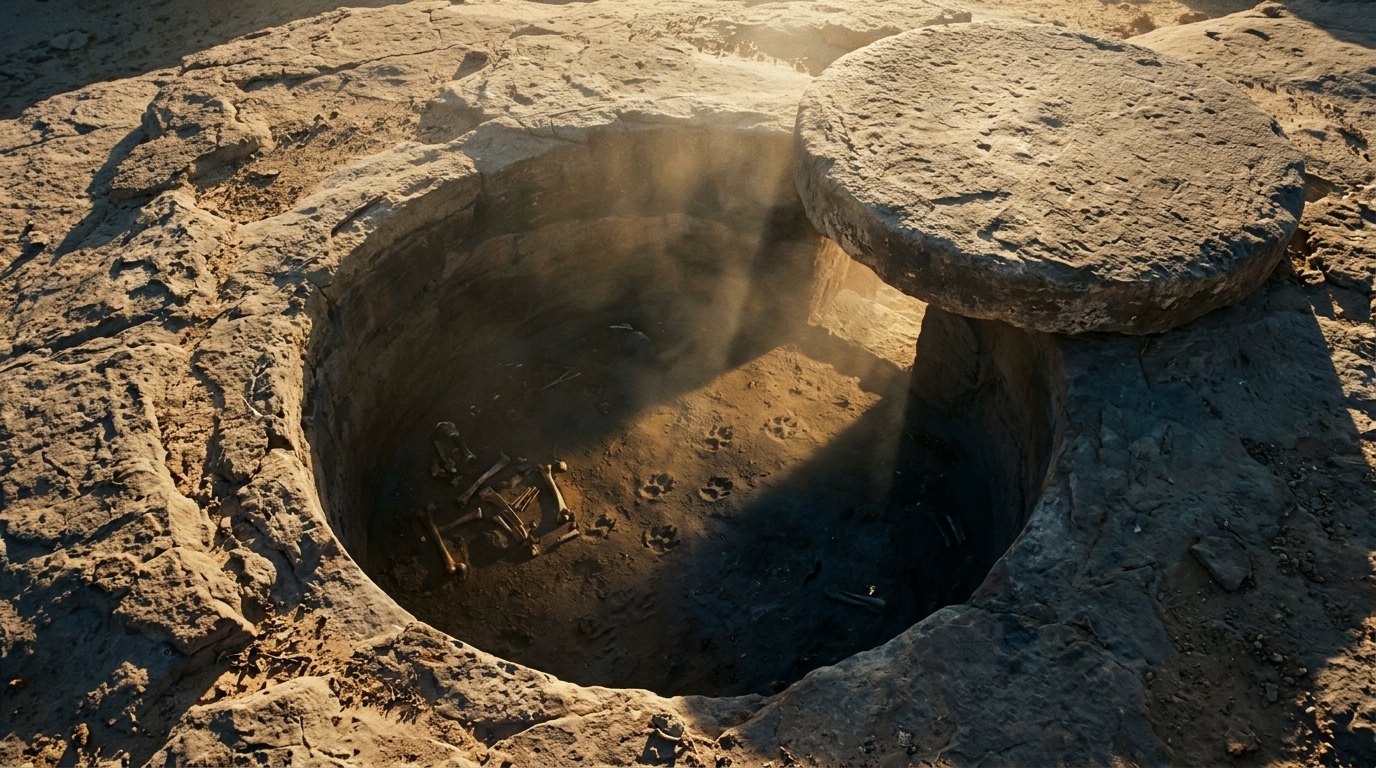
“I issue a decree that in every part of my kingdom people must fear and reverence the God of Daniel. “For he is the living God and he endures forever; his kingdom will not be destroyed, his dominion will never end. He rescues and he saves; he performs signs and wonders in the heavens and on the earth. He has rescued Daniel from the power of the lions.”
Daniel 6:26-27 (NIV)
King Darius proclaims to all nations that Daniel's God is the living God whose kingdom shall never be destroyed.
In Daniel 6:26-27, King Darius issues an imperial decree declaring that the God of Daniel is the living God whose kingdom shall not be destroyed. This extraordinary royal confession follows a severe test of integrity under the newly established Persian administration. Daniel 6:1-3 reveals that Darius elevated Daniel above the governors and satraps because an excellent spirit resided in him, prompting envious colleagues to orchestrate his ruin. Finding no fault in his public service, these corrupt officials exploited his piety by drafting an irrevocable royal statute that prohibited prayer to any deity or man except Darius for thirty days, as recorded in Daniel 6:4-10. Undeterred, Daniel maintained his unwavering discipline, kneeling by his open window toward Jerusalem to pray three times a day.
When the conspirators surprised Daniel in prayer, they trapped Darius in his own unalterable decree, forcing the reluctant monarch to sentence the prophet, as recounted in Daniel 6:11-15. Cast into the subterranean pit of predators in Daniel 6:16-23, Daniel was miraculously preserved because he trusted his God and was found blameless before both heaven and the king; God sent His angel to shut the lions' mouths. The morning revealed Daniel entirely unharmed, displaying divine vindication against treacherous plotting. In Daniel 6:24-28, the sovereign hand of God brought retribution upon the false accusers, while Darius commanded all nations and languages to tremble before the true God, demonstrating that imperial edicts must inevitably bow before the sovereign Ruler of heaven.
| Passage | What it says |
|---|---|
| Daniel 6:4-10 | Corrupt officials manipulate the law, but Daniel continues his regular habit of prayer to God three times daily. |
| Daniel 6:16-23 | Cast into the lions' den, Daniel is miraculously preserved because he trusted in his God and remained blameless. |
| Daniel 6:24-28 | Daniel's accusers perish, and Darius decrees reverence for the living God who delivers His servants. |
| Daniel 6:1-3 | Darius sets Daniel over the satraps because an excellent spirit is in him. |
| Daniel 6:11-15 | The conspirators catch Daniel praying three times a day and demand the king enforce his irrevocable decree. |
The Son of Man
The Heavenly Court Grants the Messiah Everlasting Dominion

“In my vision at night I looked, and there before me was one like a son of man, coming with the clouds of heaven. He approached the Ancient of Days and was led into his presence. He was given authority, glory and sovereign power; all nations and peoples of every language worshiped him. His dominion is an everlasting dominion that will not pass away, and his kingdom is one that will never be destroyed.
Daniel 7:13-14 (NIV)
Daniel witnesses the Son of Man approach the Ancient of Days to receive universal worship and an eternal kingdom.
The sweeping cosmic vision of Daniel 7:13-14 unveils one like a Son of Man coming with the clouds of heaven to receive an everlasting kingdom. This throne room scene provides the divine answer to the violent turbulence of human history. In Daniel 7:1-8, Daniel watches four ferocious beasts emerge from the tempestuous sea, each representing a successive worldly empire that ravages the earth. Yet human hubris meets divine reckoning in Daniel 7:9-12, where the Ancient of Days takes His seat upon a throne of flaming fire, books of judgment are opened, and the terrifying fourth beast is slain and incinerated—a heavenly trial fulfilled in the great white throne judgment of Revelation 20:11-12.
Into this august celestial court enters the messianic King. In Daniel 7:13-14, the Son of Man approaches the throne to receive everlasting dominion, glory, and universal worship over all nations, a reality Jesus explicitly claimed during His trial in Matthew 26:64, announced in His resurrected authority in Matthew 28:18, and described at His annunciation in Luke 1:32-33. An angel interprets the apocalyptic symbols in Daniel 7:15-25, explaining that a haughty little horn will wage war against the saints for a designated season. Nevertheless, Daniel 7:26-27 declares that the divine court will strip the oppressor of power and bestow ultimate sovereign rule upon the saints of the Most High, a triumph consummated in Revelation 11:15. Daniel 7:28 records that Daniel treasured these startling visions deep within his heart.
| Passage | What it says | Fulfilled |
|---|---|---|
| Daniel 7:1-8 | Four fierce beasts emerge from the stormy sea, representing four consecutive earthly empires. | |
| Daniel 7:9-12 | The Ancient of Days sits on His fiery throne in judgment, slaying the arrogant beast and stripping others of authority. | Revelation 20:11-12 |
| Daniel 7:13-14 | One like a Son of Man comes with heaven's clouds and receives eternal dominion, glory, and an indestructible kingdom. | Matthew 26:64, Matthew 28:18, Luke 1:32-33 |
| Daniel 7:26-27 | The court convenes to destroy the oppressor, giving the greatness of the kingdom to the saints of the Most High. | Revelation 11:15 |
| Daniel 7:15-25 | An angel interprets the four beasts and the blasphemous little horn who makes war against the saints. | |
| Daniel 7:28 | Daniel keeps the matters of the vision deeply within his heart. |
The Messianic Timeline
The Anointed Prince Atorment and the End of Sin
“Seventy ‘sevens’ are decreed for your people and your holy city to finish transgression, to put an end to sin, to atone for wickedness, to bring in everlasting righteousness, to seal up vision and prophecy and to anoint the Most Holy Place.
Daniel 9:24 (NIV)
It outlines the divine program of seventy weeks to finish transgression, make reconciliation for iniquity, and bring everlasting righteousness.
The prophecy of Daniel 9:24 forms the theological center of the book's messianic revelation, decreeing seventy weeks to finish transgression, make an end of sins, and bring in everlasting righteousness. The chapter begins with Daniel 9:1-19, where Daniel studies Jeremiah's writings regarding the seventy years of Jerusalem's desolation and offers a brokenhearted confession on behalf of his rebellious nation. While Daniel is still speaking in humble repentance, Daniel 9:20-23 notes that the angel Gabriel arrives swiftly at the time of the evening sacrifice to impart prophetic wisdom regarding God's redemptive schedule.
Gabriel details the divine calendar in Daniel 9:24, declaring that within this ordained timeframe atonement for iniquity will occur and the Most Holy place will be anointed, work fulfilled in Christ's reconciling death in Romans 5:10-11 and His entrance into the true sanctuary with His own blood in Hebrews 9:12. In Daniel 9:25-26, Gabriel specifies that from the decree to rebuild Jerusalem until Messiah the Prince will be seven weeks and sixty-two weeks, after which the Messiah will be cut off with nothing, directly fulfilled when Jesus was crucified outside Jerusalem in Mark 15:37-38 and vindicated through His suffering in Luke 24:26-27. Finally, Daniel 9:27 prophesies a confirmed covenant, the cessation of sacrifices, and catastrophic desolation poured out upon the temple city, a solemn warning Jesus echoed regarding Jerusalem's coming downfall in Matthew 24:15.
| Passage | What it says | Fulfilled |
|---|---|---|
| Daniel 9:1-19 | Daniel intercedes for desolate Jerusalem, confessing Israel's sins based on Jeremiah's prophecy of seventy years. | |
| Daniel 9:24 | Seventy weeks are decreed to atone for iniquity, seal vision and prophecy, and anoint the most holy place. | Romans 5:10-11, Hebrews 9:12 |
| Daniel 9:25-26 | From the command to restore Jerusalem until Messiah the Prince, after which Messiah is cut off, having nothing. | Mark 15:37-38, Luke 24:26-27 |
| Daniel 9:27 | A covenant confirmed, sacrifice made to cease, and desolate judgment poured out on the desolator. | Matthew 24:15 |
| Daniel 9:20-23 | Gabriel comes swiftly at the evening sacrifice to give Daniel skill and understanding in response to his prayer. |
The Final Consummation
Resurrection, Final Judgment, and the Shining of the Wise

Multitudes who sleep in the dust of the earth will awake: some to everlasting life, others to shame and everlasting contempt.
Daniel 12:2 (NIV)
It provides the clearest Old Testament revelation of bodily resurrection to everlasting life or everlasting shame.
In Daniel 12:2, Scripture articulates the definitive Old Testament promise of resurrection, affirming that multitudes who sleep in the dust of the earth shall awake to everlasting life or everlasting shame. This climatic chapter resolves the epic historical conflicts described in the preceding visions. Daniel 11:31-36 details the rise of a ruthless, blasphemous tyrant who desecrates the temple sanctuary, abolishes daily sacrifices, and exalts himself above every god, a prototype of apostasy fulfilled in the lawless man of 2 Thessalonians 2:3-4.
Yet earthly tyranny cannot thwart God's ultimate deliverance. Daniel 12:1-3 reveals that Michael the great prince will stand up during a period of unprecedented global distress to deliver everyone whose name is found written in the book. Bodily resurrection follows, where the righteous and wicked emerge from the grave, directly fulfilled in Jesus's authoritative declaration in John 5:28-29 that all in the tombs will hear His voice, while the wise shine like the brightness of heaven, matched by the glorious gathering in Matthew 13:43. In Daniel 12:4-12, Daniel is instructed to seal the scroll until the time of the end, as holy messengers unveil the exact durations of the appointed trials. In Daniel 12:13, the faithful prophet receives the comforting personal promise that he will rest in physical death and arise to stand in his allotted inheritance at the end of the days, foreshadowing the blessedness promised in Revelation 20:6.
| Passage | What it says | Fulfilled |
|---|---|---|
| Daniel 11:31-36 | A wicked ruler defiles the sanctuary, abolishes sacrifices, speaks against God, and exalts himself above all gods. | 2 Thessalonians 2:3-4 |
| Daniel 12:1-3 | Michael delivers God's people through unprecedented trouble; the sleeping dust awakens to life or shame, the wise shining brightly. | John 5:28-29, Matthew 13:43 |
| Daniel 12:13 | Daniel is commanded to go his way until the end, promised he will rest and arise to his allotted inheritance. | Revelation 20:6 |
| Daniel 12:4-12 | Daniel is told to seal the words until the end of the days, detailing times, times, and half a time. |
Sanctuary and Desolator
The Ram and Goat Foretell Oppression and Desecration

He will cause deceit to prosper, and he will consider himself superior. When they feel secure, he will destroy many and take his stand against the Prince of princes. Yet he will be destroyed, but not by human power.
Daniel 8:25 (NIV)
It foretells that the arrogant persecutor will rise against the Prince of princes but be destroyed without human hands.
The vision of Daniel 8 brings the cost of covenant faithfulness into sharp relief, culminating in the warning of Daniel 8:25 that an arrogant persecutor will dare to challenge the Prince of princes, only to be shattered by divine intervention rather than mortal might. The vision opens beside the canal of Ulai in Daniel 8:1-14, where a two-horned ram conquers westward, northward, and southward until a swift, single-horned male goat from the west shatters it across the plain. From the broken great horn of the goat emerge four prominent horns, out of which sprouts a wicked little horn that expands toward the Promised Land, casting down stars, halting the regular burnt offering, and trampling the sanctuary for twenty-three hundred evenings and mornings before the holy place is restored.
The interpretation delivered by Gabriel in Daniel 8:15-27 leaves no room for ambiguity, explicitly identifying the ram as the kings of Media and Persia and the goat as the kingdom of Greece, whose first king is broken at his zenith. In his wake, four kingdoms arise, out of which emerges an insolent monarch skilled in intrigue, historically prefiguring Antiochus IV Epiphanes. This ruthless oppressor destroys the mighty and persecutes God's people, even presuming to desecrate the sanctuary itself. Yet Scripture firmly binds his cruelty to an appointed end: the blasphemer is broken without human hands, demonstrating that the rise and fall of earthly tyrants remains entirely subject to the sovereign decree of the living God.
| Passage | What it says |
|---|---|
| Daniel 8:1-14 | A ram and a goat clash, giving rise to a little horn that trampling the sanctuary and halts daily sacrifices. |
| Daniel 8:15-27 | Gabriel interprets the ram as Medo-Persia, the goat as Greece, and foretells a fierce king broken without hand. |
The Unseen Conflict
Spiritual Warfare and the Destiny of Imperial Kings

Then he continued, “Do not be afraid, Daniel. Since the first day that you set your mind to gain understanding and to humble yourself before your God, your words were heard, and I have come in response to them. But the prince of the Persian kingdom resisted me twenty-one days. Then Michael, one of the chief princes, came to help me, because I was detained there with the king of Persia.
Daniel 10:12-13 (NIV)
It pulls back the veil to reveal angelic conflict behind the geopolitical struggles of world empires.
On the banks of the great river Tigris, Scripture draws back the curtain on the invisible realm in Daniel 10:12-13, revealing that heavenly warfare directly mirrors and shapes earthly geopolitical struggle from the moment God's servant sets his heart to understand. The encounter begins in Daniel 10:1-9, where Daniel's three weeks of mourning and fasting culminate in a terrifying epiphany of a man clothed in linen with a belt of fine gold, eyes like flaming torches, and a voice like the roar of a multitude, leaving the prophet drained of all strength upon the earth.
Strengthened by angelic touch in Daniel 10:10-21, Daniel learns that the heavenly messenger was opposed for twenty-one days by the spiritual prince of Persia until Michael, the chief prince of Israel, came to assist. The celestial messenger then unfolds the exact course of future world history in Daniel 11:1-30, tracing the succession of Persian monarchs, the sweeping conquests of Alexander, and the complex geopolitical warfare between the Ptolemaic kings of the South and Seleucid kings of the North. Finally, Daniel 11:37-45 warns of the ultimate willful ruler who exalts himself above every god, worships sheer military power, and establishes his royal pavilions between the seas at the glorious holy mountain. Yet despite his absolute tyranny, the willful king comes to his final ruin with none to help him, assuring God's people that cosmic rebellion cannot alter the triumphant decree of the Most High.
| Passage | What it says |
|---|---|
| Daniel 10:1-9 | Daniel sees a majestic glorious man by the Tigris and falls face down into a deep sleep. |
| Daniel 10:10-21 | The angel explains spiritual warfare with the prince of Persia and Michael, the great prince of Israel. |
| Daniel 11:1-30 | Detailed prophecies outline the conflicts and political maneuvers of the kings of the North and the South. |
| Daniel 11:37-45 | The willful king magnifies himself above all gods, honors a god of fortresses, and meets his end with none to help. |
Where in the Bible
| Book | Passages |
|---|---|
| Daniel | 48 · Daniel 1:1-2, Daniel 1:8-17, Daniel 1:18-21, Daniel 1:3-7, Daniel 2:20-23, Daniel 2:31-35, Daniel 2:44-45, Daniel 2:46-49, Daniel 2:1-19, Daniel 2:24-30, Daniel 2:36-43, Daniel 3:12-18, Daniel 3:19-25, Daniel 3:26-30, Daniel 3:1-11, Daniel 4:19-27, Daniel 4:28-33, Daniel 4:34-37, Daniel 5:17-28, Daniel 5:30-31, Daniel 4:1-18, Daniel 5:1-16, Daniel 6:4-10, Daniel 6:16-23, Daniel 6:24-28, Daniel 6:1-3, Daniel 6:11-15, Daniel 7:1-8, Daniel 7:9-12, Daniel 7:13-14, Daniel 7:26-27, Daniel 7:15-25, Daniel 7:28, Daniel 9:1-19, Daniel 9:24, Daniel 9:25-26, Daniel 9:27, Daniel 9:20-23, Daniel 11:31-36, Daniel 12:1-3, Daniel 12:13, Daniel 12:4-12, Daniel 8:1-14, Daniel 8:15-27, Daniel 10:1-9, Daniel 10:10-21, Daniel 11:1-30, Daniel 11:37-45 |
The story in order
- God delivers temple vessels to Babylon (c. 605 BC) · Daniel 1:1-2 · Shows God's people in exile under foreign rule.
- Daniel and friends resolve to obey God (c. 605 BC) · Daniel 1:8-17 · Faithful remnant chooses God's way despite pressure.
- Nebuchadnezzar's dream of a great statue (c. 603 BC) · Daniel 2:1-19 · God reveals future empires and His eternal kingdom.
- Three Hebrews in the fiery furnace (c. 600 BC) · Daniel 3:12-18 · God rescues His faithful witnesses from imperial wrath.
- Nebuchadnezzar's madness and restoration (c. 580 BC) · Daniel 4:28-33 · The Most High rules the kingdom of men.
- Writing on the wall and Babylon's fall (539 BC) · Daniel 5:1-31 · God judges pride and sacrilege, ending an empire.
- Daniel in the lions' den (c. 537 BC) · Daniel 6:16-23 · God delivers the praying remnant in Persia.
- Vision of four beasts and Son of Man (c. 550 BC) · Daniel 7:1-14 · Heavenly court grants Messiah everlasting dominion.
- Vision of the ram and goat (c. 550 BC) · Daniel 8:1-14 · Foretells oppression and desecration of the sanctuary.
- Daniel's prayer and seventy weeks prophecy (c. 538 BC) · Daniel 9:1-19 · Prophecy of Messiah's coming, suffering, and end of sin.
- Vision of kings and final conflict (c. 537 BC) · Daniel 11:1-30 · Details future conflicts and a wicked ruler.
- Michael delivers God's people (c. 537 BC) · Daniel 12:1-3 · Resurrection and final judgment for the wise.
Key words
- Kingdom of Heaven (מַלְכוּתָא דִּי שְׁמַיָּא (malkûtâ dî šemayya))
- The eternal, sovereign rule of God over all creation, ultimately established through His Messiah. · Daniel 2:44
- Son of Man (בַּר אֱנָשׁ (bar 'enāsh))
- A title for the Messiah, representing humanity and receiving eternal dominion from the Ancient of Days. · Daniel 7:13
- Seventy Weeks (שָׁבֻעִים שִׁבְעִים (šāḇū‘îm šîḇ‘îm))
- A prophetic period of 490 years decreed for Israel, culminating in Messiah's atoning work and future judgment. · Daniel 9:24
- Ancient of Days (עַתִּיק יוֹמִין ('attîq yômîn))
- A title for God the Father, depicted as an elder judge presiding over the heavenly court. · Daniel 7:9
- Willful King (מֶלֶךְ דִּי יִתְרַבֵּי (meleḵ dî yiṯrabbê))
- A future ruler who opposes God, defiles the sanctuary, and exalts himself above all. · Daniel 11:36
Daniel assures every generation of believers that God remains in sovereign control over the rulers and cultural currents of this world. Earthly powers may flourish and threaten, but their days are numbered by the God of heaven. Believers can live with uncompromising holiness and unshakeable hope, anchored in the Son of Man whose kingdom will never end.
48 passages, each cited once.
Scripture cited
- Daniel 2:44
- Matthew 28:18
- Daniel 1
- Daniel 2
- Daniel 3
- Daniel 4
- Daniel 5
- Daniel 6
- Daniel 7
- Daniel 8
- Daniel 9
- Daniel 11