What is the fruit of the Spirit?
Galatians 5:22-23
22 But the fruit of the Spirit is love, joy, peace, forbearance, kindness, goodness, faithfulness,
23 gentleness and self-control. Against such things there is no law.
New International Version (NIV)
The answer
The fruit of the Spirit is the single Christ-shaped character the Holy Spirit produces in a believer's life as that believer abides in Christ — listed in Galatians 5:22-23 as nine qualities that flow from one life, not nine separate gifts. The word "fruit" is singular on purpose: it is one life, not a checklist.
The nine qualities (Galatians 5:22-23)
- Love — self-giving love for God and others; the crown of the list, and 1 Corinthians 13:4-7 unpacks it as patient, kind, not envious, not boastful, always enduring.
- Joy — settled gladness rooted in Christ, not in circumstances.
- Peace — rest with God and with people.
- Patience — endurance and forbearance under provocation.
- Kindness — moral goodness in action, meeting others with practical care.
- Goodness — upright character working itself out in deeds, in line with Ephesians 5:9 — "the fruit of the Spirit is in all goodness and righteousness and truth."
- Faith (WEB) / faithfulness — the same Greek word (pistis) can read either way; most of the church has read this list as faithfulness, being dependable because Christ is dependable.
- Gentleness — strength under control, meekness, the kind James 3:17-18 says marks the wisdom that comes from above.
- Self-control — mastery over the flesh; the direct counterpart to the works of the flesh that Paul sets against this list in the same chapter.
How the fruit grows
It is the Spirit's fruit, not yours. Jesus says, "I am the vine, ye are the branches: He that abideth in me, and I in him, the same bringeth forth much fruit: for without me ye can do nothing" (John 15:5). You bear it by abiding in Christ and walking by the Spirit; effort apart from the Spirit cannot produce it — only the life of the vine through the branch does. And the Father prunes the branch that bears fruit so that it bears more: "every branch that beareth fruit, he purgeth it, that it may bring forth more fruit" (John 15:2).
What it is not
The closing line of the list settles the most common mistake: "Against such things there is no law" (Galatians 5:23). The Mosaic law cannot produce this fruit, and it has nothing to prosecute in it. The fruit of the Spirit is not a law to obey harder, not a spiritual gift (charisma) you receive once, and not a program of self-improvement. It is God the Holy Spirit forming Christ in you, and Colossians 3:12-14 calls you to "put on" kindness, humbleness of mind, meekness, longsuffering — a wardrobe the Spirit has already cut for the people He has chosen.
A verse to carry
"But the fruit of the Spirit is love, joy, peace, patience, kindness, goodness, faith, gentleness, self-control. Against such things there is no law." — Galatians 5:22-23
Answered from Scripture · reviewed November 7, 2026
The fruit of the Spirit is the singular, Christlike character that the Holy Spirit cultivates within a believer who abides in Jesus Christ. Outlined in Galatians 5:22-23, these nine interconnected virtues represent the unified harvest of God's life at work within us rather than a scattered list of human achievements. Exploring this fruit shows how God transforms our inner desires and outward conduct into the living image of His Son.
The One Harvest
Nine virtues flowing from a single shared life
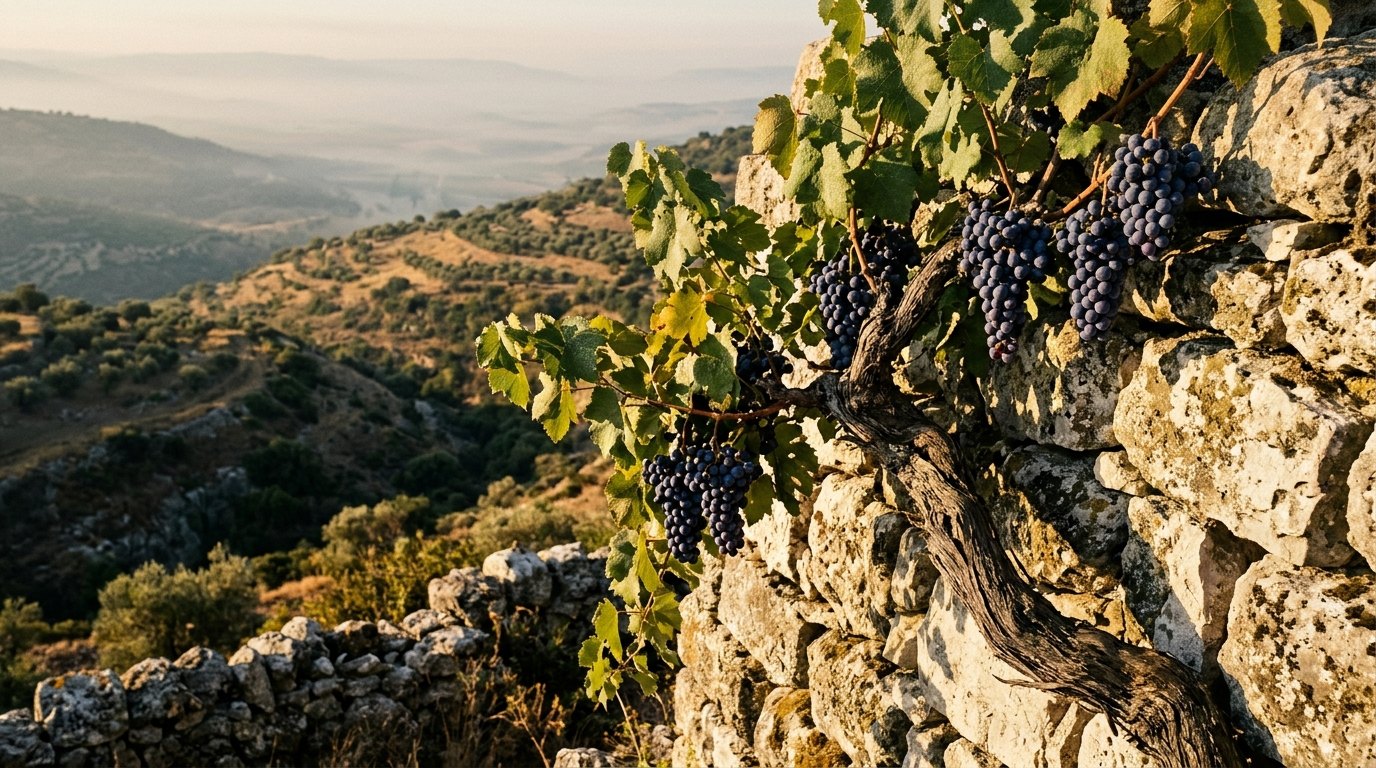
But the fruit of the Spirit is love, joy, peace, forbearance, kindness, goodness, faithfulness, gentleness and self-control. Against such things there is no law.
Galatians 5:22-23 (NIV)
Paul uses the singular word 'fruit' to show that these nine virtues form an indivisible, unified character produced by the Spirit.
In Galatians 5:22-23, Paul names nine graces not as separate fruits to be selected at will, but as the single, indivisible fruit of the Spirit. This singular harvest represents the very character of Jesus Christ formed within the believer by the indwelling Third Person of the Trinity. It is not an assortment of natural virtues or moral resolutions, but the organic output of divine life supplanting human depravity.
This unified harvest stands in sharp relief against our natural estate. Galatians 5:16-18 shows that walking by the Spirit is the only power capable of subduing the flesh and setting the conscience free from legal bondage. Left to itself, human nature yields only the fractured, destructive works detailed in Galatians 5:19-21—idolatry, strife, impurity, and factions that bar entrance into God's kingdom. But in Christ, that old dominion has suffered a fatal blow; as Galatians 5:24-26 declares, those who belong to Christ Jesus have crucified the flesh with its passions and are summoned to keep step with the Spirit. This transformation reaches to the very governing center of the soul. As Romans 8:5-9 explains, the mind set on the flesh remains fundamentally hostile to God, while the mind set on the Spirit experiences true life, righteousness, and eternal peace.
| Passage | What it says |
|---|---|
| Galatians 5:16-18 | Walking by the Spirit frees the believer from the desires of the flesh and the condemnation of the law. |
| Galatians 5:19-21 | The works of the flesh stand in direct opposition to the kingdom of God and the Spirit's work. |
| Galatians 5:22-23 | The fruit of the Spirit is love, joy, peace, patience, kindness, goodness, faithfulness, gentleness, and self-control. |
| Galatians 5:24-26 | Believers have crucified the flesh with its passions and are called to keep step with the Holy Spirit. |
| Romans 8:5-9 | Setting the mind on the Spirit yields life and peace rather than the hostility of the flesh. |
The Inner Posture
Love, joy, and peace anchoring the soul

Love is patient, love is kind. It does not envy, it does not boast, it is not proud. It does not dishonor others, it is not self-seeking, it is not easily angered, it keeps no record of wrongs. Love does not delight in evil but rejoices with the truth. It always protects, always trusts, always hopes, always perseveres.
1 Corinthians 13:4-7 (NIV)
This passage defines love as patient, kind, humble, and enduring, proving it to be the bedrock of all spiritual fruit.
First Corinthians 13:4-7 reveals that divine love is the indelible foundation of all spiritual fruit, suffering long, rejoicing in the truth, and bearing all things without failing. Love is not merely the first virtue in the list; it is the overarching garment of Christian maturity from which every other grace springs. When the Spirit pours the love of God into our hearts, our inner posture toward God and our fellow man is fundamentally remade.
This supernatural love immediately anchors the inner life in deep peace and enduring joy. In Romans 5:1-5, Paul shows that being justified by faith yields objective peace with God, which in turn breeds an exultant joy that remains unshakeable even in the fires of tribulation. Such calm is not human stoicism; Philippians 4:6-7 promises that the peace of God, which surpasses all comprehension, actively guards the believer's heart and mind in Christ Jesus. Even in great sorrow or severe persecution, the believer possesses what 1 Peter 1:8-9 calls an inexpressible and glorious joy, fixed entirely on the living Savior. True kingdom life, as Romans 14:17 underscores, is not found in outward regulations but in righteousness, peace, and joy in the Holy Spirit. Even amid heavy affliction, 1 Thessalonians 1:6 records how new converts welcome God's word with this very joy, proving that the soul anchored in God cannot be unmoored by earthly trials.
| Passage | What it says |
|---|---|
| Romans 5:1-5 | Justification brings peace with God, enduring joy through suffering, and God's love poured out by the Holy Spirit. |
| 1 Corinthians 13:4-7 | Love suffers long, is kind, does not envy or boast, and never fails in its endurance. |
| Philippians 4:6-7 | The peace of God, which surpasses all human understanding, guards the hearts and minds of those in Christ. |
| 1 Peter 1:8-9 | Believing in the unseen Christ produces an inexpressible and glorious joy that accompanies the salvation of the soul. |
| Romans 14:17 | The kingdom of God consists of righteousness, peace, and joy in the Holy Spirit. |
| 1 Thessalonians 1:6 | Believers receive the word in much affliction with the supernatural joy given by the Holy Spirit. |
The Social Virtues
Patience, kindness, and goodness towards our neighbours
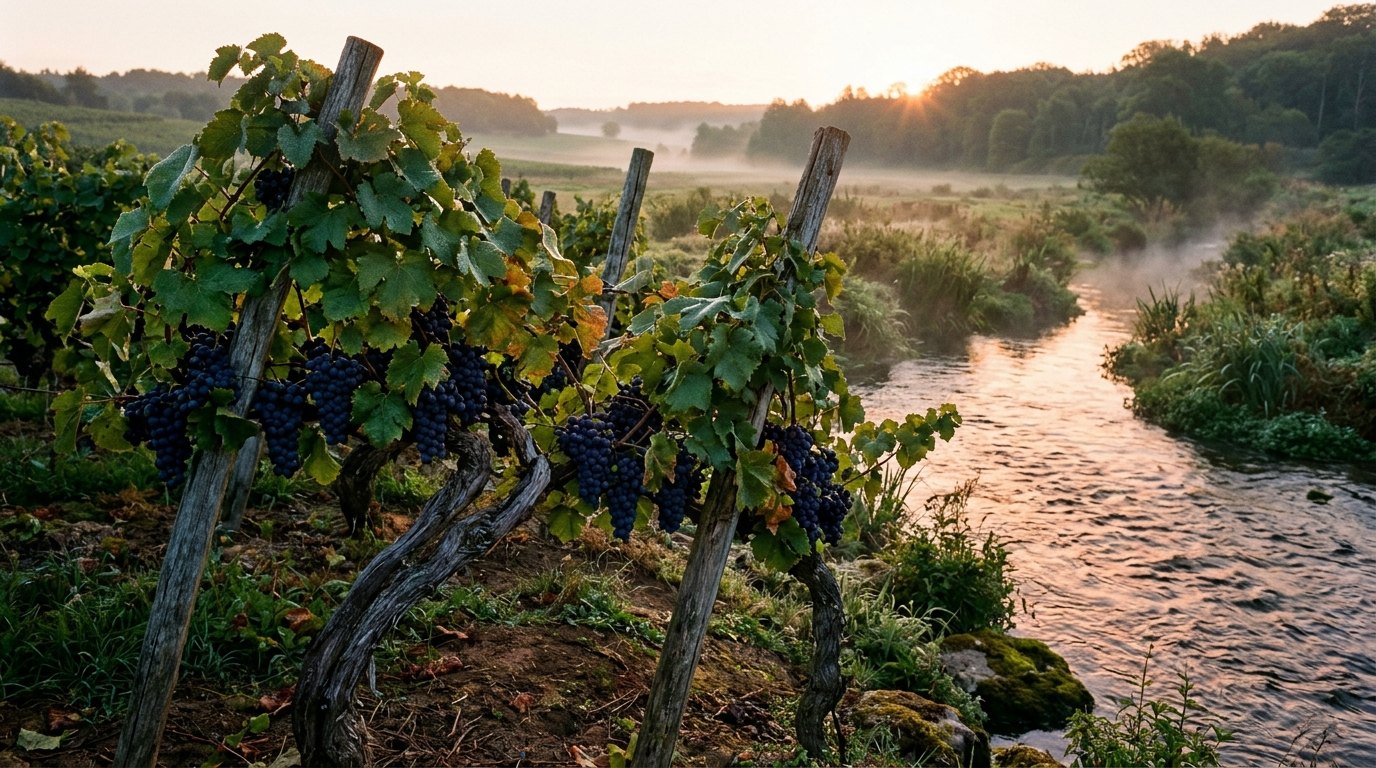
For you were once darkness, but now you are light in the Lord. Live as children of light (for the fruit of the light consists in all goodness, righteousness and truth) and find out what pleases the Lord.
Ephesians 5:8-10 (NIV)
Living as children of light means displaying the fruit of light in all goodness, righteousness, and truth.
Ephesians 5:8-10 reminds us that those once in darkness are now light in the Lord, called to walk as children of light because the fruit of the light consists in all goodness, righteousness, and truth. The internal work of the Holy Spirit cannot remain hidden; it inevitably spills over into how we treat the people around us. Patience, kindness, and goodness serve as the outward demonstration of a transformed heart navigating a broken, hostile world.
This communal reality is essential to the health of the church. In Ephesians 4:1-3, believers are charged to walk in a manner worthy of their calling, bearing with one another in longsuffering, gentleness, and eager preservation of the Spirit's unity. Colossians 3:12-14 similarly commands God's chosen people to clothe themselves with tender mercies, kindness, humility, and patience, binding every virtue together in love. Grace trains us not to be passive, but actively engaged in moral growth; 2 Peter 1:5-7 instructs us to supply our faith with moral excellence, steadfastness, brotherly kindness, and selfless affection. When this fruit flourishes, the community becomes spiritually mature, as reflected in Romans 15:14, where believers are full of goodness and able to instruct one another. In every encounter, 1 Thessalonians 5:14-15 urges us to be patient with everyone and relentlessly pursue what is good for both the church and the world.
| Passage | What it says |
|---|---|
| Ephesians 4:1-3 | Believers are urged to walk worthily with humility, gentleness, patience, and forbearance in love. |
| Ephesians 5:8-10 | The fruit of the light consists in all goodness, righteousness, and truth pleasing to the Lord. |
| Colossians 3:12-14 | God's chosen people are commanded to put on tender mercies, kindness, humility, meekness, longsuffering, and above all, love. |
| 2 Peter 1:5-7 | Faith is to be supplemented with virtue, knowledge, self-control, steadfastness, godliness, brotherly affection, and love. |
| Romans 15:14 | Believers are full of goodness and filled with all knowledge to instruct one another. |
| 1 Thessalonians 5:14-15 | Christians are urged to be patient with all and always pursue what is good for everyone. |
Faithful Mastery
Faithfulness, gentleness, and self-control conquering pride
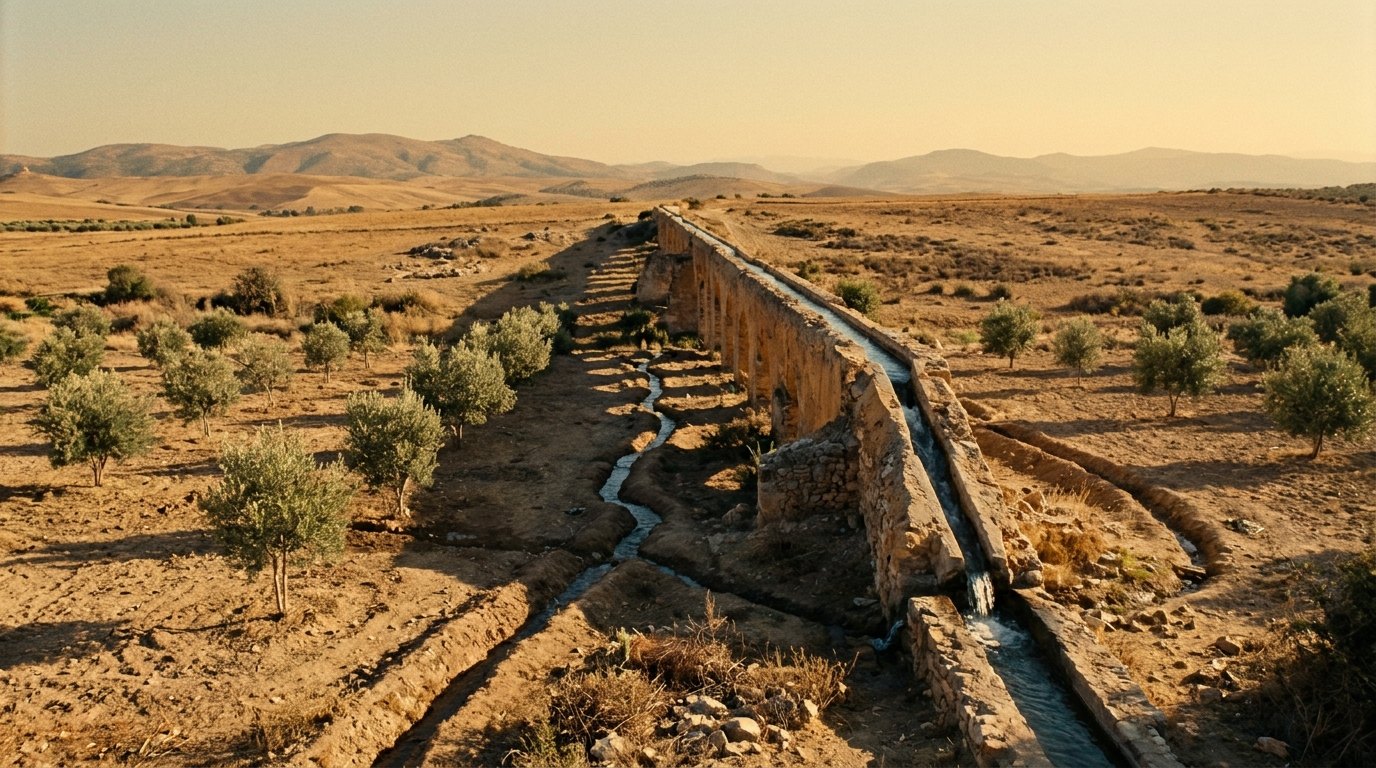
But the wisdom that comes from heaven is first of all pure; then peace-loving, considerate, submissive, full of mercy and good fruit, impartial and sincere. Peacemakers who sow in peace reap a harvest of righteousness.
James 3:17-18 (NIV)
Heavenly wisdom is marked by pure gentleness, peaceable conduct, and good fruit sown in righteousness.
James 3:17-18 highlights that heavenly wisdom produces a gentle, peaceable harvest of righteousness, entirely free from hypocrisy, bitter envy, or selfish ambition. The final trio of virtues—faithfulness, gentleness, and self-control—deals a death blow to human pride. Where the world prizes self-assertion, ruthless power, and unrestrained appetite, the Spirit of God instills a quiet, immovable strength that masters inward impulses and submits wholly to the will of God.
Far from being weakness, this inner discipline requires immense spiritual fortitude. Proverbs 16:32 declares that the person who rules his spirit is mightier than a conqueror who takes a fortified city. In 2 Timothy 1:7, Paul reminds us that the Spirit given to us is not one of fear, but of divine power, sacrificial love, and a disciplined, sound mind. This sober-mindedness is a direct fruit of saving grace; Titus 2:11-14 explains that grace teaches us to renounce ungodliness and worldly passions so that we might live self-controlled, upright lives in this present age. The supreme pattern for this quiet strength is Christ Himself, who invites the heavy-laden in Matthew 11:28-30 to learn from Him, for He is gentle and lowly in heart. Armed with this same spirit of meekness, 1 Peter 3:15 commands us to defend the hope within us with gentleness and reverence, winning the conscience without compromising the truth.
| Passage | What it says |
|---|---|
| Proverbs 16:32 | The person slow to anger and possessing self-control is greater than a mighty warrior capturing a city. |
| 2 Timothy 1:7 | God has not given believers a spirit of fear, but of power, love, and a sound, self-controlled mind. |
| Titus 2:11-14 | The grace of God teaches believers to renounce ungodliness and live self-controlled, upright, and godly lives. |
| James 3:17-18 | Wisdom from above is pure, peaceable, gentle, full of mercy, and yields a harvest of righteousness. |
| Matthew 11:28-30 | Jesus calls the weary to learn from Him, for He is gentle and lowly in heart. |
| 1 Peter 3:15 | A defense for the hope within is to be given with gentleness and respect. |
Abiding in Christ
Fruitfulness is born of union with Jesus

“I am the vine; you are the branches. If you remain in me and I in you, you will bear much fruit; apart from me you can do nothing.
John 15:5 (NIV)
Jesus explicitly names Himself as the vine and His followers as branches, teaching that fruit comes only from abiding.
In John 15:5, Jesus establishes the foundational law of the Christian life: "I am the vine; you are the branches. Whoever abides in me and I in him, he it is that bears much fruit, for apart from me you can do nothing." Spiritual fruit is never the product of self-manufactured moral discipline or raw human effort. It flows entirely from vital, unbroken union with the Son of God, who supplies every drop of life and spiritual vitality through His Spirit.
This principle anchors the wisdom of the Old Testament. In Psalm 1:1-3, the righteous person who delights in the Lord's law is compared to a vigorous tree planted directly beside streams of water, yielding its fruit unfailingly in season. Jesus expands this imagery in John 15:1-4, revealing the Father as the wise vinedresser who faithfully prunes every fruitful branch so that it may produce an even richer harvest. Then, in John 15:5-8, the Savior reminds His disciples that bearing abundant fruit brings lasting glory to the Father and authenticates their calling as true followers of Christ.
The New Testament epistles show that this union fundamentally reorients our spiritual allegiance. Paul teaches in Romans 7:4-6 that believers have died to the law through the body of Christ so that they might belong to another—to Him who was raised from the dead—in order that we may bear fruit for God rather than harvest the bitter works of sin. Our external fruit reveals our internal source; as Jesus warned in Matthew 7:16-20, every healthy tree naturally bears good fruit, while a diseased tree cannot help but produce corruption.
True transformation is therefore both thoroughly practical and deeply supernatural. In Philippians 1:9-11, the Apostle prays that believers would be filled to overflowing with the fruit of righteousness that comes solely through Jesus Christ to the praise of God. Paul echoes this ambition in Colossians 1:9-10, urging believers to walk in a manner worthy of the Lord, pleasing Him in every respect and continually bearing fruit in every good work as their knowledge of God deepens.
| Passage | What it says |
|---|---|
| Psalms 1:1-3 | The righteous person delights in God's law and yields timely fruit like a tree planted by rivers of water. |
| John 15:1-4 | Jesus is the true vine, the Father is the vinedresser who prunes branches to bear more fruit. |
| John 15:5-8 | Apart from Christ believers can do nothing, but abiding in Him brings much fruit to the Father's glory. |
| Romans 7:4-6 | Believers have died to the law through Christ's body in order to belong to Him and bear fruit for God. |
| Matthew 7:16-20 | Every healthy tree bears good fruit, revealing true identity by its harvest. |
| Philippians 1:9-11 | Believers are filled with the fruit of righteousness that comes through Jesus Christ. |
| Colossians 1:9-10 | Walking worthily of the Lord involves bearing fruit in every good work. |
Where in the Bible
| Book | Passages |
|---|---|
| Psalms | 1 · Psalms 1:1-3 |
| Proverbs | 1 · Proverbs 16:32 |
| Matthew | 2 · Matthew 11:28-30, Matthew 7:16-20 |
| John | 2 · John 15:1-4, John 15:5-8 |
| Romans | 5 · Romans 8:5-9, Romans 5:1-5, Romans 14:17, Romans 15:14, Romans 7:4-6 |
| 1 Corinthians | 1 · 1 Corinthians 13:4-7 |
| Galatians | 4 · Galatians 5:16-18, Galatians 5:19-21, Galatians 5:22-23, Galatians 5:24-26 |
| Ephesians | 2 · Ephesians 4:1-3, Ephesians 5:8-10 |
| Philippians | 2 · Philippians 4:6-7, Philippians 1:9-11 |
| Colossians | 2 · Colossians 3:12-14, Colossians 1:9-10 |
| 1 Thessalonians | 2 · 1 Thessalonians 1:6, 1 Thessalonians 5:14-15 |
| 2 Timothy | 1 · 2 Timothy 1:7 |
| Titus | 1 · Titus 2:11-14 |
| James | 1 · James 3:17-18 |
| 1 Peter | 2 · 1 Peter 1:8-9, 1 Peter 3:15 |
| 2 Peter | 1 · 2 Peter 1:5-7 |
The story in order
- The Law is given (c. 1450 BC) · Galatians 5:16-18 · The Spirit enables believers to overcome the flesh's desires.
- Wisdom from above (c. AD 45) · James 3:17-18 · Heavenly wisdom is pure, peaceable, gentle, merciful, and righteous.
- Jesus calls the weary (c. AD 30) · Matthew 11:28-30 · Jesus is gentle and lowly, offering rest to all.
- The Vine and branches (c. AD 30) · John 15:1-4 · Abiding in Christ is essential for bearing fruit.
- Justification brings peace (c. AD 60) · Romans 5:1-5 · Peace with God, joy in suffering, and love through the Spirit.
- Fruit of righteousness (c. AD 60) · Philippians 1:9-11 · Believers are filled with the fruit of righteousness through Christ.
- The fruit of the Spirit (c. AD 50) · Galatians 5:22-23 · Lists the nine virtues: love, joy, peace, patience, kindness, goodness, faithfulness, gentleness, self-control.
- The kingdom of God (c. AD 60) · Romans 14:17 · Consists of righteousness, peace, and joy in the Holy Spirit.
- Putting on virtues (c. AD 60) · Colossians 3:12-14 · Clothe yourselves with mercy, kindness, humility, meekness, and patience.
- Fruit of the light (c. AD 60) · Ephesians 5:8-10 · The fruit of light is goodness, righteousness, and truth.
- Living by the Spirit (c. AD 50) · Galatians 5:24-26 · Believers are called to keep in step with the Spirit.
- Faithful defense (c. AD 65) · 1 Peter 3:15 · Defend your hope with gentleness and respect.
Key words
- Fruit of the Spirit
- The unified character cultivated by the Holy Spirit in a believer abiding in Christ. · Galatians 5:22-23
- Abide
- To remain in union with Christ, allowing His life to flow through us. · John 15:4-5
- Flesh
- The sinful nature and its desires, opposed to the Spirit. · Galatians 5:16-18
- Spirit
- The Holy Spirit, God's presence and power at work in believers. · Romans 8:5-9
- Virtues
- The nine interconnected qualities that characterize Christlike character. · Galatians 5:22-23
Bearing the fruit of the Spirit is not a legalistic burden or a test of self-discipline, but the natural result of abiding daily in Jesus Christ. As we yield our lives to the Holy Spirit and submit to the Father's pruning, His supernatural character blossoms in all our words and deeds. Trust the life of the true Vine to flow through you, displaying His love, righteousness, and enduring peace to the world.
30 passages, each cited once.
Scripture cited
- Galatians 5:22-23
- 1 Corinthians 13:4-7
- John 15:5
- James 3:17-18
- John 15:2
- Ephesians 5:9