What is the prayer of Jabez?

1 Chronicles 4:9-10
9 Jabez was more honorable than his brothers. His mother had named him Jabez, saying, “I gave birth to him in pain.”
10 Jabez cried out to the God of Israel, “Oh, that you would bless me and enlarge my territory! Let your hand be with me, and keep me from harm so that I will be free from pain.” And God granted his request.
New International Version (NIV)
The answer
The prayer of Jabez is a short prayer in 1 Chronicles 4:10 in which Jabez asks God for blessing, enlarged territory, God’s presence, and protection from evil. Scripture concludes the account by saying, “God granted him that which he requested.”
Jabez appears briefly in Judah’s genealogy. His mother named him Jabez because she bore him with sorrow, yet he is described as “more honorable than his brothers” (1 Chronicles 4:9). He then calls on the God of Israel:
“Oh that you would bless me indeed, and enlarge my border! May your hand be with me, and may you keep me from evil, that I may not cause pain!” (1 Chronicles 4:10)
The prayer contains four requests:
- “Bless me indeed” — Jabez looks directly to God as the source of true blessing.
- “Enlarge my border” — he asks God to extend his territory or sphere of responsibility.
- “May your hand be with me” — he desires God’s presence, help, and guidance rather than relying on himself.
- “Keep me from evil” — he seeks protection from evil and asks that he may not cause pain, connecting his request for outward blessing with a concern for righteousness.
The passage’s emphasis is Jabez’s dependence on God and God’s gracious answer, not a set of words that mechanically guarantees prosperity. His sorrowful name does not determine his future: he prays honorably, and God answers.
Answered from Scripture · reviewed November 11, 2026
Tucked into the extensive genealogies of Judah in First Chronicles sits the striking account of Jabez, an honorable man whose mother bore him in pain. Rather than resigning himself to a legacy of sorrow, he cried out to the God of Israel with four specific petitions and found an attentive Lord. His fourfold plea reveals how bold, humble faith turns to God for true blessing, expanded influence, divine guidance, and preservation from evil.
Identity and Honor
An honorable man named for sorrow
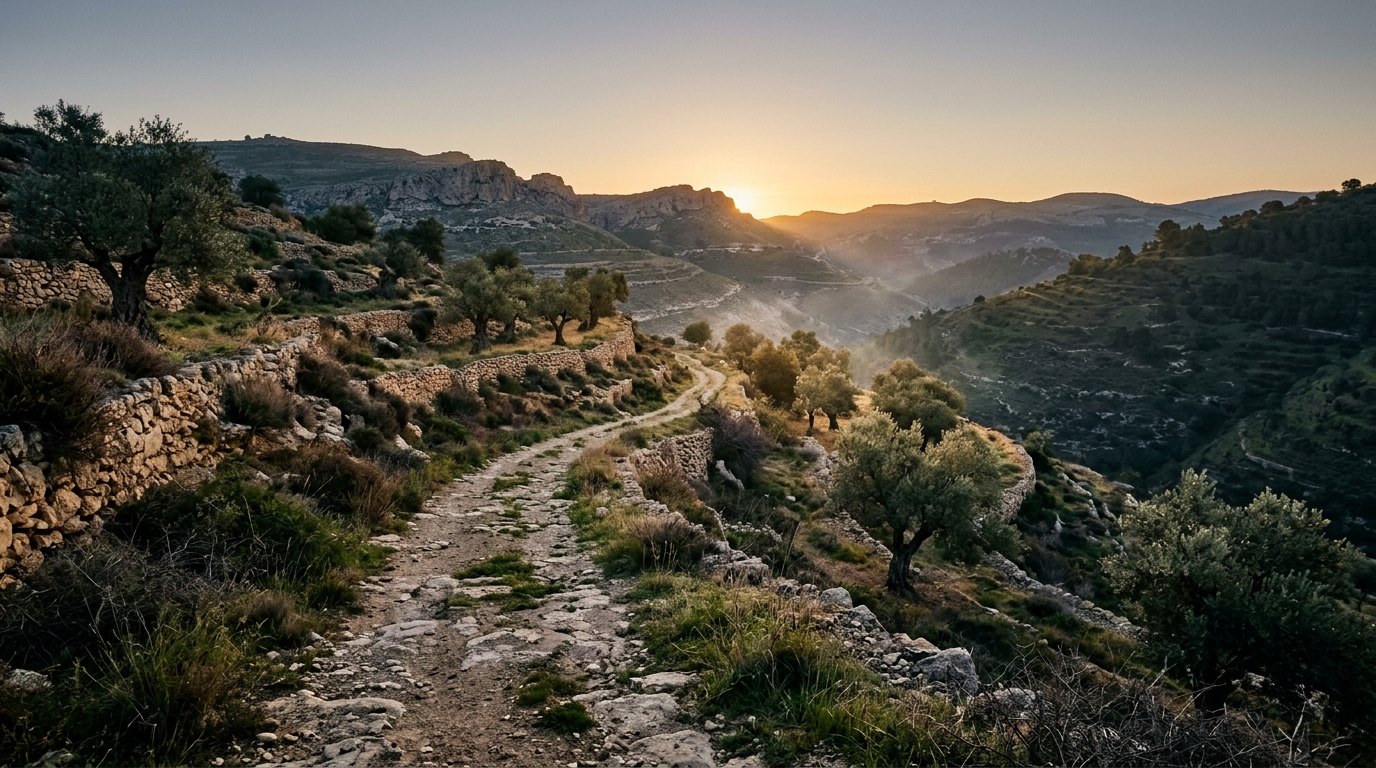
Jabez was more honorable than his brothers. His mother had named him Jabez, saying, “I gave birth to him in pain.”
1 Chronicles 4:9 (NIV)
This verse reveals Jabez's exemplary character alongside the painful circumstance that gave him his name.
In the opening chapters of Chronicles, the narrative pauses amid names and lineage to introduce a man singled out for distinct nobility. In 1 Chronicles 4:9, the Scripture pauses to record that Jabez was more honorable than his brothers, even though his mother had given him a name rooted in sorrow. In the ancient world, names were prophetic descriptors and living memorials of circumstance. Maternal anguish had echoed throughout redemptive history since the fall, as God declared in Genesis 3:16 that childbearing would be attended by pain. Other biblical figures bore similar burdens: Rachel dying in childbirth named her son Ben-oni, "son of my sorrow," before Jacob intervened to call him Benjamin in Genesis 35:18; the dying wife of Phinehas marked a tragic defeat by naming her newborn Ichabod in 1 Samuel 4:21; and Ephraim commemorated family tragedy by naming his son Beriah in 1 Chronicles 7:23. Yet Jabez did not surrender to fatalism or let a painful birth define his destiny before God. While Genesis 34:19 remarks on outward worldly distinction, true spiritual nobility in Scripture reflects devotion to the Lord, much like the noble-minded Bereans in Acts 17:11 who eagerly received and weighed God’s word. The enduring memory of Jabez was not distress, but faithfulness; 1 Chronicles 2:55 even links his name to a settlement of scribes known for preserving truth. In Jabez, we see confirmed what Proverbs 22:1 proclaims: a good name before God outlasts all earthly circumstance.
| Passage | What it says |
|---|---|
| 1 Chronicles 4:9 | Jabez is commended as more honorable than his brothers, though his mother named him Jabez because she bore him with sorrow. |
| Genesis 3:16 | God declares that in sorrow woman would bear children, establishing the background of maternal anguish. |
| Genesis 35:18 | Rachel names her dying child Ben-oni, meaning son of my sorrow, but his father Jacob renames him Benjamin. |
| 1 Samuel 4:21 | Phinehas's wife names her son Ichabod to declare that glory departed from Israel amid tragic national grief. |
| 1 Chronicles 7:23 | Ephraim names his son Beriah because tragedy and evil had befallen his household. |
| Genesis 34:19 | Shechem is described as more honorable than all the household of his father, mirroring the commendation given to Jabez. |
| Acts 17:11 | The Bereans are commended as more noble because they received the word with readiness and searched the Scriptures. |
| 1 Chronicles 2:55 | Mentions the families of scribes who dwelt at Jabez, connecting his name with a lasting geographical legacy in Judah. |
| Proverbs 22:1 | Affirms that a good name and honor before God are to be chosen rather than great riches. |
The Four Petitions
Crying out to the God of Israel

Jabez cried out to the God of Israel, “Oh, that you would bless me and enlarge my territory! Let your hand be with me, and keep me from harm so that I will be free from pain.” And God granted his request.
1 Chronicles 4:10 (NIV)
This verse records Jabez's comprehensive fourfold petition and God's gracious affirmative answer.
The famous plea of 1 Chronicles 4:10 breaks into the genealogy with urgent, comprehensive faith: "Oh that you would bless me indeed, and enlarge my border, and that your hand might be with me, and that you would keep me from evil!" Jabez’s request was not an incantation for effortless prosperity, but a covenantal cry for divine empowerment and holiness. His desire for God's true blessing echoes Jacob’s desperate insistence at Peniel in Genesis 32:26, where Jacob wrestled through darkness declaring he would not let go until God blessed him. Jabez asks for widened borders—not unlike the clans of Joseph in Joshua 17:14-18 seeking expanded inheritance to fulfill their calling—knowing that territory held for God requires the Lord's hand to secure and maintain. Recognizing his own vulnerability, he echoes Jacob’s solemn vow in Genesis 28:20-22, asking for the Lord's presence to guide and sustain every step. Most deeply, Jabez petitions that God would keep him from evil so that pain would not be his master, foreshadowing the psalmist's prayer in Psalm 119:133 that no iniquity have dominion over him. This plea anticipates the great pastoral core of Christ’s own instruction: the Lord’s Prayer in Matthew 6:13 commands believers to pray, "deliver us from evil," a cry our Lord offered for His own flock in John 17:15. Such preservation fulfills the covenant promise of Psalm 121:7-8, where the Lord guards our going out and coming in from all evil.
| Passage | What it says |
|---|---|
| 1 Chronicles 4:10 | Jabez asks God to bless him indeed, enlarge his border, be with him in power, and keep him from evil and pain. |
| Genesis 32:26 | Jacob wrestles through the night and refuses to let go until God blesses him. |
| Psalms 119:133 | The psalmist asks God to establish his steps in His word and let no iniquity have dominion over him. |
| Matthew 6:13 | Jesus instructs His disciples to pray for deliverance from the evil one and protection from temptation. |
| Genesis 28:20-22 | Jacob's vow asking God to be with him, keep him, and bless him on his journey. |
| Joshua 17:14-18 | The sons of Joseph asking Joshua for an enlarged allotment and territory to possess. |
| Psalms 121:7-8 | The promise that the Lord will preserve the soul from all evil and guard one's going out and coming in. |
| John 17:15 | Jesus' high priestly petition that the Father keep His disciples safe from the evil one. |
The God Who Answers
A plea received and granted by God

You desire but do not have, so you kill. You covet but you cannot get what you want, so you quarrel and fight. You do not have because you do not ask God.
James 4:2 (NIV)
James underlines that believers often lack God's intervention simply because they do not ask Him.
The brief account of Jabez reaches its climax in a quiet yet profound sentence: "So God granted him what he requested." This simple historical verdict illustrates the truth emphasized in James 4:2, where the apostle reminds believers that "you do not have because you do not ask." Jabez possessed the simple, daring humility to ask God directly for what only God could supply. Scripture consistently reveals that the God of Israel is not distant or indifferent; as Psalm 65:2 declares, He is the One who hears prayer, to whom all flesh will come. Christ Himself repeatedly invited this confident pursuit in Matthew 7:7, promising that everyone who asks, seeks, and knocks will receive of the Father's good gifts. This is not arbitrary wishing, but the prayer of faith described in 1 John 5:14, where asking according to His will secures the assurance of His hearing. When God called Solomon to dedicate the temple in 2 Chronicles 7:14, He pledged that when His people humble themselves and seek His face, He will hear from heaven. Jabez experienced precisely the personal mercy celebrated in Psalm 66:19-20, where the worshiper rejoices that God did not turn away prayer nor remove His steadfast love. Jabez brought his sorrow and limitations to the throne of grace, meeting the sovereign Lord who, as Ephesians 3:20 marvels, is able to do far more abundantly than all we ask or think.
| Passage | What it says |
|---|---|
| James 4:2 | James points out that people do not have because they fail to ask God in faith. |
| Psalms 65:2 | God is praised as the One who hears prayer, to whom all flesh will come. |
| 1 John 5:14 | John gives assurance that if believers ask anything according to God's will, He hears them. |
| Matthew 7:7 | Jesus invites disciples to ask, seek, and knock with the promise that it will be given to them. |
| 2 Chronicles 7:14 | God's promise to hear from heaven and heal the land when His people humble themselves and pray. |
| Psalms 66:19-20 | A testimony that God truly heard prayer and did not turn away His steadfast love. |
| Ephesians 3:20 | Praise to Him who is able to do far more abundantly than all that we ask or think. |
Where in the Bible
| Book | Passages |
|---|---|
| Genesis | 5 · Genesis 3:16, Genesis 35:18, Genesis 34:19, Genesis 32:26, Genesis 28:20-22 |
| Joshua | 1 · Joshua 17:14-18 |
| 1 Samuel | 1 · 1 Samuel 4:21 |
| 1 Chronicles | 4 · 1 Chronicles 4:9, 1 Chronicles 7:23, 1 Chronicles 2:55, 1 Chronicles 4:10 |
| 2 Chronicles | 1 · 2 Chronicles 7:14 |
| Psalms | 4 · Psalms 119:133, Psalms 121:7-8, Psalms 65:2, Psalms 66:19-20 |
| Proverbs | 1 · Proverbs 22:1 |
| Matthew | 2 · Matthew 6:13, Matthew 7:7 |
| John | 1 · John 17:15 |
| Acts | 1 · Acts 17:11 |
| Ephesians | 1 · Ephesians 3:20 |
| James | 1 · James 4:2 |
| 1 John | 1 · 1 John 5:14 |
The story in order
- God curses humanity (c. 4000 BC) · Genesis 3:16 · Establishes the background of maternal anguish in childbirth.
- Jacob renames his son (c. 1730 BC) · Genesis 35:18 · A father changes a name of sorrow to one of blessing.
- Jacob asks God for blessing (c. 1730 BC) · Genesis 28:20-22 · A vow to God for His presence, protection, and provision.
- Jacob wrestles for a blessing (c. 1730 BC) · Genesis 32:26 · Refuses to let go until God blesses him.
- Glory departs from Israel (c. 1100 BC) · 1 Samuel 4:21 · A son is named Ichabod, signifying national grief.
- Jabez is born and honored (c. 1000 BC) · 1 Chronicles 4:9 · Commended as more honorable despite his sorrowful birth name.
- Jabez prays for blessing (c. 1000 BC) · 1 Chronicles 4:10 · His fourfold prayer for God's blessing and protection.
- Joseph's sons ask for land (c. 1400 BC) · Joshua 17:14-18 · Seeking an enlarged territory and greater inheritance.
- Scribes settle at Jabez (c. 1000 BC) · 1 Chronicles 2:55 · Connects Jabez's name with a lasting geographical legacy.
- Bereans commended for seeking God (c. AD 50) · Acts 17:11 · Noble in receiving God's word and searching Scripture.
- Jesus teaches prayer (c. AD 30) · Matthew 6:13 · Instructs disciples to pray for deliverance from evil.
- Jesus prays for His disciples (c. AD 30) · John 17:15 · Asks the Father to keep them from the evil one.
Names Reflecting Sorrow and Blessing
| Name | Meaning/Context | Outcome/Renaming | Passage |
|---|---|---|---|
| Jabez | Son of sorrow | Honorable, blessed by God | 1 Chronicles 4:9-10 |
| Ben-oni | Son of my sorrow | Renamed Benjamin (son of my right hand) | Genesis 35:18 |
| Ichabod | Where is the glory? | Signified departed glory | 1 Samuel 4:21 |
| Beriah | In trouble/evil | Named due to tragedy | 1 Chronicles 7:23 |
Seeking God's Blessing and Protection
| Seeker | Request | Divine Response/Principle | Passage |
|---|---|---|---|
| Jacob | Bless me | Wrestles until blessed | Genesis 32:26 |
| Jacob | Be with me, keep me, bless me | Makes a vow | Genesis 28:20-22 |
| Joseph's sons | Enlarged territory | Ask Joshua for more land | Joshua 17:14-18 |
| Jabez | Bless me, enlarge my border, be with me, keep me from evil | God grants his plea | 1 Chronicles 4:10 |
| Psalmist | Establish my steps, keep me from iniquity | Asks God to order his steps | Psalms 119:133 |
| Disciples | Deliver us from evil | Jesus teaches this prayer | Matthew 6:13 |
| Believers | Anything according to God's will | He hears them | 1 John 5:14 |
Key words
- Jabez (יַעְבֵּץ (yaʻbēṣ))
- He will cause pain; sorrowful. · 1 Chronicles 4:9
- Bless (בָּרַךְ (bārak))
- To confer divine favor or prosperity upon. · 1 Chronicles 4:10
- Enlarge (גָּדַל (gādal))
- To make wider or greater in extent or scope. · 1 Chronicles 4:10
- Be with (הָיָה עִם (hāyâ ʿim))
- To be present with, to accompany or support. · 1 Chronicles 4:10
- Keep from evil (שָׁמַר מֵרָעָה (shāmar mērāʻâ))
- To guard, protect, and preserve from harm or wrongdoing. · 1 Chronicles 4:10
- Honor (כָּבוֹד (kâbôḏ))
- High respect, esteem, or reputation. · 1 Chronicles 4:9
The prayer of Jabez is neither a magical incantation nor a prosperity guarantee, but a compelling portrait of bold, dependent faith. When believers cry out to the covenant God of Israel in their weakness, He delights to answer according to His righteous will. God's grace continually rewrites narratives marked by pain and sorrow, replacing them with lasting blessing and divine keeping power.
24 passages, each cited once.
Scripture cited
- 1 Chronicles 4:9
- 1 Chronicles 4:10