What is the prosperity gospel, and is it biblical?

1 Timothy 6:5-10
5 and constant friction between people of corrupt mind, who have been robbed of the truth and who think that godliness is a means to financial gain.
6 But godliness with contentment is great gain.
7 For we brought nothing into the world, and we can take nothing out of it.
8 But if we have food and clothing, we will be content with that.
9 Those who want to get rich fall into temptation and a trap and into many foolish and harmful desires that plunge people into ruin and destruction.
10 For the love of money is a root of all kinds of evil. Some people, eager for money, have wandered from the faith and pierced themselves with many griefs.
New International Version (NIV)
The answer
The prosperity gospel is not biblical. It teaches that faith in Christ, obedience to God, and generous giving guarantee health, wealth, and success in this life. It also treats poverty, illness, or financial loss as evidence of weak faith, disobedience, or inadequate giving.
Paul directly rejects this approach: false teachers suppose that "godliness is a means of gain", and he commands, "Withdraw yourself from such" (1 Timothy 6:5). The biblical alternative is godliness with contentment, which he calls "great gain" (1 Timothy 6:6).
What the prosperity gospel teaches versus what Scripture teaches
- Prosperity gospel — Biblical teaching
- Faith unlocks material prosperity — Greed can lead people away from the faith (1 Timothy 6:10)
- Poverty indicates spiritual failure — Having food and clothing is grounds for contentment (1 Timothy 6:8)
- Godliness should produce financial gain — Godliness used as a means of gain is condemned (1 Timothy 6:5)
- Giving purchases greater blessings — We brought nothing into the world and cannot carry anything out (1 Timothy 6:7)
Why it conflicts with Scripture
- Wealth is not the measure of godliness. Paul contrasts seeking gain with godliness and contentment (1 Timothy 6:5-6). He does not say that material poverty proves someone faithful.
- The determination to be rich is spiritually dangerous. Paul says it falls into temptation, a snare, and destructive lusts (1 Timothy 6:9).
- The love of money can corrupt faith. Its root is evil, and some have been led astray from the faith through greed (1 Timothy 6:10).
- False teachers exploit godliness for profit. Paul warns of teachers who use false teaching for filthy gain (Titus 1:11) and tells believers to withdraw from those who teach contrary to the truth (1 Timothy 6:5; Romans 16:17).
Is prosperity itself sinful?
No. The Bible does not require poverty. It condemns the love of money, greed, and the assumption that godliness is a profit-making scheme—not material provision itself. Christians should work honestly, give generously, manage resources wisely, and thank God for what He provides. The problem is making wealth the goal, the proof of faith, or the payment for obedience.
In short: the prosperity gospel is unbiblical because it makes godliness serve money, while Scripture says godliness is not to be used for gain and that contentment is great gain (1 Timothy 6:5-10).
Answered from Scripture · reviewed November 11, 2026
The prosperity gospel claims that saving faith, covenant obedience, and financial giving guarantee material wealth and physical health in this present life. Scripture explicitly rejects this dogma, exposing the error of treating godliness as a means of earthly profit and calling believers instead to godliness with contentment. True biblical faith fixes its treasure upon Christ crucified and eternal life, warning that the desire for worldly riches ensnares the soul in ruin.
False Gain
Godliness is never a scheme for financial enrichment
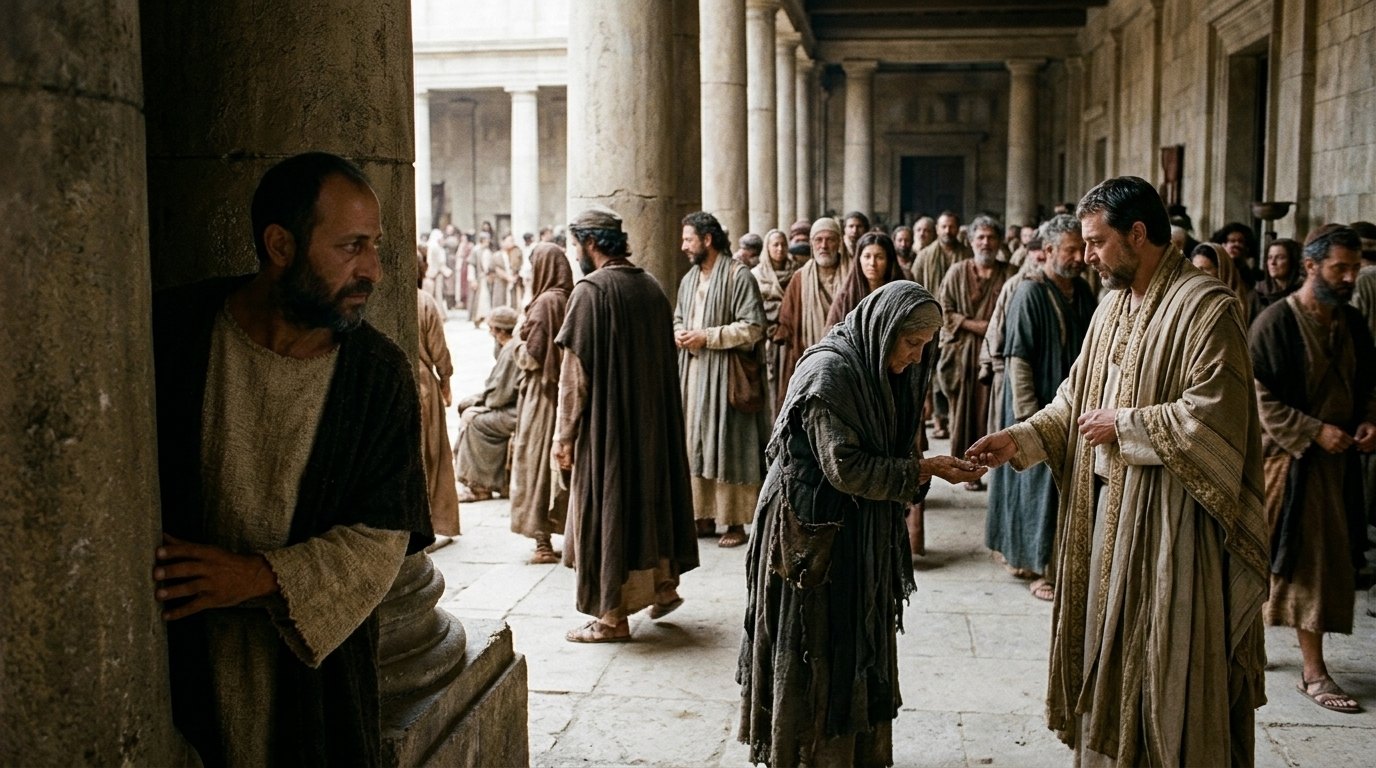
and constant friction between people of corrupt mind, who have been robbed of the truth and who think that godliness is a means to financial gain.
1 Timothy 6:5 (NIV)
Paul commands believers to withdraw from corrupt teachers who twist godliness into a vehicle for material profit.
The apostle Paul strikes directly at the heart of health-and-wealth teaching in 1 Timothy 6:5, where he denounces men of corrupt minds who suppose that "godliness is a means of gain." Scripture does not treat this as a harmless theological difference; rather, the Holy Spirit commands believers to withdraw from those who turn sacred devotion into a lucrative enterprise. True worship is never an investment scheme designed to secure material dividend.
This commercialization of spiritual authority is an ancient deception. In the Old Testament, the prophet in Micah 3:11 excoriated the leaders who judged for a bribe, priests who taught for pay, and prophets who practiced divination for money, all while presuming to lean on the Lord. The New Testament maintains this exact warning. Peter cautions the church in 2 Peter 2:1-3 against deceptive teachers who make merchandise of God's people out of sheer covetousness, noting that their judgment does not linger. Paul instructs Titus in Titus 1:11 that such individuals must be silenced because they subvert whole households, teaching what they ought not for dishonest gain. Similarly, Romans 16:17-18 warns the assembly to avoid those who cause divisions and offenses contrary to apostolic doctrine, for such persons serve their own appetites rather than the Lord Jesus Christ, beguiling the simple with smooth words and flattering speech.
| Passage | What it says |
|---|---|
| 1 Timothy 6:5 | Denounces men of corrupt minds who teach that godliness is a means of gain, commanding believers to separate from them. |
| 2 Peter 2:1-3 | Warns of false teachers who exploit believers with deceptive words out of covetousness, bringing swift destruction upon themselves. |
| Titus 1:11 | Directs that false teachers who overturn whole households for dishonest financial gain must be silenced. |
| Micah 3:11 | Condemns leaders, priests, and prophets who teach and prophesy for money while presuming the Lord is among them. |
| Romans 16:17-18 | Urges believers to avoid smooth-talking teachers who serve their own appetites rather than Jesus Christ. |
True Contentment
Contentment in Christ surpasses all earthly riches

But godliness with contentment is great gain.
1 Timothy 6:6 (NIV)
This verse reveals the authentic biblical gain: godliness joined with genuine contentment in what God provides.
Over against the relentless pursuit of worldly accumulation, Scripture establishes that godliness with contentment is great gain (1 Timothy 6:6). Authentic biblical gain is not measured in expanding earthly portfolios, but in a soul wholly satisfied in the sovereign goodness and sufficiency of God. When the heart rests in Christ, the unending appetite for worldly increase is broken.
Paul underscores the sheer vanity of hoarding material goods in 1 Timothy 6:7-8, reminding the believer that we brought nothing into this world and can carry nothing out. Therefore, having food and clothing, we ought to be content with our daily provision. The writer of Hebrews echoes this exact call in Hebrews 13:5, commanding believers to keep their conduct free from the love of money and to be content with what they have, anchored upon God's enduring promise: "I will never leave you nor forsake you." Contentment is not stoic resignation, but supernatural resilience. In Philippians 4:11-13, Paul testifies that he has learned the secret of facing both abundance and hunger, knowing that Christ infuses him with strength in every circumstance. This wise balance reflects the ancient prayer of Agur in Proverbs 30:8-9, who asked the Lord for neither poverty nor riches, but only his daily bread, lest in fullness he should deny God or in want he should steal.
| Passage | What it says |
|---|---|
| 1 Timothy 6:6 | Declares that godliness accompanied by contentment is indeed great gain. |
| 1 Timothy 6:7-8 | Reminds believers that we leave this world with nothing, making food and clothing sufficient ground for contentment. |
| Hebrews 13:5 | Exhorts believers to keep their lives free from the love of money, being content because God never forsakes them. |
| Philippians 4:11-13 | Paul explains that Christ strengthens him to endure both abundance and hunger with equal contentment. |
| Proverbs 30:8-9 | Petitions the Lord for neither poverty nor riches, desiring only daily bread to avoid denying God through abundance. |
The Trap
The craving for wealth leads to spiritual destruction

Those who want to get rich fall into temptation and a trap and into many foolish and harmful desires that plunge people into ruin and destruction. For the love of money is a root of all kinds of evil. Some people, eager for money, have wandered from the faith and pierced themselves with many griefs.
1 Timothy 6:9-10 (NIV)
Paul unmasks the deadly danger of pursuing riches, identifying the love of money as a root of all kinds of evil.
The craving for riches is not merely a spiritual distraction; it is a lethal snare that drowns men in destruction and perdition (1 Timothy 6:9-10). The Holy Spirit warns that the love of money is a root of all kinds of evil, and those who eagerly chase after it wander away from the faith and pierce themselves through with countless griefs. Wealth promises security, but delivers spiritual ruin.
Our Lord Jesus Christ exposed the impossibility of divided allegiance in Matthew 6:24, declaring unequivocally that no one can serve two masters, for one cannot serve both God and money. In Luke 12:15-21, Jesus warns against all covetousness through the sober parable of the rich fool, whose life was suddenly demanded of him while he plotted to build bigger barns; such is the state of everyone who lays up treasure for himself and is not rich toward God. When the rich young ruler turned away sorrowful, Jesus observed in Mark 10:23-25 how exceedingly difficult it is for those who trust in riches to enter the kingdom of God, likening it to a camel passing through the eye of a needle. James issues a scathing indictment in James 5:1-5 against wealthy exploiters who hoard their luxuries in the last days, warning that their corroded treasures will stand as a witness against them in the day of slaughter.
| Passage | What it says |
|---|---|
| 1 Timothy 6:9 | Shows that the desire to be rich plunges people into temptation, snares, and destructive lusts. |
| 1 Timothy 6:10 | Identifies the love of money as a root of all kinds of evil that wanders believers from the faith. |
| Matthew 6:24 | Jesus affirms that no one can serve two masters, for one cannot serve both God and money. |
| Luke 12:15-21 | Warns against covetousness through the parable of the rich fool who laid up treasure for himself but was not rich toward God. |
| Mark 10:23-25 | Jesus teaches how difficult it is for those who trust in riches to enter the kingdom of God. |
| James 5:1-5 | Pronounces judgment on wealthy oppressors who hoard luxury and rust-consumed treasures in the last days. |
Suffering and Glory
The Christian path embraces the cross before the crown

In fact, everyone who wants to live a godly life in Christ Jesus will be persecuted,
2 Timothy 3:12 (NIV)
Paul refutes the notion of earthly ease by guaranteeing persecution for all who desire a godly life in Christ Jesus.
The prosperity gospel promises worldly comfort, but the gospel of Jesus Christ calls disciples to embrace the cross before the crown. In 2 Timothy 3:12, the apostle establishes an unavoidable rule for the Christian life: all who desire to live godly in Christ Jesus will suffer persecution. Earthly ease and worldly applause are nowhere promised as the birthright of the believer in this fallen age.
Jesus did not invite men to self-enrichment, but to self-mortification. In Luke 9:23, He declared that if anyone desires to come after Him, he must deny himself, take up his cross daily, and follow Him. Although believers possess His peace, He promises in John 16:33 that in the world we will have tribulation. This suffering is not a mark of deficient faith; according to Romans 8:17-18, we are heirs of God and fellow heirs with Christ only if we suffer with Him in order that we may also be glorified with Him. The Hall of Faith in Hebrews 11:36-39 records that God's honored saints were mocked, flogged, stoned, sawed in two, and destitute, wandering in deserts and caves. Even Paul, when pleading for the removal of his physical affliction in 2 Corinthians 12:7-10, was told by the Lord, "My grace is sufficient for you, for My power is made perfect in weakness."
| Passage | What it says |
|---|---|
| 2 Timothy 3:12 | States plainly that everyone who desires to live a godly life in Christ Jesus will suffer persecution. |
| Luke 9:23 | Jesus commands that following Him requires denying oneself and taking up one's cross daily. |
| John 16:33 | Jesus promises that His followers will have tribulation in the world, yet gives peace because He has overcome it. |
| Romans 8:17-18 | Asserts that believers are fellow heirs with Christ only if they suffer with Him to be glorified with Him. |
| Hebrews 11:36-39 | Commends heroes of faith who endured destitution, affliction, torture, and death without receiving earthly ease. |
| 2 Corinthians 12:7-10 | Paul discovers God's sufficient grace and perfected power not in bodily relief, but in his enduring weakness and thorn. |
Faithful Stewardship
Rightful handling of God's blessings seeks heavenly reward
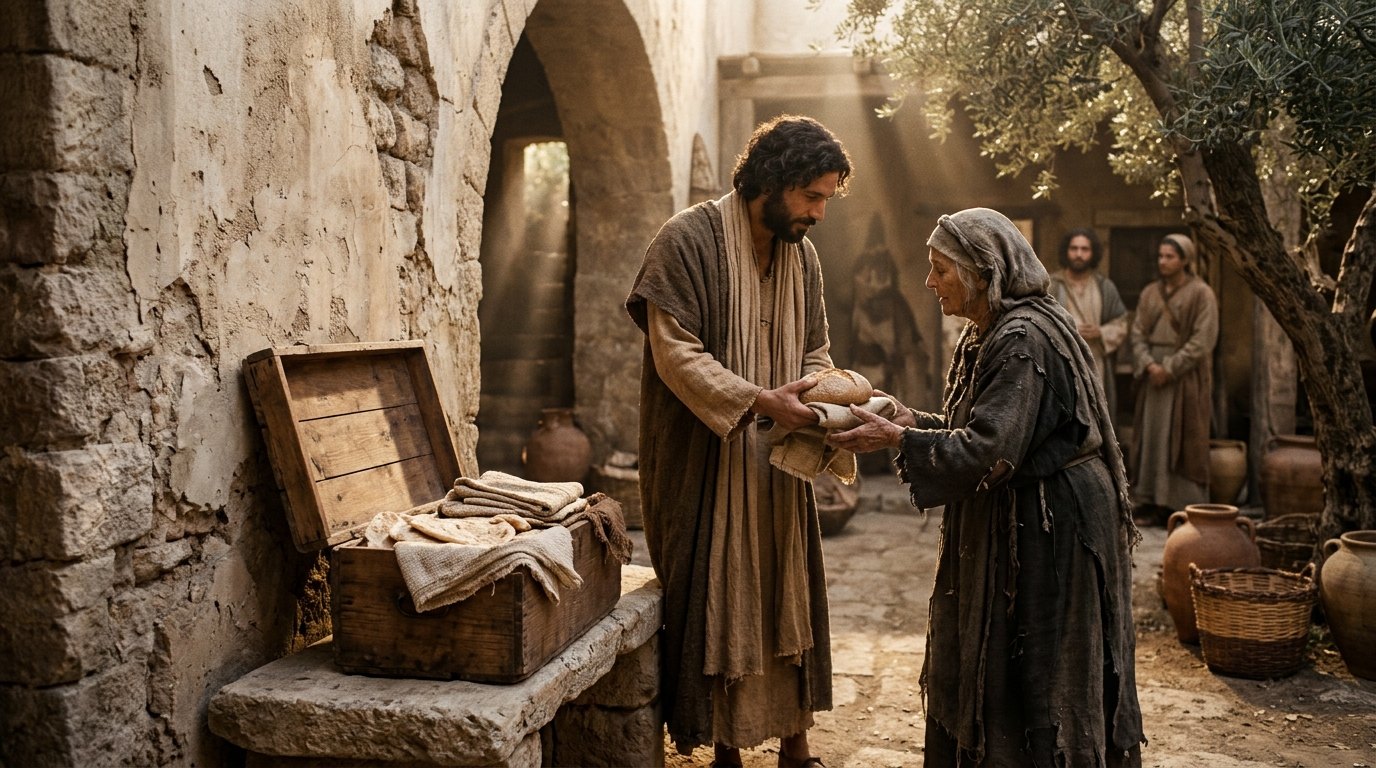
Command those who are rich in this present world not to be arrogant nor to put their hope in wealth, which is so uncertain, but to put their hope in God, who richly provides us with everything for our enjoyment. Command them to do good, to be rich in good deeds, and to be generous and willing to share. In this way they will lay up treasure for themselves as a firm foundation for the coming age, so that they may take hold of the life that is truly life.
1 Timothy 6:17-19 (NIV)
This instruction charges the wealthy not to be proud or trust in riches, but to be rich in good works for eternity.
In 1 Timothy 6:17-19, the Apostle Paul issues a charge concerning material wealth that cuts directly against the premise of prosperity theology: true security rests in the living God, not in uncertain riches. Rather than commanding the rich to hoard their wealth or treat it as a sign of spiritual superiority, Scripture directs them to be rich in good deeds, ready to distribute, and willing to communicate. This faithful posture lays up in store a good foundation for the time to come, taking hold of the eternal life that alone constitutes true treasure.
This heavenly orientation reflects Christ's plain command in Matthew 6:19-21, where He forbids laying up treasures upon earth where moth and rust corrupt. Instead, believers are told to invest in heaven, for where your treasure is, there will your heart be also. Earthly wealth is perishable and temporary, but heavenly rewards endure forever. Believers do not give to leverage a multiplied material return from God; they give out of love, knowing that earthly possessions must never possess the heart.
Paul reinforces this generous spirit in 2 Corinthians 9:6-8, pointing to cheerful, ungrudging sowing. God's supply does not guarantee private indulgence, but rather all sufficiency in all things, that ye may abound to every good work. As recorded in Acts 20:35, the Lord Jesus Himself declared that it is more blessed to give than to receive. The true prosperity of the saint is grounded not in bank balances, but in the reality of Ephesians 1:3, which proclaims that the Father has already blessed us with every spiritual blessing in heavenly places in Christ.
| Passage | What it says |
|---|---|
| 1 Timothy 6:17-19 | Instructs the wealthy not to trust in uncertain riches, but to do good, be generous, and store up eternal treasure. |
| Matthew 6:19-21 | Commands believers to store up incorruptible treasures in heaven rather than earthly goods on earth. |
| 2 Corinthians 9:6-8 | Encourages cheerful giving that relies on God's grace for sufficiency in all things to abound in good works. |
| Acts 20:35 | Recalls the Lord Jesus' teaching that giving brings greater blessing than receiving. |
| Ephesians 1:3 | Celebrates that the believer has already been blessed with every spiritual blessing in the heavenly places in Christ. |
Where in the Bible
| Book | Passages |
|---|---|
| Proverbs | 1 · Proverbs 30:8-9 |
| Micah | 1 · Micah 3:11 |
| Matthew | 2 · Matthew 6:24, Matthew 6:19-21 |
| Mark | 1 · Mark 10:23-25 |
| Luke | 2 · Luke 12:15-21, Luke 9:23 |
| John | 1 · John 16:33 |
| Acts | 1 · Acts 20:35 |
| Romans | 2 · Romans 16:17-18, Romans 8:17-18 |
| 2 Corinthians | 2 · 2 Corinthians 12:7-10, 2 Corinthians 9:6-8 |
| Ephesians | 1 · Ephesians 1:3 |
| Philippians | 1 · Philippians 4:11-13 |
| 1 Timothy | 6 · 1 Timothy 6:5, 1 Timothy 6:6, 1 Timothy 6:7-8, 1 Timothy 6:9, 1 Timothy 6:10, 1 Timothy 6:17-19 |
| 2 Timothy | 1 · 2 Timothy 3:12 |
| Titus | 1 · Titus 1:11 |
| Hebrews | 2 · Hebrews 13:5, Hebrews 11:36-39 |
| James | 1 · James 5:1-5 |
| 2 Peter | 1 · 2 Peter 2:1-3 |
The story in order
- Israel's leaders exploit the people (c. 700 BC) · Micah 3:11 · Leaders and prophets teach and prophesy for money, presuming God's presence.
- Jesus warns against serving money (AD 30) · Matthew 6:24 · No one can serve both God and money; wealth can be a master.
- Jesus warns against covetousness (AD 30) · Luke 12:15-21 · The parable of the rich fool shows danger in hoarding earthly treasure.
- Jesus teaches riches hinder kingdom entry (AD 30) · Mark 10:23-25 · Those who trust in riches find it difficult to enter God's kingdom.
- Apostles warn of false teachers (c. 65 AD) · 2 Peter 2:1-3 · False teachers exploit believers for dishonest gain, bringing destruction.
- Paul warns against love of money (c. 65 AD) · 1 Timothy 6:9-10 · The desire for riches leads to temptation, snares, and wandering from faith.
- Paul teaches contentment in godliness (c. 65 AD) · 1 Timothy 6:6 · Godliness with contentment is great gain, surpassing earthly riches.
- Paul teaches enduring suffering for Christ (c. 67 AD) · 2 Timothy 3:12 · All who desire to live godly in Christ Jesus will suffer persecution.
- James warns wealthy oppressors (c. 50 AD) · James 5:1-5 · Judgment is pronounced on the rich who hoard treasures on earth.
- Paul finds strength in weakness (c. 57 AD) · 2 Corinthians 12:7-10 · God's power is perfected in weakness; grace is sufficient.
- Hebrews commends faith through suffering (c. 64 AD) · Hebrews 11:36-39 · Faith heroes endured affliction and torture, seeking a better reward.
- Paul encourages cheerful giving (c. 57 AD) · 2 Corinthians 9:6-8 · God provides grace for cheerful giving and abundance in good works.
False Teachers' Motives
| Motive | Action | Consequence | Passage |
|---|---|---|---|
| Dishonest financial gain | Exploit believers with deceptive words | Swift destruction upon themselves | 2 Peter 2:1-3 |
| Covetousness | Serve their own appetites | Avoid them | Romans 16:17-18 |
| Money | Teach and prophesy for money | Condemned | Micah 3:11 |
| Financial enrichment | Teach godliness is a means of gain | Separate from them | 1 Timothy 6:5 |
True Wealth vs. Earthly Riches
| True Wealth | Earthly Riches | Biblical Principle | Passage |
|---|---|---|---|
| Contentment in godliness | Material wealth | Godliness with contentment is great gain | 1 Timothy 6:6 |
| Eternal treasure | Uncertain riches | Store up treasures in heaven | 1 Timothy 6:17-19 |
| God's provision | Hoarded luxury | God never forsakes the content | Hebrews 13:5 |
| Spiritual blessings | Earthly goods | Blessed with every spiritual blessing in Christ | Ephesians 1:3 |
| Serving God | Serving Money | Cannot serve both | Matthew 6:24 |
The Path of the Believer
| Christian Reality | Worldly Expectation | Biblical Teaching | Passage |
|---|---|---|---|
| Suffering persecution | Material wealth and health | All who live godly will suffer | 2 Timothy 3:12 |
| Taking up the cross daily | Avoiding hardship | Deny self and take up cross | Luke 9:23 |
| Tribulation in the world | Worldly peace | Jesus has overcome the world | John 16:33 |
| Suffering with Christ for glory | Ease and earthly reward | Heirs with Christ if we suffer with Him | Romans 8:17-18 |
| Enduring weakness for Christ's power | Bodily relief from suffering | His grace is sufficient; His power is perfected in weakness | 2 Corinthians 12:7-10 |
Key words
- Prosperity Gospel
- The belief that saving faith, covenant obedience, and financial giving guarantee material wealth and physical health.
- Godliness (eusebeia, εὐσέβεια)
- Devotion to God; piety. Not a means for earthly gain. · 1 Timothy 6:5
- Contentment (autarkeia, αὐτάρκεια)
- Satisfaction with what one has; freedom from the desire for more. · 1 Timothy 6:6
- Love of Money (philargyria, φιλαργυρία)
- A root of evil that causes people to wander from the faith. · 1 Timothy 6:10
- Covetousness (pleonexia, πλεονεξία)
- An excessive desire for wealth or possessions. · Luke 12:15
- Suffering (thlipsis, θλῖψις)
- Persecution and hardship endured by those who live godly in Christ. · 2 Timothy 3:12
- Faithful Stewardship
- Rightly managing God's blessings to store up eternal treasure. · 1 Timothy 6:17-19
Believers are not promised earthly wealth or an exemption from suffering, but the unsearchable riches of Christ and eternal glory. By resting in God's daily provision with contentment, we are guarded against the destructive snare of greed and false teachers who traffic in covetousness. Fix your heart upon the cross, steward God's blessings with selfless generosity, and seek first the kingdom of God.
27 passages, each cited once.
Scripture cited
- 1 Timothy 6:5-10
- Titus 1:11
- Romans 16:17-18