What is the story of David and Goliath about?
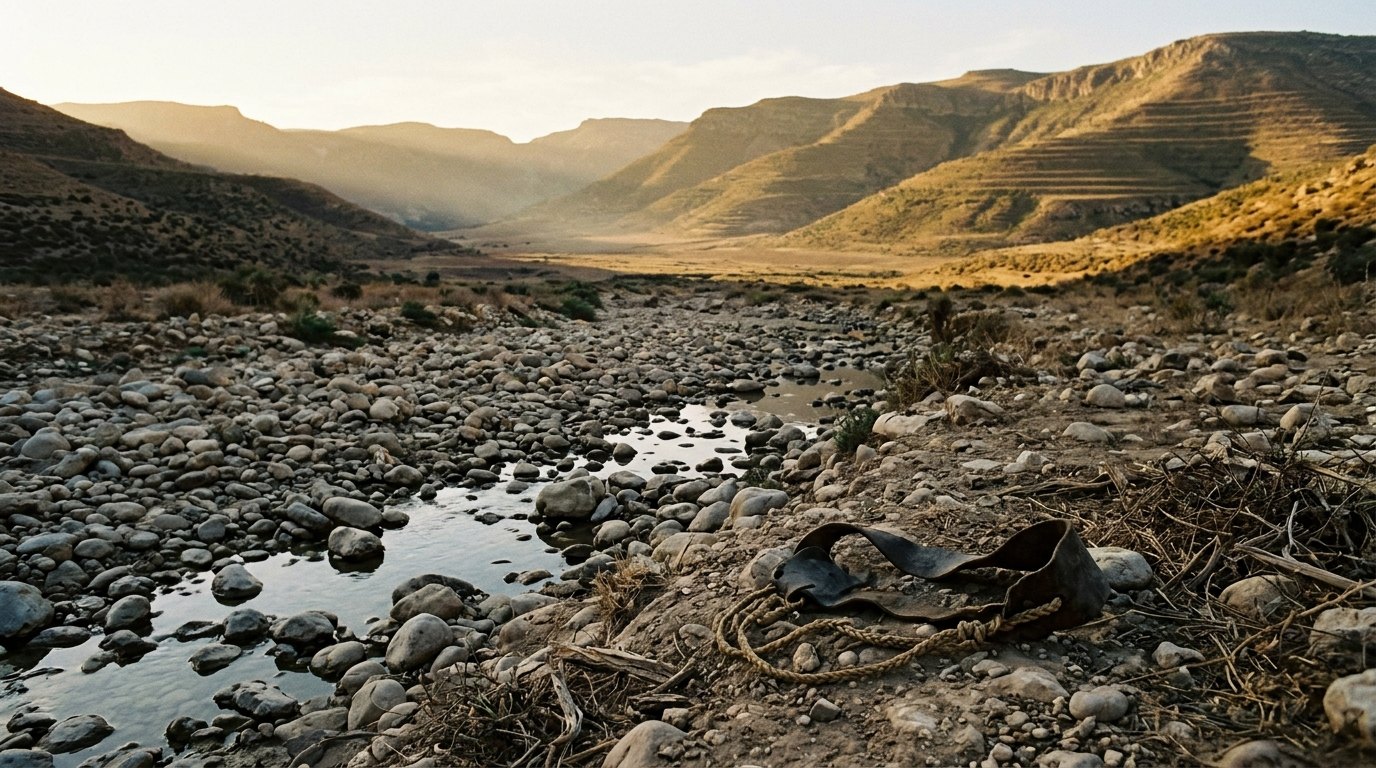
1 Samuel 17:45-50
45 David said to the Philistine, “You come against me with sword and spear and javelin, but I come against you in the name of the LORD Almighty, the God of the armies of Israel, whom you have defied.
46 This day the LORD will deliver you into my hands, and I’ll strike you down and cut off your head. This very day I will give the carcasses of the Philistine army to the birds and the wild animals, and the whole world will know that there is a God in Israel.
47 All those gathered here will know that it is not by sword or spear that the LORD saves; for the battle is the LORD’s, and he will give all of you into our hands.”
48 As the Philistine moved closer to attack him, David ran quickly toward the battle line to meet him.
49 Reaching into his bag and taking out a stone, he slung it and struck the Philistine on the forehead. The stone sank into his forehead, and he fell facedown on the ground.
50 So David triumphed over the Philistine with a sling and a stone; without a sword in his hand he struck down the Philistine and killed him.
New International Version (NIV)
The answer
The short answer: the story is about the Lord fighting for His people through the weakest-looking vessel, so that everyone knows the victory belongs to Him.
David and Goliath is a war story with a theological point. Israel's king and his mighty men froze in fear before a Philistine giant. A teenage shepherd, with no armor and a sling, killed the giant in the name of Yahweh — and Israel learned again that the Lord does not save by sword or spear; the battle is His (1 Samuel 17:47).
What happens in the chapter
- The standoff. The Philistines and Israel face each other across the Valley of Elah. A champion named Goliath of Gath — over nine feet tall in bronze helmet, coat of mail, and bronze shin armor — comes out each morning and evening for forty days and shouts: send a man, let the winner take the nation. Every soldier in Israel, including King Saul, is "dismayed and greatly afraid" (1 Samuel 17:1-11).
- David shows up. Jesse sends David, the youngest of eight sons, from Bethlehem with grain and bread for his brothers in camp. David hears Goliath and is grieved — not impressed — that an "uncircumcised Philistine" should "defy the armies of the living God" (1 Samuel 17:26). He offers to fight.
- Saul objects; David answers. Saul says David is only a boy; Goliath is a man of war from his youth. David points to his record: he killed a lion and a bear that took lambs from his flock, and the same God will deliver him from Goliath (1 Samuel 17:34-37). Saul agrees.
- No armor, just a sling. Saul's helmet and coat of mail don't fit David; he cannot even walk in them. He takes his staff, picks five smooth stones from the brook, and walks toward the giant with a shepherd's sling (1 Samuel 17:38-40).
- The duel. Goliath curses David by his own gods and insults him. David answers: "You come to me with a sword, with a spear, and with a javelin; but I come to you in the name of Yahweh of Armies, the God of the armies of Israel, whom you have defied" (1 Samuel 17:45). One stone, sunk into Goliath's forehead, drops him face-down. David takes Goliath's own sword, cuts off his head, and the Philistines flee (1 Samuel 17:49-52).
What the story is for
Look at the chapter's own framing:
- It is about God, not David. David says it out loud — "that all the earth may know that there is a God in Israel" (1 Samuel 17:46). The point of the story is the reputation of God.
- It is about faith, not odds. Forty days of fear had Israel measuring the size of the problem. David measured the size of God. He had already seen God deliver him from a lion and a bear — small deliverances preparing him for a public one.
- It launches David's road to the throne. After this the women of Israel sing, "Saul has slain his thousands, and David his ten thousands." Whatever tells the rest of David's rise picks up the thread first laid here: the Lord chose this boy, and the Lord fights for His people.
That last line is the chapter's thesis, and the rest of Scripture echoes it: "With us is the LORD our God to help us, and to fight our battles" (2 Chronicles 32:8).
Answered from Scripture · reviewed November 7, 2026
The account of David and Goliath in 1 Samuel 17 is far more than an inspirational fable about an underdog overcoming impossible odds. At its heart, it is a historical demonstration that the Lord alone delivers His covenant people through the humblest vessel, proving that the battle belongs entirely to Him. By looking closely at the narrative and its biblical theology, we discover how David's victory vindicates God's name and foreshadows Christ's ultimate triumph over sin and death.
The Valley Standoff
Israel Freezes Before the Arm of Flesh
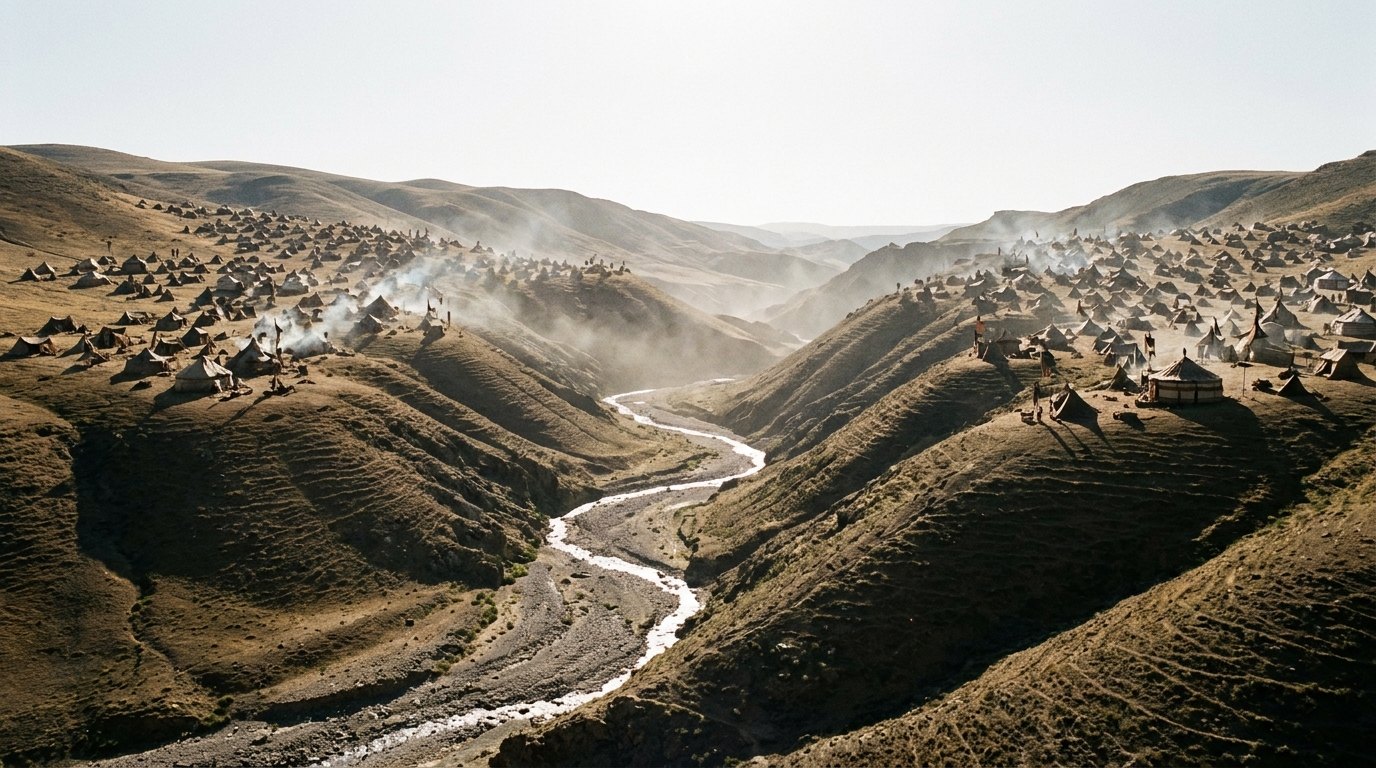
On hearing the Philistine’s words, Saul and all the Israelites were dismayed and terrified.
1 Samuel 17:11 (NIV)
It captures the spiritual bankruptcy of Israel and Saul when measuring their crisis by human strength rather than God's covenant power.
When King Saul and the ranks of Israel heard the giant's roar, they were dismayed and greatly afraid (1 Samuel 17:11). The tragedy of the Valley of Elah was not merely physical intimidation, but a catastrophic failure of faith among God's covenant people. The hostile armies had gathered on facing slopes, separated by a steep ravine (1 Samuel 17:1-3), locking Israel into a strategic paralysis. From the Philistine camp stepped Goliath of Gath, a warrior of colossal scale whose towering height, bronze helmet, and coat of mail weighing five thousand shekels radiated overwhelming human dominance (1 Samuel 17:4-7). His spear shaft looked like a weaver's beam, and an armor-bearer carried a heavy shield before him, presenting an image of invincible earthly strength.
Yet Goliath's real weapon was psychological and spiritual contempt. He shouted across the ravine, challenging Israel to put forth a single representative champion so that one duel might settle the subjugation of whole nations (1 Samuel 17:8-10). For forty days, morning and evening, this blasphemous defiance echoed off the limestone hills without a whisper of an answer from God's chosen king (1 Samuel 17:16). Saul, who stood head and shoulders above his countrymen and possessed the royal armor of a monarch, shrank back into his pavilion alongside his terrified troops. By evaluating their situation purely through visible, military calculation, Israel had forgotten the living God who divided the Red Sea. They saw only their own frailty measured against Goliath's bronze, leaving the camp bound in helpless terror.
| Passage | What it says |
|---|---|
| 1 Samuel 17:1-3 | Israel and the Philistines array their armies on opposing ridges across the Valley of Elah. |
| 1 Samuel 17:4-7 | Goliath of Gath is described in massive physical stature and heavy bronze armor. |
| 1 Samuel 17:8-10 | Goliath defies Israel's ranks and demands representative combat to decide national servitude. |
| 1 Samuel 17:11 | King Saul and all the men of Israel are dismayed and greatly afraid at Goliath's words. |
| 1 Samuel 17:16 | Goliath presents himself each morning and evening for forty days without an Israelite response. |
The Anointed Shepherd
David Sees the Insult to God
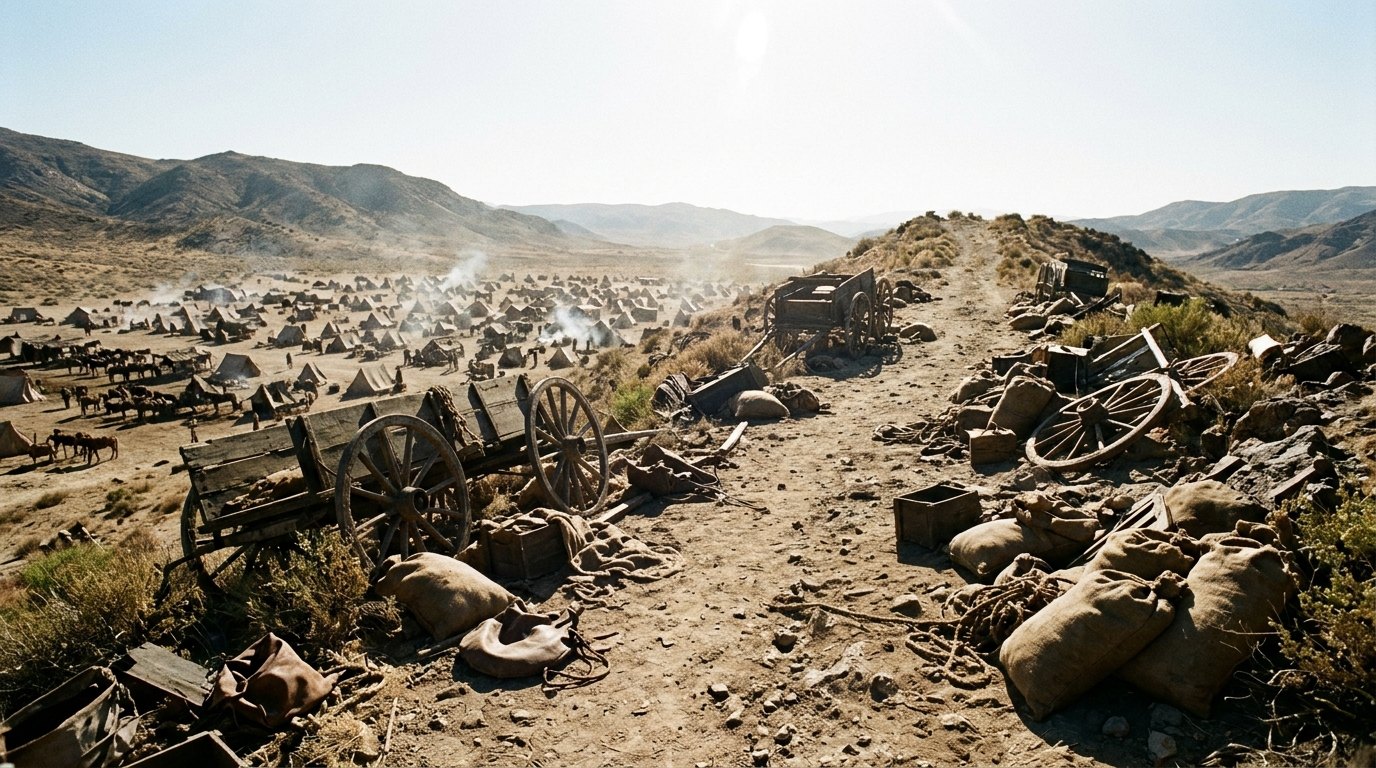
David asked the men standing near him, “What will be done for the man who kills this Philistine and removes this disgrace from Israel? Who is this uncircumcised Philistine that he should defy the armies of the living God?”
1 Samuel 17:26 (NIV)
David reorients the crisis from military terror to a theological offense against the living God.
The atmosphere of paralyzing fear broke the moment David of Bethlehem stepped into the camp and uttered a startling question: who is this uncircumcised Philistine, that he should defy the armies of the living God? (1 Samuel 17:26). David was not an enlisted soldier; he was the youngest son of Jesse, quietly anointed by Samuel behind closed doors while the Spirit of the Lord rushed upon him in power (1 Samuel 16:13). Dispatched by his aging father on an ordinary errand to deliver roasted grain and loaves to his older brothers (1 Samuel 17:17-20), David arrived at the front lines just as the morning battle cries were raised and Goliath stepped forward to shout his usual insults (1 Samuel 17:23-24).
While the professional soldiers cowered and whispered about King Saul's desperate offers of wealth, tax exemption, and his daughter's hand in marriage (1 Samuel 17:25), David saw through a radically different lens. Where everyone else saw a lethal giant, David saw an uncircumcised pagan dishonoring the sovereign Creator. His eldest brother Eliab flared with hot anger, accusing David of insolence and arrogant curiosity (1 Samuel 17:28-29), but David refused to be silenced by familial scorn. The real issue was God's honor, not human vanity. Word of the young shepherd's fearless theological clarity traveled rapidly through the trenches until it reached the royal tent, prompting Saul to summon the youth who dared to speak of the living God (1 Samuel 17:31).
| Passage | What it says |
|---|---|
| 1 Samuel 16:13 | Samuel anoints David with oil, and the Spirit of the Lord rushes upon him from that day onward. |
| 1 Samuel 17:17-20 | Jesse sends David from Bethlehem to bring provisions to his brothers in the army camp. |
| 1 Samuel 17:23-24 | David arrives as Goliath shouts his defiance and watches the soldiers of Israel flee in fear. |
| 1 Samuel 17:26 | David asks who this uncircumcised Philistine is that he should defy the armies of the living God. |
| 1 Samuel 17:28-29 | Eliab burns with anger against David's inquiries, but David stands firm on the necessity of action. |
| 1 Samuel 17:25 | The men of Israel rehearse the king's promised reward for whoever strikes Goliath down. |
| 1 Samuel 17:31 | David's bold inquiries are reported to King Saul, who sends for him. |
Faith Over Flesh
Unarmored Trust in the Deliverer

The LORD who rescued me from the paw of the lion and the paw of the bear will rescue me from the hand of this Philistine.” Saul said to David, “Go, and the LORD be with you.”
1 Samuel 17:37 (NIV)
David grounds his confidence in God's proven past faithfulness rather than Saul's royal armor.
Standing before a despairing monarch, the young shepherd spoke with quiet, unshakable conviction: the Lord who delivered me from the paw of the lion and from the paw of the bear will deliver me from the hand of this Philistine (1 Samuel 17:37). Saul immediately attempted to temper the boy's resolve with worldly realism, pointing out that David was an untried youth while Goliath had been a man of war from his youth (1 Samuel 17:32-33). But David did not view combat through human metrics. He described his solitary hours keeping his father's flock, where he had struck down wild predators with his bare hands whenever they snatched a lamb, knowing full well that divine power had preserved his life through every claw and jaw (1 Samuel 17:34-36).
Saul sought to prepare David by encasing him in royal gear—a bronze helmet, heavy mail, and a royal sword—yet David could not even take a stride because he had not tested them (1 Samuel 17:38-39). True spiritual warfare cannot be waged in borrowed, carnal armor. Stripping off the king's bronze, David chose the familiar tools of his humble calling: his wooden staff, a leather shepherd's sling, and five water-worn stones chosen carefully from the dry creek bed (1 Samuel 17:40). Unencumbered by heavy metal and resting entirely on the covenant faithfulness of his God, David walked down into the open ravine to face the champion of the Philistines.
| Passage | What it says |
|---|---|
| 1 Samuel 17:32-33 | David offers to fight Goliath, but Saul dismisses him as a mere youth facing an experienced warrior. |
| 1 Samuel 17:34-36 | David recounts how the Lord delivered him when rescuing sheep from both a lion and a bear. |
| 1 Samuel 17:37 | David declares the Lord who rescued him from predators will deliver him from this Philistine. |
| 1 Samuel 17:38-39 | Saul clothes David in royal armor, but David removes it because he cannot walk in untried gear. |
| 1 Samuel 17:40 | David takes his shepherd staff, five smooth stones from the wadi, and his sling to meet Goliath. |
The Decisive Clash
The Battle Is the Lord's
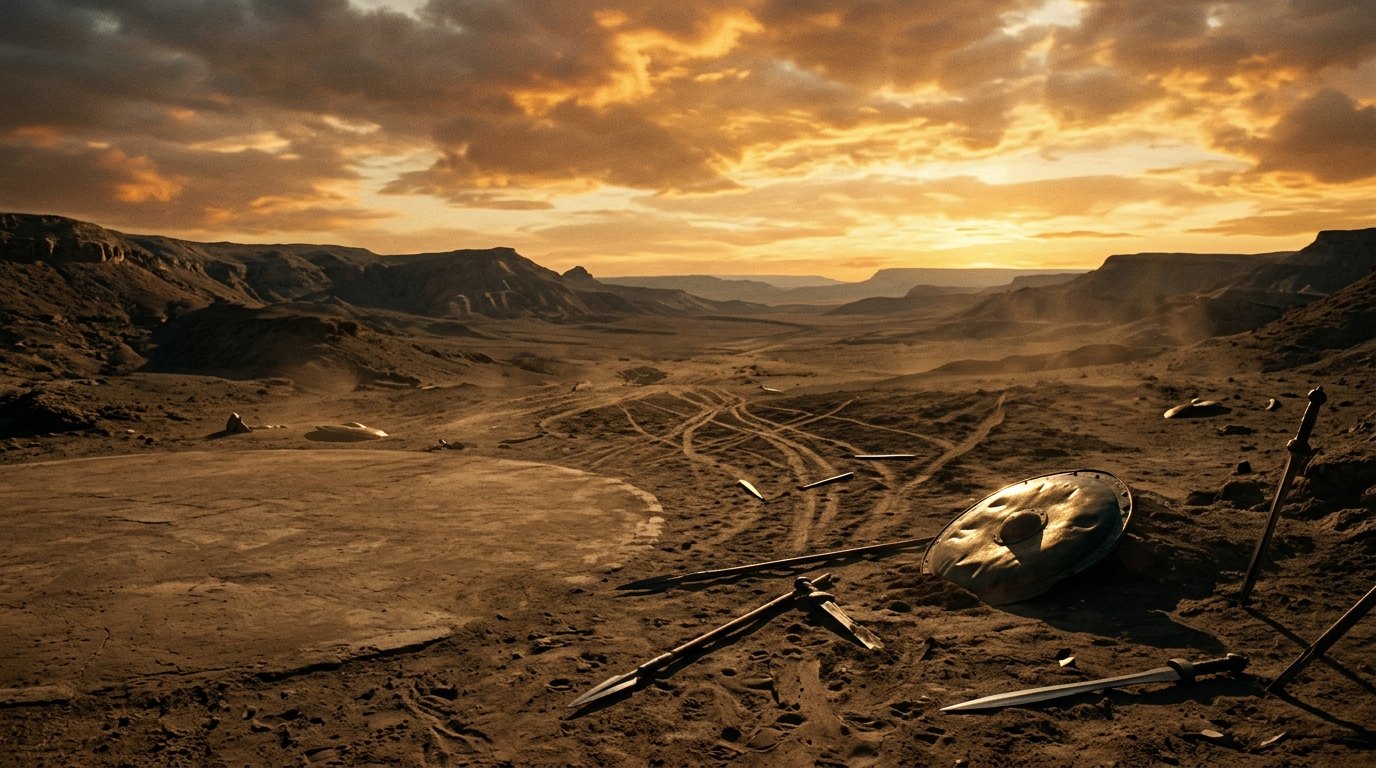
All those gathered here will know that it is not by sword or spear that the LORD saves; for the battle is the LORD’s, and he will give all of you into our hands.”
1 Samuel 17:47 (NIV)
It delivers the theological climax of the entire narrative: God saves apart from sword or spear.
As Goliath lumbered forward, sneering at David's ruddy youth and cursing him by his pagan deities (1 Samuel 17:41-44), David answered with the eternal anthem of biblical faith: the battle is the Lord's, and he will give you into our hand (1 Samuel 17:47). Goliath advanced in the confidence of bronze, sword, spear, and javelin, but David confronted him solely in the name of the Lord of hosts, the God of the armies of Israel whom the giant had blasphemed (1 Samuel 17:45). David declared that the day's victory would not serve human pride, but would publish across the entire earth that there is a living, intervening God in Israel who saves without sword or spear (1 Samuel 17:46-47).
When the Philistine moved to strike, David did not retreat; he ran quickly toward the battle line, loaded his sling, and released a single stone. The missile sank deeply into Goliath's forehead, striking the giant down face-first onto the earth (1 Samuel 17:48-50). With no blade of his own, David drew Goliath's massive sword from its sheath and severed the fallen champion's head (1 Samuel 17:51). At the sight of their dead champion, the Philistine host broke into panicked flight, while the men of Israel and Judah rose up with a shout, pursuing the routing enemy all the way to Gath and plundering their camp (1 Samuel 17:52-54). The Lord triumphed through a representative champion, granting His trembling people a victory they could never have won on their own.
| Passage | What it says |
|---|---|
| 1 Samuel 17:41-44 | Goliath disdains David's youth, curses him by his gods, and threatens to feed him to scavengers. |
| 1 Samuel 17:45 | David answers that Goliath comes with spear and sword, but he comes in the Lord's name. |
| 1 Samuel 17:46 | David proclaims God will give victory so that all the earth may know there is a God in Israel. |
| 1 Samuel 17:47 | David announces to the assembly that the Lord does not save with weapon, for the battle is His. |
| 1 Samuel 17:48-51 | David slays Goliath with a single sling-stone and cuts off his head with the giant's own sword. |
| 1 Samuel 17:52-54 | Israel and Judah pursue the routing Philistine army and plunder their abandoned camp. |
Shadow and Substance
The Champion Who Fights for His People
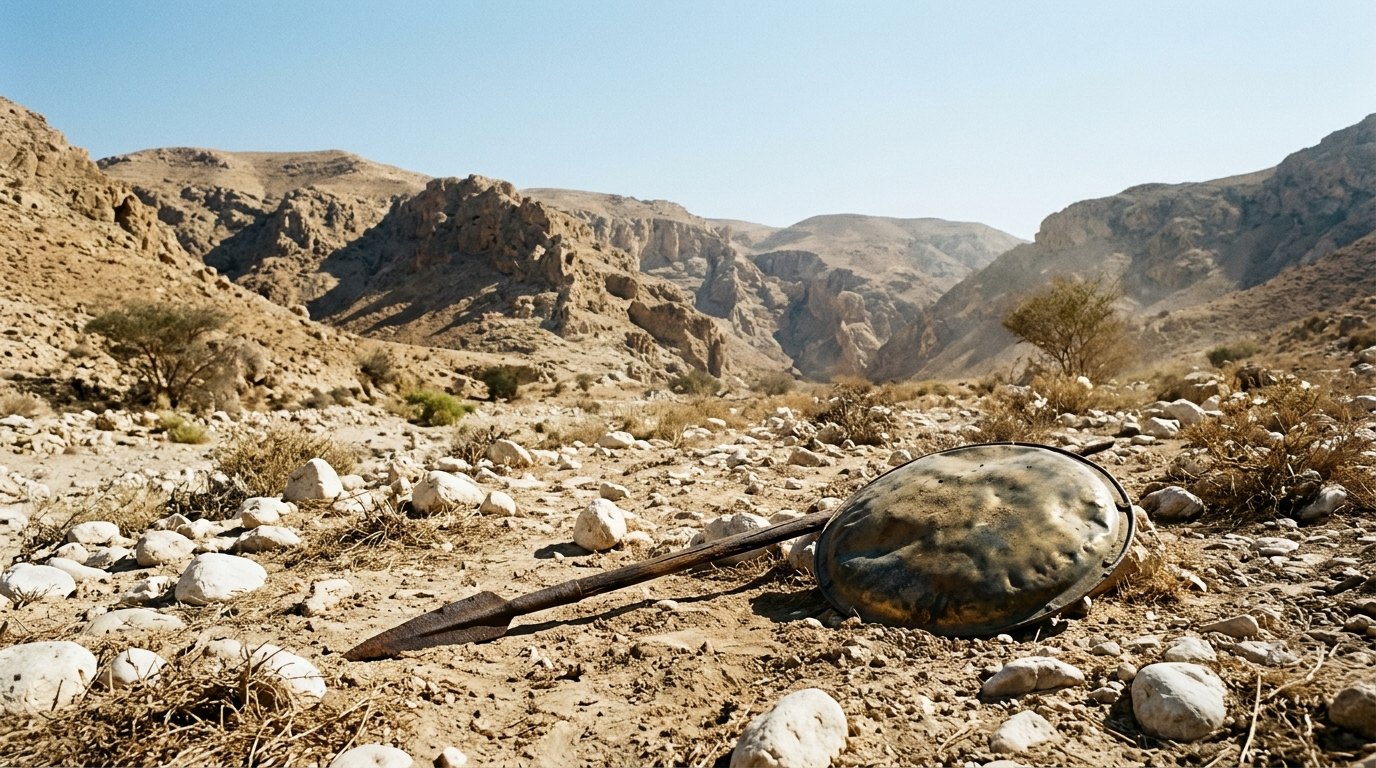
So David triumphed over the Philistine with a sling and a stone; without a sword in his hand he struck down the Philistine and killed him.
1 Samuel 17:50 (NIV)
David standing alone as Israel's substitute champion prefigures Jesus Christ defeating our ultimate enemies.
When David triumphed over the Philistine champion in 1 Samuel 17:50, he acted not merely as a courageous youth, but as Israel's sole representative and substitute. The conditions of the duel in 1 Samuel 17:9 demanded single combat whose outcome would decide the fate of both entire armies: one man fought, yet the entire host shared his victory or bore his servitude. This covenantal structure finds its true fulfillment in Romans 5:18-19, where the single act of Christ's righteousness reverses the condemnation brought by Adam, justifying all who belong to Him. Israel stood paralyzed in their trenches, helpless to save themselves, until their anointed representative stepped into the valley alone without a sword. In the same way, Colossians 2:15 shows that Jesus disarmed the demonic rulers and authorities, triumphing over them openly at the cross on behalf of a helpless people who could never deliver themselves. In 1 Samuel 17:51, David completes the humiliation of the foe by using the giant's own sword to sever his head, perfectly foreshadowing the climax unveiled in Hebrews 2:14-15, where Jesus took on flesh and blood to destroy through death the one who held the power of death, delivering all who were subject to lifelong slavery through fear. Just as the joyous singing in 1 Samuel 18:6-7 greeted David's return and heralded his path to the throne, God has highly exalted the risen Lord and bestowed upon Him the name above every name, as Philippians 2:9-11 proclaims. The story of David and Goliath is therefore our gospel story in shadow: our Champion entered the arena, broke the tyrant with his own weapon, and bestowed upon us the spoils of an everlasting triumph celebrated in 1 Corinthians 15:54-57, where death is swallowed up in victory through our Lord Jesus Christ.
| Passage | What it says | Fulfilled |
|---|---|---|
| 1 Samuel 17:9 | The duel establishes a champion whose single combat determines the state of the entire congregation. | Romans 5:18-19 |
| 1 Samuel 17:50 | David wins the victory alone without Israel lifting a weapon, bestowing the spoils on his helpless brethren. | Colossians 2:15 |
| 1 Samuel 17:51 | David cuts off the head of the defying giant with the enemy's own weapon. | Hebrews 2:14 |
| 1 Samuel 18:6-7 | The victory establishes David's kingly renown and prepares his way to the covenant throne. | Philippians 2:9-11 |
| Colossians 2:15 | Christ disarms the spiritual rulers and authorities, triumphing over them through the cross as the true Champion. | |
| Hebrews 2:14-15 | Christ partakes in flesh and blood to destroy the devil through death and liberate those held captive by fear. | |
| 1 Corinthians 15:54-57 | God gives believers the ultimate victory over sin and death through our Lord Jesus Christ. |
Where in the Bible
| Book | Passages |
|---|---|
| 1 Samuel | 27 · 1 Samuel 17:1-3, 1 Samuel 17:4-7, 1 Samuel 17:8-10, 1 Samuel 17:11, 1 Samuel 17:16, 1 Samuel 16:13, 1 Samuel 17:17-20, 1 Samuel 17:23-24, 1 Samuel 17:26, 1 Samuel 17:28-29, 1 Samuel 17:25, 1 Samuel 17:31, 1 Samuel 17:32-33, 1 Samuel 17:34-36, 1 Samuel 17:37, 1 Samuel 17:38-39, 1 Samuel 17:40, 1 Samuel 17:41-44, 1 Samuel 17:45, 1 Samuel 17:46, 1 Samuel 17:47, 1 Samuel 17:48-51, 1 Samuel 17:52-54, 1 Samuel 17:9, 1 Samuel 17:50, 1 Samuel 17:51, 1 Samuel 18:6-7 |
| 1 Corinthians | 1 · 1 Corinthians 15:54-57 |
| Colossians | 1 · Colossians 2:15 |
| Hebrews | 1 · Hebrews 2:14-15 |
The story in order
- Israel and Philistines face off (c. 1000 BC) · 1 Samuel 17:1-3 · Armies arrayed on opposing ridges across the Valley of Elah.
- Goliath issues his challenge (c. 1000 BC) · 1 Samuel 17:4-10 · Massive warrior demands single combat to decide national servitude.
- Israelite army freezes in fear (c. 1000 BC) · 1 Samuel 17:11 · King Saul and his men are dismayed and greatly afraid.
- Goliath's challenge goes unanswered (c. 1000 BC) · 1 Samuel 17:16 · For forty days, Goliath defies Israel without response.
- David is anointed by Samuel (c. 1000 BC) · 1 Samuel 16:13 · The Spirit of the Lord rushes upon David.
- David arrives at the battle camp (c. 1000 BC) · 1 Samuel 17:17-24 · He sees Goliath's defiance and Israel's fear.
- David questions the insult to God (c. 1000 BC) · 1 Samuel 17:26 · He asks who this Philistine is to defy the living God.
- David volunteers to fight Goliath (c. 1000 BC) · 1 Samuel 17:32-37 · He trusts the Lord who delivered him from lion and bear.
- David rejects Saul's armor (c. 1000 BC) · 1 Samuel 17:38-40 · He takes his staff, stones, and sling to meet Goliath.
- David confronts Goliath (c. 1000 BC) · 1 Samuel 17:41-47 · He declares the battle is the Lord's and God will give victory.
- David slays Goliath (c. 1000 BC) · 1 Samuel 17:48-51 · A single sling-stone brings down the giant.
- Israel pursues the Philistines (c. 1000 BC) · 1 Samuel 17:52-54 · The victory leads to the rout of the enemy army.
- Christ disarms spiritual rulers (AD 60-62) · Colossians 2:15 · Christ is the true Champion who triumphs over evil.
- Christ destroys the devil through death (c. AD 67) · Hebrews 2:14-15 · He liberates those held captive by fear of death.
David's Victory Foreshadows Christ's
| David's role | David's action | Outcome for Israel | Passage |
|---|---|---|---|
| Champion chosen by God | Defeats Goliath alone | Israel is delivered | 1 Samuel 17:45-51 |
| True Champion | Disarms spiritual rulers through the cross | Believers are liberated | |
| Gives believers victory | Through our Lord Jesus Christ | Over sin and death | 1 Corinthians 15:54-57 |
The Battle Is the Lord's
| Human response | Divine assurance | Scripture's declaration | Passage |
|---|---|---|---|
| Fear and dismay | The Lord will deliver | David trusts God's past rescues | |
| Bold declaration | God will give victory | So all the earth may know there is a God | 1 Samuel 17:45-46 |
| Faith in God's power | The Lord does not save with weapon | The battle is His | 1 Samuel 17:47 |
Key words
- Lord (YHWH, יהוה)
- The covenant name of God, emphasizing His sovereign power and faithfulness. · 1 Samuel 17:45
- living God (elohim chay, אֱלֹהִים חַי)
- The one true God who is active, powerful, and sustains life, contrasted with lifeless idols. · 1 Samuel 17:26
- deliver (yalat, יָלַט)
- To rescue from danger, oppression, or destruction; to save. · 1 Samuel 17:37
- battle (milḥamah, מִלְחָמָה)
- A conflict or struggle, often referring to warfare but also spiritual conflict. · 1 Samuel 17:47
- champion (not explicitly translated, but implied by context)
- A warrior who fights on behalf of his people in single combat. · 1 Samuel 17:9
David's triumph over Goliath reminds us that our true security never rests in human strength, worldly armor, or numerical odds. When we face spiritual opposition, we look not to ourselves as heroic Davids, but to Christ, our greater champion who has decisively crushed the enemy on our behalf. In Him, we find courage to stand firm, confident that the battle is always the Lord's.
30 passages, each cited once.
Scripture cited
- 2 Chronicles 32:8
- 1 Samuel 17