What is universalism, and is it biblical?

John 3:36
36 Whoever believes in the Son has eternal life, but whoever rejects the Son will not see life, for God’s wrath remains on them.
New International Version (NIV)
The answer
Universalism is not biblical. Universalism is the belief that everyone will ultimately be saved—that every person will eventually come to faith in Christ and receive eternal life. Scripture teaches a real distinction between those who believe and those who disobey, between salvation and judgment.
John 3:36 states, “One who believes in the Son has eternal life, but one who disobeys the Son won’t see life, but the wrath of God remains on him.” This does not describe one final saved humanity in which everyone ends up believing. It describes two responses to the Son with two different outcomes.
John 3:18 makes the distinction explicit: “He who believes in him is not judged. He who doesn’t believe has been judged already, because he has not believed in the name of the only born Son of God.” John 5:24 likewise says that the one who hears God’s word and believes has eternal life and does not come into judgment. The promise of salvation is real, but it is received through faith in Christ—not because every person will eventually believe.
The final judgment also distinguishes the righteous from the wicked. Matthew 25:46 says, “These will go away into eternal punishment, but the righteous into eternal life.” Second Thessalonians 1:8-9 describes punishment for those who do not know God and do not obey the gospel, and calls it “eternal destruction from the face of the Lord.” Revelation 14:11 likewise speaks of torment whose smoke rises “forever and ever.”
The gospel itself is God’s saving initiative: “God so loved the world, that he gave his only born Son, that whoever believes in him should not perish, but have eternal life” (John 3:16). Christians therefore do not teach that some are beyond salvation; we proclaim that salvation is available to all through Christ. But we also do not teach that all are saved regardless of faith. Christ is the only way of salvation, and people must come to him in faith, repentance, and obedience.
Universalism is sometimes presented as the only loving option, but Scripture does not make love require pretending that judgment is unreal. God’s kindness calls sinners to repent and receive the salvation he has purchased through Christ; that is why 1 Timothy 4:16 commands, “Persist in it, for in doing so you will save both yourself and those who hear you.”
Answered from Scripture · reviewed November 11, 2026
Universalism is the teaching that every human being will ultimately be saved, reconciled to God, and granted eternal life. Scripture consistently refutes this doctrine, declaring that salvation belongs exclusively to those who believe in Jesus Christ, while eternal judgment awaits those who reject Him.
Two Outcomes
Belief and unbelief lead to opposite eternal destinations

Whoever believes in the Son has eternal life, but whoever rejects the Son will not see life, for God’s wrath remains on them.
John 3:36 (NIV)
It defines two mutually exclusive destinies based on whether one believes in the Son or disobeys Him.
Jesus leaves no middle ground between life and condemnation, stating plainly in John 3:36 that the wrath of God abideth on him who rejects the Son. The gospel presents salvation as an urgent, defining reality determined entirely by faith in Jesus Christ. In John 3:16, God demonstrates His love by giving His only begotten Son so that whoever believes in Him should not perish but have everlasting life; the alternative to believing is not eventual reconciliation, but perishing. Two verses later, John 3:18 removes any presumption of universal innocence, warning that the person who does not believe stands condemned already because of that unbelief. Hearing Christ's word and believing in the Father who sent Him brings absolute assurance, as John 5:24 promises that such a hearer has passed out of death into life and will not enter condemnation. The apostle John reinforces this absolute division in 1 John 5:11-12, concluding that he who has the Son has life, and he who does not have the Son of God does not have life. Universal salvation contradicts Christ’s own words, which make clear that outside of living faith in Him, no person possesses eternal life.
| Passage | What it says |
|---|---|
| John 3:16 | God gave His Son so that whoever believes will not perish but receive eternal life. |
| John 3:18 | Whoever believes is not condemned, but whoever does not believe stands condemned already. |
| John 3:36 | The believer has eternal life, while the one disobeying the Son abides under God's wrath. |
| John 5:24 | The person who hears and believes passes out of death into life and avoids condemnation. |
| 1 John 5:11-12 | Whoever has the Son possesses life, but whoever lacks the Son does not have life. |
The Final Verdict
Christ will divide humanity into life and eternal punishment
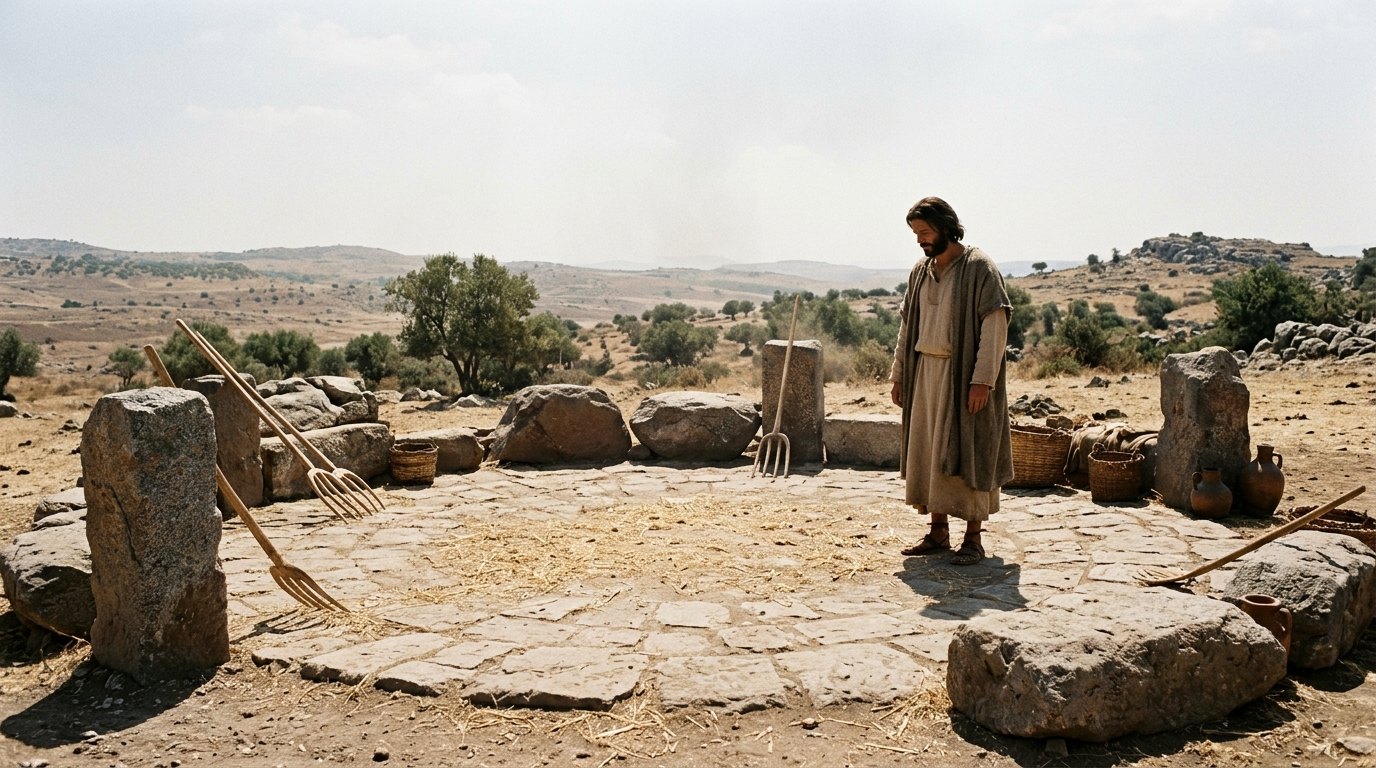
“Then they will go away to eternal punishment, but the righteous to eternal life.”
Matthew 25:46 (NIV)
It contrasts the eternal punishment of the wicked with the eternal life of the righteous using the exact same Greek word for duration.
The verdict of the final judgment divides all humanity into two permanent groups, as Christ declares in Matthew 25:46 that the unrighteous shall go away into everlasting punishment while the righteous enter into everlasting life. The exact same Greek adjective, aiōnios, governs both the punishment and the life, proving that the duration of hell is as unending as the joy of heaven. Jesus prepares His disciples for this reality in Matthew 7:13-14, warning that the gate leading to destruction is wide and traversed by many, whereas the gate leading to life is narrow and found by few. In Matthew 25:31-33, the Son of Man gathers all nations before His throne and separates them as a shepherd divides sheep from goats, declaring in Matthew 25:41 to those on His left to depart into the eternal fire prepared for the devil and his angels. This final separation mirrors Daniel 12:2, where the sleeping dead awake, some to everlasting life and others to shame and everlasting contempt. In Mark 9:43-48, the Lord warns three times of the unquenchable fire where the worm does not die, and in Luke 16:26, He reveals that across the great chasm fixed between the saved and the lost, none can cross over.
| Passage | What it says |
|---|---|
| Matthew 7:13-14 | The narrow gate leads to life and few find it, while the broad gate leads to destruction. |
| Matthew 25:31-33 | The King separates all nations before Him as a shepherd divides sheep from goats. |
| Matthew 25:41 | The King commands the cursed to depart into the eternal fire prepared for the devil. |
| Matthew 25:46 | The unrighteous depart into everlasting punishment, but the righteous enter into everlasting life. |
| Daniel 12:2 | The dead awake, some to everlasting life and others to shame and everlasting contempt. |
| Mark 9:43-48 | Jesus warns that hell is a place of unquenchable fire where the worm does not die. |
| Luke 16:26 | A great gulf is fixed between the redeemed and the lost, preventing passage between them. |
Apostolic Warning
Those refusing the gospel face everlasting destruction

He will punish those who do not know God and do not obey the gospel of our Lord Jesus. They will be punished with everlasting destruction and shut out from the presence of the Lord and from the glory of his might
2 Thessalonians 1:8-9 (NIV)
It defines the retribution coming upon those who disobey the gospel as eternal destruction away from the Lord.
Apostolic preaching consistently affirms that those who reject the gospel will suffer the holy wrath of God, suffering the penalty of eternal destruction away from the presence of the Lord, as 2 Thessalonians 1:8-9 explicitly warns. Paul explains in Romans 2:5-8 that unrepentant hearts store up wrath against the day of revelation of God's righteous judgment, bringing tribulation and anguish upon every soul that does evil. Because the temptation to dilute this truth is persistent, Ephesians 5:6 cautions believers not to let anyone deceive them with empty words, for because of sin the wrath of God comes upon the sons of disobedience. While 1 Thessalonians 5:9 rejoices that God has not appointed believers to wrath but to obtain salvation through Jesus Christ, the judgment awaiting the rebellious remains absolute. Hebrews 9:27 dismantles any notion of post-mortem second chances by declaring that man is appointed to die once, and after that faces judgment. For those who willfully sin after receiving the knowledge of the truth, Hebrews 10:26-27 warns that no sacrifice remains, but only a fearful expectation of fiery judgment. Jude 1:7 confirms this historical certainty, pointing to Sodom and Gomorrah as an enduring example of the punishment of eternal fire.
| Passage | What it says |
|---|---|
| Romans 2:5-8 | Hardened hearts store up wrath, resulting in tribulation and anguish for those rejecting the truth. |
| Ephesians 5:6 | Believers are warned not to be deceived, because God's wrath comes upon the disobedient. |
| 1 Thessalonians 5:9 | God has appointed His people not to wrath, but to obtain salvation through Jesus Christ. |
| 2 Thessalonians 1:8-9 | Those who do not obey the gospel will suffer the penalty of eternal destruction. |
| Hebrews 9:27 | It is appointed for man once to die, and after that comes the judgment. |
| Hebrews 10:26-27 | No sacrifice remains for willful sin, but only a fearful expectation of fiery judgment. |
| Jude 1:7 | Sodom and Gomorrah serve as an example by undergoing a punishment of eternal fire. |
The Lake of Fire
The book of Revelation affirms irreversible final judgment

Anyone whose name was not found written in the book of life was thrown into the lake of fire.
Revelation 20:15 (NIV)
It settles that anyone not recorded in the Book of Life is cast into the lake of fire.
The closing book of Scripture strips away all universalist assumptions, showing that whosoever was not found written in the book of life was cast into the lake of fire, according to Revelation 20:15. There is no final restoration for the unredeemed. In Revelation 14:10-11, the smoke of the torment of those who worship the beast ascends forever and ever, with no rest day or night. The apostle John records in Revelation 20:12 the solemn resurrection of the dead, great and small, standing before the Great White Throne to be judged out of the things written in the books according to their deeds. Revelation 20:14-15 reveals that Death and Hades are thrown into the lake of fire, marking this eternal doom as the second death for all whose names are missing from the Lamb’s book. Rather than universal admittance, Revelation 21:8 specifies that the cowardly, unbelieving, sexually immoral, and unrepentant will have their portion in the lake that burns with fire and sulfur. The canon concludes in Revelation 22:14-15 by separating the redeemed who enter through the gates into the holy city from the wicked who forever remain outside.
| Passage | What it says |
|---|---|
| Revelation 14:10-11 | The smoke of the torment of those who worship the beast ascends forever and ever. |
| Revelation 20:12 | The dead stand before the throne and are judged according to what was recorded in the books. |
| Revelation 20:14-15 | Death and Hades are thrown into the lake of fire, along with everyone not written in Life's book. |
| Revelation 21:8 | The cowardly, unbelieving, and unrepentant sinners have their portion in the lake that burns with fire. |
| Revelation 22:14-15 | Those who wash their robes enter the city, while the impure and deceitful remain outside. |
The Gospel Mandate
Salvation must be received through faith and repentance
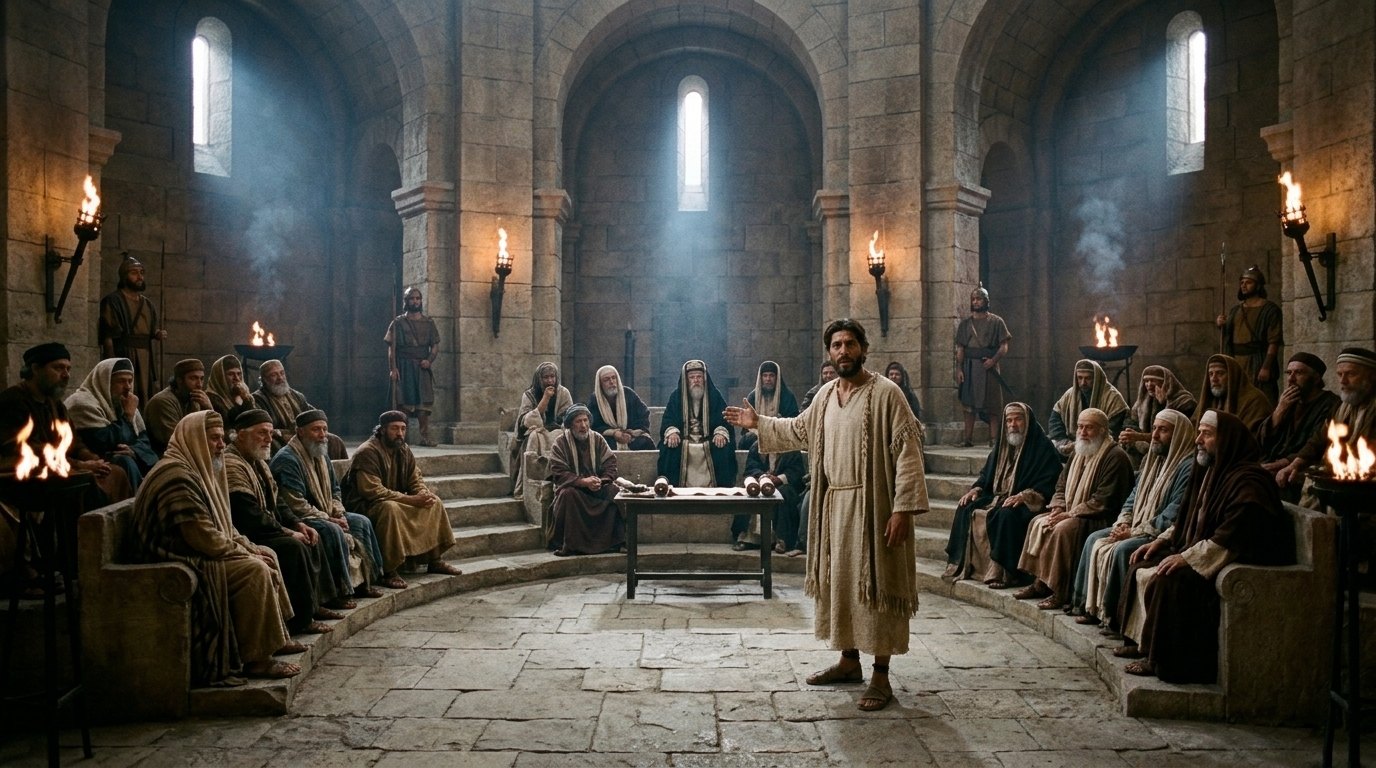
Jesus answered, “I am the way and the truth and the life. No one comes to the Father except through me.
John 14:6 (NIV)
Jesus establishes Himself as the exclusive way of salvation to the Father.
In John 14:6, the Lord Jesus declares unequivocally, "I am the way, and the truth, and the life. No one comes to the Father except through me." This definitive statement shatters any notion that salvation is automatic or distributed universally regardless of personal faith. The gospel mandate requires conscious, active reception of Christ. As John 1:12 makes clear, the authority to become children of God is given strictly to those who receive Him and believe in His name, never to those who ignore or despise Him.
Peter confirms this exclusivity in Acts 4:12, proclaiming before the Jewish council that "there is salvation in no one else, for there is no other name under heaven given among men by which we must be saved." This excludes every alternative avenue to God. Romans 10:9-10 details the means of that deliverance: one must confess with the mouth that Jesus is Lord and believe in the heart that God raised Him from the dead. Salvation is tethered to active, personal confession and steadfast faith.
Far from teaching that all will be rescued passively, Scripture warns that earnest vigilance is necessary. In 1 Timothy 4:16, Paul charges Timothy to keep a close watch on his life and doctrine, "for by so doing you will save both yourself and your hearers." Christ Himself warned in Luke 13:3, "Unless you repent, you will all likewise perish." Repentance is an indispensable prerequisite for mercy. Jesus reinforces this dividing line in Mark 16:16: "Whoever believes and is baptized will be saved, but whoever does not believe will be condemned."
| Passage | What it says |
|---|---|
| John 1:12 | To as many as receive Him, He gives the right to become children of God. |
| John 14:6 | Jesus is the way, truth, and life; no one comes to the Father except through Him. |
| Acts 4:12 | There is salvation in no other name under heaven given among men by which we must be saved. |
| Romans 10:9-10 | Confessing Jesus as Lord and believing in His resurrection brings righteousness and salvation. |
| 1 Timothy 4:16 | Paul urges perseverance in teaching so that Timothy will save both himself and his hearers. |
| Luke 13:3 | Jesus declares that unless individuals repent, they will all likewise perish. |
| Mark 16:16 | Whoever believes and is baptized will be saved, but whoever does not believe will be condemned. |
Misused Prooftexts
Texts Often Misread Must Be Harmonized With Final Judgment

For as in Adam all die, so in Christ all will be made alive.
1 Corinthians 15:22 (NIV)
It shows that being made alive applies specifically to those belonging to Christ, not universal restoration.
Advocates of universalism frequently isolate passages concerning the scope of Christ's work, divorcing them from the broader testimony of Scripture. In 1 Corinthians 15:22, Paul writes, "For as in Adam all die, so also in Christ shall all be made alive." The immediate context governs the term "all": just as physical death comes to all who are united to Adam by natural generation, so spiritual life comes to all who are in Christ by regeneration. Paul explicitly limits this resurrecting life in verse 23 to "those who belong to Christ." In identical fashion, Romans 5:18 parallels Adam's trespass with Christ's act of righteousness leading to justification of life, which Paul already established in Romans 3 through 5 applies strictly through faith.
Universal cosmic pacification must not be confused with personal salvation. In Colossians 1:20, Christ reconciles "all things" to God, restoring cosmic order through the cross, yet Paul immediately warns in verses 21–23 that believers must "continue in the faith, stable and steadfast." Similarly, Philippians 2:10-11 foretells that every knee will bow and tongue confess Jesus as Lord—an inevitable submission of willing saints and subjugated foes alike before sovereign divine majesty.
Finally, passages regarding God's heart must not be twisted to deny His revealed decree of judgment. In 1 Timothy 2:4, God desires all people to be saved, defining the open, genuine offer of the gospel to every nation and class. 2 Peter 3:9 declares that the Lord is patient, "not wishing that any should perish, but that all should reach repentance." This patience explains why final judgment delays, offering room for repentance, but it guarantees no unconditional pardon for those who refuse to repent.
| Passage | What it says |
|---|---|
| Romans 5:18 | Christ's righteous act leads to justification of life for all who are united to Him in faith. |
| 1 Corinthians 15:22 | All who are in Christ will be made alive, paralleling humanity's death in Adam. |
| Colossians 1:20 | God reconciles all things to Himself through Christ's blood, establishing universal cosmic order and peace. |
| Philippians 2:10-11 | Every knee will bow and tongue confess Christ as Lord, acknowledging His universal sovereign reign. |
| 1 Timothy 2:4 | God desires all people to be saved and to come to the knowledge of the truth. |
| 2 Peter 3:9 | The Lord is patient toward all, not wishing that any should perish but all come to repentance. |
Where in the Bible
| Book | Passages |
|---|---|
| Daniel | 1 · Daniel 12:2 |
| Matthew | 4 · Matthew 7:13-14, Matthew 25:31-33, Matthew 25:41, Matthew 25:46 |
| Mark | 2 · Mark 9:43-48, Mark 16:16 |
| Luke | 2 · Luke 16:26, Luke 13:3 |
| John | 6 · John 3:16, John 3:18, John 3:36, John 5:24, John 1:12, John 14:6 |
| Acts | 1 · Acts 4:12 |
| Romans | 3 · Romans 2:5-8, Romans 10:9-10, Romans 5:18 |
| 1 Corinthians | 1 · 1 Corinthians 15:22 |
| Ephesians | 1 · Ephesians 5:6 |
| Philippians | 1 · Philippians 2:10-11 |
| Colossians | 1 · Colossians 1:20 |
| 1 Thessalonians | 1 · 1 Thessalonians 5:9 |
| 2 Thessalonians | 1 · 2 Thessalonians 1:8-9 |
| 1 Timothy | 2 · 1 Timothy 4:16, 1 Timothy 2:4 |
| Hebrews | 2 · Hebrews 9:27, Hebrews 10:26-27 |
| 2 Peter | 1 · 2 Peter 3:9 |
| 1 John | 1 · 1 John 5:11-12 |
| Jude | 1 · Jude 1:7 |
| Revelation | 5 · Revelation 14:10-11, Revelation 20:12, Revelation 20:14-15, Revelation 21:8, Revelation 22:14-15 |
The story in order
- Adam's sin brings death (c. 4000 BC) · 1 Corinthians 15:22 · All humanity dies because of Adam's disobedience.
- Abraham called (c. 2000 BC) · Genesis 12:1-3 · God promises blessing to Abraham and his descendants.
- Exodus from Egypt (c. 1446 BC) · Exodus 12:37 · Israel leaves Egypt, a pivotal moment in God's redemptive plan.
- Daniel's prophecy of judgment (c. 530 BC) · Daniel 12:2 · Prophecy of future resurrection with eternal life or contempt.
- Jesus begins ministry (c. AD 27) · Luke 3:23 · Jesus starts His public ministry, teaching about the kingdom.
- Jesus' death and resurrection (AD 30) · 1 Corinthians 15:3-4 · The central event of salvation for believers.
- Pentecost and the early church (AD 30) · Acts 2:41 · The Holy Spirit empowers the apostles, leading to many conversions.
- Paul writes to the Colossians (c. AD 60) · Colossians 1:20 · Christ reconciles all things to God.
- John writes Revelation (c. AD 95) · Revelation 20:12 · Visions of final judgment and eternal destinies.
Two Destinies: Life and Destruction
| Belief leads to... | Unbelief leads to... | Passage |
|---|---|---|
| Eternal life | Perish, condemnation | John 3:16 |
| Not condemned, pass out of death into life | Abides under wrath, stands condemned | |
| Life | Destruction | Matthew 7:13-14 |
| Everlasting life | Everlasting punishment | Matthew 25:46 |
| Obtain salvation | Eternal destruction |
Christ's Reconciliation of All Things
| Christ's work | Scope | Result | Passage |
|---|---|---|---|
| Blood of Christ | All things | Reconciled to Himself | Colossians 1:20 |
| Every knee bow, every tongue confess | Every knee, every tongue | Christ as Lord | Philippians 2:10-11 |
| Righteous act | All who are united to Him | Justification of life | Romans 5:18 |
| Resurrection | All who are in Christ | Made alive | 1 Corinthians 15:22 |
God's Desire for Salvation
| God's desire | For whom | Purpose | Passage |
|---|---|---|---|
| All people to be saved | All people | Come to knowledge of truth | 1 Timothy 2:4 |
| Not wish any to perish | Any | Come to repentance | 2 Peter 3:9 |
| Appointed not to wrath | His people | Obtain salvation | 1 Thessalonians 5:9 |
Key words
- Eternal Life
- Life with God, granted to believers in Christ. · John 3:16
- Eternal Punishment
- The final, irreversible judgment and separation from God. · Matthew 25:46
- Wrath of God
- God's righteous judgment against sin and disobedience. · John 3:36
- Reconciliation
- Restoration of a relationship with God through Christ's sacrifice. · Colossians 1:20
- Repentance
- Turning away from sin and towards God. · Luke 13:3
Scripture gives no warrant for universal salvation; it urgently summons every sinner to turn to Christ today while grace is offered. Trusting in Christ crucified delivers us from God's real wrath, granting the gift of eternal life to all who repent and believe.
37 passages, each cited once.
Scripture cited
- John 3:36
- John 5:24
- Matthew 25:46
- Revelation 14:11
- John 3:16-18
- 2 Thessalonians 1:7-10