What is worship?

Romans 12:1
1 Therefore, I urge you, brothers and sisters, in view of God’s mercy, to offer your bodies as a living sacrifice, holy and pleasing to God—this is your true and proper worship.
New International Version (NIV)
The answer
Worship is honoring God as God—giving Him the reverence, love, trust, obedience, and allegiance He deserves. It is a response to who God is and what He has done, involving the whole person and the whole of life, not only singing or attending a service.
- Worship is directed to God. Jesus teaches that true worshipers worship the Father “in spirit and truth” (John 4:23-24). Worship therefore comes from the inner person and agrees with the truth about God; outward ritual without sincerity or truth is not enough.
- Worship offers the whole self to God. Romans 12:1 urges believers, in response to God’s mercies, to present their bodies as “a living sacrifice, holy, acceptable to God.” Ordinary bodily life—work, relationships, speech, choices, and conduct—becomes worship when it is surrendered to God in holy obedience.
- Worship includes both praise and practical action. Hebrews 13:15-16 describes worship as continual praise and public allegiance to God’s name, but also as doing good and sharing with others. Songs and prayers are genuine worship; generosity and loving action are genuine worship too.
- Worship is accepted through Jesus Christ. Believers offer spiritual sacrifices that are “acceptable to God by Jesus Christ” (1 Peter 2:5). Its acceptability rests on Christ, not on impressive music, intense feelings, elaborate ceremony, or human performance.
Answered from Scripture · reviewed November 11, 2026
Scripture defines worship not merely as an event or a song, but as the total orientation of a human life offered back to its Creator. From the exclusive devotion demanded in the law to the living sacrifice unveiled in the epistles, worship is giving the whole self to God alone through Jesus Christ.
The Exclusive Object
Worship Belongs to the Living God Alone

Fear the LORD your God, serve him only and take your oaths in his name.
Deuteronomy 6:13 (NIV)
This command sets the non-negotiable boundary of biblical devotion, directing all fear and service exclusively to Yahweh.
Deuteronomy 6:13 establishes the foundational boundary of all true devotion: worship belongs exclusively to the Lord God. When God delivered His people from bondage, His first word at Sinai drew an absolute line around human allegiance: "You shall have no other gods before Me" (Exodus 20:3). The Lord tolerates no rivals, for He is a jealous God who will not surrender His divine glory to created things or share His rightful praise with carved idols (Exodus 34:14; Isaiah 42:8). When tested in the wilderness by the adversary, Jesus Christ wielded this exact principle to banish the tempter, citing Scripture to declare that God alone must be adored and served (Matthew 4:10).
Because worship belongs solely to the uncreated Creator, Scripture repeatedly rebukes any attempt to render sacred homage to creatures. When the Roman centurion Cornelius fell down at the feet of Peter, the apostle immediately raised him up, refusing to receive veneration because he was merely a mortal man (Acts 10:25–26). Even the exalted messengers of heaven repudiate such honor; when the apostle John fell before the angel who revealed the glories of the apocalypse, the heavenly messenger strictly forbade him, crying out, "Worship God!" (Revelation 22:8–9).
Yet the New Testament does not diminish this jealous standard when it commands universal homage to Jesus Christ. Because Christ humbled Himself unto death, God has highly exalted Him, decreeing that at the name of Jesus every knee must bow in heaven, on earth, and under the earth (Philippians 2:9–11). This universal adoration of the Son does not compromise divine exclusivity; rather, every tongue confessing Christ's supreme lordship redounds directly to the glory of God the Father.
| Passage | What it says |
|---|---|
| Exodus 20:3 | God commands that His covenant people have no other gods before Him. |
| Deuteronomy 6:13 | Israel is commanded to fear, serve, and swear only by the name of the Lord. |
| Matthew 4:10 | Jesus commands Satan to depart, citing that worship and service belong solely to God. |
| Acts 10:25 | Cornelius falls down at Peter's feet to worship him as he enters. |
| Acts 10:26 | Peter raises Cornelius up, declaring that he himself is merely a mortal man. |
| Revelation 22:8 | John falls down to worship at the feet of the angel who showed him the visions. |
| Revelation 22:9 | The angel forbids John, identifying as a fellow servant and commanding him to worship God. |
| Exodus 34:14 | God commands Israel to worship no other god because the Lord is jealous for His holy name. |
| Isaiah 42:8 | Yahweh declares that He will not share His glory with another or His praise with carved idols. |
| Philippians 2:9-11 | Every knee bows and every tongue confesses Jesus Christ as Lord to the glory of the Father. |
The Acceptable Sacrifice
Faith in God Makes Devotion Pleasing

And Abel also brought an offering—fat portions from some of the firstborn of his flock. The LORD looked with favor on Abel and his offering,
Genesis 4:4 (NIV)
Abel's offering demonstrates that God looks first upon the heart of faith before regarding the gift brought to the altar.
Genesis 4:4 reveals that the Lord looks first upon the heart of the worshiper before He regards the sacrifice brought to the altar. When Abel presented the firstlings of his flock, God had respect for Abel and his gift, whereas He rejected Cain and his fruit of the ground (Genesis 4:5). Hebrews 11:4 explains that Abel offered a more excellent sacrifice through faith, demonstrating that true worship requires inward trust and repentance rather than mere ritual routine, a reality contrasted with Cain's murderous unrighteousness (1 John 3:12). Noah later built an altar after the great deluge, offering clean beasts whose soothing aroma pleased the Lord (Genesis 8:21), a shadow fulfilled when Christ gave Himself as a fragrant offering and fragrant sacrifice to God for our redemption (Ephesians 5:2).
Worship throughout the covenant story involves costly surrender motivated by faith. When Abraham journeyed toward Mount Moriah with his promised son, he told his young men, "I and the boy will go over there and worship" (Genesis 22:5), equating worship with total obedience to God's command. Ritual form severed from genuine faith remains an abomination to the Lord. David confessed after his fall that God does not delight in outward animal slaughter alone; rather, "the sacrifices of God are a broken spirit; a broken and contrite heart, O God, you will not despise" (Psalms 51:16–17). The prophet Micah reiterated this unchanging divine standard: thousands of rams and rivers of oil cannot substitute for what the Lord requires, which is to do justice, love mercy, and walk humbly with God (Micah 6:6–8).
| Passage | What it says | Fulfilled |
|---|---|---|
| Genesis 4:4 | Abel brings the firstlings of his flock and fat portions, and the Lord respects him and his offering. | Hebrews 11:4 |
| Genesis 4:5 | The Lord does not have respect for Cain and his offering from the fruit of the ground. | 1 John 3:12 |
| Genesis 8:21 | The Lord smells the soothing aroma of Noah's burnt offering after the flood. | Ephesians 5:2 |
| Hebrews 11:4 | Scripture confirms Abel offered a more excellent sacrifice than Cain by faith, obtaining witness that he was righteous. | |
| Genesis 22:5 | Abraham names the journey to offer Isaac upon the mountain as an act of worship. | |
| Psalms 51:16-17 | The true sacrifices of God are a broken spirit and a contrite, repentant heart. | |
| Micah 6:6-8 | God delights not in ritual rivers of oil, but in doing justice, loving mercy, and walking humbly. |
The Living Sacrifice
Our Bodies Offered in Daily Surrender
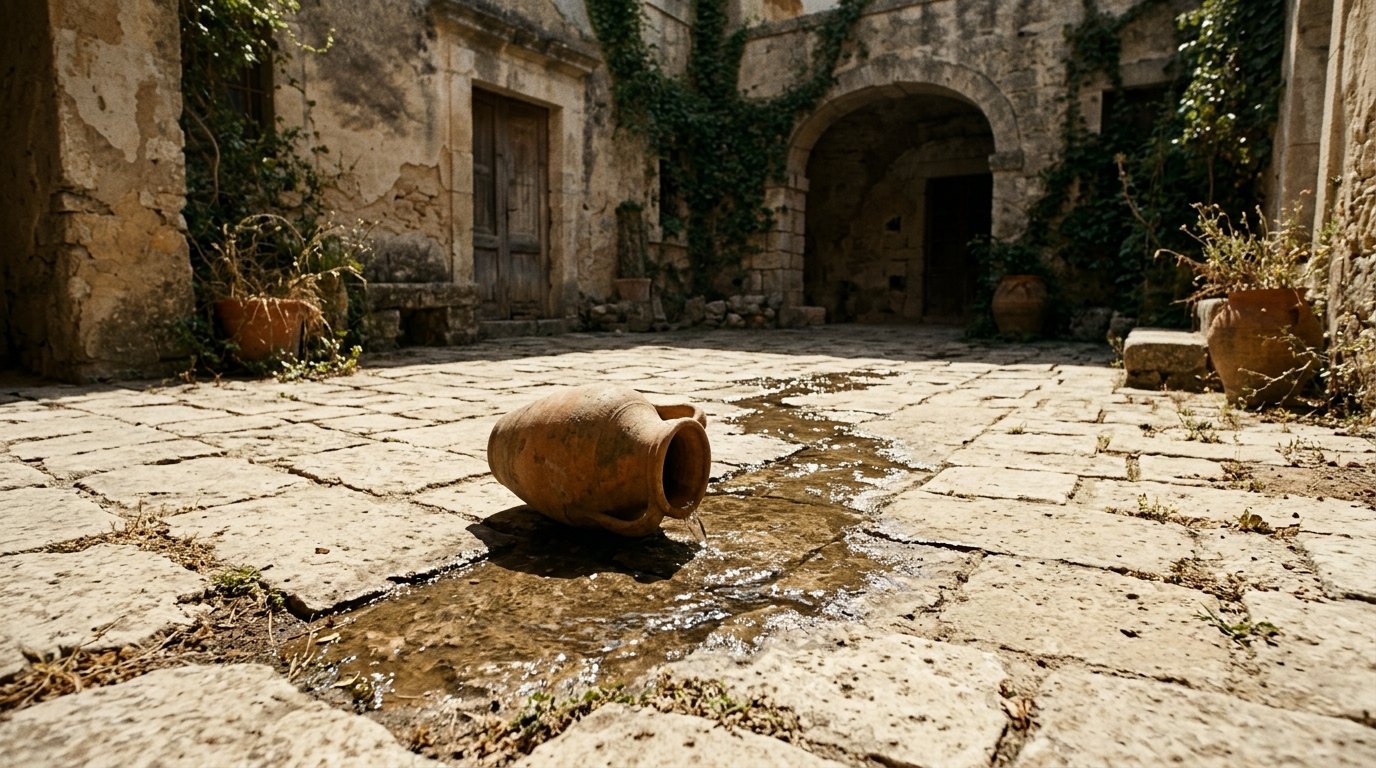
Therefore, I urge you, brothers and sisters, in view of God’s mercy, to offer your bodies as a living sacrifice, holy and pleasing to God—this is your true and proper worship.
Romans 12:1 (NIV)
Paul reveals that New Testament priestly worship consists of presenting our physical bodies alive and holy to God.
Romans 12:1 unveils the profound reality of New Testament devotion: our very bodies offered as living sacrifices constitute spiritual worship. Grounded in the mercies of God displayed in the gospel, Paul calls believers to yield their physical selves holy and acceptable to the Lord as their rational, true priestly service. This posture requires an intentional refusal to be squeezed into the mold of this fallen world, pursuing instead inward renewal of the mind to discern and walk in the good, pleasing, and perfect will of God (Romans 12:2).
Daily bodily obedience transforms ordinary existence into an unbroken sanctuary of devotion. Believers are summoned to stop presenting the members of their bodies to sin as weapons of unrighteousness, presenting themselves instead as those brought from death to life (Romans 6:13). The limbs, eyes, and tongues once yielded to uncleanness must now be offered as willing servants of righteousness leading to sanctification (Romans 6:19). This high calling governs every step of the Christian life, compelling believers to walk worthy of the vocation to which they have been summoned (Ephesians 4:1).
Physical redemption means our bodily habits are never trivial to God. Because our bodies were bought with the precious blood of Christ, they serve as living temples of the Holy Spirit, demanding that we actively glorify God in our flesh (1 Corinthians 6:19–20). Even the most routine bodily necessities are sanctified by this comprehensive aim: whether eating or drinking, or whatever we do, all must be done to the glory of God (1 Corinthians 10:31). In speech and action alike, everything is to be offered in the name of the Lord Jesus, giving continual thanks to the Father through Him (Colossians 3:17).
| Passage | What it says |
|---|---|
| Romans 12:1 | Believers are urged by God's mercies to present their bodies as living, holy sacrifices, which is their rational spiritual service. |
| Romans 12:2 | Believers must not conform to the world but be transformed by mind renewal to discern God's acceptable will. |
| Romans 6:13 | Christians are exhorted not to yield their members to sin, but to present their bodily members as instruments of righteousness. |
| Romans 6:19 | Believers must present their members as servants to righteousness leading to sanctification. |
| Ephesians 4:1 | Paul exhorts believers to walk in a manner worthy of the calling to which they have been called. |
| 1 Corinthians 6:19-20 | Believers are bought with a price to glorify God bodily as living temples of the Holy Spirit. |
| 1 Corinthians 10:31 | Whether eating, drinking, or whatever is done, all actions are to be aimed at God's glory. |
| Colossians 3:17 | Everything spoken or done must be carried out in Jesus' name, giving thanks to the Father. |
Spiritual Sacrifices
Praise, Thanksgiving, and Good Deeds Through Christ

you also, like living stones, are being built into a spiritual house to be a holy priesthood, offering spiritual sacrifices acceptable to God through Jesus Christ.
1 Peter 2:5 (NIV)
Every believer is part of a holy priesthood ordained to offer spiritual sacrifices made acceptable exclusively through Jesus Christ.
1 Peter 2:5 declares that every redeemed believer belongs to a holy priesthood, built up as living stones to offer spiritual sacrifices acceptable through Jesus Christ. Under the new covenant, sacred worship is no longer restricted to a physical temple in Jerusalem or an ancestral mountain in Samaria. As the Lord Jesus declared to the woman at the well, the Father seeks true worshipers who worship in spirit and truth, because God is spirit and communes directly with regenerated hearts (John 4:23–24).
These acceptable spiritual sacrifices consist of heartfelt praise and sacrificial love offered continually to God. The author of Hebrews exhorts the church: "Through him then let us continually offer up a sacrifice of praise to God, that is, the fruit of lips that acknowledge his name" (Hebrews 13:15). Yet this vocal praise must never be separated from active charity; doing good and sharing what we possess are tangible sacrifices with which God is well pleased (Hebrews 13:16). Joyful adoration has always marked God's people, who are summoned to enter His gates with thanksgiving and His courts with praise, knowing the Lord is good and His steadfast love endures forever (Psalms 100:1–5).
This corporate praise flows out through spiritual music and deep biblical fellowship. When believers gather, they address one another in psalms, hymns, and spiritual songs, making melody to the Lord with hearts overflowing with gratitude (Ephesians 5:19–20). When the word of Christ dwells richly within the congregation, it yields mutual teaching, admonition, and thankful singing to God, uniting the church in one voice of adoration (Colossians 3:16).
| Passage | What it says |
|---|---|
| 1 Peter 2:5 | Living stones are built into a spiritual house and holy priesthood to offer spiritual sacrifices acceptable through Jesus Christ. |
| John 4:23 | The Father seeks true worshipers who worship in spirit and truth rather than tied to physical mountains. |
| John 4:24 | God is spirit, and those who worship Him must worship in spirit and truth. |
| Hebrews 13:15 | Believers are told to continually offer the sacrifice of praise to God through Jesus, the fruit of lips acknowledging His name. |
| Hebrews 13:16 | Doing good and sharing resources are identified as sacrifices with which God is well pleased. |
| Psalms 100:1-5 | The earth is summoned to enter God's gates with thanksgiving and His courts with joyful praise. |
| Ephesians 5:19-20 | Singing psalms, hymns, and spiritual songs with gratitude in the heart continually honours God. |
| Colossians 3:16 | The word of Christ richly dwelling produces thankful singing and mutual spiritual instruction. |
Reverence and Awe
Bowing Before the Majesty of the Holy King

Come, let us bow down in worship, let us kneel before the LORD our Maker;
Psalms 95:6 (NIV)
It pairs physical bowing and kneeling with the humble recognition of God as our Creator.
In Psalm 95:6, the call is simple, physical, and devastating to human pride: "Oh come, let us worship and bow down; let us kneel before the Lord, our Maker!" Worship in Scripture begins with recognizing who God is and who we are not. The psalmist grounds this posture immediately in Psalm 95:7, reminding us that He is our God and we are the people of His pasture. To worship is to abandon self-sufficiency and submit every faculty to the sovereign Shepherd.
This reverence is not confined to Israel alone. Psalm 96:8-9 commands the whole earth to ascribe to Yahweh the glory due His name, to bring an offering, and to worship the Lord in the beauty of holiness. True reverence recognizes that God's holiness demands trembling awe rather than casual familiarity. When Ezra opened the Book of the Law before the restored community in Nehemiah 8:6, the people responded not with triviality, but by lifting their hands, shouting "Amen, Amen!", and bowing their heads to the ground in holy reverence before their King.
The New Testament does not dilute this majesty; it intensifies it. In Hebrews 12:28-29, believers receiving an unshakable kingdom are urged to offer acceptable worship with reverence and awe, for our God is a consuming fire. Far from breeding cold detachment, genuine awe produces a joyful, trembling devotion that refuses to treat the living God with anything less than unconditional surrender.
| Passage | What it says |
|---|---|
| Psalms 95:6-7 | The congregation is called to bow down, kneel, and worship the Lord their Maker. |
| Psalms 96:8-9 | Nations are summoned to bring an offering and worship Yahweh in the beauty of holiness. |
| Nehemiah 8:6 | The assembly bows with faces to the ground in reverence as Ezra blesses the Lord. |
| Hebrews 12:28-29 | Believers are to offer acceptable worship to God with reverence and awe before consuming fire. |
Heavenly Worship
The Ceaseless Praise of the Slain Lamb

In a loud voice they were saying: “Worthy is the Lamb, who was slain, to receive power and wealth and wisdom and strength and honor and glory and praise!”
Revelation 5:12 (NIV)
It shows that the pinnacle of worship centers on the Lamb who was slain to redeem sinners.
At the summit of all created worship stands the unceasing chorus of heaven in Revelation 5:12, where myriads of angels declare with a loud voice: "Worthy is the Lamb who was slain, to receive power and wealth and wisdom and might and honor and glory and blessing!" Here worship reaches its purest form. It is the unhindered, eternal recognition of the triune God, focused upon the Son who conquered through His sacrificial death.
This unending adoration begins in Revelation 4:8-11, where four living creatures never cease saying, "Holy, holy, holy," and the twenty-four elders cast their crowns before the throne. They proclaim God worthy of glory because He created all things by His will. The vision expands in Revelation 5:11-14, where every creature in heaven, on earth, and under the earth falls down before Him who sits on the throne and before the Lamb who purchased men with His own blood.
In Revelation 7:9-12, the redeemed multitude out of every tribe, nation, and tongue stands robed in white, waving palm branches and falling face down before God to proclaim, "Salvation belongs to our God who sits on the throne, and to the Lamb!" Finally, Revelation 19:5-7 sounds the climactic hallelujah as the voice from the throne commands all His servants to praise Him, heralding the marriage supper of the Lamb. Heavenly worship is the eternal destiny of the redeemed: an everlasting outpouring of praise to the God who reigns forever.
| Passage | What it says |
|---|---|
| Revelation 4:8-11 | Heavenly elders cast their crowns before the throne, declaring God worthy as Creator of all. |
| Revelation 5:11-14 | Countless angels and every creature worship the slain Lamb who redeemed people by His blood. |
| Revelation 7:9-12 | A multitude from every nation falls on their faces before the throne crying salvation to God. |
| Revelation 19:5-7 | A voice calls all servants to praise God as the Lord God Almighty begins His reign. |
Where in the Bible
| Book | Passages |
|---|---|
| Genesis | 4 · Genesis 4:4, Genesis 4:5, Genesis 8:21, Genesis 22:5 |
| Exodus | 2 · Exodus 20:3, Exodus 34:14 |
| Deuteronomy | 1 · Deuteronomy 6:13 |
| Nehemiah | 1 · Nehemiah 8:6 |
| Psalms | 4 · Psalms 51:16-17, Psalms 100:1-5, Psalms 95:6-7, Psalms 96:8-9 |
| Isaiah | 1 · Isaiah 42:8 |
| Micah | 1 · Micah 6:6-8 |
| Matthew | 1 · Matthew 4:10 |
| John | 2 · John 4:23, John 4:24 |
| Acts | 2 · Acts 10:25, Acts 10:26 |
| Romans | 4 · Romans 12:1, Romans 12:2, Romans 6:13, Romans 6:19 |
| 1 Corinthians | 2 · 1 Corinthians 6:19-20, 1 Corinthians 10:31 |
| Ephesians | 2 · Ephesians 4:1, Ephesians 5:19-20 |
| Philippians | 1 · Philippians 2:9-11 |
| Colossians | 2 · Colossians 3:17, Colossians 3:16 |
| Hebrews | 4 · Hebrews 11:4, Hebrews 13:15, Hebrews 13:16, Hebrews 12:28-29 |
| 1 Peter | 1 · 1 Peter 2:5 |
| Revelation | 6 · Revelation 22:8, Revelation 22:9, Revelation 4:8-11, Revelation 5:11-14, Revelation 7:9-12, Revelation 19:5-7 |
The story in order
- Creation and Fall (c. 4000 BC) · Genesis 4:4 · Abel's worship by faith is respected, setting a pattern for acceptable devotion.
- Noah's Sacrifice (c. 2350 BC) · Genesis 8:21 · God smells Noah's offering, showing acceptance of worship after judgment.
- Abraham's Journey to Sacrifice (c. 2000 BC) · Genesis 22:5 · Abraham calls his journey to offer Isaac an act of worship.
- The Law Given (c. 1446 BC) · Exodus 20:3 · God commands exclusive devotion, forbidding other gods.
- Israel's Command to Worship (c. 1406 BC) · Deuteronomy 6:13 · Israel is commanded to fear, serve, and swear only by the Lord.
- Prophetic Call to True Worship (c. 700 BC) · Micah 6:8 · God desires justice, mercy, and humility over ritual sacrifice.
- Jesus Teaches True Worship (c. AD 27) · John 4:23 · Worship in spirit and truth is sought, not tied to a place.
- Jesus Commands Satan (c. AD 28) · Matthew 4:10 · Jesus declares worship and service belong solely to God.
- The Living Sacrifice (c. AD 57) · Romans 12:1 · Believers are called to present their bodies as living sacrifices.
- Spiritual Sacrifices Offered (c. AD 64) · 1 Peter 2:5 · Believers offer spiritual sacrifices acceptable through Christ.
- John's Vision of Heavenly Worship (c. AD 95) · Revelation 4:8-11 · Heavenly beings ceaselessly worship God as Creator.
- Worship of the Slain Lamb (c. AD 95) · Revelation 5:11-14 · All creation worships the Lamb for His redemptive work.
Key words
- Worship
- Total orientation of life offered to God, involving devotion, service, and reverence. · Romans 12:1
- Sacrifice
- An offering made to God, from ritual animals to living bodies and praise. · Romans 12:1
- Spirit and Truth (pneúmati kai alētheia, πνεύματι καὶ ἀληθείᾳ)
- Worship that is internal, genuine, and aligned with God's nature, not external ritual. · John 4:24
- Living Sacrifice
- Presenting one's body, mind, and actions as a holy offering to God daily. · Romans 12:1
- Spiritual Sacrifices
- Non-bloody offerings like praise, thanksgiving, good deeds, acceptable through Christ. · 1 Peter 2:5
True biblical worship embraces every hour of life, turning daily obedience, vocal praise, and generous love into spiritual sacrifices pleasing to God. Because Christ has made us a holy priesthood, every believer is called to live before the Lord as an altar of continual thanksgiving.
41 passages, each cited once.
How the major Christian traditions read this
All Christian traditions agree that worship belongs to the one true God alone—Father, Son, and Holy Spirit—and is the proper response of the whole person to His holiness and redeeming grace in Jesus Christ (John 4:23-24; Romans 12:1).
Catholic
In the Catholic Church, worship (latria) belongs solely to God, perfectly expressed in the Eucharistic sacrifice of the Mass where Christ's once-for-all sacrifice on Calvary is made present (Malachi 1:11; 1 Corinthians 11:26). We join our whole lives to Christ through the sacraments, offering our bodies as living sacrifices (Romans 12:1). Worship is both an interior devotion and an objective, sacramental liturgy guided by the Church's ancient apostolic tradition. While adoration is given to God alone, we also honour (dulia) the saints who reflect His holiness, especially the Blessed Virgin Mary, asking their intercession as part of the unified Body of Christ.
Scripture: Malachi 1:11, 1 Corinthians 11:26, Romans 12:1
Orthodox
The Orthodox Church understands worship as entering into the heavenly reality and partaking in the perpetual adoration of the Holy Trinity (Isaiah 6:1-3; Revelation 4:8-11). The Divine Liturgy is not merely a human gathering, but heaven on earth, where the faithful unite with the angels and saints around the Eucharistic altar. True worship engages the whole person through incense, chanting, iconography, and physical prostrations, reflecting the reality of the Incarnation (John 1:14). We render adoration to God alone, while expressing veneration toward holy icons and the saints, who bear the transformed image of God.
Scripture: Isaiah 6:1-3, Revelation 4:8-11, John 1:14
Lutheran
For Lutherans, true worship is fundamentally God's service to us (Gottesdienst) before it is our service to Him. God comes to us in His means of grace—His proclaimed Word and the Holy Sacraments of Baptism and the Lord's Supper—to forgive sins and bestow faith (Romans 10:17; 1 Corinthians 11:23-26). In response to this gift, we offer the sacrifice of praise, prayer, and thanksgiving, serving our neighbours in our daily vocations (Hebrews 13:15-16; Romans 12:1). We retain the historic liturgical forms that proclaim Christ alone, firmly rejecting any invocation of saints or human merit in worship.
Scripture: Romans 10:17, 1 Corinthians 11:23-26, Hebrews 13:15-16, Romans 12:1
Reformed & Presbyterian
In the Reformed tradition, worship is strictly regulated by Scripture alone: God has appointed how He will be praised, and whatever is not commanded in His Word is forbidden in formal worship (Deuteronomy 12:32; Matthew 15:9). Worship is covenantal, centring upon the faithful preaching of God's Word, prayer, the singing of Scripture, and the right administration of the sacraments (Acts 2:42). We approach God with profound reverence and awe through Christ our sole Mediator, confessing that our entire lives are to be lived coram Deo—before God's face—as a living sacrifice of gratitude for His sovereign grace (Romans 12:1-2).
Scripture: Deuteronomy 12:32, Matthew 15:9, Acts 2:42, Romans 12:1-2
Anglican & Episcopal
Anglicans understand worship as both a corporate, liturgical duty and a whole-life devotion, shaped by the Book of Common Prayer according to the principle that praying shapes believing (lex orandi, lex credendi). Corporate worship centers on Word and Sacrament: the reading of Scripture, common prayer, and the Holy Communion (Luke 22:19-20; 1 Corinthians 10:16). Worship orders our desires toward the beauty of God's holiness (Psalm 96:9). We offer our bodies, souls, and spirits to be a reasonable, holy, and living sacrifice to God, rejecting medieval accretions like the adoration of images while honouring ancient church order (Romans 12:1).
Scripture: Luke 22:19-20, 1 Corinthians 10:16, Psalms 96:9, Romans 12:1
Baptist
Baptists understand worship as the spiritual and voluntary offering of praise, obedience, and service to God, governed strictly by the New Testament (John 4:23-24). The gathered congregation worships through the central ministry of the preached Word, congregational singing, prayer, and the two biblical ordinances of believer's baptism and the Lord's Supper (Colossians 3:16; Acts 2:41-42). We emphasize the priesthood of all believers: every Christian approaches God directly through Christ without earthly priests (1 Peter 2:5, 9). True worship cannot be coerced by state or hierarchy; it flows from a regenerate heart and extends to a life of daily personal holiness.
Scripture: John 4:23-24, Colossians 3:16, Acts 2:41-42, 1 Peter 2:5, 1 Peter 2:9
Methodist & Wesleyan
Methodists view worship as a heartfelt response to God's prevenient and transforming grace, uniting liturgical order with warm personal devotion (Romans 12:1; Psalm 100:1-5). Worship involves the 'means of grace'—instituted channels like the Lord's Supper, reading Scripture, prayer, and Christian conferencing—through which the Holy Spirit sanctifies us (Acts 2:42). We place heavy emphasis on rich congregational hymnody that teaches sound doctrine and stirs holy love. Worship is not confined to the sanctuary; it bears fruit in works of piety and works of mercy, compelling believers toward entire sanctification and outward love for neighbour (Hebrews 13:15-16).
Scripture: Romans 12:1, Psalms 100:1-5, Acts 2:42, Hebrews 13:15-16
Pentecostal & Charismatic
Pentecostal and Charismatic believers emphasize worship as a dynamic, Spirit-filled encounter with the living God (1 Corinthians 14:26; Ephesians 5:18-20). We express praise with joyful freedom, engaging the physical body through lifted hands, clapping, dancing, and heartfelt singing (Psalm 47:1; Psalm 134:2). Worship creates an atmosphere where the Holy Spirit actively manifests spiritual gifts, such as prophecy, healing, and praying in tongues, for the edification of the body (1 Corinthians 12:7-11). True worship is passionate surrender to God, leading to empowered witness and holiness in everyday life.
Scripture: 1 Corinthians 14:26, Ephesians 5:18-20, Psalms 47:1, Psalms 134:2, 1 Corinthians 12:7-11
Non-denominational & Evangelical
Non-denominational and Evangelical Christians hold that worship is a lifestyle of wholehearted devotion to Jesus Christ, rooted in the authority of God's Word (John 4:24; Romans 12:1). Gathered worship is characterized by contemporary praise, earnest corporate prayer, and in-depth, expository teaching of the Bible (2 Timothy 4:2; Colossians 3:16). We focus on authenticity and simplicity rather than rigid liturgical forms, seeking personal and relational connection with God. Worship encompasses singing and hearing the Word, but it finds its ultimate expression when believers live out the Great Commission and walk in obedience every day.
Scripture: John 4:24, Romans 12:1, 2 Timothy 4:2, Colossians 3:16
Where they differ
The regulatory basis for gathered worship
- Catholic
- Governed by historic apostolic liturgy, sacred Tradition, and magisterial authority.
- Orthodox
- Governed by unchanging Holy Tradition and the ancient Divine Liturgy.
- Lutheran
- Retains historic liturgy, allowing practices not forbidden by Scripture.
- Reformed & Presbyterian
- Only practices explicitly commanded in Scripture are permitted in worship.
- Anglican & Episcopal
- Guided by Scripture and ordered through the Book of Common Prayer.
- Baptist
- Ordered solely by New Testament practice and the congregation's discernment.
- Methodist & Wesleyan
- Combines historic liturgical patterns with evangelistic, heartfelt practical freedom.
- Pentecostal & Charismatic
- Guided by Scripture and open to spontaneous Holy Spirit leadership.
- Non-denominational & Evangelical
- Follows biblical teaching with functional freedom in forms and styles.
Scripture: Deuteronomy 12:32, 1 Corinthians 14:40
The central focal point of corporate worship
- Catholic
- The Eucharistic sacrifice made present at the altar.
- Orthodox
- The heavenly Eucharistic mystery of the Divine Liturgy.
- Lutheran
- God giving grace through the Word preached and the Sacraments.
- Reformed & Presbyterian
- The expository preaching of God's Word alongside the covenant signs.
- Anglican & Episcopal
- The balanced ministry of Word and Holy Communion together.
- Baptist
- The proclamation of God's Word through biblically faithful preaching.
- Methodist & Wesleyan
- Preaching the Gospel and receiving grace at the Lord's Table.
- Pentecostal & Charismatic
- Spirit-empowered praise, biblical preaching, and the Spirit's active manifestations.
- Non-denominational & Evangelical
- Biblical Bible teaching paired with modern musical praise.
Scripture: Acts 2:42, 1 Corinthians 11:26, 2 Timothy 4:2
The role of saints and images
- Catholic
- Adoration to God alone; veneration and intercession directed to saints.
- Orthodox
- Adoration to God alone; veneration of holy icons and saints.
- Lutheran
- Saints remembered as examples, but never invoked or worshipped.
- Reformed & Presbyterian
- Strictly forbids venerating images or praying to any creature.
- Anglican & Episcopal
- Rejects invocation of saints and adoration of images as unscriptural.
- Baptist
- Worship and prayer belong solely to God through Christ alone.
- Methodist & Wesleyan
- Rejects adoration of images, relics, and invocation of saints.
- Pentecostal & Charismatic
- Rejects any use of images or saintly intercession entirely.
- Non-denominational & Evangelical
- Rejects veneration of saints or images; God alone receives devotion.
Scripture: Exodus 20:4-5, 1 Timothy 2:5
Your pastor can tell you where your church stands.
Scripture cited
- Romans 12:1
- 1 Peter 2:5
- Hebrews 13:15-16
- John 4:23-24