Who is Jesus Christ?

Colossians 1:15-20
15 The Son is the image of the invisible God, the firstborn over all creation.
16 For in him all things were created: things in heaven and on earth, visible and invisible, whether thrones or powers or rulers or authorities; all things have been created through him and for him.
17 He is before all things, and in him all things hold together.
18 And he is the head of the body, the church; he is the beginning and the firstborn from among the dead, so that in everything he might have the supremacy.
19 For God was pleased to have all his fullness dwell in him,
20 and through him to reconcile to himself all things, whether things on earth or things in heaven, by making peace through his blood, shed on the cross.
New International Version (NIV)
The answer
Jesus Christ is the eternal Son of God: fully God, truly man, the promised Messiah, the crucified and risen Lord, and the only Saviour. He is not merely a prophet, teacher, or created being. He is God the Son, who became flesh to save sinners and now reigns over all.
He is eternal God and Creator
John 1:1 says of the Word, “the Word was with God, and the Word was God.” The Word is therefore distinct from the Father and truly God. Everything was made through Him, and nothing was made without Him (John 1:3). Colossians 1:15-17 describes Jesus as the image of the invisible God, the One through whom and for whom all things were created, the One who is before all things and holds all things together. Hebrews 1:3 calls Him the radiance of God’s glory and the very image of His substance.
He became truly human without ceasing to be God
John 1:14 declares that the Word became flesh and lived among us. Jesus did not merely appear human: Philippians 2:6-8 says that the One existing in the form of God emptied Himself, took the form of a servant, and was made in the likeness of men. In His humility He became obedient to death on a cross.
“Christ” is His title as God’s promised Anointed One. When Jesus asked who His disciples believed He was, Peter answered, “You are the Christ, the Son of the living God” (Matthew 16:15-16).
He died for sins, rose bodily, and reigns as Lord
Colossians 1:20 says He made peace through the blood of His cross, reconciling His creation to God. His death was not a defeat: God raised Him from the dead (Acts 4:10). The risen Jesus showed Thomas His wounded hands and side, and Thomas confessed, “My Lord and my God!” (John 20:27-28).
God has highly exalted Him, and every knee will bow and every tongue confess that Jesus Christ is Lord (Philippians 2:9-11). Having purified His people from their sins, He sat down at the right hand of the Majesty on high (Hebrews 1:3).
He is the only way of salvation
Acts 4:12 states plainly that there is salvation in no one else and no other name under heaven by which people must be saved. John 20:31 says these things were written so that readers would believe that Jesus is the Christ, the Son of God, and have life in His name. The response He calls for is not admiration alone, but faith: receiving Him and believing in His name (John 1:12).
Answered from Scripture · reviewed November 11, 2026
Jesus Christ is the eternal Son of God made man, the promised Messiah, and the sole Saviour of the world. Scripture reveals Him not as a mere moral teacher or created being, but as fully God and fully man, crucified for sins and reigning as Lord. Knowing who He is determines our eternal destiny, for salvation is found in His name alone.
Eternal Deity
Jesus Is True God and Creator of All
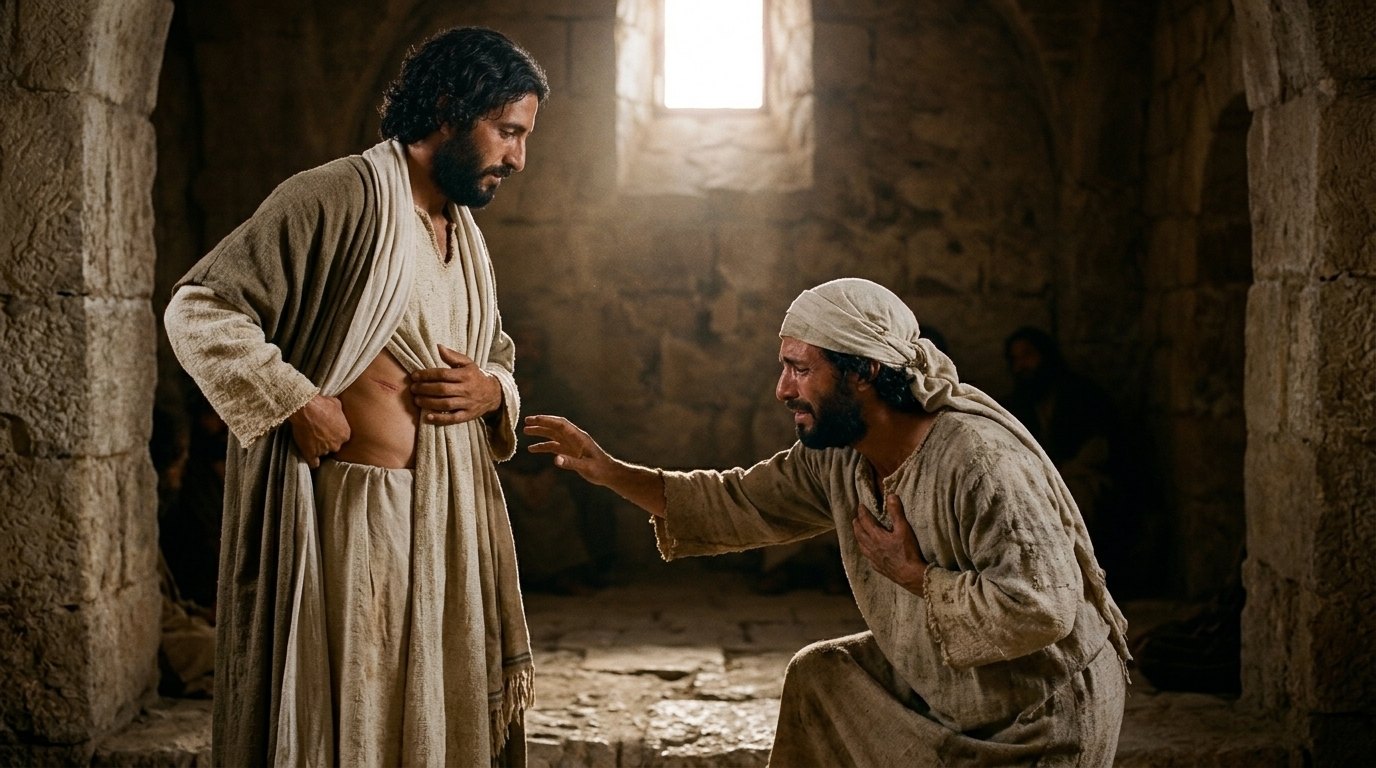
In the beginning was the Word, and the Word was with God, and the Word was God.
John 1:1 (NIV)
This verse plainly establishes both Christ's distinct personhood with the Father and His essential identity as true God from all eternity.
The Scriptures begin their testimony to Jesus Christ not at Bethlehem, but in eternity past. John 1:1 declares that the Word was God, affirming simultaneously His distinct subsistence alongside the Father and His uncreated deity. Christ is not a creature elevated to glory; as John 1:3 makes plain, all things were made through Him, leaving no corner of the cosmos outside His sovereign agency. The apostle Paul mirrors this testimony in Colossians 1:15-17, presenting Jesus as the image of the invisible God by whom, through whom, and for whom all things exist, upholding every atom of creation. Hebrews 1:3 similarly presents the Son as the radiance of the Father's glory and the exact imprint of His nature, sustaining the universe by the word of His power.
Throughout His earthly ministry, Jesus claimed divine authority directly and explicitly. In John 10:30 He declared, "I and the Father are one," asserting an essential unity of nature and power that His hearers immediately recognized as a claim to deity. When confronting religious leaders in John 8:58, Jesus took upon Himself the unutterable covenant name of Yahweh, proclaiming, "Before Abraham was, I AM." This divine identity was not lost on His followers: upon touching the wounds of the risen Saviour, Thomas fell before Him confessing, "My Lord and my God!" as recorded in John 20:28. The New Testament epistolary witness never wavers from this confession. In Titus 2:13, Paul directs the believer's blessed hope toward our great God and Savior Jesus Christ, while Hebrews 1:8 records the Father addressing the Son directly: "Your throne, O God, is forever and ever." Christ is Yahweh come in power.
| Passage | What it says |
|---|---|
| John 1:1 | Affirms that the Word was in the beginning with God and that the Word was God. |
| John 1:3 | Declares that all things were made through Him, and without Him was not any thing made that was made. |
| Colossians 1:15-17 | Presents Christ as the image of the invisible God, creator of all things, who exists before all and holds all together. |
| Hebrews 1:3 | Describes Him as the radiance of God's glory and the exact imprint of His nature, upholding the universe by His word. |
| John 10:30 | Jesus affirms essential unity with the Father, declaring that He and the Father are one. |
| John 20:28 | Records Thomas's direct worship and confession of the risen Jesus as Lord and God. |
| John 8:58 | Jesus applies the divine covenant name 'I AM' to Himself, declaring His eternal pre-existence before Abraham. |
| Titus 2:13 | Directly identifies Jesus Christ as 'our great God and Savior'. |
| Hebrews 1:8 | The Father addresses the Son directly as God, whose throne is forever and ever. |
True Humanity
The Word Became Flesh to Redeem Mankind
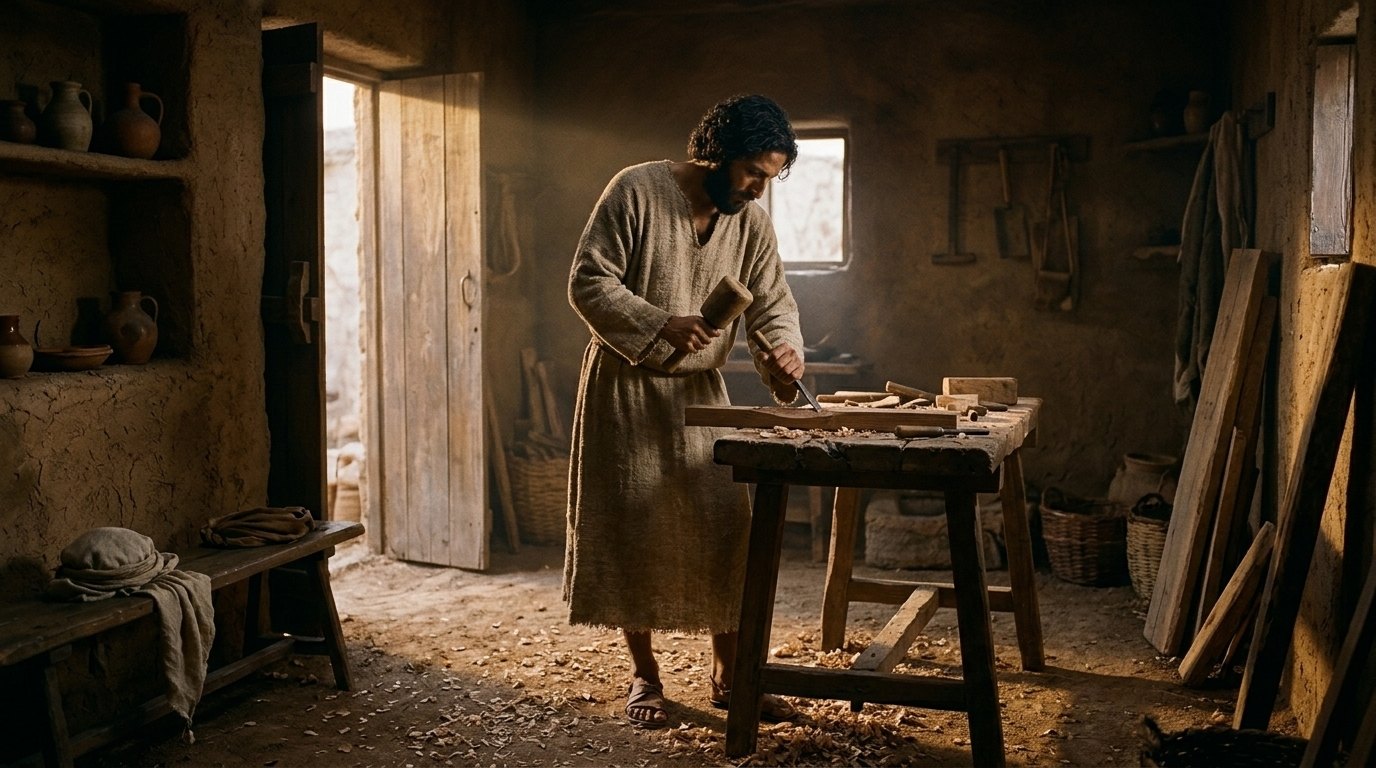
The Word became flesh and made his dwelling among us. We have seen his glory, the glory of the one and only Son, who came from the Father, full of grace and truth.
John 1:14 (NIV)
It names the central mystery of the incarnation, where the eternal Word truly assumed human flesh without ceasing to be divine.
While possessing full and undiminished deity, the Son took true humanity into union with His divine person. In John 1:14, the Scripture announces that the Word became flesh and dwelt among us, manifesting genuine divine glory within the bounds of real human life. This incarnation did not involve the loss of His divine nature, but rather an addition of a complete human nature. Philippians 2:6-8 reveals that Christ emptied Himself by taking the form of a bondservant, humbling Himself in human likeness and walking obediently all the way to death on a cross. His physical lineage and entrance into the world were miraculous yet bodily: Matthew 1:18-23 details His virginal conception by the Holy Spirit and birth through Mary, fulfilling ancient prophecy.
Because Jesus possessed a real human body, mind, and soul, Luke 2:52 records that He grew in wisdom, stature, and favor with God and man. He hungered, thirsted, wept, and suffered real physical pain. This full humanity was necessary for our redemption: Hebrews 2:14-17 teaches that He partook of flesh and blood so that through death He might destroy the power of the devil and make propitiation for our sins as our faithful High Priest. In 1 Timothy 2:5, Paul identifies Him as the one mediator between holy God and fallen humanity, the man Christ Jesus. Yet His humanity remained entirely unstained by the curse of sin; as Hebrews 4:15 affirms, He was tempted in every way as we are, yet without sin.
| Passage | What it says |
|---|---|
| John 1:14 | Testifies that the Word became flesh and dwelt among us, manifesting the glory of the Father. |
| Philippians 2:6-8 | Describes Christ taking the form of a servant and being born in human likeness to obey unto death. |
| Hebrews 2:14-17 | Explains that Christ shared in flesh and blood to destroy the devil and become a merciful high priest. |
| 1 Timothy 2:5 | Affirms there is one mediator between God and men, the man Christ Jesus. |
| Luke 2:52 | Records Jesus' genuine human growth in wisdom, stature, and favor with God and man. |
| Matthew 1:18-23 | Records Jesus' miraculous conception by the Holy Spirit and birth of the virgin Mary. |
| Hebrews 4:15 | Affirms Jesus was tempted in all points as we are, yet remained entirely without sin. |
The Messiah
The Promised King and Anointed Deliverer
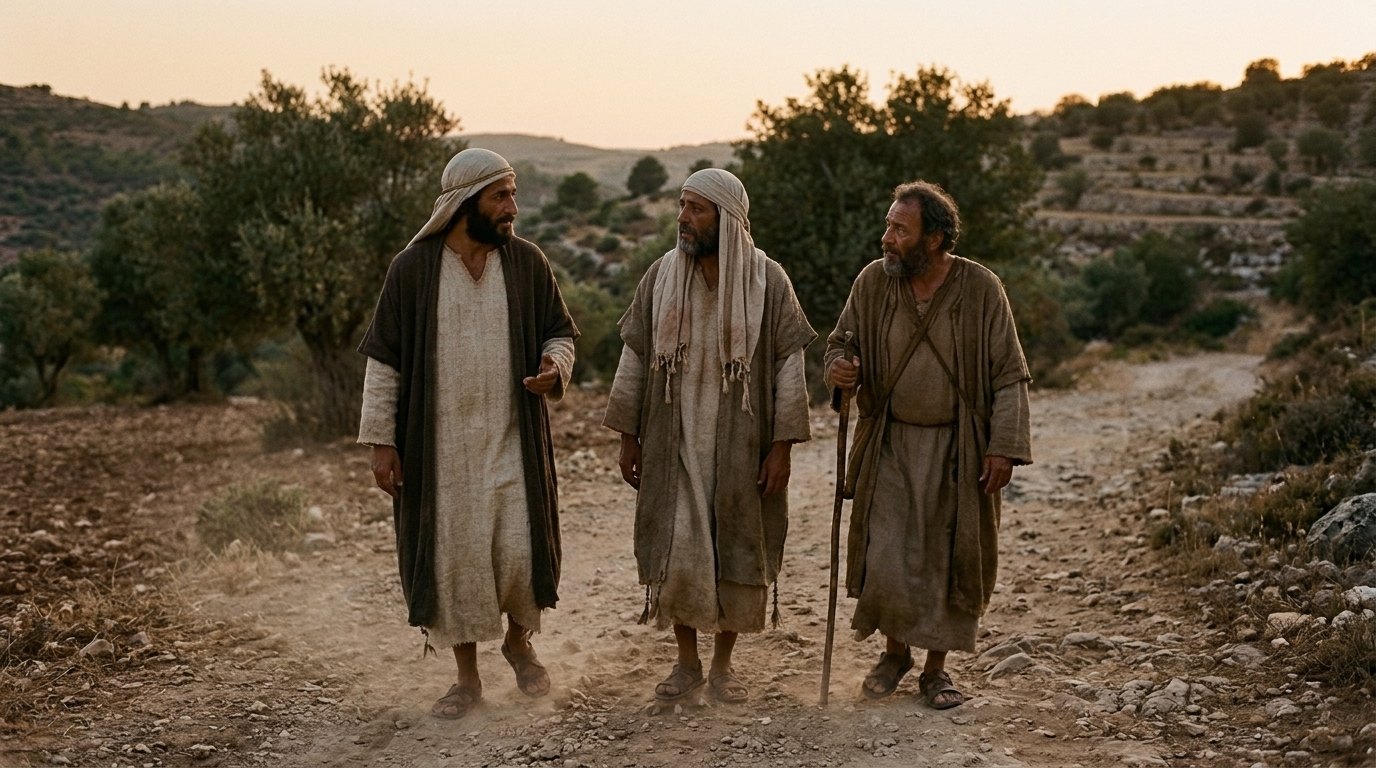
Simon Peter answered, “You are the Messiah, the Son of the living God.”
Matthew 16:16 (NIV)
Peter's confession identifies Jesus as the long-awaited Christ, the fulfillment of every prophetic covenant.
When Simon Peter confessed, "You are the Christ, the Son of the living God" in Matthew 16:16, he identified Jesus as the culmination of the entire Old Testament hope. From the dawn of human history, God promised a redeemer: Genesis 3:15 pledged that the seed of the woman would crush the serpent's head, an ancient promise brought to pass when God sent His Son, born of a woman, to destroy the devil's works (Galatians 4:4; 1 John 3:8). The royal covenant confirmed this lineage: in 2 Samuel 7:12-13, God promised David an heir whose kingdom would endure forever, fulfilled when the angel Gabriel announced in Luke 1:32-33 that the Lord God would give Jesus the throne of His father David over an unending kingdom.
The prophets provided precise historical markers for His arrival. Isaiah 7:14 foretold that a virgin would conceive and bear Immanuel, directly fulfilled in Matthew 1:22-23 through the birth of Jesus. Micah 5:2 specified that the ancient Ruler of Israel would emerge from Bethlehem Ephrathah, realized when the Messiah was born in the city of David (Matthew 2:5-6). In Psalms 110:1, David foresaw his descendant as his own exalted Lord seated at God's right hand. On the road to Emmaus, in Luke 24:25-27, Jesus showed from all the Scriptures—the Law, the Prophets, and the Psalms—that every divine shadow and covenant promise pointed directly to His suffering and subsequent entrance into glory.
| Passage | What it says | Fulfilled |
|---|---|---|
| Genesis 3:15 | The earliest promise that the seed of the woman would crush the head of the serpent. | Galatians 4:4, 1 John 3:8 |
| 2 Samuel 7:12-13 | God promises David a descendant whose royal throne will be established forever. | Luke 1:32-33 |
| Isaiah 7:14 | Prophesies that a virgin shall conceive and bear a son named Immanuel. | Matthew 1:22-23 |
| Micah 5:2 | Foretells that the eternal Ruler of Israel will come forth from Bethlehem Ephrathah. | Matthew 2:5-6 |
| Matthew 16:16 | Simon Peter confesses Jesus as the Christ, the Son of the living God. | Matthew 16:17 |
| Luke 24:25-27 | Jesus interprets in all the Scriptures the things concerning Himself as the Christ. | |
| Psalms 110:1 | David identifies the Messiah as his Lord, exalted to the right hand of God. |
Atoning Death
Crucified for Sins and Bodily Risen

and through him to reconcile to himself all things, whether things on earth or things in heaven, by making peace through his blood, shed on the cross.
Colossians 1:20 (NIV)
It declares that reconciliation between holy God and sinful humanity was accomplished solely through the blood of Christ's cross.
The summit of Christ's earthly mission was His substitutionary atonement on the cross and His bodily resurrection from the dead. Colossians 1:20 reveals that God was pleased through Him to reconcile all things, making peace by the blood of His cross, an accomplishment proclaimed in Ephesians 2:13-16 where the hostility between God and man was put to death. Long before Calvary, Isaiah 53:5 foretold that the Servant would be pierced for our transgressions and crushed for our iniquities, fulfilled when Jesus bore our sins in His own body on the tree (1 Peter 2:24). Jesus Himself understood His mission in these exact terms, teaching in Mark 10:45 that the Son of Man came not to be served, but to give His life as a ransom for many (1 Timothy 2:6).
On the cross, a holy exchange took place: 2 Corinthians 5:21 declares that God made Him who knew no sin to be sin on our behalf, that we might become the righteousness of God in Him. Yet the cross was not the end. As 1 Corinthians 15:3-4 proclaims, Christ died for our sins according to the Scriptures, was buried, and rose again the third day. In Acts 4:10, the apostles boldly preached the resurrection as the definitive vindication of His identity, declared to be the Son of God with power by His rising (Romans 1:4). To dispel any myth of a mere spiritual ghost, Jesus invited His disciples in Luke 24:39 to touch His hands and feet, proving He possesses real flesh and bones in His glorified body.
| Passage | What it says | Fulfilled |
|---|---|---|
| Isaiah 53:5 | Foretells the Servant pierced for our transgressions and crushed for our iniquities. | 1 Peter 2:24 |
| Mark 10:45 | States that the Son of Man came to give His life as a ransom for many. | 1 Timothy 2:6 |
| Colossians 1:20 | Teaches that Christ made peace through the blood of His cross to reconcile all things. | Ephesians 2:13-16 |
| 1 Corinthians 15:3-4 | Declares that Christ died for our sins according to the Scriptures and was raised the third day. | Luke 24:46 |
| Acts 4:10 | Proclaims the bodily resurrection of Jesus Christ whom God raised from the dead. | Romans 1:4 |
| 2 Corinthians 5:21 | God made Him who knew no sin to be sin for us, that we might become God's righteousness. | |
| 1 Peter 2:24 | Jesus bore our sins in His own body on the tree, that we might live unto righteousness. | |
| Luke 24:39 | The risen Christ displays His tangible flesh and bones, demonstrating His physical resurrection. |
Exalted Lord
Reigning at God's Right Hand over All
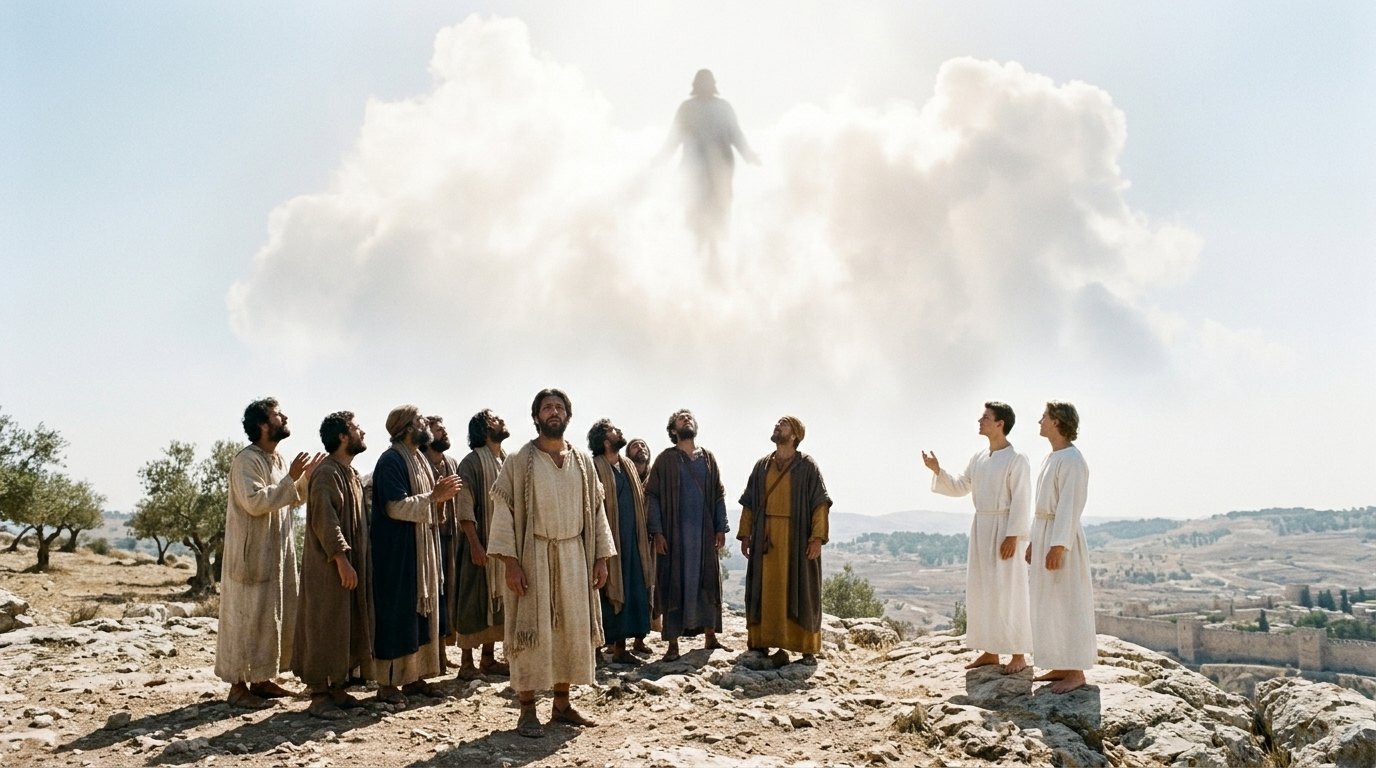
Therefore God exalted him to the highest place and gave him the name that is above every name, that at the name of Jesus every knee should bow, in heaven and on earth and under the earth, and every tongue acknowledge that Jesus Christ is Lord, to the glory of God the Father.
Philippians 2:9-11 (NIV)
This passage reveals Christ's universal sovereignty, establishing that every knee must ultimately bow before His exalted name.
In Philippians 2:9-11, the Apostle Paul proclaims that because of Christ's perfect obedience unto death on the cross, God has highly exalted Him and bestowed on Him the name that is above every name. This cosmic vindication guarantees that at the name of Jesus every knee shall bow, in heaven, on earth, and under the earth, and every tongue confess that Jesus Christ is Lord, to the glory of God the Father. The humble servant who bore the shame of Calvary now occupies the place of supreme honor, wielding absolute dominion over all created things.
This universal lordship is not a future hope alone; it is present reality. As Jesus declared following His resurrection in Matthew 28:18, all authority in heaven and on earth has been given to Him. He is the sovereign ruler over history, nature, and the spiritual realms. For His redeemed people, this authority is intensely personal: Colossians 1:18 reveals that He is the head of the body, the church, having preeminence in everything as the firstborn from the dead. Furthermore, His reigning life is actively spent for our eternal security. According to Hebrews 7:25, He is able to save to the uttermost those who draw near to God through Him, since He always lives to make intercession for them.
His ascension, witnessed by His disciples in Acts 1:9-11 as He was lifted up into the clouds, marked His bodily entrance into glory and confirmed the angelic promise of His visible return. When history reaches its consummation, His hidden reign will be unveiled before the nations. Revelation 19:16 describes His return in majesty, bearing the undisputed title written on His robe and thigh: King of kings and Lord of lords. Jesus Christ is no defeated martyr; He is the reigning, exalted, and returning King before whom all humanity will give account.
| Passage | What it says |
|---|---|
| Philippians 2:9-11 | Declares God highly exalted Him so every knee will bow and every tongue confess Him Lord. |
| Colossians 1:18 | Presents Him as the head of the church and the firstborn from the dead, having preeminence. |
| Matthew 28:18 | Jesus proclaims that all authority in heaven and on earth has been given to Him. |
| Revelation 19:16 | Names Christ as the sovereign King of kings and Lord of lords upon His robe and thigh. |
| Hebrews 7:25 | Jesus is able to save completely because He always lives to make intercession for His people. |
| Acts 1:9-11 | Jesus ascends visibly into heaven and will return in the same manner. |
Exclusive Saviour
The Only Name Under Heaven for Salvation
Salvation is found in no one else, for there is no other name under heaven given to mankind by which we must be saved.”
Acts 4:12 (NIV)
It uncompromisingly shuts out every other supposed path to God, naming Jesus alone as the rescue for sinners.
In Acts 4:12, Peter proclaims the glorious, unbending boundary of the gospel before the rulers in Jerusalem: there is salvation in no one else, for there is no other name under heaven given among men by which we must be saved. Scripture permits no pluralistic compromise or alternative pathways to God. Because humanity is utterly dead in sin and separated from a holy God, only the sinless, incarnate Son who took our curse upon Himself can bridge the divide.
Jesus Himself announced this exclusive reality in John 14:6, declaring plainly, I am the way, and the truth, and the life; no one comes to the Father except through Me. To seek God apart from Christ is to seek Him where He cannot be found. This exclusivity carries eternal stakes. As John 3:36 warns, whoever believes in the Son has eternal life, but whoever does not obey the Son shall not see life, but the wrath of God remains on him. There is no neutral posture toward Jesus Christ: we either possess life in Him or abide under divine condemnation.
Yet this absolute exclusivity is matched by a lavish, worldwide offer of grace. In John 1:12, the Apostle writes that to all who did receive Him, who believed in His name, He gave the right to become children of God. This saving revelation was recorded with explicit intent: John 20:31 tells us these things are written so that you may believe that Jesus is the Christ, the Son of God, and that by believing you may have life in His name. True life is bound entirely to His person; 1 John 5:11-12 reminds us that whoever has the Son has life, and whoever does not have the Son of God does not have life. The pathway of salvation is clear and open to all: Romans 10:9 promises that if you confess with your mouth that Jesus is Lord and believe in your heart that God raised Him from the dead, you will be saved.
| Passage | What it says |
|---|---|
| Acts 4:12 | Asserts there is salvation in no one else and no other name under heaven to save men. |
| John 14:6 | Jesus proclaims Himself as the way, the truth, and the life, with no access to the Father otherwise. |
| John 3:36 | Contrasts eternal life for whoever believes in the Son with God's wrath remaining on the disobedient. |
| John 20:31 | States these signs are written so readers believe Jesus is the Christ and have life in Him. |
| John 1:12 | Promises that all who receive Him and believe in His name receive the right to become children of God. |
| 1 John 5:11-12 | Eternal life is in God's Son; whoever has the Son has life, and whoever lacks Him does not. |
| Romans 10:9 | Confessing Jesus as Lord and believing God raised Him from the dead brings salvation. |
Where in the Bible
| Book | Passages |
|---|---|
| Genesis | 1 · Genesis 3:15 |
| 2 Samuel | 1 · 2 Samuel 7:12-13 |
| Psalms | 1 · Psalms 110:1 |
| Isaiah | 2 · Isaiah 7:14, Isaiah 53:5 |
| Micah | 1 · Micah 5:2 |
| Matthew | 3 · Matthew 1:18-23, Matthew 16:16, Matthew 28:18 |
| Mark | 1 · Mark 10:45 |
| Luke | 3 · Luke 2:52, Luke 24:25-27, Luke 24:39 |
| John | 10 · John 1:1, John 1:3, John 10:30, John 20:28, John 8:58, John 1:14, John 14:6, John 3:36, John 20:31, John 1:12 |
| Acts | 3 · Acts 4:10, Acts 1:9-11, Acts 4:12 |
| Romans | 1 · Romans 10:9 |
| 1 Corinthians | 1 · 1 Corinthians 15:3-4 |
| 2 Corinthians | 1 · 2 Corinthians 5:21 |
| Philippians | 2 · Philippians 2:6-8, Philippians 2:9-11 |
| Colossians | 3 · Colossians 1:15-17, Colossians 1:20, Colossians 1:18 |
| 1 Timothy | 1 · 1 Timothy 2:5 |
| Titus | 1 · Titus 2:13 |
| Hebrews | 5 · Hebrews 1:3, Hebrews 1:8, Hebrews 2:14-17, Hebrews 4:15, Hebrews 7:25 |
| 1 Peter | 1 · 1 Peter 2:24 |
| 1 John | 1 · 1 John 5:11-12 |
| Revelation | 1 · Revelation 19:16 |
The story in order
- The first promise of a Savior (c. 4000 BC) · Genesis 3:15 · God promises the seed of the woman will crush the serpent's head.
- Promise of an eternal king (c. 1000 BC) · 2 Samuel 7:12-13 · God promises David a descendant whose throne is forever.
- Prophecy of virgin birth (c. 700 BC) · Isaiah 7:14 · A virgin will conceive and bear a son named Immanuel.
- Prophecy of Bethlehem birth (c. 700 BC) · Micah 5:2 · The eternal Ruler of Israel will come from Bethlehem.
- Jesus is born of a virgin (c. 4 BC) · Matthew 1:18-23 · Jesus is miraculously conceived by the Holy Spirit.
- Jesus' divine identity confessed (AD 30) · Matthew 16:16 · Peter confesses Jesus as the Christ, the Son of God.
- Jesus' atonement for sins (c. 700 BC) · Isaiah 53:5 · The Servant is pierced for our transgressions.
- Jesus' death as a ransom (AD 30) · Mark 10:45 · The Son of Man gives His life as a ransom for many.
- Jesus' resurrection proclaimed (AD 55) · 1 Corinthians 15:3-4 · Christ died for our sins and was raised on the third day.
- Jesus' ascension and promise of return (AD 33) · Acts 1:9-11 · Jesus ascends into heaven and will return similarly.
- Jesus proclaimed as Lord of all (AD 62) · Philippians 2:9-11 · God exalts Jesus so all will confess Him Lord.
- Salvation only in Jesus' name (AD 33) · Acts 4:12 · No other name under heaven saves men.
Jesus Fulfills Messianic Prophecies
| Prophecy | Fulfillment | Passage |
|---|---|---|
| Seed of the woman crushes serpent | Jesus crushes the serpent's head (Hebrews 2:14) | Genesis 3:15 |
| Descendant of David, eternal king | Jesus, Son of David, reigns forever (Matthew 1:1) | 2 Samuel 7:12-13 |
| Born of a virgin in Bethlehem | Jesus born of Mary in Bethlehem (Luke 2:4-7) | Isaiah 7:14 |
| Ruler from Bethlehem Ephrathah | Jesus, born in Bethlehem (John 7:42) | Micah 5:2 |
| Pierced for transgressions | Jesus pierced on the cross (John 19:34) | Isaiah 53:5 |
Key words
- Christ (Christos, Χριστός)
- Anointed one, Messiah, King · Matthew 16:16
- Son of God (Huios Theou, Υἱὸς Θεοῦ)
- Divine Sonship, expressing Jesus' unique relationship with the Father · Matthew 16:16
- Lord (Kyrios, Κύριος)
- Supreme authority, Master, God · John 20:28
- Savior (Sōtēr, Σωτήρ)
- One who delivers from danger or destruction · Titus 2:13
- Messiah (Mashiach, מָשִׁיחַ)
- Hebrew for 'Anointed One', the promised King · Genesis 3:15
- Immanuel (Immanuel, עִמָּנוּאֵל)
- God with us · Matthew 1:23
- Atonement (N/A)
- Reconciliation of humanity with God through Christ's sacrifice · Colossians 1:20
Jesus Christ cannot be treated as merely one influential figure among many; He is your Creator, Redeemer, and rightful King. To see Him as Scripture presents Him is to cast aside all self-reliance, confess Him as Lord and God, and receive the gift of eternal life through His blood.
44 passages, each cited once.
Scripture cited
- Colossians 1:15-20
- Hebrews 1:3
- John 1:1
- John 1:14
- John 1:1-18
- Philippians 2:5-11
- Hebrews 1:1-4
- John 20:26-31
- Acts 4:10-12
- Matthew 16:13-17