Who was Jonah?
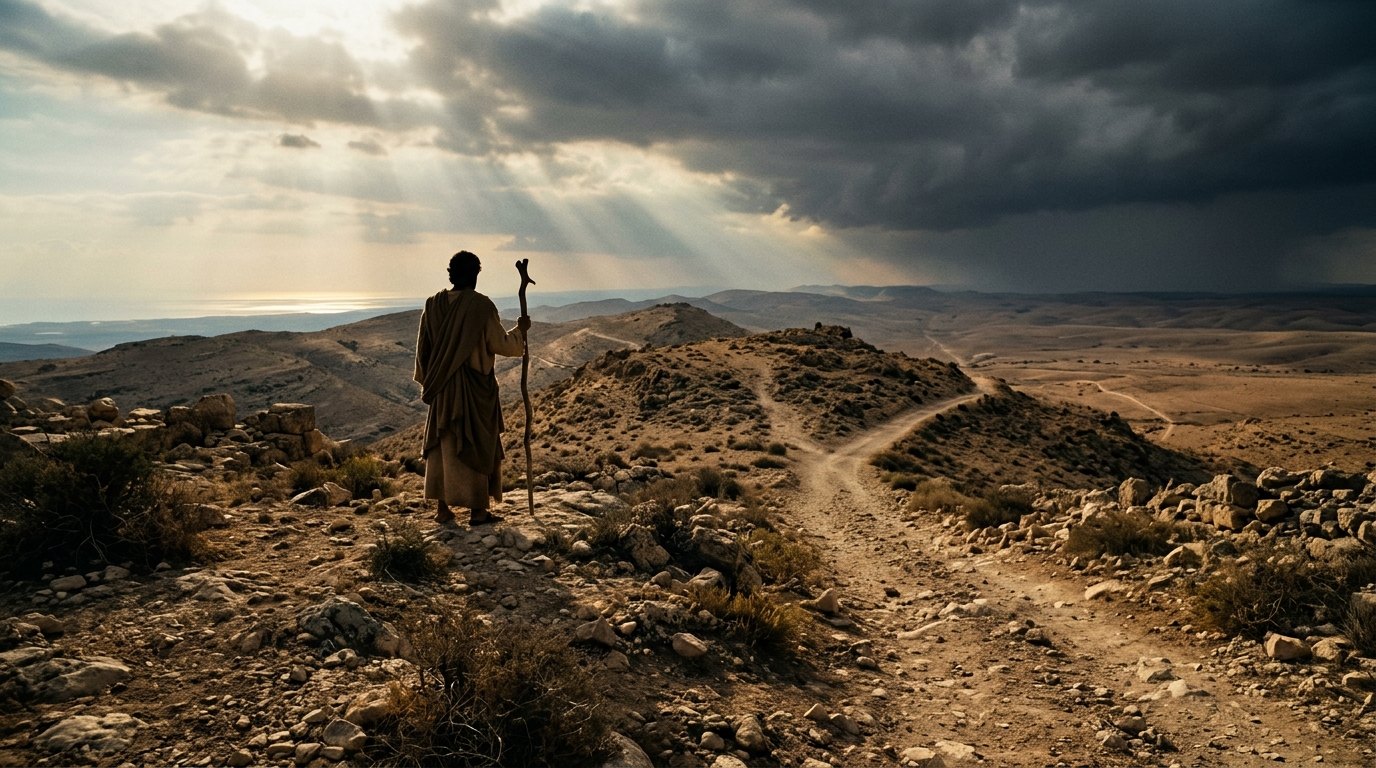
Jonah 1:1-3
1 The word of the LORD came to Jonah son of Amittai:
2 “Go to the great city of Nineveh and preach against it, because its wickedness has come up before me.”
3 But Jonah ran away from the LORD and headed for Tarshish. He went down to Joppa, where he found a ship bound for that port. After paying the fare, he went aboard and sailed for Tarshish to flee from the LORD.
New International Version (NIV)
The answer
Jonah was a prophet of Israel, the son of Amittai, from Gath-hepher; God had spoken through him concerning Israel’s restored borders (2 Kings 14:25).
He is best known for God’s command to go to Nineveh and preach against its wickedness. Instead of obeying immediately, Jonah boarded a ship for Tarshish, attempting to flee from Yahweh’s presence (Jonah 1:1-3). Jesus later referred to the Ninevites’ repentance at Jonah’s preaching and declared that someone greater than Jonah had come—Himself (Luke 11:32).
Answered from Scripture · reviewed November 11, 2026
Jonah, the son of Amittai from Gath-hepher, was a real historical prophet of northern Israel during the eighth-century reign of King Jeroboam II. Best known for his reluctant mission to the brutal Assyrian capital of Nineveh, his miraculous rescue from the sea and his preaching became an enduring sign of God's global mercy and a prophetic picture of Jesus Christ's resurrection.
Historical Prophet
A Servant of God in Israel's Royal Courts
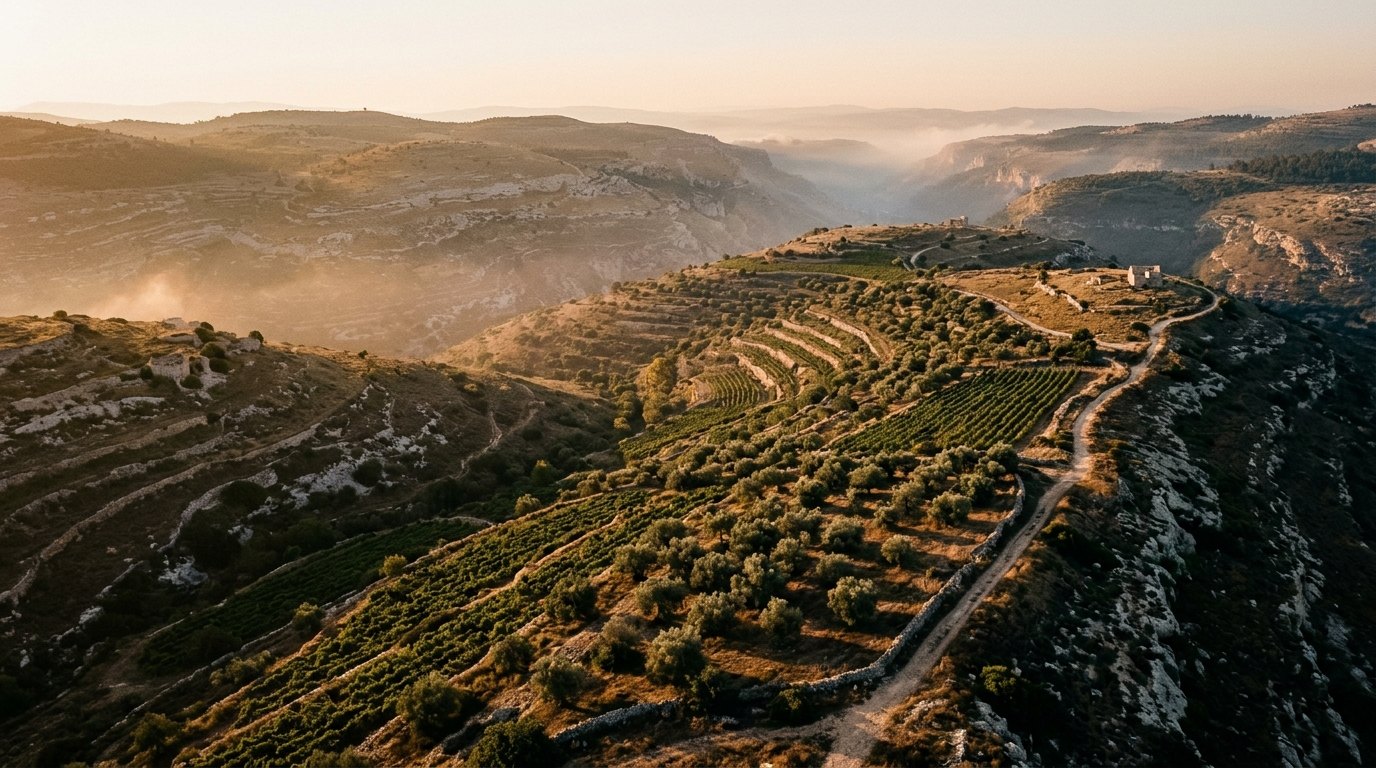
He was the one who restored the boundaries of Israel from Lebo Hamath to the Dead Sea, in accordance with the word of the LORD, the God of Israel, spoken through his servant Jonah son of Amittai, the prophet from Gath Hepher.
2 Kings 14:25 (NIV)
This historical record identifies Jonah by his lineage and hometown, anchoring his prophetic ministry firmly in eighth-century Israel under King Jeroboam II.
The inspired record of 2 Kings 14:25 anchors Jonah firmly in real human history, identifying him as the son of Amittai from Gath-hepher. Far from a mythical archetype, he lived and ministered during the eighth-century BC reign of King Jeroboam II of the northern kingdom of Israel. Through Jonah, Yahweh gave a gracious word that Israel's borders would expand from Lebo-hamath to the Sea of the Arabah, proving God's deep mercy toward an undeserving, idolatrous nation.
His geographic roots appear earlier in Joshua 19:10-13, which lists Gath-hepher as part of the ancestral territory allotted to the tribe of Zebulun in lower Galilee. This northern lineage establishes that genuine prophetic activity flourished in the north long before the New Testament era. Jonah served as an established court prophet who had already announced dramatic divine favor upon his homeland, which frames the profound personal and theological crisis he faced when God later commanded him to extend a message of judgment and prospective mercy to Israel's fiercest geopolitical adversary.
| Passage | What it says |
|---|---|
| 2 Kings 14:25 | Affirms Jonah, son of Amittai of Gath-hepher, prophesied the territorial restoration of Israel under King Jeroboam II. |
| Joshua 19:10-13 | Establishes Gath-hepher as a town in the tribal allotment of Zebulun, locating Jonah's ancestral home in lower Galilee. |
The Commission and Flight
Running from the Call to Preach to Nineveh

The word of the LORD came to Jonah son of Amittai: “Go to the great city of Nineveh and preach against it, because its wickedness has come up before me.” But Jonah ran away from the LORD and headed for Tarshish. He went down to Joppa, where he found a ship bound for that port. After paying the fare, he went aboard and sailed for Tarshish to flee from the LORD.
Jonah 1:1-3 (NIV)
God commands Jonah to warn Nineveh of its wickedness, but Jonah flees to Tarshish rather than obey.
In Jonah 1:1-3, God calls His prophet to go to Nineveh, the capital of the brutal Assyrian Empire, to confront its pervasive wickedness. Rather than obey the divine commission, Jonah fled in the opposite direction. Boarding a merchant vessel at the Mediterranean seaport of Joppa, he sought passage to Tarshish—likely on the far coast of Spain—deliberately attempting to escape the presence and assignment of Yahweh.
God’s sovereign rule over creation pursued His fugitive servant in Jonah 1:4-16. Yahweh hurled a terrifying tempest upon the sea, threatening to shatter the ship. While the pagan mariners cried out to their respective gods and cast cargo overboard, Jonah slept below deck until the captain roused him. Once the lots identified Jonah as the cause, he confessed that he served the God of heaven who made both sea and dry land. Recognizing his rebellion, he urged the sailors to throw him into the raging waters. When they did, the sea instantly ceased its raging, prompting the sailors to offer sacrifices and vows in reverent fear of Yahweh.
| Passage | What it says |
|---|---|
| Jonah 1:1-2 | The word of Yahweh commissions Jonah to go to Nineveh and preach against its great wickedness. |
| Jonah 1:3 | Jonah boards a ship at Joppa for Tarshish to flee from the presence of Yahweh. |
| Jonah 1:4-16 | Yahweh sends a tempest, Jonah confesses his guilt, and the mariners cast him overboard, fearing God. |
Deliverance and Prayer
Preserved in the Depths to Declare Deliverance

Now the LORDprovided a huge fish to swallow Jonah, and Jonah was in the belly of the fish three days and three nights.
Jonah 1:17 (NIV)
God appoints a great fish to swallow Jonah, sheltering him for three days and three nights as a prophetic shadow of Christ's burial.
In Jonah 1:17, Yahweh appointed a great fish to swallow Jonah, preserving him alive for three days and three nights in the heart of the sea. This historical miracle serves as a profound typological shadow, which the Lord Jesus explicitly identified in Matthew 12:40 as the singular sign of His own bodily burial and resurrection from the heart of the earth on the third day.
From the suffocating darkness of the aquatic abyss, Jonah 2:1-9 records the prophet’s desperate yet faithful prayer. Describing the weeds wrapped around his head and the waters closing in over his soul, Jonah recognized that his descent was God's discipline. Even in the depths of Sheol, he looked back toward God’s holy temple and offered thanksgiving, concluding with the bedrock theological truth that salvation belongs to Yahweh. Having preserved His servant to declare this deliverance, Jonah 2:10 records that God commanded the great fish, and it vomited the chastened prophet safely onto dry land.
| Passage | What it says | Fulfilled |
|---|---|---|
| Jonah 1:17 | Yahweh appoints a great fish to swallow Jonah, who remains in its belly three days and three nights. | Matthew 12:40 |
| Jonah 2:1-9 | Jonah prays from the belly of the fish, recounting God's rescue from the pit and declaring that salvation belongs to Yahweh. | |
| Jonah 2:10 | Yahweh commands the fish, and it vomits Jonah out onto the dry land. |
Mission to Nineveh
Repentance in the Assyrian Capital
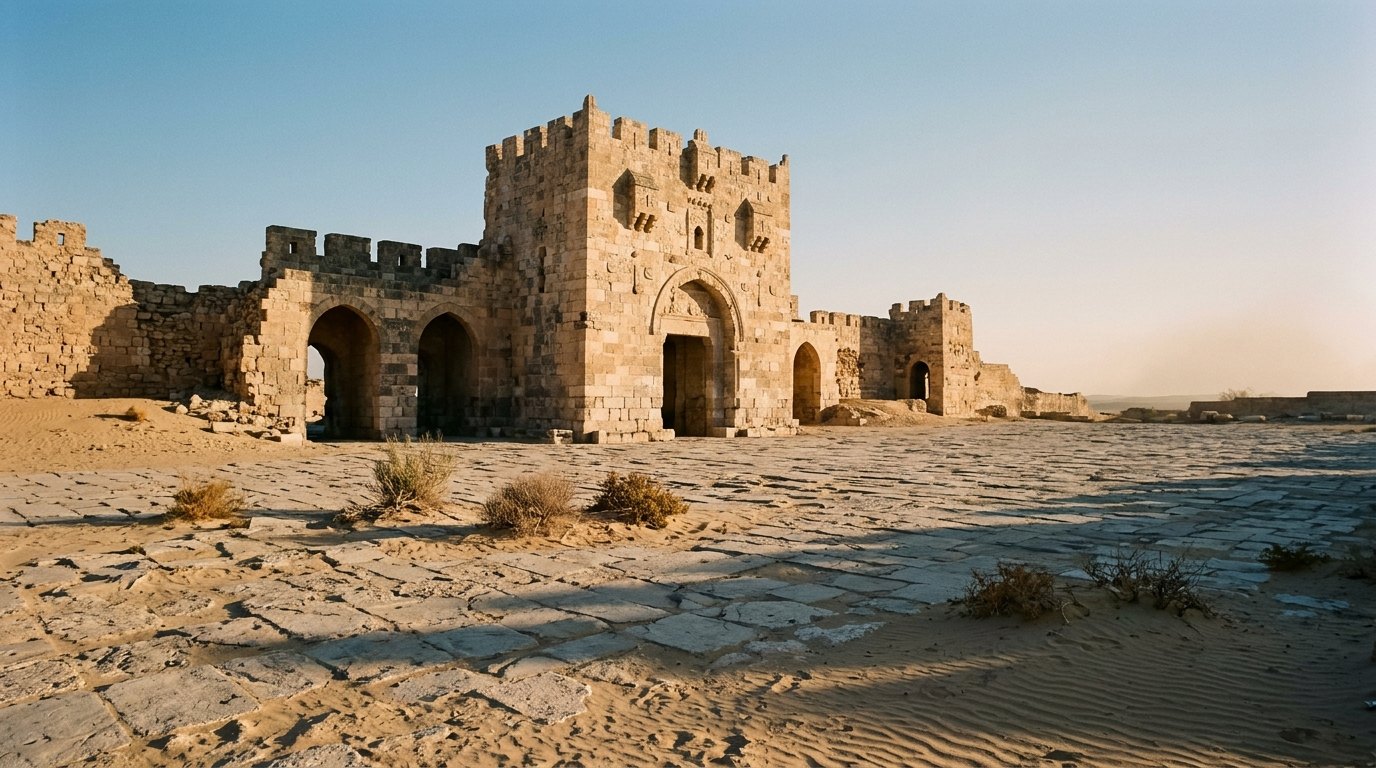
Then the word of the LORD came to Jonah a second time: “Go to the great city of Nineveh and proclaim to it the message I give you.” Jonah obeyed the word of the LORD and went to Nineveh. Now Nineveh was a very large city; it took three days to go through it. Jonah began by going a day’s journey into the city, proclaiming, “Forty more days and Nineveh will be overthrown.” The Ninevites believed God. A fast was proclaimed, and all of them, from the greatest to the least, put on sackcloth.
Jonah 3:1-5 (NIV)
Jonah obeys the second call, proclaiming imminent judgment to Nineveh, and the pagan inhabitants believe God.
When God’s call came a second time, Jonah 3:1-5 shows the prophet obeying and entering the great city of Nineveh, declaring a direct, eight-word message of impending doom: within forty days, Nineveh would be overthrown. To human reason, a solitary foreign prophet confronting an imperial powerhouse seemed futile, yet the divine word carried supernatural power. The pagan inhabitants believed God, immediately proclaimed a solemn fast, and put on sackcloth from the greatest to the least.
This humility reached the imperial palace in Jonah 3:5-9, where the king rose from his throne, took off his royal robes, covered himself with sackcloth, and sat down in ashes. He issued a royal decree mandating that all people and beasts abstain from food and water, calling upon everyone to turn from their violent ways and cry mightily to God for undeserved mercy. Seeing that they genuinely turned from their evil works, Jonah 3:10 records that God relented, withholding the utter destruction He had declared against the empire, demonstrating His absolute sovereignty over judgment and compassion.
| Passage | What it says |
|---|---|
| Jonah 3:1-4 | Yahweh recommissions Jonah, who enters Nineveh and proclaims that Nineveh will be overthrown in forty days. |
| Jonah 3:5-9 | The people and the king of Nineveh believe God, proclaim a fast, put on sackcloth, and cry mightily for mercy. |
| Jonah 3:10 | God sees the repentance of Nineveh and relents from sending the disaster He had threatened. |
God's Sovereign Compassion
A Reluctant Prophet Rebuked by Mercy
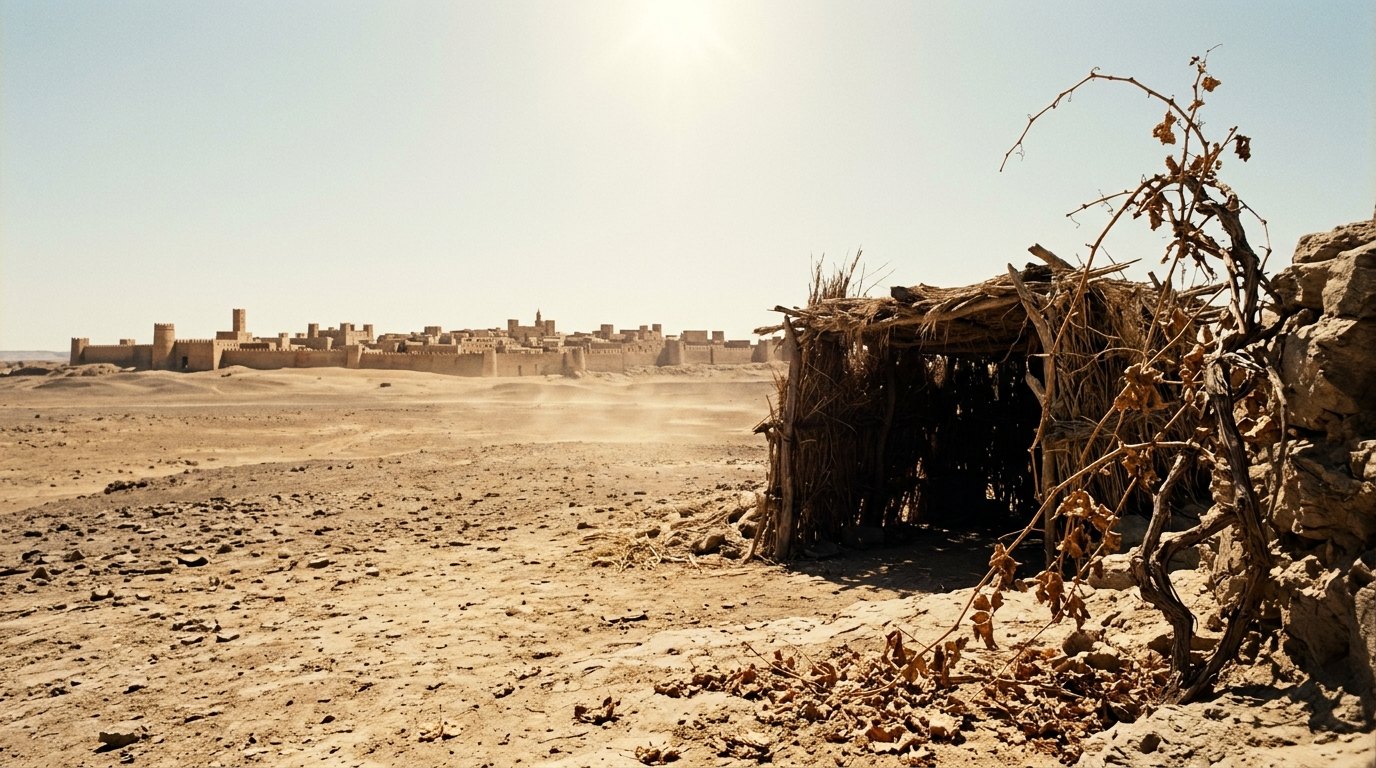
He prayed to the LORD, “Isn’t this what I said, LORD, when I was still at home? That is what I tried to forestall by fleeing to Tarshish. I knew that you are a gracious and compassionate God, slow to anger and abounding in love, a God who relents from sending calamity.
Jonah 4:2 (NIV)
Jonah confesses that he fled because he knew God is gracious, merciful, slow to anger, and abounding in steadfast love.
In Jonah 4:2, the prophet finally articulates the raw motive behind his rebellion: he fled to Tarshish precisely because he knew God is gracious, merciful, slow to anger, and abounding in steadfast love. Rather than rejoicing that an entire empire turned from imminent destruction, Jonah 4:1-3 records that he was filled with intense displeasure and prayed to die. His narrow theological comfort was shaken by the scandal of divine generosity extending beyond Israel’s borders to an enemy nation. To teach His bitter servant, God arranges a living parable outside the city walls. In Jonah 4:4-8, Yahweh appoints a fast-growing plant to shelter the sulking prophet from the brutal desert heat, only to dispatch a worm at dawn to destroy it, accompanied by a scorching east wind that leaves Jonah faint and raging over the lost shade. The narrative culminates in Jonah 4:9-11 with an unanswered divine question that exposes Jonah’s inverted affections. While Jonah pitied an ephemeral vine he neither cultivated nor sustained, God looked upon more than one hundred and twenty thousand people who could not discern their right hand from their left, along with countless innocent animals. The heart of God beats with sovereign compassion for helpless creatures, silencing human self-righteousness and demanding that His people reflect the mercy that saved them.
| Passage | What it says |
|---|---|
| Jonah 4:1-3 | Jonah is deeply displeased by God's mercy to Nineveh and asks to die. |
| Jonah 4:4-8 | God provides a plant to shade Jonah, then appoints a worm and a scorching wind to wither it. |
| Jonah 4:9-11 | Yahweh contrasts Jonah's grief over a plant with His own compassion for more than 120,000 helpless souls. |
The Sign of Jonah
A Prophet Prefiguring the Risen Christ
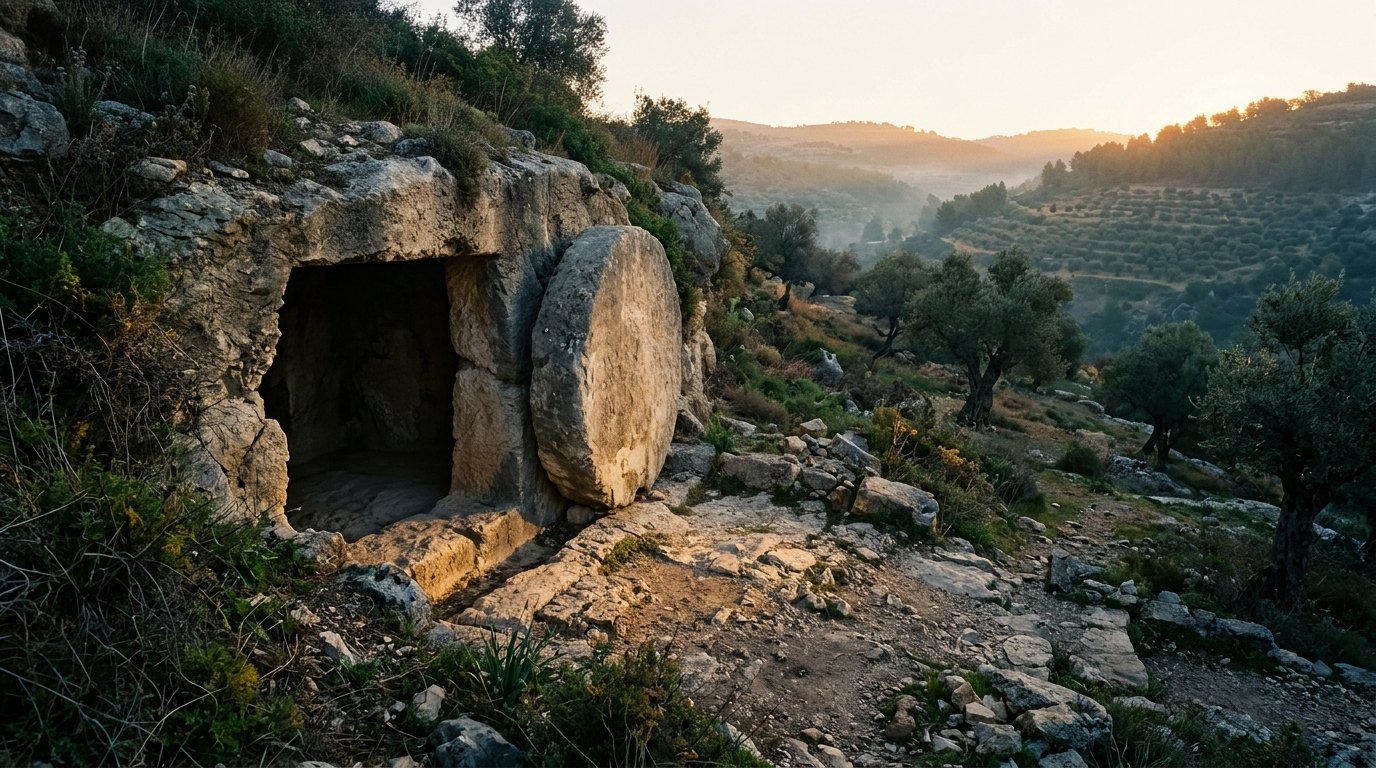
He answered, “A wicked and adulterous generation asks for a sign! But none will be given it except the sign of the prophet Jonah. For as Jonah was three days and three nights in the belly of a huge fish, so the Son of Man will be three days and three nights in the heart of the earth. The men of Nineveh will stand up at the judgment with this generation and condemn it; for they repented at the preaching of Jonah, and now something greater than Jonah is here.
Matthew 12:39-41 (NIV)
Jesus declares Jonah's three days in the fish to be the primary prophetic sign of His own death, burial, and resurrection.
Centuries later, Jesus of Nazareth established Jonah's historical mission as an indispensable prophetic type in Matthew 12:39-41, proclaiming that no sign would be granted to an unbelieving generation except the sign of the prophet Jonah. Just as Jonah spent three days and three nights in the belly of the great fish before returning alive to land, so the Son of Man would enter the heart of the earth and rise triumphant on the third day, a pattern fulfilled when Christ shattered the grave in Matthew 28:5-7 and established the apostolic gospel in 1 Corinthians 15:3-4. When pressed again by hostile religious authorities demanding a miraculous display, Jesus reiterates in Matthew 16:4 that the sign of Jonah alone stands as heaven's definitive vindication, later fulfilled in Romans 1:4 when He was declared to be the Son of God with power through the resurrection from the dead. In Luke 11:29-32, Christ presses the indictment further: Jonah served as an unexpected sign to Nineveh, and the pagans repented at his brief warning, yet someone far greater than Jonah has arrived. Jonah was a reluctant messenger who resented grace, but Jesus is the willing Savior who laid down His life to offer global salvation, fulfilled as the gospel tore down ethnic walls to reach all nations in Acts 10:34-43.
| Passage | What it says | Fulfilled |
|---|---|---|
| Matthew 12:39-41 | Jesus names the sign of Jonah, pointing to His three days in the earth and contrasting Nineveh's repentance with Israel's unbelief. | Matthew 28:5-7, 1 Corinthians 15:3-4 |
| Matthew 16:4 | Jesus refuses to give an evil and adulterous generation any sign except the sign of Jonah. | Romans 1:4 |
| Luke 11:29-32 | Jesus affirms that Jonah was a sign to Nineveh, declaring that a greater than Jonah has arrived. | Acts 10:34-43 |
Where in the Bible
| Book | Passages |
|---|---|
| Joshua | 1 · Joshua 19:10-13 |
| 2 Kings | 1 · 2 Kings 14:25 |
| Jonah | 12 · Jonah 1:1-2, Jonah 1:3, Jonah 1:4-16, Jonah 1:17, Jonah 2:1-9, Jonah 2:10, Jonah 3:1-4, Jonah 3:5-9, Jonah 3:10, Jonah 4:1-3, Jonah 4:4-8, Jonah 4:9-11 |
| Matthew | 2 · Matthew 12:39-41, Matthew 16:4 |
| Luke | 1 · Luke 11:29-32 |
The story in order
- Jonah prophesies restoration (c. 780 BC) · 2 Kings 14:25 · Jonah's historical context as a prophet in Israel.
- Jonah commissioned to Nineveh (c. 770 BC) · Jonah 1:1-2 · God's call to Jonah for a mission to a foreign city.
- Jonah flees to Tarshish (c. 770 BC) · Jonah 1:3 · Jonah's initial rebellion against God's command.
- Tempest and Jonah cast overboard (c. 770 BC) · Jonah 1:4-16 · Divine intervention and Jonah's confession.
- Jonah swallowed by a great fish (c. 770 BC) · Jonah 1:17 · Jonah's miraculous preservation in the sea.
- Jonah's prayer from the fish (c. 770 BC) · Jonah 2:1-9 · Jonah's repentance and declaration of God's salvation.
- Jonah vomited onto dry land (c. 770 BC) · Jonah 2:10 · God's deliverance of Jonah.
- Jonah preaches in Nineveh (c. 770 BC) · Jonah 3:1-4 · The message of impending judgment.
- Nineveh repents (c. 770 BC) · Jonah 3:5-9 · The city's response of fasting and sackcloth.
- God relents from judgment (c. 770 BC) · Jonah 3:10 · God's compassion in response to repentance.
- Jonah displeased with God's mercy (c. 770 BC) · Jonah 4:1-3 · Jonah's struggle with God's character.
- Jesus points to the sign of Jonah (AD 30) · Matthew 12:39-41 · Jesus uses Jonah as a sign of His resurrection.
Key words
- Yahweh (YHWH (יהוה))
- The covenant name of God, often translated LORD. · Jonah 1:1
- Nineveh
- The great capital city of the Assyrian empire, known for its wickedness. · Jonah 1:2
- Tarshish
- A distant port, likely in modern Spain, representing the furthest point from Nineveh. · Jonah 1:3
- Salvation
- Deliverance from danger or destruction, ultimately from sin and death. · Jonah 2:9
- Repentance
- A turning away from sin and toward God. · Jonah 3:5
Jonah's life and calling demonstrate that no nation lies outside the sovereign reach of God's mercy, and no servant can flee from His presence. Above all, Jonah stands in holy Scripture as a living sign pointing forward to Christ, whose three days in death and glorious resurrection purchase everlasting life for all who turn to Him in faith.
17 passages, each cited once.
Scripture cited
- Jonah 1:1-3
- Luke 11:32
- 2 Kings 14:25