Who was Nehemiah?
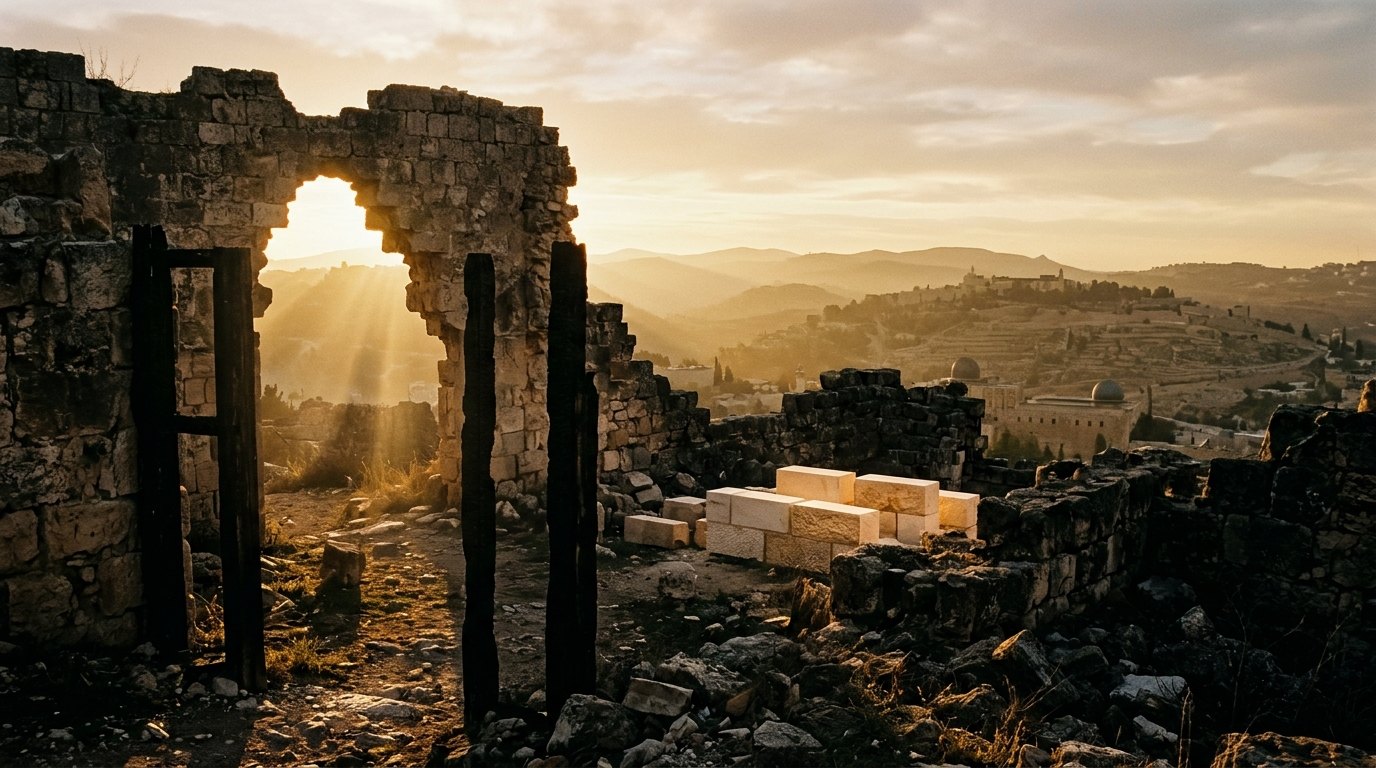
Nehemiah 2:17-18
17 Then I said to them, “You see the trouble we are in: Jerusalem lies in ruins, and its gates have been burned with fire. Come, let us rebuild the wall of Jerusalem, and we will no longer be in disgrace.”
18 I also told them about the gracious hand of my God on me and what the king had said to me. They replied, “Let us start rebuilding.” So they began this good work.
New International Version (NIV)
The answer
Nehemiah, the son of Hacaliah, was a Jewish official in the Persian royal court whom God used to lead the rebuilding of Jerusalem’s walls. He lived in the palace at Susa and served King Artaxerxes as cupbearer, a trusted position close to the king (Nehemiah 1:1-11; Nehemiah 2:1).
When Nehemiah learned that Jerusalem’s wall was broken down and its gates burned, he wept, mourned, fasted, and prayed. He confessed Israel’s sins, remembered God’s promise to gather His repentant people, and asked God to grant him favor with the king (Nehemiah 1:3-11).
When Artaxerxes noticed his sadness, Nehemiah prayed to God and then asked permission to go to Judah and rebuild. The king provided authorization, safe passage, and timber; Nehemiah recognized that these requests were granted because of “the good hand of my God on me” (Nehemiah 2:1-8).
Nehemiah was therefore both a man of prayer and a practical, courageous leader. In Jerusalem, he called the people, “Come, let’s build up the wall of Jerusalem” (Nehemiah 2:17). After hearing about God’s goodness and the king’s support, they answered, “Let’s rise up and build,” and strengthened their hands for the work (Nehemiah 2:18).
Answered from Scripture · reviewed November 11, 2026
Nehemiah was a faithful Jewish exile who served as cupbearer to the Persian King Artaxerxes before God called him to rebuild the broken walls of Jerusalem. His life demonstrates how personal prayer, steadfast courage, and godly governance work together to restore God's people from affliction and reproach.
The Exile's Burden
A royal cupbearer weeps over Jerusalem's broken walls

When I heard these things, I sat down and wept. For some days I mourned and fasted and prayed before the God of heaven.
Nehemiah 1:4 (NIV)
Nehemiah's immediate instinct upon hearing of Jerusalem's distress was sustained fasting and heartfelt prayer before the God of heaven.
When word reached Susa that the survivors in Judah were in great affliction and reproach, Nehemiah did not mobilize resources immediately; instead, he sat down and wept, and mourned for days, fasting and praying before the God of heaven (Nehemiah 1:4). The opening record identifies him as the son of Hacaliah, living in the secure Persian winter fortress (Nehemiah 1:1). His brother Hanani had arrived with travelers from Judah, bearing sobering tidings regarding the vulnerable state of the holy city (Nehemiah 1:2). The walls of Jerusalem remained shattered, and its wooden gates lay blackened by fire, leaving the remnant defenseless against predatory neighbors (Nehemiah 1:3).
Nehemiah’s immediate response reveals the spiritual core of his leadership. He did not appeal first to human diplomacy or the wealth of the Persian court, but turned entirely to the God of the covenant. In his heartfelt petition, he confessed the persistent idolatry and disobedience of Israel, acknowledging God's righteous judgment while simultaneously clinging to the ancient promises given through Moses regarding restoration after repentance (Nehemiah 1:5–10). He counted himself among the transgressors, identifying with the sins of his ancestors rather than elevating himself above them.
Only at the conclusion of this earnest intercession does Nehemiah disclose his earthly station: "For I was the king's cupbearer" (Nehemiah 1:11). Holding a position of profound trust and intimate daily access to Artaxerxes, he understood that proximity to the king was a divine stewardship meant to serve God's people in their distress.
| Passage | What it says |
|---|---|
| Nehemiah 1:1 | Identifies Nehemiah as the son of Hacaliah residing in the citadel of Susa. |
| Nehemiah 1:2 | Hanani and men from Judah arrive, reporting to Nehemiah concerning the surviving exiles and Jerusalem. |
| Nehemiah 1:3 | Reports that the survivors in Judah face great affliction and reproach, with Jerusalem's walls broken and gates burned. |
| Nehemiah 1:4 | Nehemiah sits down, weeps, mourns for days, and continually fasts and prays before God. |
| Nehemiah 1:5-10 | Nehemiah confesses the sins of Israel and reminds God of His covenant promises to Moses. |
| Nehemiah 1:11 | Nehemiah prays for favor before King Artaxerxes, identifying himself as the royal cupbearer. |
The King's Commission
God turns the heart of Persia's monarch

And may I have a letter to Asaph, keeper of the royal park, so he will give me timber to make beams for the gates of the citadel by the temple and for the city wall and for the residence I will occupy?” And because the gracious hand of my God was on me, the king granted my requests.
Nehemiah 2:8 (NIV)
Nehemiah attributes the king's remarkable royal grant not to political charm, but entirely to the good hand of God upon him.
When Artaxerxes granted Nehemiah’s extraordinary petition to rebuild the city of his fathers' sepulchers, Nehemiah knew the true source of his success: the king granted his request according to the good hand of his God upon him (Nehemiah 2:8). Four months of hidden prayer preceded this royal encounter. Entering the royal presence to serve wine, Nehemiah was visibly sorrowful—an offense that could carry severe consequences in a Persian court—yet the sovereign discerned that his downcast countenance stemmed from inward anguish (Nehemiah 2:1–3).
Faced with a sudden inquiry into what he requested, Nehemiah offered a swift, silent prayer to heaven before uttering his bold reply (Nehemiah 2:4–5). He asked not for personal wealth or relief from duties, but for an official appointment and royal safe-conduct to return to Judah and restore Jerusalem's defenses. God inclined the sovereign's heart toward mercy. Artaxerxes granted the necessary travel permits and directed Asaph, the keeper of the royal forest, to furnish heavy timber for the gates of the fortress, the city walls, and Nehemiah's own dwelling (Nehemiah 2:6–8).
Armed with royal authority, Nehemiah journeyed west across the Euphrates accompanied by Persian captains and cavalry (Nehemiah 2:9). Yet the arrival of royal backing immediately aroused the hostility of local provincial governors. Sanballat the Horonite and Tobiah the Ammonite were deeply grieved that a man had come to seek the welfare of the children of Israel (Nehemiah 2:10).
| Passage | What it says |
|---|---|
| Nehemiah 2:1-3 | Artaxerxes notices Nehemiah's sadness of heart, prompting Nehemiah to explain Jerusalem's ruined condition. |
| Nehemiah 2:4-5 | After praying to God, Nehemiah asks the king to send him to Judah to rebuild Jerusalem. |
| Nehemiah 2:6-8 | The king grants official letters and timber for the fortress and walls because God's hand was upon Nehemiah. |
| Nehemiah 2:9-10 | Nehemiah arrives in the province with captains and horsemen, stirring displeasure in Sanballat and Tobiah. |
Rallying the Builders
Strengthening feeble hands for the good work
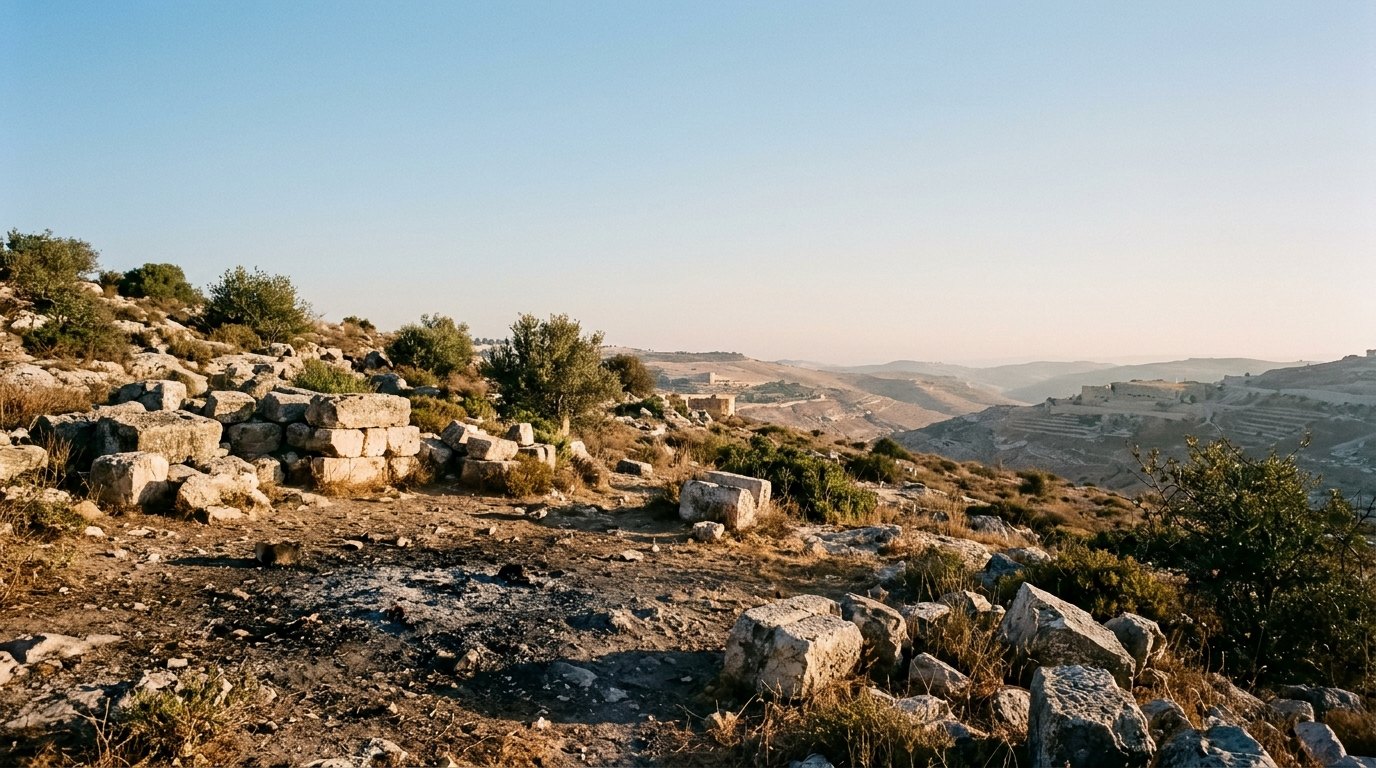
I also told them about the gracious hand of my God on me and what the king had said to me. They replied, “Let us start rebuilding.” So they began this good work.
Nehemiah 2:18 (NIV)
Hearing of God's favor and the king's decree unites the people to rise up and strengthen their hands for the work.
Before issuing a single directive, Nehemiah demonstrated the quiet wisdom of a true shepherd, culminating in a shared conviction where the people responded, "Let us rise up and build," and they strengthened their hands for this good work (Nehemiah 2:18). Arriving quietly in Jerusalem, he waited three days before riding out under the cover of darkness with a few companions to examine the broken masonry and charred timber of the gates, keeping his divine purpose concealed until he grasped the full magnitude of the ruin (Nehemiah 2:11–16).
Having surveyed the devastation firsthand, he gathered the priests, nobles, and civic leaders. He did not point fingers of blame at their previous inertia, but united them in collective responsibility, declaring, "Come, let us build the wall of Jerusalem, that we may no longer be a reproach" (Nehemiah 2:17). He rehearsed how the hand of God had guided him and repeated the royal words of King Artaxerxes, instantly transforming passive despair into energetic resolve. When Sanballat, Tobiah, and Geshem the Arab ridiculed the project as an act of rebellion against the Persian crown, Nehemiah answered with uncompromising faith: "The God of heaven Himself will prosper us; therefore we His servants will arise and build" (Nehemiah 2:19–20).
What followed was an inspiring mobilization of community. The high priest Eliashib led by example alongside his fellow priests, followed by district rulers, perfumers, goldsmiths, merchants, and ordinary families repairing the sections immediately facing their own homes (Nehemiah 3:1–32).
| Passage | What it says |
|---|---|
| Nehemiah 2:11-16 | Nehemiah inspects the ruined walls and scorched gates of Jerusalem at night in secret. |
| Nehemiah 2:17 | Nehemiah urges the Jewish leaders to rebuild the wall so they will no longer suffer disgrace. |
| Nehemiah 2:18 | Nehemiah shares God's good hand and the king's words, and the people resolve to rise and build. |
| Nehemiah 2:19-20 | Mocked by Sanballat, Tobiah, and Geshem, Nehemiah declares that the God of heaven will give success. |
| Nehemiah 3:1-32 | Priests, rulers, craftsmen, and families work side by side to repair Jerusalem's gates and wall sections. |
Facing Fierce Opposition
Holding a trowel in one hand and a spear in the other

After I looked things over, I stood up and said to the nobles, the officials and the rest of the people, “Don’t be afraid of them. Remember the Lord, who is great and awesome, and fight for your families, your sons and your daughters, your wives and your homes.”
Nehemiah 4:14 (NIV)
Nehemiah turns the people's gaze away from the enemy's intimidation toward the greatness and awesomeness of the Lord.
When surrounding enemies realized the wall was rising swiftly, intimidation intensified, but Nehemiah steadied the hearts of the frightened community: "Do not be afraid of them. Remember the Lord, great and awesome, and fight for your brethren, your sons, your daughters, your wives, and your houses" (Nehemiah 4:14). Mockery from Sanballat and Tobiah had failed to halt the work, as the laborers built with a mind to work until the entire perimeter reached half its required height (Nehemiah 4:1–6).
Faced with imminent threats of an armed surprise attack, Nehemiah combined fervent prayer with practical vigilance, stationing armed guards day and night (Nehemiah 4:7–9). As physical exhaustion began to sap the strength of the rubble-bearers, he reorganized the entire workforce into a citizen-militia, placing families with swords, spears, and bows behind the lowest, most vulnerable portions of the wall (Nehemiah 4:10–13). From that day forward, half the men labored with trowels while the other half held weapons, ready to rally wherever the sound of the watchman's trumpet signaled an attack (Nehemiah 4:15–23).
Subsequent assassination plots, fabricated rumors of insurrection, and bribes paid to false prophets failed to detour Nehemiah’s resolute obedience (Nehemiah 6:1–14). Through unwavering reliance upon God, the wall was finished in just fifty-two days, causing surrounding enemies to lose their confidence, for even the hostile nations perceived that this miraculous restoration was accomplished by the living God (Nehemiah 6:15–16).
| Passage | What it says |
|---|---|
| Nehemiah 4:1-6 | Sanballat and Tobiah mock the builders, but Nehemiah prays and the wall reaches half its height. |
| Nehemiah 4:7-9 | When enemies conspire to attack, the builders pray to God and set a guard day and night. |
| Nehemiah 4:10-14 | Nehemiah arms the people by families and commands them to remember the great and awesome Lord. |
| Nehemiah 4:15-23 | Laborers build with one hand while holding a weapon, watchful for the trumpet call. |
| Nehemiah 6:1-14 | Nehemiah detects plots of assassination, slander, and false prophecy, refusing to compromise or flee. |
| Nehemiah 6:15-16 | The wall is completed in fifty-two days, causing the surrounding nations to perceive God did the work. |
The Governor's Reform
Restoring justice, worship, and covenant holiness

But the earlier governors—those preceding me—placed a heavy burden on the people and took forty shekels of silver from them in addition to food and wine. Their assistants also lorded it over the people. But out of reverence for God I did not act like that.
Nehemiah 5:15 (NIV)
Nehemiah models godly leadership by refusing the customary governor's food allowance out of the fear of God.
In Nehemiah 5:15, Nehemiah contrasts his own conduct with earlier provincial leaders: "The former governors who were before me laid heavy burdens on the people and took from them for their daily food forty shekels of silver. Even their servants lorded it over the people. But I did not do so, because of the fear of God." True spiritual reform begins when authority bows to divine accountability. When severe economic distress pushed impoverished Jewish families to mortgage their fields and sell their children into bondage, Nehemiah fiercely confronted the nobles in Nehemiah 5:1-13, condemning their predatory usury and compelling them to make immediate, full restitution. He practiced what he preached: as recorded in Nehemiah 5:14-19, throughout his twelve-year tenure as governor, he refused the customary tax allowance and fed one hundred and fifty officials at his personal expense, appealing only to God's favor.
Once the physical defenses were completed, Nehemiah turned his energy toward securing and ordering the spiritual community. In Nehemiah 7:1-3, he stationed gatekeepers, singers, and Levites, commissioning God-fearing men like Hanani and Hananiah to guard the gates of Jerusalem. Because the city was spacious but underpopulated, God stirred his heart in Nehemiah 7:4-5 to review the genealogical archives, which echoed the historic rosters of the first returnees noted in Ezra 2:1-2. Through this careful registry (Nehemiah 7:66-73), he organized the repopulation of the holy city and received substantial voluntary offerings to sustain temple worship.
Civic restoration reached its climax in spiritual renewal. When Ezra unrolled the Scriptures before the assembly in Nehemiah 8:1-12, the people wept over their neglect; yet in Nehemiah 8:9, Nehemiah urged them to feast rather than mourn, declaring that the joy of the Lord was their strength. Nehemiah personally headed the signatories in Nehemiah 10:1, binding the community in written covenant to walk in God's law. In Nehemiah 12:27-43, two massive choirs marched atop the newly dedicated walls, their songs of praise resounding far outside the city, while the community faithfully restored the daily portions for the temple workers (Nehemiah 12:44-47). Returning from Susa in Nehemiah 13:1-31, he forcefully cleansed the temple storerooms, reinstituted the Sabbath, and put an end to pagan compromise, persistently crying, "Remember me, O my God, for good."
| Passage | What it says |
|---|---|
| Nehemiah 5:1-13 | Nehemiah rebukes Jewish nobles for exploiting the poor with usury and demands full restitution. |
| Nehemiah 5:14-19 | Nehemiah serves twelve years as governor without burdening the people, asking God to remember his integrity. |
| Nehemiah 7:1-3 | Nehemiah appoints gatekeepers, singers, Levites, and faithful commanders over Jerusalem. |
| Nehemiah 8:1-12 | Ezra reads the Book of the Law publicly while Nehemiah teaches the people to rejoice in God's strength. |
| Nehemiah 12:27-43 | Nehemiah leads two great thanksgiving choirs atop the restored walls in joyful dedication. |
| Nehemiah 13:1-31 | Nehemiah purifies the temple chambers, restores Levitical tithes, enforces Sabbath keeping, and purges foreign compromise. |
| Ezra 2:1-2 | Lists Nehemiah as a returnee leader under Zerubbabel, demonstrating either his family line or an earlier prominent namesake. |
| Nehemiah 7:4-5 | Nehemiah records God putting into his heart to assemble the nobles, officials, and people by genealogy to repopulate the fortified city. |
| Nehemiah 7:66-73 | Nehemiah oversees the resettlement and offerings for temple work as governor after the genealogical register of the returnees is secured. |
| Nehemiah 8:9 | Nehemiah the governor joins Ezra the priest and scribe to instruct the weeping assembly to rejoice in the joy of the Lord. |
| Nehemiah 10:1 | Nehemiah the governor, son of Hacaliah, sets his seal first on the written covenant committing the community to obey God's law. |
| Nehemiah 12:44-47 | In the days of Nehemiah and Zerubbabel, Israel provides daily portions for the temple singers, gatekeepers, and Levites in accordance with God's commands. |
Where in the Bible
| Book | Passages |
|---|---|
| Ezra | 1 · Ezra 2:1-2 |
| Nehemiah | 32 · Nehemiah 1:1, Nehemiah 1:2, Nehemiah 1:3, Nehemiah 1:4, Nehemiah 1:5-10, Nehemiah 1:11, Nehemiah 2:1-3, Nehemiah 2:4-5, Nehemiah 2:6-8, Nehemiah 2:9-10, Nehemiah 2:11-16, Nehemiah 2:17, Nehemiah 2:18, Nehemiah 2:19-20, Nehemiah 3:1-32, Nehemiah 4:1-6, Nehemiah 4:7-9, Nehemiah 4:10-14, Nehemiah 4:15-23, Nehemiah 6:1-14, Nehemiah 6:15-16, Nehemiah 5:1-13, Nehemiah 5:14-19, Nehemiah 7:1-3, Nehemiah 8:1-12, Nehemiah 12:27-43, Nehemiah 13:1-31, Nehemiah 7:4-5, Nehemiah 7:66-73, Nehemiah 8:9, Nehemiah 10:1, Nehemiah 12:44-47 |
The story in order
- Nehemiah hears of Jerusalem's distress (c. 445 BC) · Nehemiah 1:1-4 · Nehemiah's prayer and grief show his deep concern for God's people and city.
- Nehemiah prays for favor (c. 445 BC) · Nehemiah 1:5-11 · He confesses sin and appeals to God's covenant promises before approaching the king.
- Artaxerxes grants Nehemiah's request (c. 445 BC) · Nehemiah 2:1-8 · God moved the king's heart, enabling Nehemiah to travel and gather materials for rebuilding.
- Nehemiah inspects Jerusalem's walls (c. 445 BC) · Nehemiah 2:11-16 · He secretly assessed the damage, preparing to rally the people for the task.
- The people resolve to build (c. 445 BC) · Nehemiah 2:17-18 · Facing opposition, Nehemiah inspired them by God's favor and the king's commission.
- Builders face opposition and mockers (c. 445 BC) · Nehemiah 4:1-6 · Despite ridicule, the work progressed, reaching half its height.
- Builders armed against enemy attack (c. 445 BC) · Nehemiah 4:7-23 · They prayed and worked with weapons, vigilant against plots.
- Nehemiah addresses social injustice (c. 445-433 BC) · Nehemiah 5:1-13 · He confronted nobles exploiting the poor, demanding restitution and reform.
- The wall is completed (c. 444 BC) · Nehemiah 6:15-16 · In 52 days, the wall was rebuilt, astonishing the surrounding nations.
- Ezra reads the Law; people rejoice (c. 444 BC) · Nehemiah 8:1-12 · The people learned God's word and were led to celebrate His strength.
- Nehemiah leads covenant renewal (c. 444 BC) · Nehemiah 10:1 · He sealed the covenant, committing the people to obey God's law.
- Dedication of the wall (c. 444 BC) · Nehemiah 12:27-43 · Great choirs celebrated the completion of the walls with thanksgiving.
- Nehemiah enforces reforms (c. 433 BC) · Nehemiah 13:1-31 · He purified the temple, restored tithes, and addressed Sabbath and marriage issues.
Opposition to Rebuilding Jerusalem
| Opposition | Builders' Response | Outcome | Passage |
|---|---|---|---|
| Mockery and ridicule | Nehemiah prays, people resolve to build | Work progresses | |
| Conspiracy to attack | Builders pray and set guards | Wall construction continues | Nehemiah 4:7-14 |
| Plots of assassination, slander, false prophecy | Nehemiah refuses to compromise or flee | Wall is completed | Nehemiah 6:1-14 |
Nehemiah's Leadership Qualities
| Quality | Action | Biblical Basis | Passage |
|---|---|---|---|
| Prayerfulness | Prays before acting, confesses sin | Nehemiah 1:4-11; 2:4-5; 4:4, 9 | Nehemiah 1:4-11 |
| Courage | Inspects walls at night, confronts nobles, resists plots | Nehemiah 2:12-16; 5:6-13; 6:1-14 | Nehemiah 2:12-16 |
| Godly Governance | Appoints officials, enforces law, restores worship | Nehemiah 7:1-3; 8:1-12; 13:4-31 | Nehemiah 7:1-3 |
| Integrity | Serves without burdening people, demands restitution | Nehemiah 5:14-19 | Nehemiah 5:14-19 |
Key words
- Reproach (ḥer·pâ (חֶרְפָּה))
- Disgrace or shame brought upon God's people and city. · Nehemiah 1:3
- Cupbearer (maš·qê (מַשְׁקֶה))
- A trusted official who tasted wine before serving the king to prevent poisoning. · Nehemiah 1:11
- Usury (ne·shekh (נֶשֶׁךְ))
- Charging excessive interest on loans, exploiting the poor. · Nehemiah 5:7
- Governor (pə·ḥā(h) (פֶּחָה))
- An appointed ruler responsible for administering a province. · Nehemiah 5:14
- Covenant (bə·rîṯ (בְּרִית))
- A solemn agreement or promise, especially between God and His people. · Nehemiah 10:1
Nehemiah's life shows that God uses ordinary believers in high or humble stations to accomplish His redemptive purposes. When we bring our deepest burdens to the Lord in prayer and act boldly in His strength, no broken wall remains beyond His restoring grace.
33 passages, each cited once.
Scripture cited
- Nehemiah 1:1-11
- Nehemiah 2:1-8