Who was Stephen, the first martyr?
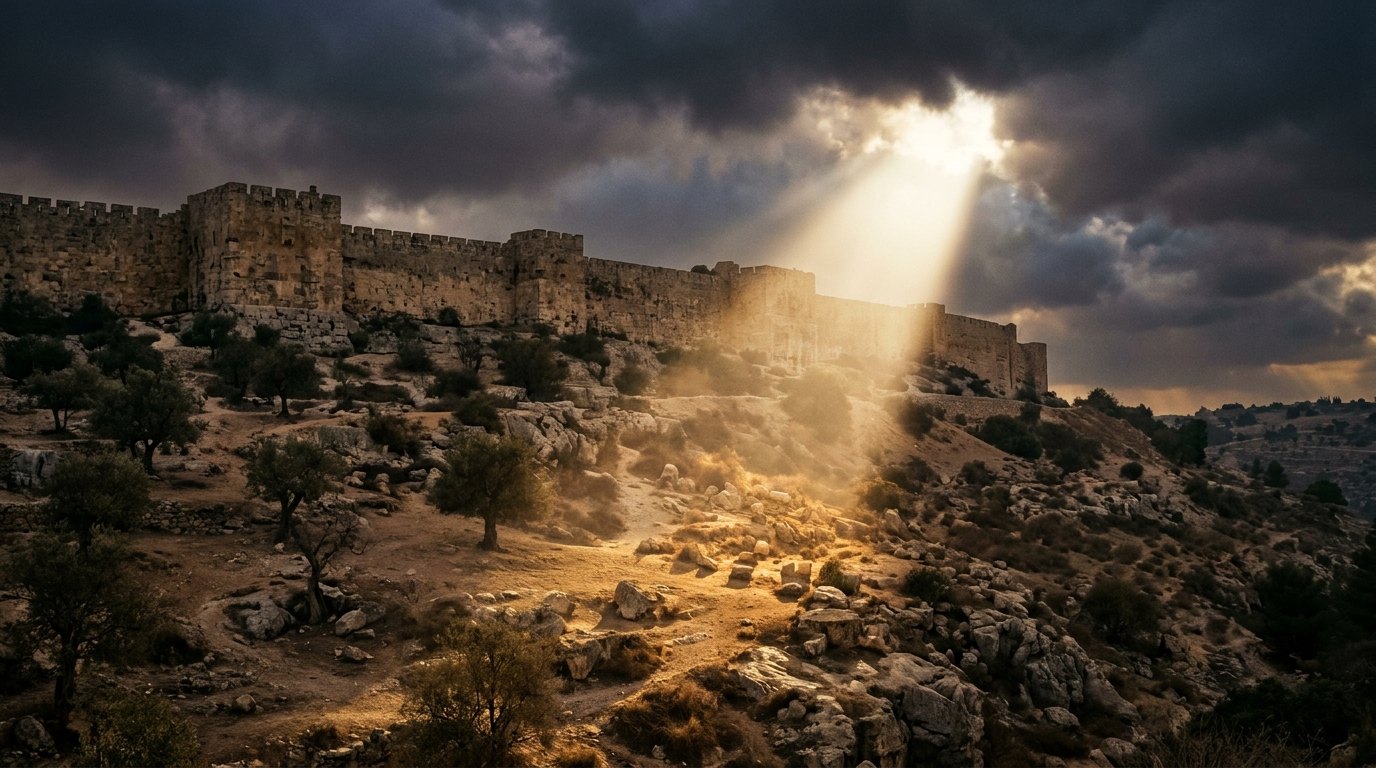
Acts 7:54-60
54 When the members of the Sanhedrin heard this, they were furious and gnashed their teeth at him.
55 But Stephen, full of the Holy Spirit, looked up to heaven and saw the glory of God, and Jesus standing at the right hand of God.
56 “Look,” he said, “I see heaven open and the Son of Man standing at the right hand of God.”
57 At this they covered their ears and, yelling at the top of their voices, they all rushed at him,
58 dragged him out of the city and began to stone him. Meanwhile, the witnesses laid their coats at the feet of a young man named Saul.
59 While they were stoning him, Stephen prayed, “Lord Jesus, receive my spirit.”
60 Then he fell on his knees and cried out, “Lord, do not hold this sin against them.” When he had said this, he fell asleep.
New International Version (NIV)
The answer
Stephen was one of the seven men chosen to serve the early church in Jerusalem, and he became the first person recorded to die for the Christian faith — killed by stoning for his witness to Jesus.
His role in the church
When the Greek-speaking widows were being overlooked in the daily food distribution, the twelve apostles told the believers to pick seven men "full of the Holy Spirit and of wisdom" to handle that work (Acts 6:2-3). The church chose Stephen, Philip, Prochorus, Nicanor, Timon, Parmenas, and Nicolaus, and the apostles prayed over them and laid hands on them (Acts 6:5-6). Stephen is described three times as full of faith and of the Holy Spirit (Acts 6:5, 8, and 6:3 in spirit), and Acts 6:8 says he "performed great wonders and signs among the people."
His trial and death
Opponents from the synagogue could not answer his wisdom, so they bribed false witnesses to accuse him of blasphemy against Moses and God (Acts 6:9-13). Standing before the council, his face looked "like the face of an angel" (Acts 6:15). His long defense in Acts 7 runs through Abraham, Joseph, Moses, and the prophets, ending with the indictment that this generation, like their fathers, "always resist the Holy Spirit" and had killed the ones who foretold the coming of the Righteous One (Acts 7:51-53).
The council erupted. They gnashed their teeth at him, but Stephen, full of the Holy Spirit, looked into heaven and saw the glory of God and "Jesus standing on the right hand of God" (Acts 7:54-56). The crowd rushed him, dragged him out of the city, and stoned him. The witnesses laid their coats at the feet of a young man named Saul — the future apostle Paul (Acts 7:57-58). As the stones fell, Stephen prayed two prayers that echo Jesus on the cross: "Lord Jesus, receive my spirit!" and "Lord, don't hold this sin against them!" (Acts 7:59-60). Scripture then uses the gentle phrase "he fell asleep" for his death.
Why his death mattered
- Devout men buried him and mourned deeply (Acts 8:2).
- A great persecution broke out against the church in Jerusalem, and the scattered believers "preached the word" wherever they went — directly turning Stephen's martyrdom into the spread of the gospel (Acts 11:19).
- Saul, who held the cloaks at his stoning, later confessed before Jesus, "when the blood of your martyr Stephen was shed, I also was standing by, and consenting to his death" (Acts 22:20) — strong evidence that Stephen's death planted a seed the Lord later brought to life at Paul's conversion.
- Stephen's vision of Jesus standing (not seated) at God's right hand is striking. The Father welcomes, honors, and strengthens those who suffer for speaking the name of His Son.
A short summary to remember
Stephen was a Spirit-filled servant of the early church whose faithful speech cost him his life, and whose death — witnessed by Saul — became, by God's hand, the spark that scattered the gospel beyond Jerusalem.
Answered from Scripture · reviewed November 7, 2026
Stephen was one of seven men chosen to oversee the daily care of widows in the Jerusalem church, known for being full of faith and the Holy Spirit. His uncompromising witness before the Sanhedrin culminated in a vision of Christ in glory and made him the first recorded martyr of the Christian faith. His death not only reflected the dying grace of his Lord but also served as the divine spark that scattered the gospel across Judea, Samaria, and beyond.
Chosen to Serve
A Servant Appointed to the Jerusalem Church
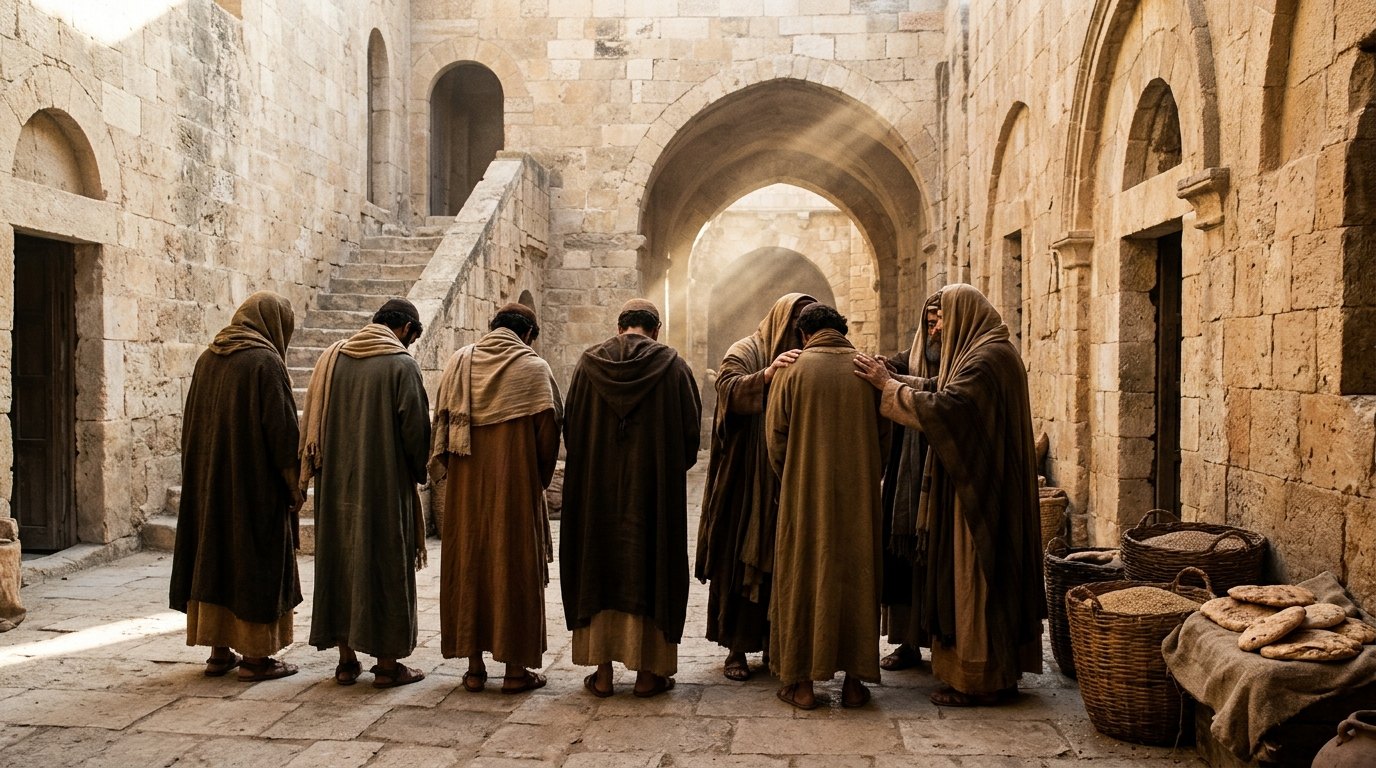
This proposal pleased the whole group. They chose Stephen, a man full of faith and of the Holy Spirit; also Philip, Procorus, Nicanor, Timon, Parmenas, and Nicolas from Antioch, a convert to Judaism.
Acts 6:5 (NIV)
This verse introduces Stephen by name, singled out among the seven as a man uniquely full of faith and the Holy Spirit.
When administrative friction threatened the harmony of the early church, God raised up a servant whose character would shape Christian history. In Acts 6:5, the assembly chose Stephen, a disciple distinguished as full of faith and the Holy Spirit, placing him first among the seven men appointed to care for vulnerable widows. The crisis emerged when Greek-speaking believers felt their widows were overlooked in the daily bread distribution compared to their Hebrew-speaking sisters (Acts 6:1). Rather than letting administrative duties derail their primary calling, the twelve apostles gathered the community to appoint dedicated overseers, declaring that spiritual shepherds must not abandon the word of God to manage food logistics (Acts 6:2).
The congregation was instructed to search out men of verified integrity who were both practically capable and deeply rooted in divine wisdom (Acts 6:3). This allowed the apostles to remain steadfastly devoted to prayer and the public proclamation of Scripture (Acts 6:4). Stephen and six fellow servants were formally presented to the apostles, who laid hands upon them and prayed, solemnly commissioning their ministry of practical benevolence (Acts 6:6). This holy ordering of practical care and theological clarity bore immediate fruit across the city; the word of God spread rapidly, disciples multiplied throughout Jerusalem, and even a large company of temple priests submitted themselves in faith to Jesus Christ (Acts 6:7). Stephen's initial calling demonstrates that faithful administration in Christ's church is not secular labor, but a sacred, Spirit-empowered stewardship.
| Passage | What it says |
|---|---|
| Acts 6:1 | A dispute arises between Hellenistic and Hebraic believers over the daily distribution of food to widows. |
| Acts 6:2 | The twelve apostles explain that they should not neglect the preaching of God's word to wait on tables. |
| Acts 6:3 | The church is directed to select seven men of good repute, full of the Spirit and wisdom. |
| Acts 6:4 | The apostles state their commitment to devote themselves continually to prayer and the ministry of the word. |
| Acts 6:5 | The congregation chooses Stephen, full of faith and the Holy Spirit, along with six other qualified men. |
| Acts 6:6 | The apostles pray over the seven chosen men and lay their hands upon them in commissioning. |
| Acts 6:7 | The word of God spreads rapidly in Jerusalem, and a great company of priests becomes obedient to the faith. |
Wonders and Opposition
False Accusations Against a Spirit-Filled Witness
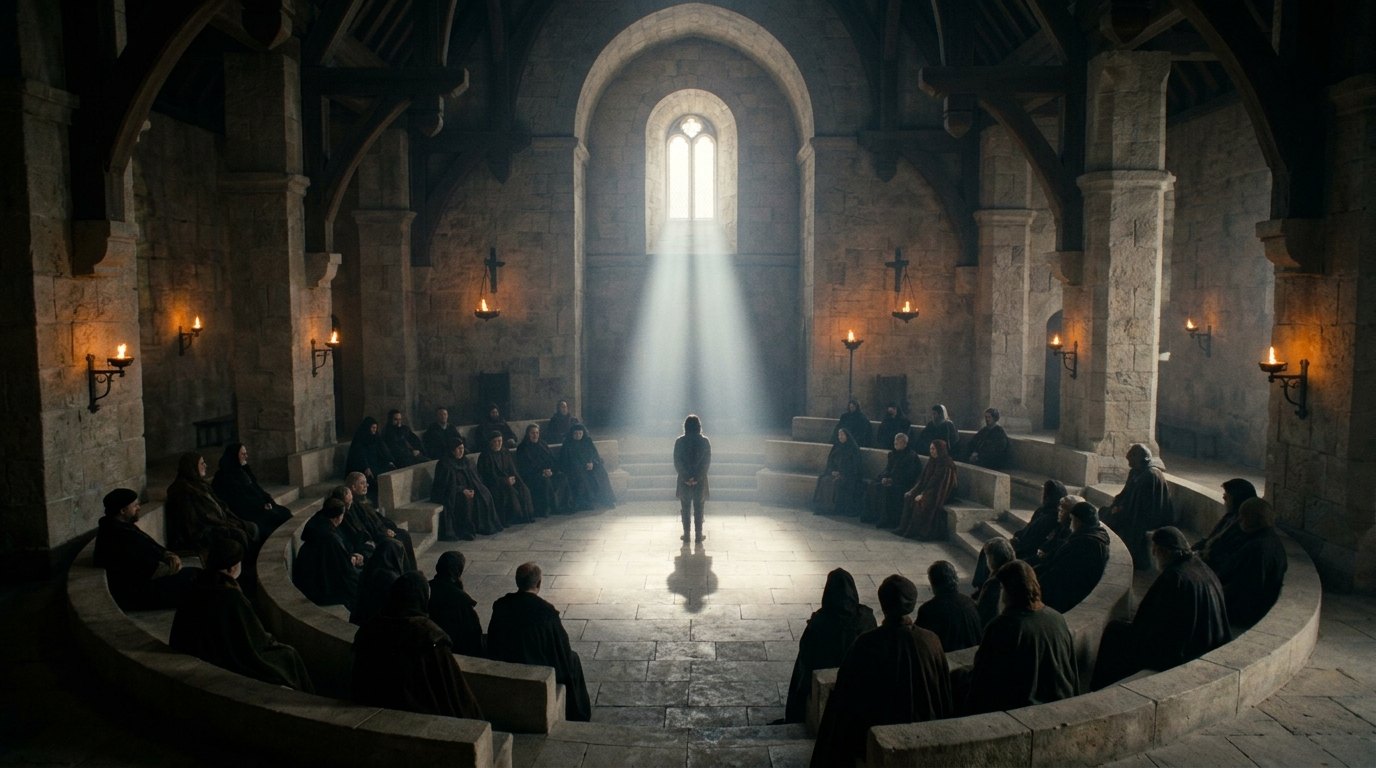
All who were sitting in the Sanhedrin looked intently at Stephen, and they saw that his face was like the face of an angel.
Acts 6:15 (NIV)
The council beholds Stephen's face shining like that of an angel, reflecting God's presence as Moses once did.
Stephen's ministry did not remain confined to distribution tables; his vibrant intimacy with the Holy Spirit propelled him into public engagement with religious leaders. In Acts 6:15, as hostile judges glared at the accused servant, they were stunned to witness his face shining like the face of an angel, an unmistakable divine sign echoing Moses' luminous descent from Mount Sinai. Scripture records that Stephen was full of grace and divine authority, working mighty signs and wonders openly among the residents of Jerusalem (Acts 6:8). This miraculous witness provoked sharp intellectual and theological debate from the Synagogue of the Freedmen and members from Cyrene, Alexandria, and Asia (Acts 6:9).
Yet these skilled debaters discovered that human rhetoric was powerless against the divine wisdom and Spirit by which Stephen spoke (Acts 6:10). Unable to prevail in honest discourse, the conspirators resorted to slander and bribery, instigating false witnesses to claim they had heard Stephen speak blasphemous declarations against Moses and the Lord God (Acts 6:11). Agitating the general public along with the scribes and council elders, they violently seized Stephen and dragged him into the formal chamber of the Sanhedrin (Acts 6:12). Suborned accusers alleged that Stephen spoke unending blasphemies against the holy temple and the ancestral law (Acts 6:13), claiming this disciple insisted that Jesus of Nazareth would demolish their sacred sanctuary and overturn their revered traditions (Acts 6:14). Amid these fabricated indictments, the Lord enveloped His faithful servant with celestial peace, transforming Stephen's countenance into a visible testimony of heaven's favor.
| Passage | What it says |
|---|---|
| Acts 6:8 | Stephen, full of grace and power, performs great signs and wonders among the people. |
| Acts 6:9 | Members of the Synagogue of the Freedmen and others rise up to argue with Stephen. |
| Acts 6:10 | The opponents are unable to withstand the wisdom and the Spirit by which Stephen speaks. |
| Acts 6:11 | They secretly instigate men to claim that Stephen spoke blasphemous words against Moses and God. |
| Acts 6:12 | They stir up the people, elders, and scribes, seize Stephen, and bring him before the Sanhedrin council. |
| Acts 6:13 | False witnesses testify that Stephen never stops speaking against the holy place and the law. |
| Acts 6:14 | They allege he claims Jesus of Nazareth will destroy the temple and alter Moses' customs. |
| Acts 6:15 | All who sit in the council gaze intently at Stephen and see his face like an angel's face. |
The Defense
God's Faithfulness and Israel's Repeated Resistance
“You stiff-necked people! Your hearts and ears are still uncircumcised. You are just like your ancestors: You always resist the Holy Spirit!
Acts 7:51 (NIV)
Stephen brings his biblical defense to a piercing climax by accusing his judges of resisting the Holy Spirit just as their fathers did.
Given permission to defend his life, Stephen delivered an unyielding survey of redemptive history, demonstrating that Israel's persistent error had always been rejecting God's chosen deliverers. In Acts 7:51, he reached a searing climax, rebuking the Sanhedrin as stiff-necked people, uncircumcised in heart and ears, constantly resisting the Holy Spirit just as their ancestors had done before them. When the high priest demanded whether the charges were true (Acts 7:1), Stephen began by tracing God's covenantal glory appearing to Abraham in distant Mesopotamia, long before the land or the temple existed (Acts 7:2). He recounted how the patriarchs, fueled by bitter envy, cast Joseph into Egyptian bondage, yet the Lord preserved him and made him their savior (Acts 7:9).
Stephen carried this pattern directly to Moses, who expected his Hebrew brethren would recognize him as God's deliverer, but was instead rejected and forced into exile (Acts 7:25). Nevertheless, God sent that very same rejected shepherd back with angelic authority to be their ruler and redeemer (Acts 7:35). It was this Moses who explicitly prophesied that God would raise up another prophet like himself from among their brothers (Acts 7:37). Yet their fathers rebelled against his leadership, thrust him aside, and longed in their hearts for Egyptian idols (Acts 7:39). While Solomon eventually constructed a physical temple, Stephen proclaimed that the Most High cannot be confined by human architecture, citing Isaiah to prove God's throne is heaven itself (Acts 7:48). He drove the indictment home by asking which prophet their ancestors had failed to persecute, condemning the council for executing the Promised Righteous One and trampling the angelic law they claimed to honor (Acts 7:52-53).
| Passage | What it says |
|---|---|
| Acts 7:1 | The high priest asks Stephen whether the charges leveled against him are true. |
| Acts 7:2 | Stephen recounts God appearing in glory to Abraham while he was in Mesopotamia. |
| Acts 7:9 | The patriarchs, moved with jealousy, sell Joseph into Egypt, yet God remains with him. |
| Acts 7:25 | Stephen notes that Moses supposed his brethren would understand God was delivering them, but they did not. |
| Acts 7:35 | The Moses whom Israel rejected becomes the ruler and redeemer God sent by the angel. |
| Acts 7:37 | Moses foretells that God will raise up a prophet like him from among their brothers. |
| Acts 7:39 | Their fathers refuse to obey Moses, thrusting him aside and turning back in their hearts to Egypt. |
| Acts 7:48 | Stephen proclaims that the Most High does not dwell in temples made by human hands. |
| Acts 7:51 | Stephen indicts his listeners as stiff-necked and uncircumcised in heart, perpetually resisting the Holy Spirit. |
| Acts 7:52 | He asks which prophet their fathers did not persecute, charging them with murdering the Righteous One. |
| Acts 7:53 | He condemns them for receiving the law delivered by angels yet failing to keep it. |
The Martyrdom
A Vision of Glory and the Stoning

But Stephen, full of the Holy Spirit, looked up to heaven and saw the glory of God, and Jesus standing at the right hand of God.
Acts 7:55 (NIV)
Being filled with the Spirit, Stephen looks into heaven and beholds Jesus standing at God's right hand to welcome him.
Stephen's uncompromising witness produced ferocious fury in his judges, but his earthly execution was met by celestial vindication. In Acts 7:55, being entirely filled with the Holy Spirit, Stephen fixed his eyes on heaven and saw the glory of God, and Jesus standing at God's right hand, rising as advocate and judge to welcome His embattled witness. The council members were enraged to the point of frenzy, gnashing their teeth in uncontrolled hostility (Acts 7:54). Stephen openly testified to the assembled court that the heavens stood parted before him, revealing the exalted Son of Man beside the majesty of God (Acts 7:56).
Refusing to hear another word, the mob shrieked, plugged their ears, and rushed upon him in a unified surge of violence (Acts 7:57). Dragging Stephen outside the city walls, the executioners stripped off their outer garments and laid them at the feet of a young Pharisee named Saul (Acts 7:58). As heavy stones struck his body, Stephen's prayers mirrored the dying cries of his Savior on Calvary; he prayed, "Lord Jesus, receive my spirit" (Acts 7:59). Then, sinking to his knees under the lethal barrage, he cried out with a loud voice asking that this monstrous sin not be charged against his executioners, and having spoken those words of radical mercy, he fell asleep in the Lord (Acts 7:60). His final breath was an enduring testament of Christlike love, igniting a scattering that carried the gospel across the Roman world.
| Passage | What it says |
|---|---|
| Acts 7:54 | Hearing Stephen's rebuke, the council members are infuriated and gnash their teeth at him. |
| Acts 7:55 | Full of the Spirit, Stephen looks into heaven, seeing God's glory and Jesus standing at His right hand. |
| Acts 7:56 | Stephen testifies aloud that he sees heaven opened and the Son of Man standing beside God. |
| Acts 7:57 | The crowd cries out with loud voices, stops their ears, and rushes together upon Stephen. |
| Acts 7:58 | They cast him out of the city and stone him, laying their garments before a young man named Saul. |
| Acts 7:59 | As the stones strike him, Stephen calls out asking the Lord Jesus to receive his spirit. |
| Acts 7:60 | Falling to his knees, he cries for their sin not to be held against them, then falls asleep. |
The Aftermath
Scattering the Church and the Conversion of Saul
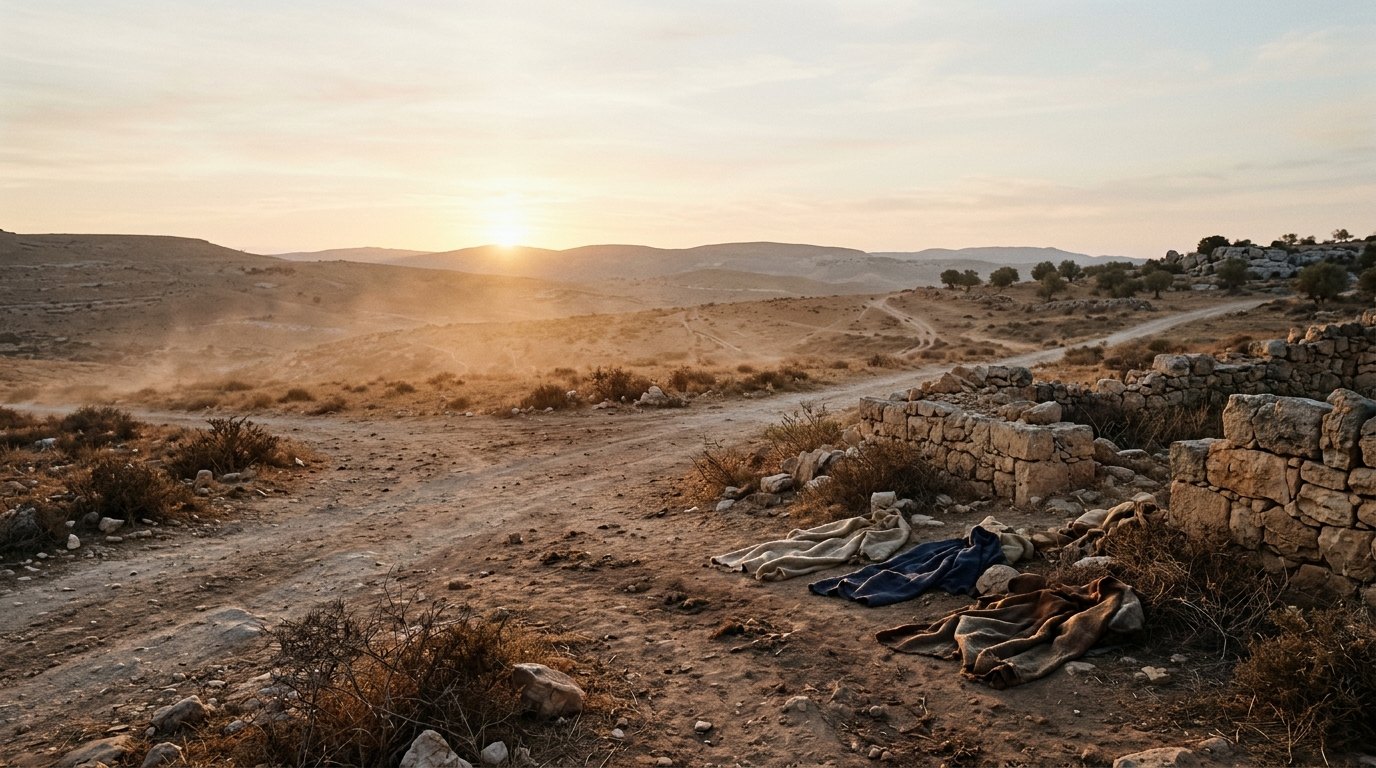
And when the blood of your martyr Stephen was shed, I stood there giving my approval and guarding the clothes of those who were killing him.’
Acts 22:20 (NIV)
Paul explicitly recalls Stephen's martyred blood before Christ, proving the enduring impact of Stephen's final witness on the apostle.
Decades after that violent day outside Jerusalem's walls, the apostle Paul still carried the memory of what his eyes had witnessed: "And when the blood of your witness Stephen was shed, I myself was standing by and approving and watching over the garments of those who killed him" (Acts 22:20). Luke first notes this dark approval at the beginning of the aftermath, recording that Saul was entirely complicit in his death (Acts 8:1). Yet Stephen's martyrdom did not end the church's witness; instead, it unleashed it. In the immediate shadow of that execution, a great persecution arose that drove the disciples out into the rural districts of Judea and Samaria, while devout men tenderly gathered Stephen's body and made great lamentation over him (Acts 8:2).
God turned the fury of the persecutors into the fuel of global mission. Those who were driven from their homes "went about preaching the word" wherever they fled (Acts 8:4). The ripple effect of Stephen's sacrifice broadened across the Mediterranean, as believers scattered by the tribulation travelled as far as Phoenicia, Cyprus, and Antioch, preaching the Lord Jesus to Hellenists and birthing the vibrant Gentile church (Acts 11:19). The very young man who held the executioners' robes would eventually be captured by the same reigning Christ Stephen saw standing at God's right hand. Stephen’s blood was not spilled in vain; his dying prayers and unswerving testimony bore fruit in the apostle who would carry the gospel to the ends of the earth.
| Passage | What it says |
|---|---|
| Acts 8:1 | Saul approves of Stephen's murder as severe persecution scatters the church throughout Judea and Samaria. |
| Acts 8:2 | Devout men bury Stephen and make great lamentation over him. |
| Acts 8:4 | Believers who are scattered abroad by the persecution go everywhere preaching the word. |
| Acts 11:19 | Those scattered following the persecution over Stephen travel as far as Phoenicia, Cyprus, and Antioch. |
| Acts 22:20 | Paul confesses to the Lord his role in consenting to Stephen's death and guarding the killers' clothes. |
Where in the Bible
| Book | Passages |
|---|---|
| Acts | 38 · Acts 6:1, Acts 6:2, Acts 6:3, Acts 6:4, Acts 6:5, Acts 6:6, Acts 6:7, Acts 6:8, Acts 6:9, Acts 6:10, Acts 6:11, Acts 6:12, Acts 6:13, Acts 6:14, Acts 6:15, Acts 7:1, Acts 7:2, Acts 7:9, Acts 7:25, Acts 7:35, Acts 7:37, Acts 7:39, Acts 7:48, Acts 7:51, Acts 7:52, Acts 7:53, Acts 7:54, Acts 7:55, Acts 7:56, Acts 7:57, Acts 7:58, Acts 7:59, Acts 7:60, Acts 8:1, Acts 8:2, Acts 8:4, Acts 11:19, Acts 22:20 |
The story in order
- Abraham called from Ur (c. 2000 BC) · Acts 7:2 · God's appearance to Abraham marks the start of His covenant people.
- Joseph sold into slavery (c. 1800 BC) · Acts 7:9 · Jealousy among patriarchs, but God's presence with Joseph.
- Moses called by God (c. 1450 BC) · Acts 7:35 · God appoints Moses as ruler and redeemer, fulfilling His promise.
- Israel rejects Moses (c. 1450 BC) · Acts 7:39 · Israel's fathers refused to obey Moses, turning back to Egypt.
- Prophet like Moses foretold (c. 1450 BC) · Acts 7:37 · Moses prophesied a future prophet from their brothers.
- Law given by angels (c. 1450 BC) · Acts 7:53 · Israel received the law but did not keep it.
- Stephen chosen to serve (c. AD 30) · Acts 6:5 · Stephen, full of faith and the Holy Spirit, is chosen.
- Stephen's powerful witness (c. AD 30) · Acts 6:8 · Stephen performed signs and wonders, speaking with wisdom.
- Stephen before the Sanhedrin (c. AD 30) · Acts 6:12 · False witnesses accused Stephen of blasphemy.
- Stephen's vision of Christ (c. AD 30) · Acts 7:55 · Stephen saw heaven opened and Jesus at God's right hand.
- Stephen stoned (c. AD 30) · Acts 7:58 · Stephen became the first martyr, praying for his persecutors.
- Church scattered (c. AD 30) · Acts 8:1 · Persecution scattered believers, spreading the gospel.
- Saul's conversion (c. AD 33-36) · Acts 22:20 · Saul, who approved Stephen's death, later converted.
Israel's Resistance to God's Messengers
| Rejected Leader | God's Action | Israel's Response | Passage |
|---|---|---|---|
| Joseph | God with him in slavery | Sold by jealous brothers | Acts 7:9 |
| Moses | Appointed ruler and redeemer | Rejected, thrust aside | |
| The Prophet like Moses | Sent by God | Refused to obey | Acts 7:37 |
| Jesus Christ | Sent by God, Righteous One | Murdered | Acts 7:52 |
Key words
- Holy Spirit (pneuma hagion, πνεῦμα ἅγιον)
- The third person of the Trinity, empowering believers and guiding the church. · Acts 6:3
- Faith (pistis, πίστις)
- Trust and belief in God and His promises. · Acts 6:5
- Wisdom (sophia, σοφία)
- Skill and insight guided by God, enabling wise speech and action. · Acts 6:3
- Blasphemy (blasphemia, βλασφημία)
- Speaking irreverently or profanely about God or sacred things. · Acts 6:11
- Martyr (martus, μάρτυς)
- A witness who suffers death for their faith. · Acts 7:58
- Son of Man (huios anthrōpou, υἱὸς ἀνθρώπου)
- A title for Jesus, emphasizing His humanity and divine authority. · Acts 7:56
Stephen's brief ministry reveals that no servant's calling is ordinary when sustained by the Holy Spirit. Standing firm in the truth of Christ brings heavenly assurance even in the face of violent opposition, and his dying prayer for his executioners reminds every believer that mercy must have the final word.
38 passages, each cited once.
Scripture cited
- Acts 6
- Acts 7:1-53