Can a Christian keep on sinning?

1 John 3:4-10
4 Everyone who sins breaks the law; in fact, sin is lawlessness.
5 But you know that he appeared so that he might take away our sins. And in him is no sin.
6 No one who lives in him keeps on sinning. No one who continues to sin has either seen him or known him.
7 Dear children, do not let anyone lead you astray. The one who does what is right is righteous, just as he is righteous.
8 The one who does what is sinful is of the devil, because the devil has been sinning from the beginning. The reason the Son of God appeared was to destroy the devil’s work.
9 No one who is born of God will continue to sin, because God’s seed remains in them; they cannot go on sinning, because they have been born of God.
10 This is how we know who the children of God are and who the children of the devil are: Anyone who does not do what is right is not God’s child, nor is anyone who does not love their brother and sister.
New International Version (NIV)
The answer
A Christian still commits sins, but cannot continue in sin as a settled, unrepentant way of life. Scripture rejects both claims: that believers become sinlessly perfect in this life, and that grace permits them to live comfortably in sin.
What “born of God” cannot mean
Sin is serious: 1 John 3:4 says, “Sin is lawlessness.” John then writes in 1 John 3:9, “Whoever is born of God doesn’t commit sin,” and, “he can’t sin, because he is born of God.”
This cannot mean that a Christian never commits a sinful act, because John has already said in 1 John 1:8, “If we say that we have no sin, we deceive ourselves, and the truth is not in us.” He also writes in 1 John 2:1, “I write these things to you so that you may not sin. If anyone sins, we have a Counselor with the Father, Jesus Christ, the righteous.”
John’s present-tense wording in 1 John 3:6-9 fits his contrast between continuing patterns of life: remaining in Christ or practising sin, doing righteousness or refusing righteousness. The new birth is incompatible with making sin one’s continuing practice. It is not a claim that every moment of a believer’s life is flawless.
Nor may someone claim Christ while calmly defending sin. John warns against deception in 1 John 3:7, and 1 John 3:10 makes the evidence visible: “Whoever doesn’t do righteousness is not of God, neither is he who doesn’t love his brother.” Persistent, cherished, unrepented sin is therefore a solemn warning, not something a profession of faith can excuse.
Why grace is not permission
Romans 6:1 asks whether grace gives reason to continue in sin. Romans 6:2 answers, “May it never be! We who died to sin, how could we live in it any longer?” United with Christ, the believer’s old life has been crucified so that sin no longer has lawful mastery (Romans 6:6).
Sin may still tempt and trip a Christian, but it must not be allowed to reign. Romans 6:12-13 commands believers to stop presenting their bodies to sin and instead present themselves to God. The reason is not merely a stricter rule but a new freedom: Romans 6:14 declares, “sin will not have dominion over you, for you are not under law, but under grace.” Grace breaks sin’s rule; it does not make sin acceptable.
When a Christian falls
The answer is neither despair nor presumption. Sin must be confessed, not renamed, hidden or defended. 1 John 1:9 promises, “If we confess our sins, he is faithful and righteous to forgive us the sins and to cleanse us from all unrighteousness.”
A believer may struggle severely, and repentance may involve a real fight against recurring temptation, but struggling against sin is not the same as surrendering to it. Christ was revealed to take away sins and to destroy the devil’s works (1 John 3:5,8). The way forward is therefore confession, forsaking sin and reliance on Him: 1 John 2:2 calls Him “the atoning sacrifice for our sins,” while Romans 6:17-18 describes God’s grace freeing former slaves of sin to become “bondservants of righteousness.”
Answered from Scripture · reviewed November 11, 2026
Scripture gives an emphatic no to the idea that a Christian can live in unbroken, settled rebellion against God. The new birth places God's enduring seed within the believer, breaking the dominion of sin while calling the saint into ongoing repentance and victory through Jesus Christ.
The Nature of Sin
Sin is active rebellion against God's law

Everyone who sins breaks the law; in fact, sin is lawlessness.
1 John 3:4 (NIV)
It defines sin in its essential character as lawlessness, showing that habitual sin is defiance of God.
First John 3:4 pierces through every cultural euphemism to expose the true character of transgression: sin is lawlessness, an active repudiation of God's holy rule rather than a mere lapse in judgment. The Apostle John uses the Greek present participle to describe one who makes a settled habit of defying divine authority. This aligns squarely with the historic witness of Scripture, where Numbers 15:31 warns that despising the word of the Lord and treating His holy commandment with contempt brings guilt that cuts one off from covenant fellowship. God's moral law is neither arbitrary nor negotiable; it reveals His immutable holiness.
Because the law reveals God's perfect standard, Romans 3:20 reminds us that no flesh can be justified through legal obedience, because the direct function of the commandment is to bring the conscious knowledge of sin. Where law confronts human rebellion, divine judgment inevitably follows, as Romans 4:15 explains that the law brings about wrath where violation occurs. Yet Scripture refuses to reduce sin to external ceremonial breaches alone. First John 5:17 broadens the horizon by stating plainly that all unrighteousness is sin, while James 4:17 adds that omitting the good one knows to do is equally damnable rebellion before God. When a person claims faith while actively walking in deliberate disobedience, they treat God's righteous boundary as nothing, ignoring the holy reality of who He is.
| Passage | What it says |
|---|---|
| Numbers 15:31 | Despising the word of the Lord and breaking His commandment brings iniquity upon the rebel. |
| Romans 3:20 | By deeds of the law no flesh is justified, for through the law comes knowledge of sin. |
| Romans 4:15 | The law brings about wrath, establishing accountability where transgression takes place. |
| 1 John 3:4 | Everyone who commits sin practices lawlessness, establishing that sin is inherently lawlessness. |
| 1 John 5:17 | All unrighteousness is sin, though Scripture distinguishes sin that does not lead to death. |
| James 4:17 | Affirms that whoever knows the right thing to do and fails to do it commits sin. |
The Son Revealed
Christ appeared to destroy the devil's work
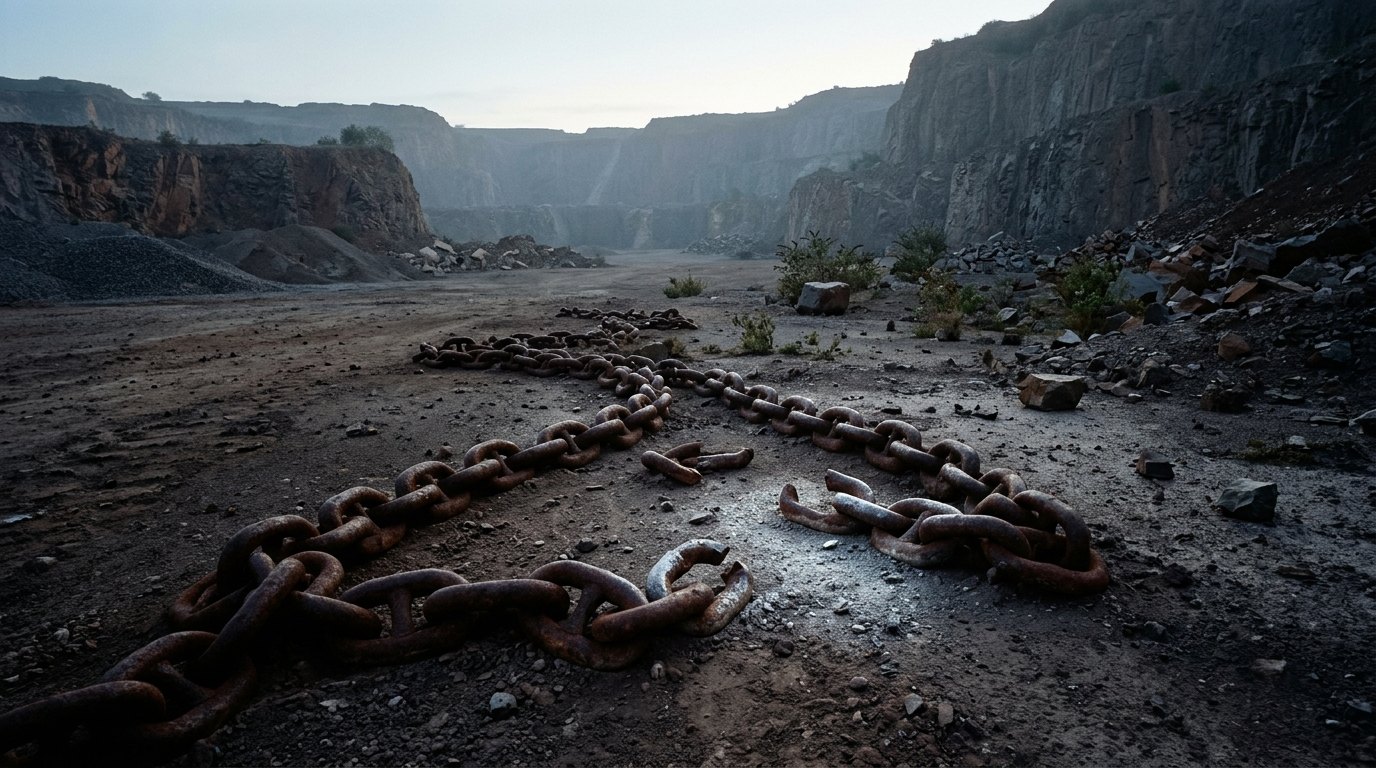
The one who does what is sinful is of the devil, because the devil has been sinning from the beginning. The reason the Son of God appeared was to destroy the devil’s work.
1 John 3:8 (NIV)
It reveals the explicit purpose of the incarnation: to shatter the devil's empire of lawless sin.
First John 3:8 establishes the sweeping cosmic purpose of the incarnation: the Son of God appeared to destroy the works of the devil. To imagine that Christ suffered on the cross merely to grant a license for unchecked transgression is to fundamentally misunderstand His mission. As 1 John 3:5 asserts, Jesus was manifested precisely to take away sins, and in Him there is absolutely no sin. The spotless Lamb did not shed His blood to preserve the dominion of darkness in the lives of His people, but to overthrow it entirely.
This victory was achieved through the decisive instrument of the cross. Romans 6:6 explains that our old self was crucified with Him so that the body ruled by sin might be rendered powerless, ensuring we would no longer be enslaved to our former master. In Colossians 2:15, Paul paints the triumphant picture of Christ disarming demonic rulers and authorities, exposing them to open shame through His sacrificial death. Hebrews 2:14 confirms that the eternal Word took on flesh and blood so that through death He might destroy the one who had the power of death, that is, the devil. Therefore, as Titus 2:14 teaches, Christ gave Himself for us to redeem us from all lawlessness and to purify for Himself a zealous people. An ongoing, settled practice of sin directly opposes the very victory Christ accomplished on Calvary.
| Passage | What it says |
|---|---|
| 1 John 3:5 | Jesus was manifested to take away sins, and in Him there is no sin. |
| 1 John 3:8 | The Son of God appeared precisely to destroy the continuing works of the devil. |
| Romans 6:6 | Our old self was crucified with Christ so the body of sin might be brought to nothing. |
| Titus 2:14 | Christ gave Himself to redeem us from all lawlessness and purify a people for His own possession. |
| Colossians 2:15 | Shows Christ disarming rulers and authorities and putting them to open shame through the cross. |
| Hebrews 2:14 | States that Christ shared flesh and blood to destroy the devil through His death. |
The Incorruptible Seed
The new birth makes habitual sin impossible

No one who is born of God will continue to sin, because God’s seed remains in them; they cannot go on sinning, because they have been born of God.
1 John 3:9 (NIV)
It shows that God's abiding seed within believers precludes a lifestyle of settled, unrepentant sin.
First John 3:9 lays down an absolute spiritual axiom: whoever is born of God cannot make a practice of sinning because God's seed remains in him. Regeneration is not a decorative label or a shallow moral resolution; it is a profound ontological transformation wrought by the Holy Spirit. As 1 Peter 1:23 reminds us, the believer has been born anew not of perishable seed, but of the living and enduring Word of God. This divine life implanted within the soul creates an enduring allergy to sin that makes settled, comfortable rebellion an impossibility for the true child of God.
John presses this reality with unrelenting pastoral clarity. In 1 John 3:6, he declares that no one who truly abides in Christ continues in habitual sin; anyone who persists in unbroken rebellion has neither seen Him nor known Him. This spiritual security and sanctification is reaffirmed in 1 John 5:18, which guarantees that anyone born of God does not go on sinning, because the Son of God guards him so that the evil one cannot touch him. The believer is fundamentally a new creation, as 2 Corinthians 5:17 proclaims, where the old reign of spiritual death has passed away and all things have become new. Walking by the Spirit, as Galatians 5:16 promises, ensures that the believer will not carry out the destructive cravings of the flesh.
| Passage | What it says |
|---|---|
| 1 Peter 1:23 | Believers are born again through the living and enduring seed of God's Word. |
| 1 John 3:6 | No one who abides in Christ keeps on sinning; the persistent sinner has neither seen nor known Him. |
| 1 John 3:9 | Whoever is born of God cannot make a practice of sinning because God's seed remains in him. |
| 1 John 5:18 | Anyone born of God does not go on sinning, because Christ keeps him safe from the evil one. |
| 2 Corinthians 5:17 | Declares that anyone in Christ is a new creation with old things passed away. |
| Galatians 5:16 | Promises that walking by the Spirit prevents gratifying the desires of the flesh. |
The Two Families
Practicing righteousness reveals who belongs to God

This is how we know who the children of God are and who the children of the devil are: Anyone who does not do what is right is not God’s child, nor is anyone who does not love their brother and sister.
1 John 3:10 (NIV)
It draws the stark dividing line between children of God and children of the devil based on practice.
First John 3:10 strips away all self-deception and establishes an unmistakable diagnostic test: by this the children of God and the children of the devil are revealed. John warns believers in 1 John 3:7 not to be deceived, emphasizing that whoever practices righteousness is righteous, just as the Lord Himself is righteous. Spiritual parentage is never proven by mere verbal confession, sentimental feelings, or external religious affiliation; it is demonstrated through the continuous fruit of habitual obedience and genuine love for the brethren.
Our Lord Jesus Christ taught this exact principle with crystalline clarity. In Matthew 7:18, He declared that a sound tree cannot bear corrupt fruit, nor can a diseased tree produce good fruit; the character of the root determines the harvest of the branch. In John 8:34, Jesus warned that everyone who commits a lifestyle of sin is a slave to sin, and in John 8:44 He unveiled the terrible reality that persistent deception and rebellion reflect the likeness of the devil, who was a murderer from the beginning. Paul mirrors this verdict in Romans 6:16, reminding us that we are the active slaves of the one we obey—either of sin leading to eternal death, or of obedience leading to righteousness. A Christian may stumble, but they cannot remain a comfortable subject in the kingdom of darkness.
| Passage | What it says |
|---|---|
| Matthew 7:18 | A sound tree cannot bear bad fruit, nor can an unhealthy tree produce good fruit. |
| 1 John 3:7 | Whoever practices righteousness is righteous, warning believers not to be deceived by empty words. |
| 1 John 3:10 | Those who do not practice righteousness and do not love their brothers are not of God. |
| Romans 6:16 | You are slaves to the one you obey, either of sin leading to death or obedience leading to righteousness. |
| John 8:34 | Declares that everyone who practices sin is a slave to sin. |
| John 8:44 | Identifies continuous lying and sin as walking in the likeness of the devil. |
Stumbling and Restoration
Believers confess their sins rather than persist in them

If we confess our sins, he is faithful and just and will forgive us our sins and purify us from all unrighteousness.
1 John 1:9 (NIV)
It outlines the believer's remedy for stumbles: honest confession met with faithful cleansing, not habitual sin.
First John 1:9 anchors the believer's walk in humble reality: if we confess our sins, he is faithful and just to forgive us our sins and to cleanse us from all unrighteousness. The Christian life is not sinless perfection, but neither is it settled compromise. To claim that we have never sinned or that we currently possess no capacity for sin is self-deception, proving that the truth is not in us (1 John 1:8). Yet the Apostle John immediately clarifies the goal of apostolic instruction: 'I am writing these things to you so that you may not sin' (1 John 2:1). Sin is never normalized or scheduled into the Christian identity. When the believer does slip, God provides an Advocate with the Father, Jesus Christ the righteous, whose propitiation covers our failure (1 John 2:1).
Because continuing in transgression destroys communion, Scripture insists upon swift and active confession. Proverbs 28:13 declares, 'Whoever conceals his transgressions will not prosper, but he who confesses and forsakes them will obtain mercy.' The mark of the regenerate soul is not unbroken triumph, but rapid repentance and open admission of guilt before God and the church. When members of the body fail to repent of moral impurity, it causes deep grief to apostolic leaders (2 Corinthians 12:21). Consequently, God ordains mutual accountability within the assembly. If someone is caught in any transgression, spiritual brothers and sisters are to restore such a person with gentleness, keeping watch over themselves lest they too be tempted (Galatians 6:1). Believers actively confess their sins to one another and pray for one another that healing and restoration may prevail (James 5:16).
| Passage | What it says |
|---|---|
| 1 John 1:8 | Claiming to have no sin deceives ourselves and shows the truth is not in us. |
| 1 John 1:9 | If we confess our sins, God is faithful and just to forgive and cleanse us from all unrighteousness. |
| 1 John 2:1 | John writes so that we may not sin, yet points to Jesus Christ the righteous Advocate if anyone sins. |
| 2 Corinthians 12:21 | Paul mourns those in the church who sinned previously and have failed to repent of their impurity. |
| Proverbs 28:13 | States that whoever conceals transgressions will not prosper, but confessing and forsaking finds mercy. |
| Galatians 6:1 | Instructs the spiritual to restore in gentleness anyone caught in any transgression. |
| James 5:16 | Commands confessing sins to one another and praying for one another to be healed. |
Dead to Sin
Believers have died to sin and cannot remain in it

By no means! We are those who have died to sin; how can we live in it any longer?
Romans 6:2 (NIV)
It answers the question directly by asserting that death to sin renders continuing in it impossible.
Romans 6:2 answers the question with unmistakable clarity: 'How can we who died to sin still live in it?' Paul anticipated the corrupt human impulse to treat abundant grace as a license to remain in rebellion (Romans 6:1). His response is an absolute theological impossibility: one cannot remain in a realm to which one has decisively died. United to Jesus Christ in His crucifixion and resurrection, the believer's former master has been stripped of sovereign authority. Therefore, Christians must reckon themselves dead to sin and alive to God in Christ Jesus (Romans 6:11).
This radical change of allegiance dictates daily bodily conduct. The Apostle commands, 'Let not sin therefore reign in your mortal body, to make you obey its passions' (Romans 6:12). Living under sovereign grace does not grant permission to sin; rather, it breaks the back of sin's tyranny: 'sin will have no dominion over you, since you are not under law but under grace' (Romans 6:14). Paul repeats his shock at any distortion of grace: 'Are we to sin because we are not under law but under grace? By no means!' (Romans 6:15). Having been emancipated from the enslaving master of wickedness, believers have become enslaved to righteousness (Romans 6:18). This new servitude bears immediate fruit: sanctification in this present life, culminating in eternal life through Christ Jesus our Lord (Romans 6:22).
| Passage | What it says |
|---|---|
| Romans 6:1 | Asks whether believers should continue in sin so that grace may abound. |
| Romans 6:2 | Declares emphatically that those who died to sin can no longer live in it. |
| Romans 6:11 | Commands believers to consider themselves dead to sin and alive to God in Christ Jesus. |
| Romans 6:12 | Exhorts believers not to let sin reign in their mortal bodies to obey its passions. |
| Romans 6:14 | Promises that sin will have no dominion over those under grace rather than law. |
| Romans 6:15 | Rejects the thought of sinning simply because one is under grace rather than law. |
| Romans 6:18 | States that having been set free from sin, believers become slaves of righteousness. |
| Romans 6:22 | Explains that freedom from sin and servitude to God produces sanctification and eternal life. |
Fatherly Discipline
God disciplines His children and warns against deliberate persistence

because the Lord disciplines the one he loves, and he chastens everyone he accepts as his son.”
Hebrews 12:6 (NIV)
It shows that God actively intervenes through discipline rather than letting His children persist unchecked in sin.
Hebrews 12:6 reveals the inescapable presence of divine parenting: 'For the Lord disciplines the one he loves, and chastises every son whom he receives.' God never abandons His children to unrestrained self-destruction. A father who ignores a son wandering into ruin does not love him; the heavenly Father intervenes with purposeful, corrective chastisement. He disciplines us for our genuine profit, that we may share his holiness (Hebrews 12:10). This divine discipline acts as a sovereign safeguard. When believers are judged by the Lord, they are disciplined precisely so that they will not be finally condemned along with the unbelieving world (1 Corinthians 11:32).
This fatherly intervention exposes the terrifying peril of presumed security while walking in defiant rebellion. The author of Hebrews issues an urgent warning to any who would abandon Christ: 'For if we go on sinning deliberately after receiving the knowledge of the truth, there no longer remains a sacrifice for sins' (Hebrews 10:26). To willfully reject Christ's lordship and treat His blood as common profanes the covenant and insults the Spirit of grace (Hebrews 10:29). Genuine sonship is proved not by a past profession of faith, but by yielding to God's refining hand. Therefore, Scripture commands every disciple to pursue peace with everyone, and the holiness without which no one will see the Lord (Hebrews 12:14).
| Passage | What it says |
|---|---|
| Hebrews 10:26 | Warns that no sacrifice for sins remains if one goes on sinning deliberately. |
| Hebrews 10:29 | Describes deliberate apostasy as profaning the covenant blood and outraging the Spirit of grace. |
| Hebrews 12:6 | Explains that the Lord disciplines the one He loves and chastises every true son. |
| Hebrews 12:10 | States that God disciplines His children for their good, that they may share His holiness. |
| Hebrews 12:14 | Commands striving for holiness, without which no one will see the Lord. |
| 1 Corinthians 11:32 | Shows that the Lord disciplines believers when judged so they will not be condemned with the world. |
Where in the Bible
| Book | Passages |
|---|---|
| Numbers | 1 · Numbers 15:31 |
| Proverbs | 1 · Proverbs 28:13 |
| Matthew | 1 · Matthew 7:18 |
| John | 2 · John 8:34, John 8:44 |
| Romans | 12 · Romans 3:20, Romans 4:15, Romans 6:6, Romans 6:16, Romans 6:1, Romans 6:2, Romans 6:11, Romans 6:12, Romans 6:14, Romans 6:15, Romans 6:18, Romans 6:22 |
| 1 Corinthians | 1 · 1 Corinthians 11:32 |
| 2 Corinthians | 2 · 2 Corinthians 5:17, 2 Corinthians 12:21 |
| Galatians | 2 · Galatians 5:16, Galatians 6:1 |
| Colossians | 1 · Colossians 2:15 |
| Titus | 1 · Titus 2:14 |
| Hebrews | 6 · Hebrews 2:14, Hebrews 10:26, Hebrews 10:29, Hebrews 12:6, Hebrews 12:10, Hebrews 12:14 |
| James | 2 · James 4:17, James 5:16 |
| 1 Peter | 1 · 1 Peter 1:23 |
| 1 John | 12 · 1 John 3:4, 1 John 5:17, 1 John 3:5, 1 John 3:8, 1 John 3:6, 1 John 3:9, 1 John 5:18, 1 John 3:7, 1 John 3:10, 1 John 1:8, 1 John 1:9, 1 John 2:1 |
The story in order
- God's law reveals sin (c. 1450 BC) · Romans 3:20 · The law makes known our sin and establishes accountability.
- Christ destroys the devil's work (c. AD 30) · Hebrews 2:14 · Jesus shared our humanity to defeat the devil through death.
- New birth through God's Word (c. AD 60) · 1 Peter 1:23 · Believers are born again by the enduring seed of God's Word.
- New creation in Christ (c. AD 55) · 2 Corinthians 5:17 · In Christ, believers become a new creation, old things passed away.
- Slaves of righteousness (c. AD 55) · Romans 6:18 · Freed from sin, believers become slaves of righteousness.
- Christ's advocacy for sinners (c. AD 90) · 1 John 2:1 · Jesus is our advocate if we sin, but we should not persist.
- Confession and cleansing (c. AD 90) · 1 John 1:9 · Confessing sins leads to forgiveness and cleansing.
- Restoration of the fallen (c. AD 55) · Galatians 6:1 · Believers should restore those caught in sin with gentleness.
- God's fatherly discipline (c. AD 65) · Hebrews 12:6 · The Lord disciplines those He loves to share His holiness.
- Deliberate sin warned against (c. AD 65) · Hebrews 10:26 · Deliberate sinning after receiving the truth has severe consequences.
Key words
- Sin (hamartia, ἁμαρτία)
- Active rebellion against God's law; lawlessness and unrighteousness. · 1 John 3:4
- New Birth (paliggenesia, παλιγγενεσία)
- Being born again by God's incorruptible seed, making habitual sin impossible. · 1 Peter 1:23
- Righteousness (dikaiosunē, δικαιοσύνη)
- Practicing what is right and obedient to God, a mark of belonging to Him. · 1 John 3:7
- Confess (homologeō, ὁμολογέω)
- To admit and agree with God about our sins. · 1 John 1:9
- Dead to Sin (nekros, νεκρός)
- No longer enslaved to sin; considering oneself free from its dominion. · Romans 6:11
- Discipline (paideia, παιδεία)
- God's loving correction to train His children and promote holiness. · Hebrews 12:6
While believers still battle temptation and may stumble, the grace of God never grants a license to persist in willful sin. Those who are truly born of God abide in Christ, receive His discipline, and demonstrate their sonship through a growing love for righteousness.
45 passages, each cited once.
How the major Christian traditions read this
All Christian traditions confess that true faith produces holiness and that no believer may treat God's grace as license to persist in willful, unrepentant sin (Romans 6:1-2; 1 John 3:6-9).
Catholic
We hold that a Christian cannot deliberately continue in grave transgression without cutting off the life of grace. Mortal sin destroys charity in the heart of the baptized, turning man away from God, who is his ultimate end (1 John 5:16-17). While venial sins remain daily struggles that do not rupture friendship with God (1 John 1:8), persisting in serious sin without repentance leads to eternal death. Forgiveness and restored justification are offered through the sacrament of reconciliation, where Christ absolves the penitent (John 20:23). Thus, grace never permits continuous sin; it demands ongoing cooperation, vigilance, and repentance.
Scripture: 1 John 1:8, 1 John 5:16-17, Romans 6:1-2, John 20:23
Orthodox
In the Orthodox Church, the Christian life is an ascetic journey of theosis—becoming partakers of the divine nature (2 Peter 1:4). Sin is spiritual illness and missing the mark. A baptized person cannot abide in a settled habit of unrepentant sin and claim union with God, for light has no fellowship with darkness (1 John 1:5-7). Because we battle the passions continually, we acknowledge daily failures (1 John 1:8) while leaning on the mystery of repentance and the Eucharist for healing. We do not rest in a static status; rather, through synergy with the Holy Spirit, we continually turn back to God.
Scripture: 2 Peter 1:4, 1 John 1:5-7, 1 John 1:8, 1 John 3:9
Lutheran
We teach that a Christian is simul iustus et peccator—at the same time saint and sinner. Faith clings to Christ's imputed righteousness, yet the old Adam continues to struggle within our flesh until the resurrection (Romans 7:18-25). However, faith cannot coexist with intentional, unrepentant sin; where willful sin reigns, faith is cast out and the Holy Spirit is grieved. Daily repentance is necessary: by baptism, our sinful nature is drowned each day and the new man emerges (Romans 6:4). Grace never justifies licentiousness; true faith inevitably produces good fruit, even while acknowledging remaining imperfection (1 John 1:8-9).
Scripture: Romans 6:4, Romans 7:18-25, 1 John 1:8-9, 1 John 3:9
Reformed & Presbyterian
We believe that regeneration fundamentally changes the believer's heart, uniting them to Christ so that sin's total dominion is broken (Romans 6:14). As 1 John 3:9 teaches, whoever is born of God does not make a settled practice of sin, because God's seed remains in them. Believers still stumble and fight against indwelling corruption throughout this earthly life (Romans 7:21-24; Heidelberg Catechism Q. 114), but those genuinely preserved by God will not finally fall into total apostasy or persist in unbroken impenitence. Ongoing, unrepentant rebellion reveals a heart that was never truly converted (1 John 2:19; Matthew 7:21-23).
Scripture: Romans 6:14, Romans 7:21-24, 1 John 2:19, 1 John 3:9, Matthew 7:21-23
Anglican & Episcopal
We hold that God's grace through Christ frees us from the tyranny of sin, calling us into a life of holiness. As Article 15 reminds us, Christ alone is without sin; all the rest of us, though baptized and born again in Christ, yet offend in many things (James 3:2; 1 John 1:8). Nevertheless, we cannot presume upon mercy to live comfortably in open rebellion. The Book of Common Prayer leads the faithful in regular, corporate confession and absolution, trusting that if any man sin, we have an advocate with the Father (1 John 2:1-2). Grace demands sustained repentance and godly discipline.
Scripture: James 3:2, 1 John 1:8, 1 John 2:1-2, Romans 6:1-2
Baptist
We affirm that genuine regeneration results in a changed life and perseverance in holiness (2 Corinthians 5:17). A true Christian has died to the dominion of sin and cannot live comfortably in it as a way of life (Romans 6:1-2). Believers do sin, for indwelling sin remains (1 John 1:8), but they are convicted by the Holy Spirit and brought to repentance. Those who profess Christ yet persistently and unrepentantly walk in darkness prove that they never truly possessed saving faith (1 John 2:19; 1 John 3:6-10). Perseverance in grace is the mark of authentic election and eternal security.
Scripture: Romans 6:1-2, 2 Corinthians 5:17, 1 John 1:8, 1 John 2:19, 1 John 3:6-10
Methodist & Wesleyan
We teach that the gospel offers full deliverance from the reign of sin in this life. While all have sinned, the grace of God works within us not only to pardon guilt but to cleanse the heart, leading toward entire sanctification or Christian perfection (1 Thessalonians 5:23; 1 John 1:9). This is not an impossibility of sinning, but a heart so filled with the love of God that it does not willfully transgress His known commandments (1 John 3:6-9). A believer who returns to practicing sin forfeits grace and imperils their salvation unless they repent and are restored (Hebrews 6:4-6; Ezekiel 18:24).
Scripture: 1 Thessalonians 5:23, 1 John 1:9, 1 John 3:6-9, Hebrews 6:4-6, Ezekiel 18:24
Pentecostal & Charismatic
We proclaim that the Holy Spirit endues believers with supernatural power not only to witness, but to live victorious, holy lives above the dominion of sin (Acts 1:8; Galatians 5:16). Walking in the Spirit breaks the desires of the flesh. A Christian cannot willfully and persistently pursue habitual sin without quenching the Spirit and placing their spiritual life in grave jeopardy (Romans 8:12-14). While honest confession brings instant cleansing (1 John 1:9), we emphasize the baptism in the Holy Spirit and continuous sanctification as the divine provision for enduring victory over temptation.
Scripture: Acts 1:8, Galatians 5:16, Romans 8:12-14, 1 John 1:9
Non-denominational & Evangelical
We rely on the plain teaching of Scripture: true belief in Jesus produces a transformed life, making a continual practice of sin impossible for a born-again child of God (1 John 3:9). Christ died to free us from both the penalty and the power of sin (Romans 6:6-7). When a Christian stumbles, they find immediate mercy through confession (1 John 1:9). However, anyone claiming salvation while indulging in a settled lifestyle of blatant, unrepentant disobedience is self-deceived, lacking the fruit that accompanies genuine faith (Matthew 7:20; James 2:17).
Scripture: Romans 6:6-7, 1 John 1:9, 1 John 3:9, James 2:17, Matthew 7:20
Where they differ
Effect of persistent sin on salvation
- Catholic
- Mortal sin destroys sanctifying grace, requiring sacramental reconciliation for restoration.
- Orthodox
- Willful sin severs living communion with Christ, jeopardizing eternal salvation.
- Lutheran
- Persisting in deliberate sin extinguishes saving faith and drives out the Spirit.
- Reformed & Presbyterian
- True believers will inevitably be preserved from persistent, final impenitence.
- Anglican & Episcopal
- Unrepentant deadly sin alienates the believer from fellowship and salvation.
- Baptist
- Unbroken persistence in sin demonstrates that saving conversion never truly happened.
- Methodist & Wesleyan
- A truly justified believer may backslide, forfeit grace, and be lost.
- Pentecostal & Charismatic
- Habitual, unrepented rebellion quenches the Spirit and risks final spiritual ruin.
- Non-denominational & Evangelical
- Settled rebellion shows spurious faith, though true believers are preserved.
Scripture: 1 John 5:16-17, Hebrews 6:4-6, 1 John 2:19, Romans 8:13-14
Attainability of freedom from sin in this life
- Catholic
- Freedom from mortal sin is required, though concupiscence and venial sins remain.
- Orthodox
- Ascetic healing purifies passions, though absolute sinlessness belongs to Christ alone.
- Lutheran
- Believers remain simultaneous saints and sinners, struggling against flesh until death.
- Reformed & Presbyterian
- Believers make only small beginnings in full obedience until glorified in heaven.
- Anglican & Episcopal
- Infection of nature remains in the regenerate, causing all to offend.
- Baptist
- Sin's dominion is broken, but indwelling sin lingers until physical death.
- Methodist & Wesleyan
- Entire sanctification can deliver the believer from all voluntary, willful sin.
- Pentecostal & Charismatic
- Spirit baptism provides dynamic empowerment to live in continual victory over sin.
- Non-denominational & Evangelical
- Believers experience progressive sanctification and victory, though not sinless perfection.
Scripture: 1 Thessalonians 5:23, Romans 7:18-24, 1 John 1:8, 1 John 3:9
Your pastor can tell you where your church stands.
Scripture cited
- Romans 6:1-18
- 1 John 1:5-10
- 1 John 2:1-2