Can you be a Christian and believe in evolution?
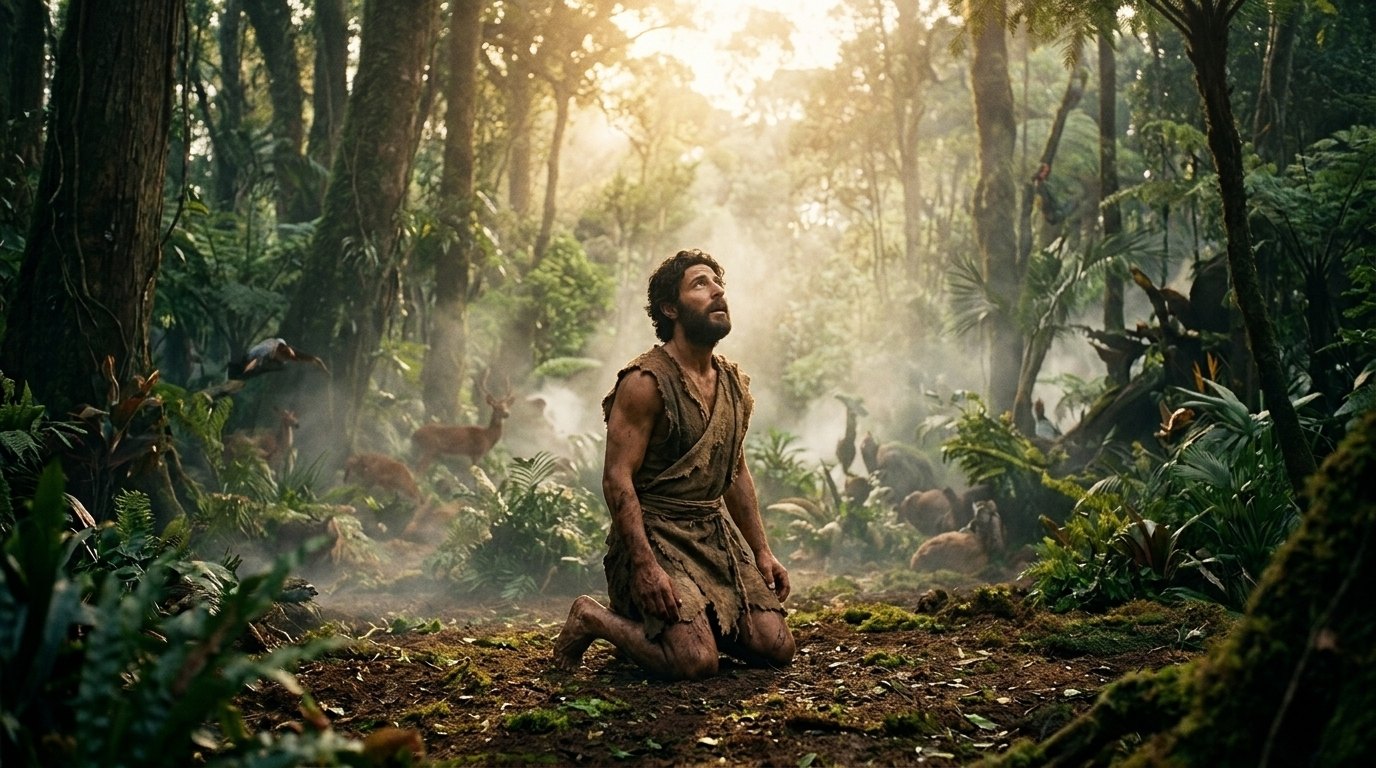
Hebrews 11:3
3 By faith we understand that the universe was formed at God’s command, so that what is seen was not made out of what was visible.
New International Version (NIV)
The answer
A person can be a genuine Christian while holding a confused or inconsistent view of origins, because salvation rests on Jesus Christ, not on passing a science test. But evolution understood as a naturalistic account of all life through universal common descent—including humanity’s descent from non-human ancestors—is not compatible with Scripture. Saying “God guided it” does not remove the conflict if the account still denies what Genesis, Jesus and Paul affirm.
What makes someone a Christian?
The gospel is that Christ died for our sins, was buried and was raised on the third day (1 Corinthians 15:1-4). Romans 10:9 promises salvation to the person who confesses Jesus as Lord and believes in their heart that God raised Him from the dead. A Christian can therefore hold errors and need correction. That does not make every belief a Christian holds compatible with Christianity, and persistently setting aside clear Scripture is not submission to God’s Word.
What Scripture says about origins
Hebrews 11:3 teaches that the universe was framed by God’s word, so that what is seen was not made from visible things. John 1:3 says that all things were made through the Son. Creation is therefore neither undirected nor independent of God.
Genesis gives further specifics that any theory of origins must not contradict:
- Genesis 1:20-31 records God creating living creatures “after their kind” and making humanity specially in His image, male and female.
- Genesis 2:7 records Yahweh God forming man from the dust of the ground and breathing life into him.
- Genesis 2:21-22 records God making the woman from the man’s rib.
Studying inherited variation or adaptation within populations is a different matter from claiming that every living thing descended from one original organism. Observable biological change is not itself a denial of Scripture; naturalistic molecules-to-man evolution is.
Why Adam matters to the gospel
Jesus grounds marriage in God making the first human pair male and female from the beginning (Matthew 19:4-6). Paul teaches that sin entered the world through one man and death through sin, contrasting Adam’s disobedience with Christ’s obedience (Romans 5:12-19). He also calls Adam “the first man” and Christ “the last Adam” (1 Corinthians 15:45-49).
Consequently, an account that reduces Adam to a mere symbol, denies humanity’s special creation or places human death before Adam’s sin conflicts with the history Jesus and Paul affirm. The issue is not whether God could have used a process, but whether a proposed process contradicts what He says He actually did. Every scientific theory must be tested by God’s Word, rather than revising God’s Word to fit the theory.
Answered from Scripture · reviewed November 12, 2026
A person can truly be saved while holding confused or mistaken ideas about origins, because salvation rests on faith in Jesus Christ rather than exhaustive scientific knowledge. However, the theory of naturalistic evolution—universal common descent through unguided biological processes—is fundamentally incompatible with what Scripture explicitly teaches about creation, humanity, and the gospel. Examining God's inerrant Word demonstrates why upholding biblical creation matters for understanding sin, redemption, and the authority of Christ.
The Ground of Salvation
Salvation Rests on Faith in Jesus Christ
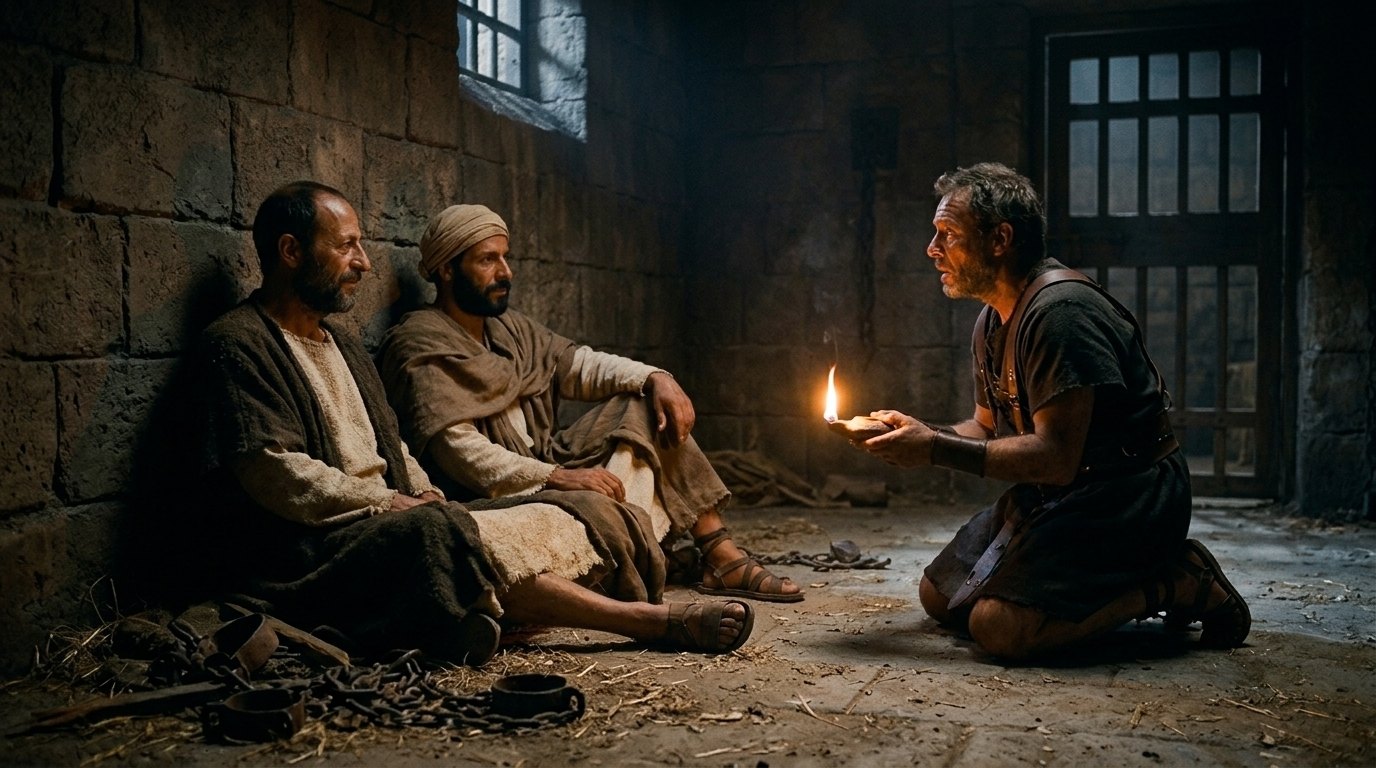
If you declare with your mouth, “Jesus is Lord,” and believe in your heart that God raised him from the dead, you will be saved.
Romans 10:9 (NIV)
It defines the core requirement of salvation: confessing Jesus as Lord and believing that God raised Him from the dead.
The question of whether a person can be a Christian while holding to evolutionary ideas must begin with how Scripture defines salvation. In Romans 10:9, Paul writes plainly that if you confess with your mouth that Jesus is Lord and believe in your heart that God raised him from the dead, you will be saved. The New Testament does not make an exhaustive grasp of cosmology or biology a prerequisite for redemption. When the Philippian jailer asked what he must do to be saved, Paul and Silas answered directly in Acts 16:30-31: "Believe in the Lord Jesus, and you will be saved, you and your household." Salvation is grounded entirely upon the person and finished work of Jesus Christ, received by grace through faith alone, not by intellectual attainment or perfect theological formulation (Ephesians 2:8-9).
Paul summarizes this central message in 1 Corinthians 15:1-4, declaring that Christ died for our sins according to the Scriptures, that he was buried, and that he was raised on the third day. John 3:16 similarly assures us that whoever believes in the Son will not perish but have everlasting life. A believer can be genuinely converted yet remain inconsistent, misinformed, or slowly growing in understanding the full implications of Scripture's authority. Adding scientific orthodoxy or perfect theological knowledge to the ground of justification would distort the pure gospel of grace, which Paul vigorously guards in Galatians 1:8-9. Therefore, a person can truly belong to Christ despite holding confused ideas about human origins.
Yet grace never treats biblical truth as trivial. While salvation rests on Christ alone, a Christian is called to grow into wholehearted submission to God's inspired, inerrant Word. When we examine what the Bible reveals regarding origins, we find that the claims of naturalistic evolution cannot be harmonized with God's revelation without eroding vital foundations of the gospel.
| Passage | What it says |
|---|---|
| Romans 10:9 | Salvation comes through confessing Jesus as Lord and believing God raised Him from the dead. |
| 1 Corinthians 15:1-4 | The gospel message centers upon Christ dying for our sins, being buried, and rising again. |
| Ephesians 2:8-9 | Believers are saved by grace through faith, not by works or intellectual merit. |
| John 3:16 | God gave His only begotten Son so that whoever believes in Him has eternal life. |
| Acts 16:30-31 | Paul and Silas declare that believing on the Lord Jesus Christ is the sole ground of personal salvation. |
| Galatians 1:8-9 | Paul warns against adding any human requirement or philosophical addition to the gospel of grace. |
The Word of Power
God Created All Things Out of Nothing
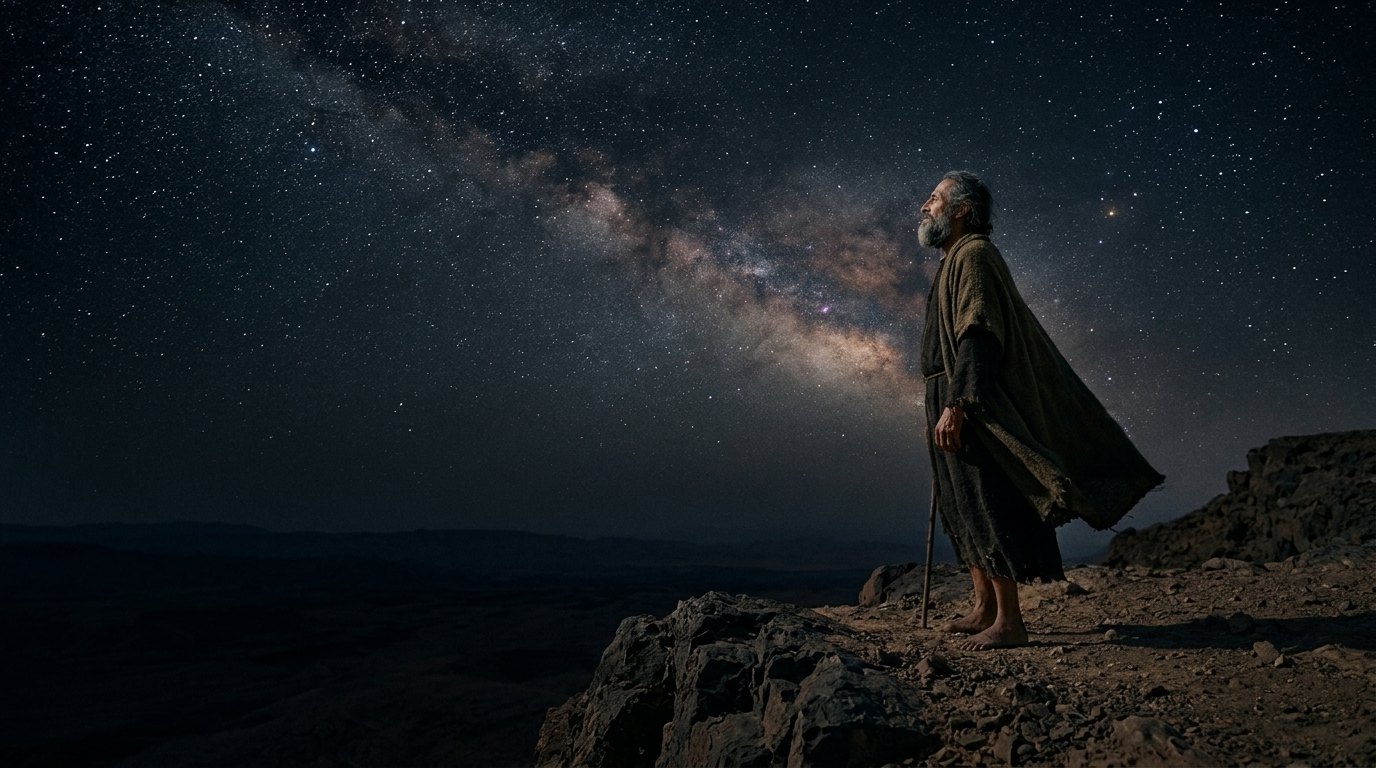
By faith we understand that the universe was formed at God’s command, so that what is seen was not made out of what was visible.
Hebrews 11:3 (NIV)
It affirms that the universe was framed by God's spoken word, not derived from visible matter.
Hebrews 11:3 establishes the foundational biblical truth regarding origins: by faith we understand that the universe was created by the word of God, so that what is seen was not made out of things that are visible. Scripture reveals creation not as an unguided, multi-billion-year process of accidental variation, but as an instantaneous fiat of the sovereign Creator. Genesis 1:1 declares, "In the beginning, God created the heavens and the earth." The Psalmist underscores this immediate, creative power: "By the word of the Lord the heavens were made, and by the breath of his mouth all their host" (Psalms 33:6), explaining in Psalms 33:9 that "he spoke, and it came to be; he commanded, and it stood firm."
This same divine agency belongs to Jesus Christ. John 1:1-3 proclaims that all things were made through the eternal Word, and without him was not anything made that was made. Colossians 1:16-17 affirms that by the Son all things were created, in heaven and on earth, visible and invisible, and in him all things hold together. When preaching to Athenian philosophers in Acts 17:24, Paul affirmed that God made the world and everything in it as Lord of heaven and earth. In Exodus 20:11, the Lord Himself grounded the Sabbath command in historical reality, declaring that "in six days the Lord made heaven and earth, the sea, and all that is in them, and rested on the seventh day."
Old and New Testaments consistently worship God as the direct architect of the cosmos. Nehemiah 9:6 and Revelation 4:11 praise him because he alone brought all things into existence by his will. Isaiah 45:18 reminds us that God formed the earth deliberately to be inhabited. Peter warns in 2 Peter 3:5 that skeptics deliberately overlook that the heavens existed long ago and the earth was formed out of water and through water by the word of God.
| Passage | What it says |
|---|---|
| Hebrews 11:3 | The worlds were framed by God's word, not made from existing visible matter. |
| Genesis 1:1 | God created the heavens and the earth in the beginning. |
| Psalms 33:6 | The heavens were made by Yahweh's word and their host by His breath. |
| Psalms 33:9 | God spoke and it came to be; He commanded and it stood firm. |
| John 1:1-3 | All things were made through the eternal Word, without whom nothing was made. |
| Colossians 1:16-17 | All things in heaven and earth were created by Christ and hold together in Him. |
| Acts 17:24 | God made the world and everything in it as Lord of heaven and earth. |
| 2 Peter 3:5 | Scoffers deliberately forget that the heavens and earth were formed by God's word. |
| Revelation 4:11 | God is worthy to receive glory because He created all things by His will. |
| Exodus 20:11 | The Lord declares in the fourth commandment that He created heaven, earth, and all within them in six days. |
| Nehemiah 9:6 | The Levites worship God as the sole creator and sustainer of heaven, earth, and the seas. |
| Isaiah 45:18 | The Lord declares that He formed the earth not to be a waste place but to be inhabited. |
Created After Their Kinds
Scripture Describes Distinct Kinds and Special Creation
And God said, “Let the land produce living creatures according to their kinds: the livestock, the creatures that move along the ground, and the wild animals, each according to its kind.” And it was so. God made the wild animals according to their kinds, the livestock according to their kinds, and all the creatures that move along the ground according to their kinds. And God saw that it was good.
Genesis 1:24-25 (NIV)
It explicitly states that God made living creatures according to their distinct kinds, rather than by continuous descent from one ancestor.
Naturalistic evolution posits universal common descent, claiming that all living organisms developed from a single primitive ancestor through continuous biological modification. In sharp contrast, Genesis 1:24-25 records God's precise boundary markers: God made the beasts of the earth according to their kinds and the livestock according to their kinds, and everything that creeps on the ground according to its kind. The phrase "according to its kind" appears repeatedly throughout the creation week, establishing distinct biological boundaries. Vegetation and fruit-bearing trees were created to yield seeds and fruit according to their kinds (Genesis 1:11-12), and aquatic life and birds were commanded to multiply after their kinds (Genesis 1:20-23).
The creation of mankind represents a unique, direct act of divine artistry, completely distinct from any animal ancestry. Genesis 1:26-27 records God's deliberate council: "Let us make man in our image, after our likeness." God did not guide an existing primate lineage; rather, the Lord God formed the man of dust from the ground and breathed into his nostrils the breath of life (Genesis 2:7). Woman did not emerge through evolutionary adaptation, but was formed directly by God from the side of the first man (Genesis 2:21-22).
The New Testament maintains these essential distinctions between human and non-human life. In 1 Corinthians 15:39, Paul writes that "not all flesh is the same, but there is one kind for humans, another for animals, another for birds, and another for fish." Scripture leaves no room for human beings emerging as the gradual product of predatory struggle or animal lineage. Human beings are unique, directly fashioned by God, bearing His image and endowed with an eternal soul from their very inception.
| Passage | What it says |
|---|---|
| Genesis 1:11-12 | Vegetation and fruit-bearing trees were created to reproduce each according to its own kind. |
| Genesis 1:20-23 | God created sea creatures and winged birds to reproduce according to their kinds. |
| Genesis 1:24-25 | God formed livestock, creeping things, and beasts of the earth after their kinds. |
| Genesis 1:26-27 | God directly created man in His own image, male and female. |
| Genesis 2:7 | Yahweh formed man from the dust of the ground and breathed life into him. |
| Genesis 2:21-22 | God made the first woman directly from the rib of the first man. |
| 1 Corinthians 15:39 | Not all flesh is the same: humans, animals, birds, and fish differ distinctively. |
The Historical Adam
Jesus and Paul Ground the Gospel in Adam
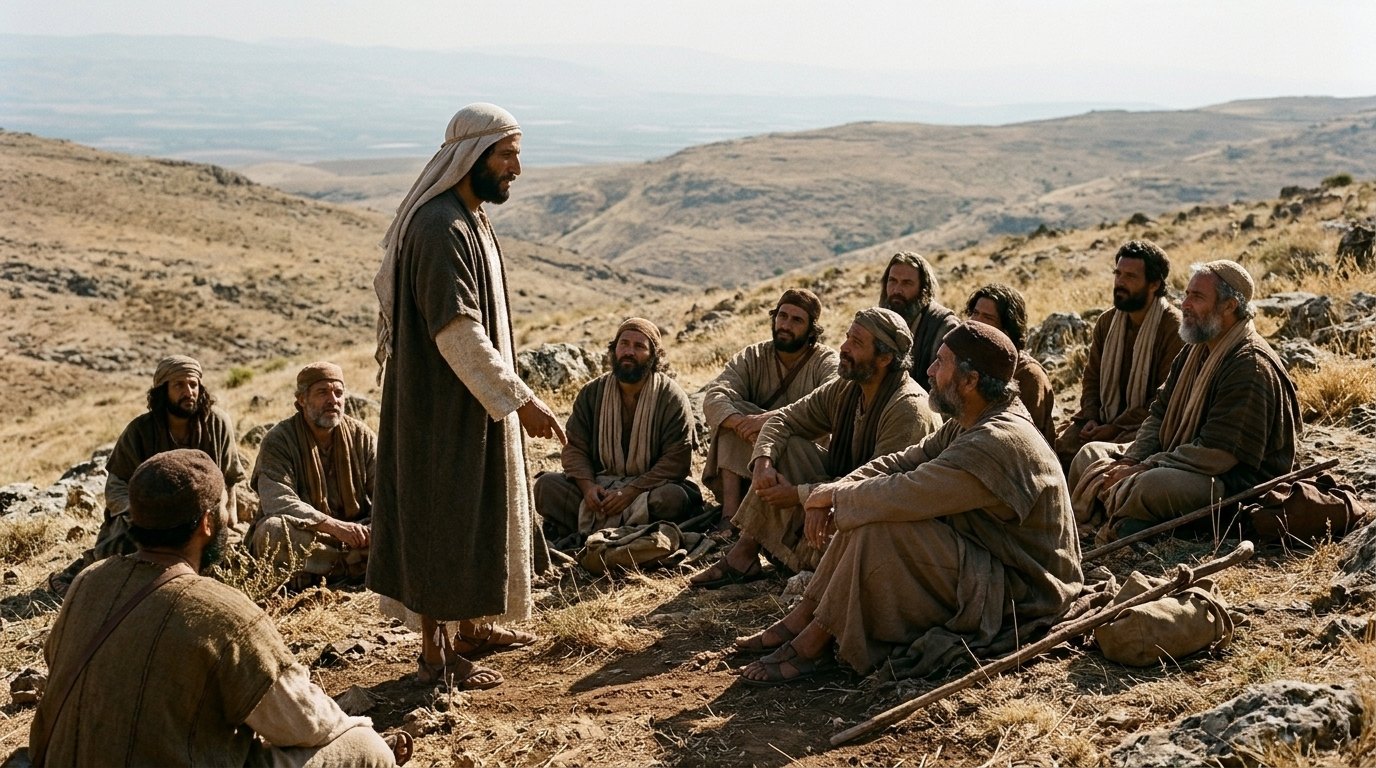
Therefore, just as sin entered the world through one man, and death through sin, and in this way death came to all people, because all sinned—
Romans 5:12 (NIV)
Paul traces the entrance of sin and death into the world directly to one historical man, Adam.
The deepest conflict between Scripture and evolutionary thought concerns the historical Adam and the origin of death. Romans 5:12 lays bare the theological heart of the issue: just as sin came into the world through one man, and death through sin, and so death spread to all men because all sinned. The theory of evolution requires hundreds of millions of years of death, disease, bloodshed, and extinction before man ever appeared. Yet Scripture explicitly teaches that physical and spiritual death entered creation solely because of the historic disobedience of Adam. Genesis and Paul unite in showing that creation was subjected to bondage and decay not by natural processes, but because of human sin (Romans 8:19-22).
The gospel rests upon the historical parallel between the first man and Jesus Christ. As Paul explains in Romans 5:17-19 and 1 Corinthians 15:21-22, "as in Adam all die, so also in Christ shall all be made alive." If Adam were a mythical archetype or a hominid population, the foundational logic of the atonement collapses, for "the first man Adam became a living being; the last Adam became a life-giving spirit" (1 Corinthians 15:45-49).
Jesus Christ Himself treated the Genesis account as straightforward history. In Matthew 19:4-6 and Mark 10:6, Jesus affirmed that from the beginning of creation God made them male and female. Luke traced the actual, literal lineage of Christ back through historical fathers to "Seth, the son of Adam, the son of God" (Luke 3:38). Paul grounded church order upon the historical sequence that Adam was formed first, then Eve (1 Timothy 2:13-14), and Jude 1:14 recognized Enoch as the seventh generation from Adam. To abandon the historical Adam is to dismantle the framework of the gospel itself.
| Passage | What it says |
|---|---|
| Matthew 19:4-6 | Jesus affirms that the Creator made humanity male and female from the beginning. |
| Mark 10:6 | Jesus places the creation of humanity at the beginning of creation. |
| Romans 5:12 | Sin entered the world through one man, and death entered through sin. |
| Romans 5:17-19 | Adam's one trespass brought death, while Christ's obedience brings life and righteousness. |
| 1 Corinthians 15:21-22 | Death came by a man, and the resurrection of the dead comes by Christ. |
| 1 Corinthians 15:45-49 | Scripture identifies Adam as the first man and Jesus Christ as the last Adam. |
| Romans 8:19-22 | Creation was subjected to futility and bondage to decay because of human sin. |
| 1 Timothy 2:13-14 | Paul bases pastoral instruction on Adam being formed first, then Eve. |
| Luke 3:38 | Luke traces the historical human genealogy of Jesus directly back to Seth, who was the son of Adam, of God. |
| Jude 1:14 | Enoch is affirmed as a real historical prophet who lived in the seventh generation from Adam. |
The Origin of Death
Death Entered Creation Only Through Human Rebellion
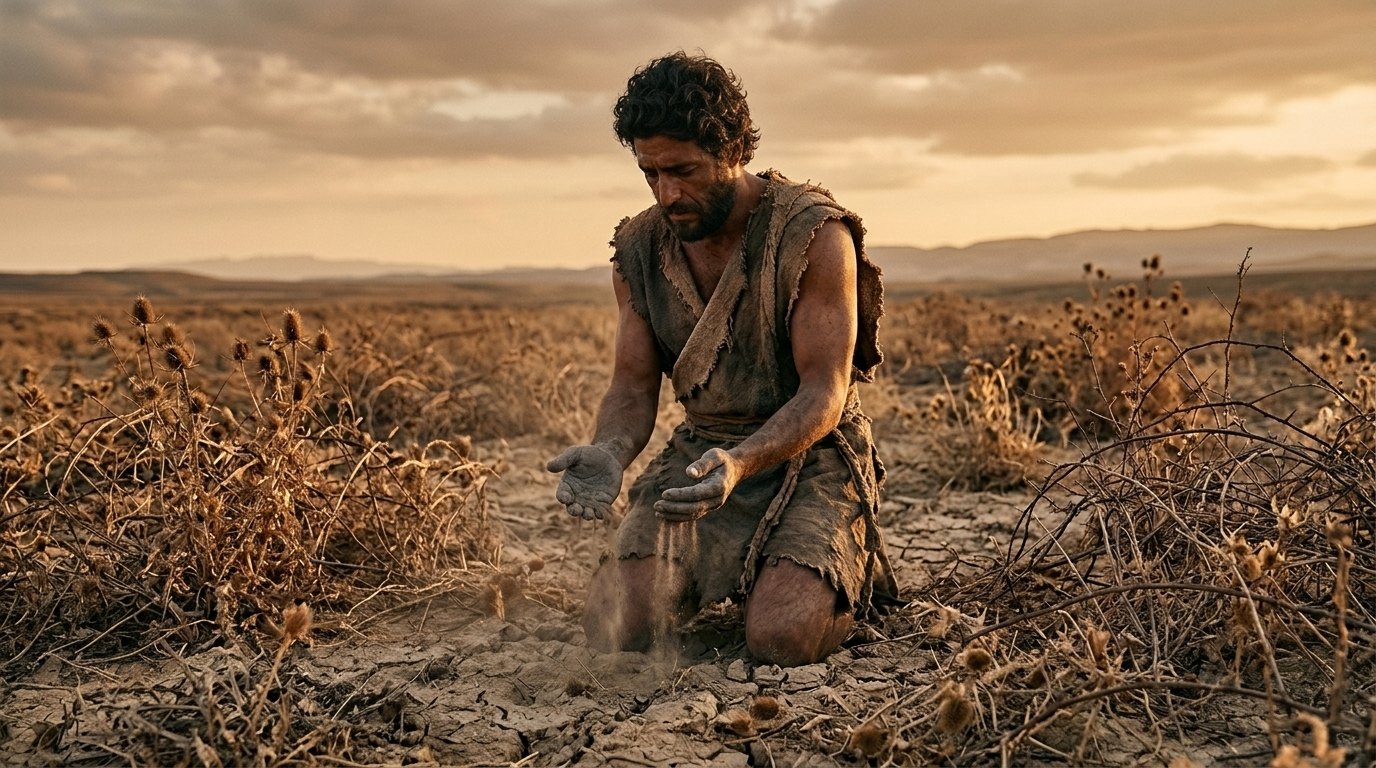
By the sweat of your brow you will eat your food until you return to the ground, since from it you were taken; for dust you are and to dust you will return.”
Genesis 3:19 (NIV)
It establishes that physical death and decay entered creation as the direct consequence of Adam's rebellion rather than as the mechanism through which God formed man.
In Genesis 3:19, the Lord God declares the inescapable penalty of human rebellion: death is the consequence of sin, not the instrument of creation. When God said, 'for dust you are, and to dust you shall return,' He pronounced an unnatural judgment upon the crown of His earthly handiwork. Naturalistic evolutionary models demand that countless generations of agony, struggle, and biological death existed long before humanity emerged. Scripture tells the precise opposite story.
At the climax of creation week, Genesis 1:31 records that 'God saw everything that He had made, and indeed it was very good.' This pristine world was untouched by the terror of decay or mortality. God specifically instituted the law of life in Genesis 2:16-17, warning Adam that death would enter only upon transgression: 'for in the day that you eat of it you shall surely die.' Death did not lurk as an established biological necessity; it stood as a warned consequence for breaking fellowship with the Creator.
When Adam disobeyed, the curse struck both man and the ground. According to Genesis 3:17-19, painful toil, thorns, thistles, and bodily dissolution entered the created order through human fault. Death was not the engine that brought man into being, but the curse that came when man fell away from God. For this reason, 1 Corinthians 15:26 names death as 'the last enemy that will be destroyed,' rather than a benevolent mechanism of development. To place millions of years of bloodshed and extinction prior to the fall undermines the very reason Christ came in the flesh to conquer death through His resurrection.
| Passage | What it says |
|---|---|
| Genesis 1:31 | God beholds everything He made and declares the original creation very good before sin entered the world. |
| Genesis 2:16-17 | The Lord warns Adam that death would enter only upon transgression and disobedience to His command. |
| Genesis 3:17-19 | Physical toil, sorrow, thorns, and bodily return to the dust are imposed as the penalty for Adam's sin. |
| 1 Corinthians 15:26 | Scripture explicitly defines death as an enemy brought into the world to be finally destroyed by Christ. |
Where in the Bible
| Book | Passages |
|---|---|
| Genesis | 10 · Genesis 1:1, Genesis 1:11-12, Genesis 1:20-23, Genesis 1:24-25, Genesis 1:26-27, Genesis 2:7, Genesis 2:21-22, Genesis 1:31, Genesis 2:16-17, Genesis 3:17-19 |
| Exodus | 1 · Exodus 20:11 |
| Nehemiah | 1 · Nehemiah 9:6 |
| Psalms | 2 · Psalms 33:6, Psalms 33:9 |
| Isaiah | 1 · Isaiah 45:18 |
| Matthew | 1 · Matthew 19:4-6 |
| Mark | 1 · Mark 10:6 |
| Luke | 1 · Luke 3:38 |
| John | 2 · John 3:16, John 1:1-3 |
| Acts | 2 · Acts 16:30-31, Acts 17:24 |
| Romans | 4 · Romans 10:9, Romans 5:12, Romans 5:17-19, Romans 8:19-22 |
| 1 Corinthians | 5 · 1 Corinthians 15:1-4, 1 Corinthians 15:39, 1 Corinthians 15:21-22, 1 Corinthians 15:45-49, 1 Corinthians 15:26 |
| Galatians | 1 · Galatians 1:8-9 |
| Ephesians | 1 · Ephesians 2:8-9 |
| Colossians | 1 · Colossians 1:16-17 |
| 1 Timothy | 1 · 1 Timothy 2:13-14 |
| Hebrews | 1 · Hebrews 11:3 |
| 2 Peter | 1 · 2 Peter 3:5 |
| Jude | 1 · Jude 1:14 |
| Revelation | 1 · Revelation 4:11 |
The story in order
- God creates the heavens and earth (c. 4004 BC) · Genesis 1:1 · God's word frames the worlds out of nothing.
- God creates vegetation and animals (c. 4004 BC) · Genesis 1:11-12 · Life is created to reproduce according to its kind.
- God creates humanity (c. 4004 BC) · Genesis 1:26-27 · Man and woman are made in God's image.
- Adam disobeys God (c. 4004 BC) · Genesis 2:16-17 · Death enters the world through sin.
- The gospel is proclaimed (c. AD 55) · 1 Corinthians 15:1-4 · Christ died for our sins and rose again.
- Salvation by grace through faith (c. AD 60) · Ephesians 2:8-9 · Salvation is a gift, not earned by works.
- Jesus affirms creation's beginning (c. AD 30) · Matthew 19:4-6 · Jesus grounds marriage in God's creation of male and female.
- Adam is the first man (c. AD 55) · 1 Corinthians 15:45-49 · Adam brought death; Christ brings life.
- Creation groans under futility (c. AD 57) · Romans 8:19-22 · The whole creation awaits redemption from decay.
- Genealogy traces back to Adam (c. AD 30) · Luke 3:38 · Jesus' lineage is historically linked to Adam.
Adam and Christ: Two Representatives
| Representative | Act | Result | Passage |
|---|---|---|---|
| Adam | One trespass | Death and condemnation | Romans 5:17-19 |
| Christ | Obedience | Life and righteousness | Romans 5:17-19 |
| Adam | First man | All die | 1 Corinthians 15:21-22 |
| Christ | Last Adam | All made alive | 1 Corinthians 15:21-22 |
Creation by God's Word
| Agent | Method | Result | Passage |
|---|---|---|---|
| God's word | Framed the worlds | Not from visible matter | Hebrews 11:3 |
| Yahweh's word | Made the heavens | Host by His breath | Psalms 33:6 |
| God | Spoke and commanded | Things stood firm | Psalms 33:9 |
| The eternal Word | Made all things | Nothing made without Him | John 1:1-3 |
| Christ | Created all things | All things hold together in Him | Colossians 1:16-17 |
Distinct Kinds of Life
| Created Being | Reproduction | Scripture Reference | Passage |
|---|---|---|---|
| Vegetation and trees | According to its kind | Genesis 1:11-12 | Genesis 1:11-12 |
| Sea creatures and birds | According to their kinds | Genesis 1:20-23 | Genesis 1:20-23 |
| Livestock, creeping things, beasts | After their kinds | Genesis 1:24-25 | Genesis 1:24-25 |
| Flesh (human, animal, bird, fish) | Not all the same | 1 Corinthians 15:39 | 1 Corinthians 15:39 |
Key words
- Lord (kurios, κύριος)
- Jesus is confessed as sovereign ruler and God. · Romans 10:9
- Gospel (euangelion, εὐαγγέλιον)
- The good news of Christ's death and resurrection for salvation. · 1 Corinthians 15:1-4
- Grace (charis, χάρις)
- God's unmerited favor, the basis of salvation. · Ephesians 2:8-9
- Believe (pisteuō, πιστεύω)
- To trust in Jesus Christ for eternal life. · John 3:16
- Created (ktizō, κτίζω)
- God brought all things into existence by His word. · Genesis 1:1
- Kind (min, מִין)
- Distinct categories of created life, reproducing after themselves. · Genesis 1:11-12
- Image of God (demut, דְּמוּת)
- Humanity's unique representation of God's character and authority. · Genesis 1:26-27
- Sin (ḥaṭṭā'ṯ, חַטָּאת)
- Human rebellion against God's command, bringing death. · Romans 5:12
Salvation is a gift of pure grace received through faith in the crucified and risen Lord Jesus Christ, not the prize for flawless doctrinal precision. Yet genuine discipleship means submitting every human philosophy and secular paradigm to the unchanging authority of God's Word. Holding fast to the true history of Genesis preserves the integrity of the gospel, honouring Christ not only as our Redeemer but as the direct Creator of all that is.
39 passages, each cited once.
Scripture cited
- Hebrews 11:3
- John 1:3
- Genesis 1:20-31
- Genesis 2:7-23
- Matthew 19:4-6
- Romans 5:12-19
- 1 Corinthians 15:1-4
- 1 Corinthians 15:20-22
- 1 Corinthians 15:45-49
- Romans 10:9-13