Why would a loving God require a blood sacrifice?
Hebrews 9:22
22 In fact, the law requires that nearly everything be cleansed with blood, and without the shedding of blood there is no forgiveness.
New International Version (NIV)
The answer
A loving God required blood because sin truly deserves death, and blood represents a life given in the sinner’s place. The sacrifices were not divine cruelty or an appetite for suffering. They taught the seriousness of sin, the cost of forgiveness, and God’s provision of a substitute—ultimately pointing to Jesus Christ, who willingly gave his own life once for all.
Sin brings death, not merely hurt feelings
God warned from the beginning that disobedience would bring death (Genesis 2:17). Scripture states the principle plainly: “For the wages of sin is death” (Romans 6:23). Sin is rebellion against the holy God who gives life; it cannot be treated as though nothing wrong has happened.
God’s love does not cancel his justice. In Christ, God demonstrates both: he remains just while justifying the person who has faith in Jesus (Romans 3:25-26). Forgiveness is therefore not God pretending sin does not matter. It is God dealing with sin righteously and extending grace to sinners.
Blood signifies life given for another
God explained the meaning of sacrificial blood in Leviticus 17:11: “For the life of the flesh is in the blood. I have given it to you on the altar to make atonement for your souls; for it is the blood that makes atonement by reason of the life.”
The important truth is life, not blood as a magical substance. A sacrificial death visibly showed that sin costs life, while God mercifully accepted a substitute rather than immediately requiring the offender’s own death. God himself says, “I have given it to you on the altar”: atonement was his provision, not a human invention for manipulating an unwilling deity.
This is why Hebrews 9:22 says, “According to the law, nearly everything is cleansed with blood, and apart from shedding of blood there is no remission.” The word “nearly” matters: the law’s pattern was not that every conceivable cleansing required an identical ritual. Its central teaching was that remission required the shedding of blood—a life given in atonement.
Animal sacrifices taught the need; they did not accomplish the final cure
The repeated sacrifices kept sin before the people, but Hebrews 10:4 says, “For it is impossible that the blood of bulls and goats should take away sins.” They were a “shadow of the good to come,” not the complete reality (Hebrews 10:1). Their repetition showed that something greater was still needed.
That greater sacrifice is Christ. He entered God’s presence “through his own blood” and “obtained eternal redemption” (Hebrews 9:12). Unlike animals, he offered himself willingly and without defect (Hebrews 9:14). He did not need to suffer repeatedly: he appeared “to put away sin by the sacrifice of himself” (Hebrews 9:26), and his one offering is sufficient (Hebrews 10:12-14).
The cross reveals love rather than contradicting it
God did not demand an unwilling stranger’s death so that he could feel better. The Son willingly laid down his own life. Jesus said, “No one takes it away from me, but I lay it down by myself” (John 10:18). He bore the punishment sinners deserved: “He was pierced for our transgressions. He was crushed for our iniquities” (Isaiah 53:5), and “He himself bore our sins in his body on the tree” (1 Peter 2:24).
The cross therefore displays the costliness of sin and the depth of divine love at the same time: “But God commends his own love toward us, in that while we were yet sinners, Christ died for us” (Romans 5:8). God did not merely demand payment from humanity; in Christ, he provided the sacrifice and bore the cost himself.
The proper response is not to defend ourselves as though sin were small, but to confess it and receive the cleansing God provides: “If we confess our sins, he is faithful and righteous to forgive us the sins and to cleanse us from all unrighteousness” (1 John 1:9).
Answered from Scripture · reviewed November 12, 2026
Scripture reveals that God required blood sacrifices not out of a thirst for suffering, but because the wages of sin is death and the life of the flesh is in the blood. In His mercy, God established substitutionary sacrifice so that guilt could be righteously transferred, upholding holy justice while making a way for sinners to live. From Eden's first coverings to the cross of Calvary, blood marks the costly gift of life given in exchange for the condemned.
The Cost of Sin
Rebellion against the living God brings death
For the wages of sin is death, but the gift of God is eternal life inChrist Jesus our Lord.
Romans 6:23 (NIV)
It defines the non-negotiable spiritual reality that sin inherently earns death, while eternal life remains an unearned gift of grace.
The foundational truth of the gospel is stated plainly in Romans 6:23: "For the wages of sin is death, but the gift of God is eternal life in Christ Jesus our Lord." Death is not an arbitrary penalty designed by a capricious deity; it is the natural and inevitable consequence of creaturely rebellion against the holy Creator, who alone is the fountain of all life. From the beginning in Eden, God warned man of this intrinsic link, declaring in Genesis 2:17 that eating of the tree of the knowledge of good and evil would bring certain death. When humanity chose autonomy over obedience, spiritual severance occurred immediately, followed by physical decay.
God's holy nature cannot accommodate moral evil. As the prophet writes in Habakkuk 1:13, His eyes are too pure to approve evil, and He cannot look upon wickedness with indifference. Sin is high treason against infinite holiness, creating an absolute debt that divine justice must execute. Thus, the Lord affirms through the prophet in Ezekiel 18:4 that "the soul who sins shall die." Every single human being stands under this universal verdict, because Romans 3:23 declares that all have sinned and fall short of the glory of God.
Sin conceives death by its very nature. As James 1:15 traces the moral collapse, desire conceives and gives birth to sin, and sin, when fully matured, produces death. Because God is completely righteous, He cannot simply dismiss transgressions with a wave of His hand; His moral law must be upheld. A loving God requires a life to answer for rebellion because His holy justice cannot compromise with sin. The requirement of a substitute's death is not cruelty, but the only righteous ground upon which a condemned sinner can ever be pardoned.
| Passage | What it says |
|---|---|
| Genesis 2:17 | God warned that eating of the forbidden tree would result in certain death. |
| Ezekiel 18:4 | God declares that every soul belongs to Him and the soul who sins shall die. |
| Romans 6:23 | Paul confirms that the rightful wage earned by human sin is death. |
| Romans 3:23 | All humanity has sinned and fallen short of the glorious standard of God. |
| James 1:15 | Desire conceives sin, and sin when fully grown brings forth death. |
| Habakkuk 1:13 | God's eyes are too pure to look on evil, establishing moral accountability. |
Life in the Blood
Blood represents life given upon the altar
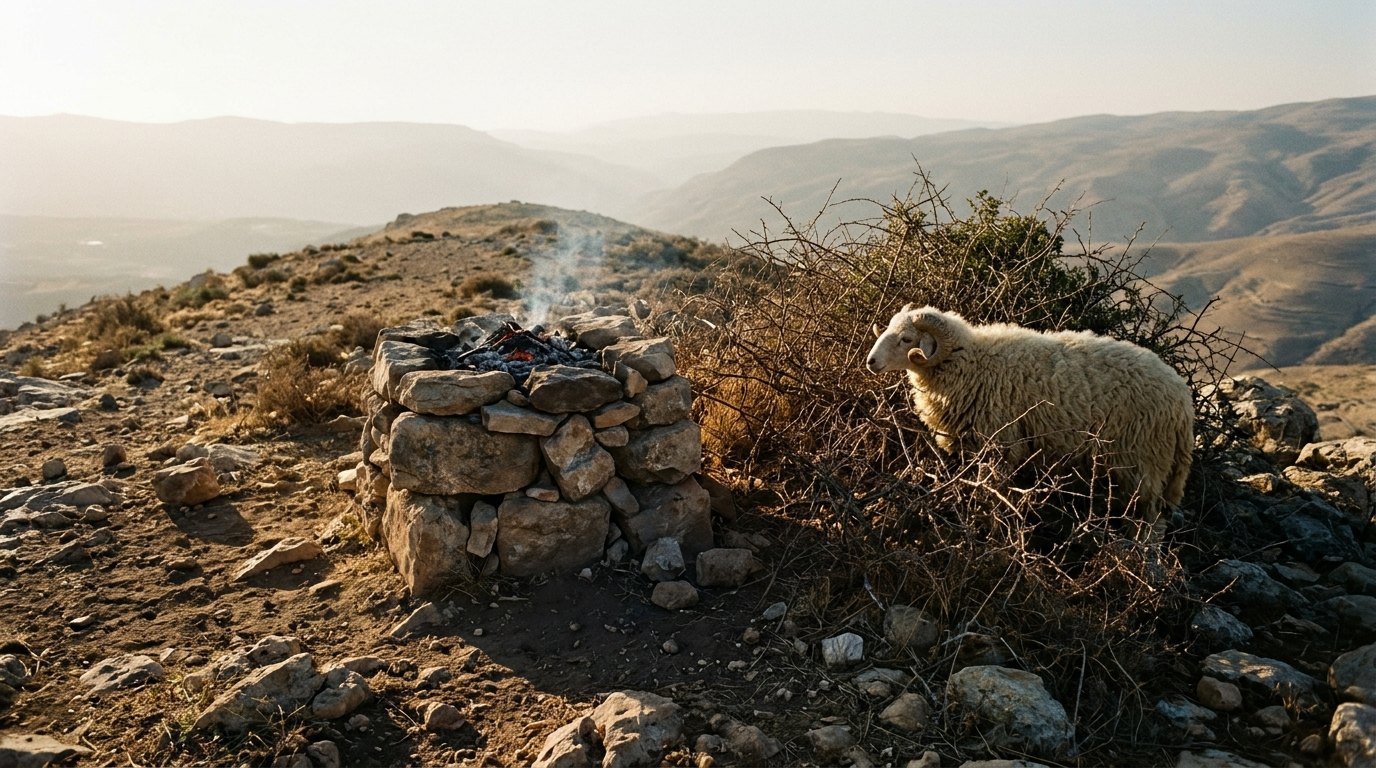
For the life of a creature is in the blood, and I have given it to you to make atonement for yourselves on the altar; it is the blood that makes atonement for one’s life.
Leviticus 17:11 (NIV)
It provides the divine rationale for blood atonement, linking physical blood directly to the life of the creature offered as a substitute.
God reveals the divine rationale for blood atonement in Leviticus 17:11: "For the life of the flesh is in the blood, and I have given it to you on the altar to make atonement for your souls; for it is the blood that makes atonement by reason of the life." When physical blood is poured out, the biological life of the creature is surrendered. Blood sacrifice was never about appeasing a bloodthirsty pagan appetite, but about the solemn transfer of a surrendered life in exchange for a condemned one, looking ahead to how we are justified by His blood in Romans 5:9 and cleansed without exception as established in Hebrews 9:22.
From earliest human history, God established this sacred significance. After the flood, God reiterated in Genesis 9:4 that flesh with its life—its blood—must not be eaten, a standard upheld later in the apostolic assembly of Acts 15:20 and reinforced for Israel in Deuteronomy 12:23. The earliest demonstration of substitutionary mercy unfolded immediately after the Fall in Genesis 3:21, where the Lord God made garments of animal skins to clothe Adam and Eve, requiring the first shed blood to cover human shame, prefiguring the multitude robed in white washed in blood in Revelation 7:14.
This pattern continued in righteous Abel's offering in Genesis 4:4, who brought the firstborn of his flock, offering an acceptable sacrifice pointing to a superior speaking blood in Hebrews 11:4 and Hebrews 12:24. On Mount Moriah, when Abraham bound his son, God provided a ram caught in a thicket (Genesis 22:13) as a substitute burnt offering, foreshadowing the pure Lamb of God provided for the world in John 1:29 and 1 Peter 1:19.
| Passage | What it says | Fulfilled |
|---|---|---|
| Genesis 9:4 | God establishes with Noah that the life of any living creature resides in its blood. | Acts 15:20 |
| Leviticus 17:11 | God explains that the blood makes atonement on the altar because it represents the life. | Romans 5:9, Hebrews 9:22 |
| Genesis 3:21 | The Lord clothed Adam and Eve with garments of animal skins, requiring the first shedding of blood. | Revelation 7:14 |
| Genesis 4:4 | Abel brought the firstborn of his flock and their fat, an offering God looked upon with favor. | Hebrews 11:4, Hebrews 12:24 |
| Genesis 22:13 | A ram caught in a thicket was offered as a burnt offering in place of Isaac. | John 1:29, 1 Peter 1:19 |
| Deuteronomy 12:23 | Affirms that the blood is the life, forbidding its consumption. |
The Old Covenant Shadows
Levitical sacrifices taught the cost of forgiveness
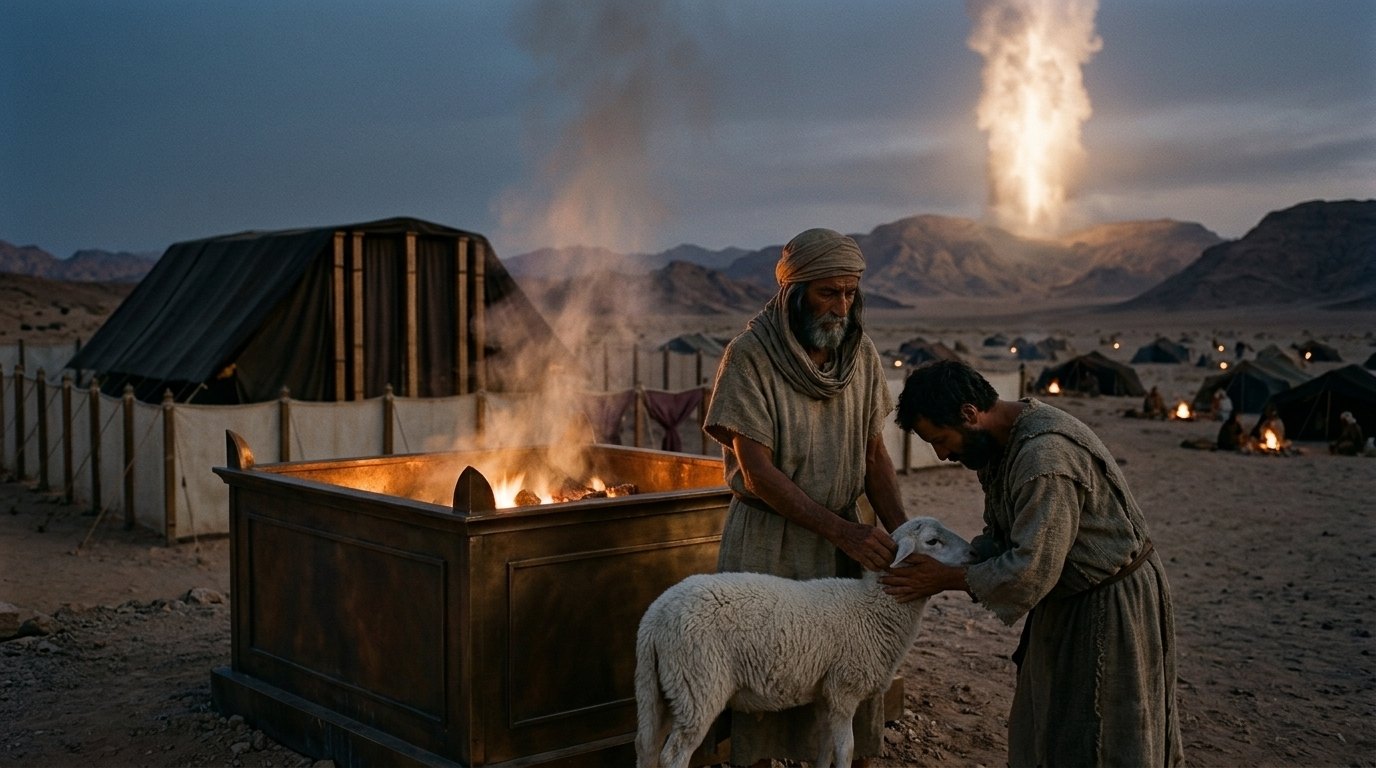
In fact, the law requires that nearly everything be cleansed with blood, and without the shedding of blood there is no forgiveness.
Hebrews 9:22 (NIV)
It summarizes the central requirement of the Mosaic covenant, showing that without the shedding of blood there is no remission.
The Mosaic covenant established an extensive sacrificial system, encapsulated by Hebrews 9:22: "And according to the Law, one may almost say, all things are cleansed with blood, and without shedding of blood there is no forgiveness." This principle governed Israel's national life, continually demonstrating that remission of sins required the payment of a life, which found its ultimate fulfillment when Christ appeared at the end of the ages to put away sin by His sacrifice in Hebrews 9:26.
At the Exodus, God instructed Israel to strike the blood of the Passover lamb on their doorposts (Exodus 12:13) so the plague of death would pass over them, directly foreshadowing Christ our Passover who was sacrificed for us in 1 Corinthians 5:7. When the covenant was sealed at Sinai, Moses sprinkled the blood of the covenant upon the people (Exodus 24:8), the precise shadow of Christ's blood of the new covenant poured out for many in Matthew 26:28 and expounded in Hebrews 9:19-20.
Individual forgiveness under the law was tethered to this reality. In Leviticus 1:4, the worshiper laid his hand upon the head of the burnt offering to make atonement, while the priest made atonement with lambs and rams (Leviticus 4:35, Leviticus 5:10, Leviticus 5:18, and Leviticus 6:7), prefiguring redemption and forgiveness through Christ's blood in Ephesians 1:7, Hebrews 10:10, 1 Peter 1:18-19, and 1 John 1:7. Even healed lepers were cleansed by sacrificial blood (Leviticus 14:14; fulfilled in Hebrews 10:22). Finally, on the Day of Atonement, blood was sprinkled upon the mercy seat (Leviticus 16:15; fulfilled in Romans 3:25 and Hebrews 9:12), while sins were confessed over the scapegoat (Leviticus 16:21-22) to signify the righteous removal of guilt.
| Passage | What it says | Fulfilled |
|---|---|---|
| Exodus 12:13 | The blood of the Passover lamb on the doorposts was the sign that spared Israel from judgment. | 1 Corinthians 5:7 |
| Exodus 24:8 | Moses sprinkled the blood of the covenant over the people to ratify God's law. | Matthew 26:28, Hebrews 9:19-20 |
| Leviticus 4:35 | The priest made atonement through the sacrificial lamb so the sinner would be forgiven. | Ephesians 1:7 |
| Leviticus 5:10 | The prescribed burnt offering provided atonement for the sinner's trespass and brought divine pardon. | Hebrews 10:10 |
| Leviticus 5:18 | A ram without blemish brought to the priest made atonement for sins of ignorance. | 1 Peter 1:18-19 |
| Leviticus 6:7 | The priest made atonement before the Lord for trespasses, securing forgiveness for the offender. | 1 John 1:7 |
| Leviticus 14:14 | Sacrificial blood touched the ear, thumb, and toe to cleanse and consecrate the healed leper. | Hebrews 10:22 |
| Leviticus 16:15 | On the Day of Atonement, the high priest sprinkled the goat's blood upon the mercy seat. | Hebrews 9:12, Romans 3:25 |
| Hebrews 9:22 | The law ordained that almost everything be cleansed with blood, without which there is no remission. | Hebrews 9:26 |
| Leviticus 1:4 | Laying hands on the burnt offering secures substitutionary atonement for the offerer. | |
| Leviticus 16:21-22 | Confessing sins over the scapegoat shows guilt transferred away from the congregation. |
The Flaw of Shadows
Animal blood could never permanently remove guilt
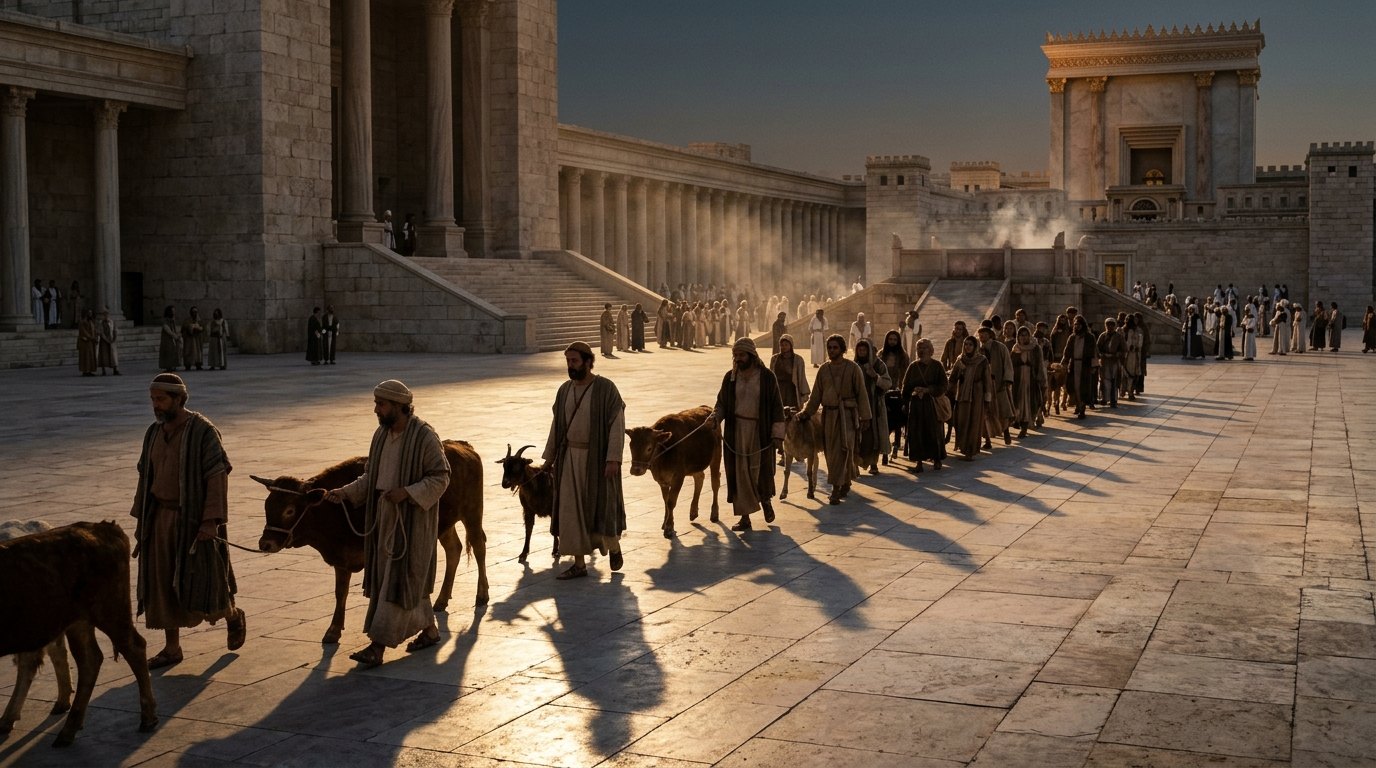
It is impossible for the blood of bulls and goats to take away sins.
Hebrews 10:4 (NIV)
It declares the inherent limitation of the Old Covenant rituals, proving that animal sacrifices served only as instructional shadows.
Despite their divine institution, animal sacrifices were fundamentally provisional. The writer of Hebrews brings this striking reality into sharp relief in Hebrews 10:4: "For it is impossible for the blood of bulls and goats to take away sins." An animal possesses neither moral agency nor human nature; a goat cannot bear moral culpability, nor can an irrational beast willingly substitute for the rebellious human soul. Animal blood served as an instructional pedagogue, pointing ahead to the only sacrifice that could truly cleanse human consciences from dead works (Hebrews 9:13-14).
The law possessed merely a shadow of the good things to come, unable by the same yearly sacrifices to make the worshipers perfect (Hebrews 10:1), finding its true substance alone in Christ (Colossians 2:17). Indeed, the ceaseless repetition of sacrifices on the Day of Atonement operated as a perpetual annual reminder of unresolved guilt (Hebrews 10:3), contrasting with the complete forgiveness of sins remembered no more under the New Covenant (Hebrews 10:17-18). Every Levitical priest stood daily ministering and offering the same sacrifices repeatedly, which could never permanently take away sins (Hebrews 10:11), until Christ sat down at the right hand of God having offered one sacrifice for sins forever (Hebrews 10:12).
The Old Testament itself made plain that outward ritual divorced from the heart pleased God not at all. In Psalms 50:8-13, the Lord reminds Israel that He owns the cattle on a thousand hills and has no hunger for the blood of goats. Similarly, the prophet in Micah 6:6-7 asks whether thousands of rams or rivers of oil could ever atone for personal transgression. The blood of animals was never the ultimate remedy; it was God's gracious, temporary visual aid pointing sinners to the spotless Lamb He would personally provide.
| Passage | What it says | Fulfilled |
|---|---|---|
| Hebrews 10:1 | The law had only a shadow of the good things to come, unable to make worshipers perfect. | Colossians 2:17 |
| Hebrews 10:3 | The yearly repetition of Levitical sacrifices served as a perpetual reminder of sins. | Hebrews 10:17-18 |
| Hebrews 10:4 | It is completely impossible for the blood of bulls and goats to take away sins. | Hebrews 9:13-14 |
| Hebrews 10:11 | Priests stood daily ministering and offering sacrifices that could never blot out sin. | Hebrews 10:12 |
| Psalms 50:8-13 | God declares He has no physical need for bulls or goats. | |
| Micah 6:6-7 | Thousands of rams cannot atone for personal transgression or cleansed heart. |
The True Substitute
Christ offered His own blood once for all
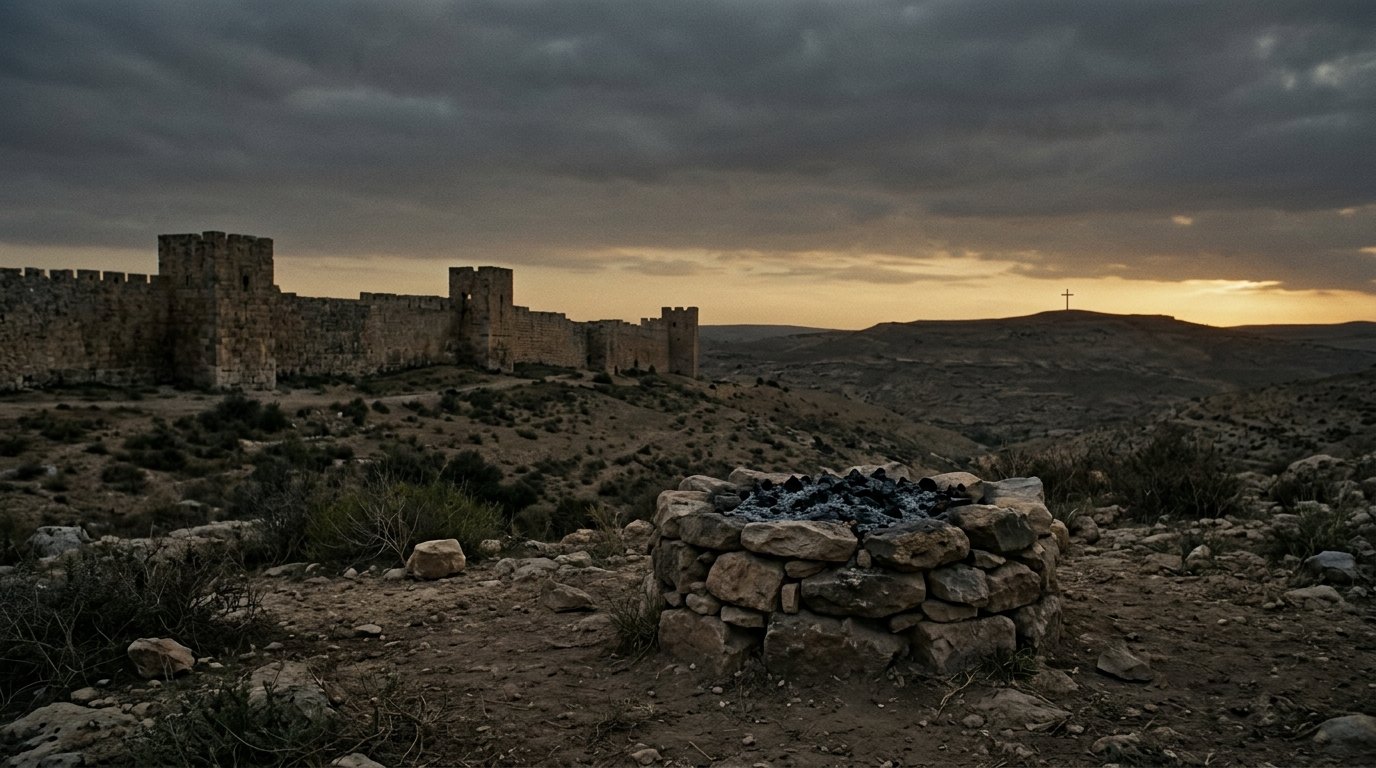
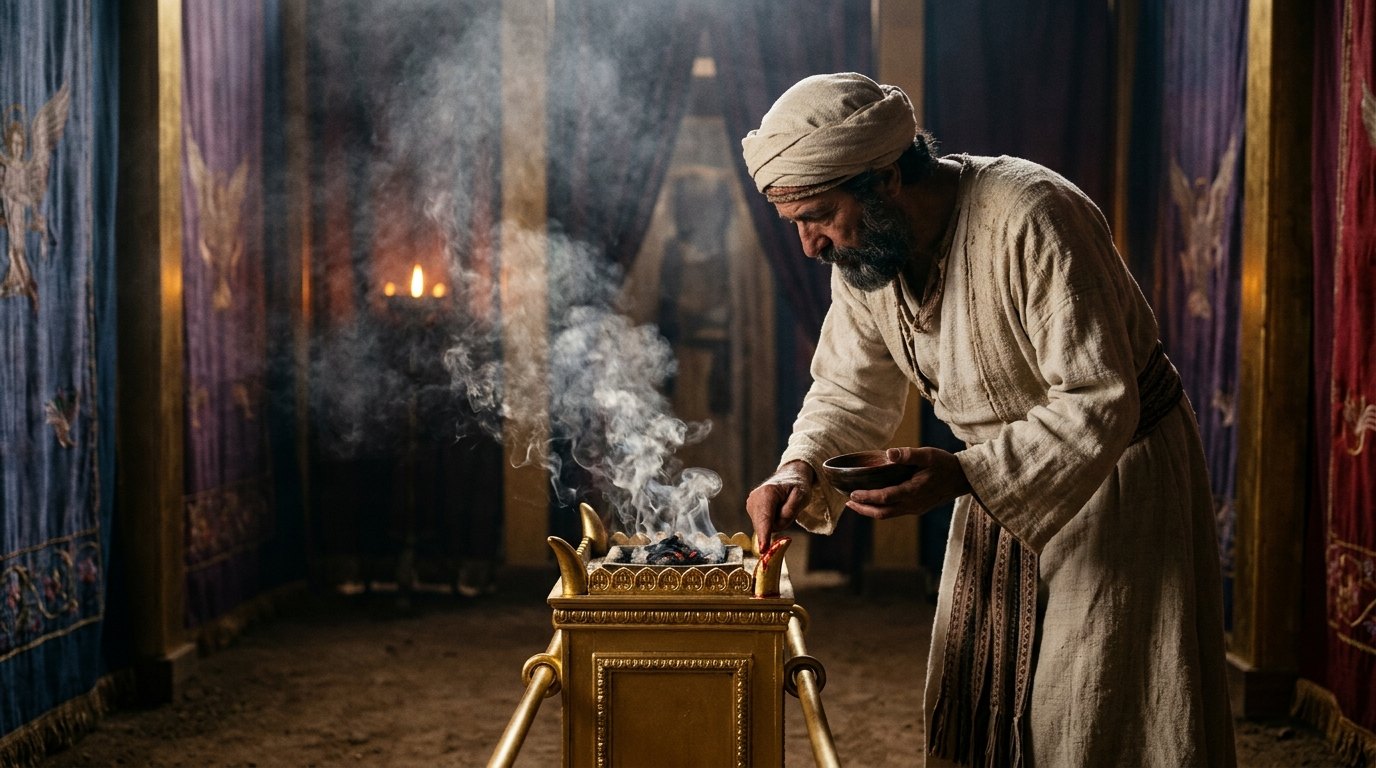
He did not enter by means of the blood of goats and calves; but he entered the Most Holy Place once for all by his own blood, thus obtaining eternal redemption.
Hebrews 9:12 (NIV)
It contrasts the temporary entry of earthly priests with Christ entering the holy place once by His own blood to secure eternal redemption.
The entire architecture of blood sacrifice finds its true meaning and final rest in Jesus Christ. As Hebrews 9:12 declares, Christ entered the Most Holy Place not through the blood of goats and calves, but by His own blood, once for all time, securing eternal redemption. The repetition of the Levitical system testified to its insufficiency; earthly priests stood daily offering the same sacrifices, but Christ offered one sacrifice for sins forever and sat down at the right hand of God (Hebrews 10:12). By that single offering, He has perfected for all time those who are being sanctified (Hebrews 10:14), putting away sin by the sacrifice of Himself at the culmination of the ages (Hebrews 9:26).
Centuries before the crucifixion, the prophet Isaiah foresaw this ultimate substitution: the Servant was pierced for our transgressions, crushed for our iniquities, and His soul was made an offering for sin (Isaiah 53:5, Isaiah 53:10). When John the Baptist saw Jesus approaching the Jordan, he announced the fulfillment of every altar: "Behold, the Lamb of God, who takes away the sin of the world!" (John 1:29). At the Last Supper, Jesus took the cup and said, "This is My blood of the covenant, which is poured out for many for the forgiveness of sins" (Matthew 26:28). His unblemished life offered through the eternal Spirit cleanses the conscience from dead works to serve the living God (Hebrews 9:14).
Believers are not redeemed with perishable things like silver or gold, but with the precious blood of Christ, like that of a lamb without blemish or spot (1 Peter 1:18-19). He bore our sins in His own body on the tree, that we might die to sin and live to righteousness (1 Peter 2:24). In Him we possess redemption through His blood, the forgiveness of our trespasses (Ephesians 1:7), and God has reconciled all things to Himself, making peace by the blood of His cross (Colossians 1:20). In the heavenly throne room, the redeemed sing forever to the Lamb who was slain, ransoming a people for God out of every tribe, tongue, people, and nation (Revelation 5:9).
| Passage | What it says |
|---|---|
| Isaiah 53:5 | The suffering Servant was wounded for our transgressions and bruised for our iniquities. |
| Isaiah 53:10 | The Lord purposed to bruise Him, making His soul a guilt offering for many. |
| Matthew 26:28 | Jesus proclaimed His blood of the new covenant poured out for many for remission of sins. |
| Hebrews 9:12 | Christ entered the holy place once for all by His own blood, obtaining eternal redemption. |
| Hebrews 9:14 | Through the eternal Spirit, Christ offered Himself without blemish to cleanse consciences from dead works. |
| Hebrews 9:26 | At the end of the ages, Jesus appeared once to put away sin by His own sacrifice. |
| Hebrews 10:12 | After offering a single sacrifice for sins forever, Christ sat down at God's right hand. |
| Hebrews 10:14 | By a single offering He has perfected for all time those who are being sanctified. |
| John 1:29 | John proclaims Jesus as the Lamb of God who takes away sin. |
| 1 Peter 1:18-19 | Redemption is purchased through the precious blood of Christ as an unblemished lamb. |
| 1 Peter 2:24 | Jesus bore our sins in His own body on the tree. |
| Ephesians 1:7 | Believers possess redemption through His blood, namely the forgiveness of trespasses. |
| Colossians 1:20 | God reconciles all things to Himself through the blood of Christ's cross. |
| Revelation 5:9 | The Lamb was slain to ransom people for God by His blood. |
Love and Justice Unified
The cross displays supreme love without compromising justice
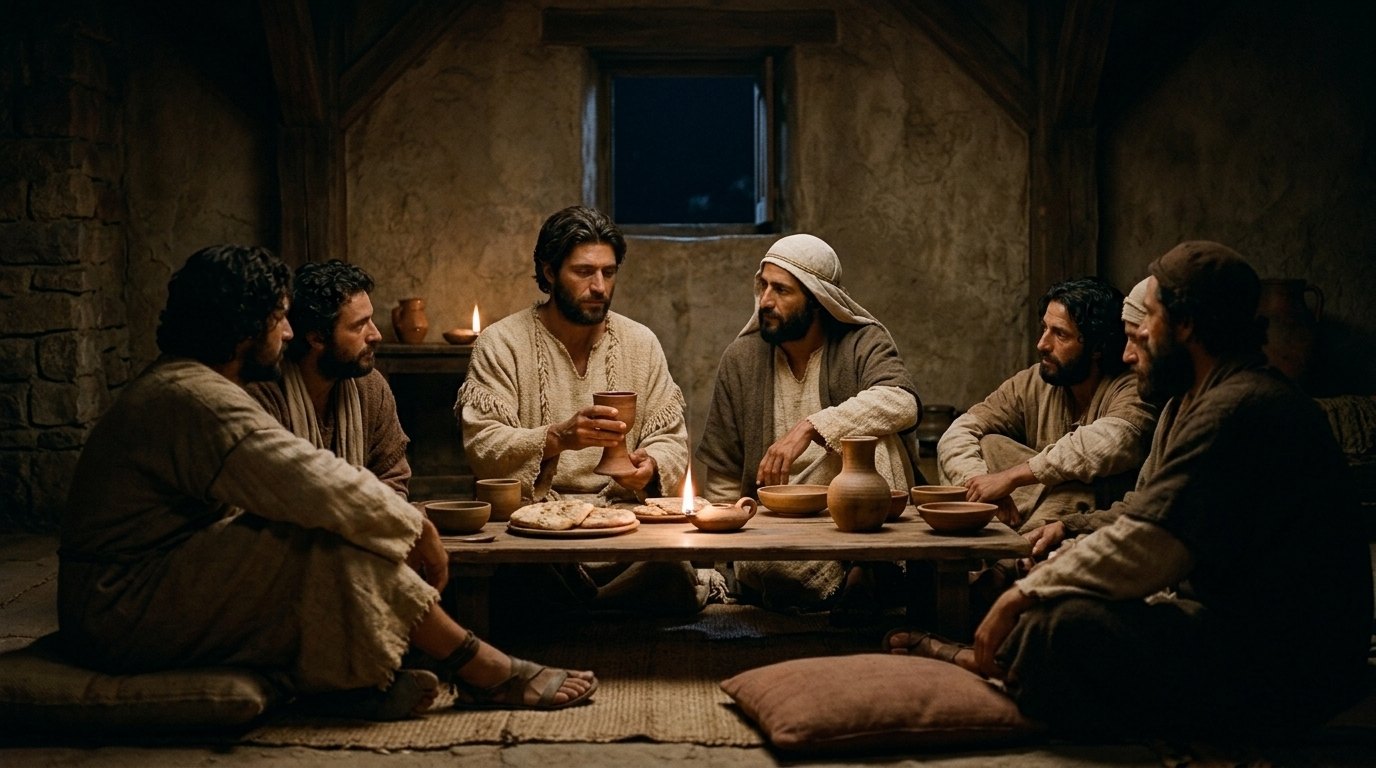
God presented Christ as a sacrifice of atonement, through the shedding of his blood—to be received by faith. He did this to demonstrate his righteousness, because in his forbearance he had left the sins committed beforehand unpunished— he did it to demonstrate his righteousness at the present time, so as to be just and the one who justifies those who have faith in Jesus.
Romans 3:25-26 (NIV)
It shows that the cross enables God to remain perfectly just while simultaneously justifying the sinner through faith in Jesus.
The requirement of blood sacrifice does not pit God's love against His holiness; it reveals them in perfect, indivisible unity. Romans 3:25-26 shows that God put forward Christ as a propitiation by His blood, received through faith, to demonstrate His righteousness—so that He might be both just and the justifier of the one who has faith in Jesus. If God merely overlooked treason against His infinite holiness, He would compromise absolute justice and cease to be righteous. Instead of minimizing our guilt or leaving us under condemnation, God took the penalty upon Himself.
This cross is the pinnacle of divine love: "For God so loved the world, that He gave His only begotten Son, that whoever believes in Him should not perish but have eternal life" (John 3:16). Christ did not go to the cross as a helpless victim of circumstance; He went willingly: "No one takes it from Me, but I lay it down of My own accord" (John 10:18). God proves His love for us in that while we were still sinners, Christ died for us (Romans 5:8). True love is defined not by our affection toward God, but that He loved us and sent His Son to be the propitiation for our sins (1 John 4:10).
To accomplish our rescue, God made the sinless Christ to be sin on our behalf, so that in Him we might become the righteousness of God (2 Corinthians 5:21). Christ redeemed us from the curse of the law by becoming a curse for us (Galatians 3:13). The blood sacrifice God requires is nothing less than the cost of His own Son bearing the wrath we deserved, satisfying holy justice completely so that redeeming grace could flow freely.
| Passage | What it says |
|---|---|
| John 3:16 | God loved the world by giving His only begotten Son so that believers would have eternal life. |
| John 10:18 | Jesus laid down His life voluntarily of His own accord, having authority to take it up again. |
| Romans 3:25 | God displayed Christ publicly as a propitiation through faith in His blood. |
| Romans 3:26 | God demonstrated His righteousness in Christ so that He is both just and the justifier. |
| Romans 5:8 | God demonstrated His love for us in that while we were still sinners, Christ died for us. |
| 1 John 4:10 | Love is defined not by our love for God, but that He sent His Son as the propitiation for our sins. |
| 2 Corinthians 5:21 | God made Him who knew no sin to be sin for us. |
| Galatians 3:13 | Christ redeemed us from the curse of the law by becoming a curse. |
Where in the Bible
| Book | Passages |
|---|---|
| Genesis | 5 · Genesis 2:17, Genesis 9:4, Genesis 3:21, Genesis 4:4, Genesis 22:13 |
| Exodus | 2 · Exodus 12:13, Exodus 24:8 |
| Leviticus | 9 · Leviticus 17:11, Leviticus 4:35, Leviticus 5:10, Leviticus 5:18, Leviticus 6:7, Leviticus 14:14, Leviticus 16:15, Leviticus 1:4, Leviticus 16:21-22 |
| Deuteronomy | 1 · Deuteronomy 12:23 |
| Psalms | 1 · Psalms 50:8-13 |
| Isaiah | 2 · Isaiah 53:5, Isaiah 53:10 |
| Ezekiel | 1 · Ezekiel 18:4 |
| Micah | 1 · Micah 6:6-7 |
| Habakkuk | 1 · Habakkuk 1:13 |
| Matthew | 1 · Matthew 26:28 |
| John | 3 · John 1:29, John 3:16, John 10:18 |
| Romans | 5 · Romans 6:23, Romans 3:23, Romans 3:25, Romans 3:26, Romans 5:8 |
| 2 Corinthians | 1 · 2 Corinthians 5:21 |
| Galatians | 1 · Galatians 3:13 |
| Ephesians | 1 · Ephesians 1:7 |
| Colossians | 1 · Colossians 1:20 |
| Hebrews | 10 · Hebrews 9:22, Hebrews 10:1, Hebrews 10:3, Hebrews 10:4, Hebrews 10:11, Hebrews 9:12, Hebrews 9:14, Hebrews 9:26, Hebrews 10:12, Hebrews 10:14 |
| James | 1 · James 1:15 |
| 1 Peter | 2 · 1 Peter 1:18-19, 1 Peter 2:24 |
| 1 John | 1 · 1 John 4:10 |
| Revelation | 1 · Revelation 5:9 |
The story in order
- God warns of death for disobedience (c. 4000 BC) · Genesis 2:17 · Establishes sin's consequence as death.
- First blood sacrifice for covering (c. 4000 BC) · Genesis 3:21 · Animal skins show blood's necessity for covering.
- Abel's favored sacrifice (c. 4000 BC) · Genesis 4:4 · Blood offering accepted by God.
- Blood declared as life (c. 2350 BC) · Genesis 9:4 · Life is in the blood, not to be eaten.
- Passover blood spares Israel (c. 1446 BC) · Exodus 12:13 · Blood signifies protection from judgment.
- Covenant ratified by blood (c. 1446 BC) · Exodus 24:8 · Blood seals God's law and promises.
- Levitical atonement for sin (c. 1445 BC) · Leviticus 4:35 · Animal sacrifice provides forgiveness.
- Day of Atonement ritual (c. 1445 BC) · Leviticus 16:15 · High priest uses blood on mercy seat.
- Prophetic declaration of suffering Servant (c. 700 BC) · Isaiah 53:5 · Messiah's suffering for sin foretold.
- Jesus proclaims new covenant blood (AD 30) · Matthew 26:28 · His blood for remission of sins.
- Christ's sacrifice for eternal redemption (c. AD 60) · Hebrews 9:12 · His own blood obtained eternal redemption.
- God displays righteousness in Christ (c. AD 57) · Romans 3:25-26 · Justifies sinners through Christ's blood.
- Christ's death demonstrates God's love (c. AD 57) · Romans 5:8 · Died for us while we were sinners.
Key words
- Sin (ḥaṭṭā'ṯ (חַטָּאת))
- Rebellion against God's will and standard. · Romans 3:23
- Death (māweth (מָוֶת))
- The consequence of sin, separation from God. · Romans 6:23
- Blood (dām (דָּם))
- Represents life, essential for atonement and redemption. · Leviticus 17:11
- Atonement (kipur (כִּפֻּר))
- Making amends for sin, reconciliation with God. · Leviticus 16:15
- Redemption (lutron (λύτρον))
- Being bought back or set free, often through a price. · 1 Peter 1:18-19
- Propitiation (hilastērion (ἱλαστήριον))
- An offering that turns away wrath; appeasement. · Romans 3:25
The blood of Christ answers every demand of God's holy justice while demonstrating the depth of His boundless love for sinners. Because Jesus offered Himself once for all as our substitute, we do not face the death our sins deserve, but receive complete forgiveness and eternal life. Trusting in His finished work, we draw near to God with clean consciences and hearts at rest.
51 passages, each cited once.
Scripture cited
- Hebrews 9:22
- Leviticus 17:11
- Leviticus 17:10-14
- Hebrews 9:11-28
- Hebrews 10:1-14
- Romans 3:21-26
- Romans 5:6-11
- John 10:14-18
- Romans 6:23
- Genesis 2:15-17
- Isaiah 53:4-6
- 1 Peter 2:24