Did Jesus claim to be God?
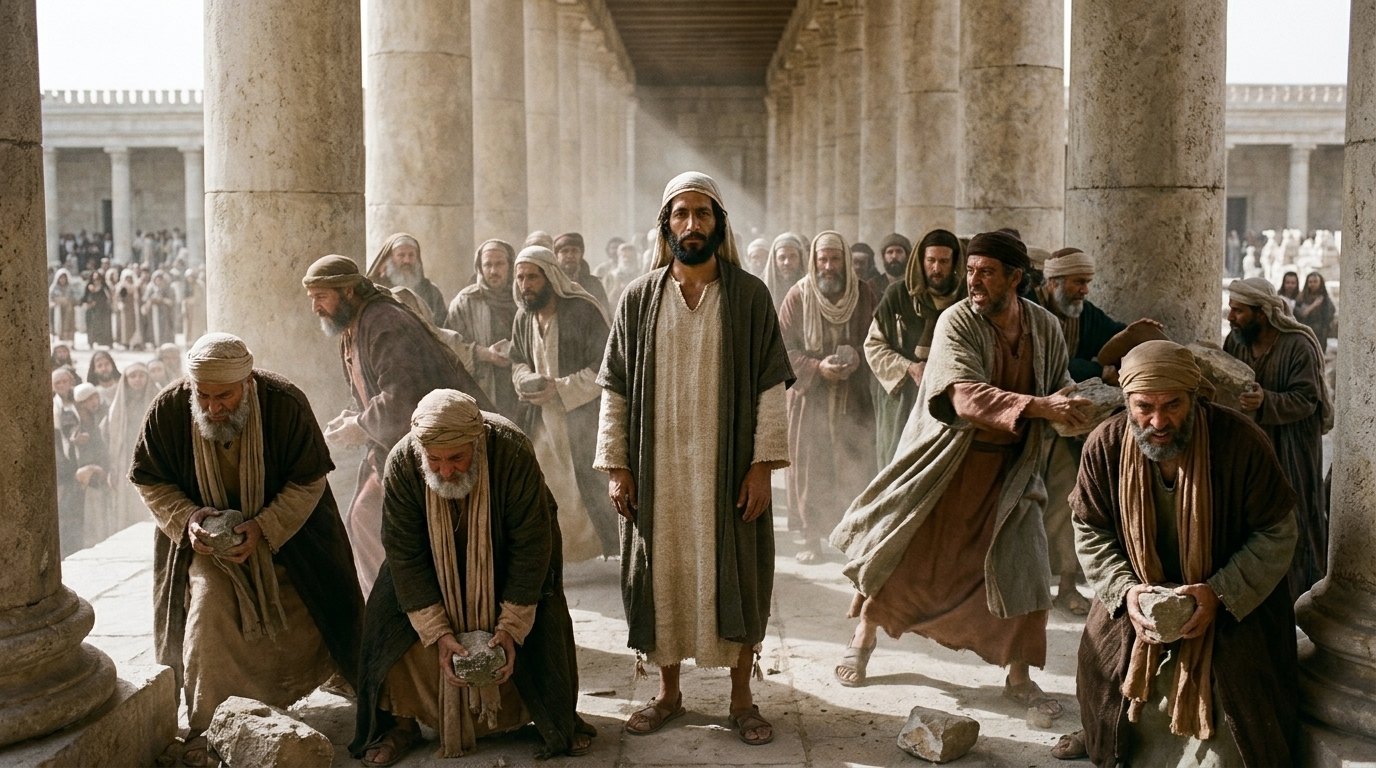
John 8:58
58 “Very truly I tell you,” Jesus answered, “before Abraham was born, I am!”
New International Version (NIV)
The answer
Yes—Jesus claimed to be God. He did not merely present Himself as a prophet or moral teacher: He used the divine “I AM,” claimed eternal existence and equality with the Father, exercised divine authority, and accepted the confession that He was Lord and God.
He claimed the divine name and eternal existence
In John 8:58, Jesus declared, “before Abraham came into existence, I AM.” This was not simply a statement that He was older than Abraham. His words recall God’s self-identification in Exodus 3:14: “I AM THAT I AM.” Abraham came into existence; Jesus spoke of His own existence with the timeless “I AM.” His hearers immediately took up stones against Him (John 8:59).
He claimed oneness and equality with the Father
Jesus said, “I and the Father are one” (John 10:30). His opponents understood the magnitude of that claim, answering, “you, being a man, make yourself God” (John 10:33). Jesus did not correct them by denying deity or saying they had misunderstood. Instead, He appealed to His works and affirmed, “the Father is in me, and I in the Father” (John 10:38).
Earlier, Jesus called God His own Father and worked alongside Him; John 5:17-18 states plainly that this meant He was “making himself equal with God.” His oneness with the Father does not mean He is the same person as the Father—His words, “I and the Father,” distinguish them.
He claimed divine authority at His trial
When asked whether He was the Christ, the Son of the Blessed, Jesus answered, “I am,” and said He would sit at God’s right hand and come with the clouds of heaven (Mark 14:61-62). The high priest responded, “You have heard the blasphemy!” and the council condemned Jesus to death (Mark 14:63-64). Jesus was therefore not condemned for claiming merely to be a human prophet.
He accepted “My Lord and my God”
After the resurrection, Thomas addressed Jesus as “My Lord and my God!” (John 20:28). Jesus did not rebuke him or redirect that confession toward the Father alone. Instead, He pronounced a blessing on those who would believe without seeing (John 20:29).
Answered from Scripture · reviewed November 11, 2026
Jesus Christ repeatedly and unmistakably claimed the divine name, attributes, and prerogatives that belong solely to the one true God. Through His explicit self-declarations, His reception of worship, and His assertion of eternal self-existence, Scripture records His direct claims to deity and the unmistakable recognition of those claims by His contemporaries.
The Divine Name
Jesus Claims the Eternal Name of Yahweh

“Very truly I tell you,” Jesus answered, “before Abraham was born, I am!”
John 8:58 (NIV)
Jesus sets His timeless, self-existent 'I AM' against Abraham's created origin, directly invoking the covenant name of God.
When Jesus confronted His adversaries in Jerusalem, He took upon His own lips the timeless name by which the God of Israel first revealed Himself to Moses. In John 8:58, Jesus made the ultimate claim to uncreated, eternal being: 'Truly, truly, I say to you, before Abraham was, I am.' Centuries earlier, when the Lord spoke out of the burning bush in Exodus 3:14, He defined His transcendent self-existence under the covenant name 'I AM THAT I AM,' a declaration fulfilled and directly embodied when Christ applied that exact absolute formula to Himself. The response of His contemporaries proves they understood His words perfectly: in John 8:59, they gathered stones to kill Him, precisely following the mandate of Leviticus 24:16, which commanded that anyone who blasphemed the name of the Lord must be stoned to death. Jesus did not walk this claim back or suggest a misunderstanding; rather, He pressed the absolute necessity of believing His divine identity. In John 8:24, He warned His listeners that unless they believed that 'I am He,' they would die in their sins, using the very phrase reserved for the Lord throughout Isaiah. Later, in John 13:19, He told His disciples future events before they happened so that when the fulfillment came, they might know that 'I am He.' The majestic power of this divine name was visibly manifested at His arrest: when the Roman cohort approached in John 18:5-6 and Jesus responded with 'I am He,' the armed soldiers fell backward to the earth under the sheer weight of His spoken authority.
| Passage | What it says | Fulfilled |
|---|---|---|
| Exodus 3:14 | God reveals His self-existent covenant name to Moses at the burning bush as 'I AM THAT I AM.' | John 8:58 |
| John 8:58 | Jesus affirms to His opponents that before Abraham came into existence, He eternally is. | |
| John 8:59 | The Jewish hearers take up stones to execute Him for blasphemy because of His explicit divine claim. | |
| Leviticus 24:16 | The law of Moses prescribes execution by stoning for anyone who blasphemes the name of the Lord. | John 8:59, John 10:31-33 |
| John 18:5-6 | When Jesus declares 'I am He' in the garden of Gethsemane, the arresting soldiers fall backward to the ground. | |
| John 8:24 | Jesus warns that unless people believe 'I am he', they will die in their sins, using the divine absolute formula. | |
| John 13:19 | Jesus tells His disciples future events so that when they happen, they may believe that 'I am he'. |
Oneness and Equality
Sharing the Nature and Throne of the Father
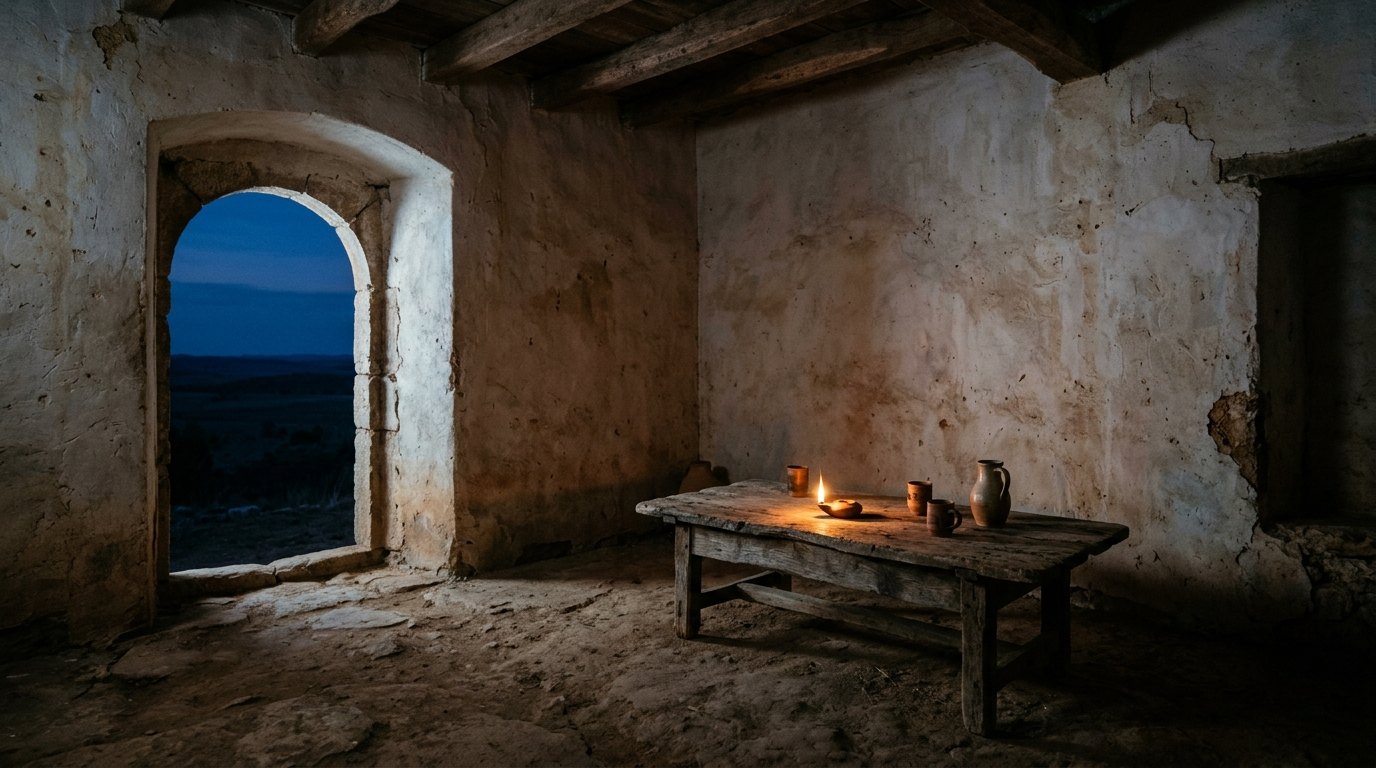
I and the Father are one.”
John 10:30 (NIV)
Jesus states His absolute unity in essence and purpose with the Father, which His hearers immediately recognize as making Himself God.
The deity of Jesus is nowhere stated more emphatically than in His claims of shared essence, throne, and honor with the Father. In John 10:30, Christ uttered the definitive declaration: 'I and the Father are one.' His hearers did not mistake His meaning as mere harmony of purpose; in John 10:31-33, they took up stones again, explaining explicitly, 'It is not for a good work that we are going to stone you but for blasphemy, because you, being a man, make yourself God.' This conflict mirrored the trial in John 5:17-18, where Jesus claimed that He worked alongside His Father on the Sabbath, leading the authorities to seek His life because He was making Himself equal with God. In John 14:9, Jesus answered Philip's longing for divine revelation with the astonishing words, 'Whoever has seen me has seen the Father,' asserting a revelation so complete that to gaze upon the Son is to behold God Himself. This intimate equality belongs to eternity, not human invention: in John 17:5, Christ petitioned the Father to glorify Him with the uncreated glory He possessed alongside the Father before the cosmos was formed, a theme He underscored in John 17:24 regarding His pre-temporal love and stature. Christ also laid claim to universal divine possession in John 16:15, affirming that 'all that the Father has is mine.' The apostle Paul captures this eternal reality in Philippians 2:5-6, affirming that the Savior existed from all eternity in the very form of God, possessing equality with God by inherent right.
| Passage | What it says |
|---|---|
| John 5:17-18 | Jesus calls God His own Father and works on the Sabbath, which the Jews identify as making Himself equal with God. |
| John 10:30 | Jesus proclaims that He and the Father are one. |
| John 10:31-33 | The Jews take up stones again, explicitly declaring that He, being a man, makes Himself God. |
| John 14:9 | Jesus informs Philip that whoever has seen the Son has seen the Father. |
| John 17:5 | Jesus asks the Father to glorify Him with the glory He had with the Father before the world existed. |
| John 17:24 | Jesus speaks of His eternal glory and the Father's love for Him before the foundation of the world. |
| Philippians 2:5-6 | Affirms that Christ Jesus existed eternally in the form of God and did not count equality with God a thing to be grasped. |
| John 16:15 | Jesus declares that all things belonging to the Father are His, asserting complete shared ownership of divine glory and truth. |
Divine Prerogatives
Exercising the Exclusive Authority of God

When Jesus saw their faith, he said to the paralyzed man, “Son, your sins are forgiven.” Now some teachers of the law were sitting there, thinking to themselves, “Why does this fellow talk like that? He’s blaspheming! Who can forgive sins but God alone?”
Mark 2:5-7 (NIV)
Jesus pardons the paralytic's sins, prompting the scribes to recognize that God alone has the authority to forgive sin.
Throughout His ministry, Christ repeatedly exercised divine prerogatives that belong by right exclusively to the Creator. In Mark 2:5-7, when four men lowered a paralyzed friend through the roof, Jesus looked upon him and said, 'Son, your sins are forgiven.' The scribes immediately recognized the theological implications, asking, 'Why does this man speak like that? He is blaspheming! Who can forgive sins but God alone?' Their question echoed the eternal truth of Isaiah 43:25, where Yahweh declares that He alone blots out transgressions for His own sake. To demonstrate that this divine pardon was no empty boast, Christ spoke healing to the man in Mark 2:10-11, proving that the Son of Man has authority on earth to forgive sins. Beyond forgiveness, Jesus laid claim to the divine institution of the Sabbath in Mark 2:27-28, pronouncing Himself 'Lord even of the Sabbath.' In John 5:21-23, He claimed that just as the Father gives life to the dead, so the Son gives life to whom He will, adding that all judgment has been entrusted to the Son so that all may honor Him just as they honor the Father. In John 11:25, Jesus stood before the tomb of Lazarus and identified Himself as the divine source of life: 'I am the resurrection and the life.' That universal supremacy was reaffirmed after His resurrection in Matthew 28:18-19, when He announced that all authority in heaven and earth was His, placing His single name alongside the Father and the Holy Spirit. Finally, in Matthew 25:31-32, Jesus described Himself sitting upon the glorious throne of judgment, assembling every nation before His absolute tribunal.
| Passage | What it says | Fulfilled |
|---|---|---|
| Isaiah 43:25 | The Lord declares that He alone is the one who blots out transgressions for His own sake. | Mark 2:5-7 |
| Mark 2:5-7 | Jesus pronounces forgiveness of sins, leading the scribes to question who can forgive sins except God alone. | |
| Mark 2:10-11 | Jesus heals the paralytic visibly to demonstrate that the Son of Man has authority on earth to forgive sins. | |
| John 5:21-23 | Jesus declares that the Son raises the dead and executes all judgment so all may honour Him as they honour the Father. | |
| Matthew 28:18-19 | Jesus proclaims all authority in heaven and on earth is His, joining His name with the Father and Holy Spirit. | |
| Mark 2:27-28 | Jesus declares Himself to be Lord even of the Sabbath, a divine institution ordained exclusively by God. | |
| John 11:25 | Jesus claims the divine authority over life and death, identifying Himself as the resurrection and the life. | |
| Matthew 25:31-32 | Jesus depicts Himself returning in divine glory to sit on His throne and judge all nations of the earth. |
Worship and Titles
Receiving Worship and Divine Titles
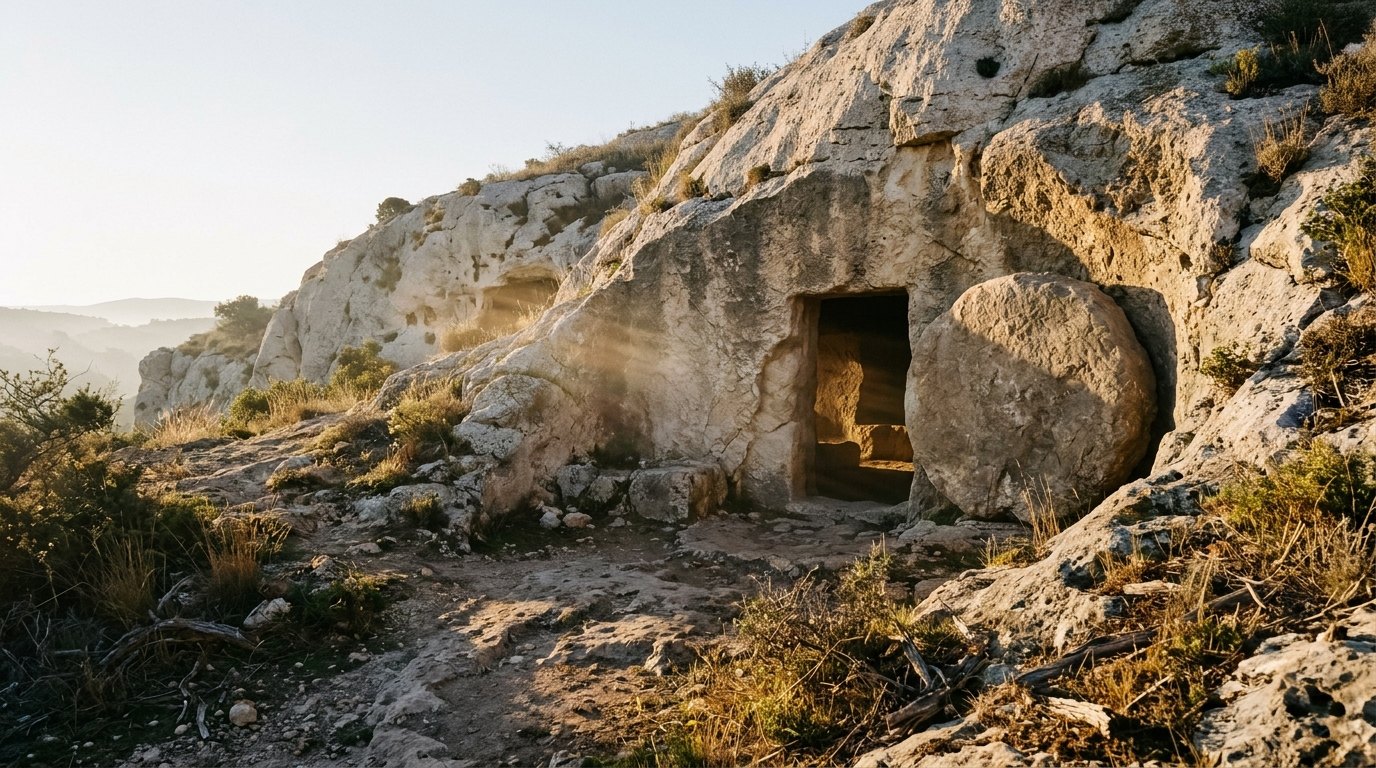
Thomas said to him, “My Lord and my God!”
John 20:28 (NIV)
Thomas directly addresses Jesus as 'My Lord and my God,' an exclamation of divine worship that Jesus explicitly accepts.
In strict biblical monotheism, divine worship and the supreme titles of God belong to the Creator alone, yet Jesus received both without reservation or rebuke. In John 20:28-29, the apostle Thomas fell before the risen Christ and exclaimed, 'My Lord and my God!' Rather than correcting him—as angels consistently did whenever mortals bowed before them—Jesus affirmed his confession, commending those who believe without seeing. This acceptance of adoration was consistent throughout His earthly life. In Matthew 2:11, the Eastern Magi fell down and worshiped the child Jesus, offering gifts befitting deity. Following the miraculous stilling of the tempest on the Sea of Galilee, the disciples in Matthew 14:33 bowed before Him in the boat, confessing Him as the Son of God. When Jesus healed the man born blind in John 9:38, the man declared his faith and worshiped Him immediately. On the morning of His resurrection, in Matthew 28:9, the women met Him on the road, took hold of His feet, and worshiped Him without impediment. Even as He departed the earth at His ascension in Luke 24:52, the disciples worshiped Him with great joy. Most strikingly, the exalted Christ applies to Himself the supreme, exclusive titles of Yahweh: while Isaiah 44:6 proclaims that the Lord of hosts is 'the first and the last' besides whom there is no God, Jesus proclaims in Revelation 1:17-18 that He is 'the first and the last,' the living One who died and lives forevermore. In Revelation 22:13, He confirms this supreme claim, declaring, 'I am the Alpha and the Omega, the first and the last, the beginning and the end.'
| Passage | What it says | Fulfilled |
|---|---|---|
| Isaiah 44:6 | The Lord of hosts declares Himself to be the first and the last, outside of whom there is no God. | Revelation 1:17-18, Revelation 22:13 |
| Matthew 14:33 | The disciples in the boat worship Jesus as the Son of God after He stills the storm. | |
| John 9:38 | The man born blind confesses his belief in the Son of Man and falls down to worship Jesus. | |
| John 20:28-29 | Thomas confesses Jesus as his Lord and his God, and Jesus commends belief based on this truth. | |
| Revelation 1:17-18 | Jesus identifies Himself as the First and the Last who died and is alive forevermore. | |
| Revelation 22:13 | Jesus proclaims that He is the Alpha and the Omega, the First and the Last, the Beginning and the End. | |
| Matthew 2:11 | The Magi fall down and worship the infant Jesus, offering royal and divine tributes without rebuke. | |
| Matthew 28:9 | The women grasp the resurrected Jesus by His feet and worship Him, and He willingly accepts their worship. | |
| Luke 24:52 | The disciples worship the ascending Jesus with great joy, recognizing His exalted divine status. |
Apostolic Confirmation
The Constant Witness of Scripture

In the beginning was the Word, and the Word was with God, and the Word was God.
John 1:1 (NIV)
The opening verse of John's Gospel establishes that the pre-existent Word was with God and fully God.
The early apostolic witness leaves no room for ambiguity regarding the deity of Jesus Christ, grounding its theology directly in His own self-revelation. In John 1:1, the apostle announces that before time began, the Word was already existing with God and the Word was God. Far from being a created being or an elevated human, John 1:1-2 affirms His eternal distinction of person alongside an absolute unity of divine essence. The rest of the New Testament carries this conviction forward with unrelenting clarity. In Colossians 1:16-17, the Apostle Paul writes that all things in heaven and on earth were created by Him and through Him, and that in Him all things hold together. Paul then deepens this confession in Colossians 2:9, stating that the entire fullness of deity dwells bodily in the person of Jesus.
This apostolic consensus recognizes Jesus not merely as a divine agent, but as Yahweh manifest in human flesh. In Titus 2:13, Paul directs the believer's blessed hope toward the appearing of the glory of our great God and Savior Jesus Christ, using a precise grammatical construction that binds the two titles to the same person. The author of Hebrews 1:8 records the Father's own speech directed toward the Son, declaring: "Your throne, O God, is forever and ever." In Romans 9:5, Paul seals his sorrow over Israel by anchoring their heritage in the Christ, who is God over all, eternally blessed. The Apostle John closes his first letter with the unambiguous summary in 1 John 5:20 that Jesus Christ is Himself the true God and eternal life, while Peter begins his second letter in 2 Peter 1:1 by leaning on the righteousness of our God and Savior Jesus Christ. Across every genre of apostolic writing, Scripture proclaims Jesus as truly and fully God.
| Passage | What it says |
|---|---|
| John 1:1-2 | John proclaims that the Word was in the beginning with God and that the Word was God. |
| Colossians 1:16-17 | Paul records that all things were created by Christ and for Christ, and that He is before all things. |
| Colossians 2:9 | Scripture declares that the whole fullness of deity dwells bodily in Christ. |
| Titus 2:13 | Paul designates Jesus Christ as our great God and Saviour. |
| Hebrews 1:8 | The Father addresses the Son directly as God whose throne is forever and ever. |
| Romans 9:5 | Paul identifies Christ as God over all, eternally blessed forever. |
| 1 John 5:20 | John declares Jesus Christ to be the true God and eternal life. |
| 2 Peter 1:1 | Peter refers to the righteousness of our God and Savior Jesus Christ. |
The Son of Man
Jesus Claims the Heavenly Throne of Daniel's Vision

“I am,” said Jesus. “And you will see the Son of Man sitting at the right hand of the Mighty One and coming on the clouds of heaven.”
Mark 14:62 (NIV)
Jesus openly declares His divine status before the Sanhedrin by applying Daniel's heavenly vision directly to Himself.
Jesus chose "the Son of Man" as His most frequent self-designation, a title charged with apocalyptic significance drawn straight from the Hebrew Scriptures. In Mark 14:62, under solemn oath before the Jewish high court, Jesus answered the high priest's interrogation by declaring: "I am, and you will see the Son of Man seated at the right hand of Power, and coming with the clouds of heaven." With these words, Jesus explicitly identified Himself as the figure described in Daniel 7:13-14, who comes with the clouds of heaven before the Ancient of Days to receive everlasting dominion, glory, and universal worship from all nations and languages.
His interrogators grasped the full weight of this self-identification immediately. In Mark 14:61-62 and the parallel account in Matthew 26:63-65, Jesus did not merely claim to be an earthly Messiah. By claiming to sit at the right hand of divine Majesty and to ride the heavenly clouds—an action reserved solely for Yahweh throughout the Old Testament—Jesus claimed equality with the Sovereign Lord of the universe. In Matthew 26:65, the high priest responded by tearing his robes and condemning Him for blasphemy, knowing that no mere mortal could occupy the divine throne of glory. By embracing Daniel's apocalyptic vision and applying it to Himself, Jesus made the ultimate claim to divine sovereignty, choosing to seal His condemnation rather than retract His identity as the heavenly King.
| Passage | What it says |
|---|---|
| Daniel 7:13-14 | Prophesies one like a Son of Man receiving everlasting dominion, glory, and universal worship before the Ancient of Days. |
| Mark 14:61-62 | Jesus affirms to the high priest that He is the Son of the Blessed, seated beside the Almighty. |
| Matthew 26:63-65 | Jesus claims the throne of the Son of Man, causing the high priest to tear his garments over blasphemy. |
Where in the Bible
| Book | Passages |
|---|---|
| Exodus | 1 · Exodus 3:14 |
| Leviticus | 1 · Leviticus 24:16 |
| Isaiah | 2 · Isaiah 43:25, Isaiah 44:6 |
| Daniel | 1 · Daniel 7:13-14 |
| Matthew | 6 · Matthew 28:18-19, Matthew 25:31-32, Matthew 14:33, Matthew 2:11, Matthew 28:9, Matthew 26:63-65 |
| Mark | 4 · Mark 2:5-7, Mark 2:10-11, Mark 2:27-28, Mark 14:61-62 |
| Luke | 1 · Luke 24:52 |
| John | 17 · John 8:58, John 8:59, John 18:5-6, John 8:24, John 13:19, John 5:17-18, John 10:30, John 10:31-33, John 14:9, John 17:5, John 17:24, John 16:15, John 5:21-23, John 11:25, John 9:38, John 20:28-29, John 1:1-2 |
| Romans | 1 · Romans 9:5 |
| Philippians | 1 · Philippians 2:5-6 |
| Colossians | 2 · Colossians 1:16-17, Colossians 2:9 |
| Titus | 1 · Titus 2:13 |
| Hebrews | 1 · Hebrews 1:8 |
| 2 Peter | 1 · 2 Peter 1:1 |
| 1 John | 1 · 1 John 5:20 |
| Revelation | 2 · Revelation 1:17-18, Revelation 22:13 |
The story in order
- God reveals His name (c. 1450 BC) · Exodus 3:14 · God's self-existent covenant name is revealed.
- Law prescribes stoning for blasphemy (c. 1450 BC) · Leviticus 24:16 · Blaspheming God's name is punishable by death.
- Vision of the Son of Man (c. 550 BC) · Daniel 7:13-14 · Prophecy of one receiving eternal dominion and worship.
- Jesus claims to be God (c. AD 30) · John 5:17-18 · Jesus calls God His Father, working on Sabbath.
- Jesus claims oneness with the Father (c. AD 30) · John 10:30 · Jesus proclaims, 'I and the Father are one.'
- Jesus claims eternal existence (c. AD 30) · John 8:58 · Jesus states He existed before Abraham.
- Jesus claims divine authority (c. AD 30) · Mark 2:5-7 · Jesus pronounces forgiveness of sins.
- Jesus claims to be Lord of Sabbath (c. AD 30) · Mark 2:27-28 · Jesus declares Himself Lord of the Sabbath.
- Jesus claims resurrection and life (c. AD 30) · John 11:25 · Jesus identifies Himself as the resurrection and life.
- Jesus claims the Son of Man throne (c. AD 30) · Mark 14:61-62 · Jesus affirms His position with the Almighty.
- Thomas confesses Jesus as Lord and God (c. AD 30) · John 20:28-29 · Thomas worships Jesus, calling Him Lord and God.
- Apostles confirm Christ's deity (c. AD 60) · Colossians 2:9 · Fullness of deity dwells bodily in Christ.
- Jesus proclaimed God and Saviour (c. AD 65) · Titus 2:13 · Paul calls Jesus Christ our great God and Saviour.
- Jesus proclaimed true God (c. AD 90) · 1 John 5:20 · John declares Jesus Christ to be the true God.
Jesus' Claims and Jewish Reactions
| Jesus' Claim | Jewish Reaction | Scriptural Basis for Reaction | Passage |
|---|---|---|---|
| Making Himself equal with God | Accused of blasphemy, sought to kill Him | Leviticus 24:16 | |
| Claiming eternal existence ('I am') | Attempted to stone Him for blasphemy | Leviticus 24:16 | John 8:58-59 |
| Claiming authority to forgive sins | Questioned who can forgive sins but God | Mark 2:5-7 | Mark 2:5-7 |
| Claiming to be the Son of Man | Tore garments over blasphemy | Daniel 7:13-14; Matthew 26:63-65 | Mark 14:61-62 |
Divine Titles and Attributes Claimed by Jesus
| Title/Attribute | Jesus' Claim | Scriptural Support | Passage |
|---|---|---|---|
| Eternal Existence ('I AM') | He existed before Abraham | John 8:58 | Exodus 3:14 |
| Oneness with the Father | I and the Father are one | John 10:30 | John 10:30 |
| Forgiveness of Sins | Authority to forgive sins | Mark 2:5-10 | Mark 2:5-10 |
| Lord of the Sabbath | Lord even of the Sabbath | Mark 2:27-28 | Mark 2:27-28 |
| Resurrection and Life | I am the resurrection and the life | John 11:25 | John 11:25 |
| Son of Man | Seated at the right hand of the Almighty | Daniel 7:13-14 | Mark 14:61-62 |
| First and the Last | I am the First and the Last | Revelation 1:17-18; Revelation 22:13 | Isaiah 44:6 |
| Lord and God | Thomas confesses Jesus as Lord and God | John 20:28 | John 20:28-29 |
Key words
- I AM (ego eimi (ἐγώ εἰμι))
- The divine name signifying eternal self-existence. · John 8:58
- One (hen (ἕν))
- United in essence and purpose with the Father. · John 10:30
- Blasphemy (blasphemia (βλασφημία))
- Speaking irreverently or profanely about God. · John 10:33
- Son of Man (ho huios tou anthropou (ὁ υἱὸς τοῦ ἀνθρώπου))
- A title for the divine, heavenly figure in Daniel's vision. · Mark 14:61-62
- Lord (kyrios (κύριος))
- A title indicating sovereignty and divine authority. · John 20:28
- God (theos (θεός))
- The supreme being, the one true God. · John 20:28
- Fullness of Deity (pan to pleroma tes theotetos (πᾶν τὸ πλήρωμα τῆς θεότητος))
- The complete essence and nature of God. · Colossians 2:9
The biblical testimony leaves no room for viewing Jesus merely as an ordinary moral teacher or a created messenger. He claimed eternal existence, exercised the exclusive rights of the Almighty, and invited every hearer to place their absolute faith in Him as Lord and God.
43 passages, each cited once.
Scripture cited
- John 8:58
- Exodus 3:14
- John 8:48-59
- John 10:22-39
- John 5:17-18
- Mark 14:60-64
- John 20:26-29