Does God punish us for our sins?

Hebrews 12:5-11
5 And have you completely forgotten this word of encouragement that addresses you as a father addresses his son? It says, “My son, do not make light of the Lord’s discipline, and do not lose heart when he rebukes you,
6 because the Lord disciplines the one he loves, and he chastens everyone he accepts as his son.”
7 Endure hardship as discipline; God is treating you as his children. For what children are not disciplined by their father?
8 If you are not disciplined—and everyone undergoes discipline—then you are not legitimate, not true sons and daughters at all.
9 Moreover, we have all had human fathers who disciplined us and we respected them for it. How much more should we submit to the Father of spirits and live!
10 They disciplined us for a little while as they thought best; but God disciplines us for our good, in order that we may share in his holiness.
11 No discipline seems pleasant at the time, but painful. Later on, however, it produces a harvest of righteousness and peace for those who have been trained by it.
New International Version (NIV)
The answer
God judges sin, but He does not deal with everyone in the same way: those in Christ are disciplined as beloved children, while those who refuse Him remain under His wrath and face eternal punishment.
For the believer, Christ has borne the penalty: “He himself bore our sins in his body on the tree” (1 Peter 2:24), and therefore “there is therefore now no condemnation to those who are in Christ Jesus” (Romans 8:1). God is not making His children pay for their sins twice.
Yet He does discipline them. “For whom the Lord loves, he disciplines, and chastises every son whom he receives” (Hebrews 12:6). This is correction from a Father, not rejection: He disciplines “for our profit, that we may be partakers of his holiness” (Hebrews 12:10). It hurts, but its purpose is fruitful: “afterward it yields the peaceful fruit of righteousness to those who have been trained by it” (Hebrews 12:11). When believers are chastened, it is so that they “should not be condemned with the world” (1 Corinthians 11:32). Christ’s word to His straying church is therefore, “As many as I love, I rebuke and chasten: be zealous therefore, and repent” (Revelation 3:19).
Not every hardship should be read as punishment for a particular sin; James 1:12 also pronounces blessing on the person who faithfully endures trial. But when God’s correction exposes sin, the right response is neither despair nor stubbornness, but repentance.
For those who refuse the Son, the verdict is solemn: “one who disobeys the Son won’t see life, but the wrath of God remains on him” (John 3:36). At the judgment, the unrighteous “will go away into eternal punishment” (Matthew 25:46). Hell is real, and sin must not be treated lightly.
The way of escape is not self-punishment or trying to balance sin with good works, but Christ crucified. God’s promise stands: “If we confess our sins, he is faithful and righteous to forgive us the sins and to cleanse us from all unrighteousness” (1 John 1:9). Come to Him in repentance and faith; His discipline calls His children away from sin, and His grace gives forgiveness and new life.
Answered from Scripture · reviewed November 11, 2026
Scripture draws an absolute line between the judicial punishment demanded by God's wrath and the loving discipline of a heavenly Father. Because Christ absorbed the full penalty for the sins of believers on the cross, the Christian never faces retributive wrath, but rather fatherly correction aimed at holiness and life.
Judicial Punishment
The Full Penalty of Sin Demands Death

For the wages of sin is death, but the gift of God is eternal life inChrist Jesus our Lord.
Romans 6:23 (NIV)
This verse plainly defines the legal wage of sin as death, establishing the judicial foundation of divine punishment.
The foundational verdict of Scripture regarding human rebellion is stated with absolute clarity in Romans 6:23: the wages of sin is death. God is not an indifferent bystander to moral evil; He is the supreme Judge whose righteous nature demands legal satisfaction. Ezekiel 18:4 underscores this sovereign accountability, warning that every soul belongs to the Creator and the soul who sins shall die. Apart from grace, every person stands under this exact judicial liability.
Because God is holy, His holy anger against rebellion is neither irrational nor arbitrary. Romans 1:18 reveals that the wrath of God is actively unveiled from heaven against all ungodliness and suppression of the truth. Far from being forgotten, unrepented rebellion accumulates a terrifying reckoning. As Romans 2:5-6 warns, the hardened heart treasures up wrath against the day of righteous judgment, when God will render to each individual according to their deeds without partiality.
Rejecting God's provision seals this legal verdict. John 3:36 cautions that whoever disbelieves the Son shall not see life, but the wrath of God remains upon him. When the end of history arrives, this penal decree reaches its final execution. In 2 Thessalonians 1:8-9, the apostle Paul describes the eternal destruction that falls upon those who refuse the gospel, culminating in the solemn scene of Revelation 20:11-15 where the dead stand before the great white throne, judged by the books, and those absent from the book of life face the lake of fire.
| Passage | What it says |
|---|---|
| Ezekiel 18:4 | Affirms that every soul belongs to God and declares the solemn principle that the soul who sins shall die. |
| Romans 6:23 | Sets forth the stark contrast between the earned wages of sin, which is death, and the free gift of God. |
| John 3:36 | States that whoever disbelieves the Son shall not see life, but the wrath of God remains upon him. |
| 2 Thessalonians 1:8-9 | Describes the eternal destruction and retribution that await those who obey not the gospel of our Lord Jesus. |
| Romans 1:18 | God's wrath is revealed from heaven against all ungodliness and unrighteousness of men who suppress the truth. |
| Romans 2:5-6 | Unrepentant hearts store up wrath for the day of judgment when God will render to each according to his deeds. |
| Revelation 20:11-15 | The dead are judged according to their works, and anyone not found written in the book of life is cast into hell. |
Substitutionary Atonement
Christ Bore the Entire Curse in Our Place

Therefore, there is now no condemnation for those who are in Christ Jesus,
Romans 8:1 (NIV)
It pronounces the absolute freedom from judicial condemnation for every soul united to Jesus Christ.
The decisive turning point of redemptive history rests upon the glorious pronouncement of Romans 8:1: there is now no condemnation for those who are in Christ Jesus. The believer is completely liberated from judicial punishment because the full penalty of divine justice was poured out upon a willing substitute. Centuries before Calvary, Isaiah 53:5 declared that the Servant was wounded for our transgressions and crushed for our iniquities, bearing the chastisement that secured our peace.
On the cross, Jesus did not merely mitigate God's wrath; He exhausted it entirely on behalf of His people. Galatians 3:13 explains that Christ redeemed us from the curse of the law by becoming a curse for us. This glorious exchange is mirrored in 2 Corinthians 5:21, which reveals that God made the sinless Savior to be sin for us so that we might become the righteousness of God in Him. As John 3:18 promises, whoever believes in Him is not condemned.
Every debt of the believer was fully addressed at the cross. According to 1 Peter 2:24, Christ bore our sins in His own body on the tree so that we might live to righteousness, suffering once for all, the righteous for the unrighteous, to bring us safely to God (1 Peter 3:18). Romans 5:8-9 reminds us that while we were still sinners, Christ died for us, guaranteeing that those justified by His blood are saved from wrath. Colossians 2:13-14 seals this certainty, declaring that God canceled the record of debt standing against us, nailing it completely to the cross.
| Passage | What it says |
|---|---|
| Isaiah 53:5 | Prophesies that the Servant was wounded for our transgressions, and upon Him fell the chastisement that brought our peace. |
| Galatians 3:13 | Declares that Christ redeemed us from the curse of the law by becoming a curse for us upon the tree. |
| 2 Corinthians 5:21 | Explains that God made the sinless Christ to be sin for us so that we might become God's righteousness. |
| John 3:18 | Promises that whoever believes in the Son of God is not condemned before the judgment of God. |
| Romans 8:1 | Announces that there is now no condemnation at all for those who are alive in Christ Jesus. |
| 1 Peter 2:24 | Christ bore our sins in his own body on the tree, that we might die to sin and live to righteousness. |
| 1 Peter 3:18 | Christ suffered once for sins, the righteous for the unrighteous, that he might bring us to God. |
| Romans 5:8-9 | Christ died for us while we were sinners, and believers are justified by his blood and saved from wrath. |
| Colossians 2:13-14 | God forgave all our trespasses, canceling the record of debt that stood against us by nailing it to the cross. |
Fatherly Chastening
God Corrects the Children He Loves

because the Lord disciplines the one he loves, and he chastens everyone he accepts as his son.”
Hebrews 12:6 (NIV)
It grounds all divine discipline in the Father's relentless love rather than in retributive vengeance.
When God deals with the sins of His redeemed people, His posture is never that of a punishing judge, but always that of a faithful Father. Hebrews 12:6 anchors this reality: the Lord disciplines the one he loves, and chastises every son whom he receives. Because Christ paid the judicial penalty, the affliction a Christian experiences is not retributive vengeance, but family correction. Proverbs 3:11-12 urges us not to despise this training, for the Father corrects the child in whom He delights.
Far from signaling abandonment, enduring divine discipline is the authentic badge of sonship. Hebrews 12:7-8 explains that if believers were left without correction, they would be illegitimate children rather than genuine heirs. God assured David of this covenantal reality in 2 Samuel 7:14, promising that when his heir fell into iniquity, God would chasten him with the rod of men, yet never remove steadfast covenant love. Deuteronomy 8:5 calls God's people to remember that as a man disciplines his son, so the Lord disciplines them.
This loving correction brings restoration rather than ruin. Job 5:17-18 affirms the blessedness of the person whom God reproves, noting that though He wounds, His hands heal. David declares in Psalms 94:12 that the man whom the Lord chastens is truly blessed. The psalmist reflects in Psalms 119:67 and Psalms 119:71 that affliction rescued him from straying and taught him God's statutes, confessing in Psalms 119:75 that God afflicts in pure faithfulness. Even in Revelation 3:19, Christ reminds His church that those He loves, He rebukes and disciplines.
| Passage | What it says |
|---|---|
| Proverbs 3:11-12 | Instructs the son not to despise the Lord's discipline, because the Lord corrects those whom He loves. |
| Hebrews 12:5-6 | Exhorts believers not to faint under reproof, because the Lord disciplines every son whom He receives. |
| Hebrews 12:7-8 | Reveals that enduring discipline proves legitimate sonship, whereas exemption from discipline marks illegitimate children. |
| Job 5:17-18 | Affirms the blessedness of the person whom God corrects, noting that He wounds only to bind up and heal. |
| Psalms 94:12 | Pronounces blessed the man whom the Lord chastens and instructs out of His holy law. |
| Revelation 3:19 | Records the risen Lord's words that those whom He loves He rebukes and disciplines, urging earnest repentance. |
| 2 Samuel 7:14 | God promises David that when his royal son commits iniquity, the Lord will discipline him with the rod of men. |
| Psalms 119:67 | The psalmist confesses that before he was afflicted he went astray, but now he keeps God's word. |
| Psalms 119:71 | Affliction is declared good for the believer because it teaches the statutes and commandments of God. |
| Psalms 119:75 | The believer acknowledges that the Lord's judgments are right and that in faithfulness God afflicts him. |
| Deuteronomy 8:5 | Israel is told to know in their heart that as a father disciplines his son, the Lord disciplines them. |
Purpose and Fruit
Discipline Yields Righteousness and Holiness

No discipline seems pleasant at the time, but painful. Later on, however, it produces a harvest of righteousness and peace for those who have been trained by it.
Hebrews 12:11 (NIV)
This verse reveals the sweet, peaceful outcome of righteousness that follows the present pain of training.
The Father never afflicts His children aimlessly; His training is governed by sovereign wisdom and aimed at eternal joy. Hebrews 12:11 concedes the difficulty of the process, yet guarantees the outcome: for the moment all discipline seems painful rather than pleasant, but later it yields the peaceful fruit of righteousness. Earthly fathers disciplined us as seemed best to them, but Hebrews 12:9-10 explains that the Father of spirits corrects us purely for our profit, that we may share His holiness.
This fatherly oversight serves as a shield against ultimate ruin. In 1 Corinthians 11:32, the apostle reveals that when believers are disciplined by the Lord, we are being trained so that we may not be condemned along with the world. God's correction prevents the child of God from persisting in soul-destroying patterns. Even the severe remedial action of 1 Corinthians 5:5, handing a hardened believer over to the destruction of the flesh, operates with the singular pastoral aim that his spirit may be saved in the day of the Lord.
Throughout every trial, the believer rests in the unchanging mercy of God. As Psalms 103:10-12 celebrates, the Lord does not deal with us according to our sins, having removed our transgressions as far as the east is from the west. Under God's hand, godly sorrow produces a repentance that leads to salvation without regret (2 Corinthians 7:10-11). James 1:12 pronounces blessed the one who remains steadfast under trial, for having stood the test, he will receive the crown of life.
| Passage | What it says |
|---|---|
| Hebrews 12:9-10 | Contrasts earthly fathers with the Father of spirits, who disciplines us purely for our profit and holiness. |
| Hebrews 12:11 | Acknowledges that chastening seems painful at present, yet yields the peaceful fruit of righteousness afterward. |
| 1 Corinthians 11:32 | Explains that the Lord's chastening of believers prevents them from being ultimately condemned alongside the world. |
| James 1:12 | Pronounces blessed the steadfast believer who stands the trial and receives the promised crown of life. |
| Psalms 103:10-12 | The Lord does not deal with believers according to their sins, removing transgressions as far as east is from west. |
| 1 Corinthians 5:5 | A sinning church member is delivered to Satan for fleshly destruction so his spirit may be saved on the Lord's day. |
| 2 Corinthians 7:10-11 | Godly grief produces repentance leading to salvation without regret, whereas worldly grief produces spiritual death. |
Earthly Consequences
Forgiven Sin Still Bears Temporal Fruit
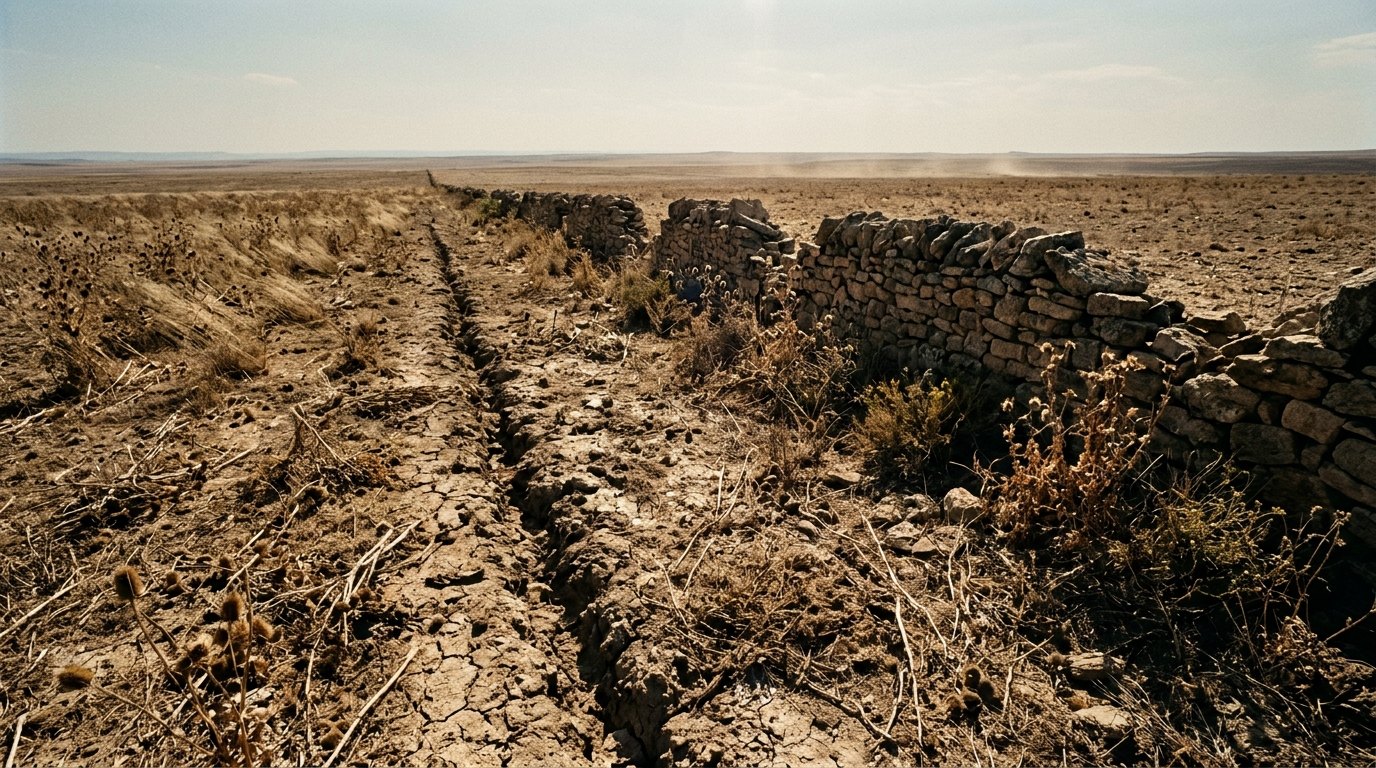
Do not be deceived: God cannot be mocked. A man reaps what he sows. Whoever sows to please their flesh, from the flesh will reap destruction; whoever sows to please the Spirit, from the Spirit will reap eternal life.
Galatians 6:7-8 (NIV)
It defines the moral law of the harvest, showing how earthly consequences remain even when eternal condemnation is removed.
In Galatians 6:7-8, the Apostle Paul articulates an unchanging principle of creation: God is not mocked, for whatever one sows, that will he also reap. Sowing to the flesh inevitably yields corruption, while sowing to the Spirit yields eternal life. Believers often mistake the cancellation of their eternal condemnation for an immunity from temporal fallout. Yet Scripture clarifies that while full judicial absolution belongs to all who are in Christ, God's moral order ensures that our choices still carry earthly fruit.
This crucial distinction between judicial condemnation and temporal consequences is vivid in the life of King David. When confronted by Nathan the prophet over adultery and murder in 2 Samuel 12:10-14, David confessed his transgression, and Nathan declared, 'The Lord also has put away your sin; you shall not die.' The eternal guilt was immediately pardoned, yet the sword never departed from David's house. God removed the penalty of spiritual death while permitting the destructive ripple effects of David's rebellion to unfold within his family as a solemn warning against taking holiness lightly.
Similarly, when Moses struck the rock in anger rather than speaking to it, God disciplined His servant in Numbers 20:12. Because Moses failed to believe God and sanctify Him before the people at Meribah, Moses was barred from leading Israel into the Promised Land. God loved Moses and communed with him face to face, but his public failure carried an inescapable earthly cost. Wisdom literature reminds us in Proverbs 6:27-29 that one cannot take hot coals into one's lap without burning one's clothes. Sin carries built-in, devastating friction in a world governed by a righteous God.
| Passage | What it says |
|---|---|
| Galatians 6:7-8 | God is not mocked, for whatever a man sows he reaps, whether corruption from the flesh or eternal life from the Spirit. |
| 2 Samuel 12:10-14 | The Lord puts away David's sin so he will not die, yet painful temporal consequences strike his household. |
| Numbers 20:12 | Because Moses and Aaron did not believe and uphold God's holiness at Meribah, they were barred from the Promised Land. |
| Proverbs 6:27-29 | Taking fire into one's bosom burns clothing, illustrating the inescapable earthly damage brought on by sinful choices. |
Where in the Bible
| Book | Passages |
|---|---|
| Numbers | 1 · Numbers 20:12 |
| Deuteronomy | 1 · Deuteronomy 8:5 |
| 2 Samuel | 2 · 2 Samuel 7:14, 2 Samuel 12:10-14 |
| Job | 1 · Job 5:17-18 |
| Psalms | 5 · Psalms 94:12, Psalms 119:67, Psalms 119:71, Psalms 119:75, Psalms 103:10-12 |
| Proverbs | 2 · Proverbs 3:11-12, Proverbs 6:27-29 |
| Isaiah | 1 · Isaiah 53:5 |
| Ezekiel | 1 · Ezekiel 18:4 |
| John | 2 · John 3:36, John 3:18 |
| Romans | 5 · Romans 6:23, Romans 1:18, Romans 2:5-6, Romans 8:1, Romans 5:8-9 |
| 1 Corinthians | 2 · 1 Corinthians 11:32, 1 Corinthians 5:5 |
| 2 Corinthians | 2 · 2 Corinthians 5:21, 2 Corinthians 7:10-11 |
| Galatians | 2 · Galatians 3:13, Galatians 6:7-8 |
| Colossians | 1 · Colossians 2:13-14 |
| 2 Thessalonians | 1 · 2 Thessalonians 1:8-9 |
| Hebrews | 4 · Hebrews 12:5-6, Hebrews 12:7-8, Hebrews 12:9-10, Hebrews 12:11 |
| James | 1 · James 1:12 |
| 1 Peter | 2 · 1 Peter 2:24, 1 Peter 3:18 |
| Revelation | 2 · Revelation 20:11-15, Revelation 3:19 |
The story in order
- Creation and Fall (c. 4000 BC) · Genesis 3 · Sin enters the world, bringing death and God's wrath.
- The Law Given (c. 1450 BC) · Exodus 20 · God reveals His standards and the penalty for sin.
- David's Sin and Consequences (c. 1000 BC) · 2 Samuel 12:10-14 · God forgives sin but still brings temporal discipline.
- Prophecy of Suffering Servant (c. 700 BC) · Isaiah 53:5 · Foretells Christ bearing our punishment for peace.
- Jesus' Ministry Begins (c. AD 27) · Luke 3:22 · Jesus is identified as God's beloved Son.
- Jesus' Crucifixion (AD 30) · John 19:30 · Christ bears the curse of sin on the cross.
- Resurrection and Ascension (AD 30-33) · Acts 1:9 · Christ's victory over sin and death is secured.
- Apostolic Teaching (c. AD 55) · Romans 8:1 · No condemnation for believers in Christ Jesus.
- Instruction on Discipline (c. AD 65) · Hebrews 12:5-11 · God disciplines His children for their profit.
- Future Judgment (c. AD 95) · Revelation 20:11-15 · Final judgment for those not in the book of life.
Key words
- Wrath (orgē, ὀργή)
- God's righteous anger against sin and ungodliness. · Romans 1:18
- Death (thanatos, θάνατος)
- The just penalty for sin, both temporal and eternal. · Romans 6:23
- Condemnation (katakrima, κατάκριμα)
- The state of being judged guilty and deserving punishment. · Romans 8:1
- Substitution (Antallagma, ἀντάλλαγμα (implied))
- Christ taking our place, bearing our sin and penalty. · 1 Peter 3:18
- Chastening (paideia, παιδεία)
- Fatherly discipline from God to correct and sanctify. · Hebrews 12:5
- Righteousness (dikaiosynē, δικαιοσύνη)
- Living in right relationship with God, empowered by Him. · Hebrews 12:11
If you are in Christ, your sins have already met their full punishment at Calvary, leaving no remaining wrath for you to bear. What feels painful in your walk today is the caring hand of a Father training His child for holiness, life, and eternal peace.
38 passages, each cited once.
How the major Christian traditions read this
All Christian traditions confess that God is holy and just in judging sin, and that Jesus Christ bore the penalty of eternal condemnation on the cross for all who believe (1 Peter 2:24; Romans 8:1). They agree that while unrepentant sinners face God's eternal wrath (John 3:36; Matthew 25:46), God lovingly chastens and disciplines His children in this life to lead them to repentance and holiness (Hebrews 12:6; 1 Corinthians 11:32).
Catholic
We teach that Christ fully remitted the eternal punishment of sin through His sacrifice on the cross (Romans 8:1). However, sin also entails temporal punishment—the disordered attachment to created goods that requires purification either in this earthly life or in purgatory (Hebrews 12:6; 1 Corinthians 3:15). God permits temporal afflictions, penances, and chastisements not out of vengeance, but as medicinal and corrective discipline to restore holiness and repair the disorder caused by sin (2 Samuel 12:13-14). Through the sacrament of reconciliation, the eternal guilt is pardoned, while temporal consequences are healed through prayer, works of mercy, and patient endurance of trial.
Scripture: Romans 8:1, Hebrews 12:6, 1 Corinthians 3:15, 2 Samuel 12:13-14
Orthodox
We understand God not as a punitive judge demanding legal retribution, but as a loving Physician who heals mankind from the disease of sin and death (Psalm 103:2-3). The afflictions or chastisements we experience in this life are never vindictive punishments; they are fatherly discipline and spiritual medicine intended for our purification and theosis (Hebrews 12:7-10). When we experience the consequences of sin, it is the natural spiritual illness of separation from God, which Christ heals by His life-giving cross and resurrection. God chastens us in His boundless mercy solely that we might repent and partake of His divine holiness (Hebrews 12:10; Revelation 3:19).
Scripture: Psalms 103:2-3, Hebrews 12:7-10, Revelation 3:19, Hebrews 12:10
Lutheran
We confess that Jesus Christ endured the full wrath and curse of the law on our behalf, completely satisfying God's justice (Galatians 3:13). For the justified believer, there remains absolutely no punitive wrath or judicial condemnation from God (Romans 8:1). What Christians experience as suffering or chastening in this life is not punishment for sin, for all punitive debt is canceled in Christ. Rather, God uses the cross and trials fatherly and pedagogically to mortify our old sinful nature, preserve faith, and keep us clinging to His promises of grace in the Gospel (1 Corinthians 11:32; Hebrews 12:6).
Scripture: Galatians 3:13, Romans 8:1, 1 Corinthians 11:32, Hebrews 12:6
Reformed & Presbyterian
We hold that Christ fully endured the retributive penalty of divine justice for all the sins of His elect (Isaiah 53:5; 1 Peter 2:24). Consequently, God never inflicts judicial or penal punishment upon His justified people. Nevertheless, as a loving Father, God is deeply displeased with our transgressions and visits us with fatherly chastisement (Psalm 89:30-33). This discipline is not legal satisfaction for sin—Christ made complete satisfaction—but medicinal correction designed to humble us, produce repentance, and conform us to the likeness of Christ (Hebrews 12:10-11). For those outside of Christ, however, God's enduring punishment is righteous and judicial (John 3:36).
Scripture: Isaiah 53:5, 1 Peter 2:24, Psalms 89:30-33, Hebrews 12:10-11, John 3:36
Anglican & Episcopal
We affirm with the historic formularies that Christ made a full, perfect, and sufficient sacrifice, oblation, and satisfaction for the sins of the whole world (1 John 2:2). Therefore, God does not punish justified believers with judicial wrath or require satisfaction from them (Romans 8:1). Yet, Scripture teaches that our heavenly Father rebukes, corrects, and chastens those He loves so that they will not be condemned with the world (1 Corinthians 11:32; Hebrews 12:5-6). We receive life's tribulations and divine corrections not as marks of damnation, but as merciful calls to repentance, self-examination, and growing sanctification.
Scripture: 1 John 2:2, Romans 8:1, 1 Corinthians 11:32, Hebrews 12:5-6
Baptist
We believe that Christ bore the full and final curse of our sins upon Calvary, canceling the entire debt of guilt for all who trust in Him (Colossians 2:13-14; Galatians 3:13). God never punishes the believer judicially, for there is now no condemnation for those in Christ Jesus (Romans 8:1). What believers encounter when they stray is the loving, corrective rod of a Father, who disciplines His true children so they may share in His holiness (Hebrews 12:6-8). This chastening is purely redemptive and familial, meant to bring about repentance and righteousness, whereas eternal wrath belongs exclusively to the unrepentant (Matthew 25:46).
Scripture: Colossians 2:13-14, Galatians 3:13, Romans 8:1, Hebrews 12:6-8, Matthew 25:46
Methodist & Wesleyan
We preach that Christ died for all humanity, offering free grace and pardon from the penalty of sin to every repentant heart (Romans 5:8; 1 John 2:2). When believers commit sin after justification, they grieve the Spirit and stand in need of God's restorative discipline (Hebrews 12:6). God's chastisement of believers is entirely therapeutic and sanctifying, driving us away from the backsliding of sin and back into active holiness and love (Revelation 3:19). If a person willfully persists in sin and abandons faith, they risk forfeiting salvation and facing God's righteous judgment, but God's desire is always our repentance and complete renewal.
Scripture: Romans 5:8, 1 John 2:2, Hebrews 12:6, Revelation 3:19
Pentecostal & Charismatic
We proclaim that through the shed blood of Jesus, believers are delivered from the curse and condemnation of sin (Galatians 3:13). God does not execute penal wrath against His redeemed children. Instead, the Holy Spirit convicts us of sin, and the Father administers loving discipline when we wander (Hebrews 12:5-6; John 16:8). This divine correction breaks strongholds of sin and spurs us on toward walking in holiness, spiritual power, and victory (Hebrews 12:11). Those who reject Christ remain under condemnation, but for the believer, every trial and correction is designed to restore our fellowship with God and produce the fruit of the Spirit.
Scripture: Galatians 3:13, Hebrews 12:5-6, John 16:8, Hebrews 12:11
Non-denominational & Evangelical
We look directly to the plain teaching of Scripture: Jesus paid the complete penalty for our sins once and for all on the cross (1 Peter 3:18). God will never condemn or judicially penalize those who belong to Jesus (Romans 8:1, 33-34). However, as a faithful Father, God disciplines His children when they sin, correcting them in love to turn them back toward righteousness (Hebrews 12:6-10; Proverbs 3:11-12). Experiencing God's discipline is actually proof of our sonship, not of His rejection. Unbelievers who reject Christ remain under God's wrath, but believers encounter only the restorative, training hand of their loving Father.
Scripture: 1 Peter 3:18, Romans 8:1, Hebrews 12:6-10, Proverbs 3:11-12
Where they differ
Nature of suffering for forgiven sins
- Catholic
- Remits eternal penalty while requiring temporal purification and satisfaction.
- Orthodox
- Viewed therapeutically as healing medicine for soul rather than legal satisfaction.
- Lutheran
- Purely fatherly discipline to mortify flesh, with all penal debt abolished.
- Reformed & Presbyterian
- Fatherly chastisement without penal satisfaction, since Christ paid all retributive debt.
- Anglican & Episcopal
- Paternal correction for holiness, rejecting any need for human penal satisfaction.
- Baptist
- Purely corrective family discipline, totally separate from judicial penalty or wrath.
- Methodist & Wesleyan
- Corrective discipline designed to restore holiness and prevent total backsliding.
- Pentecostal & Charismatic
- Fatherly training and conviction by the Spirit to restore holy living.
- Non-denominational & Evangelical
- Loving parental discipline to train believers, completely free of penal wrath.
Scripture: Hebrews 12:6-10, Romans 8:1, 1 Corinthians 3:15, 2 Samuel 12:13-14
Purification after death
- Catholic
- Temporal punishment for venial sins is cleansed in purgatory after death.
- Orthodox
- Rejects purgatorial satisfaction while praying for growth of departed souls.
- Lutheran
- Rejects purgatory entirely; death ends all earthly chastening and struggle.
- Reformed & Presbyterian
- Denies any post-mortem punishment; believers are immediately perfected in glory.
- Anglican & Episcopal
- Rejects the Romish doctrine of purgatory as ungrounded in Scripture.
- Baptist
- Believers pass immediately into Christ's presence with no further punishment.
- Methodist & Wesleyan
- Rejects post-mortem cleansing; this life alone is the time of trial.
- Pentecostal & Charismatic
- Rejects all purgatorial suffering; believers go immediately to be with Christ.
- Non-denominational & Evangelical
- Affirms believers are immediately present with the Lord, free from all punishment.
Scripture: 1 Corinthians 3:13-15, 2 Corinthians 5:8, Hebrews 9:27
Your pastor can tell you where your church stands.
Scripture cited
- Revelation 3:19
- 1 Corinthians 11:32
- James 1:12
- Romans 8:1
- 1 Peter 2:24
- John 3:36
- 1 John 1:9
- Matthew 25:46