How can a loving God send people to hell?

2 Peter 3:9
9 The Lord is not slow in keeping his promise, as some understand slowness. Instead he is patient with you, not wanting anyone to perish, but everyone to come to repentance.
New International Version (NIV)
The answer
Yes—a loving God can send people to hell, because Scripture plainly presents hell as the righteous consequence of refusing God, not as cruelty or the failure of His love. God does not send anyone to hell arbitrarily or because they are worthless; He judges sin and passesentence on those who reject His Son. At the same time, His purpose in bearing judgment without immediate destruction is to lead people to repentance, as 2 Peter 3:9 says: “The Lord is not slow concerning his promise, as some count slowness; but he is patient with us, not wishing that anyone should perish, but that all should come to repentance.”
Love and judgment are both real in Scripture
John 3:16 says, “For God so loved the world, that he gave his only born Son, that whoever believes in him should not perish, but have eternal life.” This is genuine divine love: God gave His Son. But the very next verses distinguish the result of faith from the result of unbelief: “He who doesn’t believe has been judged already, because he has not believed in the name of the only born Son of God” (John 3:18). John 3:36 likewise says that the one who disobeys the Son “won’t see life, but the wrath of God remains on him.”
Christ Himself taught that people should fear the One able to destroy both soul and body in Gehenna (Matthew 10:28). In Matthew 25:41-46, the King says to the cursed, “Depart from me … into the eternal fire which is prepared for the devil and his angels,” and concludes, “These will go away into eternal punishment, but the righteous into eternal life.” Revelation 20:15 describes the final judgment: “If anyone was not found written in the book of life, he was cast into the lake of fire.” Scripture therefore plainly attributes judgment to God; we must not deny it to protect a sentimental idea of love.
Patience is meant to lead to repentance
God’s patience does not mean He has abandoned judgment. Romans 2:4-5 explains: “The riches of his goodness, forbearance, and patience” lead to repentance, but “according to your hardness and unrepentant heart you are treasuring up for yourself wrath in the day of wrath, revelation, and of the righteous judgment of God.”
So the loving purpose behind God’s patience is salvation through repentance, not permanent impunity for rebellion. Hebrews 10:26-29 warns that persistent, willful sin after receiving the knowledge of the truth leaves no further sacrifice for sins and brings “a certain fearful expectation of judgment.”
The dividing line is faith and repentance, not God’s love
God made the provision for escape from judgment: Christ died and was raised again; through Him, those who believe are justified and receive eternal life. But the promise is directed to those who believe. Those who persist in rejecting Him enter judgment, as Jesus described in Matthew 25:41-46.
This is not a denial of God’s love. Love provides the Savior; repentance receives the salvation; continued rejection meets the judge. For anyone concerned about hell, the biblical response is not to speculate about God’s motives but to turn to Christ in repentance and faith, receiving God’s mercy now rather than His judgment later.
Answered from Scripture · reviewed November 11, 2026
Scripture never sets God's holy love at war with His righteous judgment; rather, it reveals that true love hates evil and upholds absolute justice. Because God is holy, He cannot overlook rebellion or leave unrepented sin unpunished, yet in boundless mercy He gave His only Son to rescue all who believe from the wrath to come. Understanding hell begins not by redefining divine love according to human sentiment, but by beholding God's sovereign holiness, the severity of human treason, and the staggering cost of the cross.
Holy Love
God's Perfect Love Cannot Abide Unrighteousness

Whoever does not love does not know God, because God is love.
1 John 4:8 (NIV)
It declares that God is love in His very essence, establishing that His every act flows from His pure, holy character.
When Scripture proclaims that God is love in 1 John 4:8, it reveals His unchangeable essence, not a sentimental indulgence that overlooks moral rebellion. Divine love is never detached from absolute holiness, which is why 1 John 4:10 immediately anchors that love in the cross: God "sent his Son to be the propitiation for our sins." Love required an atoning sacrifice because God's holy nature cannot condone or absorb unrighteousness. Habakkuk 1:13 declares that His eyes are "too pure to look on evil" and that He cannot tolerate wrongdoing. He is not a corrupt magistrate who sweeps treason aside; as Psalms 89:14 establishes, righteousness and justice are the foundation of your throne.
When the Lord passed before Moses on Sinai in Exodus 34:6-7, He proclaimed Himself "merciful and gracious, longsuffering, and abounding in goodness and truth," yet immediately affirmed that He "will by no means clear the guilty." God’s mercy does not nullify His justice, nor does His goodness compromise His hatred of sin. He commands in Leviticus 19:2, "You shall be holy, for I the LORD your God am holy," establishing that human creatures are made to reflect His moral purity. Because He is utterly pure, Psalms 5:4-5 affirms that God takes "no pleasure in wickedness," neither shall evil dwell with Him, nor the boastful stand before His sight. A God who could look upon cruelty, blasphemy, and unrepentant rebellion with indifference would not be loving; He would be unrighteous.
| Passage | What it says |
|---|---|
| 1 John 4:8 | Affirms that God is love, defining His character not by human preference but by divine perfection. |
| 1 John 4:10 | Reveals that true love is defined by God sending His Son to be the propitiation for our sins. |
| Habakkuk 1:13 | States that God's eyes are too pure to approve evil and cannot look upon wickedness with favour. |
| Psalms 89:14 | Proclaims that righteousness and justice are the very foundation of the Lord's throne. |
| Exodus 34:6-7 | Reveals God as merciful and gracious, yet one who will by no means leave the guilty unpunished. |
| Leviticus 19:2 | God demands holiness of His people because the LORD Himself is holy and cannot countenance evil. |
| Psalms 5:4-5 | God takes no pleasure in wickedness, and evil cannot dwell in His presence or stand before His eyes. |
Divine Wrath
The Righteous Reaction of Holiness Against Sin

The wrath of God is being revealed from heaven against all the godlessness and wickedness of people, who suppress the truth by their wickedness,
Romans 1:18 (NIV)
It identifies God's wrath not as arbitrary anger, but as holy revelation against all human ungodliness.
Biblical wrath is not an uncontrollable burst of temper, but the steady, holy opposition of God's perfect justice against all moral evil. Romans 1:18 reveals that the wrath of God is revealed from heaven against all ungodliness and unrighteousness of men who suppress the truth. Sin is not an innocent failing; it is active cosmic rebellion against a glorious Creator. In Romans 2:4-5, the apostle warns that when a person presumes upon God's kindness and refuses to turn, they are actively "treasuring up for yourself wrath in the day of wrath and revelation of the righteous judgment of God." The reality is stark: John 3:36 announces that whoever believes in the Son has eternal life, but "he who does not believe the Son shall not see life, but the wrath of God abides on him."
The prophet Nahum 1:2-3 echoes this eternal truth, declaring that the Lord is "jealous, and the LORD avenges... the LORD is slow to anger and great in power, and will not at all acquit the wicked." While God restrains His hand in patience, judgment will certainly fall upon those who refuse His grace. Hebrews 10:29-31 soberly asks how much worse punishment is deserved by those who have trampled the Son of God, concluding that "it is a fearful thing to fall into the hands of the living God." Paul reiterates this in Ephesians 5:5-6 and Colossians 3:5-6, warning that because of covetousness, immorality, and idolatry, the wrath of God comes upon the sons of disobedience. Hell is the full and final execution of that holy justice.
| Passage | What it says |
|---|---|
| Romans 1:18 | Reveals the wrath of God against all ungodliness and unrighteousness of men who suppress the truth. |
| Romans 2:4-5 | Warns that despising God's patience treasures up wrath for the day of righteous judgment. |
| John 3:36 | Declares that whoever rejects the Son shall not see life, but the wrath of God remains on him. |
| Nahum 1:2-3 | Declares that the Lord is jealous, avenging, and slow to anger, but will not acquit the wicked. |
| Hebrews 10:29-31 | Warns that falling into the hands of the living God brings terrifying judgment for trampling His Son. |
| Ephesians 5:5-6 | Because of sin and covetousness, the wrath of God comes upon the sons of disobedience. |
| Colossians 3:5-6 | God's wrath comes against unrighteousness and earthly lusts, demonstrating His holy hatred of sin. |
Christ's Warning
Jesus Plainly Taught the Reality of Hell

Do not be afraid of those who kill the body but cannot kill the soul. Rather, be afraid of the One who can destroy both soul and body in hell.
Matthew 10:28 (NIV)
Jesus Himself commands the fear of God, who holds the ultimate authority to destroy soul and body in hell.
The starkest warnings concerning the eternal reality of hell come from the lips of Jesus Christ Himself. In Matthew 10:28, the Lord commands: fear him who is able to destroy both soul and body in hell, warning His hearers never to fear mortal persecution above divine judgment. Jesus did not soften the horror of eternal condemnation; He described it with unmistakable clarity. In Matthew 25:41, Christ reveals that at the final judgment He will declare to the wicked, "Depart from me, you cursed, into the everlasting fire prepared for the devil and his angels," and Matthew 25:46 completes the contrast by asserting that the rebellious "will go away into everlasting punishment, but the righteous into eternal life." The Greek term aionios governs both states, demonstrating that the duration of condemnation matches that of eternal life.
In Mark 9:43-48, Jesus repeatedly urges radical amputations of sin rather than being cast into hell, "into the fire that shall never be quenched—where 'their worm does not die and the fire is not quenched.'" In Luke 16:22-26, He describes the agony of the rich man in Hades, highlighting a great gulf fixed that permits no crossing or second chance. Furthermore, in Matthew 13:41-42 and Matthew 13:49-50, Jesus explains that His holy angels will gather the wicked from His kingdom and cast them into the fiery furnace, where there will be weeping and gnashing of teeth. Christ spoke so frequently and urgently about hell precisely because its reality is eternal and its danger absolute.
| Passage | What it says |
|---|---|
| Matthew 10:28 | Commands fearing Him who is able to destroy both soul and body in hell rather than mortal men. |
| Matthew 25:41 | Records Christ commanding the cursed to depart into eternal fire prepared for the devil and his angels. |
| Matthew 25:46 | Contrasts the eternal punishment of the wicked with the eternal life given to the righteous. |
| Mark 9:43-48 | Describes hell as an unquenchable fire where the worm does not die, urging radical avoidance of sin. |
| Luke 16:22-26 | Depicts the torment of Hades and the fixed chasm that prevents any escape after death. |
| Matthew 13:41-42 | The Son of Man will cast all who cause sin and practice lawlessness into the fiery furnace. |
| Matthew 13:49-50 | At the close of the age, angels will separate the evil from the righteous and cast them into fire. |
Patient Mercy
Judgment Delayed Calls Every Sinner to Repent
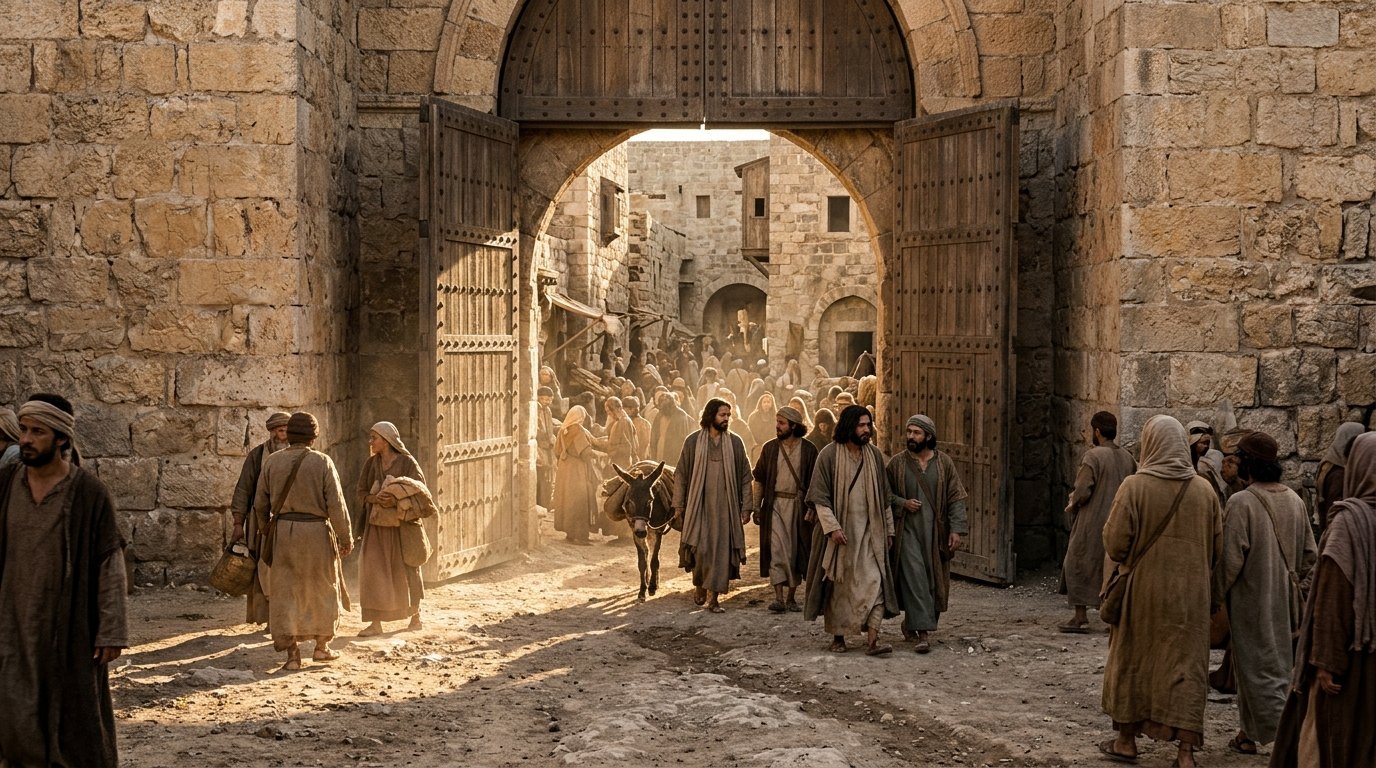
The Lord is not slow in keeping his promise, as some understand slowness. Instead he is patient with you, not wanting anyone to perish, but everyone to come to repentance.
2 Peter 3:9 (NIV)
It shows that God delays final judgment not out of weakness, but out of patient longsuffering that desires repentance.
God does not delight in the ruin of the rebellious; rather, His present delay of final judgment is an act of patient longsuffering designed to grant sinners opportunity to turn. As 2 Peter 3:9 makes plain, the Lord is not slack concerning His promise, but is longsuffering toward us, "not willing that any should perish but that all should come to repentance." The gospel proclaims a God who genuinely calls humanity to life. First Timothy 2:3-4 declares that God our Savior "desires all men to be saved and to come to the knowledge of the truth." This heartbeat of mercy resounds throughout the Old Testament as well; in Ezekiel 18:23, the Lord asks, "Do I have any pleasure at all that the wicked should die... and not that he should turn from his ways and live?" In Ezekiel 33:11, He swears by His own life, pleading with sinners to turn back from their evil paths.
Isaiah 30:18 reveals that "the LORD longs to be gracious to you, and therefore he waits on high to have compassion on you." Yet this period of patience will not endure indefinitely. In Revelation 2:21, the exalted Christ remarks of Jezebel, "I gave her time to repent, and she does not want to repent." Paul preached in Acts 17:30-31 that while God formerly overlooked times of ignorance, he now commands all men everywhere to repent, having fixed a day in which He will judge the world in righteousness by Jesus Christ. In Luke 13:3, Jesus gives the direct ultimatum: "Unless you repent, you will all likewise perish." Divine love offers free pardon today, but those who persistently reject the cross will face the holy justice they have chosen.
| Passage | What it says |
|---|---|
| 2 Peter 3:9 | Affirms that God is patient toward us, not wishing any to perish but all to come to repentance. |
| 1 Timothy 2:3-4 | States that God our Saviour desires all people to be saved and to know the truth. |
| Ezekiel 18:23 | Asserts that God has no pleasure in the death of the wicked, but that he should turn and live. |
| Ezekiel 33:11 | Pleads with rebellious sinners to turn back from their evil ways and live under divine mercy. |
| Isaiah 30:18 | Explains that the Lord waits to be gracious, combining merciful patience with His righteous judgment. |
| Revelation 2:21 | Shows the Lord granting time and space to repent before judgment inevitably falls upon unrepentance. |
| Acts 17:30-31 | God now commands all people everywhere to repent, having appointed a day of judgment by Christ. |
| Luke 13:3 | Jesus warns that unless a person repents, they will likewise perish under judgment. |
The Great Divide
Final Judgment Vindicates God's Righteous Rule
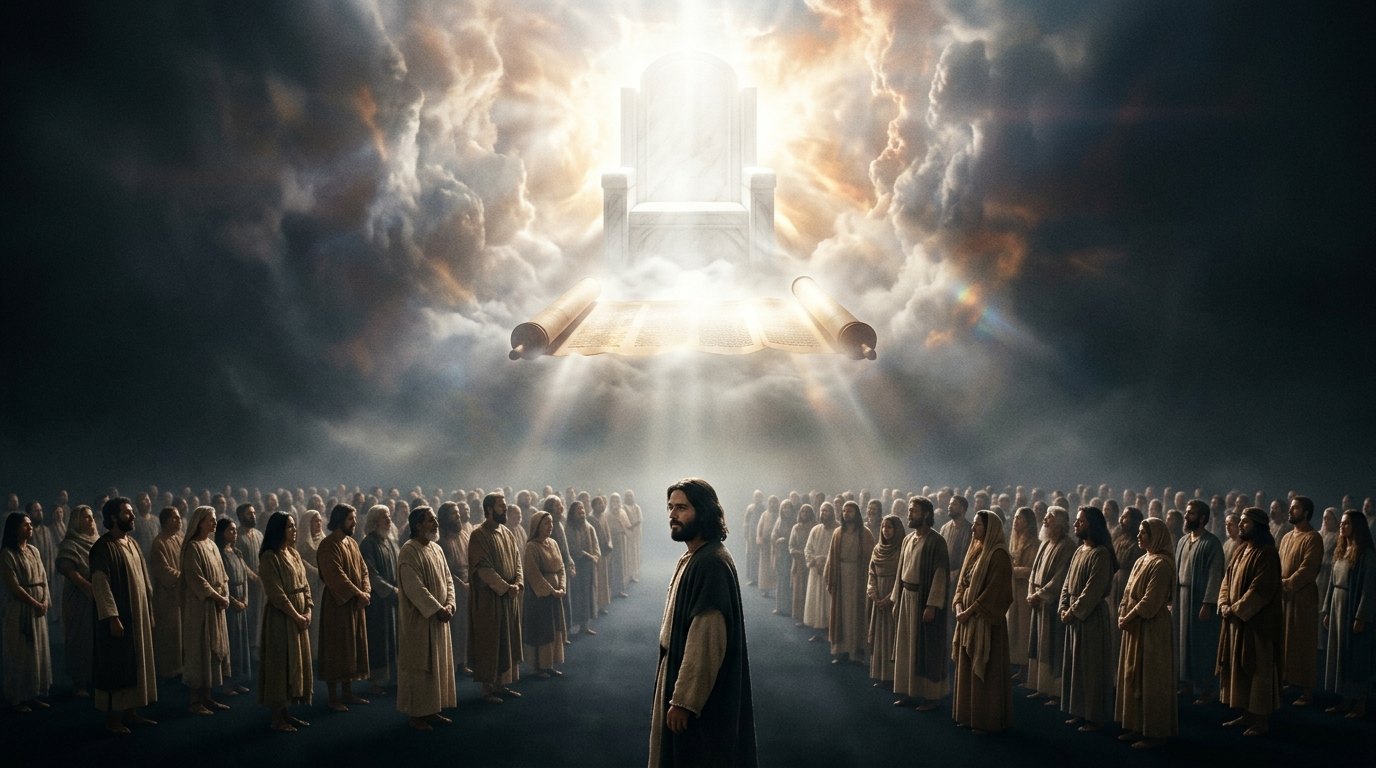
Anyone whose name was not found written in the book of life was thrown into the lake of fire.
Revelation 20:15 (NIV)
It shows the solemn, uncompromised end of all who reject God's gracious provision of life.
The sobering climax of human history arrives when every soul stands before its Maker, as revealed in Revelation 20:15, where anyone whose name is not written in the Book of Life is cast into the lake of fire. Scripture sweeps away every illusion that divine love negates divine accountability. John beholds the terrifying majesty of the Great White Throne in Revelation 20:11-13, before which earth and sky flee away. The sea, Death, and Hades surrender their dead, great and small, to be judged according to what is written in the books.
This judgment is not an arbitrary outburst of temper, but the meticulous, public vindication of perfect justice. As Paul warns in 2 Thessalonians 1:7-9, when the Lord Jesus is revealed from heaven in flaming fire, He inflicts vengeance on those who do not know God and disobey the gospel, consigning them to eternal destruction separated from His glorious presence. Sinners are not innocent victims caught off guard; as John 3:18 makes plain, whoever does not believe in the Son stands condemned already. Unbelief is an active refusal of the true Light, leaving humanity completely without defense.
Every protest is silenced at that bench. Paul states in Romans 3:19 that the law speaks so that every mouth may be stopped and the whole world held accountable to God. There are no second chances beyond the grave, for Hebrews 9:27 fixes human destiny: it is appointed for man to die once, and after that comes judgment. Christ Himself declares in John 5:28-29 that an hour is coming when all in their tombs will hear His voice—those who have done good rising to the resurrection of life, and those who have done evil to the resurrection of judgment. God's holiness demands that cosmic rebellion be utterly addressed.
| Passage | What it says |
|---|---|
| Revelation 20:11-13 | Depicts the Great White Throne where all the dead stand to be judged according to their deeds. |
| Revelation 20:14-15 | Declares that anyone whose name is not found written in the Book of Life is cast into the lake of fire. |
| 2 Thessalonians 1:7-9 | Warns of eternal destruction away from the presence of the Lord for those who disobey the gospel. |
| John 3:18 | Explains that whoever does not believe stands condemned already for rejecting the name of God's Son. |
| Romans 3:19 | Affirms that every mouth is stopped and the whole world is held accountable before God. |
| Hebrews 9:27 | It is appointed for man to die once, and after that comes the unavoidable judgment of God. |
| John 5:28-29 | All in the tombs will hear Christ's voice and emerge, those who did good to life and evil to condemnation. |
The Cross
God's Love Bore the Judgment We Deserved

For God so loved the world that he gave his one and only Son, that whoever believes in him shall not perish but have eternal life.
John 3:16 (NIV)
It demonstrates the summit of God's love: giving His Son so that none who trust in Him will face eternal ruin.
The deepest answer to how a loving God deals with sin is not found in abolishing hell, but at Calvary, where divine love bore the full weight of divine wrath. In John 3:16, the summit of divine compassion is revealed: God so loved the world that He gave His only Son, so that whoever believes in Him shall not perish but have eternal life. The cross demonstrates that God does not sweep human rebellion under a cosmic rug; He pays the debt Himself at infinite cost.
This love is utterly unmerited. As Paul marvels in Romans 5:8-9, God demonstrates His love for us in that while we were still sinners, Christ died for us. Much more, having now been justified by His blood, we are saved from the wrath of God through Him. The terror of condemnation was not ignored; it was absorbed. According to Galatians 3:13, Christ redeemed us from the curse of the law by becoming a curse for us upon the tree. Peter echoes this in 1 Peter 2:24, declaring that Jesus bore our sins in His own body on the wood, so that we might die to sin and live to righteousness.
Because Jesus exhausted the curse on our behalf, believers wait for God's Son from heaven, Jesus, who delivers us from the wrath to come (1 Thessalonians 1:10). The great exchange accomplished there is stated plainly in 2 Corinthians 5:21: God made Him who knew no sin to be sin for us, that we might become the righteousness of God in Him. In Romans 3:25-26, God put forth Christ as a propitiation by His blood, displaying His righteousness so that He might be both just and the justifier of the one who has faith in Jesus.
| Passage | What it says |
|---|---|
| John 3:16 | Declares that God so loved the world that He gave His only Son to rescue believers from perishing. |
| Romans 5:8-9 | Shows Christ dying for sinners while still enemies, saving justified believers from God's wrath through Him. |
| Galatians 3:13 | Explains that Christ redeemed us from the curse of the law by becoming a curse for us. |
| 1 Peter 2:24 | Affirms that Christ bore our sins in His own body on the tree so we might live to righteousness. |
| 1 Thessalonians 1:10 | Points to Jesus as the resurrected Son who delivers believers from the wrath to come. |
| 2 Corinthians 5:21 | God made Christ to be sin for us so that in Him we might become the righteousness of God. |
| Romans 3:25-26 | Christ was put forward as a propitiation by His blood to show God's righteousness, being both just and justifier. |
Where in the Bible
| Book | Passages |
|---|---|
| Exodus | 1 · Exodus 34:6-7 |
| Leviticus | 1 · Leviticus 19:2 |
| Psalms | 2 · Psalms 89:14, Psalms 5:4-5 |
| Isaiah | 1 · Isaiah 30:18 |
| Ezekiel | 2 · Ezekiel 18:23, Ezekiel 33:11 |
| Nahum | 1 · Nahum 1:2-3 |
| Habakkuk | 1 · Habakkuk 1:13 |
| Matthew | 5 · Matthew 10:28, Matthew 25:41, Matthew 25:46, Matthew 13:41-42, Matthew 13:49-50 |
| Mark | 1 · Mark 9:43-48 |
| Luke | 2 · Luke 16:22-26, Luke 13:3 |
| John | 4 · John 3:36, John 3:18, John 5:28-29, John 3:16 |
| Acts | 1 · Acts 17:30-31 |
| Romans | 5 · Romans 1:18, Romans 2:4-5, Romans 3:19, Romans 5:8-9, Romans 3:25-26 |
| 2 Corinthians | 1 · 2 Corinthians 5:21 |
| Galatians | 1 · Galatians 3:13 |
| Ephesians | 1 · Ephesians 5:5-6 |
| Colossians | 1 · Colossians 3:5-6 |
| 1 Thessalonians | 1 · 1 Thessalonians 1:10 |
| 2 Thessalonians | 1 · 2 Thessalonians 1:7-9 |
| 1 Timothy | 1 · 1 Timothy 2:3-4 |
| Hebrews | 2 · Hebrews 10:29-31, Hebrews 9:27 |
| 1 Peter | 1 · 1 Peter 2:24 |
| 2 Peter | 1 · 2 Peter 3:9 |
| 1 John | 2 · 1 John 4:8, 1 John 4:10 |
| Revelation | 3 · Revelation 2:21, Revelation 20:11-13, Revelation 20:14-15 |
The story in order
- God's Holy Character (c. 600 BC) · Habakkuk 1:13 · God's purity means He cannot approve of evil.
- God's Covenant Mercy and Justice (c. 1446 BC) · Exodus 34:6-7 · God is merciful but will not leave the guilty unpunished.
- Wrath Against Ungodliness (c. AD 55) · Romans 1:18 · God's wrath is revealed against those who suppress truth.
- Jesus Warns of Hell (c. AD 30) · Matthew 10:28 · Jesus commands fearing God who can destroy soul and body in hell.
- Jesus Teaches Eternal Punishment (c. AD 30) · Matthew 25:46 · Christ contrasts eternal punishment with eternal life.
- Hell as Unquenchable Fire (c. AD 30) · Mark 9:43-48 · Hell is described as a place of unquenchable fire.
- God's Patience and Repentance (c. AD 65) · 2 Peter 3:9 · God is patient, desiring all to repent and be saved.
- God Appoints a Day of Judgment (c. AD 50) · Acts 17:31 · God commands repentance, having appointed a day of judgment.
- The Great White Throne Judgment (c. AD 95) · Revelation 20:11-13 · All the dead are judged according to their deeds.
- Eternal Destruction from God's Presence (c. AD 50) · 2 Thessalonians 1:7-9 · Disobedience to the gospel leads to eternal destruction.
- Condemnation for Unbelief (c. AD 90) · John 3:18 · Not believing in Christ means standing condemned already.
- Christ Bore Our Sins (c. AD 65) · 1 Peter 2:24 · Christ bore our sins in His body on the cross.
- God's Righteousness and Justification (c. AD 55) · Romans 3:25-26 · Christ is a propitiation, showing God is just and the justifier.
Key words
- Love (agape, ἀγάπη)
- God's perfect, holy character, expressed in sending Christ. · 1 John 4:8
- Wrath (orge, ὀργή)
- God's righteous, holy reaction against sin and rebellion. · Romans 1:18
- Hell (gehenna, γέεννα)
- Eternal punishment and separation from God. · Matthew 10:28
- Repentance (metanoia, μετάνοια)
- A turning from sin to God, prompted by His patience. · 2 Peter 3:9
- Judgment (krisis, κρίσις)
- God's righteous verdict and sentence on sin. · Acts 17:31
- Propitiation (hilasterion, ἱλαστήριον)
- Christ's sacrifice that turns away God's wrath. · Romans 3:25
Hell is not a failure of God's love, but the solemn vindication of His holiness against persistent, willful treason. The Lord takes no delight in the death of the wicked, but patiently calls every sinner to turn from rebellion and find refuge in Christ crucified. Today, the door of mercy stands wide open: whoever flees to the Son will find complete forgiveness, escaping the wrath of God and inheriting eternal life.
43 passages, each cited once.
How the major Christian traditions read this
All historic Christian traditions affirm that God is both entirely loving and perfectly holy and just, and that final judgment and eternal separation from Him in hell are the righteous consequence of unrepentant sin and the rejection of Jesus Christ (Matthew 25:46; John 3:16-18, 36).
Catholic
We teach that God desires all people to be saved (1 Timothy 2:4), yet He created us with genuine free will. Hell is a state of definitive self-exclusion from communion with God and the blessed. God predestines no one to go to hell; for this to happen, a person must willfully turn away from God through mortal sin and persist in it until the end (Matthew 25:41-43). In His infinite love, God provides the sacraments, grace, and time for repentance, but He respects human freedom: to refuse His mercy and love is to choose separation from Him, which results in the eternal loss of beatitude and the pain of sense (2 Thessalonians 1:8-9).
Scripture: 1 Timothy 2:4, Matthew 25:41-43, 2 Thessalonians 1:8-9
Orthodox
In Orthodox teaching, God's love is universal, uncreated, and constant toward all of creation (Psalm 145:9). Hell is not an active punishment devised by God or a place where He is absent; rather, it is the subjective experience of God's all-consuming holy presence by those who have set their hearts in enmity against Him (Hebrews 12:29). For those who love Christ, His fiery presence is eternal light and uncreated joy; for those who reject Him and remain hardened in sin, that very same divine love is experienced as torment and judgment (1 John 4:8, 16-18; 2 Thessalonians 1:9). God does not stop loving anyone, but the unrepentant cannot bear His holy love.
Scripture: Psalms 145:9, Hebrews 12:29, 1 John 4:8, 2 Thessalonians 1:9
Lutheran
We hold fast to the tension revealed in Scripture: God earnestly desires that all people be saved and come to the knowledge of the truth (1 Timothy 2:4; Ezekiel 33:11), and Christ died for the sins of the whole world (1 John 2:2). Damnation is entirely man's fault, not God's decree. God's holiness demands that unatoned sin face His holy wrath (Romans 1:18). When sinners refuse the gospel and resist the Holy Spirit, they reject the only means of salvation (Acts 7:51). God does not delight in the death of the wicked, but His righteous justice faithfully executes judgment on those who despise His grace in Christ (John 3:36).
Scripture: 1 Timothy 2:4, Ezekiel 33:11, 1 John 2:2, Romans 1:18, John 3:36
Reformed & Presbyterian
We confess that God is sovereign over all things, displaying both His infinite mercy and His unbending justice for His own glory (Romans 9:22-23). Because of Adam's fall, all humanity is entirely depraved, justly deserving eternal condemnation (Romans 3:10-12, 19). Hell is God's active, righteous retributive justice poured out against rebellion. While God freely elects a people unto salvation by pure grace through Christ, He leaves the reprobate to their own sinful desires and just penalty (Proverbs 16:4; Matthew 10:28). God's love is real, but His love never diminishes His perfect holiness, justice, and wrath against sin, which hell displays eternally.
Scripture: Romans 9:22-23, Romans 3:10-12, Proverbs 16:4, Matthew 10:28
Anglican & Episcopal
We look to the Scriptures, which declare that God sent His Son out of infinite love to redeem the world (John 3:16). Yet God's love is holy and moral; it does not nullify His righteous judgment against persistent wickedness. Those who end in hell do so because they have spurned God's mercy and chosen darkness rather than light (John 3:19). Christ warned plainly of eternal punishment and Gehenna (Matthew 25:46; Mark 9:43-48). Hell stands as the ultimate, tragic vindication of human accountability and divine justice: God's love offers full reconciliation in Christ, but those who will not repent face the holy wrath of God.
Scripture: John 3:16, John 3:19, Matthew 25:46, Mark 9:43-48
Baptist
We affirm that God is holy, righteous, and loving, and that every individual is personally accountable before Him (Romans 14:12). God's love is demonstrated supremely in that while we were still sinners, Christ died for us (Romans 5:8). Hell is the literal, eternal, conscious punishment for those who reject Jesus Christ and die in their sins (Matthew 25:46; Revelation 20:15). God does not send anyone to hell unjustly; all have sinned and fall short of His glory (Romans 3:23). Those who perish do so because they refused to believe the truth and turned away from the only Savior who can deliver them from the wrath to come (1 Thessalonians 1:10).
Scripture: Romans 14:12, Romans 5:8, Matthew 25:46, Revelation 20:15, 1 Thessalonians 1:10
Methodist & Wesleyan
We believe that God's prevenient grace goes before all people, drawing everyone toward salvation, because He is not willing that any should perish (2 Peter 3:9; Titus 2:11). God's perfect love grants humanity genuine moral agency; He does not force fellowship upon anyone. Hell is the tragic consequence of freely choosing rebellion and persistently resisting the Holy Spirit's conviction (Acts 7:51). God's holy love cannot overlook unrepented sin, nor can it force a rebel into heaven. Thus, the condemnation of the lost is entirely the result of their own willful rejection of God's offered pardon in Christ Jesus (Hebrews 10:29).
Scripture: 2 Peter 3:9, Titus 2:11, Acts 7:51, Hebrews 10:29
Pentecostal & Charismatic
We proclaim that God loves every soul and has demonstrated that love by giving Christ to save anyone who repents and believes (John 3:16; Acts 2:38). Yet the Holy Spirit continually convicts the world of sin, righteousness, and judgment (John 16:8). Hell is a literal place of eternal fire and conscious torment prepared for the devil and his angels, where those who die without Christ will go (Matthew 25:41; Revelation 20:11-15). A loving God sends no one to hell arbitrarily; rather, people bring judgment upon themselves by suppressing the truth and hardening their hearts against the Spirit's call to repent and be saved (Romans 1:18-20).
Scripture: John 3:16, Acts 2:38, John 16:8, Matthew 25:41, Revelation 20:11-15
Non-denominational & Evangelical
We take the plain testimony of Scripture: God is love (1 John 4:8), but He is also a just Judge who cannot let sin go unpunished (Exodus 34:6-7). Hell exists because God takes human choices, holiness, and justice seriously. Christ spoke more about the reality and terror of hell than anyone else (Matthew 10:28; Luke 12:4-5). God showed His immense love by absorbing the penalty for our sins on the cross (Romans 5:8; 1 Peter 2:24). When a person rejects the sacrifice of Jesus, they remain under their own guilt; hell is the righteous destination of those who refuse God's mercy and choose eternal independence from Him (John 3:36).
Scripture: 1 John 4:8, Exodus 34:6-7, Matthew 10:28, Romans 5:8, John 3:36
Where they differ
The primary nature of hell's torment
- Catholic
- Eternal separation from God's beatific vision alongside the pain of sense.
- Orthodox
- The agonizing experience of God's holy, uncreated love by the unrepentant.
- Lutheran
- Active divine wrath and conscious eternal punishment for rejecting God's Word.
- Reformed & Presbyterian
- God's active, righteous retributive wrath poured out on unregenerate sinners.
- Anglican & Episcopal
- The eternal misery of being justly banished from God's presence.
- Baptist
- Conscious, literal eternal punishment under God's righteous judgment.
- Methodist & Wesleyan
- The ruinous consequence of final, willful separation from God's mercy.
- Pentecostal & Charismatic
- Literal conscious torment in the lake of fire under divine wrath.
- Non-denominational & Evangelical
- Conscious eternal judgment and separation from God's gracious presence.
Scripture: Matthew 25:41, 2 Thessalonians 1:8-9, Hebrews 12:29
Why some are lost while others are saved
- Catholic
- Final impenitence and free rejection of God's sufficient grace.
- Orthodox
- Human refusal to align the will with God's deifying love.
- Lutheran
- The sinner's obstinate resistance to the Holy Spirit and the gospel.
- Reformed & Presbyterian
- God's sovereign unconditional election of some and reprobation of others.
- Anglican & Episcopal
- Unbelief and persistence in sin despite God's offer of salvation.
- Baptist
- Personal refusal to repent and trust in Christ's finished sacrifice.
- Methodist & Wesleyan
- Willful rejection of prevenient grace and refusing to repent.
- Pentecostal & Charismatic
- Resisting the Spirit's conviction and choosing to continue in unbelief.
- Non-denominational & Evangelical
- Personal decision to reject Christ's substitutionary death on the cross.
Scripture: Romans 9:18-23, Acts 7:51, John 3:18-19
Your pastor can tell you where your church stands.
Scripture cited
- 2 Peter 3:9
- Matthew 25:41-46
- Matthew 10:28
- Revelation 20:13-15
- Romans 2:4-5
- John 3:16-18
- John 3:36
- 2 Peter 3:7-10
- Hebrews 10:26-29