How do I pray for someone who is sick?
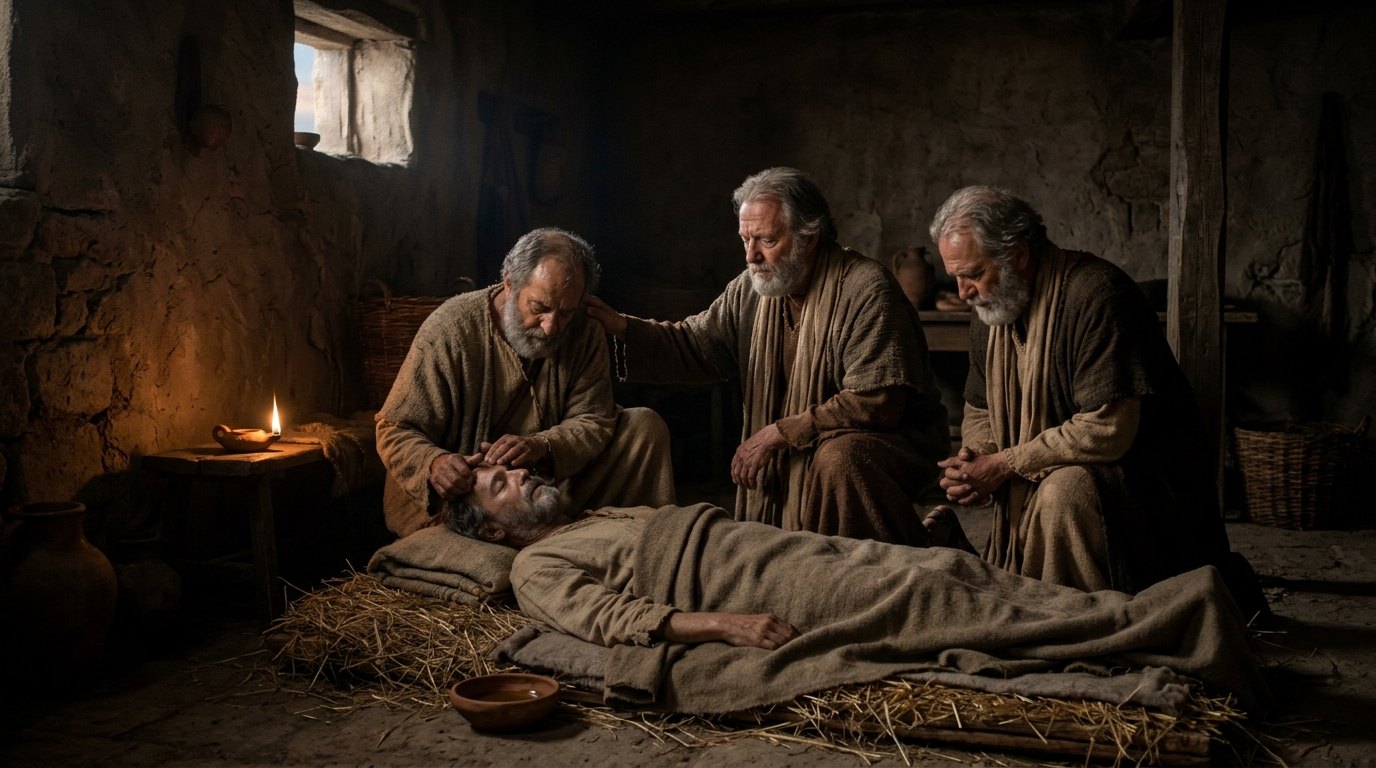
James 5:13-16
13 Is anyone among you in trouble? Let them pray. Is anyone happy? Let them sing songs of praise.
14 Is anyone among you sick? Let them call the elders of the church to pray over them and anoint them with oil in the name of the Lord.
15 And the prayer offered in faith will make the sick person well; the Lord will raise them up. If they have sinned, they will be forgiven.
16 Therefore confess your sins to each other and pray for each other so that you may be healed. The prayer of a righteous person is powerful and effective.
New International Version (NIV)
The answer
Pray specifically, ask the elders to join you, confess sins, and trust God’s promise to heal. James gives both the method and the assurance: “Is any among you sick? Let him call for the elders of the assembly, and let them pray over him, anointing him with oil in the name of the Lord” (James 5:14).
Pray for the person
- Name the person and illness: Ask God plainly to heal the sick person and restore him.
- Make the request in Christ’s name: James 5:14 says the elders pray “in the name of the Lord.”
- Persist in prayer: “The insistent prayer of a righteous person is powerfully effective” (James 5:16). “Call upon me in the day of trouble: I will deliver thee” (Psalms 50:15).
Call for the elders
- Encourage the sick person to call for the elders of the assembly, who should pray over him, anoint him with oil, and seek the Lord’s healing (James 5:14).
- If you are helping someone who is ill, offer to arrange the visit and to accompany them in prayer.
Deal with sin openly
- Confess sins to one another: “Confess your sins to one another and pray for one another, that you may be healed” (James 5:16).
- James connects physical healing with forgiveness: “The prayer of faith will heal him who is sick, and the Lord will raise him up. If he has committed sins, he will be forgiven” (James 5:15).
- Confession here is specific and accountable, not vague. If there is an unrepented wrong between you and the sick person, seek reconciliation before asking God to bless your prayer.
Keep worship and hope alive
- James also tells us, “Is any among you suffering? Let him pray. Is any cheerful? Let him sing praises” (James 5:13).
- Singing Scripture and giving thanks can be part of faithful intercession, as Paul and Silas did in prison (Acts 16:24-25; Ephesians 5:19).
- Even when you cannot find words, cry to God as Jonah did: “I cried by reason of mine affliction unto the LORD, and he heard me” (Jonah 2:2). Jesus Himself offered “prayers and supplications with strong crying and tears” and was heard (Hebrews 5:7).
Keep your confidence in God, not in the strength of your words. James 5:15-16 promises that the Lord heals in response to the prayer of faith, but the prayer of faith also submits to His wisdom, timing, and purpose. Do not blame a sick person for lacking faith. Continue praying, calling for the church’s prayer leaders, and seeking pastoral care.
Answered from Scripture · reviewed November 10, 2026
Scripture gives believers a clear, pastoral pattern for ministering to the sick through fervent prayer, pastoral oversight, and mutual confession. When disease strikes, God invites His people to bring specific requests directly to Him in faith, resting entirely upon Christ's sovereign compassion and authority. Understanding this biblical pathway guides our intercession away from superstition and anxiety into confident, obedient fellowship with the Lord.
Pastoral Oversight
Call the church elders to pray and anoint
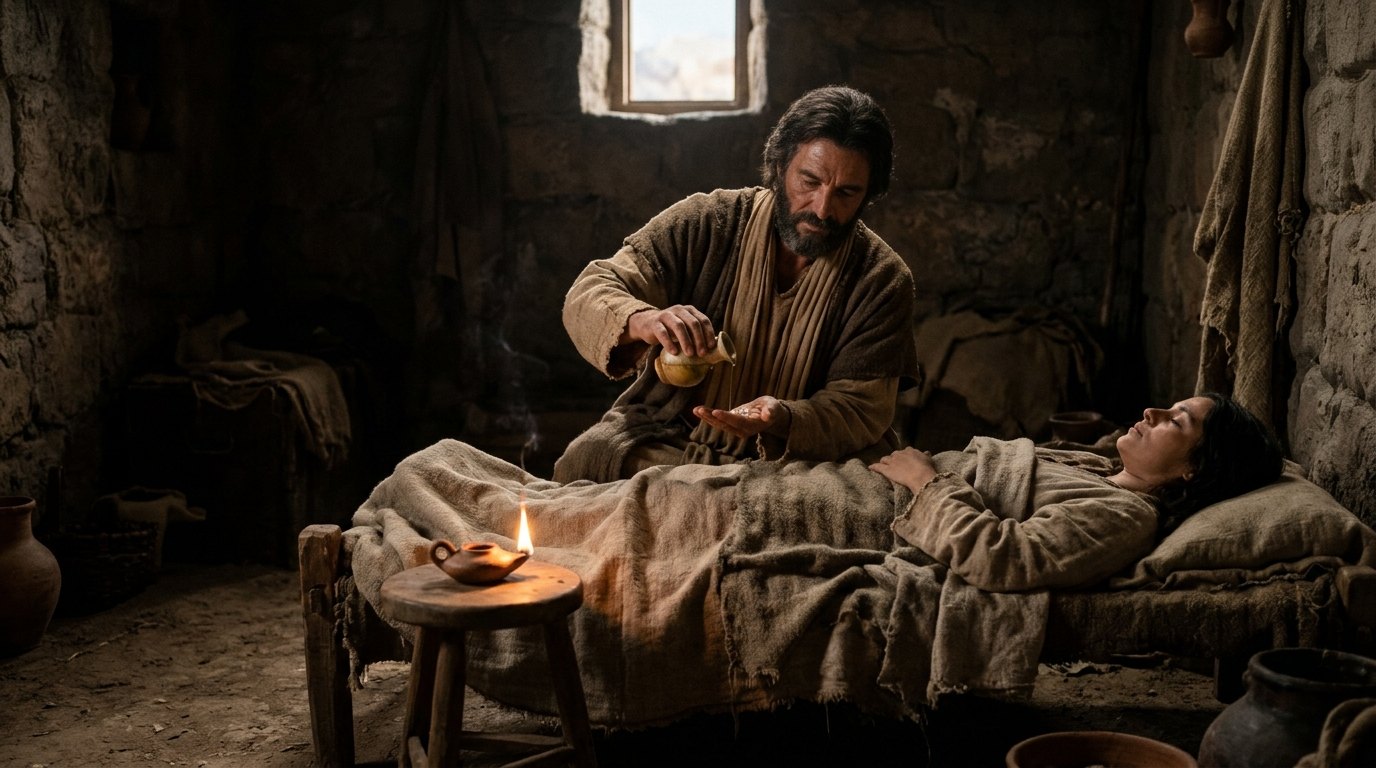
Is anyone among you sick? Let them call the elders of the church to pray over them and anoint them with oil in the name of the Lord.
James 5:14 (NIV)
This verse directly instructs the afflicted believer to summon the spiritual leaders of the local congregation for corporate prayer and anointing.
In James 5:14, the apostle gives a definitive instruction for serious illness: call for the elders of the church to pray and anoint with oil. Rather than suffering in isolation, the sick believer reaches out to the spiritual shepherds of the local flock. The elders gather at the bedside, taking the burden of intercession upon themselves in the name of the Lord Jesus Christ. This simple act acknowledges that healing belongs neither to human magic nor to personal merit, but rests entirely under Christ's authority.
Such a call echoes the recurring rhythm of Scripture. In Psalm 50:15, God commands His people, "Call upon me in the day of trouble; I will deliver you, and you shall glorify me." Sickness represents precisely such a day of trouble, turning weakness into an occasion to lean upon God's promised care. This pastoral pattern mirrors the ministry of Jesus' apostles in Mark 6:13, where they "anointed with oil many who were sick and healed them." Anointing served as an outward symbol of consecration and divine mercy, setting the sufferer apart for the Lord's physical and spiritual care.
When we pray for the sick today, we step into this same ordered, communal care. Bringing the church's leaders into the sickroom unites the local body in faith and visibly wraps the hurting believer in intercession.
| Passage | What it says |
|---|---|
| James 5:14 | Instructs the sick person to summon the congregation's elders to pray over them and anoint them with oil in Christ's name. |
| Psalms 50:15 | God commands His people to call upon Him in days of trouble, promising deliverance that results in glorifying Him. |
| Mark 6:13 | The disciples anointed many sick people with oil and healed them during Jesus' ministry. |
Prayer of Faith
Confess sins and pray with earnest faith
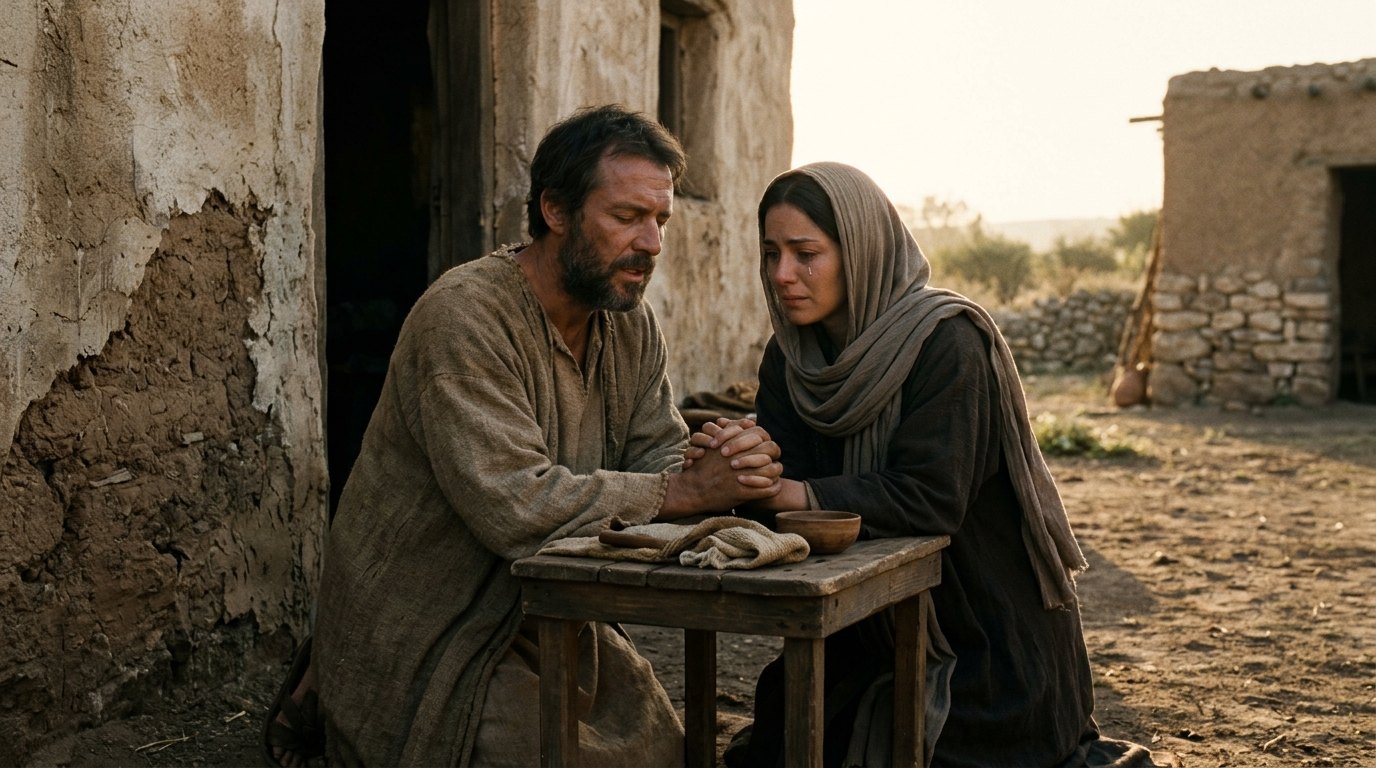
And the prayer offered in faith will make the sick person well; the Lord will raise them up. If they have sinned, they will be forgiven.
James 5:15 (NIV)
It links the prayer offered in faith directly to the Lord's healing power and gracious forgiveness of sins.
According to James 5:15, the prayer of faith will save the one who is sick, and the Lord will raise him up. James clarifies that ultimate restoration comes from the Lord Himself as He answers genuine, unwavering trust. He adds that if the afflicted person has committed sins, forgiveness will accompany physical renewal. James 5:16 immediately connects this work of restoration to our shared life, commanding believers to confess faults one to another and pray for one another, for "the prayer of a righteous person has great power as it is working."
Jesus Himself rooted effectual prayer in wholehearted confidence in God. In Matthew 21:21-22, Christ assures His disciples that whatever they ask in prayer, believing, they will receive. He repeats this foundational truth in Mark 11:24, declaring, "Whatever you ask in prayer, believe that you have received it, and it will be yours." This faith is not an arbitrary positive thinking, but an unyielding confidence in the goodness and ability of God.
John grounds this boldness in the divine will in 1 John 5:14-15. When our hearts align with what God desires, we possess absolute assurance that He hears and answers our petitions. In praying for the sick, we come with repentant hearts, trusting God's power and submitting joyfully to His perfect, sovereign will.
| Passage | What it says |
|---|---|
| James 5:15 | Declares that the prayer of faith will restore the sick, the Lord will raise them, and their sins will be forgiven. |
| James 5:16 | Exhorts believers to confess faults mutually and pray for one another, affirming the powerful effectiveness of a righteous person's prayer. |
| Matthew 21:21-22 | Jesus promises that whatever is asked in prayer, believing, will be received. |
| Mark 11:24 | Whatever things you ask when you pray, believe that you receive them, and you will have them. |
| 1 John 5:14-15 | If we ask anything according to His will, He hears us and grants our petitions. |
Crying and Singing
Bring your affliction and praises to God
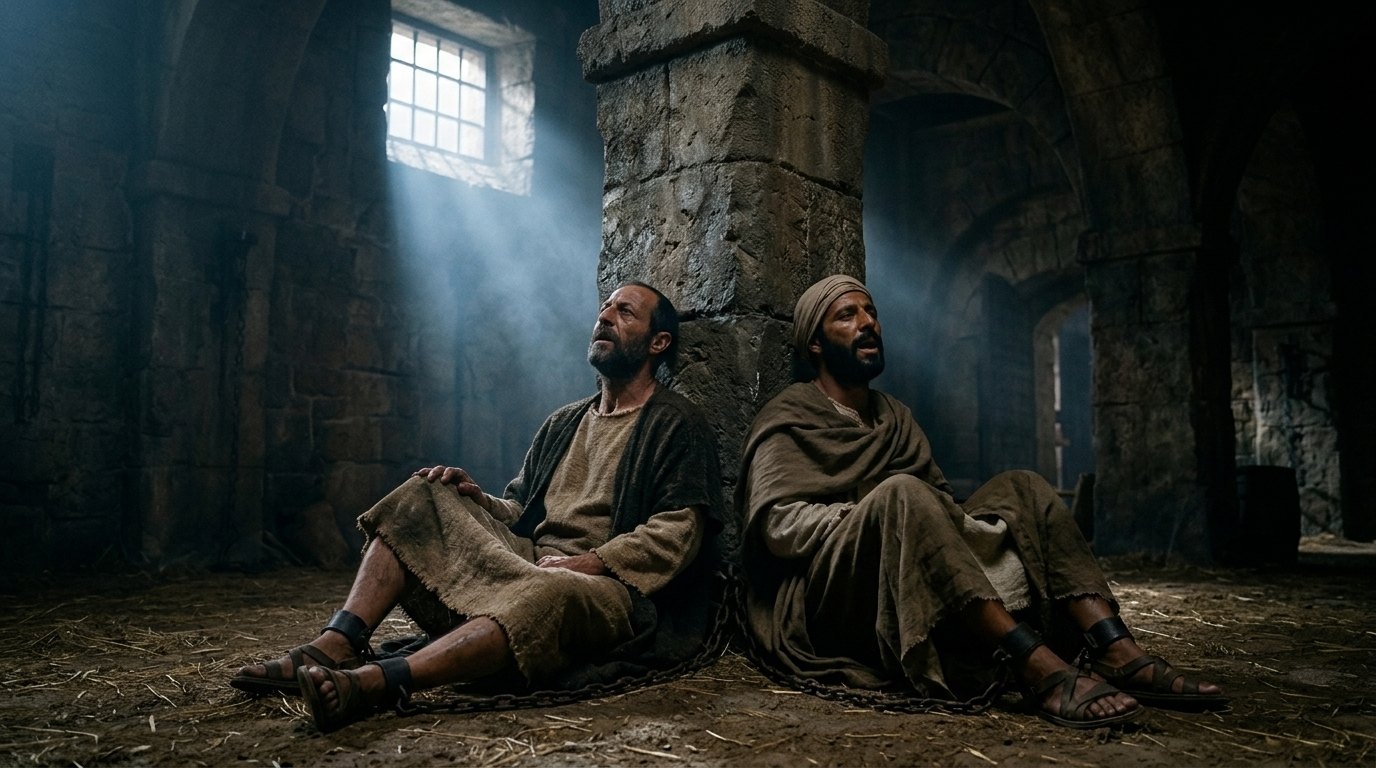
Is anyone among you in trouble? Let them pray. Is anyone happy? Let them sing songs of praise.
James 5:13 (NIV)
It shows that every condition of the soul—whether suffering or rejoicing—has a direct, God-ward expression in prayer and song.
James 5:13 provides a comprehensive rule for every season of life: is anyone among you suffering? Let him pray. Is anyone cheerful? Let him sing praise. God invites His children to bring whatever emotion currently fills their souls into His presence. When distress overwhelms the heart, the proper response is immediate, unvarnished prayer. When joy breaks through, that gladness belongs in worship before the throne.
Scripture is filled with saints who poured out their grief directly to God. From the depths of the sea, Jonah 2:2 records the prophet crying out from his affliction, confident that the Lord heard his voice from the belly of Sheol. Even our Lord Jesus Christ, as Hebrews 5:7 records, offered up prayers and supplications with loud cries and tears to the Father who could save Him from death, being heard because of His reverent submission. Midnight suffering does not stifle worship; in Acts 16:24-25, Paul and Silas prayed and sang hymns to God while clamped in stocks within an inner prison cell.
This Godward reflex matures in corporate praise. Ephesians 5:19 encourages us to speak to one another in psalms, hymns, and spiritual songs, singing and making melody in our hearts. Looking forward, Revelation 5:9-14 reveals the eternal culmination of our praises, where redeemed people of every tongue fall before the Lamb who was slain. In sickness or in health, our breath is meant for honest prayer and passionate adoration.
| Passage | What it says |
|---|---|
| James 5:13 | Commands anyone suffering to pray and anyone cheerful to sing praises to the Lord. |
| Jonah 2:2 | Jonah recounts crying to the Lord in the midst of extreme affliction and being heard from deep distress. |
| Hebrews 5:7 | Describes Jesus offering prayers, supplications, loud cries, and tears to Him who was able to save Him from death. |
| Acts 16:24-25 | Paul and Silas, despite being imprisoned with feet fastened in stocks, pray and sing hymns to God at midnight. |
| Ephesians 5:19 | Encourages speaking to one another in psalms, hymns, and spiritual songs, singing and making melody in the heart. |
| Revelation 5:9-14 | Depicts heavenly worship where the saints and living creatures praise the Lamb who was slain and redeemed people to God. |
Old Testament Intercession
Interceding for the Sick Before God

So Moses cried out to the LORD, “Please, God, heal her!”
Numbers 12:13 (NIV)
Moses provides the shortest, purest model of intercession for a sick sister: 'O God, please heal her—please.'
When Miriam was struck with leprosy outside the camp, Moses modeled the purest form of intercessory petition. In Numbers 12:13, Moses cried to the Lord, 'O God, please heal her—please.' There was no elaborate rhetoric, only an urgent, transparent appeal to God's mercy on behalf of an ailing sister. This heartfelt cry reveals the natural impulse of a godly mediator: standing in the breach and asking God directly for physical deliverance.
Generations later, King Hezekiah faced a terminal diagnosis. In 2 Kings 20:1-5, he turned his face to the wall and wept bitterly before the Lord. God answered him before Isaiah had even cleared the middle court, extending his life by fifteen years and proving Himself attentive to tearful, sincere pleas. David demonstrated this same pastoral heart in Psalm 35:13-14, wearing sackcloth, fasting, and praying with head bowed to his chest when others around him were sick, treating their afflictions as if they belonged to his own mother or brother.
All our prayers for the sick are anchored in the praise of Psalm 103:2-3, which commands our souls to bless the Lord and forget not all His benefits: "who forgives all your iniquity, who heals all your diseases." The God who pardons sin is the very same God who holds sovereign dominion over the human body. As we intercede for the sick, we appeal to the timeless compassion of this same faithful Deliverer.
| Passage | What it says |
|---|---|
| Numbers 12:13 | Moses cries out to the Lord directly, asking God to please heal Miriam of leprosy. |
| 2 Kings 20:1-5 | Hezekiah weeps and prays in mortal illness, and God hears and adds fifteen years to his life. |
| Psalms 35:13-14 | David fasts and pours out prayer when his neighbors and enemies are sick. |
| Psalms 103:2-3 | Praising the Lord who forgives all iniquities and heals all diseases. |
Gospel Intercessions
Bringing Others to Jesus in Prayer
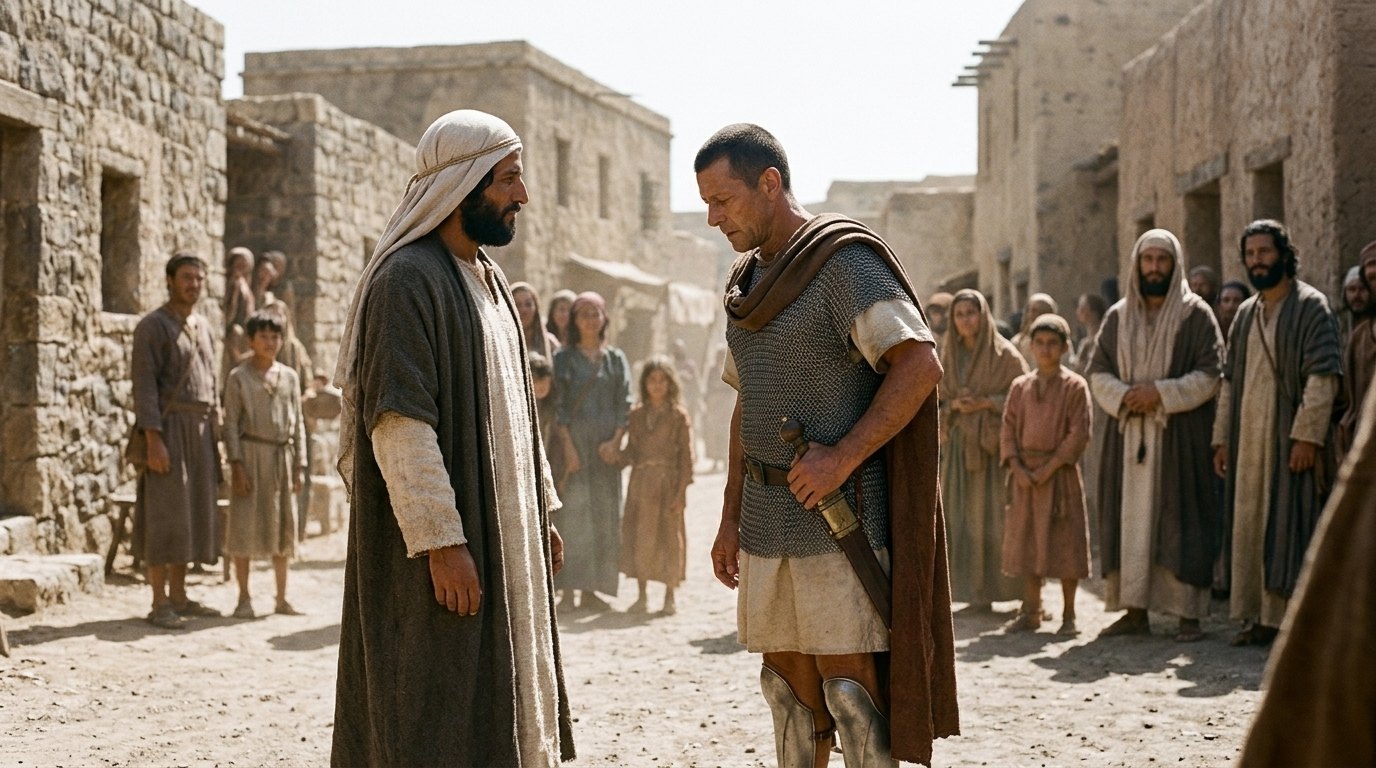
The centurion replied, “Lord, I do not deserve to have you come under my roof. But just say the word, and my servant will be healed.
Matthew 8:8 (NIV)
The centurion shows the heights of intercessory faith, trusting Christ's word alone to bring healing from afar.
When a Roman officer approached Jesus in Matthew 8:8, he articulated the purest instinct of intercession: "Lord, I am not worthy that You should come under my roof. But only speak a word, and my servant will be healed." This centurion recognized that physical proximity posed no barrier to the Messiah’s restorative authority. His servant lay tormented at home, yet the officer brought the crisis directly to Christ with unconditional trust in His divine command. As recorded in Matthew 8:5-13, the Lord marveled at such faith, demonstrating that true intercession relies entirely on the sovereign power of the Savior rather than human merit or ritual proximity.
Throughout the Gospels, desperate friends and family members model this same urgent advocacy. In Mark 5:22-24, Jairus, a ruler of the synagogue, fell prostrate before Jesus, pleading fervently for his dying little daughter that Christ would lay His hands upon her so she might live. In Luke 7:1-10, community elders carried the centurion’s plight to Jesus, emphasizing that intercessory love mobilizes others to seek Christ together. Yet bringing the afflicted to Christ also demands spiritual discipline and vigilance; when the disciples failed to deliver a tormented boy, Jesus explained in Mark 9:28-29 that certain stubborn spiritual afflictions yield only through dedicated prayer and fasting.
Intercession also speaks with tender honesty. In John 11:1-4, the sisters Mary and Martha sent a simple, sorrowful message to Jesus across the Jordan: "Lord, behold, he whom You love is sick." They made no demands, but simply laid the reality of their suffering before the Lord who loved Lazarus, confident that God would use the trial for His ultimate glory. To pray for a sick brother or sister is to carry their burden straight to the throne of grace, trusting Christ’s word to heal, uphold, and glorify His name.
| Passage | What it says |
|---|---|
| Matthew 8:5-13 | The centurion appeals to Jesus in faith for his paralyzed servant, who is healed that hour. |
| Mark 5:22-24 | Jairus falls at Jesus' feet, begging Him to lay hands on his dying daughter so she may live. |
| Mark 9:28-29 | Jesus instructs the disciples that difficult afflictions come out only by prayer and fasting. |
| Luke 7:1-10 | Jewish elders plead earnestly with Jesus on behalf of the centurion's dying servant. |
| John 11:1-4 | Mary and Martha send word to Jesus saying that the one He loves is sick. |
Apostolic Practice
Laying on Hands and Apostolic Prayer
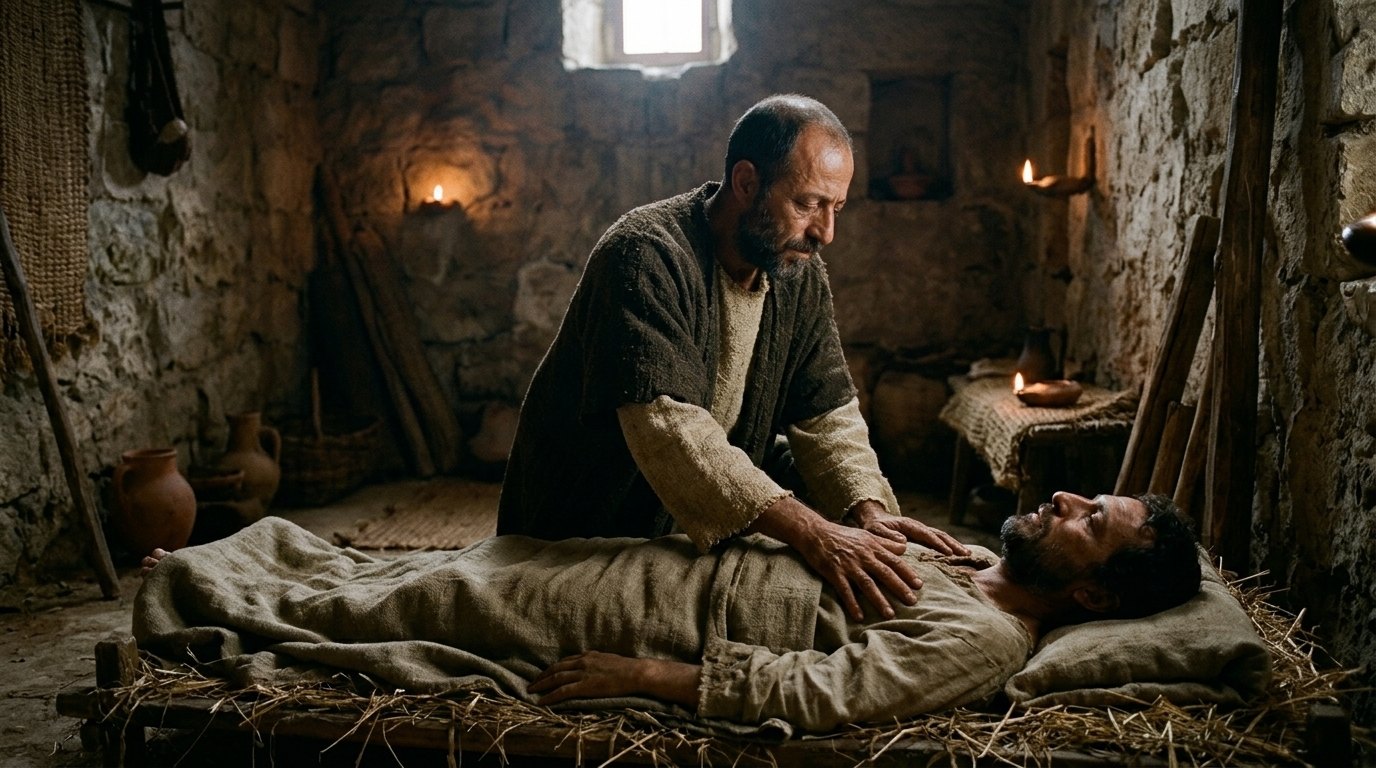
His father was sick in bed, suffering from fever and dysentery. Paul went in to see him and, after prayer, placed his hands on him and healed him.
Acts 28:8 (NIV)
Paul demonstrates apostolic prayer alongside the laying on of hands for a father suffering from fever and dysentery.
On the rainswept island of Malta, Paul encountered a father afflicted with debilitating fever and dysentery. Acts 28:8 records the clear, pastoral order of apostolic ministry: "Paul went in to him and prayed, and he laid his hands on him and healed him." The apostle did not rely on private formulas, incantations, or mechanical techniques. Instead, he knelt before God in prayer and placed his hands upon the suffering man, visibly demonstrating God’s personal, compassionate touch and confirming the power of the risen Christ.
This pattern reflects the promise recorded in Mark 16:17-18, where the Lord declared that His followers would lay hands on the sick and they would recover. Physical touch combined with humble prayer served as an outward seal of pastoral care and spiritual solidarity. In Acts 9:36-41, when Peter arrived at the bedside of Dorcas in Joppa, he sent the weeping widows out of the room, knelt down in earnest prayer, and commanded her to arise. The miraculous restoration that followed flowed directly from persistent prayer offered to the Living God, not human charisma.
Even in the apostolic age, however, healing was neither instantaneous nor guaranteed on demand; it always remained subject to the sovereign mercy of God. In Philippians 2:25-27, Paul describes his fellow laborer Epaphroditus, who became sick almost unto death while ministering in Rome. Epaphroditus was not healed immediately by an apostolic command, yet Paul testifies that "God had mercy on him," sparing him through arduous illness. Pastoral prayer therefore encompasses both immediate deliverance and endurance under God’s sustaining hand. Consequently, the elder John could write with warmth in 3 John 1:2, praying that his beloved friend Gaius might prosper in all things and remain in good physical health just as his soul prospered.
| Passage | What it says |
|---|---|
| Mark 16:17-18 | Believers are told they will lay hands on the sick and they will recover. |
| Acts 9:36-41 | Peter kneels down, prays over Dorcas's dead body, and presents her alive. |
| Acts 28:8-9 | Paul visits Publius's sick father, prays, lays hands on him, and heals him. |
| Philippians 2:25-27 | Paul recounts how Epaphroditus fell ill nearly to death, but God had mercy on him. |
| 3 John 1:2 | John prays that Gaius may prosper in all things and be in good health. |
Where in the Bible
| Book | Passages |
|---|---|
| Numbers | 1 · Numbers 12:13 |
| 2 Kings | 1 · 2 Kings 20:1-5 |
| Psalms | 3 · Psalms 50:15, Psalms 35:13-14, Psalms 103:2-3 |
| Jonah | 1 · Jonah 2:2 |
| Matthew | 2 · Matthew 21:21-22, Matthew 8:5-13 |
| Mark | 5 · Mark 6:13, Mark 11:24, Mark 5:22-24, Mark 9:28-29, Mark 16:17-18 |
| Luke | 1 · Luke 7:1-10 |
| John | 1 · John 11:1-4 |
| Acts | 3 · Acts 16:24-25, Acts 9:36-41, Acts 28:8-9 |
| Ephesians | 1 · Ephesians 5:19 |
| Philippians | 1 · Philippians 2:25-27 |
| Hebrews | 1 · Hebrews 5:7 |
| James | 4 · James 5:14, James 5:15, James 5:16, James 5:13 |
| 1 John | 1 · 1 John 5:14-15 |
| 3 John | 1 · 3 John 1:2 |
| Revelation | 1 · Revelation 5:9-14 |
The story in order
- Jonah cries to God in distress (c. 750 BC) · Jonah 2:2 · Shows crying to God in affliction and being heard.
- Moses cries to God for Miriam (c. 1450 BC) · Numbers 12:13 · Direct intercession for healing from illness.
- Hezekiah prays for healing (c. 700 BC) · 2 Kings 20:1-5 · God hears prayer and grants more life.
- David prays during sickness (c. 1000 BC) · Psalms 35:13-14 · Pouring out prayer during affliction.
- Jesus heals the centurion's servant (c. AD 30) · Matthew 8:5-13 · Faithful intercession brings healing.
- Jesus heals Jairus' daughter (c. AD 30) · Mark 5:22-24 · Pleading with Jesus for the sick.
- Jesus teaches on prayer (c. AD 30) · Matthew 21:21-22 · Believing prayer receives what is asked.
- Jesus offers prayers with cries and tears (c. AD 30) · Hebrews 5:7 · Jesus' own prayers included loud cries.
- Disciples anoint and heal the sick (c. AD 30) · Mark 6:13 · Apostolic practice of anointing and healing.
- Peter raises Dorcas (c. AD 40) · Acts 9:36-41 · Apostolic prayer brings resurrection.
- Paul heals Publius' father (c. AD 60) · Acts 28:8-9 · Apostolic prayer and laying on of hands.
- James instructs elders to pray (c. AD 50) · James 5:14 · Pastoral oversight for the sick.
- James teaches on prayer of faith (c. AD 50) · James 5:15 · Prayer of faith restores and forgives.
- Paul and Silas sing in prison (c. AD 50) · Acts 16:24-25 · Singing praises even in suffering.
Prayer and its Effectiveness
| Situation | Action | Result | Passage |
|---|---|---|---|
| Trouble | Call upon God | Deliverance and glorifying God | Psalms 50:15 |
| Mortal illness | Weep and pray | Life extended | 2 Kings 20:1-5 |
| Paralyzed servant | Centurion appeals to Jesus in faith | Healed | Matthew 8:5-13 |
| Dying daughter | Jairus begs Jesus to lay hands | Restored to life | Mark 5:22-24 |
| Sick person | Summon elders to pray and anoint | Restored, sins forgiven | James 5:14-15 |
| Afflicted | Pray | Heard | Jonah 2:2 |
| Imprisoned | Pray and sing hymns | Deliverance (implied by context) | Acts 16:24-25 |
| Sick | Pray in faith | Restored | James 5:16 |
Expressions of Faith in Suffering
| Circumstance | Response | Biblical Example | Passage |
|---|---|---|---|
| Extreme affliction | Cry to the Lord | Jonah | Jonah 2:2 |
| Mortal illness | Weep and pray | Hezekiah | 2 Kings 20:1-5 |
| Sickness | Summon elders to pray | James 5 | James 5:14 |
| Sickness | Pray the prayer of faith | James 5 | James 5:15 |
| Suffering | Pray | James 5 | James 5:13 |
| Cheerful | Sing praises | Ephesians 5:19 | James 5:13 |
| Imprisoned | Pray and sing hymns | Paul and Silas | Acts 16:24-25 |
| Near death | Pray for mercy | Epaphroditus | Philippians 2:25-27 |
Key words
- Prayer of Faith (proseuchē pisteōs, προσευχῇ πίστεως)
- Believing prayer offered with earnest expectation, assured of being heard. · James 5:15
- Elders (presbyteros, πρεσβύτερος)
- Spiritual leaders in the church responsible for pastoral care. · James 5:14
- Anoint (aleiphō, ἀλείφω)
- To apply oil ritually, often signifying healing or consecration. · James 5:14
- Confess (exomologeō, ἐξομολογέω)
- To admit wrongdoing or faults openly. · James 5:16
- Righteous (dikaios, δίκαιος)
- Living in right relationship with God, characterized by obedience. · James 5:16
Approaching God for a sick friend or family member rests not on our eloquence, but on the finished work of Jesus Christ and His tender mercy toward our weakness. Call on the leaders of the assembly, address hidden sins with humility, and lift up your cries in confident submission to God's good purpose. He hears every plea offered in the name of the Lord and promises to sustain His people through every affliction.
28 passages, each cited once.
How the major Christian traditions read this
All faithful Christians agree that we are commanded to pray earnestly for the sick, calling upon the Lord who hears and delivers His people, and entrusting bodily affliction and spiritual restoration to His sovereign mercy (James 5:14-16; Psalm 50:15).
Catholic
In the Catholic Church, prayer for the sick encompasses personal intercession and the sacred celebration of the Anointing of the Sick, one of the seven sacraments instituted by Christ. As taught in James 5:14-15, the priests of the Church are called to pray over the ill person and anoint them with blessed oil. This sacrament confers special grace: it unites the sufferer's afflictions to Christ's Passion, forgives sins if the person cannot receive Penance, and grants spiritual strength and physical healing according to God's will (Mark 6:13). The faithful also invoke the intercession of the Blessed Virgin Mary and the saints, joining our prayers to the communion of saints before God's throne (Revelation 5:8).
Scripture: James 5:14-15, Mark 6:13, Revelation 5:8
Orthodox
The Orthodox Church approaches sickness through both personal intercession and the Holy Mystery of Euchelaion (Holy Unction). Drawing directly from James 5:14-15, the presbyters gather to pray, read Scripture, and anoint the sick with sanctified oil for the healing of soul and body and the forgiveness of sins. In Orthodoxy, physical disease and spiritual infirmity are inextricably linked to the fallen state of humanity; healing is understood as restoration toward wholeness in Christ. Believers persistently pray for one another, ask the prayers of the Theotokos and the saints, and bring their brethren before the Lord, trusting His mercy and purpose whether in earthly recovery or eternal life (Matthew 10:1).
Scripture: James 5:14-15, Matthew 10:1
Lutheran
We pray for the sick with confidence in God's mercy, grounding our prayers solely in Jesus Christ as our one Mediator (1 Timothy 2:5). Pastors visit the sick to proclaim the comforting Word of the Gospel, administer Holy Absolution, and offer the Lord's Supper, bringing tangible assurance that sins are forgiven and that Christ remains present in suffering. James 5:14-16 directs us to pray for one another and confess our sins, while anointing with oil is recognized as an apostolic practice of care rather than a converting sacrament instituted for all ages. We pray persistently for bodily relief while submitting entirely to the Father's good and gracious will, knowing our ultimate healing is the resurrection.
Scripture: 1 Timothy 2:5, James 5:14-16
Reformed & Presbyterian
Reformed and Presbyterian believers pray for the sick by approaching God's throne of grace with humility and faith through our only High Priest, Jesus Christ (Hebrews 4:16). Heidelberg Catechism Q. 117 teaches that we call only upon the one true God for what He commands, resting in Christ's righteousness rather than our own. Following James 5:14-16, ruling and teaching elders visit the afflicted to minister God's Word, offer pastoral intercession, and facilitate mutual confession and comfort. We do not regard James's reference to oil as an ongoing sacrament, but rather as an ancient act of medicinal care accompanied by prayer. We ask for healing boldly, yet always subject to God's wise and sovereign providence.
Scripture: Hebrews 4:16, James 5:14-16
Anglican & Episcopal
In the Anglican tradition, prayer for the sick unites liturgical care with personal pastoral ministry, as ordered in the Book of Common Prayer. Pastors and lay believers intercede for the afflicted, reading Scripture, offering prayers for healing, and extending the peace of Christ. Following James 5:14-16, ministry to the sick often includes anointing with oil and the laying on of hands, received as sacramental rites that convey God's comfort, forgiveness, and healing presence. While Thirty-Nine Articles 25 distinguishes extreme unction from the two Gospel sacraments ordained by Christ, the church continually prays for the relief of bodily pain, spiritual peace, and the restoration of health in accordance with God's loving purpose.
Scripture: James 5:14-16, Psalms 103:2-3
Baptist
Baptists approach prayer for the sick through the priesthood of all believers and local church pastoral care. We gather as brethren to pray in the name of Jesus, trusting His promises and asking for physical and spiritual restoration (James 5:16). Following James 5:14, sick believers call for the elders (pastors) of the local church to pray over them. Anointing with oil is commonly practiced by elders as a symbolic act of consecration and prayer, or viewed historically as practical, medicinal care alongside prayer. Because Scripture teaches that God hears the prayers of His people directly through Christ, we pray with expectant faith while resting securely in God's absolute sovereignty over life, sickness, and death (2 Corinthians 12:8-9).
Scripture: James 5:14-16, 2 Corinthians 12:8-9, James 5:16, James 5:14
Methodist & Wesleyan
Methodists and Wesleyans emphasize prayer for the sick as an essential work of mercy and a means of grace. John Wesley urged visiting the sick as vital to Christian holiness and love of neighbor. We pray with earnest confidence in God's prevenient and healing grace, asking the Holy Spirit to bring physical relief, peace of heart, and spiritual renewal (James 5:14-15). Pastors and congregations gather to lay hands on the sick, anoint them with oil as a tangible sign of the Spirit's comfort, and lead them in confession and reconciliation (James 5:16). We believe God heals through supernatural intervention and through modern medicine, calling us to care for the whole person in body and soul.
Scripture: James 5:14-16, Luke 9:2, James 5:14-15, James 5:16
Pentecostal & Charismatic
Pentecostals and Charismatics pray for the sick with active, expectant faith, believing divine healing is provided in Christ's atonement: by His stripes we are healed (Isaiah 53:5; 1 Peter 2:24). Believers follow Jesus' commission to lay hands on the sick and see them recover (Mark 16:18), exercising spiritual gifts of healing through the Holy Spirit (1 Corinthians 12:9). James 5:14-15 is taken as a direct mandate: elders anoint the sick with oil, and the prayer of faith releases God's miraculous power to restore the body. While we acknowledge that God works according to His sovereign will, we actively rebuke infirmity, resist the enemy, and stand in bold faith for God's supernatural deliverance.
Scripture: Isaiah 53:5, 1 Peter 2:24, Mark 16:18, James 5:14-15, 1 Corinthians 12:9
Non-denominational & Evangelical
In non-denominational and evangelical churches, praying for the sick centers on simple biblical obedience, personal faith, and community support. Believers pray directly to God in Jesus' name, trusting His goodness and power to heal today (Hebrews 13:8). Pastors, elders, and small-group members visit the sick, lay hands on them, and anoint them with oil according to James 5:14-16. Christians encourage one another to pray boldly and specifically, confess any harbored sin, and walk in faith. While recognizing that God may heal instantaneously, through medical treatment, or ultimately through eternal life, we maintain that prayer for the sick should always be fervent, loving, and grounded in the authority of God's Word.
Scripture: James 5:14-16, Hebrews 13:8
Where they differ
Sacramental nature of anointing the sick
- Catholic
- A formal sacrament instituting grace, spiritual fortitude, and forgiveness.
- Orthodox
- A holy mystery for the complete healing of body, soul, and sins.
- Lutheran
- An apostolic rite of pastoral comfort, not a Gospel sacrament.
- Reformed & Presbyterian
- A historical practice or pastoral symbol, not an ongoing sacrament.
- Anglican & Episcopal
- A sacramental rite conveying grace, distinct from baptism and the Eucharist.
- Baptist
- A symbolic act of local church prayer, not a sacrament.
- Methodist & Wesleyan
- A means of grace and sign of the Holy Spirit's presence.
- Pentecostal & Charismatic
- An obedient scriptural point of contact for releasing miraculous healing power.
- Non-denominational & Evangelical
- A biblical, symbolic practice of obedience and faith, not a sacrament.
Scripture: James 5:14-15, Mark 6:13
Expectation of physical healing in the atonement
- Catholic
- Healing is granted according to God's providence; suffering unites to Christ's Passion.
- Orthodox
- God heals mercifully, but suffering participates in ascetic transformation and theosis.
- Lutheran
- Atonement purchases forgiveness and eternal life; bodily healing rests in God's will.
- Reformed & Presbyterian
- Christ provides redemption; physical healing is subject to God's sovereign decree.
- Anglican & Episcopal
- We pray with hope, entrusting bodily restoration to God's sovereign wisdom.
- Baptist
- God hears prayer, but healing remains within His sovereign, unpromised will.
- Methodist & Wesleyan
- God offers healing through prayer and medicine, fully realized in eternity.
- Pentecostal & Charismatic
- Bodily healing is provided in Christ's atonement and claimed by faith.
- Non-denominational & Evangelical
- God miraculously heals today, yet sovereignly permits trials for His glory.
Scripture: Isaiah 53:5, 1 Peter 2:24, 2 Corinthians 12:8-9
Your pastor can tell you where your church stands.
Scripture cited
- Psalms 50:15
- Jonah 2:2
- Ephesians 5:19
- Acts 16:24-25
- Hebrews 5:7